No, birds cannot safely eat chocolate. Even a small amount can be toxic, and in some cases fatal, because chocolate contains two compounds, theobromine and caffeine, that birds cannot metabolize the way humans can. If a bird in your care has already eaten chocolate, contact a vet or the ASPCA Animal Poison Control Center at (888) 426-4435 right now, before symptoms appear.
Can a Bird Eat Chocolate? What to Do and Safer Alternatives
Maya Bennett
4 May 2026
Why chocolate is dangerous for birds
The Merck Veterinary Manual identifies the main culprits as blank" rel="noopener noreferrer">methylxanthines, specifically theobromine (3,7-dimethylxanthine) and caffeine (1,3,7-trimethylxanthine). The ASPCApro tox brief on chocolate intoxication notes that the toxic compounds are methylxanthines, specifically theobromine and caffeine, and that the relative amounts vary by chocolate form. These compounds are what give chocolate its stimulant effect in humans, but birds process them far more slowly, so the substances accumulate to toxic levels in the body. The ASPCA is blunt about it: the darker the chocolate, the higher the cacao content, and the greater the toxicity risk.
Once absorbed, methylxanthines affect a bird's heart, nervous system, and gastrointestinal tract. According to a 2025 avian toxicoses review published in Frontiers in Veterinary Science, signs in birds can include restlessness, increased heart rate, muscle tremors, seizures, and GI distress. Merck notes that clinical signs typically appear within 6 to 12 hours of ingestion, and PetMD warns the effects can persist for 24 to 48 hours, which is why a single exposure isn't something to wait out and see.
There is another wrinkle worth knowing: birds cannot vomit. That means if a toxic substance gets into a bird's system, the body has no quick escape route. This makes chocolate exposure particularly serious compared to what might happen with a dog or cat in the same situation. If a cat eats a bird, treat it as an urgent situation and contact your veterinarian for immediate guidance what happens if a cat eats a bird.
What to do if a bird has already eaten chocolate
Act immediately, even if the bird looks fine right now. Symptoms often don't show up for hours, and by the time you see tremors or a racing heart, the situation is already serious. Here is the order of steps I'd follow:
- Stop any further access to chocolate immediately. Remove the source.
- Call the ASPCA Animal Poison Control Center at (888) 426-4435, or your avian vet, right away. Have the type of chocolate and an estimate of how much was eaten ready to report.
- Do not try to induce vomiting. Birds cannot vomit effectively, and attempting it can cause trauma or aspiration. PetMD is explicit on this point: do not induce vomiting at home.
- Keep the bird calm and warm. Stress accelerates heart rate, which is already a concern with methylxanthine toxicity.
- Watch for early warning signs: restlessness, unusual hyperactivity, loss of coordination, tremors, or rapid breathing. If any of these appear, treat it as an emergency and get to a vet immediately.
- If instructed to bring the bird in, transport it in a secure, ventilated carrier with minimal handling.
The ASPCA recommends calling poison control even when symptoms seem mild, because a history of exposure is one of the primary ways vets diagnose methylxanthine toxicity. If you downplay it or wait, you could delay care at exactly the wrong moment.
How much chocolate is actually dangerous
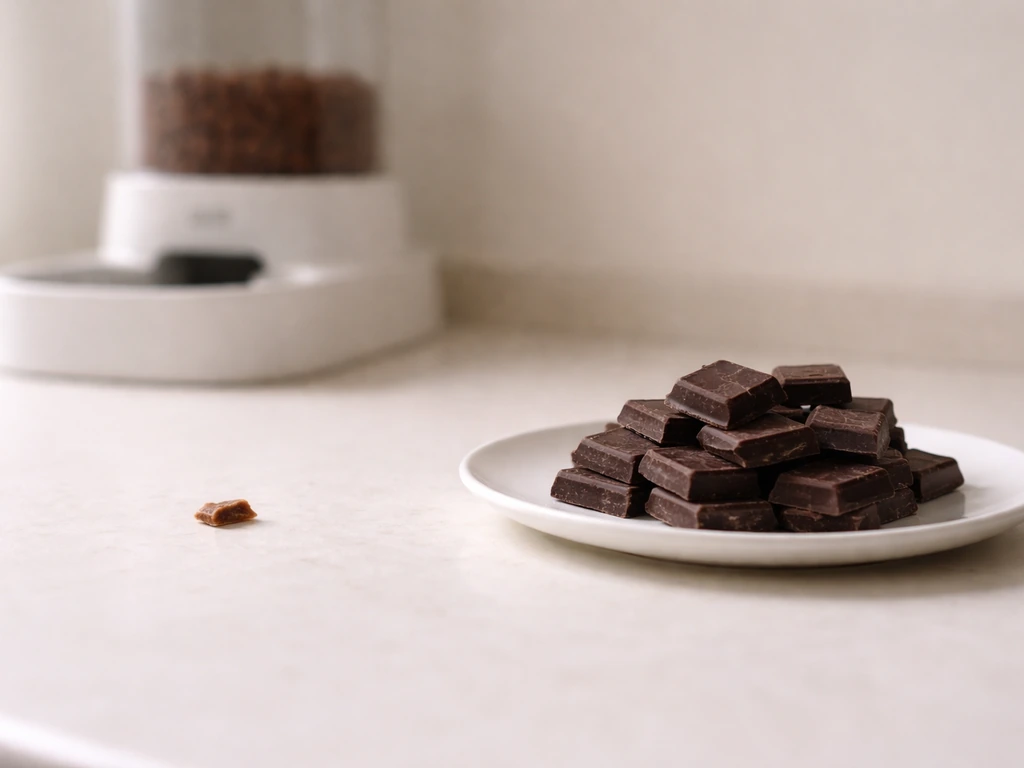
This is where people sometimes get tripped up. A tiny crumb of milk chocolate dropped near a feeder isn't the same risk as a wild parrot eating 20 grams of dark chocolate, but that doesn't mean any amount is safe. The risk depends on three things: the type of chocolate, how much was eaten, and the size of the bird.
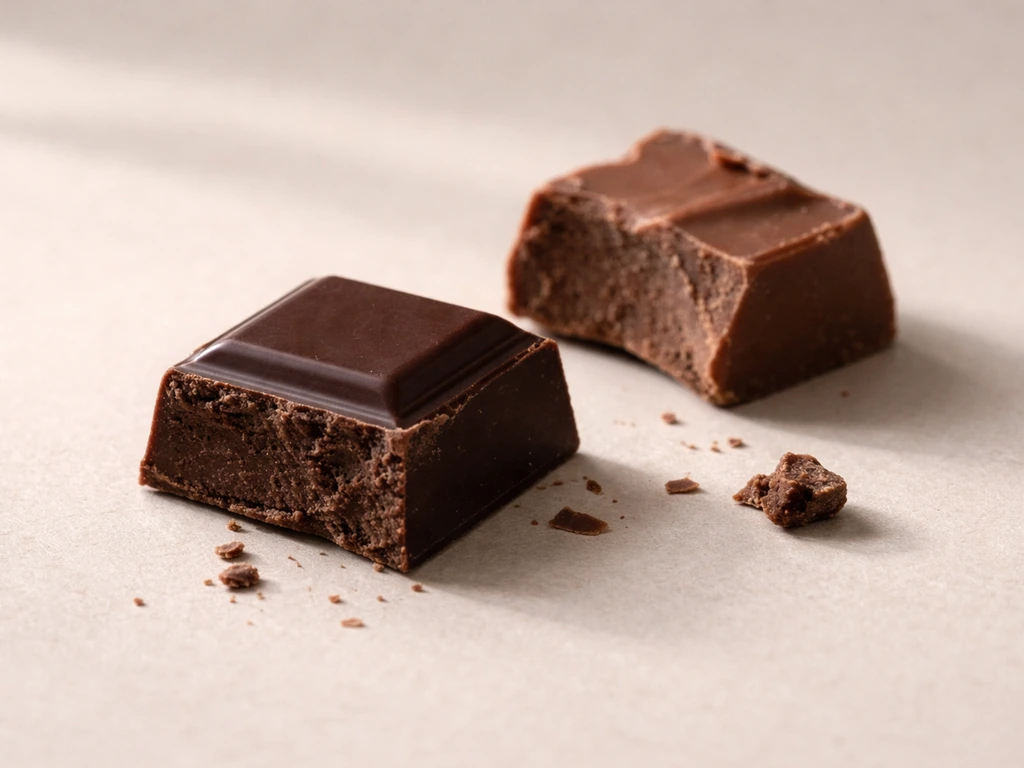
Chocolate type matters enormously. According to Petco's breakdown, milk chocolate contains roughly 1 to 2 mg of theobromine per gram, while dark unsweetened baking chocolate can contain as much as 15 to 16 mg per gram. Cocoa powder sits at the high end too. That means a small piece of baking chocolate carries far more danger than the same weight in milk chocolate. PetMD notes that because of these differences, even small amounts of dark chocolate or cocoa powder can cause poisoning in birds.
Bird size compounds the problem. A sparrow, finch, or parakeet weighs just a few grams, so the threshold for a dangerous dose per kilogram of body weight is crossed much faster than it would be for a large dog. As a sobering reference point, a documented kea (a large parrot) fatality in the wild was linked to roughly 20 grams of dark chocolate, which translated to an estimated 250 mg/kg of theobromine. There are no established safe thresholds specifically for pet or backyard bird species, which is exactly why vets and poison control centers take any chocolate exposure seriously, regardless of the amount.
| Chocolate Type | Approx. Theobromine per Gram | Risk Level for Birds |
|---|---|---|
| White chocolate | Negligible | Low (but still not recommended) |
| Milk chocolate | 1–2 mg/g | Moderate |
| Dark chocolate (70%+) | 8–15 mg/g | High |
| Unsweetened baking chocolate | 15–16 mg/g | Very high |
| Cocoa powder | Up to 26 mg/g | Extremely high |
What to feed birds instead
Birds don't need chocolate or any processed human food. There are plenty of safe, nutritious options that backyard birds and pet birds actually thrive on. Mass Audubon is direct about it: never feed birds processed human foods like bread or crackers, and the same logic applies to chocolate, candy, and baked goods.
For feeder birds, the safest and most effective options are species-appropriate seeds and natural foods. PetMD lists sunflower seeds, millet, fresh fruit, suet, peanut butter, mealworms, and crushed eggshells as solid seasonal choices. All About Birds points out that suet is especially good for woodpeckers, nuthatches, chickadees, jays, and starlings. For hummingbirds, Virginia DWR recommends a simple nectar of 1 cup granulated white sugar dissolved in 4 cups of water, nothing more.
- Black-oil sunflower seeds: attracts a wide range of backyard birds
- Nyjer (thistle) seed: goldfinches and siskins love it
- White millet: ground-feeding sparrows and juncos
- Suet cakes (plain or with seeds): woodpeckers, nuthatches, chickadees
- Fresh fruit pieces (apple, berries, grapes): orioles, thrushes, waxwings
- Mealworms (live or dried): bluebirds, robins, wrens
- Crushed eggshells: provides calcium, especially during nesting season
- Peanut butter (plain, no xylitol): offered in small amounts, monitor for spoilage
- White sugar nectar (1: 4 ratio): hummingbirds only
A note on peanut butter: All About Birds flags that it can spoil quickly and may attract unwanted species. Offer it in small amounts and clean feeders frequently. And while Tufts Wildlife Clinic confirms bread has no real nutritional value for birds and can even harm them, particularly when moldy, the same caution applies double to anything sweet or chocolate-adjacent.
Keeping chocolate away from birds at your feeder
Prevention is much easier than managing a poisoning emergency. The biggest risk at a backyard feeder isn't someone intentionally offering chocolate. It's accidental exposure, like a dropped piece of candy near the feeder, a chocolate cookie crumbled into what looks like bird-friendly scraps, or a well-meaning family member tossing out food waste. Here's how to reduce that risk:
- Never place human food scraps near feeders or on the ground below them. This includes cookies, cakes, candy bars, or any chocolate-containing snack.
- Position feeders away from outdoor dining areas where food gets dropped or tossed.
- Educate anyone who helps with feeding, especially children, about which foods are off-limits.
- Store birdseed and suet in sealed containers away from kitchen foods to avoid cross-contamination.
- Clean up spilled seed regularly so the area doesn't attract birds foraging near potential food scraps. Minnesota DNR recommends a bleach cleaning solution of 2 ounces of bleach per gallon of water for feeder hygiene.
- If seed gets wet or clumps, discard it and clean the feeder before refilling. Wet, moldy seed is a different but equally serious health risk for birds.
- Match feeders to the birds you want to attract, as Audubon advises, using tube feeders, hopper feeders, or suet cages placed appropriately. This limits scavenging by birds that might otherwise explore the ground near your outdoor eating spots.
This kind of attentiveness connects to a broader principle worth keeping in mind: the same care you take to avoid spoiled seed, moldy bread, or inappropriate scraps near your feeders applies here. Chocolate is in the same category as other harmful human foods that can end up near birds by accident. If you're also thinking about other ingestion risks, the logic that applies here, call immediately, don't wait for symptoms, overlaps with advice around other toxic exposures like harmful plants or foreign objects. Foreign objects can also cause serious problems if a bird swallows them, so it's best to get guidance right away if you suspect plastic has been eaten.
The bottom line on chocolate and birds
Chocolate is not a gray area for birds. It contains compounds that are genuinely toxic to them, the risk scales up fast with darker chocolate and smaller body size, and there's no established safe dose. If a bird ate chocolate, call (888) 426-4435 or your avian vet right now, keep the bird calm, and don't try to make it vomit.
If you are wondering what happens if a bird eats Alka-Seltzer, the key issue is still medication poisoning, so call poison control or your avian vet right away what happens if a bird eats alka seltzer. The rest is about prevention: stick to species-appropriate foods, keep human snacks away from feeding areas, and clean your feeders regularly. That combination keeps your backyard birds safe and makes chocolate exposure a non-issue.
FAQ
What should I do if I cannot tell whether the bird actually ate the chocolate, but it was near the feeder?
If you find chocolate in or around the bird feeder, treat it like a possible ingestion event even if you did not see the bird eat it. Do a quick count of how many pieces were missing or how much was dropped, then call an avian vet or poison control and describe the chocolate type, approximate amount, and the bird species (or closest guess).
Can I make a bird vomit or give anything to flush out the chocolate?
Do not try to force fluids, food, or induce vomiting. Birds can be stressed quickly, and attempts to make them vomit can cause choking. Instead, keep the bird warm and in a quiet, dark area, and call poison control or an avian vet for next-step instructions.
If the bird seems normal right now, is it okay to wait and see?
Rushing to the vet is more important than watching for symptoms. Signs can start hours after ingestion, so if there is a credible exposure, contact a professional immediately, then follow the guidance on whether to monitor at home or come in.
If chocolate was dropped near a feeder, should I treat it as a risk for all the birds there?
If multiple birds share a feeder or water source, assume risk for any birds that were present during the exposure, especially smaller species. When you call, mention the number of birds that could have been exposed and whether more than one bird is acting differently.
Does the danger depend on the specific type of chocolate (chips, powder, baking chocolate, milk chocolate)?
If you have cocoa powder, chocolate chips, baking chocolate, or dark chocolate in the same area, they are not interchangeable in risk. Dark chocolate and cocoa powder tend to be much more concentrated, so tell poison control the exact product name and form (chips, bars, powder) rather than only saying “chocolate.”
What symptoms should prompt immediate emergency care after a chocolate exposure?
Yes. Many birds that look healthy can still be affected internally, and tremors, fast heart rate, seizures, or GI distress may appear later. If you notice abnormal posture, repeated gasping, unsteady movement, drooling, persistent diarrhea, or sudden lethargy, that is an emergency.
Should I give any home remedies or human medicines while waiting for poison control?
Once you call, do not start medication unless the avian vet instructs you to. Some common human remedies could worsen dehydration or interfere with treatment. Give only what the professional recommends and be ready to share timing (when it likely happened) and the estimated dose.
What if the bird is wild and I cannot easily catch it?
For wild birds you cannot safely capture, focus on keeping the area hazard-free and contact local wildlife responders or poison control with what you observed (species, approximate quantity, time). If you can capture safely, transport in a ventilated carrier lined with a towel, keep it warm, and minimize handling stress.
Is chocolate still dangerous if it was baked into a dessert like brownies or cookies?
Chocolate that is baked into cookies or brownies still counts. Baking does not eliminate theobromine and caffeine, and crumbs can be highly risky if they include cocoa powder or dark chocolate. Describe the ingredient list if you have it, and treat the exposure seriously.
How does the bird’s size change the risk if only a tiny amount was eaten?
A good rule is that smaller birds hit toxic levels with less material. If the bird is a finch, sparrow, parakeet, or similar small species, even a “small crumb” can be meaningful. Provide your best estimate of bird weight or species to help the vet estimate dose.
Next Articles
What Bird of Prey Eats Pigeons: Common Raptors & ID Tips
Which raptors eat pigeons: peregrine, Cooper’s, goshawk, merlin, red-tailed, kestrels, owls; ID tips, risks and how to保护
Which Bird Eats Mice? How to Identify Mouse Predators
Identify which birds eat mice using hunting cues, time of day, calls, and perch habits, plus safe yard steps.
What Bird Eats Ducks? How to Identify Duck Predators
Identify which birds, like hawks and owls, prey on ducks and learn proof cues and humane steps to reduce risk.