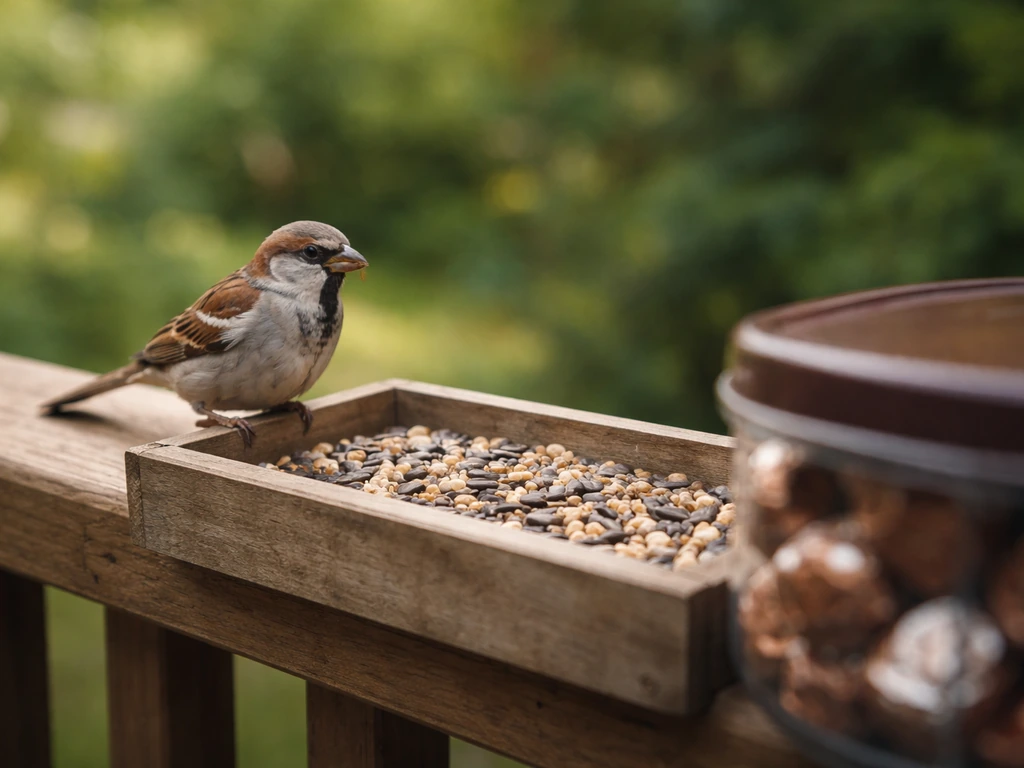
If a bird eats an Alka-Seltzer tablet, it is a genuine emergency. The tablet contains three ingredients that are all problematic for birds: 325 mg of aspirin, 1000 mg of citric acid, and nearly 2000 mg of sodium bicarbonate. Even a small fraction of that is enough to seriously harm or kill a small songbird. Do not wait for obvious symptoms before acting, and do not try to counter-dose or induce vomiting. Contain the bird, keep it warm, and get it to an avian vet or wildlife rehabilitator as fast as you can.
What Happens If a Bird Eats Alka-Seltzer and What to Do

Maya Bennett
21 May 2026
Why Alka-Seltzer is Dangerous for Birds
Alka-Seltzer Original is a human medication, and every active ingredient in it is a problem for birds. The aspirin alone (325 mg per tablet) is an NSAID that causes listlessness, vomiting, internal bleeding, hyperthermia, and rapid breathing in animals at toxic doses. Birds are particularly sensitive to NSAIDs because their metabolism handles these drugs very differently from mammals. There is no established safe dose of aspirin for wild birds.
The sodium bicarbonate content is the other major threat. At nearly 2000 mg per tablet, that is an enormous sodium load for an animal that might weigh only 20 to 30 grams. Birds have kidneys, but young birds under 21 days old have immature kidneys with a reduced ability to excrete sodium efficiently, making them even more vulnerable. Even in adult birds, a high-sodium exposure like this can push the system into crisis quickly. Clinical signs of sodium toxicity in birds include neurological symptoms like incoordination, apathy, and even seizure-like episodes, along with respiratory distress.
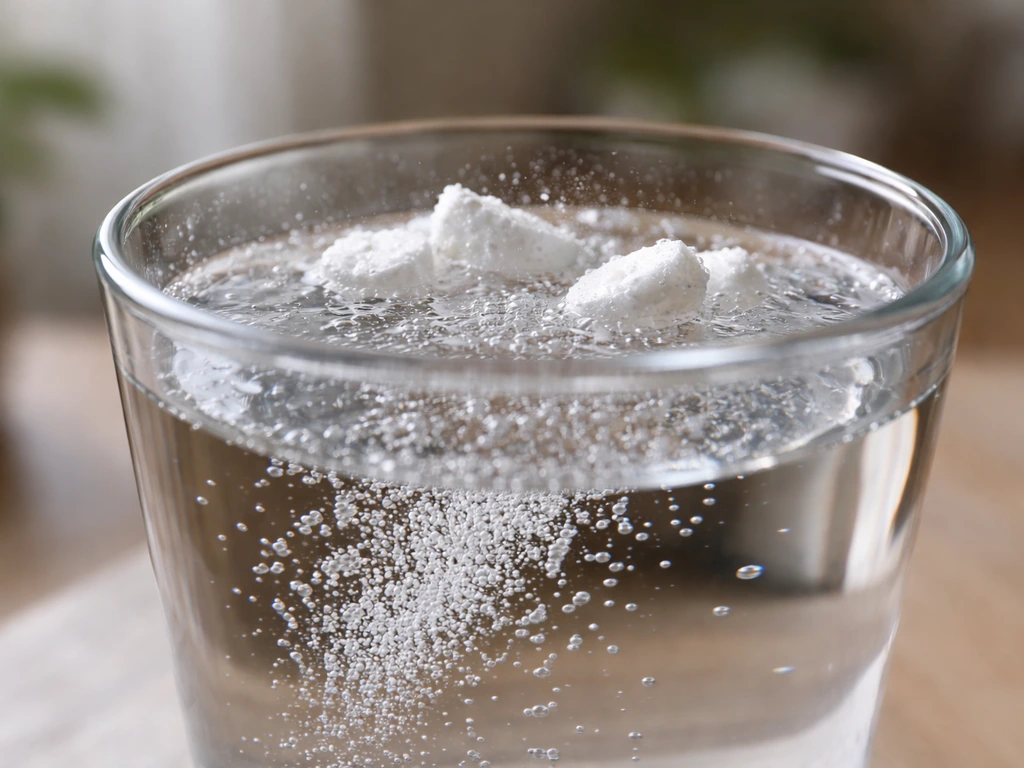
The effervescent reaction is an added concern. When the tablet dissolves, the citric acid and sodium bicarbonate react to produce carbon dioxide gas. If a bird swallows a dissolving tablet or tablet fragments, that gas production inside a small digestive tract is not a trivial issue. It can cause GI distress, bloating, and irritation on top of everything else the aspirin and sodium are already doing.
It is worth noting that some Alka-Seltzer formulations, like the Extra Strength Heartburn Relief version, do not contain aspirin. But those still contain high amounts of sodium bicarbonate and citric acid, so they are far from safe. No version of Alka-Seltzer is appropriate for birds.
Symptoms to Watch for After Ingestion
Symptoms can appear within hours of ingestion, and some birds deteriorate rapidly, within 24 to 48 hours of exposure. The tricky part is that birds instinctively hide illness, so by the time you see obvious signs, the bird may already be in serious trouble. Watch closely for all of the following.
- Lethargy or unusual stillness, sitting on the bottom of the cage or on the ground
- Loss of appetite or refusal to eat or drink
- Vomiting or regurgitation, which may include blood in severe aspirin toxicity
- Labored or rapid breathing, open-mouth breathing, or tail bobbing with each breath
- Disorientation, loss of balance, or incoordination
- Tremors or seizure-like muscle activity
- Abnormal droppings, particularly very watery or discolored droppings
- Puffed-up feathers combined with any of the above signs
- Sudden collapse or unresponsiveness
Breathing difficulty is the most urgent red flag. If you notice breathing difficulty, seek veterinary care immediately, and remember that vomiting can rapidly worsen a bird’s condition through dehydration Breathing difficulty is the most urgent red flag.. If a bird is breathing with its beak open, tail pumping, or is sitting with its eyes half-closed and wings drooped, treat that as a crisis and call a vet immediately. Do not wait to see if it improves on its own.
What to Do Right Now: Immediate First Aid
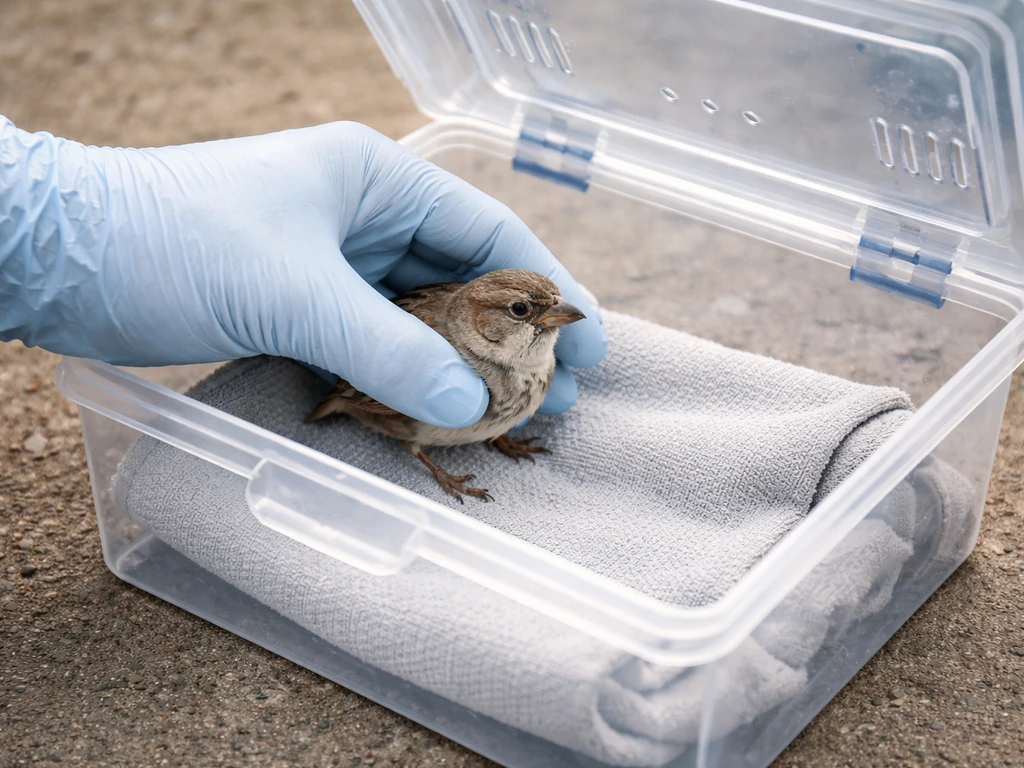
Your job in the first few minutes is to stop further exposure, reduce stress on the bird, and get it ready for transport. You are not trying to treat the bird yourself. Here is what to do, step by step.
- Remove the bird from the area where the tablet was accessed. Collect any remaining tablet fragments and secure them so no other birds or animals can reach them.
- Do not induce vomiting. This applies to birds just as it does to other animals. Forcing vomiting can cause aspiration, rapid dehydration, and additional trauma to the GI tract.
- Do not give the bird anything to eat or drink to try to 'flush out' the tablet or neutralize it. No water, no milk, no other substances unless an avian vet specifically instructs you to.
- Place the bird in a quiet, dark, ventilated box or carrier lined with a soft cloth. Darkness reduces stress, which is genuinely life-saving in acute toxic events.
- Keep the bird warm. A target temperature of around 85 to 90 degrees Fahrenheit is appropriate for a sick or injured bird. A heating pad set to low under half the box, or a warm water bottle wrapped in a cloth placed nearby, works well. Make sure the bird can move away from the heat source if needed.
- Minimize handling. Every time you handle the bird it spikes its stress hormones, which makes its condition worse. Once it is in the box, leave it alone.
- Call an avian vet or wildlife rehabilitator immediately while the bird is resting. Do not wait until you see worsening symptoms.
When You Need to Escalate to a Vet or Wildlife Rehab
Honestly, any confirmed or strongly suspected Alka-Seltzer ingestion warrants a call to a professional. But there are specific situations where you should drop everything and go immediately rather than calling first.
- The bird is breathing with its mouth open or its tail is visibly pumping with each breath
- The bird cannot stand or is flopping, trembling, or having seizure-like activity
- The bird is unresponsive or collapsed
- You can see blood in vomit or droppings
- The bird is very small (finch-sized or smaller) or a juvenile with immature feathering, since young birds with underdeveloped kidneys are at extreme risk from sodium overload
- The bird ingested a whole or mostly-whole tablet
For wild birds, search for a licensed wildlife rehabilitator in your area. In the US, you can use the National Wildlife Rehabilitators Association directory or call your state fish and wildlife agency. Many areas also have 24-hour wildlife emergency lines. Internet advice about DIY treatments for wild bird poisoning is genuinely dangerous, and the rehabilitators who handle these cases regularly will tell you the same thing.
For pet birds, call your avian vet. If your regular vet is not available, call an emergency exotic animal clinic. When you call, tell them exactly what product the bird was exposed to, approximately how much, when it happened, and the bird's species and approximate weight if you know it. That information helps the vet prepare before you arrive.
How to Prevent This From Happening Again

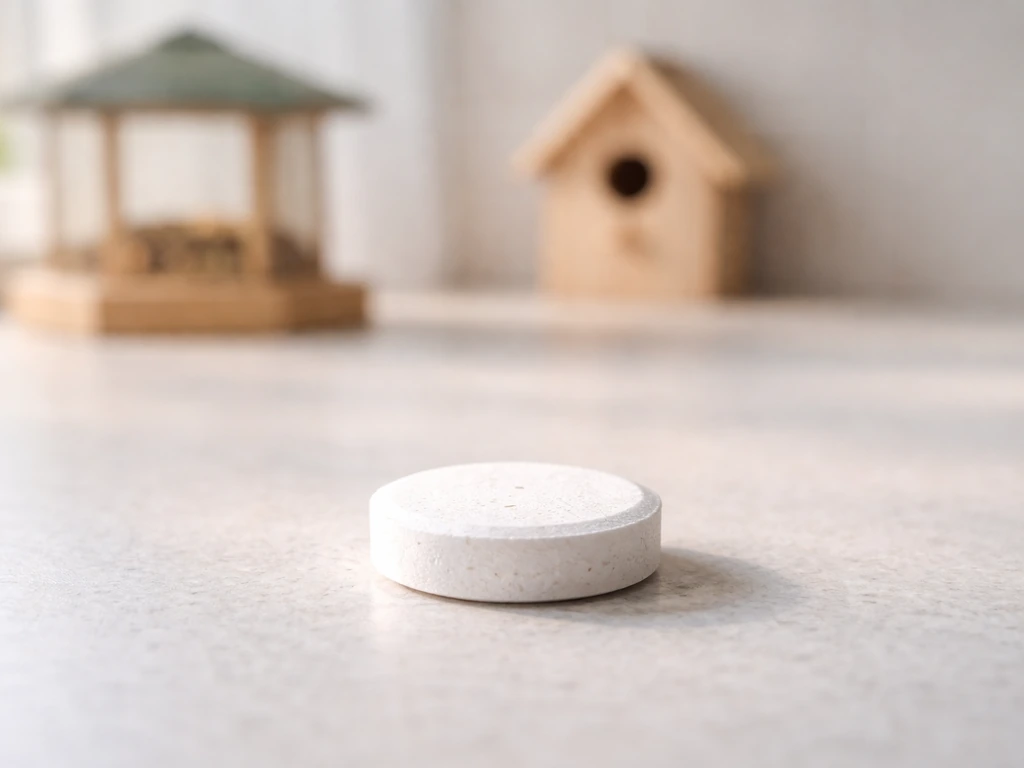
Alka-Seltzer tablets are small, light, and crumbly, which makes them a realistic risk in households where birds have access to counters, tables, or open bags. The effervescent fizzing also makes them genuinely interesting to curious birds. Prevention is straightforward once you know the risk exists.
- Store all human medications, including OTC antacids, in a closed cabinet well out of reach of any pet bird. Tablet form medications are especially dangerous because birds can pick them up and crack them with their beak.
- Never take medications near your bird's cage or perch area. Tablets dropped on the floor near a bird cage are a real hazard.
- Keep outdoor feeders well away from any area where you or household members handle medications or eat food with supplements.
- If you use any effervescent tablets (vitamins, electrolytes, antacids) outdoors near a bird feeding station, clean up immediately and do not leave dissolved residue in containers that birds might drink from.
- Educate everyone in the household, including children and guests, that human medications are never appropriate for birds. This is a common source of accidental exposure.
- If a tablet is dropped and you cannot immediately find it, assume a bird in the area could access it and do a thorough search before allowing birds back into that space.
The same logic applies to other toxic exposures. Chocolate, certain plants, and plastics are other ingestion hazards that backyard birders and pet bird owners regularly encounter. The same goes for chocolate, which can also be dangerous for birds. Keeping the bird's environment medication-free is one of the simplest and highest-impact safety measures you can take.
Safe Alternatives for Backyard Bird Health Concerns
The idea of giving a bird something like Alka-Seltzer usually comes from a good place. Someone notices a bird looking puffy or off and wants to do something helpful. But birds do not experience indigestion the way humans do, and their GI systems are completely different from ours. There is no bird-safe equivalent of an antacid tablet.
If a wild bird at your feeder looks ill, the best thing you can do is remove the food source temporarily and clean the feeder thoroughly. Dirty feeders and spoiled seed are one of the leading causes of illness in backyard birds, and eliminating that source gives any sick bird a better chance while removing the risk for healthy ones. Rinse feeders with a 10 percent bleach solution, let them dry completely, and refill with fresh seed.
For your pet bird, routine health monitoring is the best preventive tool you have. Weigh your bird weekly on a gram scale. A drop of even 5 to 10 percent of body weight is an early warning sign that something is wrong, often before any visible symptoms appear. If your bird's weight drops, eating behavior changes, or droppings look abnormal, that is the time to call your avian vet, not to experiment with over-the-counter remedies.
For backyard feeders, stick to species-appropriate foods: fresh black-oil sunflower seeds, nyjer, safflower, unsalted peanuts, and fresh fruit for appropriate species. These are well-studied, low-risk options. Avoid anything highly processed, salted, or medicated. Fresh, clean water in a regularly scrubbed birdbath is one of the most supportive things you can offer wild birds, and it carries none of the risks that come with trying to supplement or medicate them.
Quick Reference: What to Do and What to Avoid
| Action | Do It or Avoid It | Why |
|---|---|---|
| Remove the bird from further exposure | Do it immediately | Stops additional ingestion and reduces dose |
| Induce vomiting | Never | Causes aspiration and worsens dehydration |
| Give food, water, or neutralizing substances | Avoid unless vet-directed | Can interfere with treatment and worsen GI irritation |
| Place bird in a warm, quiet, dark box | Do it immediately | Reduces stress and supports temperature regulation |
| Call an avian vet or wildlife rehabilitator | Do it as soon as the bird is contained | Professional treatment is the only reliable response |
| Wait to see if the bird improves on its own | Avoid | Rapid deterioration is possible within hours |
| Handle the bird repeatedly to check on it | Avoid | Stress makes toxic events significantly worse |
| Use Alka-Seltzer or any human antacid for birds | Never | No safe dose exists; all ingredients are harmful to birds |
The bottom line is this: Alka-Seltzer is not a bird remedy, not even a gentle or partial one. What happens if a bird eats plastic is also a medical emergency, so it is important to seek professional help right away. If a bird has ingested any amount, treat it as an emergency, follow the first-aid steps above, and get professional help the same day. If a cat is the one that ate a bird, the situation can also become an emergency and should be handled by a professional wildlife or veterinary source what happens if a cat eats a bird. The faster you act, the better the bird's chances.
FAQ
If the bird ate only a tiny crumb, is it still an emergency?
Yes. If you can find any tablet pieces in the bird’s crop or mouth, or you witnessed swallowing, treat it as a confirmed exposure even if the bird is acting “mostly normal.” Birds often hide symptoms, so the safe move is immediate professional guidance rather than monitoring only for obvious signs.
Can I give something at home to “neutralize” Alka-Seltzer?
Do not. Do not give water, antacids, milk, activated charcoal, or other household “binding” remedies unless your vet or rehabilitator tells you to. With sodium bicarbonate and aspirin-type toxicity, extra substances can worsen GI irritation, complicate assessment, or delay definitive care.
What if the tablet started fizzing or dissolved before the bird was fully done chewing?
Yes, but not in the way people expect. Effervescence can start after a tablet is wet or begins to dissolve, so a bird may be exposed to rapidly produced carbon dioxide and irritating acids. Also, some tablets crumble, so fragments can be swallowed without the full tablet dissolving, still creating a toxic sodium and aspirin load.
What details should I tell the vet if I’m calling after a possible ingestion?
If you have it, bring the remaining packaging, tablet type (Original, Extra Strength, etc.), and any estimate of how much was missing. If the bird is a pet, also tell the vet if it had eaten food right before the exposure, because recent food can change how quickly a dose moves through the GI tract.
How should I contain the bird while waiting for help?
Confinement should be brief and controlled. Keep the bird in a quiet, warm, dark container with ventilation, avoid handling that causes stress, and do not offer food or treats during transport unless a professional instructs otherwise. Stress and cooling can worsen breathing and circulation problems.
Does what I should do differ for pet birds versus wild birds?
For a pet bird, keep the bird’s environment calm and use a secure transport cage rather than a bowl or open towel, and prepare for possible breathing or seizure-like episodes. For wild birds, avoid prolonged feeding attempts, focus on warmth and safety, and contact a rehabilitator immediately because timing strongly affects outcomes.
If it seems okay now, do I still need to get it checked?
Even if it seems “fine” after the first hour, symptoms can still start within hours and some birds worsen over 24 to 48 hours. If you observed ingestion or strong suspicion, plan on a vet or rehabilitator assessment the same day.
What symptoms are most concerning after Alka-Seltzer exposure?
Watch for more than appetite changes. Prioritize breathing signs (open-mouth breathing, tail pumping), then neurologic or behavior signs (sudden weakness, uncoordinated movement, unusual apathy, head-tremor, collapse). Normal droppings are not a guarantee, so still call if ingestion happened.
What if the bird ate Alka-Seltzer and then a cat got to the bird?
If a cat ate the bird or swallowed bird-related fragments, treat that as a separate emergency risk and call the appropriate professional. The cat can become ill from substances the bird ingested, and the bird may have injuries or partial remains that make it hard to assess what was actually consumed.
How do I prevent this from happening again if I have birds at home?
Prevention is mostly storage and access control. Keep all effervescent tablets in closed cabinets with child-resistant packaging, wipe down counters, and secure open bags and pill organizers where birds can reach. Consider using a lidded, high shelf for medications and cleaning any crumbs immediately.
Next Article
Can a Bird Eat Chocolate? What to Do and Safer Alternatives
Can bird eat chocolate? Chocolate is toxic from caffeine and theobromine. Get quick first steps, warnings, and safe alte