Most dogs that eat a bird will be fine. You'll likely see some vomiting or an upset stomach over the next 12 to 24 hours, and that's usually the end of it.
What Happens If My Dog Eats a Bird: First Aid and Vet Help

Maya Bennett
26 Apr 2026
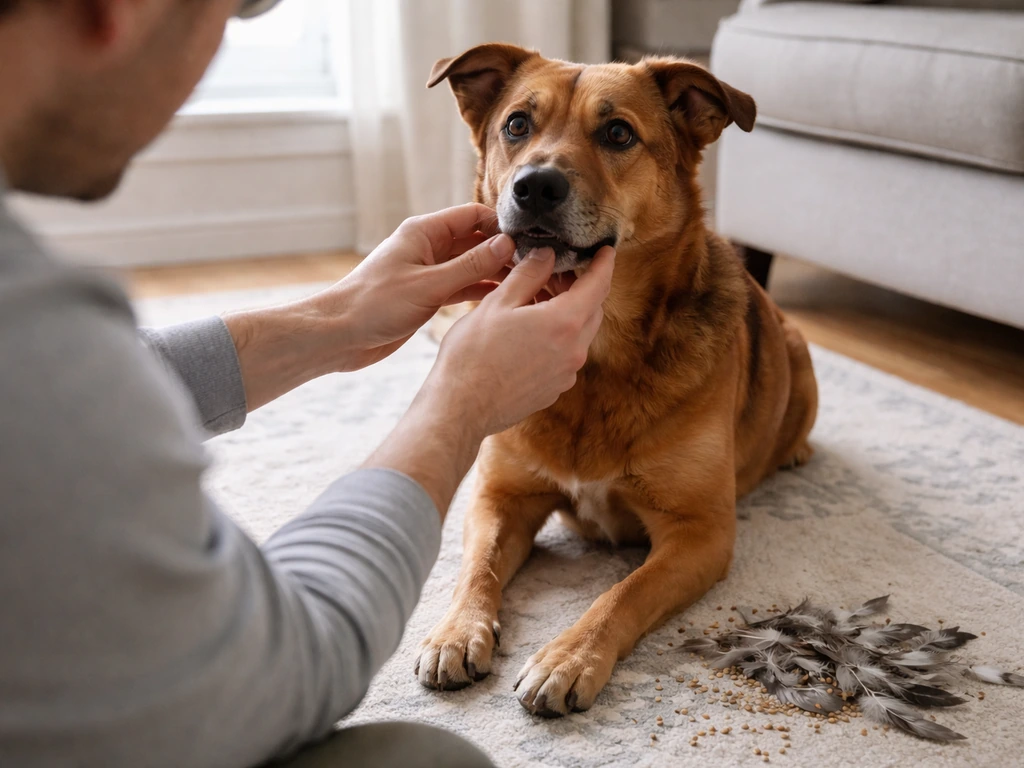
The situations that need urgent attention are choking right now (feathers or bone fragments caught in the airway or throat), signs of a blockage in the gut over the next day or two, and any exposure to a sick or dead bird that could carry salmonella or, in active outbreak areas, avian influenza. Here's how to work through it, step by step.
If you are also wondering why did my dog eat a bird, think about scavenging and hunting instincts, which can be behind many “ate a bird” cases.
First: Check for choking and airway trouble
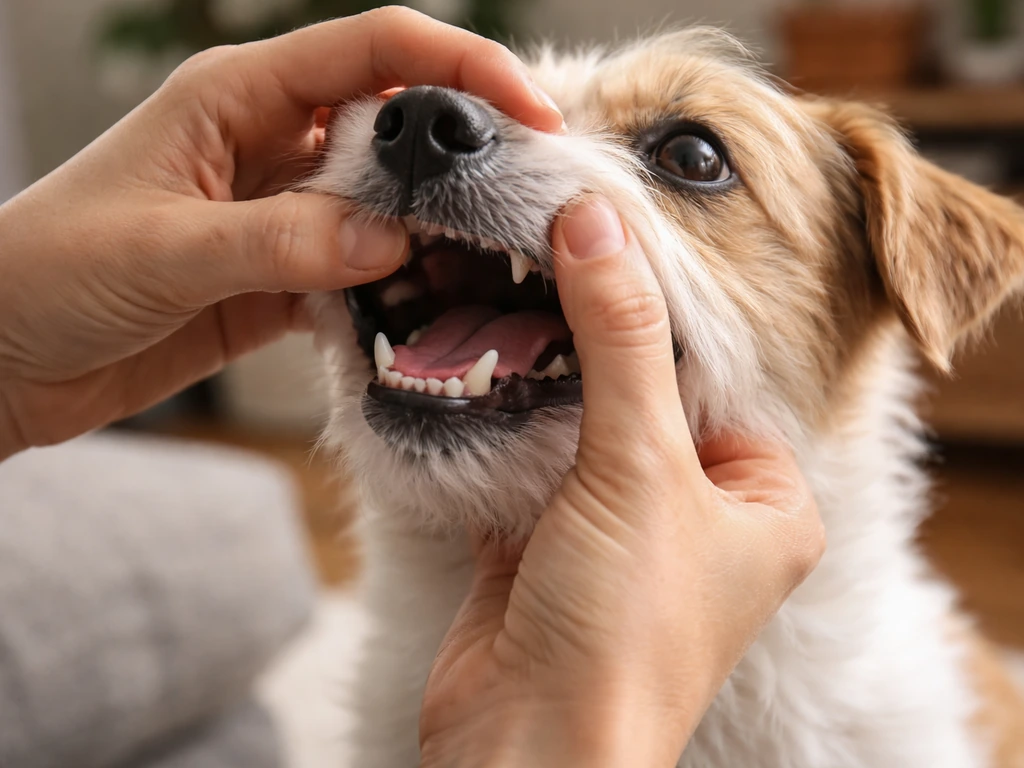
Before anything else, look at your dog right now. Is the dog breathing normally? A dog that ate a bird and is breathing, walking around, and acting reasonably alert is not in immediate danger. A dog that is pawing at its mouth, gagging repeatedly, extending its neck and straining to swallow, drooling heavily, or making labored breathing sounds may have something lodged in the throat or esophagus.
Feathers are the most common choking culprit. A single small feather usually passes or gets coughed up without drama, but a clump of feathers, a sharp wing bone, or a large piece of a bird can get stuck at the back of the throat or in the esophagus. The Merck Veterinary Manual describes the signs of an esophageal obstruction as drooling, gagging, difficulty swallowing, regurgitation, and repeated attempts to swallow. If you're seeing those signs together, stop reading and head to an emergency vet.
If the dog is choking and you can clearly see the object at the back of the mouth, you can try to sweep it out with your finger. Do not do blind finger sweeps and do not try to pull at something you can't see clearly. You can cause more damage or push it deeper. If you can't dislodge it in a few seconds, go to a vet immediately.
What symptoms to expect over the next 24 to 48 hours
Once choking is ruled out, shift into monitoring mode. A dog that swallowed a bird whole or in pieces is introducing feathers, small bones, raw meat, and potentially bacteria into its digestive system. Some of that is going to cause irritation. Here's what's normal and what isn't.
| Symptom | Likely Meaning | Urgency |
|---|---|---|
| One or two vomiting episodes in the first few hours | Normal gut irritation response | Monitor at home |
| Mild diarrhea or loose stool for 1 to 2 days | Digestive upset from raw bird matter or bacteria | Monitor, keep hydrated |
| Lethargy for a few hours, then improving | Body processing the stress of digestion | Monitor |
| Continued vomiting beyond 12 to 24 hours | Possible partial obstruction or infection | Call vet today |
| Straining, no stool for 24+ hours, bloated belly | Possible full obstruction | Emergency vet now |
| Bloody stool or vomit with blood | Internal injury or severe infection | Emergency vet now |
| Yellowing of gums/eyes, unexplained bruising | Possible toxin (e.g., aflatoxin) or systemic illness | Emergency vet now |
| Labored breathing developing hours later | Possible infection, aspiration, or avian flu | Emergency vet now |
The most important thing to watch is whether symptoms are improving or getting worse over time. A dog that vomits once and then eats normally by evening is almost certainly fine. A dog that keeps vomiting, stops eating, acts increasingly lethargic, or develops a swollen or painful abdomen is telling you something is wrong internally.
When to call the vet: actual red flags and timing
There are some situations where you don't wait and see. Call your vet or go to an emergency clinic immediately if you see any of the following.
- Trouble breathing, gasping, or blue-tinged gums at any point
- Continuous gagging, retching, or straining to swallow that doesn't resolve in minutes
- Collapse, unconsciousness, or extreme disorientation
- Vomiting that keeps coming back for more than 12 hours
- A bloated, hard, or visibly painful abdomen
- No bowel movement within 24 hours combined with lethargy or vomiting
- Blood in vomit or stool
- Jaundice (yellow tinge to gums or whites of eyes), unexplained bruising, or bleeding
- Sudden severe lethargy, loss of appetite, or fever after eating a dead or sick wild bird
Timing matters with obstructions. The Merck Veterinary Manual is clear that foreign bodies not passing within 24 hours should be removed because delay increases the risk of gut perforation and makes successful removal less likely. If your dog ate a large piece of bird, a lot of bone, or a bundle of feathers and hasn't passed anything after 24 hours, that's a vet conversation even without dramatic symptoms.
One scenario that needs its own mention: avian influenza. The CDC and state animal health programs confirm that dogs can become infected with avian flu by eating sick or dead birds during active outbreaks. If there's a known HPAI outbreak in your area and your dog ate a dead wild bird, contact your vet for guidance even if the dog looks normal. If you suspect your dog swallowed a bird, the next step is figuring out whether it can digest it safely or if obstruction or infection is the concern can a dog digest a bird. Symptoms in pets can include lethargy, loss of appetite, and respiratory signs, and early reporting helps both your pet and public health tracking.
What if it was bird food or seed, not an actual bird?
If your dog raided the bird feeder or got into a bag of birdseed rather than catching a live bird, the risk profile shifts. Most commercial birdseed is not toxic to dogs in small quantities, but the real dangers are mold, bacteria, and contaminated feeder debris.
Spoiled seed is the biggest concern. Birdseed stored in warm, damp conditions can develop aflatoxin-producing mold. The FDA lists aflatoxin poisoning symptoms in pets as sluggishness, loss of appetite, vomiting, diarrhea, jaundice, and unexplained bleeding. These symptoms can appear within hours or over a few days. If your dog ate a significant amount of old, moldy, or clumped seed and shows any of those signs, contact your vet and bring a sample of the seed if you can.
Feeder areas are also hotspots for salmonella. Wild birds spread the bacteria through droppings at feeding stations, and dogs snuffling around under feeders or mouthing feeder trays can pick it up easily. Salmonella in dogs causes vomiting, diarrhea (sometimes bloody), lethargy, and fever. It's treatable, but it does require vet assessment rather than home monitoring if symptoms are more than mild.
Ground-level or low feeder setups make this more likely because spilled seed and bird droppings accumulate in spots your dog can reach and investigate. This is worth thinking about after any incident, not just the one that brought you here today.
First aid at home: what to do and what not to do
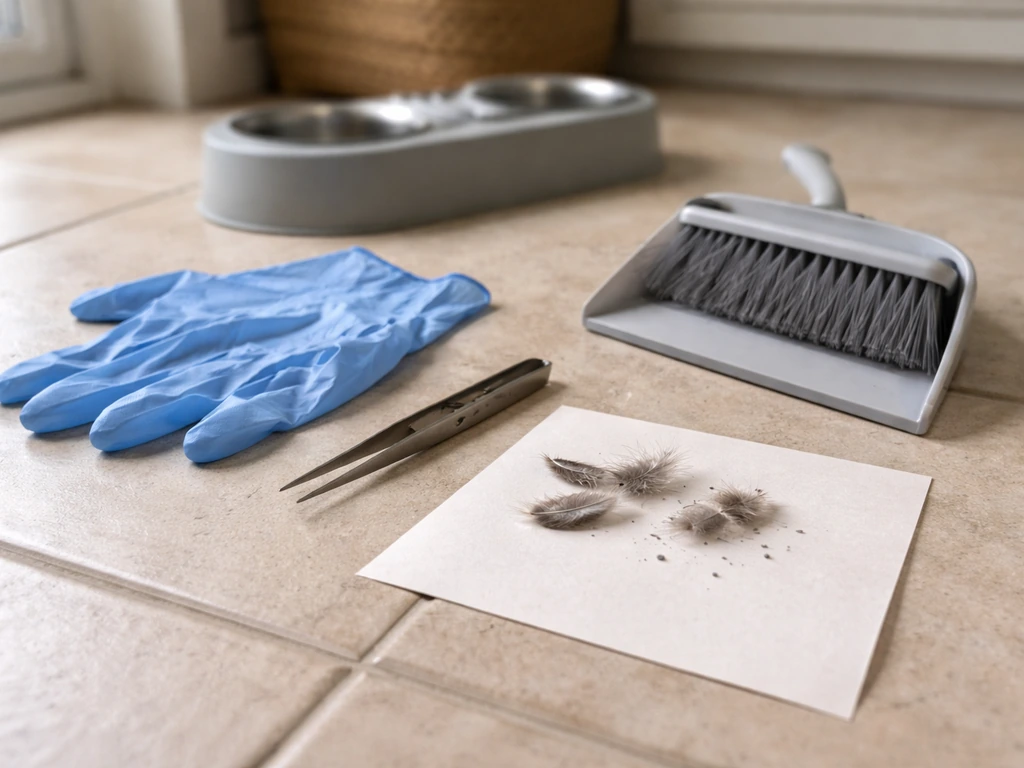
If the dog is not choking, not showing red-flag symptoms, and you've confirmed there's no active avian flu concern in your area, here's what you can do right now while you monitor.
- Remove any remaining bird material from the dog's reach. Pick up feathers, bones, or carcass remnants and dispose of them. Use gloves if there's any chance the bird was sick.
- Check your dog's mouth once calmly. If you can see feathers or bone at the very back of the mouth and the dog is calm enough, you can try to remove them. Stop immediately if the dog resists or you can't see clearly.
- Give fresh water and let the dog rest. Don't offer food for a few hours to let the stomach settle.
- Note the time and what you observed. Write down what the dog ate, roughly how much, what condition the bird appeared to be in (dead, freshly caught, visibly sick), and when it happened. Your vet will want this.
- Monitor for the next 24 to 48 hours using the symptom table above.
- Call your vet or a poison control line if you're unsure. Even a quick phone call can give you peace of mind and a clearer sense of whether you need to come in.
The single most important thing NOT to do is induce vomiting without being told to by a vet. PetMD and Cornell University's veterinary guidance both emphasize this clearly. With foreign bodies like feathers and bone, forced vomiting can cause sharp fragments to do more damage on the way back up. Don't do it unless a vet specifically instructs you to after hearing the details.
Also skip the hydrogen peroxide, activated charcoal from the medicine cabinet, or any home remedies you might find online unless you're on the phone with a vet and they're walking you through it. These can cause more harm than good when applied incorrectly.
Myth check: is this always an emergency?
No, it's not. Dogs are scavengers and opportunistic hunters, and plenty of them eat birds, feathers, and bird-adjacent stuff without ever needing a vet visit. If you're wondering will a dog eat a bird, the good news is that most cases are like the ones covered above, with recovery possible when choking is not happening. If your dog ate a small bird, passed some feathers, had one or two loose stools, and bounced back to normal energy and appetite, that's a very common outcome. You don't need to panic, but you do need to watch carefully for the first 48 hours and know exactly which signs mean you need to act fast.
The risk goes up meaningfully with larger amounts of material (whole birds, big bone pieces, lots of feathers), birds that were already dead and decomposing, birds in areas with known disease outbreaks, and dogs that ate mold-contaminated bird food. Those situations deserve a call to the vet even if your dog looks okay right now.
Preventing this from happening again: smarter feeder habits
If your dog accessed a bird feeder, scavenged under one, or got into a birdseed bag, this is a good moment to rethink your feeder setup. A little prevention now means you're not back here with a more serious situation in a few months.
Keep dogs away from feeder zones
- Mount feeders high enough (at least 5 to 6 feet) and away from surfaces dogs can use to get closer.
- Use baffles or pole-mounted feeders rather than ground-level or low tray feeders if dogs have regular access to the yard.
- Supervise time in the yard near feeders, especially if you've had dead birds under or near the station.
- If you find a dead bird under or near your feeder, remove it with gloves, bag it, and dispose of it before letting your dog back into that area.
Clean feeders regularly and store seed properly
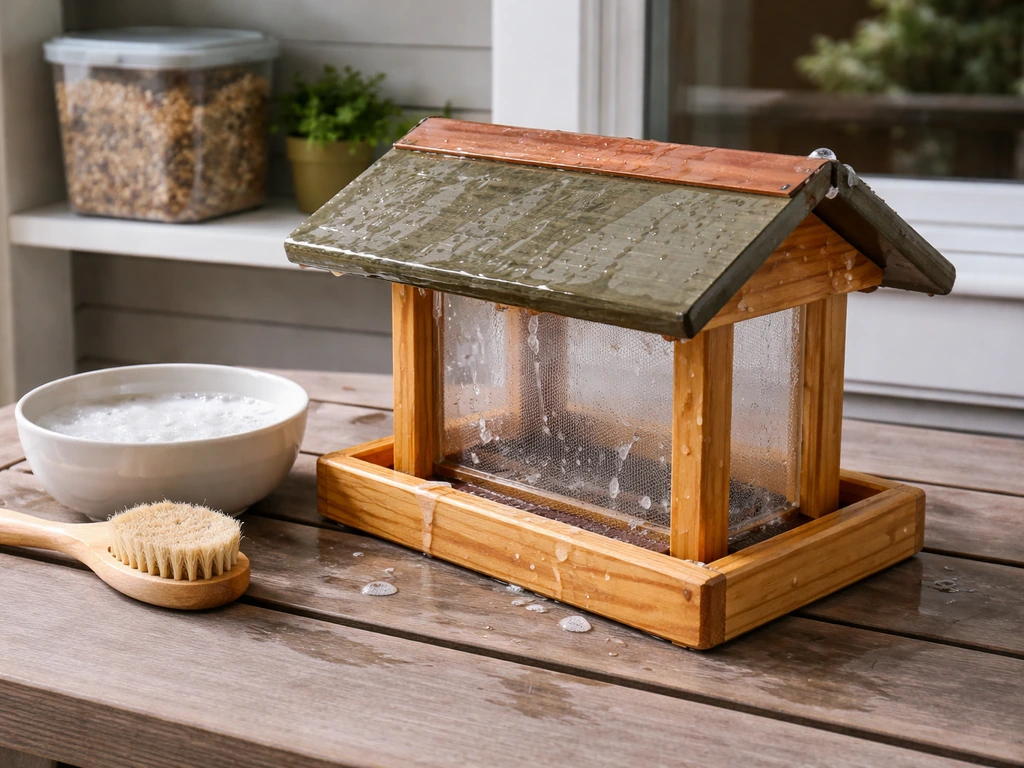
Project FeederWatch recommends cleaning seed feeders about every two weeks under normal conditions and more often during warm or wet weather when mold grows faster. Use a diluted bleach solution (about one part bleach to nine parts water), scrub thoroughly, rinse well, and let the feeder dry completely before refilling. The Wild Bird Feeding Institute specifically recommends cleaning feeders after any dead bird is found nearby, because that's when bacterial contamination is most likely.
For seed storage, keep birdseed in a sealed, airtight container in a cool, dry place. Never use seed that's clumped, smells musty, or has visible mold. Moldy seed is the main source of aflatoxin risk, and it's also less attractive to birds, so there's no good reason to use it. Rotate stock and buy smaller quantities in warmer months when seed spoils faster.
Reduce the conditions that attract birds to ground level
- Sweep up spilled seed from beneath feeders regularly. Spilled seed on the ground draws birds down and concentrates droppings in exactly the zone a dog will investigate.
- Consider seed trays or catchers that reduce ground spillage.
- Avoid placing feeders directly over areas where your dog spends the most time.
- During any known local outbreak of salmonella or avian flu, take feeders down temporarily until the outbreak passes. The Audubon Society supports this approach as one of the most effective ways to reduce feeder-related disease transmission.
Quick next-steps checklist
- Right now: confirm your dog is breathing normally and not choking. If choking, go to the vet immediately.
- Next few hours: remove remaining bird material, offer water, withhold food briefly, and note what happened for your vet.
- Next 24 to 48 hours: monitor using the symptom table. Watch for vomiting that won't stop, no bowel movements, a painful belly, bloody stool, or worsening lethargy.
- Call your vet if any red-flag symptoms appear, if the bird was dead and decomposing, if you're in an HPAI outbreak area, or if nothing has passed after 24 hours.
- Don't induce vomiting without vet instruction.
- After the incident: reassess your feeder placement and cleaning routine to reduce the chance of a repeat exposure.
FAQ
If my dog only swallowed a small feather, do I still need to call the vet?
Often no, especially if your dog remains normal and you do not see repeated gagging, drooling, or trouble swallowing. Still monitor for 24 hours, if symptoms like persistent vomiting, refusal to eat, or increasing lethargy show up, contact your vet because even small sharp pieces can irritate the esophagus or stomach.
What should I do if I suspect a bone got stuck, but I cannot see anything in the mouth?
Do not try repeated blind sweeps. If you cannot clearly dislodge the object within a few seconds, or if you see signs like regurgitation, straining to swallow, or labored breathing, go to emergency care right away, because esophageal foreign bodies can worsen quickly.
Can I give my dog food or water after eating a bird?
If your dog is fully acting normal and not choking, small amounts are usually okay, but avoid forcing large meals. If your dog is gagging, repeatedly swallowing, vomiting, or drooling heavily, withhold food and contact your vet before offering anything by mouth, since swallowing can worsen obstruction risk.
How long should I watch for digestive symptoms before assuming something is wrong?
A single episode of mild vomiting or loose stool that improves within a day is commonly seen. If vomiting continues, your dog stops eating, or you notice an increasingly painful or swollen belly, call your vet promptly, and if those concerns are present within 24 hours after the incident, prioritize same-day advice.
My dog ate a dead bird outdoors. What changes if it was in an area with avian flu activity?
Even if your dog seems fine, you should contact your vet in areas with known outbreaks for guidance. Your vet may advise monitoring for specific symptoms and may also want you to limit contact and handling of the bird material, because early reporting helps with public health tracking.
What if my dog ate the bird from the feeder area, could it be birdseed poisoning or infection instead of a foreign body?
Yes, especially if the “bird” turned out to be mostly feathers plus a lot of seed or if the feeder area looks dirty. Moldy clumped seed raises aflatoxin concerns, and feeder debris raises salmonella risk, so watch for jaundice, unexplained bleeding, fever, or diarrhea that becomes more than mild.
Should I induce vomiting to get it out faster?
No, do not induce vomiting unless your veterinarian specifically tells you to. Forced vomiting can push sharp fragments further and increase the chance of injury, and it is particularly risky when bones or feather clumps could be involved.
Is hydrogen peroxide or activated charcoal ever a good idea at home for this situation?
Usually no. These can cause harm or interfere with proper treatment depending on what was eaten and how much. If you already gave something, tell your vet exactly what and how much, and do not give additional home treatments unless instructed.
What symptoms suggest a gut blockage versus a simple stomach upset?
Blockage signs often progress, look for repeated vomiting, stopping eating, lethargy that worsens, and a belly that is swollen or painful. If your dog passes little or no stool, seems to strain, or symptoms do not improve within a day or two, contact your vet because timing matters for foreign body removal.
Should I bring the bird feathers, bird, or seed to the vet?
If you can do so safely, it can help. Bring a small sample of what your dog ate, or a photo of the feeder debris, because identifying whether bones were present or whether the seed looks clumped, musty, or moldy can guide the fastest, safest next steps.
If my dog looks normal now, do I need to do anything differently afterward?
Yes, adjust prevention and reduce repeat exposure. Clean feeders, store birdseed in airtight containers away from moisture, and discard seed that smells musty or looks clumped, these steps lower the odds of mold toxins and bacterial contamination the next time your dog investigates the feeder area.
Next Articles
What Bird of Prey Eats Pigeons: Common Raptors & ID Tips
Which raptors eat pigeons: peregrine, Cooper’s, goshawk, merlin, red-tailed, kestrels, owls; ID tips, risks and how to保护
Which Bird Eats Mice? How to Identify Mouse Predators
Identify which birds eat mice using hunting cues, time of day, calls, and perch habits, plus safe yard steps.
What Bird Eats Ducks? How to Identify Duck Predators
Identify which birds, like hawks and owls, prey on ducks and learn proof cues and humane steps to reduce risk.