Yes, Ozzy Osbourne did eat a bird, specifically a dove, and it is one of the better-documented shock-rock stories of the 1980s. On March 27, 1981, at a CBS Records publicity meeting in Los Angeles, Ozzy pulled a live dove from a bag and bit its head off in front of the label executives. He reportedly did it a second time with another dove, spitting the head onto the table. That is the incident most people are really asking about when they search this question, even though it often gets conflated with the even-more-famous 1982 bat incident. Did Nick Avocado eat his bird? There is no well-substantiated, widely documented incident comparable to the Ozzy Osbourne claims described here.
Did Ozzy Osbourne Eat a Bird? Facts, Sources, and Risks

Maya Bennett
25 Jun 2026

What the claim actually refers to: the dove and the bat
There are two separate incidents that get blended together under the 'Ozzy ate a bird' shorthand. Getting them straight matters if you want the real story.
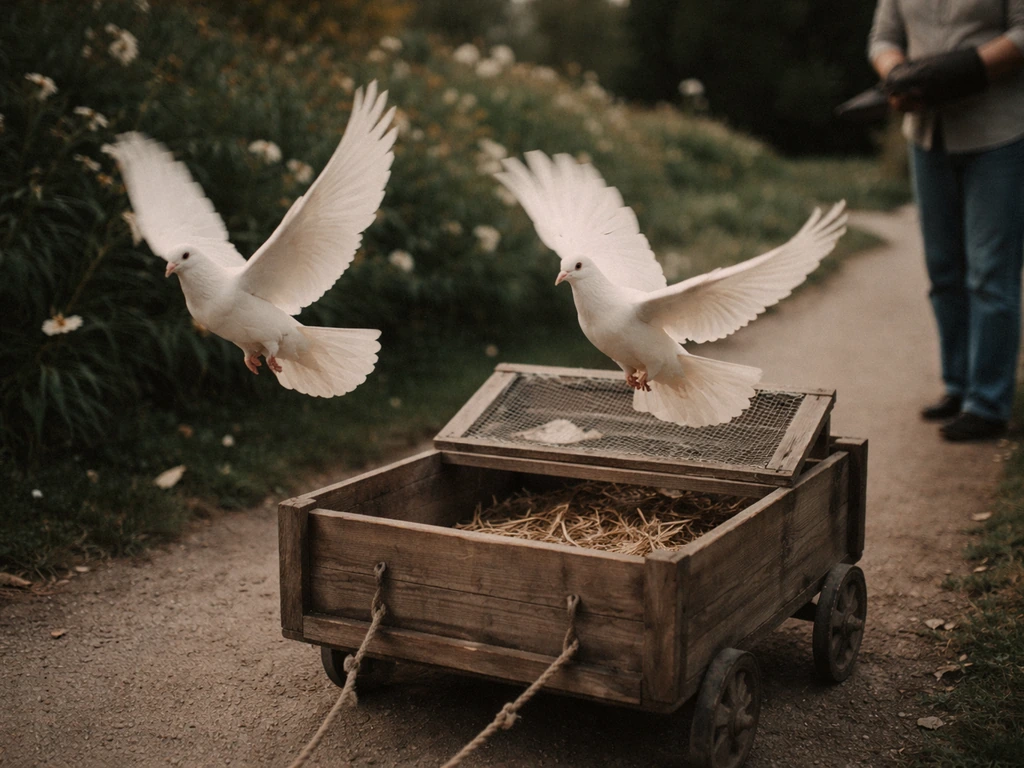
The first is the dove incident. In March 1981, Sharon Osbourne planned for Ozzy to bring live doves to a CBS Records meeting as a symbolic peace gesture. Instead, Ozzy bit the head off one dove and then a second one, spitting the head onto the table in front of the executives. Grunge, citing Mick Wall’s account, reports Ozzy said he pulled out one dove, bit off its head, then “did it again” with the next dove and spat the head onto the table. Rock journalist Mick Wall's interviews with Ozzy are the main chain-of-custody source for this account, and iHeart and multiple retrospectives trace the story back to Ozzy's own telling of it.
The second incident is the bat. On January 20, 1982, at a concert at Veterans Memorial Auditorium in Des Moines, Iowa, a fan threw what Ozzy believed was a rubber prop bat onto the stage during his 'Diary of a Madman' tour. HISTORY notes that the bat-head biting incident occurred on January 20, 1982, during Ozzy’s performance at the Veterans Memorial Auditorium in Des Moines, Iowa. He bit its head off. It was a real bat. He was rushed for rabies shots afterward. This one is documented by HISTORY as a specific dated event, and Ozzy himself confirmed in interviews that he genuinely thought it was fake.
When people say 'Ozzy ate a bird,' they are almost always referring to the dove story, because a bat is not technically a bird. If you want the broader backyard-angle, bird-diets and what doves actually eat can also help explain why people jump to the 'good eats a bird in the pan' kind of phrasing, even when the details differ. Reddit threads and viral social posts frequently compress both stories into a single 'bird' framing, which is where the confusion comes from. Reddit discussion threads also commonly tie the dove incident to a CBS Records meeting and frame it as representing peace, aligning with the mainstream narrative Reddit threads and viral social posts.
Rumor vs. confirmed: how solid is the evidence?
The dove incident is about as well-sourced as a 1981 rock story is going to get. Ozzy himself has told the story in interviews, it was reported by Mick Wall who spoke directly with Ozzy, and a WorthPoint marketplace listing even references rare photographs said to exist from the CBS meeting. The BBC covered the context of both incidents in detail. That does not mean every retelling is accurate in every detail, but the core claim, Ozzy biting the head off a live dove at a CBS Records meeting, is not a rumor. It comes from Ozzy's own account.
What does qualify as rumor or exaggeration is any framing that implies this was a regular habit, a recent event, or something that happened on stage as a planned act. The dove incident was at a private industry meeting, not a concert. The bat incident was apparently unplanned. Any viral clip or post claiming Ozzy 'ate a bird' in some newer context should be treated with skepticism until you can trace it to a dated, named primary source.
What kind of bird was it, and what does a dove normally eat?
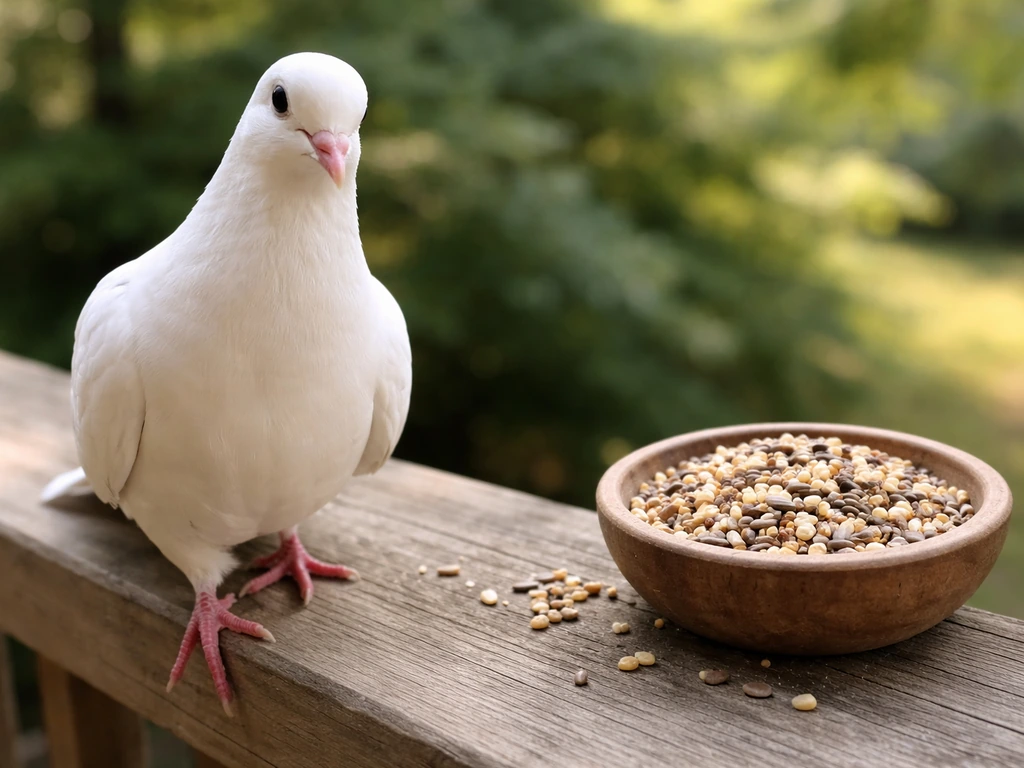
The bird in question was a domestic dove, most likely a white release dove (which is typically a white racing pigeon or a ringneck dove bred for ceremonial use). These birds are seed eaters. But real birds can also eat tomatoes, depending on the species and the environment what bird eats tomatoes. A wild mourning dove's diet is roughly 99% seeds and grains, including milo, sunflower seeds, millet, and corn. They forage on the ground and are familiar visitors to backyard feeders, especially platform or ground-scatter setups. They are not predators, carry no special toxins, and are among the most commonly kept and released birds in the US.
This matters for the website's niche because doves are a routine part of the backyard feeder ecosystem. They are prey animals, targeted by hawks, falcons, and occasionally cats and dogs. The fact that a dove was used as a 'peace' prop at a business meeting tracks with how familiar and non-threatening these birds are perceived to be in everyday culture.
What this means for backyard birds and feeder safety
The Ozzy story is an extreme (and intentional) example of something backyard birders occasionally witness in a natural context: a predator taking a bird near a feeder. Hawks, feral cats, and even domestic dogs will kill and consume songbirds and doves. If you run a backyard feeder, seeing a Cooper's hawk or sharp-shinned hawk take a dove is not unusual, especially if you have been consistently drawing in small birds over time.
That kind of predator activity does not mean you should take down your feeders, but it does mean a few practical things for your setup. Dense shrubs near feeders give small birds escape cover. Placing feeders near windows can cause collision hazards, so spacing them either very close (under 3 feet) or far (over 30 feet) from glass helps. If you find a carcass near your feeder, do not leave it there. Remove it promptly using gloves, bag it, and wash your hands thoroughly.
There is also the feeder hygiene angle. Predator visits and dead or injured birds increase the likelihood of contaminated material near your feeders. All About Birds (Cornell Lab) recommends cleaning feeders roughly every two weeks, more often in wet weather or if there are local disease reports. Iowa DNR recommends a 10% bleach solution monthly and wearing rubber gloves during cleaning. That is a simple, low-cost routine that cuts disease risk significantly.
Is eating a bird risky? What about disease and parasites?
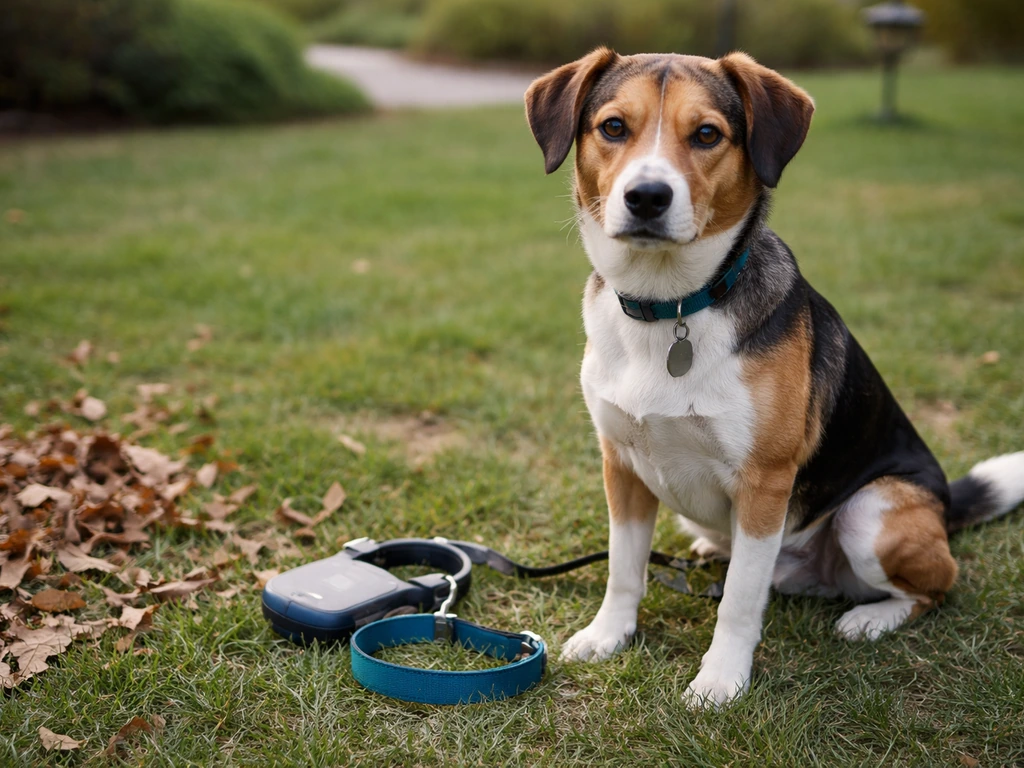
Consuming a raw wild bird carries real health risks, and this applies whether we are talking about a celebrity stunt in 1981 or a dog that grabs a dead bird off your lawn today. If you come across advice about handling or eating birds, remember that health risk can increase after contact, including when a bird has been touched a bird has touched. The main concerns are avian influenza, Salmonella, and parasites.
The CDC is clear that pets, including cats and dogs, can become infected with avian influenza if they eat or are exposed to sick or dead birds outdoors. For humans, the CDC recommends wearing disposable impermeable gloves when handling dead birds, avoiding aerosolizing feathers or droppings, and using protective eyewear and a mask when splashing is likely. If you find a dead bird in your yard, bag it without touching it directly, dispose of it in the trash, and wash your hands.
Salmonella is also a documented risk tied to wild songbirds. The CDC has tracked Salmonella outbreaks linked to backyard bird feeders, and their guidance recommends cleaning feeders and birdbaths at least monthly and washing hands after any contact with feeders, feed, or wild birds. For context, the U.S. Fish and Wildlife Service notes that backyard feeders are unlikely to significantly spread avian influenza because the species that tend to visit feeders are not the most commonly infected ones, but that does not eliminate the risk entirely.
For pets specifically, keeping cats indoors or supervised outdoors and discouraging dogs from investigating dead birds or bird droppings near feeders is the practical takeaway. If your pet eats a dead bird, contact your vet, especially during any active avian influenza advisories in your area.
Quick risk summary for common bird-eating scenarios
| Scenario | Main Risk | Recommended Action |
|---|---|---|
| Dog eats dead backyard bird | Avian influenza, Salmonella, parasites | Contact vet; monitor for symptoms 48 hours |
| Cat catches live bird outdoors | Salmonella, parasites (cat and bird) | Wash hands; discourage behavior; supervise outdoor time |
| Human handles dead bird without gloves | Avian influenza, West Nile, Salmonella | Wear gloves, bag bird, wash hands thoroughly |
| Hawk takes bird near your feeder | Carcass contamination near feeder area | Remove remains promptly with gloves; clean feeder area |
| Bird-pecked fruit or seed near feeder | Salmonella from droppings/contact | Discard pecked fruit; clean feeder monthly with 10% bleach |
How to fact-check the next viral 'celebrity ate a bird' claim
The Ozzy story is a good template for evaluating any similar viral claim, because it has all the hallmarks: a memorable image, a real kernel of truth, and decades of retelling that has gradually blurred the details. Here is how to run a fast reality check on anything similar. Did Nikocado Avocado eat his bird? The key is to verify whether there is any dated, primary-source evidence or credible reporting behind the claim.
- Find the original source. Who first reported it? Is it a named journalist, a direct interview, or just repeated social posts? The dove story traces back to Ozzy's own interviews with rock journalists. If there is no named primary source, be skeptical.
- Check the date and location. Real incidents have specific dates and places. The dove incident was March 27, 1981, in Los Angeles at a CBS Records meeting. The bat was January 20, 1982, in Des Moines, Iowa. Vague claims like 'sometime in the 80s at a show' are a red flag.
- Look for corroboration from multiple independent outlets. The Ozzy dove story appears in BBC reporting, iHeart, Grunge, HISTORY, and was discussed in biography-level interviews. If only one source is pushing a story, slow down.
- Separate the verified claim from the viral framing. Ozzy bit a dove's head off at a label meeting. He did not routinely eat birds. He did not eat a bat on purpose. Viral framing often stretches one real event into a broader character claim.
- Ask whether the 'bird' detail matters. Is the species named? Is it a wild bird, a domestic bird, a bat? Details like this tell you how carefully the source is working. The Ozzy story gets blurry specifically because 'bat' and 'bird' got merged in casual retelling.
- Search for the claim with the word 'debunked' or 'fact check' added. If a claim has been formally reviewed by Snopes, AP Fact Check, or a similar outlet, that will surface quickly and save you time.
This same checklist applies when you see viral claims about birds in a wildlife or pet safety context, like whether a bird pecked piece of fruit is safe to eat, or whether a specific bird species is dangerous to backyard animals. The habit of asking 'who first said this and what is their evidence?' cuts through a lot of noise quickly.
The bottom line
Ozzy Osbourne did eat a bird. The dove incident in 1981 is well-documented and comes from Ozzy's own account, corroborated by multiple credible outlets. The bat incident in 1982 is also confirmed and is separately documented by date and location. The 'bird' framing you see online is usually shorthand for the dove story, and any new or vague claim deserves the same source-checking you would apply to anything else.
If the broader question is whether eating or handling raw birds is safe in a backyard context, the answer is straightforwardly no, and the CDC's guidance on gloves, hygiene, and pet supervision is the practical takeaway to walk away with.
If you are wondering whether you can eat a tomato that a bird has pecked, treat it like food that may have been contaminated and wash it well before eating can i eat a tomato that a bird has pecked.
FAQ
Was the dove incident something Ozzy did during a concert, like a performance stunt?
No. The “dove” part is the 1981 CBS Records publicity meeting, and the 1982 story involved a bat that was mistaken for a fake prop. Claims that Ozzy ate a bird “on stage” as a planned act typically blur those two events, so treat any newer clip without a dated location and primary/source chain as unreliable.
If someone finds a bird and only touches it briefly, is it safe to eat the bird anyway?
It would likely be considered unsafe regardless of the bird species or how clean it looks. Even if a bird is only “bitten” or handled briefly, CDC-style guidance focuses on gloves, avoiding splashes or aerosols, and washing hands because pathogens can transfer from feathers, droppings, and contaminated surfaces.
What should you do if a wild bird pecks tomatoes or other produce you plan to eat?
For public health, “bird touched food” is treated more like possible contamination than like a guaranteed hazard. The practical move is to wash produce thoroughly, especially around any pecked areas, and do not handle the bird or droppings then touch food with bare hands.
Does the risk change if I only found a dead bird in my yard versus touching it?
Yes, but the guidance is different depending on whether you actually handled the bird or just saw it nearby. If you had direct contact or there is droppings or carcass material involved, use gloves, bag and dispose safely, then wash hands. If you only watched from a distance, normal handwashing is usually enough.
If predators have been taking birds near my feeder, should I clean more often?
Yes. If you are cleaning feeders or birdbaths in the same area where predators are active or carcasses appear, shorten the cleaning interval and disinfect high-contact surfaces. The article already notes general cleaning, but the edge case is when dead birds or wet, messy conditions raise contamination potential.
What should I do if my dog or cat grabs a dead bird near the feeder?
For pets, focus on preventing contact, and act immediately if ingestion happens. If a cat or dog eats a dead bird or bird droppings, call your veterinarian, especially if there are local avian influenza notices. Also keep cats indoors or supervised and prevent dogs from scavenging outdoors.
If I find a carcass near my feeder, what is the safest cleanup approach?
Don’t remove bird remains with bare hands, and don’t vacuum or sweep in a way that creates dust. Bag it carefully using gloves, seal it, and wash hands thoroughly afterward. If there is repeated carcass buildup, consider temporarily increasing distance between feeders and windows while you improve hygiene.
How can I tell if a viral “Ozzy ate a bird” post is referring to the original incidents or a new exaggeration?
No. The “well-documented” part refers to the specific dated incidents, not to the idea that Ozzy had a recurring habit. A good rule is to look for a named event, date, and credible reporter, and be skeptical of posts that only say “Ozzy ate a bird” without those specifics.
Next Article
Is It Safe to Eat Bird Pecked Fruit? Yes With Conditions
Yes if you cut out damaged spots and discard rotten fruit. Learn risks, checks, and safe cleaning steps.