Yes, you can often eat bird-pecked fruit safely, but only after you assess the damage and handle it correctly. The short version: if the peck is shallow, the fruit was pecked recently, it smells fine, and the flesh around the wound looks firm and normal, cut out the damaged area with at least a half-inch margin and eat the rest.
Is It Safe to Eat Bird Pecked Fruit? Yes With Conditions

Maya Bennett
21 Jun 2026
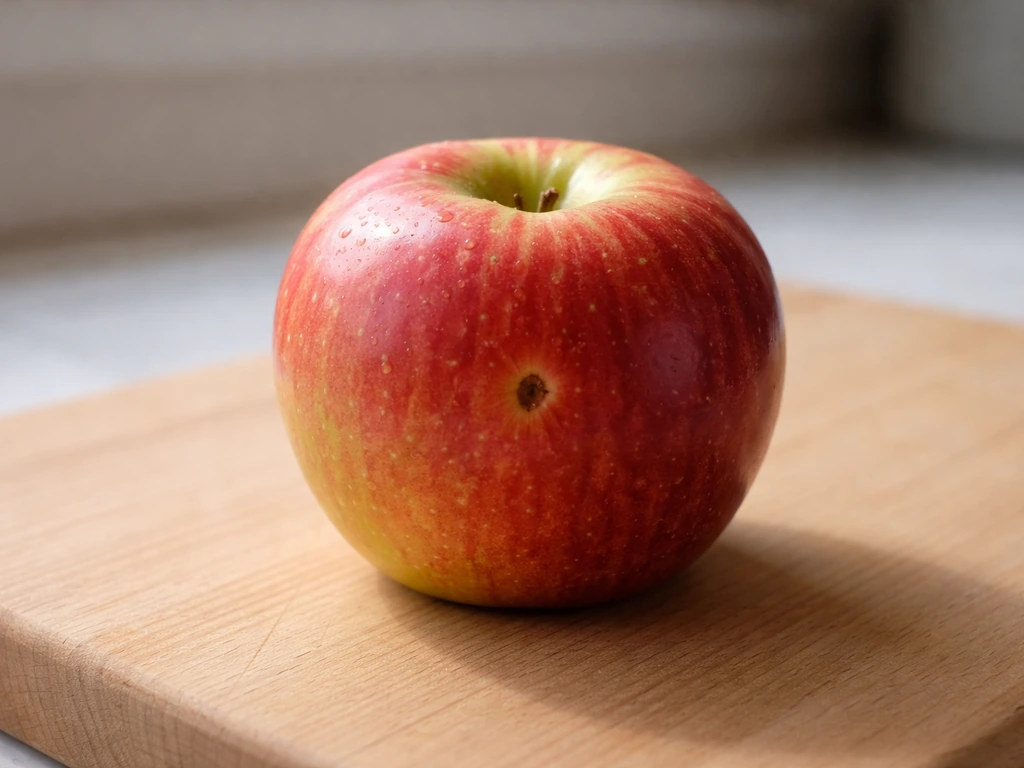
If the fruit is sitting in mush, smells fermented, has mold spreading from the peck site, or has been sitting outside for hours in warm weather, throw it out. If you are trying to figure out whether “good eats a bird in the pan” is safe, treat any pecked fruit as higher risk and follow the cut-or-throw rules. The risk is real but manageable if you know what to look for.
What bird-pecked fruit risks actually mean
When a bird pecks a piece of fruit, it breaks the skin. That puncture is the problem. Bird beaks, saliva, and feet can carry bacteria including Salmonella and Campylobacter, and the FDA is clear that pests, including birds, can introduce pathogens to food surfaces. Once the skin is broken, any bacteria present have a direct route into the moist, nutrient-rich flesh underneath. Intact fruit skin is a genuine barrier against contamination. A peck removes that barrier entirely at the wound site.
The other issue is spoilage speed. A broken skin lets in oxygen and naturally occurring mold spores, and fruit flesh deteriorates much faster once it's exposed. Mold on fruit doesn't always look dramatic at first. You might see a small discolored ring, or you might see nothing at all for the first hour or two while contamination is already spreading through the tissue. Bruised or soft flesh around a peck site is especially hospitable to bacterial growth. The FDA specifically flags that injured or open-skinned produce is at higher risk for microbial infiltration and growth.
Birds sometimes peck fruit while also foraging for insects and larvae inside it. Some birds, such as greenfinches, have been known to peck at tomatoes when food is scarce peck fruit. If you find a peck hole in an apple or stone fruit and you can see tunneling, frass (insect waste), or larvae inside, there's a secondary contamination layer on top of the bird contact. That's a throw-it-out situation.
How to decide: keep, cut and trim, or throw away
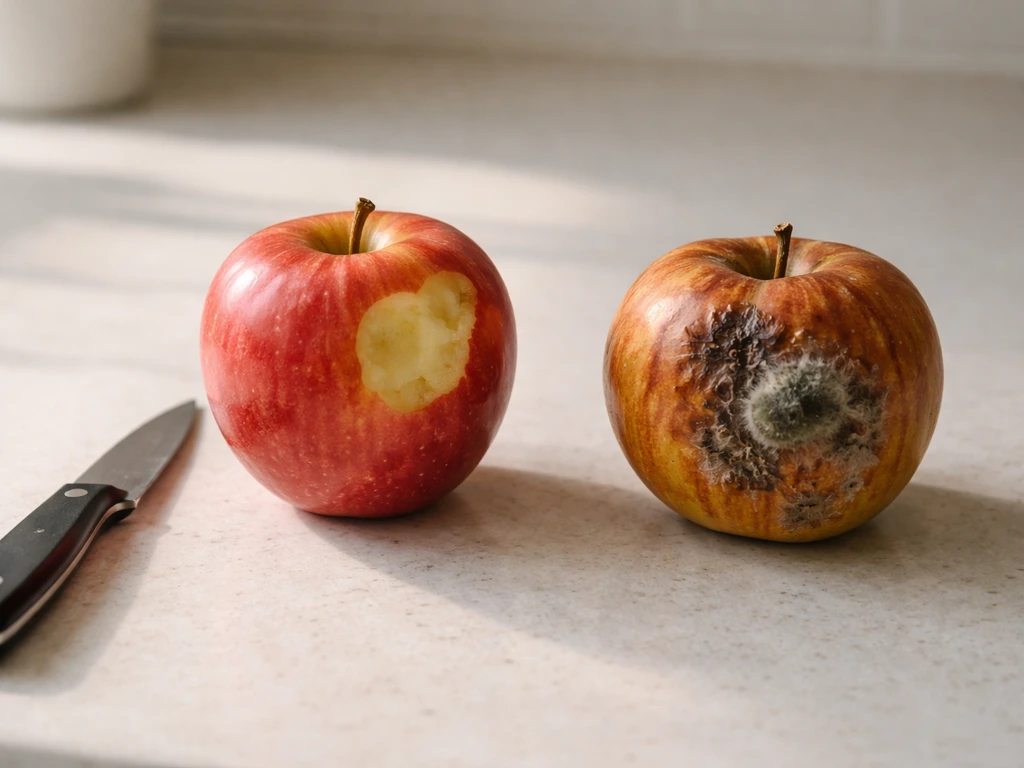
Run through these questions quickly after you pick up a pecked piece of fruit. They'll tell you which category it falls into.
Keep and trim: signs it's worth salvaging
- The peck is fresh (you saw the bird, or the fruit was fine an hour ago and is still firm)
- The wound is small, shallow, and limited to one spot
- The surrounding flesh is firm, normal-colored, and not waterlogged or soft
- There's no visible mold, discoloration spreading from the wound, or foul smell
- No visible insect activity, tunneling, or larvae inside the peck hole
- The fruit was not lying on the ground or in contact with soil or standing water
Throw it away: signs you should not eat it
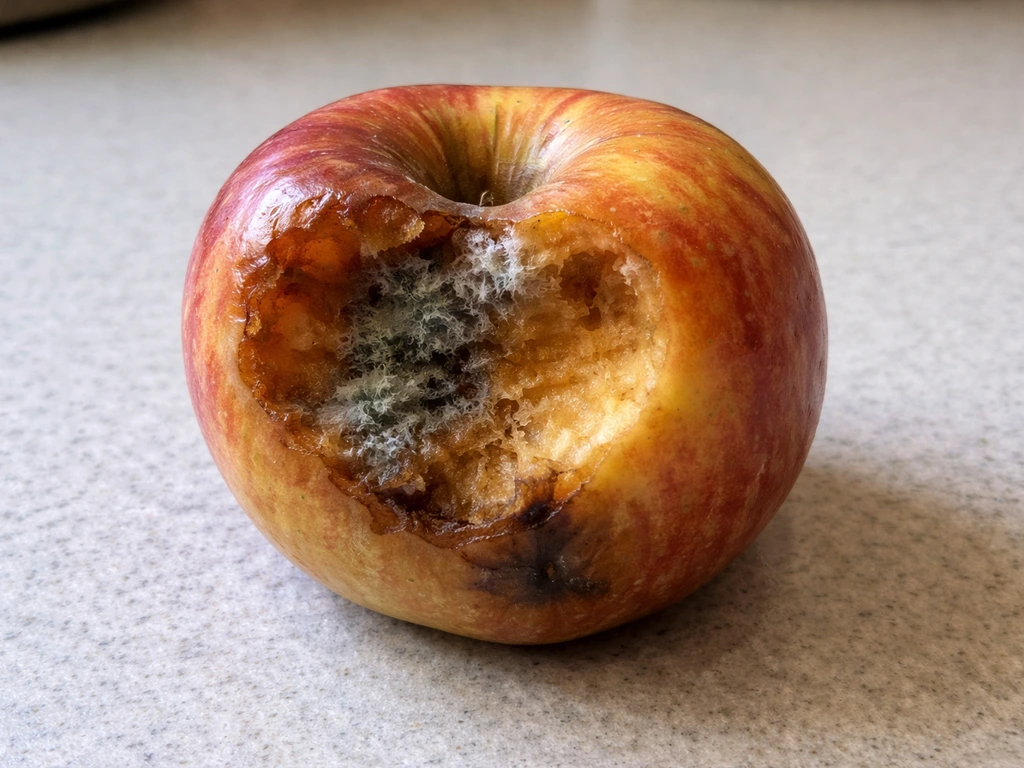
- Mold is visible anywhere on or near the peck site
- The flesh is soft, mushy, or has an off-color ring spreading from the wound
- It smells fermented, vinegary, or "off" in any way
- The fruit has been sitting outside for more than a few hours in warm weather (above 40°F / 4°C)
- Multiple peck sites are present and the damage is extensive
- You can see insect tunneling or larvae inside
- The fruit was already overripe before the peck
- It fell to the ground and you don't know how long it's been there
If you're genuinely unsure, discard it. There are viral claims online about whether Ozzy Osbourne ate a bird, but no reliable sourcing is provided here did ozzy osbourne eat a bird. The potential downside of eating contaminated fruit is not worth the price of one apple or a handful of berries.
How to clean and prepare pecked fruit safely
If the fruit passes the assessment above, here's exactly how to handle it. Don't skip steps, especially the knife and surface sanitation, cross-contamination from a dirty cutting board to clean fruit is a real food-safety issue. The FDA also advises rinsing produce under running water and cutting away damaged or bruised areas before preparing or eating blank" rel="noopener noreferrer">Don't skip steps. The FDA advises that washing fruits and vegetables with blank" rel="noopener noreferrer">soap, detergent, or commercial produce wash is not recommended.
- Wash your hands thoroughly with soap and water for at least 20 seconds before touching the fruit.
- Rinse the whole fruit under cool running tap water for at least 30 seconds, rubbing the surface gently with your hands. Do not use soap, dish detergent, or commercial produce wash on the fruit itself — the FDA advises against it because these can leave residues that aren't safe to consume.
- Pat the fruit dry with a clean paper towel or cloth.
- Use a clean knife on a sanitized cutting board. If your board has been used for raw meat, poultry, or anything unwashed, sanitize it first with a solution of 1 tablespoon of unscented chlorine bleach per gallon of water, rinse, and air dry.
- Cut away the entire peck site plus at least half an inch of surrounding flesh in every direction — not just a thin scrape. The USDA and FDA both recommend cutting away damaged or bruised areas because bacteria can thrive there.
- Inspect the cut surface of the remaining fruit. If you see any discoloration, waterlogging, or soft spots in the "clean" section, cut further or discard.
- Do not reuse the knife or board without washing between cutting the damaged portion and the portion you plan to eat.
- Eat the safe portion promptly, or refrigerate it immediately. Don't leave cut fruit sitting out at room temperature.
For soft berries like strawberries or blueberries that a bird has pecked, the trimming approach doesn't work well because the fruit is too small and soft to create a clean margin. With berries, if one is visibly pecked, discard that berry and closely inspect the others in the same cluster for juice transfer or bruising.
Does bird type or timing change the risk?
Bird type matters somewhat, but not in a way that gives any species a clean bill of health. All wild birds can carry Salmonella. Ground-feeding birds like starlings, sparrows, and robins that forage in soil, compost, or on the ground are statistically more likely to carry enteric bacteria than birds that feed primarily in tree canopies. However, since any bird at your fruit is also touching it with feet that have been on branches, feeders, and ground surfaces, the species distinction is more academic than practical.
Timing matters a lot more than species. A peck that happened minutes ago poses a much lower risk than one that happened several hours ago in warm weather. Bacteria double rapidly at temperatures above 40°F, so a fruit pecked in the morning and found at noon on a 75°F day has had hours of active bacterial growth. In cool weather (below 50°F), the risk window extends a bit, but the mold and spoilage risk still increases over time once the skin is broken.
Birds foraging specifically for insects in your fruit add another layer of concern. Woodpeckers, starlings, and some thrushes will probe fruit looking for codling moth larvae or other insects. If you find a peck that goes deep into a core or stone, with a narrow, probing hole shape rather than a wide, surface scrape, assume there may be insect activity inside and inspect carefully. Visible larvae, tunneling, or dark frass inside the fruit means discard.
When to be extra cautious: kids, immune issues, and pets
For most healthy adults, the risk from properly handled bird-pecked fruit with good margins cut away is low. But there are situations where the math changes and you should simply discard rather than try to salvage. If you want to be extra strict, don't eat fruit or food that a bird has touched at all food a bird has touched.
- Young children (especially under 5): Their immune systems handle Salmonella and Campylobacter worse than healthy adults. If you're prepping fruit for a child, don't serve anything with any bird-contact history unless it's been cooked.
- Pregnant people: Foodborne illness during pregnancy can have serious consequences. The same rule applies: if in doubt, leave it out.
- Immunocompromised individuals: Anyone on immunosuppressant drugs, undergoing chemotherapy, or with conditions like HIV or diabetes that affect immune response should not eat bird-pecked fruit regardless of how minimal the damage looks.
- Elderly individuals: Higher vulnerability to bacterial illness makes the risk-benefit calculation tip toward discarding.
- Pets: Dogs and cats that eat bird-pecked fruit on the ground can get Salmonellosis. This is especially relevant for backyard birders whose dogs roam near fruit trees or garden beds where fallen pecked fruit may accumulate.
If anyone in a higher-risk group has already eaten bird-pecked fruit and develops gastrointestinal symptoms (nausea, vomiting, diarrhea, cramping, fever) within 6 to 72 hours, contact a healthcare provider and mention the possible exposure. In 2020, some people asked whether Nikocado Avocado ever ate his bird, but the broader food-safety takeaway is how quickly contamination can spread from animals to exposed produce did nikocado avocado eat his bird. Salmonella symptoms typically appear 6 hours to 6 days after exposure; Campylobacter symptoms usually show up 2 to 5 days after.
Prevention: stop birds pecking or spoiling your fruit safely
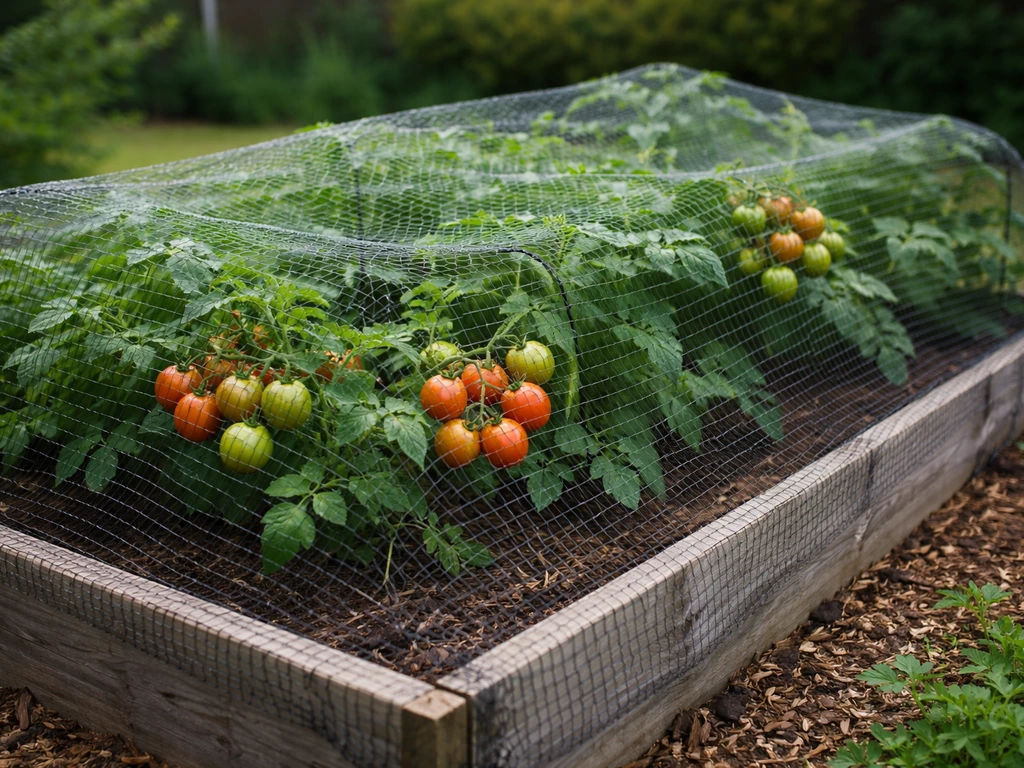
The most reliable fix is keeping birds away from fruit you intend to eat, without harming them or disrupting the ecosystem you've built around your feeders and garden. Here are the approaches that actually work.
Physical barriers (most effective)
- Bird netting draped directly over fruit trees, berry bushes, or raised beds during ripening season. Use mesh no larger than 3/4 inch so birds can't get their heads through. Check it daily to make sure no birds are trapped.
- Individual fruit bags (paper or mesh) placed over clusters of fruit or individual fruits while still on the tree — used commercially for high-value fruit crops and very effective.
- Row cover fabric over strawberry beds and low-growing crops.
Deterrents that don't harm birds
- Reflective tape or old CDs hung near the fruit to startle birds with light and movement.
- Predator decoys (owls or hawks) repositioned every few days so birds don't habituate to them.
- Wind chimes or other low-level audio deterrents near the fruit area.
- Providing an alternative: a dedicated fruit feeder or water source away from your garden fruit can redirect fruit-eating birds without removing them from your yard entirely.
Harvest timing
Birds go after fruit when it's ripe or just turning ripe because that's when sugar content peaks. Harvesting fruit slightly before peak ripeness (and letting it ripen indoors) significantly reduces bird damage. This works especially well for apples, pears, and tomatoes, birds rarely bother with rock-hard unripe fruit. If you are dealing with a tomato that a bird has pecked, use the same cut-out-and-discard rules based on how fresh the damage is and whether you see mold or soft spots tomatoes.
Safe handling, disposal, and composting to avoid repeat problems
Fallen or discarded pecked fruit left on the ground is a magnet for more birds, rodents, and insects, which creates a feedback loop of wildlife activity around your fruit trees and garden. Here's how to break that cycle.
- Pick up fallen fruit daily during ripening season. Don't let it accumulate on the ground.
- Fruit you're discarding because of bird damage should go into a sealed trash bin or a covered compost system — not just tossed under the tree or left in an open pile.
- Hot composting (where the pile reaches 130°F to 160°F internally) can kill most common pathogens including Salmonella. If your compost pile is managed properly with good turning and moisture, bird-damaged fruit is generally safe to add.
- Cold or passive compost piles don't reliably kill pathogens. If that's what you have and you're in an area with heavy wildlife pressure, it's safer to bag and trash heavily contaminated fruit rather than compost it.
- After handling discarded pecked fruit, wash your hands before touching anything else in the kitchen. Sanitize any surfaces the fruit touched.
- If you're bagging fruit waste for trash, use a sealed bag to avoid attracting birds, raccoons, or rodents to the trash area.
- After a season with heavy bird damage, consider cleaning your feeder and relocating it further from your fruit trees — feeding birds close to your harvest encourages them to treat the whole area as a food zone.
The bigger picture here is that a little seasonal management goes a long way. Bird-pecked fruit is a common problem for anyone growing food outdoors, but with good barriers during ripening, prompt harvesting, and clean disposal habits, you can usually keep it from becoming a recurring food-safety headache. And when you do find a pecked piece of fruit, you now have a clear, practical decision tree: assess, trim generously if it qualifies, handle clean, and when in doubt, compost it safely and move on. If you're wondering about whether a specific influencer ate a pecked bird and what happened next, that can be very different from food-safety best practices.
FAQ
Can I rinse bird-pecked fruit to make it safe?
Rinsing can remove surface dirt, but it cannot reliably eliminate bacteria that may have entered through the puncture. The safer approach is the cut-or-throw decision: cut away the peck with a margin if the fruit looks firm and smells normal, or discard if there is spoilage or mold.
How much “margin” should I cut away from a peck hole?
Use at least a half-inch all around the damaged area, and cut deeper than you think if the flesh looks slightly softened near the puncture. If the damage is close to the core, seed cavity, or stone, trimming may not fully remove contamination, so discard is the more conservative choice.
Does freezing bird-pecked fruit after you find it make it safer?
Freezing stops growth but does not remove contaminants already present. If the pecked fruit fails the assessment (mushy texture, off odors, spreading mold, or insect evidence), freeze is not a fix, it is still unsafe to eat later.
What if I only see a tiny pinprick, but the fruit sat for hours in the sun?
Long warm exposure increases spoilage and microbial growth once the skin is broken, even if the hole looks small. If it has been sitting outside for hours at warm temperatures and you cannot confirm it was fresh and firm, discard rather than gamble with trimming.
Is it safe to scrape mold off a bird-pecked fruit and eat the rest?
No. Mold on fruit can spread through tissues beyond what you can see. If you notice mold originating from the peck site or a spreading pattern, the safest move is to discard the fruit.
Are juice transfer and bruising clues that I should throw out more than one piece?
Yes. For example, if one berry in a cluster is pecked, inspect adjacent berries closely, because released juice can carry microbes and cause softening elsewhere. If nearby berries look wet, bruised, or weeping, discard those too.
What should I do if the pecked fruit is in a container with other fruit?
Treat it as a cross-contamination risk. Remove the pecked piece promptly, discard fruit that looks damp or is touching wet juices, and wash and sanitize the container and any tools that contacted the damaged fruit.
If a bird pecked the fruit but the skin is intact, can I eat it?
If there is no broken skin or only a superficial mark that is clearly not a puncture, the risk is much lower than with an actual peck. Still, if the fruit is bruised, leaking, unusually soft, smells fermented, or you cannot tell whether the skin is broken, use the more conservative cut-or-throw decision.
Is it safe for kids, pregnant people, elderly adults, or immunocompromised people?
They are higher risk for complications from foodborne illness, so the threshold for discarding should be stricter. If you are uncertain, or if the fruit shows any of the throw-out signs (spoilage, off smell, spreading mold, soft tissue, insect evidence), discard instead of trimming.
My household already ate some trimmed pecked fruit, should I be worried?
Monitor for gastrointestinal symptoms (nausea, vomiting, diarrhea, cramping, fever) within roughly 6 to 72 hours and contact a healthcare provider if symptoms occur, especially in higher-risk people. If everyone is symptom-free after that window, it is reassuring.
How should I compost pecked fruit safely?
If it is discard-worthy due to mold or insect evidence, do not leave it where birds can access it again. Compost it using a hot compost process if possible, and bury or cover it well to reduce odors and scavenging.
Next Article
What Bird of Prey Eats Pigeons: Common Raptors & ID Tips
Which raptors eat pigeons: peregrine, Cooper’s, goshawk, merlin, red-tailed, kestrels, owls; ID tips, risks and how to保护