Bluebirds, chickadees, titmice, wrens, nuthatches, and robins are the birds most reliably drawn to mealworms at a backyard feeder. Of those, bluebirds are the standout, mealworms are genuinely one of the only feeder foods that will bring them in consistently. Dried mealworms work too, though some species (especially bluebirds) prefer live ones and may ignore the dried version unless they're hungry enough. The good news is that with the right feeder setup and a few simple habits, you can get most of these birds feeding regularly and safely.
What Bird Eats Mealworms? Backyard Guide to Dried Worms

Maya Bennett
23 May 2026
Which Birds Commonly Eat Mealworms
Mealworms appeal most strongly to insectivorous songbirds, birds that naturally hunt soft-bodied invertebrates. If you're used to thinking about worm-eating birds more broadly, mealworms overlap a lot with that group, though mealworms at a feeder pull in a somewhat different (and often more exciting) crowd than your average earthworm scene in the yard. Just as a bird eats a worm and the predator is the bird itself, mealworms naturally attract insectivorous species that move fast to grab prey. If you are also wondering what bird eats worms besides mealworms, this same insect-eating group explains why you may see different visitors at the feeder.
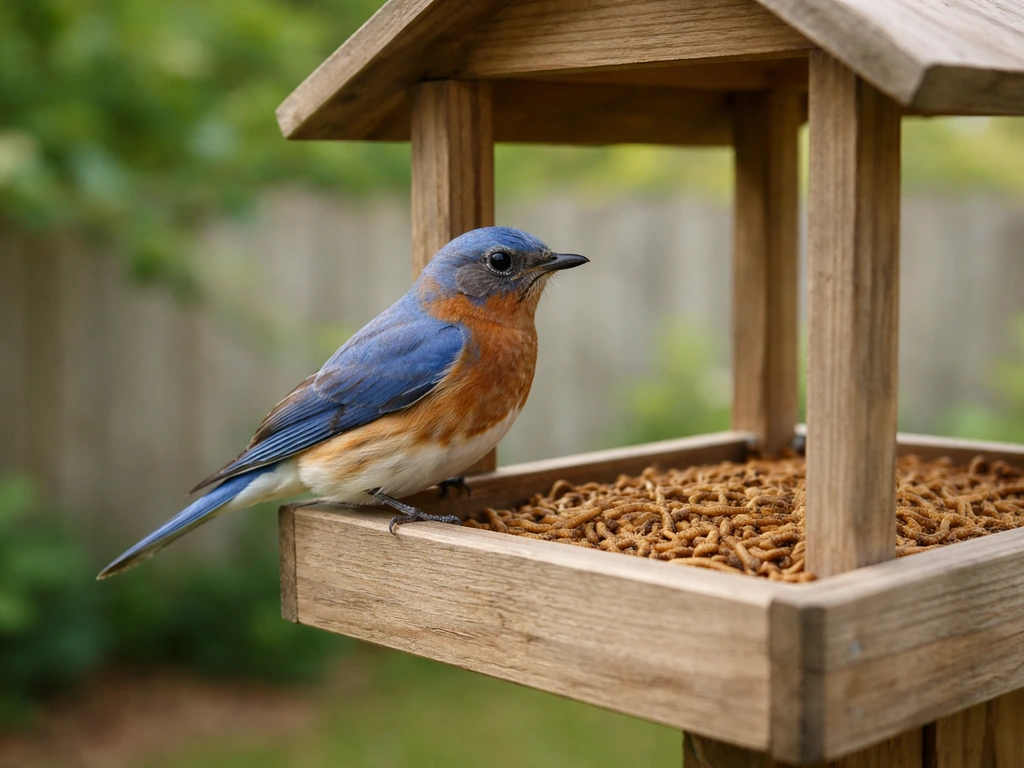
- Eastern and Western Bluebirds: the single species most reliably attracted by mealworms; Project FeederWatch calls mealworms "one of the only food items" that consistently brings bluebirds to feeders.
- Black-capped and Carolina Chickadees: quick, bold feeders that take mealworms eagerly and will return repeatedly once they know the food is there.
- Tufted Titmice: closely related to chickadees and equally enthusiastic about high-protein insect foods.
- Carolina Wrens and House Wrens: both species relish mealworms and tend to be persistent, low-to-the-ground feeders.
- White-breasted Nuthatches: reliably attracted by mealworms, often visiting alongside chickadees.
- American Robins: more likely to visit if you place mealworms on a ground-level tray; they're instinctively tuned to hunting worm-like prey.
- Downy and Hairy Woodpeckers: insectivorous enough to take mealworms, especially when offered on a flat platform.
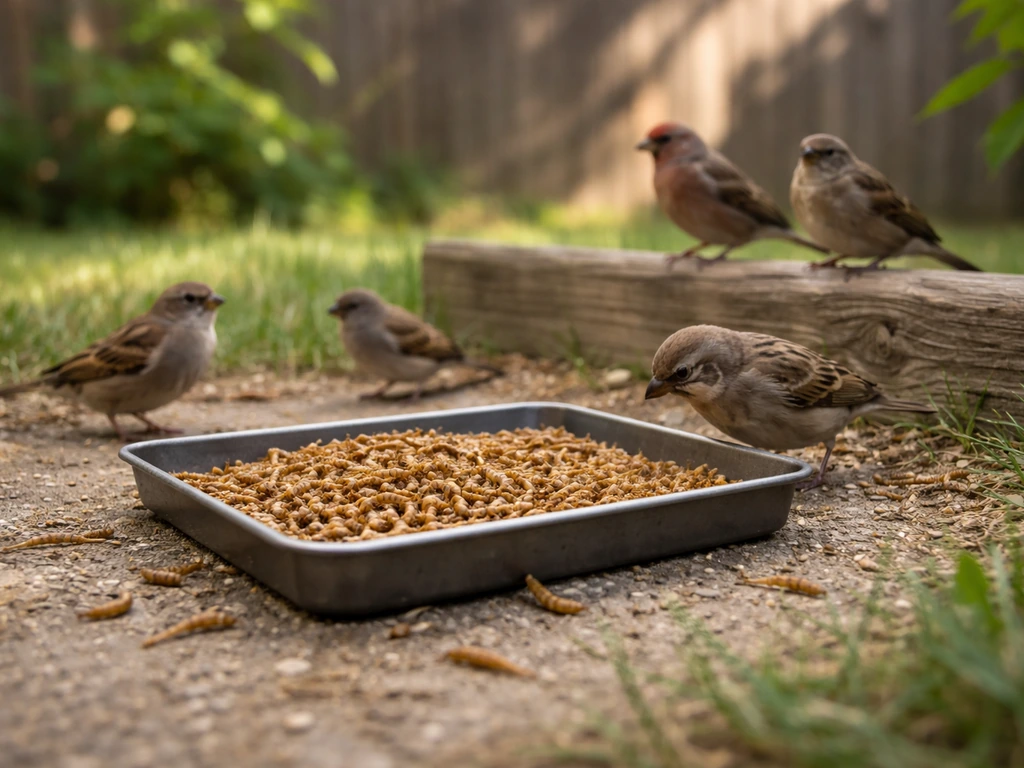
- European Starlings and House Sparrows: worth flagging here because they will almost certainly show up too, often in numbers — plan your setup with this in mind.
Bluebirds deserve special attention. They don't use seed feeders at all, so if attracting bluebirds is your goal, mealworms are essentially your only practical feeder option. The other species above will also eat seeds and suet, so mealworms become one tool in a broader feeding strategy for them.
Fresh vs Dried Mealworms: What Actually Works
Live mealworms are the gold standard. They move, which triggers a bird's natural prey-detection instincts, and they're more nutritionally complete. The tradeoff is that live mealworms require more effort, you need to store them properly, and they can escape a poorly designed feeder. Dried mealworms are far more convenient, have a shelf life of up to a year when stored correctly, and most feeder birds will accept them. The catch is that bluebirds, in particular, may ignore freeze-dried mealworms entirely if live insects are available elsewhere. According to the North American Bluebird Society, bluebirds tend to accept dried mealworms mainly when food options are limited, such as during cold snaps or early spring when natural insects haven't emerged yet.
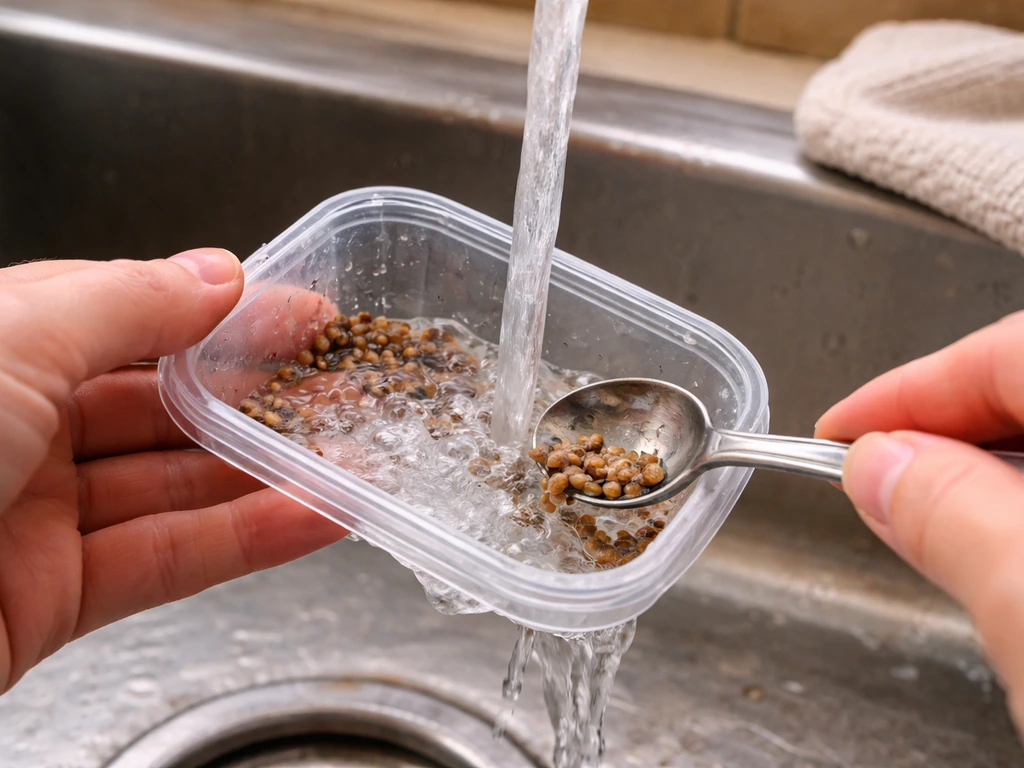
The best way to make dried mealworms more appealing is to rehydrate them slightly before offering them. Put a small amount in a shallow dish and add just enough warm water to soften them, then drain off any excess. This makes them look and feel more like live prey and substantially improves uptake, especially with pickier species. Do this in small batches only, never rehydrate more than birds will eat in a few hours, because moisture is the primary driver of spoilage and mold.
How to Attract Mealworm Eaters at Your Feeder
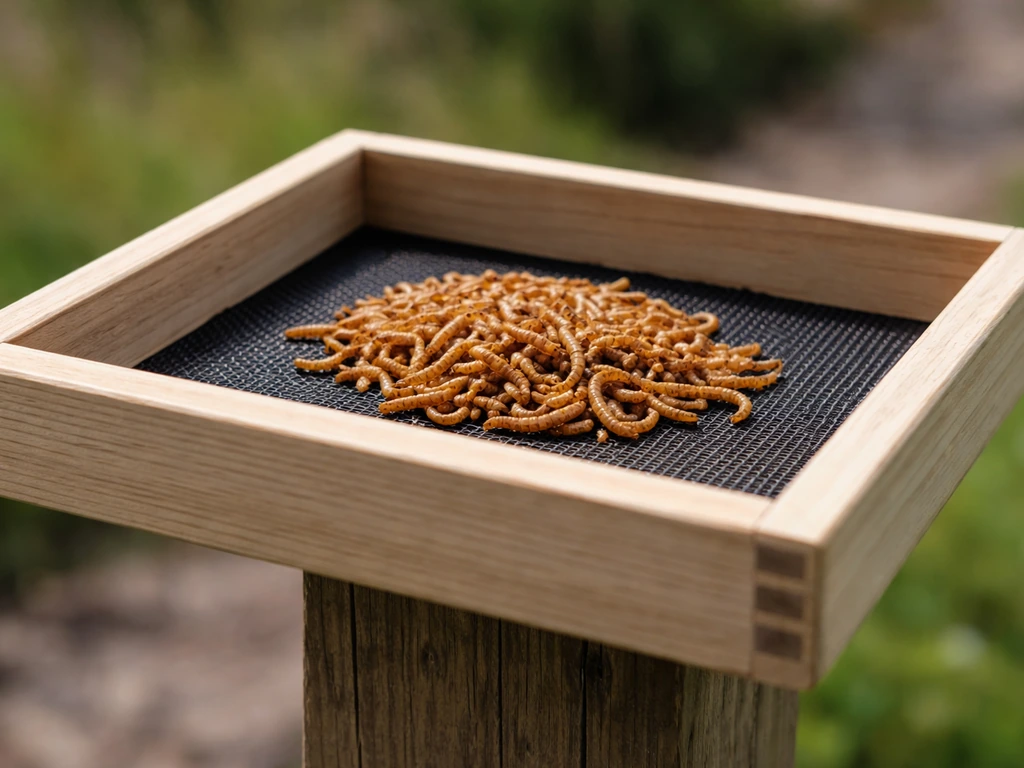
Feeder type matters a lot with mealworms. A flat tray or open platform feeder is the most effective option, it gives birds a clear sightline to the food and lets multiple birds feed at once without crowding. Specialized mealworm feeders (typically small dishes or cylinders with a mesh bottom) also work well and help contain the worms. Avoid tube feeders; mealworms just don't work in them.
- Use a shallow dish, tray, or dedicated mealworm feeder with smooth sides. Smooth sides prevent mealworms from crawling out and wasting. A glass or ceramic dish or even a clean cat food can works fine for this purpose.
- Place the feeder in a semi-open spot where birds can see it but feel they have a quick escape route — about 5 to 10 feet from shrubs or low cover is ideal.
- Put it somewhere you can watch it easily. Monitoring how quickly mealworms are consumed (and by which species) lets you adjust quantities and manage waste effectively.
- Start with a small daily offering — about a tablespoon of live or dried mealworms per session — and increase only as you see demand. Overloading leads to spoilage and unwanted visitors.
- Offer mealworms in the morning, which is when most feeder birds are most active and hungry.
- If bluebirds are your target, position the mealworm feeder away from busy seed feeders. Bluebirds are more timid around crowded feeders and may not compete with chickadees or starlings.
- Be consistent. Birds learn feeder locations quickly, but it can take one to two weeks for regulars to find a new food source.
Visual ID: Recognizing Who's at the Feeder
If you're not sure which bird just grabbed a mealworm, here's a quick-reference breakdown of the most likely visitors by appearance. One of the most common bluebird questions is, what bird grabs and holds worms at the feeder?
| Species | Key Visual Features | Behavior at Feeder |
|---|---|---|
| Eastern Bluebird | Vivid blue back and wings, rusty-orange chest, white belly; female duller | Perches nearby and swoops down; often feeds alone or in pairs |
| Black-capped Chickadee | Black cap and bib, white cheeks, gray back, buff sides | Grab-and-go style; takes one worm and flies off to eat elsewhere |
| Tufted Titmouse | Gray back, white front, peachy flanks, pointed gray crest | Bold; often first to a new feeder; may cache food nearby |
| Carolina Wren | Rich rusty-brown above, buff below, bold white eyebrow stripe | Stays low; often hops along edges of the dish |
| White-breasted Nuthatch | Blue-gray back, black cap, white face, rusty lower belly | Creeps headfirst; tends to grab and wedge food into bark |
| American Robin | Gray-brown back, brick-red breast, yellow bill | Ground-level feeder; will take mealworms from a low tray |
| European Starling | Iridescent black with white speckles (winter), yellow bill in breeding season | Aggressive; arrives in flocks and can dominate a feeder quickly |
| House Sparrow | Streaky brown back, gray crown (male has black bib), chunky build | Feeds in groups; may exclude smaller songbirds |
Starlings and House Sparrows are the ones to watch. They're not harmful to you, but they can take over a mealworm feeder fast and drive off the birds you actually want. More on managing that in the troubleshooting section below.
Where Mealworms Fit in a Safe Bird Diet
Mealworms are a legitimate, high-protein food source for insectivorous birds, they're not junk food, but they're also not a complete diet on their own. The nutritional value you get depends heavily on the condition of the mealworm. Fresh, properly stored live mealworms are meaningfully more nutritious than dried ones, which lose some moisture-soluble nutrients in processing. Rehydrating dried mealworms helps partially, but it doesn't fully restore what's lost.
The bigger dietary concern is fat-to-calcium ratio. Mealworms are relatively high in fat and phosphorus but low in calcium. For wild birds that are also eating a variety of natural insects, seeds, and plant material, this imbalance isn't a problem. But if you're feeding a pet bird or a rehabilitated bird that's heavily reliant on mealworms, it's worth supplementing with calcium. For backyard feeder use, treat mealworms as a protein-rich supplement alongside other foods, not as a replacement for a varied diet.
One hard rule: never offer mealworms that look black, smell off, or aren't moving (for live ones). Black or mushy mealworms have died and are decomposing. Feeding spoiled mealworms introduces bacteria and mold that can cause serious illness in songbirds. If you're unsure, throw them out.
Feeder Safety and Storage: Preventing Spoilage and Protecting Wildlife
Storing Live Mealworms
Keep live mealworms in the refrigerator at 35 to 45 degrees Fahrenheit (about 2 to 7 degrees Celsius). At that temperature they go dormant and stay alive for weeks with minimal care. Check them every few days, remove any dead ones, and add a small piece of carrot or potato for moisture. Don't let the container get wet or mold will develop quickly.
Storing Dried Mealworms
Dried mealworms last up to about a year if stored correctly. The key is keeping them away from moisture. Store them in an airtight container in a cool, dry location, a pantry or cabinet works, and the refrigerator is fine too. Once you open a bag, transfer the contents to a sealed jar. If your dried mealworms smell stale, look clumped, or feel damp, discard them. Moisture is what kills the shelf life, triggers mold, and creates bacterial contamination risk.
At the Feeder: Hygiene and Safety
- Remove uneaten mealworms at the end of each feeding session. Don't leave them to sit in the feeder overnight.
- Clean the mealworm dish or feeder with hot water and a mild soap solution at least once a week. Rinse thoroughly and let it dry completely before refilling.
- Never mix mealworms into a seed tray. The moisture from rehydrated or live mealworms can clump and mold the seed, creating a contamination risk for every bird that feeds there.
- If you have dogs or cats, be aware that mealworms left on the ground are a potential attractant. Clean up dropped mealworms after feeding sessions. Mealworms themselves aren't toxic to pets in small quantities, but decomposing ones can carry bacteria.
- Mealworms can also attract raccoons, opossums, or rats if left out at night. Bring feeders in after dark or use a feeder with a baffle to reduce this risk.
Troubleshooting: No Visitors, Aggressive Birds, or Unwanted Species
No Birds Showing Up
Give it at least one to two weeks. Birds need time to discover a new food source, especially if mealworms are new to your yard. Try placing the feeder closer to existing feeders initially to help birds notice it, then gradually move it to your preferred location once they've found it. If you're targeting bluebirds specifically, timing matters: late winter and early spring, when natural insects are scarce, is when mealworms have the most pull. You might get zero bluebird interest in July when insects are everywhere.
Starlings and House Sparrows Taking Over
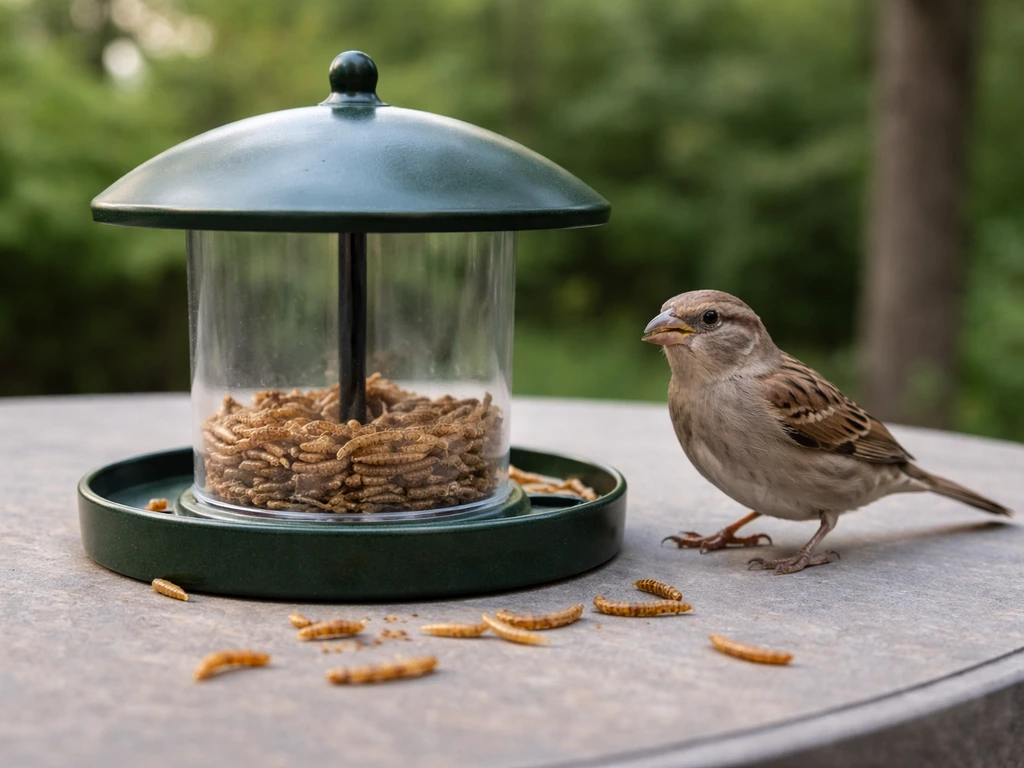
This is the most common mealworm feeder problem, and it's a real one. European Starlings in particular can drain a mealworm dish in minutes. A few strategies help: use a feeder with a cage or baffle that physically excludes larger birds while letting smaller ones through, offer mealworms only during specific short windows (ten to fifteen minutes in the morning) and remove the dish afterward, and place the feeder in a location that's less visible from open sky, since starlings tend to spot food from a distance. Keeping quantities small also helps, a large pile of mealworms is a beacon for opportunistic species.
Only Getting Chickadees and No Bluebirds
Chickadees are bold and fast learners, they'll find new food first almost every time. If you want bluebirds, try a dedicated bluebird mealworm feeder: a small enclosed box with a hole sized to let bluebirds in (roughly 1.5 inches) but not larger birds. Place it near a bluebird nest box if you have one. Also check whether you're using live vs dried mealworms, bluebirds are noticeably more responsive to live ones.
Mealworms Disappearing but No Birds Seen
If your mealworm supply is vanishing overnight or when you're not watching, the culprit is likely a mammal: raccoons, squirrels, and opossums all find mealworms appealing. Bring the feeder in at night and consider adding a pole-mounted baffle. If they're disappearing even during the day without visible birds, check for ants, they can strip a mealworm dish in short order. Ants may also show up around mealworms, so keeping the feeder protected can help limit unwanted visitors. If you also notice other quick feeders being stripped, remember that when a bird is alive it eats ants check for ants. A feeder mounted on a smooth pole with a moat of water or a sticky barrier will deter ants effectively.
FAQ
What bird eats mealworms, but avoids them if there are other foods nearby?
Bluebirds are the main “preference” example. If insects are easy to find, they may ignore freeze-dried mealworms, switching interest to live or fresher prey. To test, offer dried worms only in limited amounts during cool snaps or early spring, and remove uneaten food after a few hours to prevent spoilage.
Can I feed mealworms to birds other than the ones listed (like finches or cardinals)?
Most finch-like seed specialists typically ignore mealworms because they do not naturally hunt insect prey. Mealworms work best for insectivorous birds, such as wrens, chickadees, nuthatches, and robins. If you want cardinals too, use seed and fruit alongside mealworms rather than relying on mealworms as a draw.
Are freeze-dried mealworms safe for wild birds if they get wet?
They are safest when kept dry and offered in a shallow area that drains well. Once moisture soaks them, mold risk rises quickly, especially in warm weather. If you notice clumping, a damp smell, or visible mold, discard the batch and clean the feeder.
How do I stop ants from coming to a mealworm feeder without harming birds?
Use physical barriers first, like a feeder mount with a smooth pole and a moat or removable ant guard, rather than applying chemicals. Check daily when ants are active, because they can quickly form bridges to feeder legs and trays.
Will mealworms attract predators like hawks, or is it only a problem with mammals?
Mealworms can increase general activity at the feeder because more birds visit more often, which can also bring watching predators closer. However, the bigger immediate threat usually is mammals like raccoons and squirrels. Add baffles and bring the feeder in at night to reduce both mammal theft and prolonged nighttime scent trails.
How many mealworms should I put out so I do not waste food or increase spoilage?
Start with a small portion you expect to be cleaned up within 2 to 4 hours. For dried worms, keep rehydration in tiny batches, because extra moisture accelerates mold. For live worms, use enough to feed quickly, then replenish, rather than leaving a large pile that opportunists can drain.
Can I mix mealworms with other foods (suet, seed, fruit) in the same feeder?
It is usually better to separate them. Mealworms in a mixed feeder can spoil faster if they spill into bedding or seed, and some birds may crowd out the insectivores you are targeting. If you want multiple species, place mealworms on an insect feeder and keep seed or suet on a nearby dedicated station.
What should I do if birds start ignoring the mealworm feeder after they initially came?
Check for one of the common causes: spoiled worms (especially dried worms that got damp), empty feeder for a day, or dominance by starlings and house sparrows. Also move the feeder gradually (not abruptly), and consider switching from dried to live during cold snaps if bluebirds are your goal.
Are mealworms ever nutritionally risky, and should I add calcium?
For occasional backyard protein supplementation, they are generally fine as long as birds also get seeds, suet, and natural insects. The main concern is fat-to-calcium imbalance because mealworms are relatively low in calcium. If you are feeding heavily or supporting a rehabilitated bird, provide calcium via an appropriate supplement and consult the bird-care guidance for that situation.