
Yes, cats do eat bird eggs, and it happens more often than most people realize. Both feral and domestic cats will raid nests opportunistically, eating eggs when they find them at ground level or in low shrubs. A University of Florida study found cats were the number one predator of urban mockingbird eggs and nestlings. That result isn't a fluke. Cats can also eat bird feathers, especially after a successful hunt or nest raid, though egg predation is usually the most common impact do cats eat bird feathers. Research from CSIRO documented cats taking multiple eggs from both natural and artificial nest hollows in a single visit. So if you have cats in your yard or neighborhood and nesting birds nearby, the risk is real and worth taking seriously.
Do Cats Eat Bird Eggs? What to Know and How to Prevent

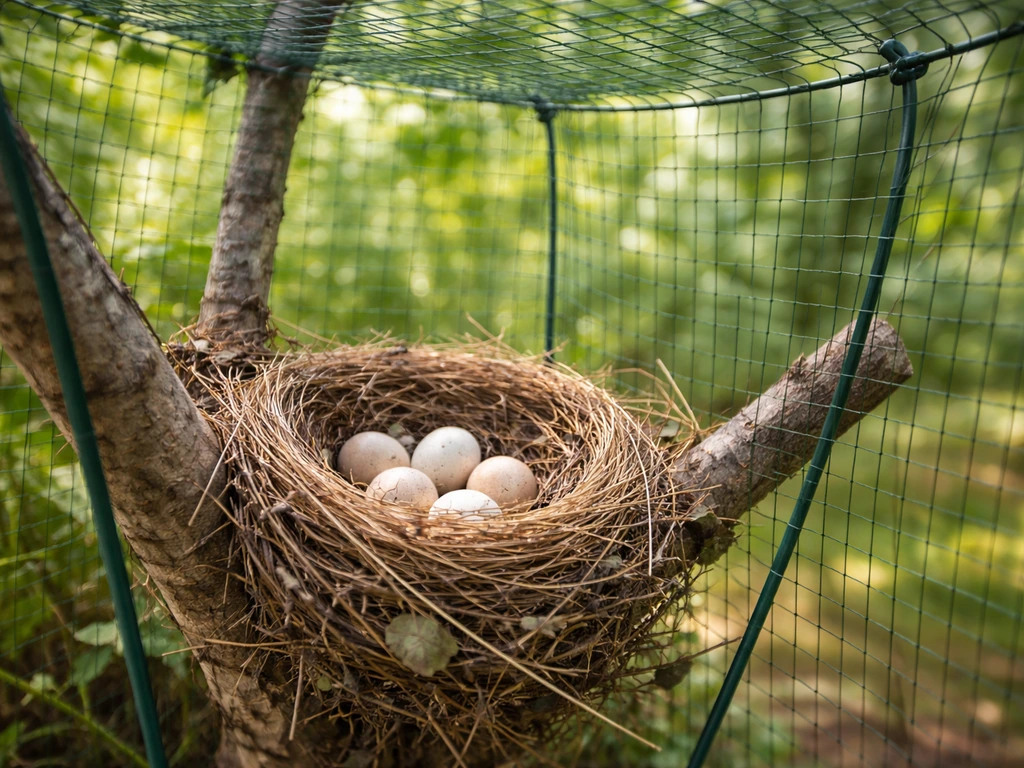
How cats actually hunt eggs
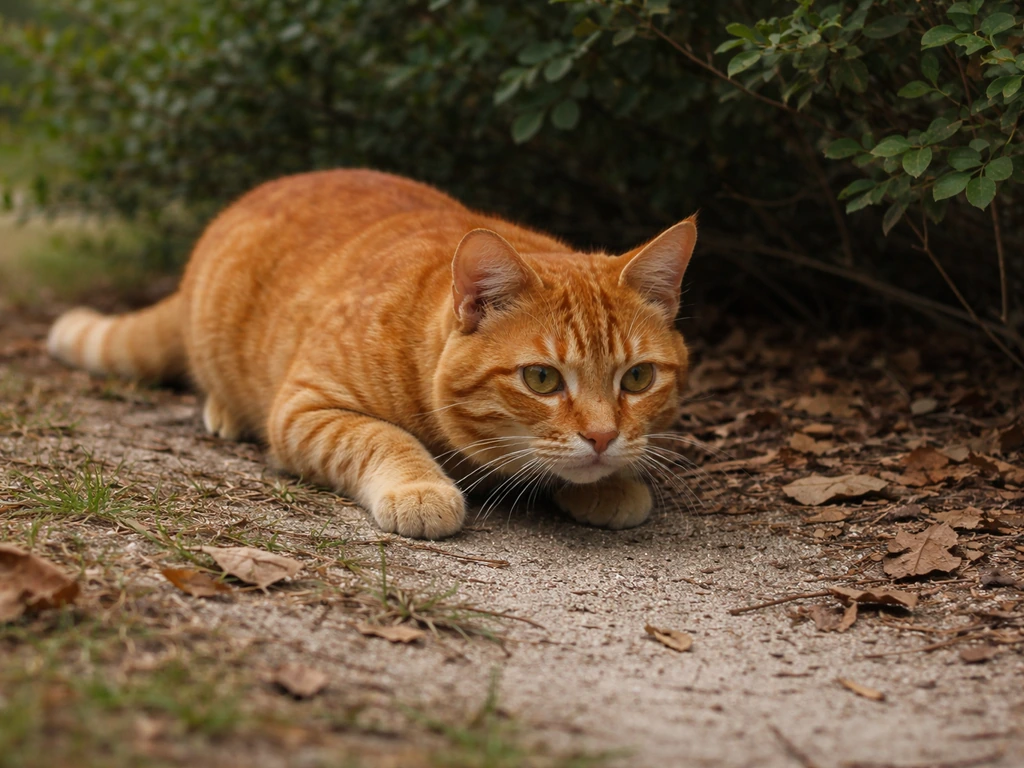
Cats are opportunistic predators, which means they don't pass up an easy meal. Eggs sitting in a ground nest or a low shrub nest are exactly the kind of low-effort, high-reward target a cat will exploit. When a cat stumbles across a nest, the response depends on the individual animal, hunger level, and prior experience, but eggs are absolutely on the menu. Research recorded in a ScienceDirect artificial nest study even captured a cat visiting duck nests directly, accounting for roughly 10% of all mammalian predator visits at those sites.
Ground-nesting species like killdeer, towhees, and ovenbirds face the highest risk because there's no elevation barrier between the cat and the clutch. Low shrub nesters like cardinals and mockingbirds are also vulnerable. Elevated nesters in tree cavities are generally safer from cats but not immune, especially if the tree has branches that give a cat an easy approach route. The breeding season, roughly spring through midsummer in most of North America, is peak vulnerability because that's when nests are active and eggs are present.
Feral cats pose a particular threat because they cover enormous territory. A USGS study of radio-collared feral cats on Mauna Kea documented an average home range of about 13.9 square miles, meaning a single feral cat regularly overlaps with dozens of nesting territories. Audubon has estimated that feral cat predation on birds in the U.S. costs around $17 billion annually in ecological and economic terms. Domestic outdoor cats work a smaller range but can still do serious local damage during nesting season.
What pulls cats toward your birds in the first place
Bird feeders are a magnet for cats, and not just because of the birds. Spilled seed on the ground attracts mice, sparrows, and doves, and those attract cats looking for an easy hunt. Humane World specifically notes that seed spillage is one of the main drivers of cat activity around feeders. If you also leave cat food outdoors for a feral colony or a neighborhood cat, that compounds the problem by anchoring cats in the area.
Dense cover around feeders and garden beds gives cats the camouflage they need to stalk effectively. A K-State Extension resource makes this point directly: cats use shrubs, brush piles, and tall grass to approach birds without being detected. Feeding routines matter too. If birds visit your feeder at predictable times every morning, a smart cat will figure that out and be waiting.
- Spilled seed on the ground attracting ground-feeding birds and rodents
- Dense shrubs, brush piles, or tall grass within stalking distance of feeders or nests
- Predictable feeding times that cats learn to anticipate
- Outdoor cat food left out overnight, attracting neighborhood cats
- Low or ground-level nests within easy reach of a crouching cat
- Bird baths placed too close to cover that hides approaching predators
Setting up your yard to protect nesting birds

The single most effective thing you can do is keep your own cats indoors, especially during nesting season. Both the American Bird Conservancy's Cats Indoors campaign and Audubon strongly support this as the primary defense. An indoor cat can't raid a nest. If you have outdoor cats or neighbor cats visiting, the yard setup steps below make a real difference.
- Remove dense ground-level cover within 10 to 15 feet of any nesting area or low shrub where birds are nesting. Clearing brush piles and keeping grass trimmed eliminates stalking cover.
- Place nest boxes on smooth metal poles with baffles rather than trees or wooden fences that cats can climb. A conical baffle below the box makes it very hard for a cat to reach the entrance.
- Avoid placing bird baths or feeders near fences, sheds, or dense shrubs that cats can use as launching points.
- Use a catch tray under feeders to reduce seed spillage, and sweep up spilled seed daily. Less seed on the ground means fewer ground-feeding birds and fewer opportunities for cats to hunt at ground level.
- Stop leaving outdoor cat food out overnight or indefinitely. It anchors free-roaming cats in your yard and around your feeders.
- If you know of an active ground nest, mark a buffer zone around it and keep children and pets well clear during the nesting period.
Feeder placement and management that doesn't invite predators
Where and how you hang a feeder has a direct effect on how exposed visiting birds are to cats. The Audubon Society of Rhode Island recommends placing feeders more than 6 feet off the ground and at least 10 feet from any climbable surface like a fence post, tree trunk, or shed wall. That 10-foot gap makes it very difficult for a cat to leap from cover and catch a feeding bird.
Tube feeders and hanging feeders on smooth-pole mounts with a squirrel-and-cat baffle are the safest design. Tray or platform feeders at low heights are the worst option during nesting season because birds feeding on them are easy targets. If you use a platform feeder, raise it as high as practically possible and mount it where a cat can't approach through concealment.
The National Wildlife Federation also recommends blank" rel="noopener noreferrer">keeping the area under feeders clean. Rotting seed attracts sick or lethargic birds that are even easier prey, and the seed itself draws rodents that attract cats. A clean feeding station is a safer feeding station, both for the birds and in terms of predator management.
If predation happens or you find damaged eggs
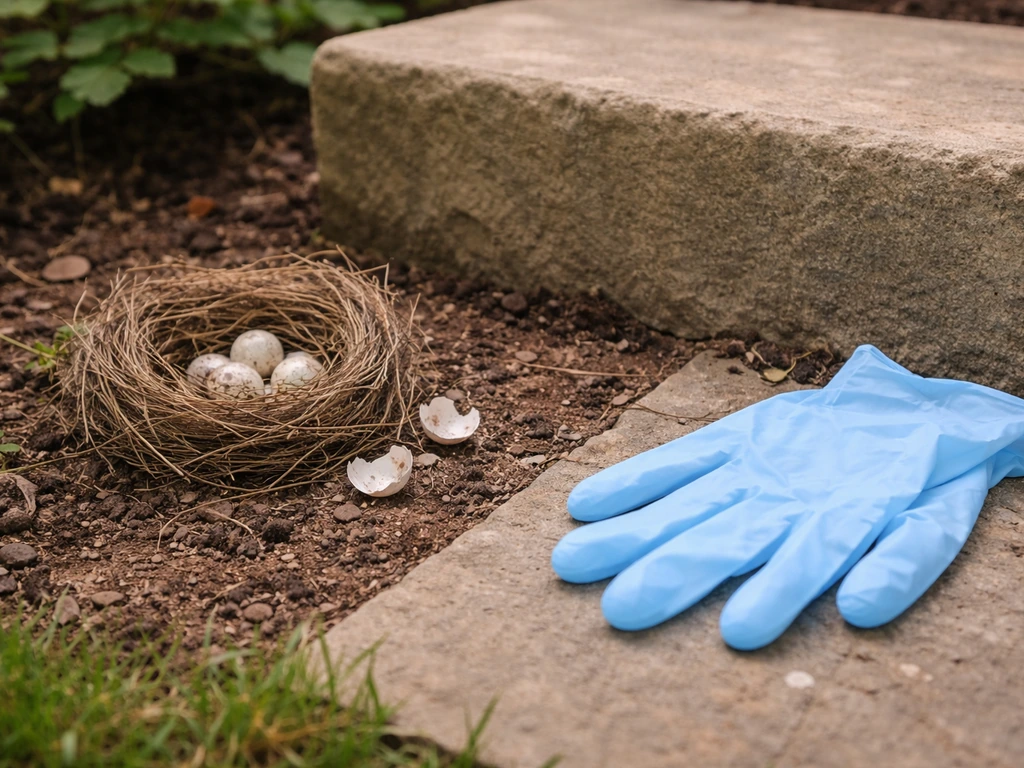
If you find broken eggs on the ground below a nest, or a nest that has been emptied, a cat is a strong suspect, especially in an urban or suburban yard. Other suspects include jays, crows, raccoons, and squirrels, but if you've seen cats in the area, treat it as the likely cause and act accordingly. Smithsonian's Neighborhood Nestwatch program uses artificial nest monitoring with clay eggs to identify repeat predators, which is a useful reference for understanding how predation patterns work in backyard settings.
Here's what to do in the immediate aftermath:
- Do not handle remaining eggs or disturb the nest further. If eggs remain, the parents may return.
- Note the time and any signs left behind (paw prints in soft soil, feathers, fur caught on branches) to help identify the predator.
- If the nest is completely empty and you believe predation is ongoing, relocate nearby feeders away from the nest area temporarily to reduce bird activity in that spot.
- If a feral cat is the confirmed culprit and is returning repeatedly, contact your local animal control or a TNR (trap-neuter-return) organization to address the population humanely.
- If your own cat was involved and may have eaten an egg, there's generally no direct toxicity risk from a bird egg itself, but monitor for any digestive upset. For concerns about your cat consuming other parts of a bird, that's a separate health question worth discussing with a vet.
It's also worth noting that egg loss affects different species differently. Mockingbirds may re-nest relatively quickly. Species with smaller clutch sizes or that nest only once per season suffer more from a single predation event. If you're monitoring nesting birds in your yard, keeping a simple log of nest activity helps you spot patterns and respond faster.
Myths worth clearing up
Myth: Putting a bell on your cat's collar protects birds
Audubon has addressed this directly and the conclusion is not encouraging. By the time a bell rings, a stalking cat is usually already within striking distance. Bells offer minimal real-world protection for birds or eggs. Research-backed steps for reducing predation risk also matter if you're wondering can cats play with bird feathers, since feather and toy interest can still lead to hunting behavior. Anti-predation collars like the CatBib or a Birdsbesafe collar cover, which make a cat's pounce more visible to birds, have better evidence behind them, though keeping a cat indoors remains the only fully reliable option. A University of St Andrews repository PDF reports that the Birdsbesafe collar cover reduces bird predation by domestic cats a Birdsbesafe collar.
Myth: Well-fed cats don't hunt
This one comes up constantly. The reality is that hunting in cats is driven by predatory instinct, not hunger. A cat that has just eaten a full meal will still stalk and kill birds if the opportunity presents itself. Cats can sometimes take more than eggs, but they are not a safe way to feed a whole bird kill birds. Keeping a cat well-fed does not meaningfully reduce its predation on nesting birds or eggs.
Myth: Cats only take weak or sick birds, not eggs
Cats take whatever is easiest to get. Eggs in a ground-level nest are arguably easier prey than a healthy adult bird. Yes, cats can also eat bird bones, especially if they capture a whole bird, not just eggs do cats eat bird bones. Research from Oxford Academic work on nest predation also shows that item type, eggs versus nestlings, can trigger different predator responses, but both are taken. Cats are not selective in a way that benefits the ecosystem.
Myth: Only feral cats are a problem
Domestic cats allowed outdoors hunt birds and raid nests just as effectively as feral cats. The difference is range: feral cats cover more ground. But a single domestic cat with outdoor access during nesting season can devastate the nesting success of the birds in your immediate neighborhood. The American Bird Conservancy's Cats Indoors guidance applies equally to owned pets, not just strays.
A quick comparison: indoor vs outdoor cat risk to nesting birds
| Cat type | Egg predation risk | Range covered | Management options |
|---|---|---|---|
| Indoor-only cat | None | None (no outdoor access) | No action needed beyond keeping indoors |
| Domestic cat with outdoor access | Moderate to high during nesting season | Typically within a few blocks | Keep indoors, especially at dawn and dusk; use deterrent collar |
| Feral or stray cat | High, especially near urban parks and feeders | Up to several square miles | TNR programs, motion-activated deterrents, yard modifications |
The bottom line on cats and bird eggs
Cats eat bird eggs regularly and the evidence is solid. The risk is highest during nesting season, around ground-level nests, and in yards where spilled seed and dense cover make things easy for a predator. The most effective steps are also the simplest: keep your cats indoors, clean up under your feeders, mount feeders high and away from climbable surfaces, and remove cover that lets cats approach unseen. If you've lost eggs already, use the aftermath as a reset to audit your yard setup and close the gaps. Birds can re-nest, but giving them a safer environment from the start means a better outcome for everyone sharing your backyard.
FAQ
How can I tell whether a cat ate the bird eggs, versus another predator?
You might see an eggshell pile and a small amount of yolk remains, but cats can also carry eggs away or leave just partial evidence (especially in grass or mulch). If you find the shell intact or barely disturbed, that points more toward crows or jays than cats, while shallow tooth marks and scattered remains near cover are more consistent with a cat.
What should I change if egg predation keeps happening in the same spot?
If a cat is coming back repeatedly, it is usually because it has a clear approach route (brush, tall grass, fence lines) and a reason to stay (easy hunting or an active feeding station). After an egg loss, re-check concealment spots within a cat’s jump distance of the nest area, and remove low hiding cover along that path rather than only changing the feeder location.
Does predation only happen if a cat is outside all day?
Yes, a cat can still hunt even if it is “just outside for a short time.” Hunting is driven by stalking behavior and opportunity, and nesting season increases the payoff because eggs are immobile and easy targets. If you cannot keep the cat fully indoors, treat peak breeding weeks as the highest-risk window for limiting outdoor access to zero or near zero.
If I use a cat collar or bell, will that stop cats from eating eggs?
Feather-focused strategies like bells are unlikely to stop a determined stalk-and-pounce cat, because cats can move before the bird can react. Collars designed to increase visibility can help in some situations, but they do not replace structural prevention steps like elevating feeders and removing cover, and effectiveness varies with cat behavior and line of sight.
Should I leave an emptied nest or eggshells so birds can tell what happened?
Do not assume leaving eggs in place is harmless, since eggs provide an attraction signal and can teach a predator that the area is reliable. In most backyard scenarios, the practical approach is to remove clearly predated material promptly and adjust the habitat setup so the next nest attempt is harder to raid.
Will birds keep nesting after a cat raid, and should I try to move nests or nestboxes?
Some birds change nest placement after failures, so the safest approach is prevention before the next clutch is laid. If you want to encourage nesting, focus on cat-proofing the approach (feeder mounting, removing brush near likely nest sites, keeping cats indoors) rather than relocating nestboxes during an active period.
If I don’t let my cat outdoors, can my yard still be at risk from cats?
Yes. Even if you do not own an outdoor cat, neighbor cats, feral cats, or cats using your yard for hunting can still raid nests. If you see tracks or repeated sightings, coordinate with neighbors on keeping cats indoors, especially during spring through midsummer, and consider temporary yard changes during that window.
Does stopping bird feeding completely eliminate the risk of cats eating bird eggs?
You can reduce risk without feeding birds at all, because feeders often concentrate bird activity and also concentrate rodents if seed spills. If you do feed, use designs that limit access from below (high, baffle-protected mounts) and keep the ground under feeders cleaned up, especially around morning routines.
Are elevated nest sites always safe from cats?
A cat can take eggs even from elevated nests if there is a workable approach route, like nearby branches, shrubs, or a climbable fence. When deciding feeder or habitat changes, think in terms of “cat approach,” not just “nest height,” and remove low climbing lanes near the most likely nest areas.
What is the fastest plan for reducing egg loss after I find one raid?
If you suspect a cat is responsible and you need immediate action, prioritize the strongest lever first: secure your cat indoors (including at night) and reduce concealment cover in the yard margins. Then address feeder setup (height, distance from climbable surfaces, baffle, and cleanup), because those changes reduce repeat opportunities within days.