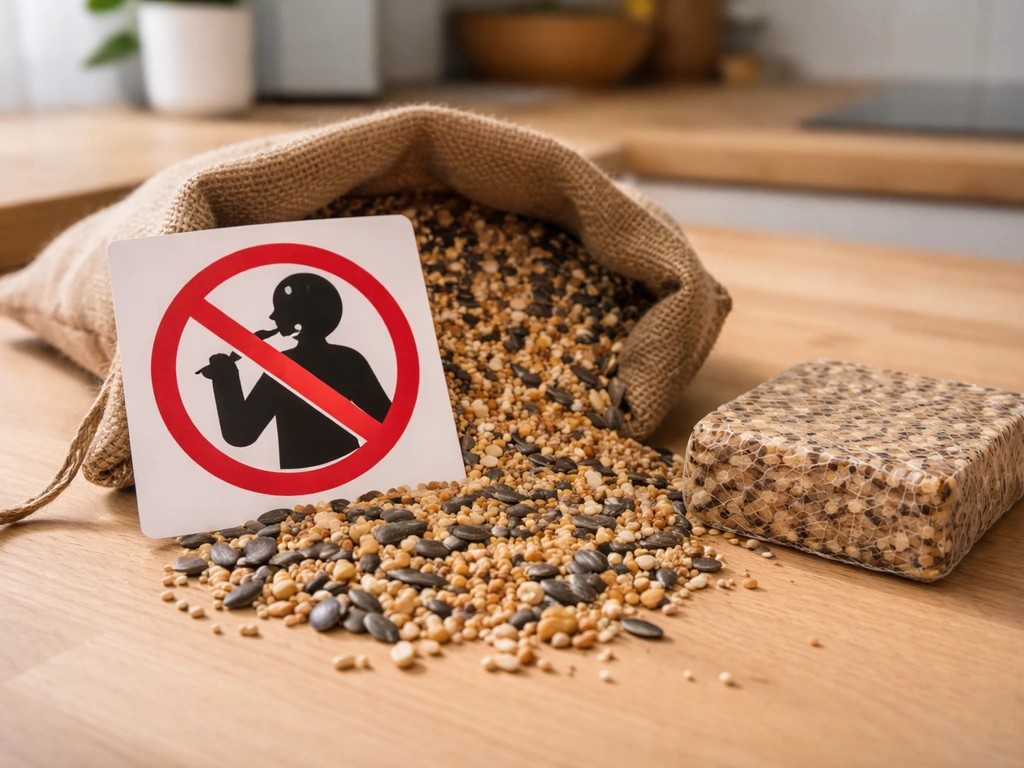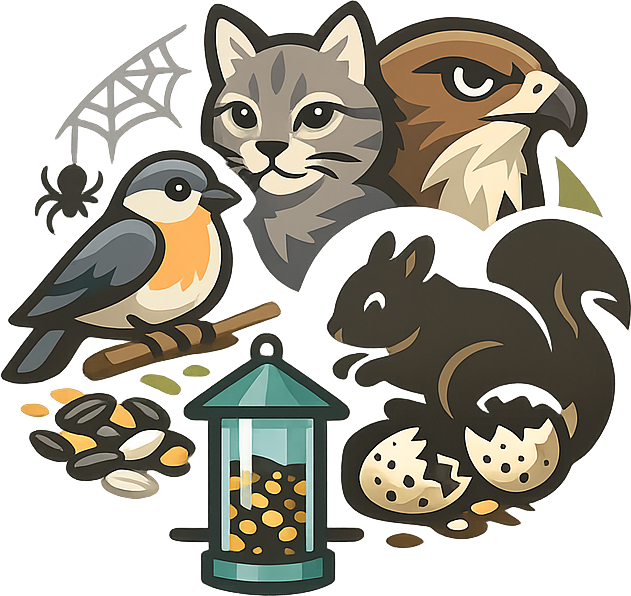
Yes, you can eat bird meat, but the answer comes with a stack of important conditions. If you are wondering, can you eat bird stop, the short answer is no, because raw or undercooked bird meat is unsafe eat bird meat. Commercially raised and properly cooked poultry is safe and eaten by billions of people every day.
Can You Eat Bird? Safety, Risks, and Legal Options

Maya Bennett
11 May 2026
Wild birds are a different story: many species are legally protected, some carry real disease and parasite risks, and eating raw bird of any kind is genuinely dangerous. If you're asking because you found a bird in your yard or you're curious whether any wild bird is fair game, the practical answer is: stick to legally sourced, inspected, and thoroughly cooked birds, and leave wild backyard birds alone.
What even counts as 'bird' here?
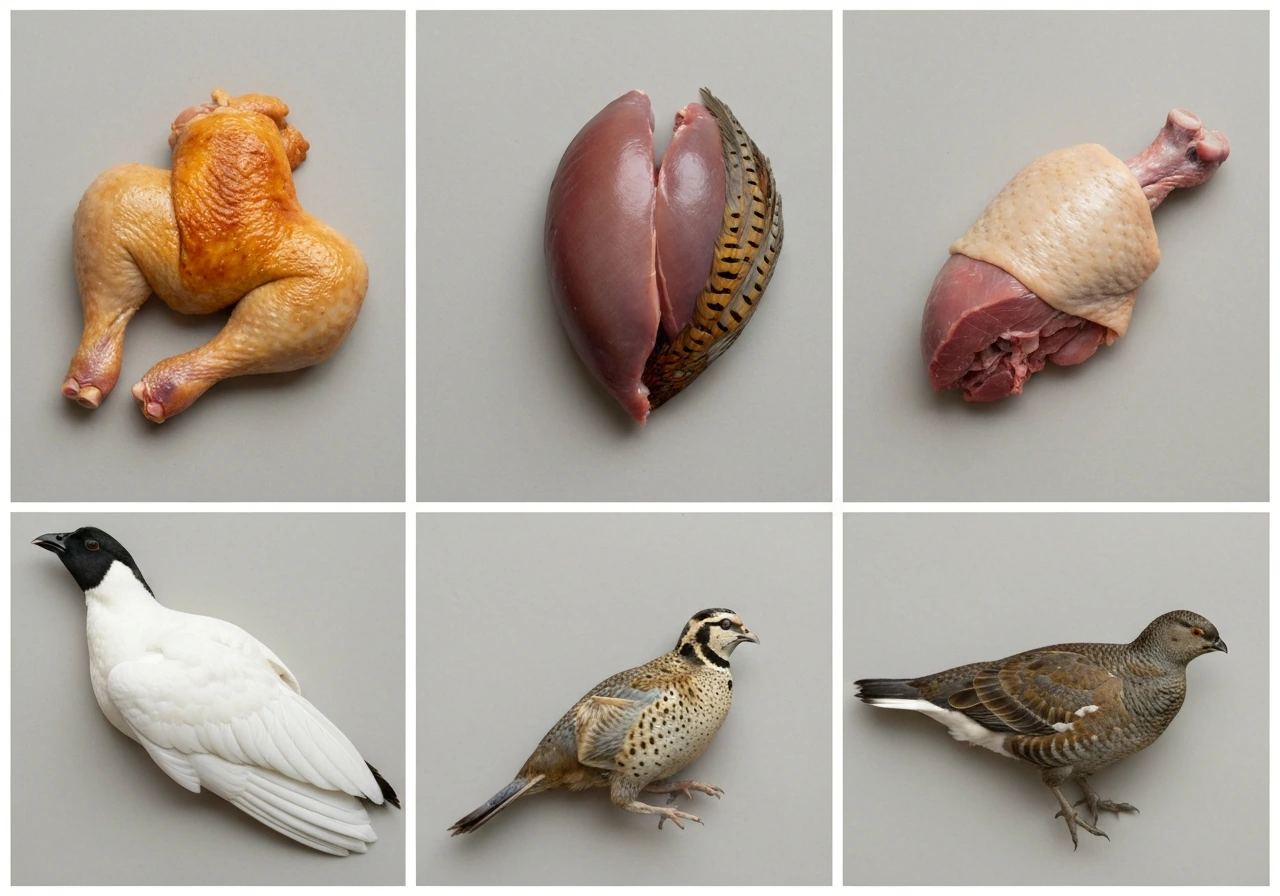
When most people ask 'can you eat bird,' they're asking about one of three things: commercial poultry (chicken, turkey, duck), legal game birds (pheasant, quail, grouse, wild turkey), or wild birds they've encountered in their yard or neighborhood. These are very different categories with different safety profiles and different legal standing. Commercial poultry is inspected before and after slaughter and is the safest option by a wide margin. Legal game birds fall under regulated hunting seasons and, in many jurisdictions, are inspected or at minimum handled under recognized food safety frameworks. Wild songbirds, raptors, and most non-game species are protected by law in the US, UK, and EU, and they're also the riskiest from a health standpoint.
Why 'any bird' isn't safe: species, toxins, and disease risk
Not every bird is edible, even in theory. Some species accumulate toxins from their diet. Birds that eat certain insects or plants can concentrate compounds that are harmless to them but harmful to you. Beyond that, wild birds carry a range of pathogens that commercial poultry farming actively screens and controls for. Wild birds in your yard or neighborhood have had no veterinary care and no pre- or post-harvest inspection, which state wildlife agencies consistently flag as a core risk factor.
The disease list is real and worth knowing. Avian influenza (bird flu) is the high-profile one, and the CDC is direct that exposure to infected, sick, or dead birds is the main transmission risk. Psittacosis, a bacterial infection spread mostly by inhaling dust from dried bird droppings or respiratory secretions, affects parrots and many other species. Salmonella is regularly linked to wild songbirds: a CDC outbreak investigation specifically tied Salmonella infections to contact with wild songbirds and their feeders. These aren't theoretical edge cases.
There's also the issue of lead. If you're eating wild game birds that were shot with lead ammunition, you face real lead exposure risk. The UK Food Standards Agency advises that people who frequently eat lead-shot game should cut down their consumption, and that pregnant people should avoid game birds entirely because of potential lead contamination in the meat. This is not a concern with commercially raised poultry.
- Most wild songbirds and raptors: legally protected in the US, UK, and EU; capturing or killing them is a criminal offense
- Birds with unknown foraging history: potential toxin or heavy metal accumulation depending on their environment
- Birds found sick or dead: highest risk for avian influenza and other pathogens; the CDC specifically advises against touching them with bare hands
- Lead-shot game birds: real lead exposure risk, especially for frequent consumers and pregnant people
- Commercially raised poultry: inspected, regulated, and the safest category by far
Raw bird is not safe, full stop
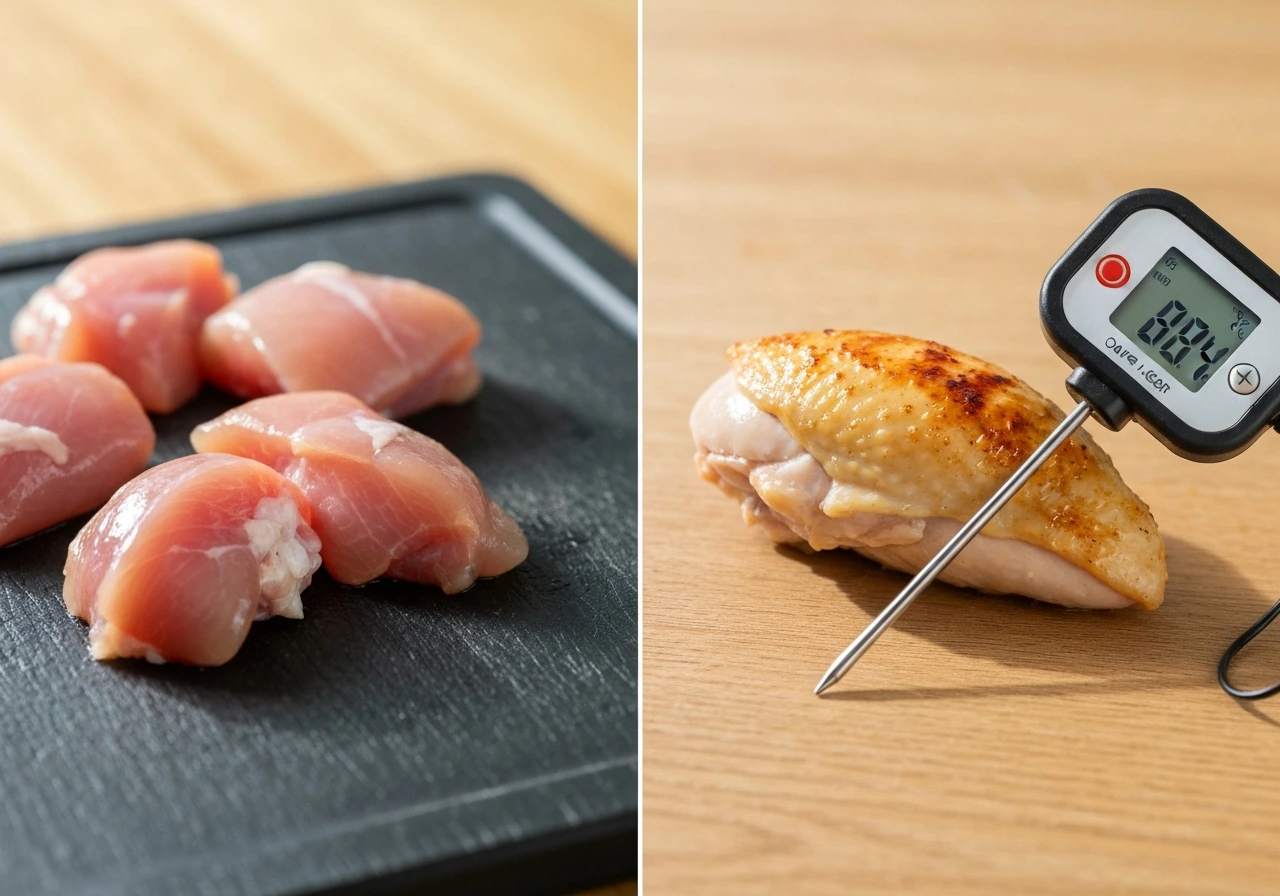
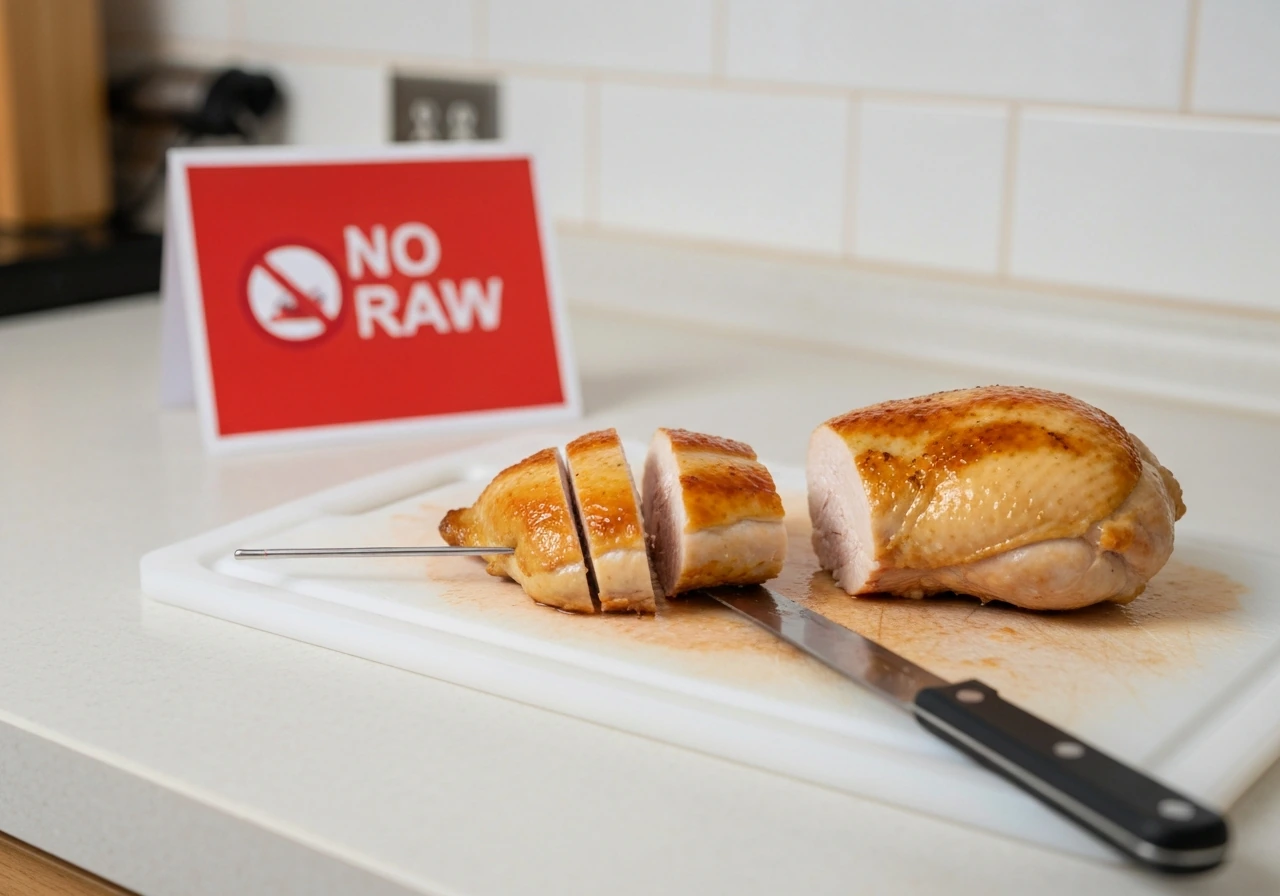
This is probably the most important practical point in this article: do not eat raw or undercooked bird meat. The USDA FSIS sets the safe minimum internal temperature for all poultry, including whole birds, at 165°F (73.9°C), measured with a food thermometer, because visual cues alone are not reliable indicators of safety. Reaching that temperature kills bacteria and viruses including avian influenza A viruses, according to the CDC. Skipping it opens you up to a short list of serious pathogens.
Campylobacter is the big one for raw poultry. The CDC notes that even a single drop of juice from raw chicken can carry enough Campylobacter to cause infection, and that eating raw or undercooked poultry is the most common way people get infected. Salmonella is close behind, spread by eating raw or undercooked poultry and by handling raw meat without adequate hand washing. Parasites add another layer: Giardia and Trichinella can both survive in wild game meat, and the CDC specifically warns that freezing wild game does not reliably kill all worms because some, including certain Trichinella strains, are freeze-resistant. Cooking to a safe internal temperature is the only reliable control.
| Pathogen | Main source in birds | Key risk if undercooked | Eliminated by 165°F cooking? |
|---|---|---|---|
| Campylobacter | Raw/undercooked poultry and juices | Severe diarrheal illness; even a drop of raw juice is enough | Yes |
| Salmonella | Raw/undercooked poultry, eggs, droppings | Gastroenteritis, bloodstream infection in severe cases | Yes |
| Avian influenza A | Infected live/dead birds, undercooked poultry | Respiratory illness; rare but serious | Yes |
| Trichinella (parasites) | Wild game birds and mammals | Trichinellosis; muscle pain, fever, swelling | Yes, but freezing is not reliable |
| Psittacosis | Dried droppings and respiratory secretions | Pneumonia-like illness; mainly inhaled, not ingested | Cooking kills the bacteria; avoid handling raw birds |
Wild-caught vs. legal, reputable sources: how to think about this
If you want to eat bird meat beyond standard supermarket chicken or turkey, the safest path is purchasing from reputable, regulated channels. In the US, the FDA and USDA FSIS oversee poultry and many game birds. Species like grouse, pheasant, quail, wild turkey, wild ducks, and wild geese fall under FDA regulatory frameworks when sold commercially, and the 2022 FDA Food Code provides a model framework for how jurisdictions handle game meat at retail. That regulatory layer is what wild-caught birds from your neighborhood simply don't have.
Legal hunting of game birds is a different matter from grabbing something out of your yard. In the US, the UK, and the EU, hunting specific game species during regulated seasons is legal and has a long tradition. But even legally hunted wild game carries risks that commercially raised poultry does not: no veterinary inspection, no pre- or post-harvest disease screening, and potential lead exposure from shot. If you hunt or receive legally harvested game birds, handle the carcass with gloves, keep it refrigerated, and always cook it to 165°F.
The legal side is not optional context. In the US, the Migratory Bird Treaty Act protects most wild bird species. In the UK, all wild birds, their eggs, and their nests are protected by law. The EU Birds Directive protects all naturally occurring wild bird species across member states, with regulated hunting permitted only for specific species under strict frameworks. Taking a protected wild bird is a criminal offense in all of these jurisdictions, regardless of your intentions.
A quick comparison: commercial poultry vs. legal game vs. wild-caught
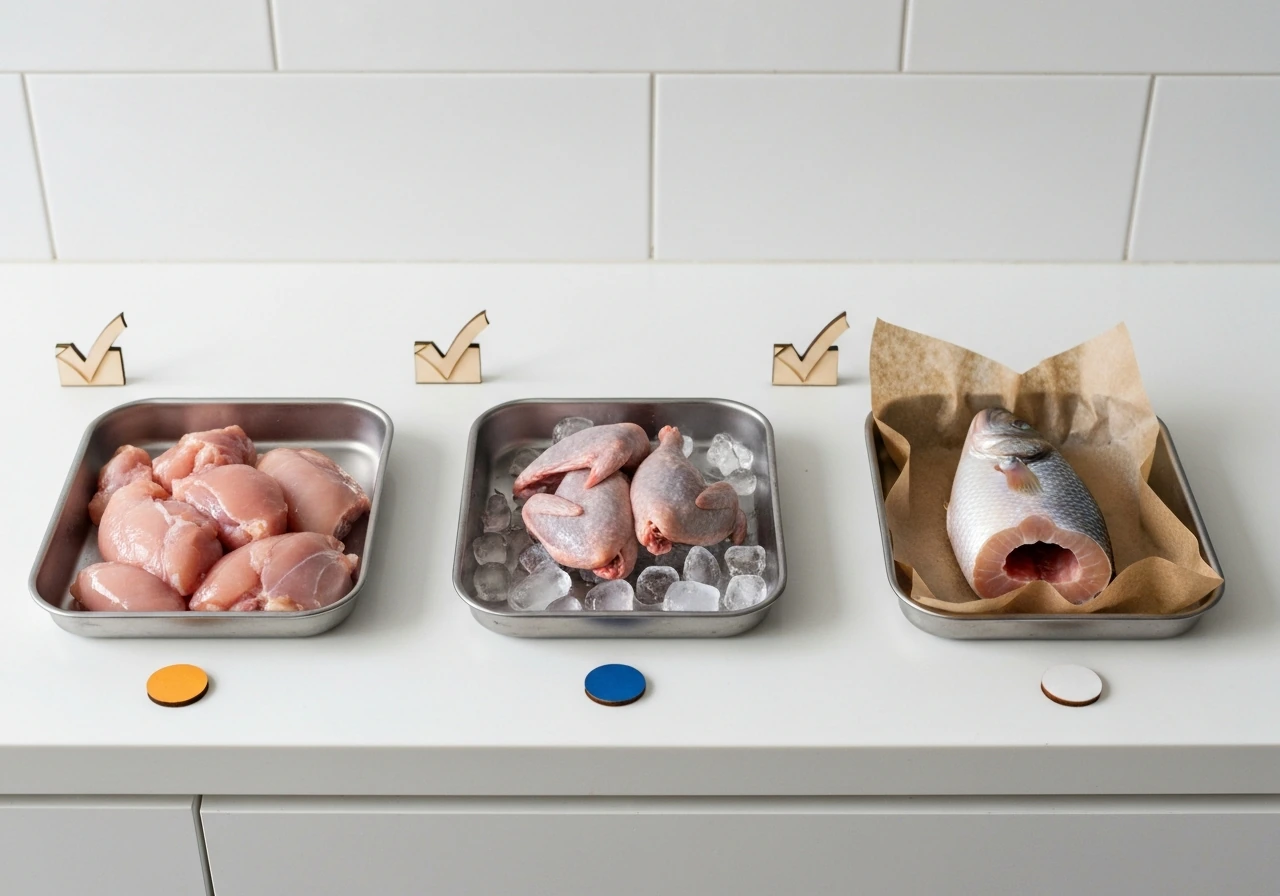
| Source | Legally safe to eat? | Inspected/regulated? | Disease risk level | Lead risk? | Recommended? |
|---|---|---|---|---|---|
| Commercial poultry (chicken, turkey, duck) | Yes | Yes, USDA/FSIS inspected | Low if cooked to 165°F | No | Yes, best option |
| Legal game birds (hunted in season) | Yes, if legally harvested | Partial: no post-harvest inspection | Moderate; safe if handled correctly and cooked to 165°F | Possible if lead shot used | Yes, with precautions |
| Wild birds from yard/neighborhood | No: most are legally protected | None | High: unknown disease/parasite history | Possible | No |
What to do instead: safe backyard feeding and bird education
If you ended up here because you're interested in birds rather than eating them, the practical alternative is setting up a safe, well-maintained feeding station. Even if you have eggs at home, you should not use them as bird food, since feeding or handling bird food incorrectly can raise disease risk eggs as bird food. This is genuinely the better path for backyard birders, and it comes with its own safety rules worth following.
The CDC advises washing hands thoroughly after touching bird food, feeders, or bird baths, because wild birds can spread diseases to pets and people even through feeder contact. If you mean bird food (seed, suet, or feeder mixes) rather than bird meat, the key issue is still hygiene because birds and feeders can spread diseases like avian influenza.
Feeder hygiene matters more than most people realize. Clean your feeders and bird baths regularly and wear disposable gloves when doing so. The CDC specifically recommends this practice in the context of avian influenza risk management for bird hobbyists. Don't hand-feed wild birds with bare hands, and don't touch sick or dead birds without gloves and a bag for disposal.
- Use clean, dry seed: store it in sealed containers away from moisture to prevent mold and bacterial growth
- Clean feeders every one to two weeks with a diluted bleach solution, then rinse and dry completely before refilling
- Wear disposable gloves when cleaning feeders, bird baths, or handling anything contaminated with droppings
- Wash hands with soap and water immediately after any contact with bird equipment, food, or wild birds
- Remove and discard uneaten seed from ground-level feeding areas to avoid attracting rodents and concentrating pathogens
- Keep pets away from areas with wild bird droppings and from dead or sick birds
If your interest is more educational, learning about what birds eat is a great entry point. Bird diet profiles vary enormously by species, and understanding them helps you offer the right food at your feeder while avoiding things that are actually harmful, like certain breads, rice prepared incorrectly, or seed mixes with fillers that attract the wrong animals. Related questions worth exploring include what happens if you or a pet accidentally eats bird food, and whether bird food or eggs have any nutritional overlap with human diets.
How feeder and seed problems affect pets and wildlife
This connects directly to why feeder safety matters beyond just your own health. Spoiled seed, moldy suet, and contaminated water in bird baths don't just affect wild birds. Pets that roam yards can ingest droppings, pick up contaminated seed, or come into contact with sick birds. The FDA notes that pets can shed Salmonella into home environments even without showing symptoms themselves, which means a dog or cat that investigated your feeder area could bring pathogens indoors.
Wild birds congregating at a poorly maintained feeder can also create a disease amplification point. A feeder with spoiled seed or standing water becomes a place where sick and healthy birds mix closely, which is exactly the kind of contact situation the CDC flags as a risk for spreading avian influenza A. Keeping your feeder clean and your seed fresh isn't just good birding practice, it's genuinely protective for the local bird population, your pets, and your household.
The practical takeaway on the pet side: if you keep backyard feeders, treat the area around them with the same hygiene awareness you'd apply to a kitchen. Wash your hands, keep pets supervised around feeder zones, and dispose of dead or sick birds using gloves and a sealed bag rather than handling them directly. These steps reduce risk across the board, for you, your pets, and the birds you're trying to help.
FAQ
I found a bird in my yard. Can I eat it if I cook it well?
Yes, but only if it is commercially sourced or legally harvested and then cooked to 165°F (73.9°C) using a food thermometer. If you found a bird you suspect is wild, do not “test it” by appearance, and do not try to cook it to a lower temperature, because undercooked poultry is a common route for Campylobacter and Salmonella.
Does freezing a wild bird make it safe to eat?
No. Freezing wild game is not a reliable way to kill all parasites, and it does not remove pathogen risk from contaminants on the carcass. The only dependable control is cooking to the safe internal temperature and using good hygiene during handling.
Can I wash wild or raw poultry before cooking to reduce risk?
You should not. Rinsing or “washing” raw poultry can spread bacteria through droplets and splashes to your sink, counters, and utensils. Instead, handle the bird carefully, keep it contained, and cook it to 165°F (73.9°C).
If it’s legal hunting, is game bird meat as safe as store-bought chicken?
Legally harvested game can still be riskier than inspected supermarket poultry because it may not have the same veterinary screening, and lead exposure is possible depending on the ammunition used. Wear gloves, keep it cold, avoid cross contamination, and cook to 165°F (73.9°C).
Can I eat bird eggs or partially cooked bird meat?
In general, no. Eating raw or lightly cooked bird meat and raw bird products are unsafe. If you mean eggs or other items from birds for consumption, they have separate food safety concerns, and the safer approach is to avoid using them as food unless they are specifically intended for human consumption and handled under appropriate food rules.
What if the bird looks healthy, can I still eat it?
If you know it is commercial poultry, it should be treated like any other poultry in terms of temperature and hygiene. If it is a wild bird, assume higher disease uncertainty and legal uncertainty, and do not rely on “it looks healthy.” Unknown species plus unknown inspection status is the unsafe combination.
How do I prevent food poisoning when cooking bird meat?
It matters most during handling. Use separate cutting boards and utensils for raw poultry, clean surfaces with appropriate kitchen cleaner, wash hands with soap and water, and keep raw meat away from ready-to-eat foods. The article emphasizes thermometer cooking, but cross contamination is a separate, common failure point.
Is it safer for pregnant people or immunocompromised people to eat any bird meat?
If you are pregnant or immunocompromised, the safest choice is to avoid wild birds and stick to inspected, commercially raised poultry. Lead and additional infection risks make wild game a poor option for these groups.
What should I do if I get bird droppings or feeder grime on my hands?
If you accidentally got bird droppings or feeder contamination on your hands, wash thoroughly with soap and water. For feeding and cleaning tasks, wear gloves, avoid touching your face, and disinfect tools or surfaces afterward. Treat feeder areas like a low-level contamination zone, not a casual hobby space.
If my thermometer says it’s not at 165°F, can I just cook longer and still be safe?
Do not attempt to “start over” by cooking longer if the temperature never reached 165°F. Cooking time without verified temperature is unreliable, especially with thicker cuts or uneven heating. Use a food thermometer in the thickest part and confirm the internal temperature before serving.
Next Article
Can Humans Eat Bird Food? Safety Guide for Seed and Suet
Can humans eat bird food? Learn which seeds and suet are unsafe, why, and what to do after accidental ingestion.