No, you should not eat typical bird food from a feeder or pet store bag. If you are wondering whether you can get bird food from eating eggs, the answer is no. That is the short answer. Most commercially sold birdseed, suet blends, and feeder mixes are not produced, handled, or stored to food-safety standards for humans. Some ingredients are identical to things you eat every day, but the way they are grown, processed, and packaged makes them a real risk. If you or someone else already ate a small amount accidentally, that is a separate question (covered below), but as a general rule: birdseed is not a snack, and treating it like one is not worth it.
Can Humans Eat Bird Food? Safety Guide for Seed and Suet

Maya Bennett
19 Apr 2026
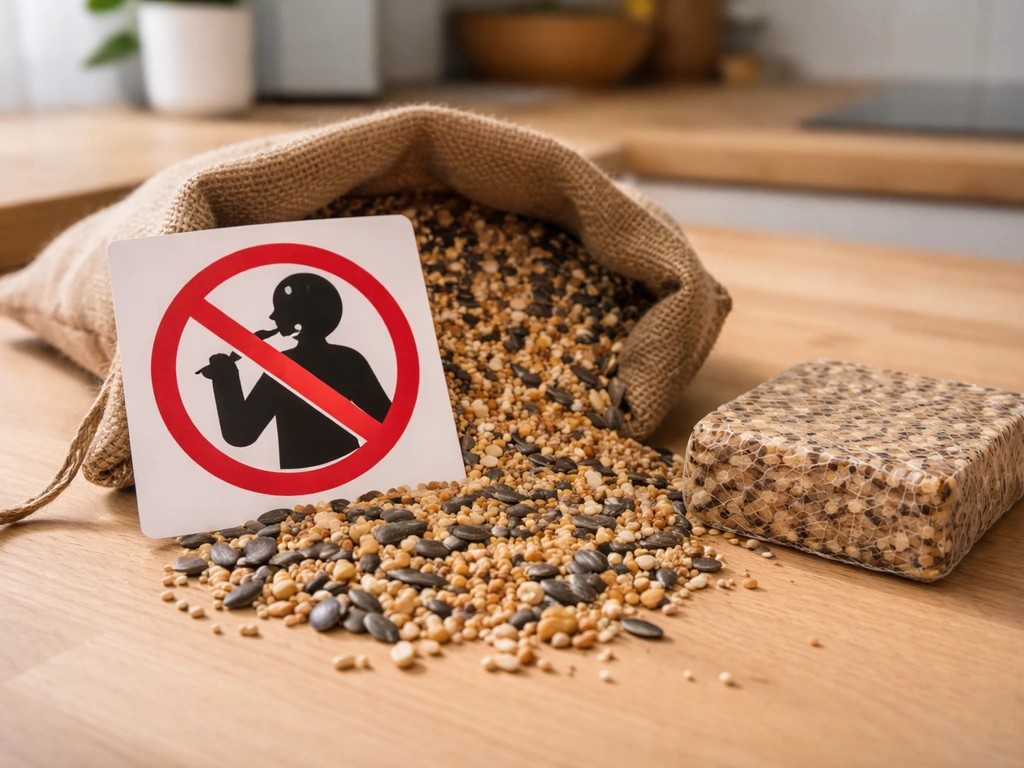
What Is Actually in Bird Food
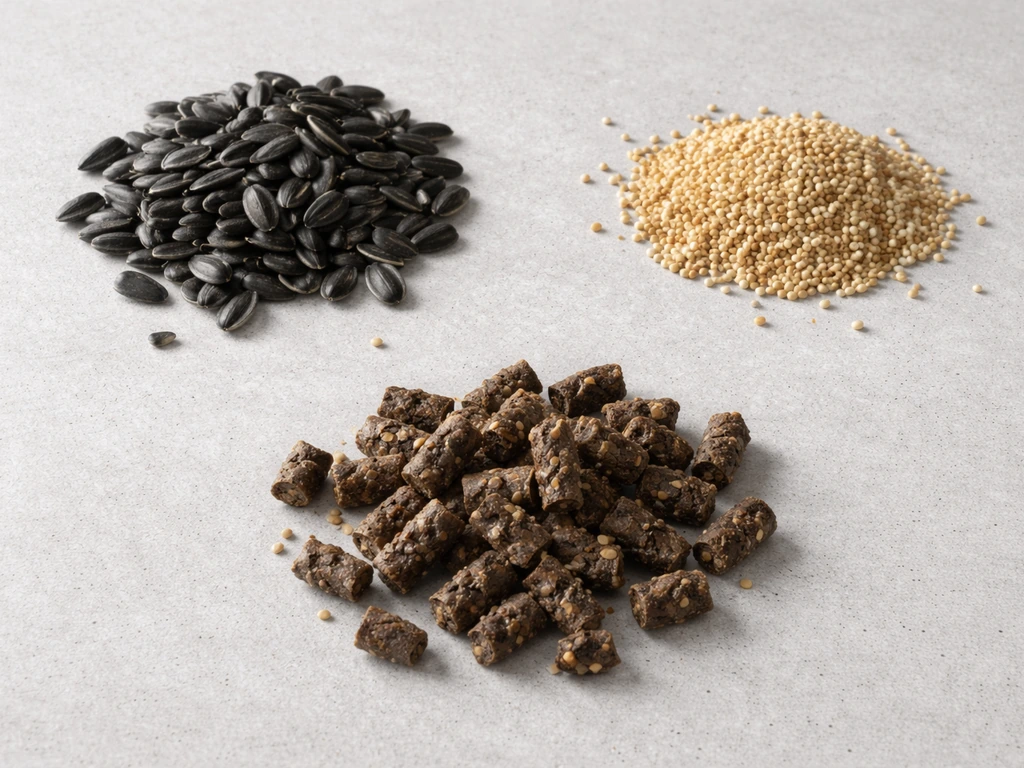
Bird food sold at garden centers, hardware stores, and pet shops typically contains a mix of seeds, grains, fats, and sometimes processed pellets. Knowing what is in the bag matters because the ingredients themselves are not always the problem. The problem is often how they are handled before and after they reach your feeder.
- Seeds and grains: sunflower seeds (black oil or striped), safflower, millet, milo, nyjer (thistle), cracked corn, and whole peanuts or peanut pieces are the most common. These are the same species of crops grown for human food.
- Suet and fat cakes: rendered animal fat (usually beef tallow) combined with seeds, dried fruit, insects, or peanut butter. Sold as compressed cakes or balls.
- Pellets: compressed and processed blends, sometimes used in parakeet or parrot mixes, that may include grain meal, vitamins, and binding agents.
- Dried fruit, nuts, and mealworms: added to premium mixes as nutritional boosters for birds like bluebirds and thrushes.
- Additives: some mixes include artificial colorants, flavorings, or attractants. A smaller number of economy mixes contain added salt or fillers like oat hulls and wheat middlings that offer birds little nutrition.
- Shells and husks: whole peanuts, sunflower shells, and other hard seed coatings are often mixed in and present a choking or dental hazard for humans.
At face value, a bag of black oil sunflower seeds looks almost identical to something you might buy for roasting. The difference is that human-grade sunflower seeds are cleaned, inspected, and stored under conditions regulated by food safety authorities. Birdseed is not held to those standards.
Why Bird Food Is Risky for Humans
The risks stack up across several categories. None of them are dramatic on their own in a single small exposure, but together they make routine or intentional eating of bird food a bad idea.
Mold and Aflatoxins
This is the biggest concern. Molds that grow on grain and nut-based seeds produce mycotoxins, and the most dangerous of these is aflatoxin. The FDA sets an action level of 20 parts per billion (ppb) for aflatoxins in human food, including peanut products. Research measuring retail wild bird seed purchased in Texas found measurable aflatoxin contamination in commercial feeder mixes. Bird seed is not tested or regulated to stay under that 20 ppb human food threshold. Suet, peanut-heavy mixes, and corn-based blends are especially vulnerable to mold growth, particularly when exposed to humidity or stored in warm conditions. Aflatoxin exposure can cause vomiting, diarrhea, jaundice, and longer-term liver damage. You cannot smell or taste aflatoxin. A bag that looks and smells fine can still carry dangerous levels.
Pesticide and Herbicide Residues
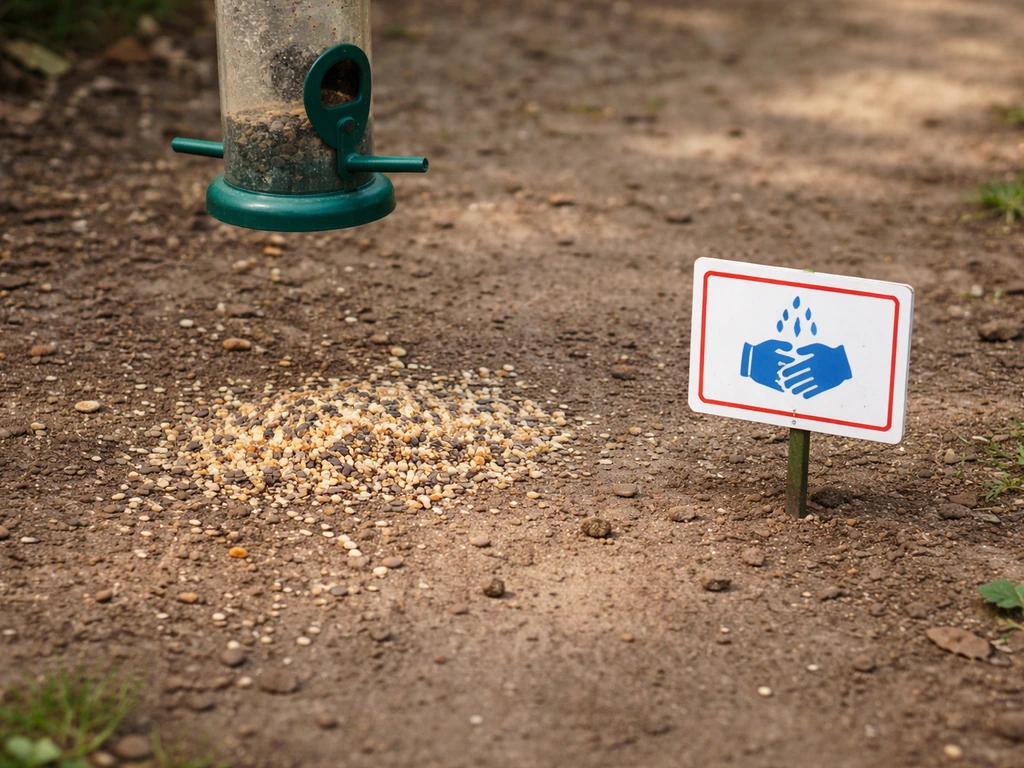
Grains and seeds sold for bird feeding are grown as agricultural crops, but they are not required to meet pesticide residue tolerances that apply to food crops. That means corn, millet, and sunflower seeds destined for feeders may carry higher pesticide residues than the equivalent crops sold as human food. There is no easy way to tell from the label.
Bacterial Contamination
Bird feeders are a known route for Salmonella transmission. The CDC documented a Salmonella Typhimurium outbreak in 2020 to 2021 linked directly to wild songbirds and backyard feeders. Salmonella can live on feeder surfaces, in seed caches, and on spilled seed below feeders. If you touch a feeder and then eat, you can transfer bacteria to your mouth. CDC’s outbreak guidance also advises washing your hands after touching wild birds, bird feeders, or bird baths, and before touching your mouth wash your hands after touching wild birds, bird feeders, or bird baths. Eating seed that has been sitting in or near a feeder dramatically increases that risk.
Avian Influenza and Zoonotic Risks
The CDC notes that human risk from avian influenza depends on exposure pathways, and contact with contaminated environments is a documented route. Seed that wild birds have been feeding from, or suet that birds have pecked at, has been in direct contact with wild bird saliva and droppings. That is not a reason to panic, but it is a reason not to eat food that has been sitting in or near a feeder.
Additives, Colorants, and Salt
Some economy mixes and specialty blends include artificial dyes to make the seed look more attractive, flavorings like anise or vanilla, and occasionally higher salt levels. These additives are not formulated with human consumption in mind, and the quantities are not regulated as they would be in a food product. High-salt mixes, in particular, can be a problem for children or pets who consume more than a small amount.
Physical Hazards
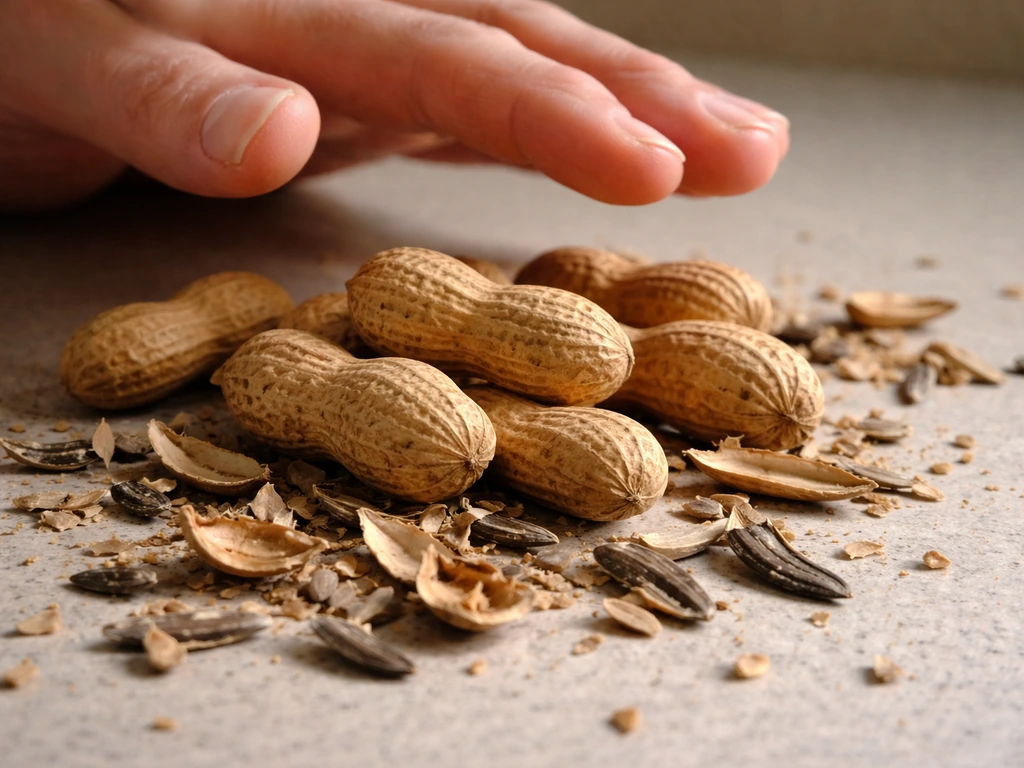
Whole peanuts in shells, hard sunflower shells, and unprocessed corn kernels are mixed into many feeder blends. These are hard enough to chip teeth or become a choking hazard, especially for children.
Someone Already Ate Some: What to Do
Accidental ingestion of a small amount of birdseed straight from a sealed, fresh bag is unlikely to cause serious harm in a healthy adult. The risk increases significantly if the seed came from an open feeder, was visibly moldy, or was mixed with suet that has been sitting out. Here is how to approach it:
- Stay calm. A small accidental taste of dry seed from a sealed bag is low risk. Do not induce vomiting unless instructed by a medical professional.
- Check the source. Was the seed from a sealed, dry, recently purchased bag, or was it from an open feeder or a damp storage container? Feeder seed carries far higher contamination risk.
- Look for visible mold or unusual smell. If the seed was visibly moldy, discolored, or had a musty odor, treat it more seriously.
- Call Poison Control if you are unsure. In the US, the number is 1-800-222-1222. They can advise based on the specific product, quantity, and the person's age and health status.
- Watch for symptoms. Nausea, vomiting, diarrhea, or abdominal cramping in the hours following ingestion warrants medical attention, especially in children, elderly individuals, or people who are immunocompromised.
- Seek emergency care if symptoms are severe or if the person ingested a large quantity of potentially contaminated material.
For related questions about what happens specifically after eating bird food, or about ingesting bird-related products, those scenarios each carry their own risk profile depending on what exactly was consumed and how much. If you ate bird food, you may be wondering what happens next depending on what kind it was and how much you took in what happens specifically after eating bird food.
Food-Grade Grains vs. Feeder Mixes: The Practical Comparison
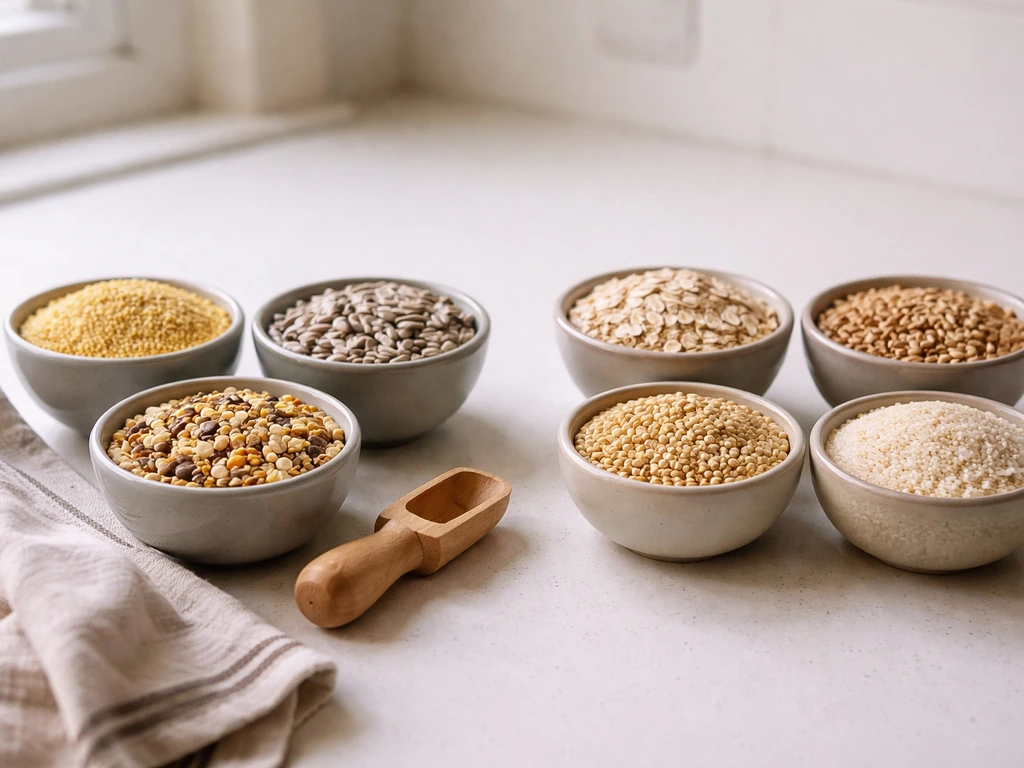
If you are interested in eating the types of seeds commonly found in bird food, the good news is that most of them have food-grade equivalents you can buy at a grocery or health food store. The differences between food-grade and feeder-grade matter a lot.
| Seed/Ingredient | Feeder-Grade Version | Food-Grade Alternative | Safe to Eat? |
|---|---|---|---|
| Black oil sunflower seeds | Sold unwashed, untested for mycotoxins, may have pesticide residues | Roasted or raw sunflower seeds in grocery stores, held to food safety standards | Food-grade: yes. Feeder-grade: no |
| Peanuts / peanut pieces | High aflatoxin risk, not tested to human food thresholds | Human-grade roasted or raw peanuts, tested and regulated | Food-grade: yes. Feeder-grade: no |
| Millet | Agricultural grade, possible herbicide residues | Food-grade millet sold in stores, often organic | Food-grade: yes. Feeder-grade: no |
| Cracked corn | Agricultural grade, high aflatoxin risk, not regulated for human consumption | Human-grade polenta or corn meal | Food-grade: yes. Feeder-grade: no |
| Suet cakes | Rendered fat mixed with seeds, no food-safety oversight, rancidity risk | No direct food-grade equivalent sold as suet cakes | No equivalent; avoid |
| Nyjer (thistle) seed | Typically heat-sterilized to prevent sprouting, but still not food-grade | Not commonly sold as human food | Avoid feeder-grade |
| Dried mealworms | Not produced to food-grade standards in feeder blends | Edible insect products sold specifically for human consumption | Food-grade only |
The recommendation is simple: if you want to eat sunflower seeds, millet, or peanuts, buy the version from the grocery store. The price difference is small and the safety difference is significant. There is no feeder mix or birdseed bag that you should be treating as a shortcut to cheap grain.
Keeping Your Feeder Area Safe for Everyone
Good feeder hygiene protects not just you but your pets, your kids, and the birds themselves. The CDC and state wildlife agencies have documented how feeders can become disease hotspots when basic maintenance is skipped.
Hygiene Rules That Actually Matter
- Wash your hands thoroughly with soap and water every time you handle a feeder, add seed, or clean up spilled seed below the feeder. The CDC is explicit that touching your mouth or food after touching feeders or bird baths is a route to Salmonella infection.
- Wear gloves when cleaning feeders, especially if you are removing moldy or wet seed.
- Clean feeders regularly using warm soapy water followed by a disinfecting rinse. The Washington Department of Fish and Wildlife recommends a 9:1 water-to-bleach solution for feeder cleaning, applied after soap washing.
- Clean daily if you have had sick or dead birds near your feeder. Otherwise, weekly or biweekly cleaning is appropriate for most feeders.
- Remove and discard wet, clumped, or visibly moldy seed immediately. Do not simply add fresh seed on top of old seed.
- Keep pets away from feeder areas and spilled seed below feeders. Dogs and cats can pick up Salmonella or be exposed to aflatoxins by eating seed or licking feeder surfaces.
Storage: Where Most Problems Start
- Store seed in a sealed, airtight container, ideally metal or thick plastic, to keep moisture and pests out.
- Keep storage containers out of direct sunlight and away from heat sources. Heat and humidity are what drive mold growth and aflatoxin production.
- Do not store large quantities of seed for longer than one to two months, especially peanut or corn-based mixes.
- Inspect seed before filling the feeder. If it clumps, smells musty, or has visible dark spots, discard the whole batch.
- Keep the storage area clean and watch for signs of mice or insects, which can contaminate seed with droppings and bacteria.
Myths Worth Clearing Up
Myth: Birdseed is just organic grain, so it is fine to eat
This is probably the most common misconception. Birdseed contains the same species of plants as human food crops, but that does not make them the same product. Agricultural-grade grain goes through different handling, storage, and testing than food-grade grain. No birdseed producer is monitoring for aflatoxins at human food thresholds, and the bags carry no food safety certification. Calling it "just grain" ignores the entire supply chain that makes food safe.
Myth: Suet is basically cooking fat, so it is edible
Suet cakes are made from rendered beef fat, which in principle is edible. But feeder suet is not food-grade rendered fat. It is often mixed with low-quality seed, dried insects, and other ingredients that are not handled under food safety conditions. It also goes rancid quickly once hung outside. Eating feeder suet is not comparable to using cooking tallow from a grocery store.
Myth: If birds eat it without getting sick, humans can too
Birds have very different digestive physiology than humans. Many species can tolerate mycotoxin levels and bacterial loads that would make a person seriously ill. The fact that a bird happily eats from a feeder tells you nothing about whether the food is safe for you. Avian immune and digestive systems are not analogous to human ones in this context.
Myth: A small amount of moldy seed is not a big deal
Visible mold on seed is a sign that mycotoxins may already be present throughout the batch, not just in the discolored portion. Aflatoxin spreads through grain before you can see it. Discarding only the obviously moldy seed and keeping the rest is not a safe approach. When you see mold, the right move is to discard the entire container of seed, clean the storage container, and start fresh.
Myth: Bird food is a survivalist or emergency food option
In genuine survival situations, people have eaten things far worse. But as a planned emergency food store or a budget food source, birdseed is not a rational choice. The aflatoxin risk alone, especially from improperly stored peanut or corn-based mixes, makes it a poor bet. If you want to stock food-grade seeds and grains cheaply, buying them from a bulk food section is safer and often comparably priced. If you are asking can you eat bird as a survivalist or emergency food option, it is still not a rational choice, even when washing seems tempting.
Myth: Washing birdseed makes it safe to eat
Washing can remove some surface bacteria, but it does not remove aflatoxins or pesticide residues that have been absorbed into the seed. PetMD also advises that after cleaning or disinfecting a bird feeder, you should rinse it thoroughly before putting it back for birds rinse it thoroughly after cleaning or disinfecting a bird feeder. Mycotoxins are not water-soluble in a way that rinsing would address. This is not a reliable decontamination method.
FAQ
What should I do if I accidentally tasted birdseed from a feeder or bag?
If it was a sealed, recently bought bag and only a tiny taste happened, severe harm is still unlikely for a healthy adult. However, you should treat it as an exposure worth monitoring, not as “normal food,” especially if you were a child, pregnant, immunocompromised, or you later notice vomiting, diarrhea, fever, or yellowing of the eyes or skin.
How soon would symptoms show up, and when should I seek medical advice after eating bird food?
Mycotoxin illness signs often do not track with smell or flavor, and they can show up after a delay rather than immediately. If symptoms occur, avoid additional exposures, keep the original container for identification, and contact Poison Control or a clinician for guidance based on the exact product and amount.
If only part of the seed looks moldy, can I save the rest after cleaning it?
Discard the entire container when you see mold or caking with dampness. Rubbing off the visible mold does not remove aflatoxins because they can be distributed through the batch. After discarding, empty and scrub the storage container and wash hands thoroughly before touching kitchen food.
Does roasting or cooking birdseed or suet remove aflatoxin or other risks?
Cooking does not reliably make aflatoxins safe. If the concern is contamination level, heat can’t be counted on to neutralize mycotoxins the way it can for many bacteria or viruses. If you are trying to decide between “eat anyway” and “discard,” discard is the safer choice.
Can I use bird food as an ingredient in recipes if it looks like regular seeds or peanuts?
Do not use bird food in food preparation, even if the ingredients look familiar. It may include additives such as dyes, salt, flavorings, or insect-derived components that are not handled or labeled for human eating. If you want a “seed snack,” buy grocery-grade versions of the same seeds instead.
How can I reduce the risk if bird food accidentally gets into my kitchen?
If you must handle it, separate it from kitchen items, keep it in its original sealed bag, and wear gloves if there is feeder residue. Wash hands and any surfaces that touched the seed before preparing human food, and keep it away from pets that may then transfer seed into your eating area.
Is feeder suet ever safe to eat, since it is fat like cooking tallow?
Feeder suet is often more like a “wild-bird treat” product than a stable, food-grade fat. It can go rancid quickly outdoors and may include ingredients that are not produced under human food rules. If you want tallow for cooking, buy it as cooking fat rather than using feeder suet.
What are the risks of bird food for children, especially choking or dental injury?
Whole kernels and shell fragments can be a choking hazard, and hard pieces can chip teeth. If a child or someone with swallowing difficulties might have eaten some, treat it as a potentially higher-risk ingestion and seek prompt medical advice if coughing, gagging, or breathing changes occur.
Can I rinse birdseed to remove pesticide residue?
Pesticide residues can vary by crop and by how the seed was produced for feeder markets, and labels may not tell you what residue targets were used. Washing will not reliably remove absorbed residues, so choosing grocery or food-grade products is the practical way to lower this risk.
What are safer alternatives if I want to eat sunflower seeds, millet, or peanuts?
If you are looking for edible equivalents, prioritize grocery or bulk food items specifically sold for human consumption. Grain and seed sold for birds may look similar, but the safety controls, storage practices, and testing thresholds differ. The article suggests using food-grade versions of sunflower seeds, millet, and peanuts.