Several common backyard birds eat ticks, but the one most likely to eat the most in a typical yard is the Guinea fowl (if you keep them), followed by wild ground-foragers like American robins, wild turkeys, and Eastern towhees. If you want a purely wild, easily attracted bird, the American robin is your best practical bet: it spends most of its time flipping leaf litter and probing soil where ticks quest at ground level. That said, no single bird species is going to clear your yard of ticks by itself, and that's the honest starting point for everything below.
What Bird Eats Ticks? Species and Yard Tips That Help

Maya Bennett
27 Apr 2026
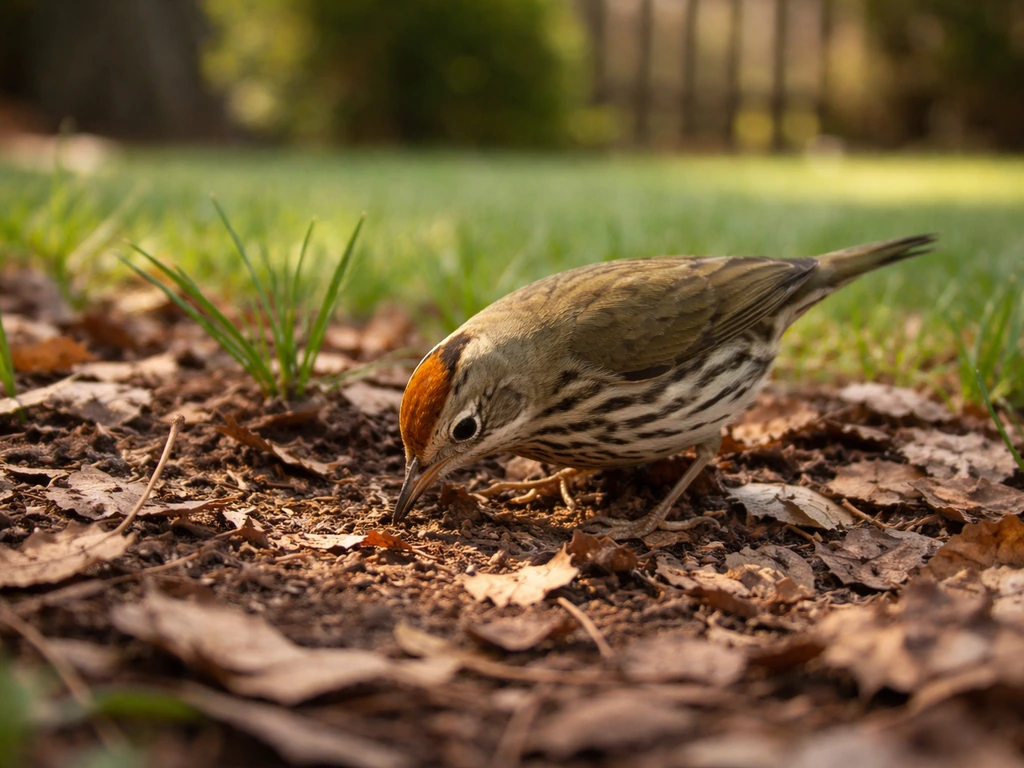
Which birds eat ticks, and which ones do the most
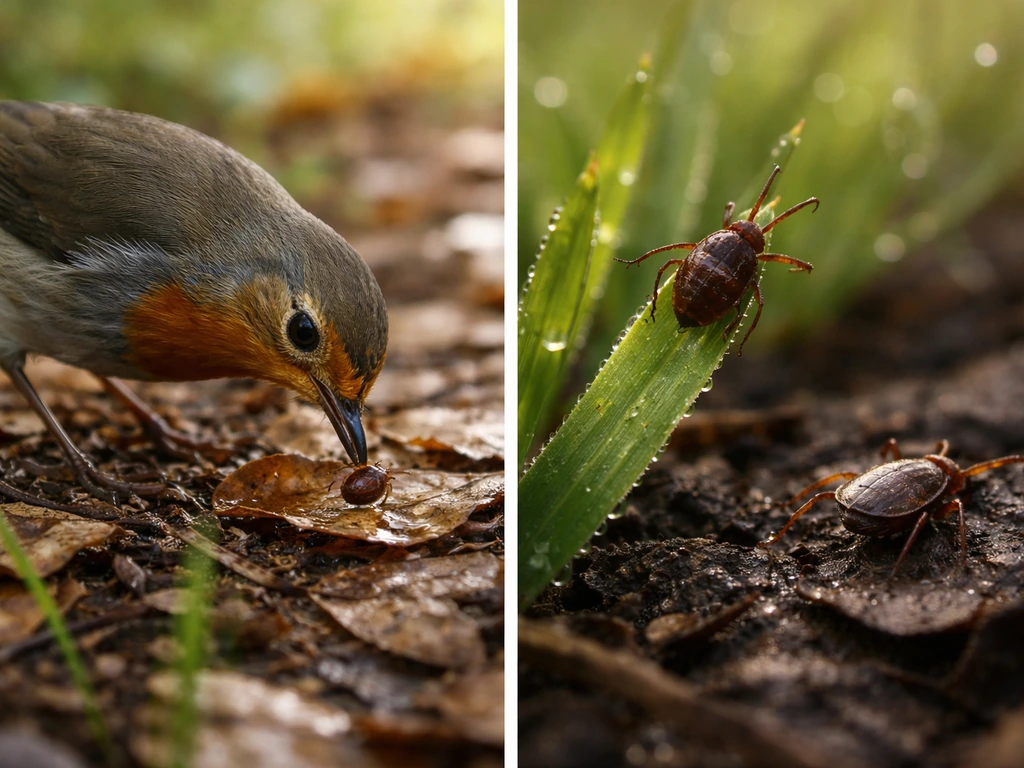
Ticks don't fly, swim, or chase prey. They quest: they climb grass blades or leaf edges and wait for a warm body to brush past. That means the birds most likely to eat ticks are ground-foragers and leaf-litter hunters, not feeder birds. The species that consistently come up in both research and practical birding experience are:
| Bird | Foraging style | Tick-eating potential | Ease of attracting to yard |
|---|---|---|---|
| American Robin | Probes soil, flips leaf litter | High (common ground forager) | Easy |
| Wild Turkey | Scratches ground, open areas | Very high (large range covered) | Moderate (needs space) |
| Guinea Fowl | Constant ground patrol | Very high (intentional tick control) | Easy if you keep poultry |
| Eastern Towhee | Leaf litter scratching | Moderate-high | Easy with brush piles |
| Brown-headed Cowbird | Walks through grass | Moderate | Common, often uninvited |
| Common Grackle | Ground probing, varied | Moderate | Common, often uninvited |
| Carolina Wren | Debris and litter forager | Moderate (also hosts ticks) | Easy with dense cover |
| Wood Thrush | Deep leaf litter hunter | Moderate-high | Moderate (prefers wooded edges) |
| Chickadees/Nuthatches | Bark/twig gleaning | Low for ground ticks | Very easy with feeders |
A quick word on Guinea fowl: they're the gold standard if you have the space and tolerance for noise. Backyard poultry keepers consistently report dramatic tick reductions. But if you're working with a suburban yard and want wild birds, focus your energy on robins, towhees, and thrushes. One important nuance from research: Carolina wrens and American robins don't just eat ticks, they can also carry immature ticks on their feathers and transport them. You might also be wondering what bird eats bees, since some species specialize in consuming stinging insects Carolina wrens and American robins. Yellow jackets are a different stinging insect, but if you are also curious about the opposite direction of the food web, a quick guide to what bird eats bees can be a helpful related starting point. If you’re also curious about stinging insects, many of the same birds that hunt in leaf litter will take on bees and wasps when the opportunity is there what bird eats bees. A Chicago suburb study found birds carrying Ixodes scapularis (the deer tick that transmits Lyme) in increasing numbers over time. This doesn't make these birds bad for your yard, but it means they're part of the tick ecosystem, not just exterminators of it.
How to tell if you're seeing a tick-eating bird (quick ID cues)
You don't need to memorize every field mark. The most useful thing to recognize is the foraging behavior, because that behavior is what makes a bird a tick predator in the first place.
American Robin
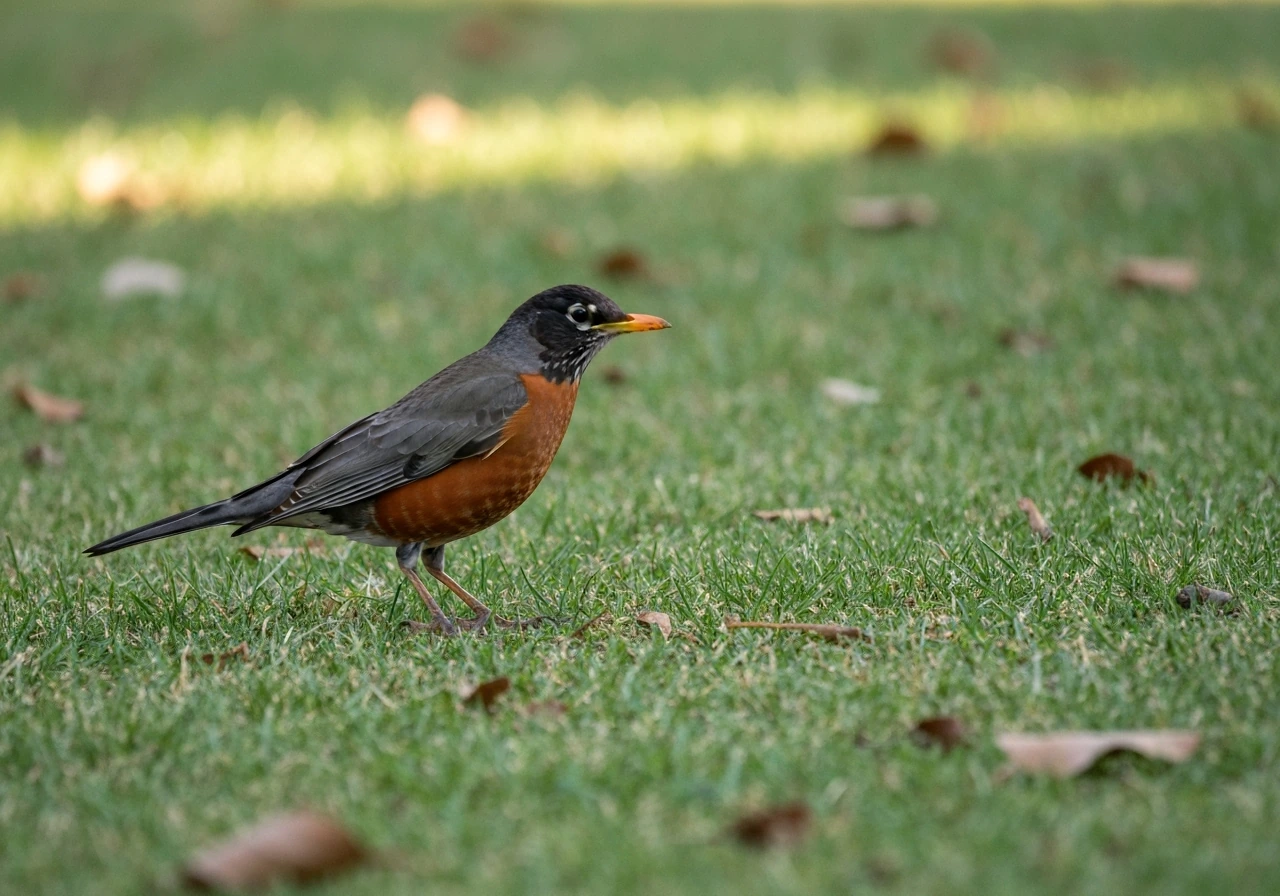
Large thrush, brick-orange belly, dark gray-black back and head. Yellow-orange bill. Hops across lawns in short bursts, then freezes, tilting its head before jabbing the ground. About 10 inches long. Often seen in groups in early spring pulling earthworms, but also picking up small invertebrates including ticks in leaf litter at lawn edges.
Eastern Towhee
Male is striking: jet black hood and back, rufous (rusty-orange) sides, white belly. Female has brown where the male has black. About 8 inches. Makes a loud two-footed backward scratch in leaf litter, like it's doing a quick hop-jump. If you hear rustling in a brush pile and then spot this pattern, that's your towhee.
Wild Turkey
Hard to miss: large, dark, iridescent body, bare red-blue head, fanned tail in males. Walks deliberately through grass and wooded edges, scratching the ground. If turkeys are passing through your property regularly, they're covering a lot of ground-level tick habitat with every pass.
Carolina Wren
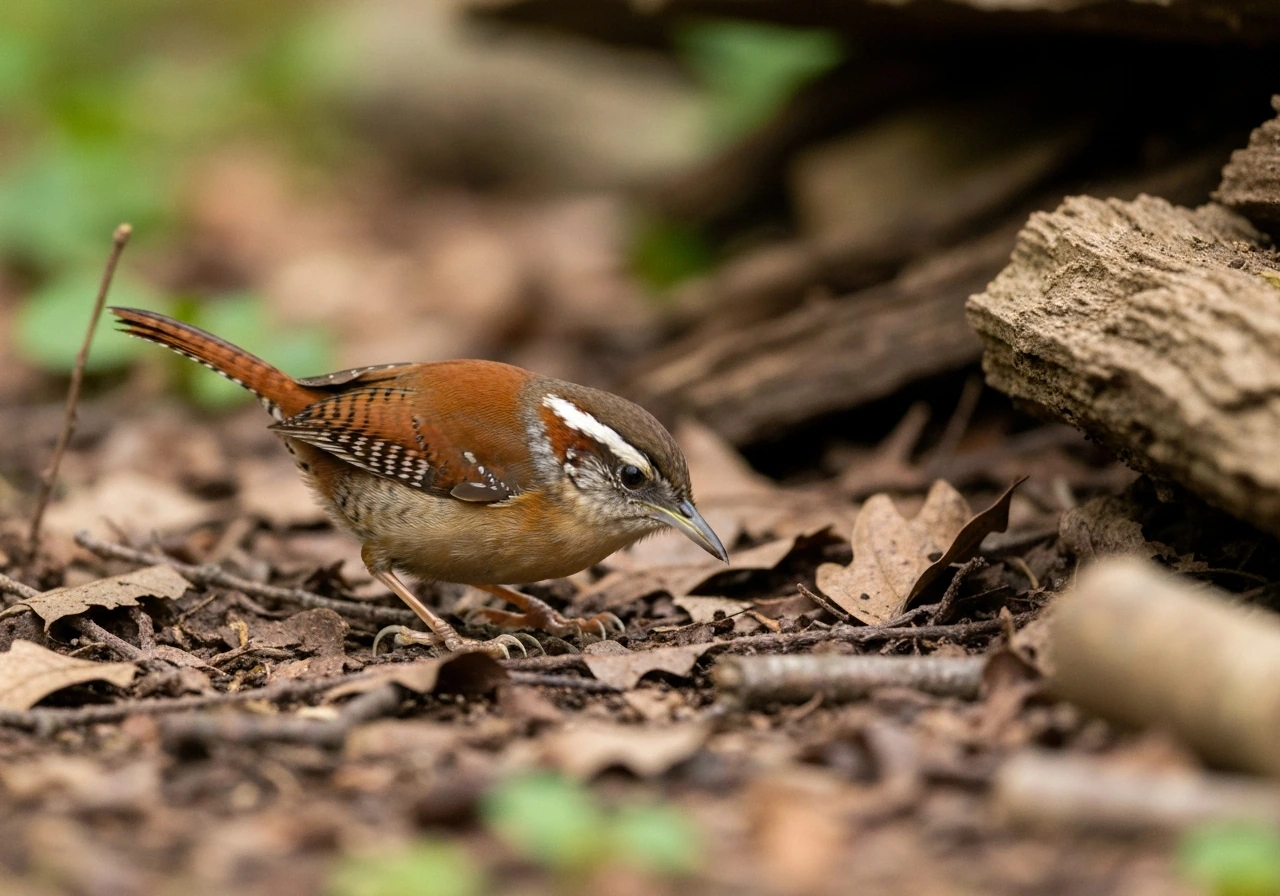
Small and loud out of proportion to its size. Warm rusty-brown above, buffy below, bold white eyebrow stripe. Constantly pokes through dense brush, woodpiles, and ground debris. You'll often hear its loud 'teakettle-teakettle' song before you see it.
The behavior pattern to watch for
Any bird you see repeatedly digging, scratching, or probing in leaf litter, unmowed grass edges, or brushy areas is potentially picking up questing ticks. Birds that visit feeders but never touch the ground are not contributing to tick control in any meaningful way.
Where and when these birds are actually eating ticks
Ticks are most active from April through September, which is exactly when the CDC flags the highest risk of tick bites. This overlap is both the problem and the opportunity. In spring, as robins return and ground-foraging kicks into gear, they're moving through areas where nymphal ticks (the smallest and hardest to spot, and most responsible for Lyme transmission) are questing at low vegetation. By late summer and fall, adult ticks become active and ground-foraging birds are still working those same zones.
Winter is actually a gap period. Many ground-foragers migrate or shift habits, and the ticks that remain are mostly in a dormant or molting phase. Don't expect meaningful tick predation from November through February. The real window for birds doing tick-control work in your yard is April through October, which conveniently aligns with your own highest exposure risk.
The habitat where this happens matters a lot. Ticks don't usually quest in the open center of a mowed lawn. They concentrate at the transition zones: where lawn meets garden bed, where grass meets woods, along stone walls and wood piles, under leaf litter. These are exactly the spots where towhees scratch and robins probe. Watching where your ground-foragers spend their time will tell you a lot about your highest tick-risk zones.
How to attract tick-eating birds to your yard (without creating new problems)
The birds that eat the most ticks are generally not feeder birds. That's actually good news because it means the most effective habitat improvements are free or cheap. Here's what actually works:
- Leave some leaf litter in garden beds and wooded edges. This is counterintuitive because leaf litter also harbors ticks, but it's essential habitat for towhees, thrushes, and wrens that are hunting in it. The tradeoff is worth it if the litter is away from high-traffic areas.
- Create a brush pile in a back corner of the yard. A loose pile of pruned branches is prime habitat for wrens and towhees. Keep it at least 9 feet from your house foundation and away from children's play areas.
- Plant native shrubs with dense cover (like native viburnums, hawthorns, or wild berry canes). These provide the insects and understory habitat that ground-foraging birds need. Edge plantings near lawn create exactly the foraging transition zones these birds use.
- Provide a ground-level or shallow birdbath. Ground-foraging species drink and bathe at ground level. A shallow dish kept clean and filled will attract robins and towhees far more reliably than a tall pedestal bath.
- Reduce pesticide use in targeted foraging areas. Insecticides that kill ticks also reduce the broader invertebrate base these birds need. A yard with diverse ground-level insects attracts more foraging birds overall.
- If you use feeders, place them near cover (shrubs or brush) but away from the house. WVU Extension recommends feeder placement near natural escape cover for safety from predators, which also keeps birds comfortable spending more time in the yard's tick zones.
One thing to watch: the CDC has noted that bird feeders can increase general wildlife activity in your yard, and K-State Extension warns that concentrating birds also concentrates predators and other wildlife. If you're adding feeders to attract songbirds, know that you may also be drawing in rodents (a primary tick host), which could offset some of the benefit you're hoping for from ground-foraging birds.
What birds can and can't realistically do for tick control
This is the myth-busting section, and it's worth being direct about it. Birds are not a tick control strategy on their own. A 2022 study published in Emerging Infectious Diseases looked at tick control interventions in residential New York neighborhoods and found that even measurable reductions in tick abundance didn't reliably translate into reduced human tick encounters or lower disease incidence. The tick-human interface is complicated by behavior, habitat use, and factors well outside how many birds are visiting your yard.
Here's what birds actually do: they reduce some of the questing tick population in the specific zones they forage. Robins, towhees, and thrushes can eat a meaningful number of larvae and nymphs in a morning of foraging. But a single female deer tick can lay 2,000 or more eggs. The math is not in the birds' favor when tick pressure is high. Think of birds as a supporting tool, not a solution. CDC explains that tick life cycles involve multiple stages and that many ticks die without finding a host at the next feeding opportunity.
Another common misconception: buying specific 'tick-eating bird' feed or adding a bird feeder with seed will put birds where ticks are. Seed feeders attract chickadees, finches, and nuthatches, which are bark and twig gleaners. They don't significantly forage at ground level. The birds you want for tick control aren't feeder birds in the conventional sense, they need habitat, not seed.
There's also a host-vs-predator distinction to understand. Birds like robins and Carolina wrens are documented hosts for immature Ixodes scapularis ticks, meaning ticks feed on them. This is different from the birds eating the ticks. A bird can carry 10 larval ticks feeding on it and also be picking up 5 ticks from the ground with every pass through the litter. Both things happen simultaneously, and which effect dominates in your yard depends on local tick density, bird species composition, and timing.
Tick-risk reduction steps that work alongside birds
Because birds alone won't solve the problem, here's what to do in parallel. These are yard setup changes you can start this week:
- Mow your lawn regularly and keep grass under 3 inches in areas where people walk and play. Ticks can't quest effectively in short, dry grass.
- Create a 3-foot dry wood chip or gravel barrier between lawn and any wooded or brushy border. This simple barrier reduces tick migration into high-use areas significantly.
- Move woodpiles, birdfeeders, and brush piles away from the house (at least 9 feet) and away from play equipment. Mass.gov tick management guidance specifically includes relocating feeders away from the home for this reason.
- Remove leaf litter from high-traffic zones (near decks, paths, play areas) even if you keep it in low-traffic areas for bird habitat.
- Check yourself, children, and pets for ticks after any time in the yard from April through October, with extra vigilance in May and June when nymphal tick activity peaks.
- Consider targeted acaricide application (tick-specific pesticide) along high-risk border zones if you have children or immunocompromised people in the household. This is compatible with bird habitat management: treat the border, leave the leaf litter in low-traffic zones.
- Reduce deer access if possible. Deer are the primary host for adult deer ticks and a major driver of local tick populations. Fencing, deer-resistant plantings, or removing highly attractive food plants reduces deer tick burden more effectively than most other interventions.
Safe bird feeding: seed storage, feeder hygiene, and pet and wildlife exposure
If you're adding feeders or habitat improvements to support tick-eating birds, keep a few practical safety habits in place. Penn State Extension recommends regular feeder cleaning to reduce disease transmission between birds, and Tufts wildlife medicine specialists suggest that feeding is most helpful when natural food is scarce (late winter and early spring) rather than year-round. Over-feeding in summer can concentrate birds in ways that accelerate disease spread and doesn't deliver much tick-control benefit anyway, since the birds you want are foraging on their own in summer.
Feeder hygiene basics
- Clean feeders every 1-2 weeks with a 10% bleach solution (1 part bleach to 9 parts water), rinse thoroughly, and let dry completely before refilling.
- Discard any seed that is wet, clumped, or smells musty. Moldy seed can cause aspergillosis in birds and other wildlife.
- Store seed in a sealed metal or hard plastic container, off the ground, away from moisture. Rodents attracted to seed storage areas are primary tick hosts, so poor seed storage directly undercuts your tick-reduction goals.
- Rake up spilled seed below feeders regularly. Accumulated seed draws mice and rats, which carry ticks into your yard far more effectively than any bird.
- Use feeders with trays to reduce ground scatter, or switch to no-mess blends that minimize hulls and debris.
Pets and wildlife exposure risks
Dogs and cats that spend time near feeders or in the foraging zones you've created for birds can pick up ticks from the same leaf litter and brush where birds hunt. Keep pets on year-round tick preventatives (consult your vet), check them after outdoor time, and don't let them linger near brush piles or wooded edges unsupervised. The CDC notes that bird feeding areas can attract wildlife that carries disease, including wildlife that hosts ticks, so the same hygiene discipline you apply to feeders applies to pet safety around those zones.
One more note: wild birds occasionally carry ticks on their bodies (as hosts, not as predators). Research from suburban Chicago and from songbird banding studies in Canada documents this clearly. Birds traveling through your yard during migration can deposit partially engorged ticks in new locations. This isn't a reason to discourage birds, but it's a reason to maintain tick checks on yourself and pets even if you have robust bird activity in the yard.
What to do this week, concretely
If you searched for this topic because ticks are already a problem in your yard right now (and with April ticks being highly active, that's likely), here's the realistic action sequence:
- Walk your yard this week and identify the transition zones: where lawn meets mulch, beds, or woods. Mark them mentally as high-priority zones for both tick avoidance and bird habitat.
- If you don't already have a brush pile or dense native shrub edge, start one in a low-traffic corner. This is your towhee and wren magnet for the season.
- Add a shallow ground-level water dish in a shaded spot near the brush or leaf litter zone and clean it every 2-3 days.
- Move any existing bird feeders at least 9 feet from the house and clear accumulated seed debris underneath them.
- Check existing seed storage and discard anything damp or old. Restock in a sealed metal container elevated off the ground.
- Install a dry wood chip border (3 feet wide) along any wooded or shrubby edge adjacent to lawn you actually use.
- Start daily tick checks on yourself, kids, and pets now. Nymphal ticks are active in May and June and are the size of a poppy seed.
Monitor your results by watching foraging activity in the leaf litter and brush zones over the next few weeks. If you start seeing towhees, robins, or wrens regularly working those edges, the habitat changes are working. Pair that with your physical tick-prevention steps and you'll have a genuinely integrated approach rather than just hoping the birds sort it out. They won't do it alone, but as part of a layered strategy, they're a real and worthwhile piece of it. If you are also wondering about what else birds eat, you may be asking whether a bird can eat honey too can bird eat honey.
FAQ
How can I tell if the bird visiting my yard is actually eating ticks?
Use behavior, not species names, as your filter. Birds that repeatedly dig, scratch, or probe into leaf litter, unmowed edges, and brushy borders are the ones most likely to pick up questing ticks. Birds that only eat at feeders and never touch the ground usually do not contribute much tick predation.
Do birds that eat ticks also increase ticks because they carry them?
Not reliably. Even “tick-eating” species often become hosts for immature Ixodes ticks, so they can carry ticks while also picking up some ticks from the ground. Whether you see net benefit depends on local tick density, timing, and which birds are present, so treat birds as support rather than a guaranteed tick solution.
Will putting out seed feeders bring in the right birds to eat ticks?
Not as a primary strategy. Seed feeders mainly attract bark and twig gleaners (like chickadees and finches) that forage above or along branches. For tick predation, you want ground activity in the lawn-wood edge, garden borders, and leaf-litter zones, which usually means habitat cues rather than adding more seed.
Should I try to attract as many birds as possible to maximize tick eating?
Prefer selective, targeted improvements instead of making the whole yard “bird-friendly.” If you create a concentrated foraging hotspot without controlling other tick hosts (like rodents), you may reduce tick numbers in one spot but not overall human risk. Aim for a few edge zones, keep leaf litter managed in the most trafficked areas, and combine habitat changes with personal protection.
What if I do not see birds foraging much during tick season, is it still a problem?
Ticks can still be a risk even if you do not see birds foraging, because questing peaks are driven by temperature and seasonality. If your yard has high edge habitat (wood piles, thick leaf litter, stone walls), assume ticks may be active in spring through fall and keep your routine protections consistent, especially from April through September.
When is the best time to expect birds to help with ticks, and when should I not rely on it?
Expect the best bird activity when ticks are questing at ground level, which typically aligns with April through October. Winter is a gap period for most ground-foragers and many tick life stages are inactive or shifting, so do not judge your results or plan tick-control outcomes based on November to February activity.
How do I create the right habitat for tick-eating birds without making my yard too messy or risky?
Add habitat in ways that promote leaf-litter and edge scratching, but avoid creating dense, unmanaged brush directly next to doorways or play areas. Create foraging corners at the yard perimeter (near garden beds or woods) and keep walking paths and seating areas more trimmed. This reduces the human contact zone while still supporting the birds that forage where ticks wait.
Could bird feeding accidentally make my tick problem worse?
Do ticks get worse when I add bird feeders? Bird feeding can increase overall wildlife activity, and it may attract animals that are tick hosts (including rodents). If you use feeders, clean them regularly, place them away from high-contact outdoor areas, and keep pet access controlled so the same zones that attract birds do not become a pet tick hotspot.
If birds are around, do I still need to check myself and my pets for ticks?
Yes, be consistent. Ground-foraging birds can coexist with other tick hosts, and a single missed prevention step can expose you during peak questing hours. Check yourself and pets after yard time, and if you have children who play in brushy edges, consider extra barriers or cleanup of leaf litter in those specific play zones.
What should I do first if ticks are already high in my yard this month?
Not typically, unless you are also changing conditions that support ground foraging and reducing high-risk tick habitat. In practice, ticks are still governed by the tick life cycle, host availability, and microhabitats. The best “next step” is to pair bird-support habitat at edges with personal protection and pet preventatives, then observe whether ground activity in those zones increases over the next few weeks.