Owls and hawks are the birds most likely to eat mice in and around your yard. One predator question that comes up often is what bird eats penguins. Specifically, the Barn Owl, Great Horned Owl, Eastern or Western Screech-Owl, Red-tailed Hawk, and Northern Harrier are your top candidates in North America. These are true predators of mice, not opportunistic scavengers, and most of them are far more common in suburban and rural backyards than people realize.
Which Bird Eats Mice? How to Identify Mouse Predators

Maya Bennett
3 Jul 2026
The main bird groups that eat mice
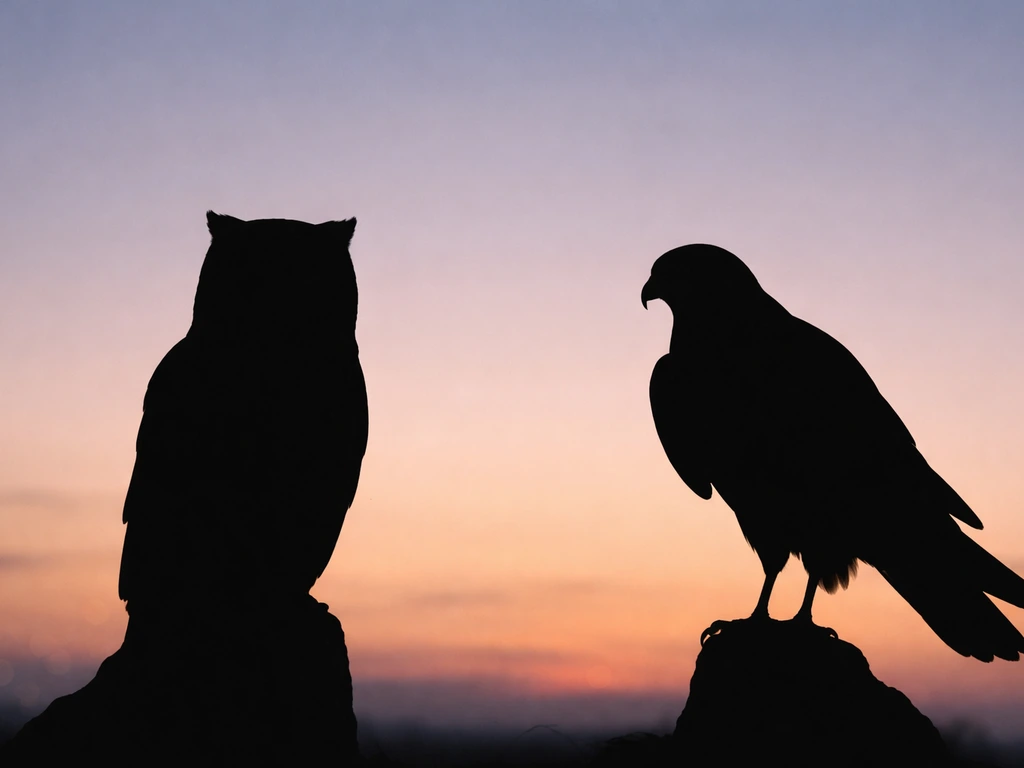
Birds that eat mice fall almost entirely into two groups: owls (order Strigiformes) and hawks and harriers (order Accipitriformes). Falcons can take small mammals too, but owls and buteos like the Red-tailed Hawk are the heavy hitters for mouse predation. A few other raptors, like Short-eared Owls and Rough-legged Hawks, round out the list in certain seasons and regions.
It is worth separating these birds from species that only eat insects, seeds, or fish. A robin digging in your lawn is after earthworms. A heron in your pond is after fish, not mice. Examples of birds that eat fish include herons and kingfishers, which hunt fish in water birds that eat fish (what bird eats fish). The birds in this article are specifically documented to hunt and consume mice as a regular or dominant part of their diet, not as a rare accident.
Most common mouse-eating birds by region and behavior
Barn Owl
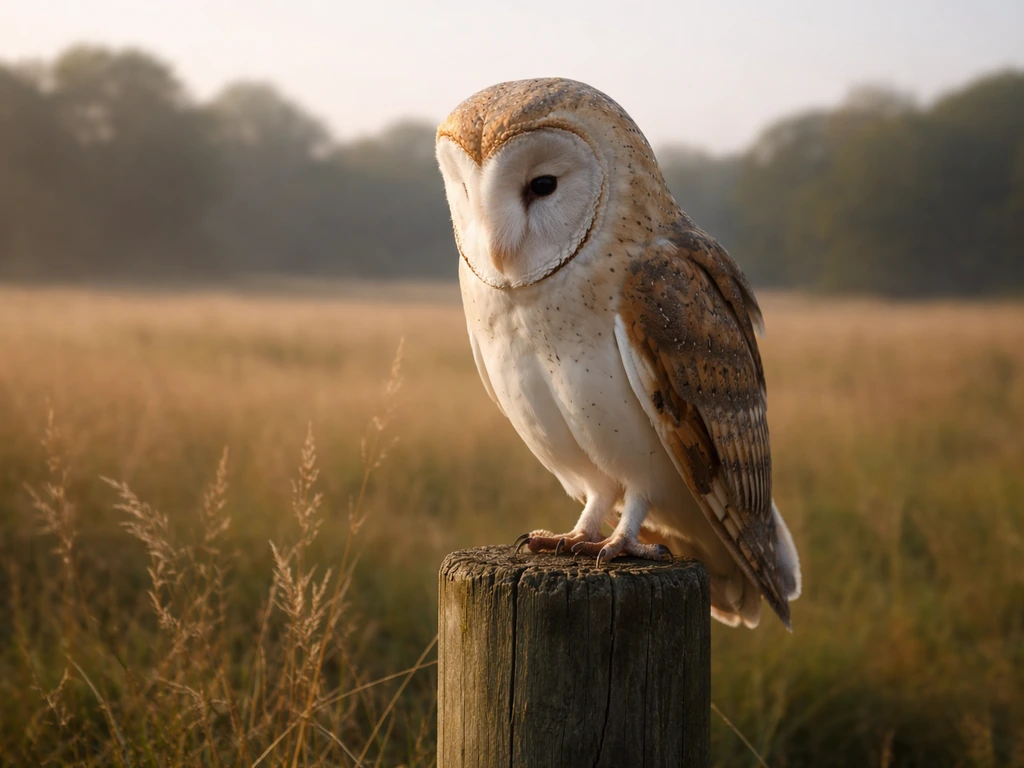
The Barn Owl is arguably the most mouse-focused bird on Earth. In North America, rodents make up roughly 95% of its diet, and globally that figure stays above 90%. If there are mice in your yard, a nearby Barn Owl almost certainly knows about it. They are found across most of the continental US except the far north, and they genuinely thrive near farms, open fields, orchards, and suburban edges. Hunting starts about one hour after sunset and wraps up about an hour before sunrise, so these birds are pure night workers.
Great Horned Owl
The Great Horned Owl is North America's most widespread large owl, and mice, voles, and other small mammals can account for up to 90% of its diet depending on location. Minnesota DNR data puts that figure at up to 90% small mammals including mice, voles, and squirrels. Overall, mammals make up about 87.6% of the diet by prey items across North American studies. Great Horned Owls are adaptable to forests, suburbs, and even city parks, which makes them the owl you are most likely to hear (or see) near a residential yard.
Eastern and Western Screech-Owl
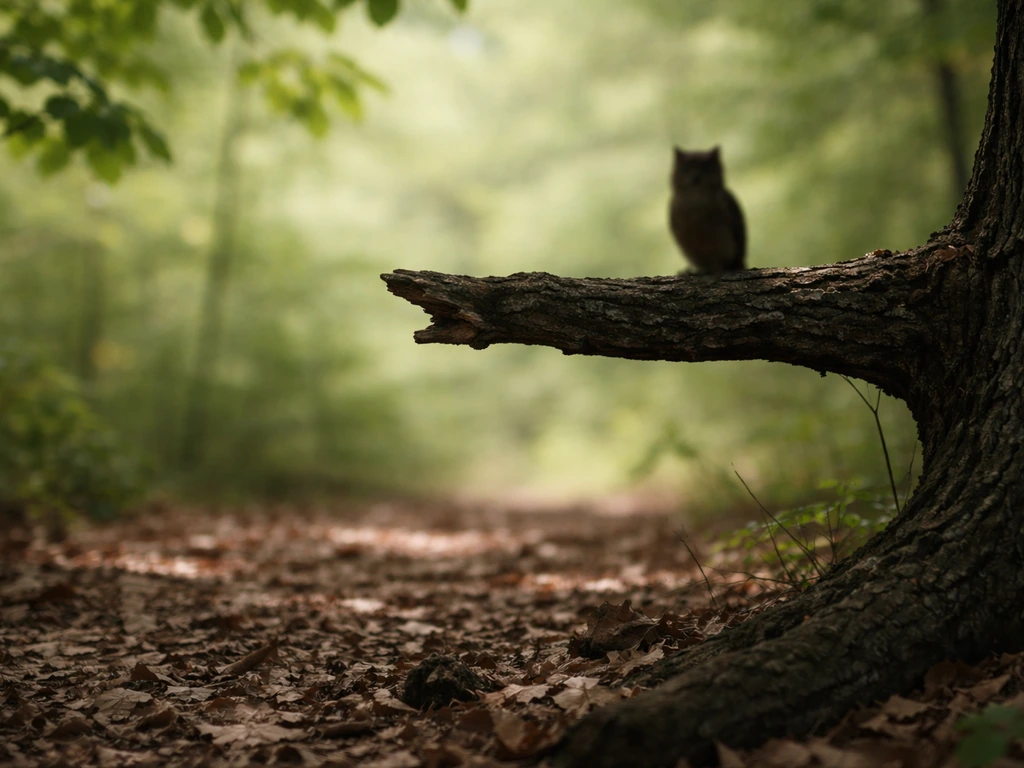
Do not underestimate these small owls. Eastern Screech-Owls are explicitly documented by both the Audubon Field Guide and Maryland DNR as mouse predators, and pellet analysis shows small rodents like mice make up about 67% of their mammal prey. The Western Screech-Owl fills the same ecological niche west of the Rockies. The Western Screech-Owl takes small mammals such as mice as part of its diet, with mice listed in diet examples. Both species are cavity nesters that will readily move into nest boxes, and both are surprisingly common in mature suburban trees. They are the owls most likely to be sitting silently in your backyard right now without you knowing it.
Red-tailed Hawk
The Red-tailed Hawk is the most commonly seen hawk across North America, and small mammals including mice make up a large proportion of its diet. If you are also dealing with pigeons, you may be dealing with a different kind of raptor, such as the bird of prey that eats pigeons small mammals including mice. US Forest Service species data confirms mammals dominate prey items in study areas across the country. You have almost certainly seen one perched on a highway light pole or a fence post scanning a field. That behavior, called still-hunting or perch-hunting, is exactly how they locate mice in open ground.
Northern Harrier
The Northern Harrier is a specialist. Audubon describes it as a bird that often specializes on voles, rats, or other rodents, and blank" rel="noopener noreferrer">Wikipedia's diet summary puts small mammals at up to 95% of the diet. Harriers hunt differently from hawks: they fly low and slow over open ground, using both eyesight and hearing to locate prey under vegetation. If you are near a marsh, grassland, or open farm field, a Harrier quartering back and forth a few feet off the ground is almost certainly hunting mice.
Quick comparison: which bird fits your situation
| Bird | Diet (% small mammals) | Time of day | Habitat | Likely in suburbs? |
|---|---|---|---|---|
| Barn Owl | ~95% | Nocturnal | Open fields, farms, orchards | Yes, if mature trees or barns nearby |
| Great Horned Owl | Up to 90% | Primarily nocturnal | Forests, suburbs, parks | Very common |
| Eastern/Western Screech-Owl | ~67% of mammals taken are mice/rodents | Nocturnal | Wooded suburbs, orchards | Very common |
| Red-tailed Hawk | Mammals dominant | Diurnal | Open areas, edges, roadsides | Very common |
| Northern Harrier | Up to 95% | Diurnal | Marshes, grasslands, open fields | Seasonal/rural edges |
How to identify mouse-eating birds in your yard
The fastest way to confirm what you are seeing is to check three things: size and shape, perch and flight behavior, and time of day. Here is what to look for with each group.
Owls: what to look and listen for
- Round facial disc, forward-facing eyes, silent flight. If it looks like a cat flew past your window at night, it is almost certainly an owl.
- Great Horned Owl: large (about 22 inches), prominent ear tufts, deep hooting call in pairs (hoo-hoo hoo hoo). Often roosts visibly in large trees.
- Barn Owl: pale, heart-shaped face, white or buff underparts, ghostly silent flight. Makes hissing and raspy screeching sounds, not hoots.
- Screech-Owl: small (about 8-9 inches), stocky, ear tufts visible when alert, gives a descending whinny or long tremolo whistle. Easy to miss because it roosts inside cavities during the day.
- Pellets under a tree or near a fence post are a reliable sign. Owl pellets are compact, gray, and full of fur and small bones.
Hawks: what to look and listen for
- Red-tailed Hawk: large (18-26 inches), broad rounded wings, brick-red tail visible from above on adults. Perches high and upright on poles, dead snags, or fence posts.
- Northern Harrier: slender with a long tail and long wings, white rump patch is the key field mark visible in flight. Flies low, tilting side to side like it is surfing the air just above the grass.
- Hawks hunt during daylight. A large bird sitting still on a fence post for 20 minutes watching the ground below it is almost certainly hunting.
When and where they hunt
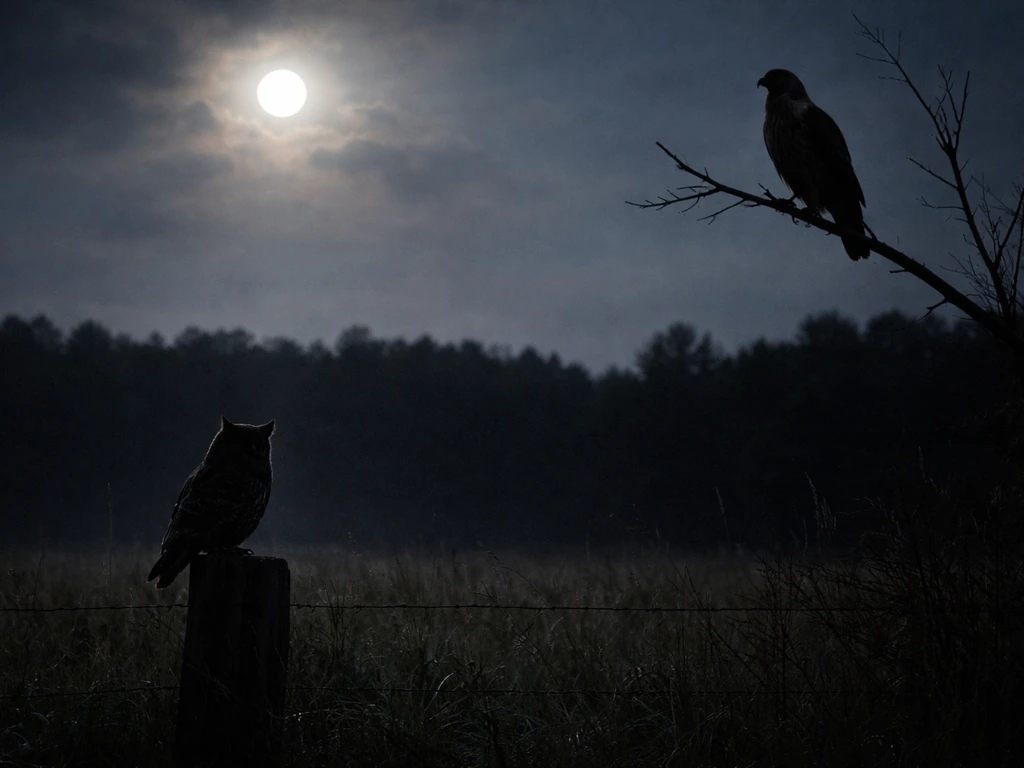
Time of day is your single best clue for separating owls from hawks. Barn Owls, Great Horned Owls, and Screech-Owls are active from roughly one hour after sunset to one hour before sunrise. If you are hearing strange sounds or seeing a large silent bird at night, owls are your answer. Red-tailed Hawks and Northern Harriers are strictly daytime hunters.
Habitat matters too. Barn Owls prefer open areas with low vegetation where mice run in the open, like fields, orchards, and along fence rows. Great Horned Owls and Screech-Owls are more comfortable in or near trees and wooded edges, which describes most residential backyards with mature landscaping. Red-tailed Hawks gravitate toward elevated perches overlooking open ground. Northern Harriers stay close to open, low-cover habitat like wetland edges and grasslands, so if you are in a typical suburban setting with fences and flower beds, you are more likely to see a Red-tail than a Harrier.
Dawn and dusk are your best observation windows if you want to catch a mouse-hunting bird in action. Owls are wrapping up their night shift just before first light, and diurnal raptors are most active shortly after sunrise when thermals start to build. Sit quietly near the edge of your yard facing open ground, and watch fence lines, low branches, and telephone wires.
Do backyard feeders attract mouse-eating birds? Myths vs. reality
This is probably the most common misconception I run into: the idea that putting out a bird feeder will bring in a hawk or owl to clean up your mouse problem. It does not work that way, and acting on that idea can make things worse.
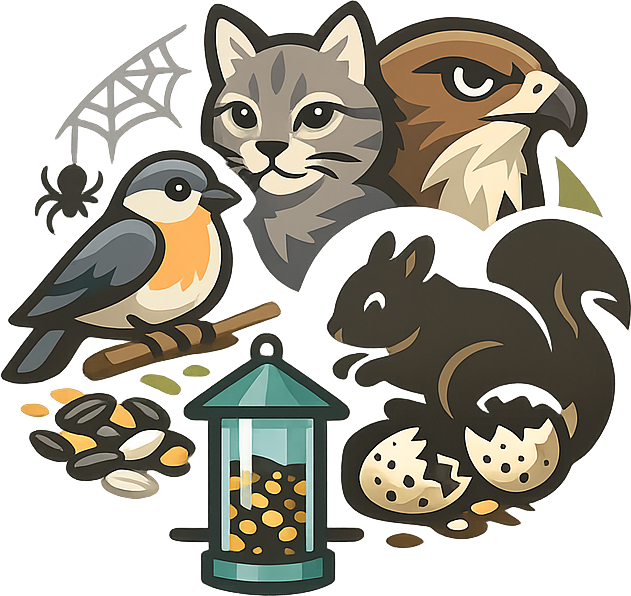
Seed feeders attract seed-eating birds, songbirds, squirrels, and unfortunately, mice. Spilled seed on the ground is a reliable food source for house mice and deer mice, which means a poorly managed feeder actively creates the prey base that might draw predators, but not in a way you can control or count on. The predators come for the mice, not the feeder, but you are also providing a steady supply of mice in the first place. This is a loop you want to be careful with.
Suet feeders, nectar feeders, and thistle feeders do not attract mice the same way, but standard mixed-seed or sunflower feeders with spillage do. If you are already dealing with mice near your home and you have an active feeder, cleaning up spilled seed daily and using a tray with a catch pan is a basic step that reduces the problem without eliminating a food source for your songbirds.
The myth that raptors will simply show up and eliminate a mouse infestation if you attract them is also worth busting directly. A single Barn Owl pair can take 1,000 or more rodents per year, which is impressive, but an established mouse population near a food source (your feeder, your compost, your garage) will reproduce faster than any owl can hunt in a small area. Raptors are a long-term ecological benefit, not a short-term pest control solution.
How to encourage mouse-eating birds safely, starting today
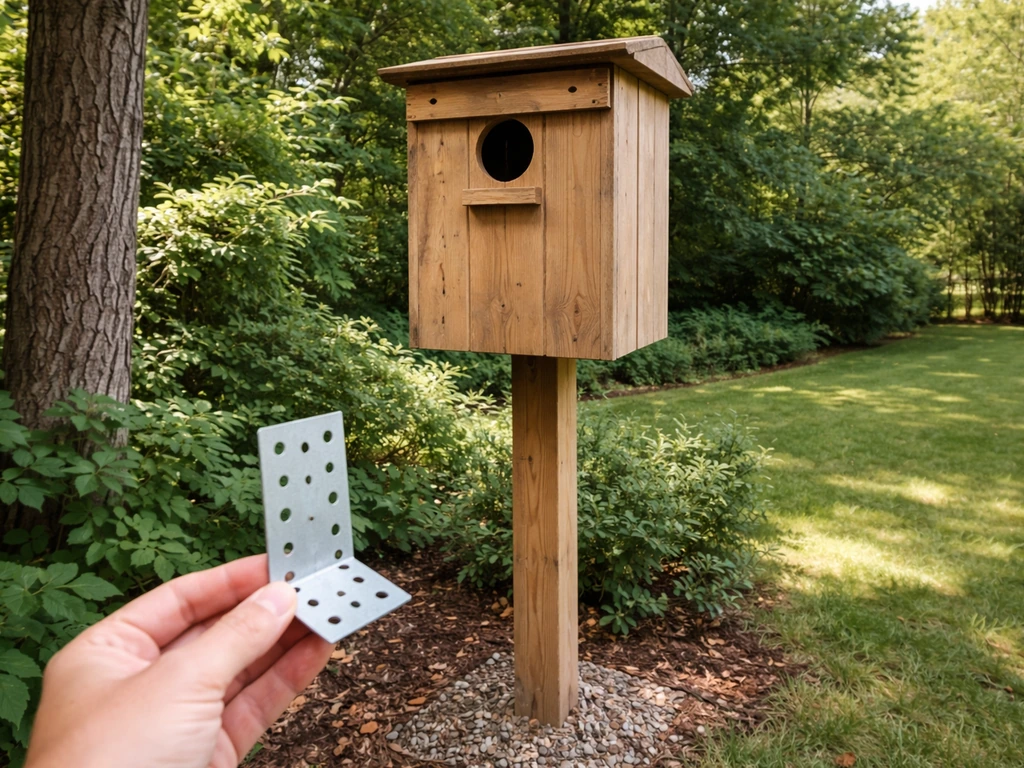
If you want to make your property genuinely more attractive to owls and hawks over time, these steps are low-effort, low-risk, and actually backed by wildlife management practice.
- Install a nest box for Screech-Owls or Barn Owls. Screech-Owl boxes should have a 3-inch entrance hole and be mounted 10-30 feet up on a tree at the edge of your yard. Barn Owl boxes need a larger entrance (about 6 inches) and work best on a pole or the side of a barn facing open ground. Mount them well before nesting season (late winter in most regions).
- Leave a dead snag or tall perch post. Hawks and owls both need elevated hunting perches. A natural dead branch or a 10-12 foot wooden post at the edge of an open area gives them a vantage point and signals that your yard is good hunting habitat.
- Reduce dense ground cover near your house foundation. Tall weedy vegetation right against structures is prime mouse habitat. Keeping a clear zone of short grass or gravel around your foundation makes mice more exposed and hunting easier for raptors.
- Clean up spilled seed under feeders daily or use a no-mess feeder blend. This reduces your unintentional mouse feeding operation.
- Observe at dawn and dusk for 10-15 minutes facing open ground. Note the time, flight pattern, perch preference, and any calls. After a few sessions you will know which species are already using your space.
- Use a free app like Merlin Bird ID or eBird to confirm sightings. Merlin's Sound ID feature can identify owl calls at night, which is far easier than trying to see a Screech-Owl in the dark.
Safety and pet considerations you should not skip
Large raptors are capable of taking small animals, and this matters if you have small pets or backyard chickens. That same predatory behavior is also why some raptors and owls may occasionally eat ducks or ducklings Large raptors are capable of taking small animals. A Great Horned Owl can take prey up to several pounds, and Red-tailed Hawks regularly take animals the size of a squirrel. Small cats, toy-breed dogs, and very small chickens left unattended outdoors are genuinely at risk, particularly at dawn, dusk, and night. This is not a theoretical concern. Supervised outdoor time for small pets, covered chicken runs, and keeping small animals inside after dark are all reasonable precautions.
One important caution around pest control: if you are using rodenticide (rat poison) anywhere near your property, stop. Owls and hawks that eat poisoned mice accumulate those toxins in their own bodies, a process called secondary poisoning. Barn Owls and Red-tailed Hawks are among the most commonly affected raptors. If you want birds to do any meaningful rodent control, poison bait stations and raptors cannot coexist safely in the same yard. Snap traps inside tamper-resistant bait stations are a far better alternative if you need active control alongside wildlife.
Also keep in mind that all native raptors and owls in North America are protected under the Migratory Bird Treaty Act. You cannot trap, relocate, or harm them, and you should not try to hand-feed or approach nesting birds. Some birds may also prey on pigeons, so if you are dealing with pigeon activity nearby, it helps to know which species are capable of taking them what bird eats pigeons. If you find an injured raptor, contact a licensed wildlife rehabilitator rather than handling it yourself.
One last thing worth flagging: the same raptors that eat mice also take small birds. Red-tailed Hawks, Great Horned Owls, and even Screech-Owls will occasionally prey on the songbirds attracted to your feeders. This is normal predator-prey ecology, not a reason to panic or remove your feeders, but it is worth knowing that encouraging one type of wildlife always involves some tradeoff.
The broader silo of bird predation covers these overlaps in more detail, including which birds prey on other birds like pigeons, ducks, and even seagulls, but for mouse control specifically, owls and buteo hawks give you the most benefit with the least disruption to a typical backyard setup. In general, it comes down to larger raptors and opportunistic scavengers, not the mouse-eating birds covered earlier seagulls.
FAQ
How can I tell if a hawk or owl is actually hunting mice versus just passing through or scavenging?
Look for repeat behavior and prey processing. A true mouse predator tends to make multiple foraging attempts in the same spots (fence lines, open ground edges, or treetops) and you may find fresh pellets (owls) or a broken prey carcass (raptors). Brief, single sightings without any sign of repeated hunting are more likely just movement through the area.
What time should I look if I suspect owls are hunting in my yard?
For the main mouse-focused owls, the highest likelihood window is roughly one hour after sunset through about one hour before sunrise. If you only check late night or early morning, you can miss the peak hunting period even when owls are present nearby.
Do pellet remains confirm mouse predation, and how can I use them correctly?
Yes, owl pellets can be evidence of small-mammal hunting. Don’t rely on size alone, since pellets vary by prey type and freshness. If you find pellets under consistent roost or hunting perches, that pattern is stronger confirmation than a single pellet after a one-time event.
If I hear an owl call, does that mean there are mice nearby?
Not automatically. Owls may be calling for territory, mating, or coordination, and hunting grounds can be slightly away from where you hear them. Stronger indicators are repeated hunting trips at dusk and dawn and the presence of pellets or prey remains under nearby trees or roosts.
Will putting out bird feeders increase mice only with mixed seed, or do other feeders matter too?
Mixed-seed and sunflower feeders are the biggest issue when there is spillage, because dropped seed becomes accessible food for mice. Suet, nectar, and thistle usually reduce direct mouse food spill, but mice can still be attracted if seed debris accumulates under any feeder or if bird tables have frequent litter.
What’s a safer way to feed birds if I’m dealing with mice?
Use feeding methods that minimize ground spillage, empty trays regularly, and clean up fallen seed daily. If you use any feeder type that spills, a catch tray with a pan reduces mouse access to food, which helps break the food source even if you keep feeding songbirds.
Can these mouse predators take my backyard chickens or small pets?
Yes, some raptors and owls can take very small, unattended animals. The risk is highest for small pets left outdoors and for poultry that is not fully covered at night, because raptors often hunt at dawn, dusk, and night.
Is it safe to use rodenticide if I want raptors to control mice?
No. Poisoned mice can cause secondary poisoning in owls and hawks that eat them. If you’re trying to protect wildlife, avoid rodenticides and consider alternatives like mechanical traps placed in tamper-resistant stations.
If I see an owl in my yard during the day, does it still eat mice?
It could, but owls are typically more active at night or around twilight. A daytime presence may be roosting, resting after a hunt, or an owl responding to nearby prey activity. Confirm by looking for pellets under nearby perches and checking whether hunting behavior repeats around dusk.
What’s the difference between hawks and owls when I’m trying to identify the predator?
Time of day is usually the most practical clue, owls are mainly active after sunset and before sunrise, while hawks and harriers are daytime hunters. You can also watch for hunting style: owls more often appear silent and stationary before a strike, while hawks commonly scan from perches.
Why might mice still be there even if there are raptors nearby?
A local raptor population may not keep up with reproduction if food sources are abundant, such as seed spillage, unsecured pet food, compost, or clutter that shelters mice. Raptors are often a long-term ecological check, but you still need to remove the attractants that keep the mouse population growing.
What should I do if I find an injured owl or hawk?
Don’t handle it or try to rehabilitate it yourself. Contact a licensed wildlife rehabilitator for guidance, since injured raptors can be stressed and may require specialized care.
Are all raptors and owls in North America protected, and can I relocate them?
In most cases in the U.S., native owls and raptors are protected, and relocation or harming them is not allowed. If you’re dealing with frequent predation concerns, focus on prevention and safety measures rather than attempting to move the animals.
If I’m worried about my songbirds getting eaten, should I stop feeding birds?
Not necessarily. Mouse predators can also take small birds occasionally, especially when songbirds are concentrated at feeders. If you keep feeding, reduce risk by using feeder placement and cleaning practices that reduce easy capture, while still knowing that some loss is part of predator-prey dynamics.
Next Article
What Bird Eats Ducks? How to Identify Duck Predators
Identify which birds, like hawks and owls, prey on ducks and learn proof cues and humane steps to reduce risk.