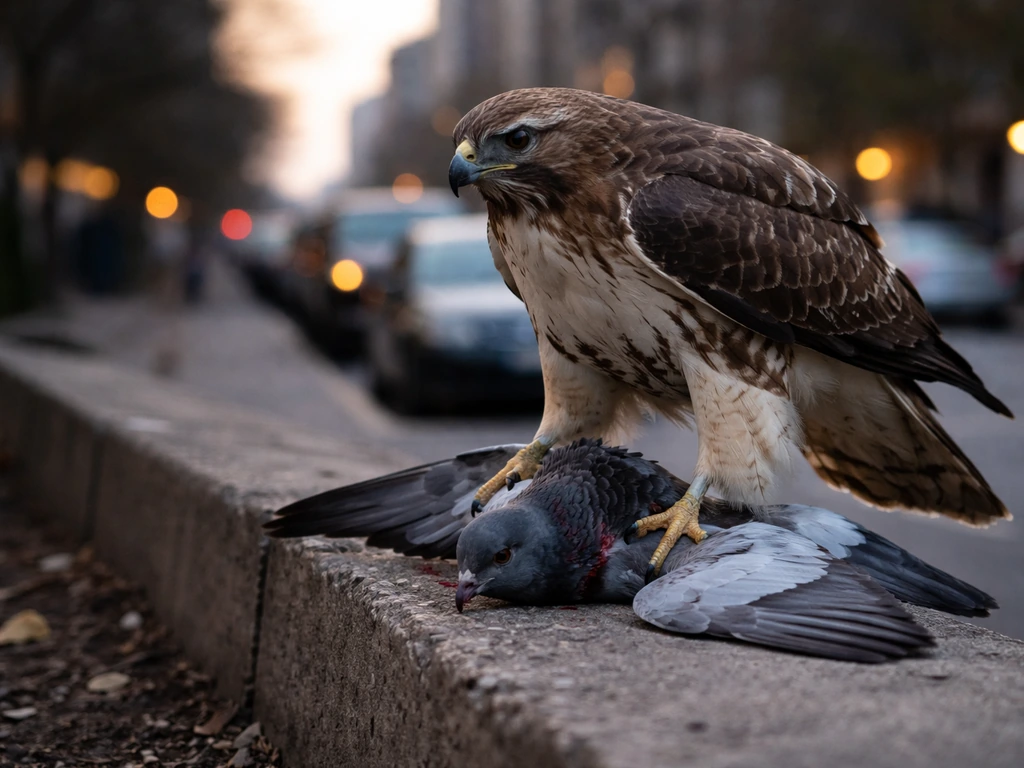
The birds most likely eating ducks in North American backyard ponds and parks are bald eagles, great horned owls, red-tailed hawks, ospreys, and peregrine falcons. Of those, bald eagles and great horned owls are the most frequent and most capable duck predators across a wide range of habitats. If you're losing adult ducks, a large raptor is almost certainly involved. If it's ducklings going missing, the suspect list expands to include smaller hawks and owls, and honestly, non-bird culprits like snapping turtles, mink, or raccoons are often the real answer. Let's work through exactly who's responsible and what you can do about it today.
What Bird Eats Ducks? How to Identify Duck Predators

Maya Bennett
22 Jun 2026
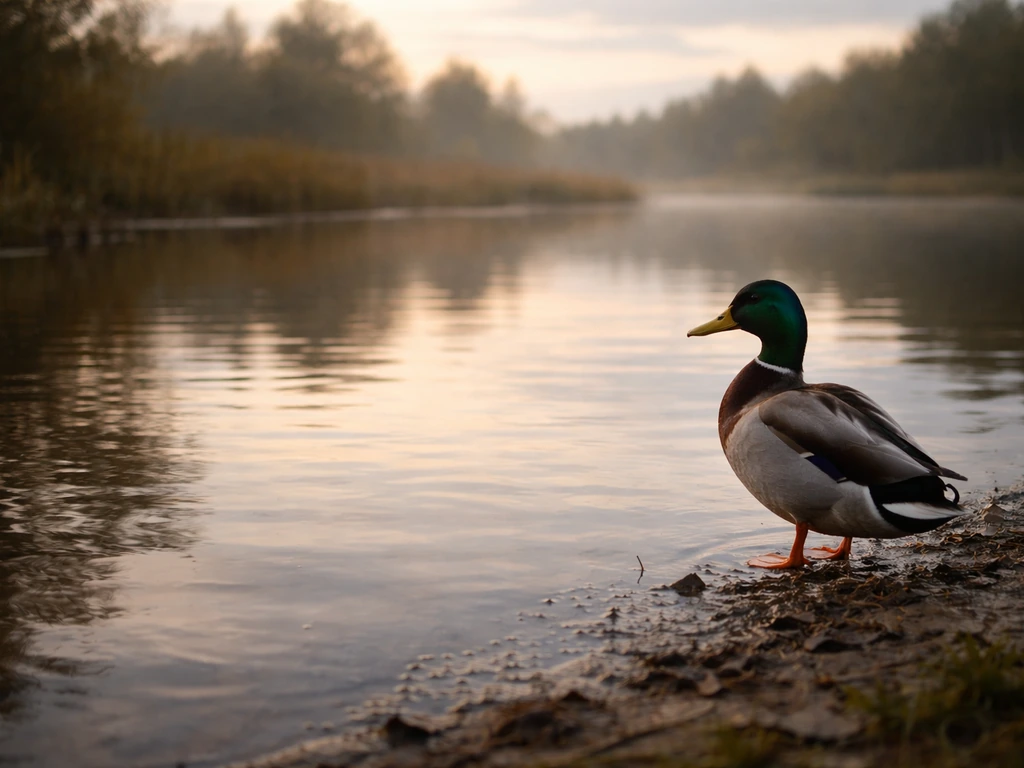
The birds most likely to eat ducks
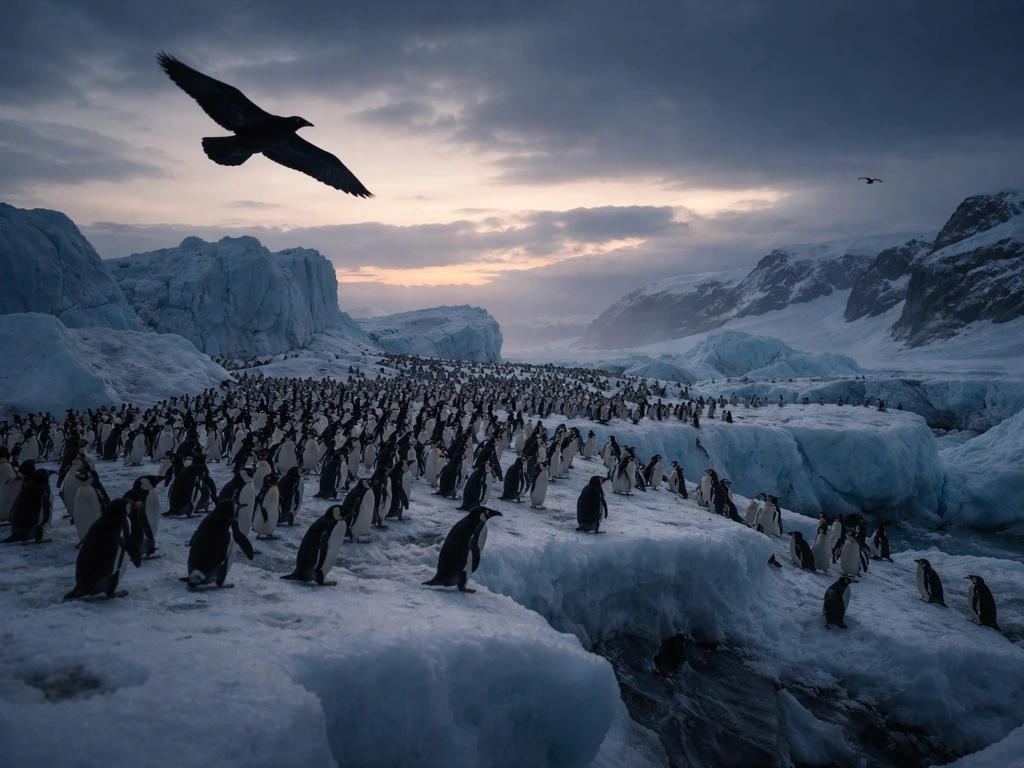
Not every raptor that flies over your pond is a duck threat, but several species are well-documented hunters of waterfowl. Here's who you're actually dealing with: If you are wondering what bird eats penguins, the most famous example is the skua, which can prey on penguin chicks and sometimes larger birds birds most likely eating ducks.
Bald eagle
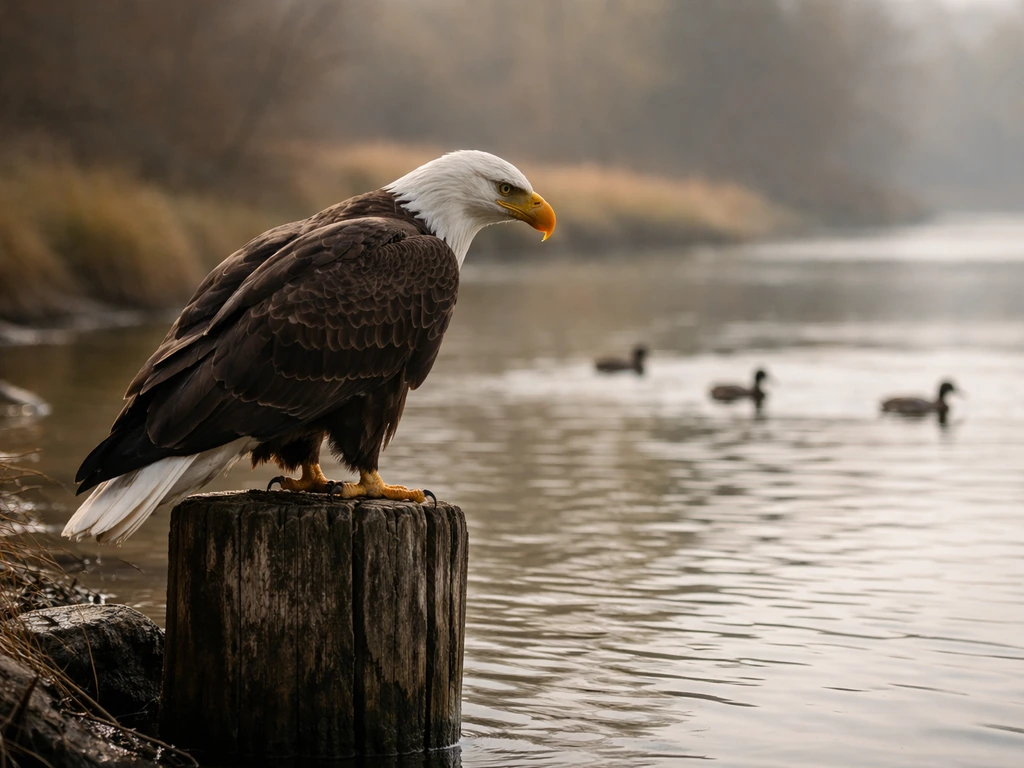
Bald eagles are the most serious bird predator of adult ducks in North America. The Smithsonian National Zoo and the USFWS both document their ability to snatch waterfowl with their talons, either in dramatic aerial stoops or by wading near the water's edge and ambushing prey. Audubon's field guide is clear: when fish are scarce, bald eagles shift heavily toward birds including ducks. They're large enough (wingspans of 6 to 8 feet, weights up to 14 lbs) to carry off or kill a full-grown mallard. If you're near a large lake, river, or coastal area and losing adult ducks, start with the eagle.
Great horned owl
Great horned owls hunt at night and at dusk, and they are powerful enough to take adult ducks, especially smaller species. They strike from above with almost no warning sound, which is why duck losses in the dark with no feathers scattered nearby often point to an owl. USDA Wildlife Services specifically flags owl predation as a major risk for free-ranging domestic poultry and waterfowl, recommending housing birds at night as the single most effective defense.
Red-tailed hawk
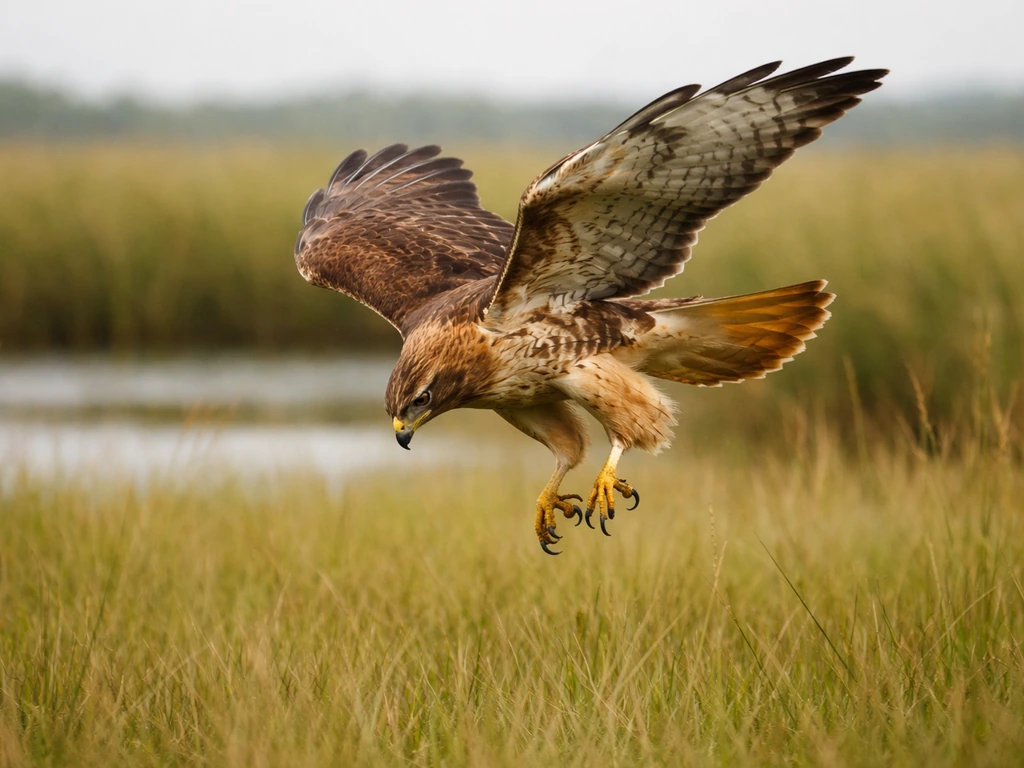
Red-tailed hawks are the most common large hawk in North America, and while they prefer small mammals, they are opportunistic enough to take ducklings and occasionally small or injured adult ducks. Which bird eats mice is often the same type of opportunistic predator that shows up when small mammals are around. If you're seeing a hawk circling the pond repeatedly and ducklings are disappearing during daylight, this is your most likely daytime raptor suspect in suburban and rural settings.
Peregrine falcon and merlin
Peregrine falcons are built for aerial pursuit and are capable of taking teal, wigeon, and other mid-sized ducks in flight, particularly during migration. They're more of a threat at open water sites near urban areas or coastlines. Merlins, smaller cousins, are mainly a threat to ducklings and very small waterfowl species. If you're watching ducks disappear mid-flight over open water, a peregrine is worth considering. A related raptor question many owners have is what bird of prey eats pigeons, since similar hawks and falcons sometimes target them too.
Osprey
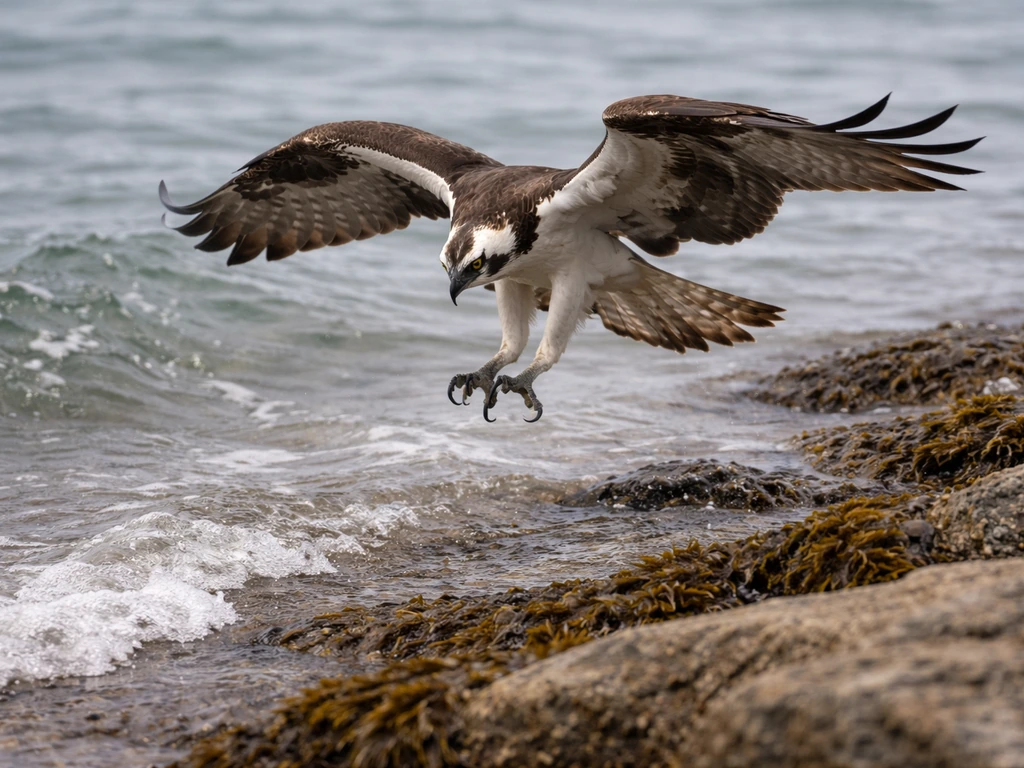
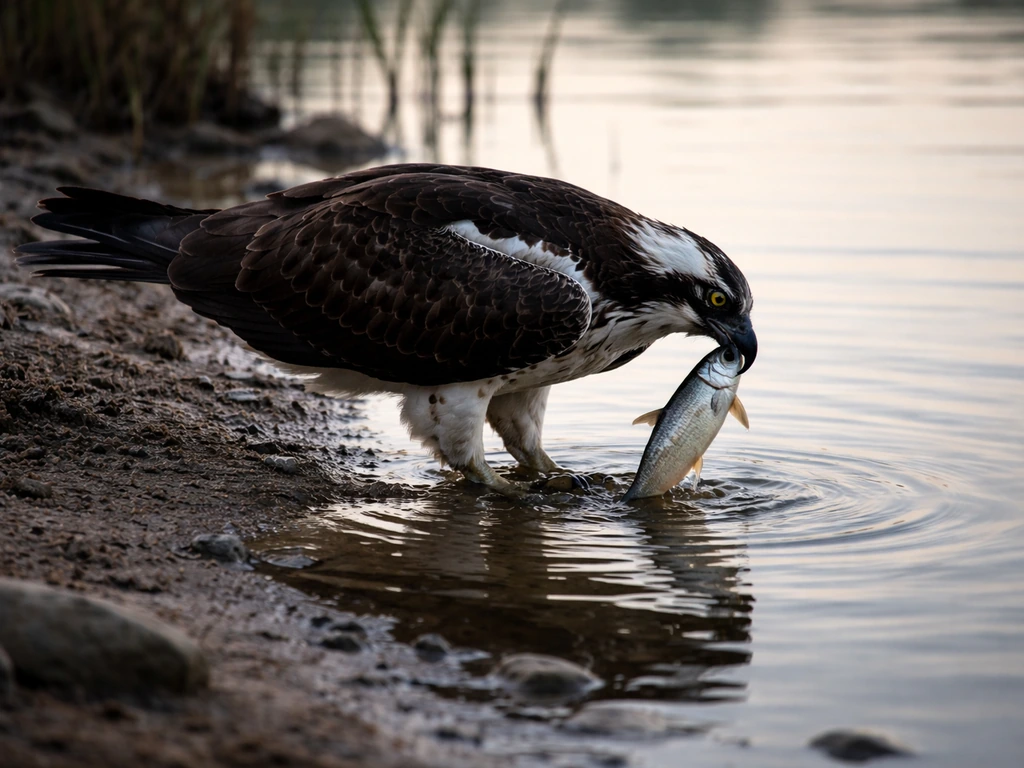
Ospreys are almost exclusively fish eaters, but they occasionally harass or displace ducks from their fishing areas. Direct predation of ducks by ospreys is rare. If you're seeing ospreys dive near your ducks frequently, they're most likely going after fish in the same water, not the ducks themselves. Worth noting so you don't blame the wrong bird.
Other raptors worth knowing
- Northern harrier: low-flying marsh hunter that can take ducklings and injured birds near wetland edges
- Cooper's hawk and sharp-shinned hawk: fast woodland hunters that occasionally target ducklings in cover
- Snowy owl and barred owl: cold-climate or woodland threats to ducks near frozen or semi-frozen water in winter
What duck-eating looks like: behavior and timing clues
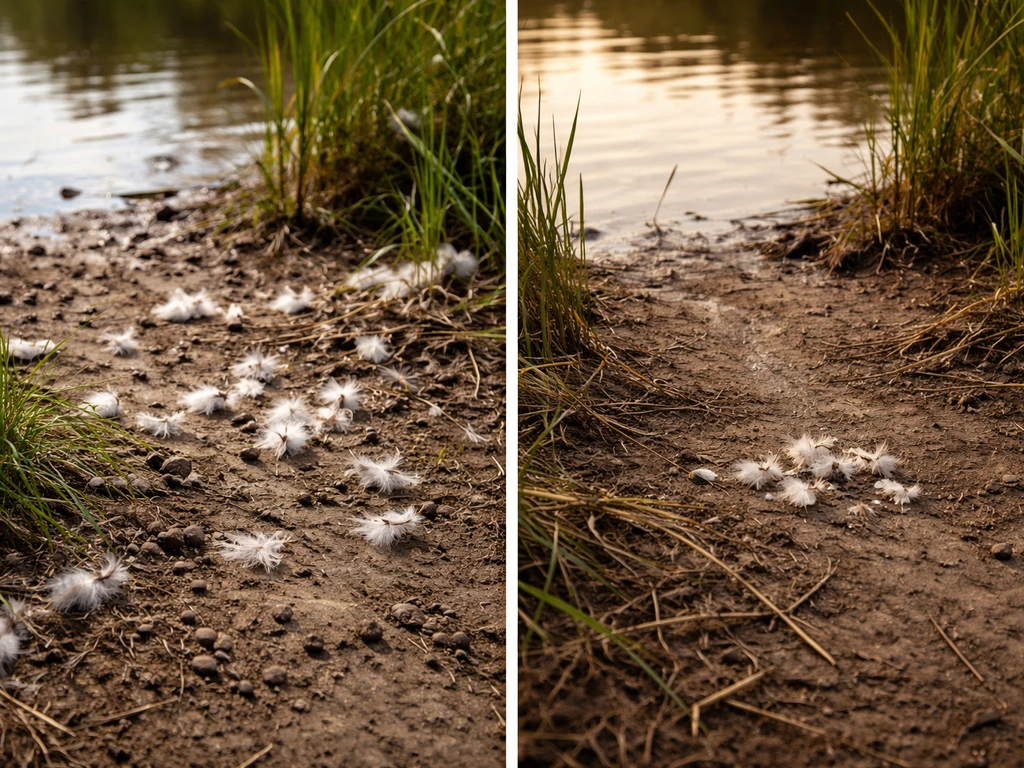
The timing and physical evidence left behind are your best diagnostic tools. Different predators leave very different scenes, so pay attention to when it happens and what you find afterward. That same kind of identification process can help if you're wondering what bird eats pigeons in your area.
| Clue | Most likely predator |
|---|---|
| Daylight attack, feathers scattered, duck carried off or eaten on site | Bald eagle or red-tailed hawk |
| Nighttime disappearance, little or no feather evidence, clean strike | Great horned owl |
| Duck struck out of the air during migration or over open water | Peregrine falcon |
| Ducklings only disappearing at pond edge, no feathers | Snapping turtle, mink, or smaller raptor |
| Duck found dead with head/neck wounds, body mostly intact | Owl (owls often eat the head first) |
| Duck found plucked cleanly with feathers in a pile, breast eaten | Hawk (hawks pluck before eating) |
| Duck missing entirely with no trace | Mammal predator (fox, mink, raccoon) more likely than bird |
Time of day is critical. If losses happen at night or right at dusk and dawn, prioritize owls. Daytime losses point to hawks or eagles. Eagles are also more active near water in early morning, often perching in tall trees before descending. A duck that flushes in a panic and then goes silent is a red flag worth investigating immediately.
How to identify the culprit: visual ID and field marks
If you can get eyes on the predator, even briefly, these field marks will help you pin down the species quickly.
| Species | Key field marks | Size | Behavior near ducks |
|---|---|---|---|
| Bald eagle (adult) | White head and tail, yellow beak, dark brown body | Wingspan 6-8 ft | Soars high, then drops steeply; may wade near shore |
| Bald eagle (immature) | Mottled brown overall, no white head/tail yet | Same as adult | Often confused with a large hawk; look for massive size |
| Great horned owl | Large ear tufts, yellow eyes, barred brown chest | Wingspan 3.5-4.5 ft | Silent flight, attacks from above at night |
| Red-tailed hawk | Rusty-red tail (adults), dark belly band | Wingspan 3.5-4.5 ft | Circles overhead, stoops from height in daylight |
| Peregrine falcon | Dark 'helmet' on head, pointed wings, compact body | Wingspan 3-3.5 ft | Very fast aerial stoop; targets birds in flight |
| Northern harrier | White rump patch, long tail, low gliding flight | Wingspan 3.5-4 ft | Flies low over marsh, tilts side to side |
One common mistake: people see a large, dark bird circling and automatically assume eagle. Immature bald eagles lack the distinctive white head until about 4 to 5 years old, so they're regularly misidentified as red-tailed hawks or turkey vultures. Turkey vultures, for the record, are scavengers and pose no active threat to live ducks. If the bird is soaring with a wingspan clearly bigger than any nearby hawk and has a proportionally large, heavy beak, lean toward immature eagle.
Domestic vs wild ducks: the risks are different
Wild ducks have evolved to detect and evade predators. They flush, dive, and react to threat cues in ways that domestic breeds simply can't. Domestic ducks (Pekin, Muscovy, Rouen, and similar backyard breeds) are slower, heavier, and have no meaningful escape response. They also return to the same predictable location every night, which trained predators quickly learn to exploit. This means a great horned owl or red-tailed hawk that would rarely catch a wild mallard can consistently take domestic ducks.
Wild ducklings in a park or wetland face a wider threat matrix: bald eagles, red-tailed hawks, northern harriers, great blue herons (yes, herons occasionally take small ducklings), snapping turtles, mink, and large fish like pike and bass. A duckling that separates from the brood near shore is extremely vulnerable, and honestly more likely to be taken by a non-bird predator than a raptor in many settings. Research using radio-marked mallard ducklings on the Upper Mississippi River documented significant duckling predation specifically by Eastern snapping turtles and Western fox snakes, which is a useful reminder that birds aren't always the answer.
If you're keeping domestic ducks, you need to treat every night as a serious owl risk and every free-range daytime hour as a hawk risk. Wild ducks in a park setting are harder to protect directly, but reducing cover for mammal predators around nesting areas helps brood survival.
What to do today: protect your ducks without harming wildlife
Raptors are federally protected under the Migratory Bird Treaty Act. You cannot trap, shoot, or relocate them, full stop. What you can do is make your ducks harder to catch through smart husbandry and habitat management. Here's what actually works:
- House domestic ducks every single night in a fully enclosed structure with a solid roof. USDA Wildlife Services is explicit that nighttime housing is the single most effective owl deterrent. Don't rely on a fenced run without a roof cover.
- Cover outdoor pens with heavy-gauge wire mesh or bird netting. Standard chicken wire is not enough for determined raptors. Use 1-inch welded wire mesh on top and sides.
- Install anti-perching devices (spikes or coiled wire) on fence posts, rooftops, and trees near the duck area to reduce raptor ambush spots.
- Reduce open sight lines. Eagles and hawks prefer to scout from high perches before attacking. Removing dead snags and tall exposed perches near the pond discourages this hunting pattern.
- Add visual cover for ducks at the pond edge: tall grass, shrubs, or dock overhangs give ducks a place to shelter from aerial attack.
- Use guardian animals if you have domestic ducks. A trained livestock guardian dog or even a territorial goose can deter ground-level approaches and alert you to overhead threats.
- Install motion-activated lights or sprinklers near the duck pen if owl predation is occurring at night.
- For park or wild duck situations: avoid feeding ducks in predictable locations, as concentrated duck groups with reduced flight response become easy targets. It also concentrates mammal scavengers that compete with duck brood survival.
If you've confirmed a specific raptor is returning repeatedly, contact your local USDA Wildlife Services office. They can advise on legal hazing methods (noise, visual deterrents) specific to your situation, and in rare cases involving repeated depredation of livestock animals, they may assist with coordination. You cannot do this alone legally, but they can help.
Myths and common misidentifications: not every duck killer is a bird
This is probably the most useful section if you're actively losing ducks right now. The instinct is to blame a hawk or eagle, but in many cases the real culprit is a mammal or reptile. Here's what people get wrong most often:
- Raccoons: One of the most common domestic duck killers. They are strong enough to reach through wire mesh, pull off heads, and access eggs. They're nocturnal, so losses at night aren't always an owl.
- Mink: Small, fast, and lethal. A single mink can kill multiple ducks in one night. They leave minimal evidence and can access enclosures through gaps smaller than 2 inches. Often blamed on owls or foxes.
- Foxes and coyotes: Will take ducks at dusk or dawn, and sometimes carry off whole birds, leaving almost no feathers. Often confused with a large raptor attack.
- Snapping turtles: A major duckling predator documented by USGS research in wetland and river environments. They grab from below, leaving no aerial attack evidence at all.
- Great blue herons: People are sometimes surprised to learn herons will occasionally take very small ducklings, but they are not duck predators in any meaningful sense. They're fish hunters first.
- Large fish (bass, pike, muskie): Capable of taking ducklings at the surface. Another reason 'birds' isn't always the right answer when ducklings vanish from open water.
- Turkey vultures: Completely harmless to live ducks. They only eat carrion. If you see them near a dead duck, they found it, they didn't kill it.
The practical way to narrow this down is to set up a basic trail camera near your duck housing or pond edge. A 24-hour video record will almost always tell you exactly what species is responsible. This is by far the fastest path to a correct ID and the right protection response.
A note on bird feeders, pet safety, and spoiled feed while you investigate
If you're actively trying to figure out what's predating your ducks, the way you manage your yard right now matters. Feeding birds with seed feeders can indirectly increase raptor pressure, because seed feeders attract small birds like sparrows and finches, which in turn attract bird-hunting raptors like Cooper's hawks. A Cooper's hawk that shows up hunting feeder birds is unlikely to take an adult duck, but it does tell you that hunting raptors are already in your area and active. This is the same reason that a yard with a busy bird feeder near a duck pond will sometimes have more hawk activity than a yard without one.
Spoiled seed in feeders is also a secondary issue during this kind of investigation. Moldy seed and rotting feed waste on the ground attracts rodents, and rodents attract owls and larger hawks. If you're trying to reduce raptor pressure around domestic ducks, cleaning up spilled seed and removing feeders temporarily is a small but real contributing step. Store seed in sealed, rodent-proof metal containers to avoid this cycle.
If you have pets, particularly cats, be aware that a yard with active raptor pressure is more dangerous for them too. Great horned owls and red-tailed hawks that are already hunting in an area will sometimes target small cats and small dogs, especially at dawn and dusk. Keep small pets supervised during high-risk windows while you're working to resolve the duck predation issue. Similar vigilance applies to other birds you might be keeping, like backyard chickens, which face the same raptor threats as domestic ducks.
If you're exploring related predator topics, the same raptors that eat ducks, particularly peregrine falcons and large hawks, also target pigeons, and eagles are known fish hunters that sometimes pivot to waterfowl when fish are less available. Some people also ask what bird eats seagulls, and the answer usually comes down to a few large raptors and scavengers. The predator ID methods here translate directly to those situations too.
Quick-reference checklist: confirm the predator and act today
- Check the timing: daytime loss points to hawk or eagle, nighttime loss points to owl or mammal predator.
- Examine the evidence: scattered plucked feathers mean hawk, clean wound on head/neck means owl, no evidence at all often means mammal or reptile.
- Look for perch sites: whitewash (droppings) under tall trees or fence posts near the pond indicates a raptor is roosting nearby.
- Set up a trail camera: 24 hours of footage will identify the species without any guesswork.
- House domestic ducks inside a fully enclosed, roofed structure every night starting tonight.
- Cover any outdoor runs with welded wire mesh, not just chain link or chicken wire.
- Remove or reduce raptor perch sites within 50 feet of the duck area.
- Check for gaps in enclosures smaller than 2 inches that could allow mink or weasel access.
- If you have feeders, clean up spilled seed and consider temporarily removing feeders to reduce raptor attraction.
- Contact USDA Wildlife Services if predation continues after physical exclusion measures are in place.
FAQ
If I find feathers but no carcass, does that mean it was a mammal or could it still be a raptor?
If you see feathers only near the waterline and no obvious body, it can still be a raptor. Many raptors carry prey away to feed, and they often leave partial remains rather than a full carcass. Check for drag marks, a feather pile in nearby cover, and watch which direction the bird flies off (toward perches or trees).
What signs suggest a falcon is taking my ducks instead of an owl or hawk?
Peregrines and other falcons are most likely when ducks are being taken while moving, especially during open-water flights and migration windows. If losses happen only when ducks commute between roost and pond, and you see hunting behavior from a high aerial approach, focus on falcons rather than owls or ground-hunting mammals.
How can I tell if the predator is a repeat problem versus just a one-time event?
A single visit does not tell you the predator. To reduce misidentification, look for repeat timing patterns (same night window for owls, same daytime band for hawks) and consistent physical clues. One missing duck followed by a week of no losses is often weather-related or a one-off exposure rather than a resident predator.
What should I do if my trail camera captures birds, but the duck losses keep happening?
If your camera shows the “wrong” bird but ducks still disappear, the culprits may be working off-camera at night, or it could be a mammal or turtle. Use infrared night recording, position the camera facing the duck housing and nearby travel paths, and ensure it captures the moments before the duck vanishes, not just the aftermath.
Can I still rule out birds if there is evidence of predation, but no raptor ever shows up?
Yes. Raccoons, mink, and snapping turtles can take ducks even when you never see a bird. A good tell is damage style: mammals often leave bite marks and scattered parts, while turtles may leave clawed openings and a distinct pattern of handling near shoreline edges.
How do I know whether my enclosure failure is causing the predation risk?
If ducks are being taken right outside secure fencing, the predator may be exploiting gaps, low netting, or weak latches. Walk the perimeter at dusk, check for spots where ducks can be isolated, and confirm the enclosure is fully enclosed overhead if you are dealing with aerial hunting birds.
What is the best night routine to reduce owl risk for domestic ducks?
For domestic ducks, “lock-up” timing is the main difference-maker. Owls are strongly tied to night and low-light periods, so housing ducks indoors or in a fully covered, predator-proof pen well before dusk is more protective than waiting until after you notice losses.
Besides keeping ducks enclosed, what habitat changes reduce ambush hunting?
Remove cues that make predators confident. Keep waterfowl areas clear of tall cover near the duck housing, secure feed so rodents do not spike, and eliminate easy ambush perches for large raptors (for example, avoid leaving unused tall staging areas near the pond).
How should I interpret trail camera footage to match the event to an owl, hawk, or eagle?
If you are unsure how to interpret the camera footage, compare movement speed and hunting height. Owls tend to show low, direct approach and silent strikes around dusk or after dark, while hawks show daytime circling or direct swoops and then quick carry-off to a perch. Use timestamps to map each event to a predator’s typical active window.
When is it the right time to contact USDA Wildlife Services, and what info should I have ready?
Call your local USDA Wildlife Services office after you can document repeated depredation, not after a single loss. Have dates, times, photos, and your rough location, and be ready to describe where ducks are housed at night and which areas are uncovered during the day.
Could seed feeders really increase duck predation, and how long should I pause them to test it?
If your ducks are in a busy yard with seed feeders, raptors may be scouting for songbirds rather than targeting ducks directly. Even so, it raises the chance of a duck being taken, especially in daylight when smaller hawks learn your routine. Temporarily pause feeders during the investigation and clean spilled seed for several weeks.
If I have cats, what changes should I make during times when ducks are getting targeted?
Cats and small dogs matter most around dawn and dusk, and especially if they are allowed to roam near ponds or low cover. Supervise them and use an enclosed outdoor run during high-risk windows while you are addressing the duck predator issue.