If your cat just ate a bird, or part of one, the most important thing to do right now is check the cat's mouth and breathing, watch for choking, and then monitor closely for the next 24 to 48 hours. Most healthy adult cats that eat a small wild bird will be fine, but feathers, bones, and the parasites birds carry mean this is never completely risk-free. Below is everything you need to do, in order, from the moment it happens to making sure your yard is safer going forward.
What Happens If a Cat Eats a Bird and What to Do Now

Maya Bennett
2 Jun 2026
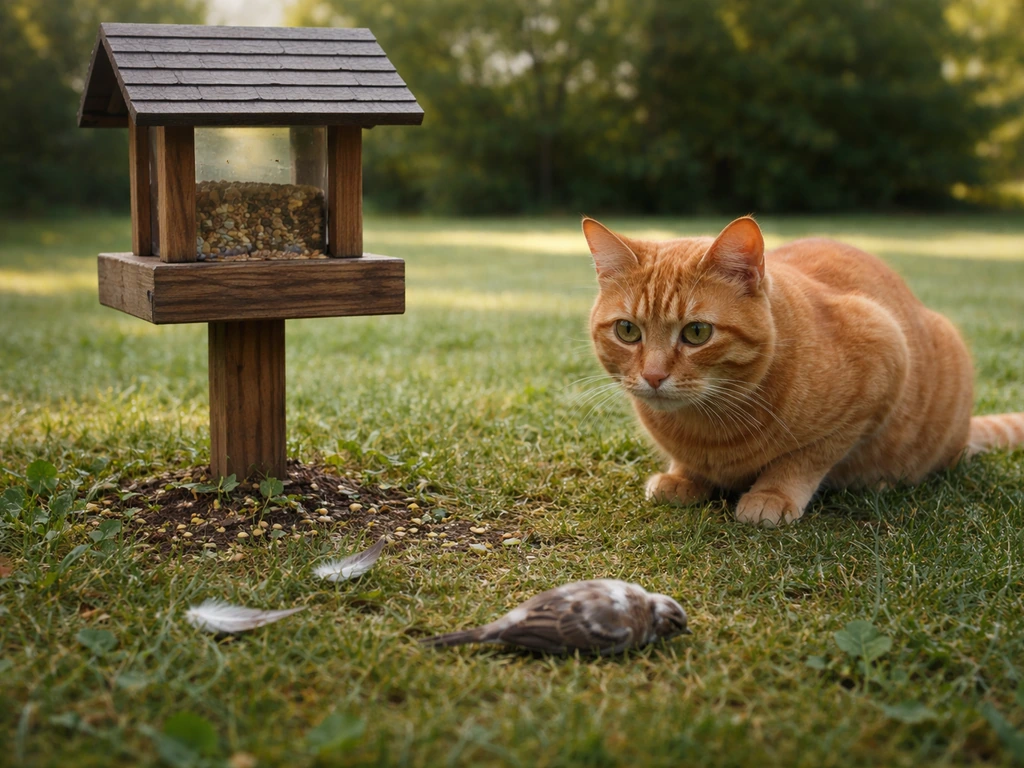
What a cat eating a bird actually looks like
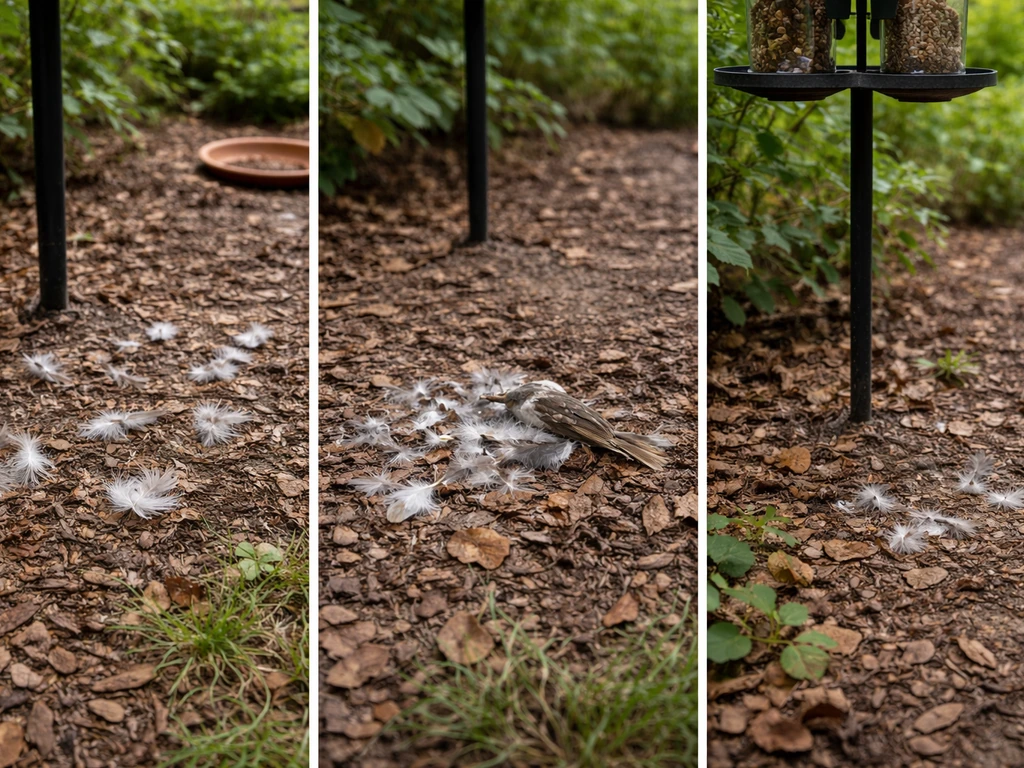
The scenario varies a lot, and what you do next depends on what you're actually dealing with. A cat might catch a live bird at the feeder, kill it quickly, and swallow most of it before you even notice. Or you might find your cat carrying a dead or already-injured bird, mouthing it, or leaving parts scattered on the patio. Sometimes the bird survives the initial catch but has hidden injuries, puncture wounds from teeth, or broken bones, and that's a separate situation requiring wildlife rescue (more on that below).
The three main scenarios you'll encounter are: the cat caught and fully consumed a bird (or most of one), the cat caught a bird that is alive but injured, or you found a dead bird your cat brought in and you're not sure how much was eaten. Each one calls for slightly different priorities, but checking your cat first is always step one.
Check your cat right now: mouth, breathing, and wound signs
The immediate physical risks to your cat from eating a bird come from three places: bones or feathers getting stuck in the mouth or throat, puncture wounds from the bird's beak or talons, and internal irritation if sharp bone fragments are swallowed. Small passerine birds (sparrows, finches, starlings) have thin, hollow bones that usually break into soft-edged fragments, but they can still cause issues. Larger birds have sturdier beaks and sharper claws, which increases the wound risk to your cat.
Do a calm, quick physical check. If your cat is stressed or in pain, don't force it. Work with what the cat allows and call a vet if you're seeing any of the warning signs below.
- Open the mouth gently if the cat allows: look for feathers, bone fragments, or anything lodged at the back of the throat. Don't put your hand in a stressed cat's mouth.
- Watch breathing closely: open-mouth breathing, gasping, very noisy or raspy breathing, or obvious labored effort to inhale are emergency signs that need a vet call immediately.
- Check the face, paws, and neck for puncture wounds: bird beaks and talons can leave small but deep holes that seal over fast and become infected quickly.
- Look at the gums: pale, white, or bluish gums mean poor circulation and require emergency care.
- Watch for pawing at the face or mouth, repeated gagging, or drooling, which can all signal something is caught in the throat.
If your cat is choking and unconscious, CPR may be needed. The ASPCA recommends learning basic pet CPR before you need it. For an actively choking but conscious cat, keep the cat calm and call an emergency vet immediately rather than trying to dislodge the object yourself. According to VCA, you should not put your hand in a conscious cat's mouth during a choking episode, as you'll likely make things worse and get bitten.
When to call a vet vs. when to watch at home
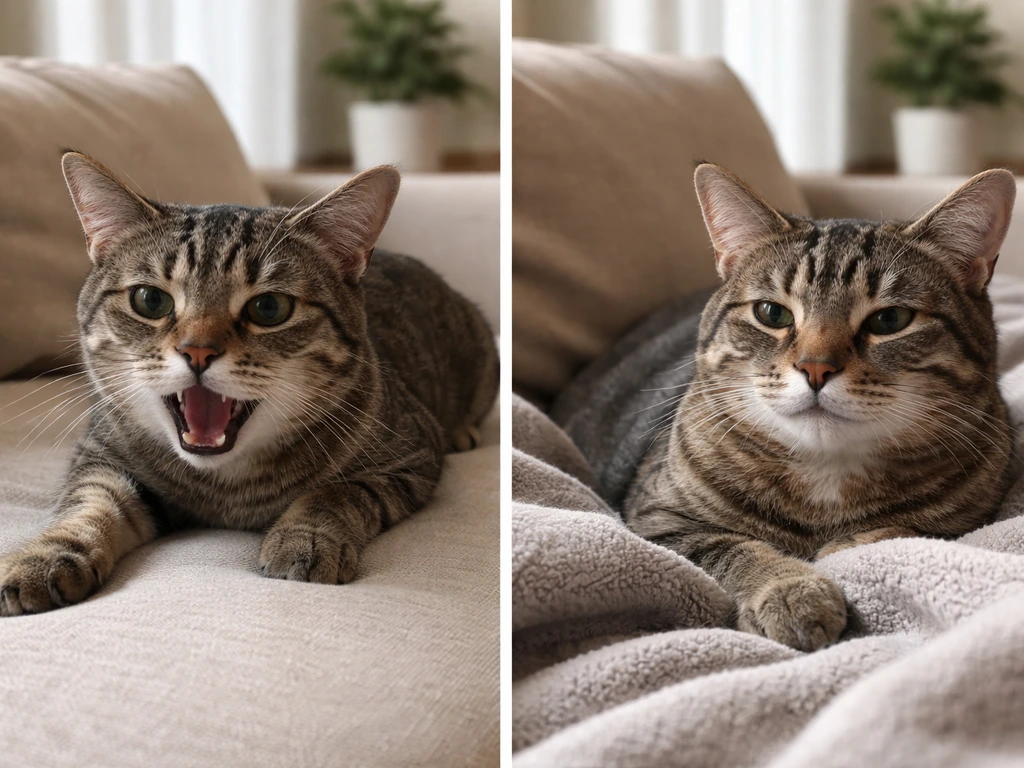
Not every bird-eating incident needs an emergency vet visit, but some absolutely do. Here's how to split the two categories.
Call a vet or go to an emergency clinic immediately if you see:
- Any labored, open-mouth, gasping, or very noisy breathing
- Pale, white, or bluish gums
- Repeated unproductive gagging or retching that doesn't stop
- Visible blood from the mouth, wounds that won't stop bleeding (apply firm pressure and go)
- Signs of a penetrating chest or abdominal wound from a beak or talon
- Collapse, extreme lethargy, or loss of consciousness
- Any eye injury (even minor-looking ones are emergency-level per VCA)
- Persistent vomiting after eating the bird, especially if it goes on for more than an hour or two
Monitor at home if your cat:
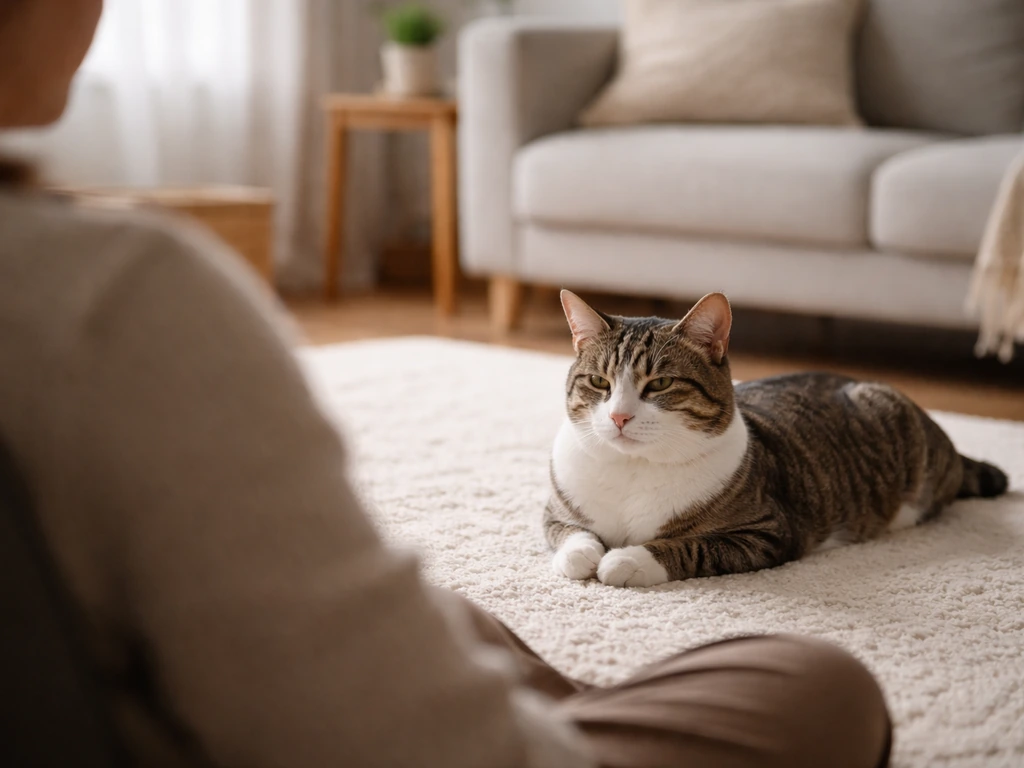
- Ate the bird and seems completely normal: eating, drinking, and acting like themselves
- Has no breathing changes, no gagging, no visible wounds
- Passed a small amount of feathers in vomit or stool, which is common and usually self-resolving
- Is alert and moving normally
Even in the 'monitor at home' category, watch your cat for 24 to 48 hours. Vomiting, loss of appetite, lethargy, or constipation that develops later can mean a bone fragment or feather mass has become a blockage. VCA notes that if a foreign body obstruction is suspected, exploratory surgery is often required, so don't dismiss slow-developing symptoms. Small puncture wounds from bird beaks can also look minor but seal over and become infected within days, so keep an eye on the face and neck area.
Disease and parasite risks the bird brings to your cat (and you)
Beyond the mechanical risks of bones and feathers, wild birds carry a range of parasites and pathogens that can transfer to your cat and, in some cases, to you. This is not a reason to panic, but it's a reason to be aware and take a few simple precautions.
Bacteria and internal parasites
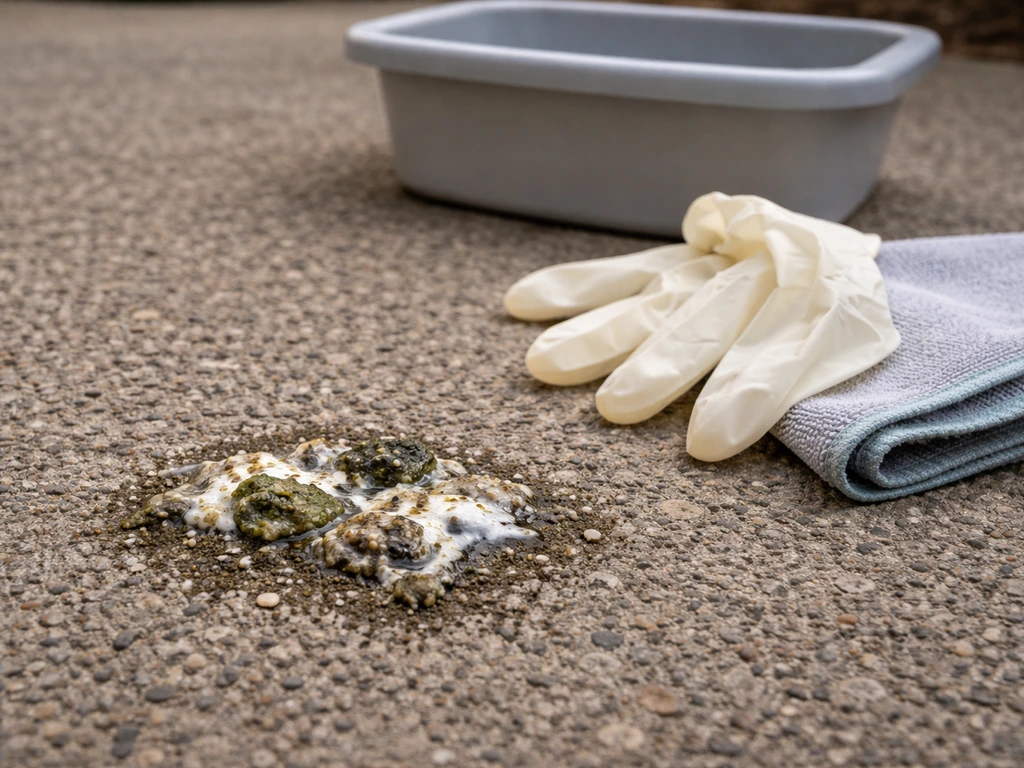
Wild birds can carry Salmonella, Campylobacter, and E. coli in their digestive systems. The CDC notes that bird droppings in particular can harbor these organisms. A cat that eats an infected bird can develop gastrointestinal illness, and the pathogens can shed in the cat's stool, which creates a secondary exposure risk for anyone cleaning the litter box. If your cat develops diarrhea or vomiting in the days after eating a bird, mention the bird ingestion when you call the vet.
External parasites: fleas, ticks, and mites
This is one of the most overlooked risks. Wild birds carry fleas, ticks, and bird mites, and when a cat catches and eats a bird, those parasites can transfer directly onto the cat's coat and into your home. The Washington State Department of Health and Nebraska DHHS both note that fleas can spread bacterial diseases including flea-borne typhus and, in rare cases, plague. Bird mites can also cause skin irritation in people. If your cat catches a bird, do a careful flea and tick check on the cat afterward and treat promptly if you find anything. Make sure your cat is on a year-round parasite preventative, which helps limit this risk significantly.
What about bird flu?
Avian influenza is worth mentioning because it has been in the news, but for most backyard scenarios it's a low probability risk for a healthy indoor-outdoor cat that catches a songbird. The bigger concern is for you if you're handling the carcass. The CDC advises avoiding contact with bird remains without PPE and specifically recommends not stirring up feathers, droppings, or dust to prevent any possible aerosolization of virus particles. The cleanup section below covers this directly.
Safe cleanup after a predation event
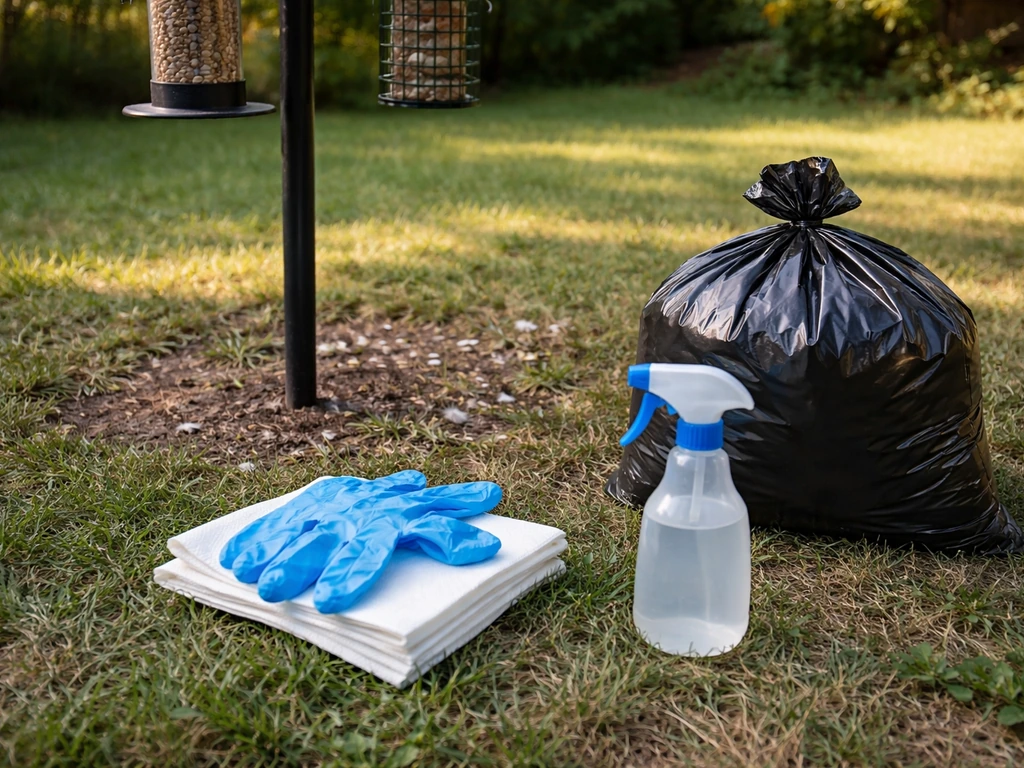
If there are remains, feathers, blood, or droppings left over where the cat caught the bird, clean the area carefully. The CDC recommends using disposable gloves and [avoiding bare-handed contact with any dead bird](https://www. cdc. gov/west-nile-virus/causes/west-nile-virus-dead-birds.
html) or contaminated surfaces. Use an inverted plastic bag or gloved hands to pick up carcass parts, seal them in a garbage bag, and dispose of them in your trash. Don't pressure wash the area, as this can theoretically aerosolize particles.
Wipe down hard surfaces with a dilute bleach solution (1 cup bleach to 5 gallons of water works as a general disinfectant), let it sit, rinse, and wash your hands thoroughly with soap and warm water after removing your gloves. Cover any open wounds on your own skin before handling anything.
How to stop this from happening again around your feeders
If you feed birds in your backyard and you have a cat (or a neighbor's cat visits), feeder placement and design are your most powerful prevention tools. Birds congregating at a feeder are easy targets if there's nearby cover for a cat to stalk from.
Placement: distance and sightlines matter
The Humane Society recommends positioning feeders at least 12 feet away from grass, shrubs, or any structure that could give a cat a place to hide and launch from. The Houston Humane Society Wildlife Center's guidance suggests 10 to 12 feet of open space between the feeder and any potential hiding spot, giving birds a clear sightline to spot a cat before it gets close enough to strike. Mount feeders on smooth metal poles rather than trees or fences that cats can climb, and add a squirrel-style baffle below the feeder to block climbing access.
Physical barriers and deterrents
- Use pole-mounted feeders with predator baffles (cone or cylinder style) that prevent cats from climbing up.
- Consider a catio or enclosed outdoor run for your cat. This lets cats be outside without access to the yard and birds.
- Motion-activated sprinklers or ultrasonic deterrents placed near feeders can discourage cats from entering the area.
- Avoid ground feeding or low platform feeders if cats are present, as these give cats almost no disadvantage.
- Keep dense plantings immediately under feeders to a minimum, and consider a gravel or open-ground zone beneath the feeder where cats stand out visually.
Feeding habits that reduce risk
Avoid overfilling feeders or scattering seed on the ground, as seed on the ground draws birds down low and makes them vulnerable. Bring feeders in at dusk and put them back out in the morning if cats in your area are more active at night. Keep seed fresh and stored in sealed containers to reduce the chance of attracting birds, rodents, and then the predators that follow them. Spoiled seed can also cause disease in birds, which is a separate problem worth avoiding.
Aftercare for backyard bird safety: dead birds and feeder hygiene
If you find dead or injured birds near your feeders (whether cat-related or not), handle them safely. Use gloves or an inverted plastic bag to pick up any dead bird and place it into a sealed garbage bag for disposal, as the CDC recommends for dead-bird collection. Don't handle birds barehanded, and don't let children or pets investigate carcasses.
For an injured bird that is still alive after a cat attack, the priority is to get it to a licensed wildlife rehabilitator as soon as possible. Even if the bird looks okay, cat saliva contains bacteria (particularly Pasteurella) that can be lethal to birds within 24 to 48 hours without antibiotic treatment. Place the bird in a ventilated box in a warm, quiet, dark space and call a local wildlife rehabilitator or your nearest wildlife center immediately. Do not offer food or water.
Regular feeder cleaning to prevent disease spread
Dirty feeders are a serious disease risk for wild birds and can contribute to Salmonella outbreaks, which are documented and recurring problems at backyard feeders. The CDC has previously linked wild songbird Salmonella outbreaks to contaminated feeders and [recommends soaking feeders in a diluted bleach solution (9 parts water to 1 part bleach) for at least 10 minutes](https://archive. cdc. gov/wwwcdcgov/salmonella/typhimurium-04-21/index.
html). Iowa DNR guidance suggests cleaning seed feeders regularly and hummingbird feeders every 3 to 5 days with hot water and dish soap or a 10% bleach solution. Bird baths should get fresh water and a good scrub at least once per week. Always rinse thoroughly and let feeders dry completely before refilling.
Wear disposable gloves while cleaning, and wash your hands well when done.
| Feeder/Item | Cleaning Frequency | Recommended Method |
|---|---|---|
| Seed feeders | Every 1–2 weeks minimum | Soak in 1:9 bleach-water solution for 10 min, rinse, dry |
| Hummingbird feeders | Every 3–5 days | Hot water and dish soap or 10% bleach solution, rinse thoroughly |
| Bird baths | At least once per week | Fresh water daily, scrub and disinfect weekly |
| Ground feeding areas | After each use | Remove uneaten seed, rake debris, spray with dilute bleach if needed |
| Storage containers for seed | Monthly | Wipe with damp cloth, check for moisture or mold before refilling |
Myths, common mix-ups, and quick troubleshooting
Myth: 'It was just a small bird, so it's fine'
Size doesn't determine safety. Small birds still carry parasites, bacteria, and sharp little beaks. A feather or bone from a tiny sparrow can still cause a blockage or throat irritation. And small birds are, if anything, the most likely to carry feeder-associated Salmonella because they're the most common visitors to contaminated feeders. Don't dismiss the event based on bird size alone.
Myth: 'Cats always throw up what they can't digest, so I don't need to worry'
Cats do regurgitate grass, hair, and sometimes feathers, but this is not a reliable safety valve. Bone fragments and compacted feather masses can form obstructions that don't come back up and require surgical removal. If your cat ate a significant portion of a bird and is not vomiting, that's not automatically reassuring. Watch for any change in appetite, energy, or litter box behavior over the next two days.
Myth: 'Finding dead birds near my feeder just means old age'
Multiple dead birds near a feeder within a short period is a red flag for a disease outbreak, window strike cluster, or feeder contamination. Clean and disinfect the feeder immediately, take it down for a week to disperse the bird congregation, and handle any carcasses with gloves. If you're finding more than one or two birds in a week, consider reporting it to your state wildlife agency.
Myth: 'Bell collars protect birds well enough'
Bell collars do provide some benefit, but they're not a complete solution. Cats can learn to move silently even with a bell, and a fast ambush from cover doesn't give the bell time to matter. Feeder placement and physical deterrents are far more reliable than relying on a collar alone.
Quick troubleshooting checklist
- Cat just ate a bird: check mouth and breathing now, look for wounds, call vet if any emergency signs are present.
- Cat seems fine but you're not sure how much was eaten: monitor for 48 hours, watch for vomiting, lethargy, or litter box changes.
- Feathers or bone in vomit: usually okay, but call vet if vomiting is repeated or if the cat can't keep water down.
- Cat has small puncture wound from beak or claw: call your vet today, even if it looks minor. Puncture wounds infect fast.
- Dead bird left in yard by cat: use gloves, bag it, dispose in trash, clean the area with dilute bleach, wash hands.
- Injured bird still alive: box it safely, call a wildlife rehabilitator immediately, don't offer food or water.
- Worried about parasites on your cat after the incident: check the coat carefully, call your vet about flea/tick treatment.
- Multiple dead birds at feeder: take feeder down, clean with bleach solution, report to your state wildlife agency.
Bird safety around cats is one piece of a bigger picture for backyard birders. If you're interested in other risks that affect birds directly, including what happens when birds eat harmful substances or are exposed to dangerous foods, those are worth understanding too, especially if you're managing a yard where pets and wildlife overlap regularly. Knowing what happens if a bird eats plastic can help you recognize and reduce another common backyard hazard.
If you ever suspect a bird has eaten a poisonous plant, focus on the bird's condition and contact local wildlife help right away for species-specific guidance what to do if bird eats poisonous plant. If a bird eats chocolate, the same general idea applies: the main concern is toxicity from the substance the bird ingests.
If you want to know what happens when birds eat harmful household substances, including Alka-Seltzer, check the specific guidance for that situation what happens if a bird eats alka seltzer. For example, if you’re wondering can bird eat chocolate, it’s important to know that some foods can be dangerous to birds even in small amounts.
FAQ
My cat seems fine, it even ate later. When should I stop monitoring and assume everything is okay?
If your cat has normal breathing, no return of distress, and no vomiting, diarrhea, constipation, or appetite change through the full 24 to 48 hour window, the risk of an immediate throat blockage or delayed obstruction drops a lot. Still do a quick check of the mouth and face for swelling or puncture wounds at least once during that period, and watch litter box output closely.
What symptoms mean I should treat this as an emergency even if it happened hours ago?
Go to an emergency vet if you see persistent open-mouth breathing, repeated attempts to swallow, bluish or pale gums, collapse or inability to stay awake, uncontrolled drooling, repeated vomiting, a distended belly, straining to poop with no stool, or any obvious pain when you touch the neck or mouth.
Should I try to remove bones or feathers from my cat’s mouth myself?
Avoid putting your hand inside a conscious cat’s mouth, since you can get bitten and you can push material deeper. If you can see something at the front of the mouth and your cat allows gentle removal with tools, do it only if it is loose and easy to take out. Otherwise call a vet for guidance, especially if the cat is pawing at the mouth or gagging.
If my cat regurgitated parts, does that mean there is no risk left?
Not necessarily. Regurgitation can clear some material while still leaving sharp fragments, feathers, or a compact mass behind. Keep monitoring for delayed signs like appetite loss, lethargy, vomiting, diarrhea, constipation, or reduced water intake over the next two days.
What if the bird was alive when the cat brought it in, and now it’s dead?
Treat the cat-bird interaction as a higher risk situation. For the cat, follow the same breathing and choking and 24 to 48 hour monitoring plan, since puncture injuries and swallowed material are still possible. For the bird remains, handle them with gloves and avoid stirring up feathers or droppings during cleanup.
Can cat saliva from a bird make my other pets sick or affect my household?
The main household concern is contamination from stool if your cat develops GI illness after eating the bird, plus parasites from the cat’s fur if fleas or mites transfer and survive indoors. Use gloves when cleaning the litter box during any diarrhea or vomiting, wash hands thoroughly, and keep your other pets on their regular flea and tick prevention schedules.
How soon after eating a bird would parasites or stomach illness show up?
GI symptoms can appear within the days after the incident, so diarrhea or vomiting that starts later should be reported to your vet along with what your cat ate. Parasite transfer can happen right away, which is why a flea and tick check on the cat soon after the event is useful. If you find mites or heavy flea activity, prompt treatment matters more than waiting.
Do I need to tell the vet what my cat ate if I find out later?
Yes. If you contact a vet for vomiting, diarrhea, reduced appetite, constipation, or mouth or neck pain, mention that the likely source was a bird (or parts of one). That detail changes what the vet checks for, such as throat irritation, puncture sites, and possible foreign body obstruction.
Is it safe to let my cat sleep in my bed or on the couch after this?
It is safer to limit contact at least until you complete a basic mouth and skin check and do a quick cleanup of any feathers or droppings your cat dragged in. If your cat has GI upset later, use extra caution during litter box cleaning and avoid letting the cat get on food prep surfaces.
I have a bird feeder. How can I reduce cat attacks without taking the feeder down completely?
Use physical barriers and spacing. Place feeders farther from hiding cover (for example, at least around 10 to 12 feet from shrubs or structures that give a cat an ambush point), mount them on smooth metal poles, and add a baffle to prevent climbing. Avoid seed spread on the ground and reduce times when cats are most active, such as taking feeders in at dusk.
What should I do if I find a bird’s body after a cat visit, but I’m not sure whether it was bird-related or a feeder disease issue?
Assume it could be contaminated and handle it as hazardous. Wear gloves, bag and dispose of it, and avoid sweeping or pressure washing which can spread particles. Then disinfect the area and consider pausing feeder use temporarily if you find multiple dead birds in a short time window.
Should I call a wildlife rehabber if I only find a small feather, not a whole injured bird?
Usually no, but contact local wildlife help if the bird appears alive, bleeding, or unable to move normally. For only a few feathers or a carcass that is already dead, focus on safe cleanup and preventing repeat access, rather than attempting to intervene.
Are bell collars enough to stop a cat from catching birds?
They can help with awareness in some situations, but they are not reliable. Cats can still stalk quietly, and a fast ambush from cover often makes the bell signal ineffective. Prioritize feeder design and placement, plus a baffle and spacing from cover.