No, birds cannot safely drink milk. This is not a gray area. Birds lack the digestive enzymes needed to process lactose, the sugar found in mammalian milk, and offering it to wild or pet birds can cause gastrointestinal inflammation, diarrhea, and dehydration. Wildlife welfare organizations are blunt about it: "NEVER give birds milk!" That guidance applies to all species, all ages, and all types of milk including cow's milk, goat's milk, and cream. If you've already offered a bird milk and it drank some, monitor it for signs of distress, but don't panic over a small amount. What you should do going forward is give clean, fresh water instead and skip the dairy entirely.
Can Bird Drink Milk? Safe Feeding Tips for Backyard Birds

Maya Bennett
14 Apr 2026
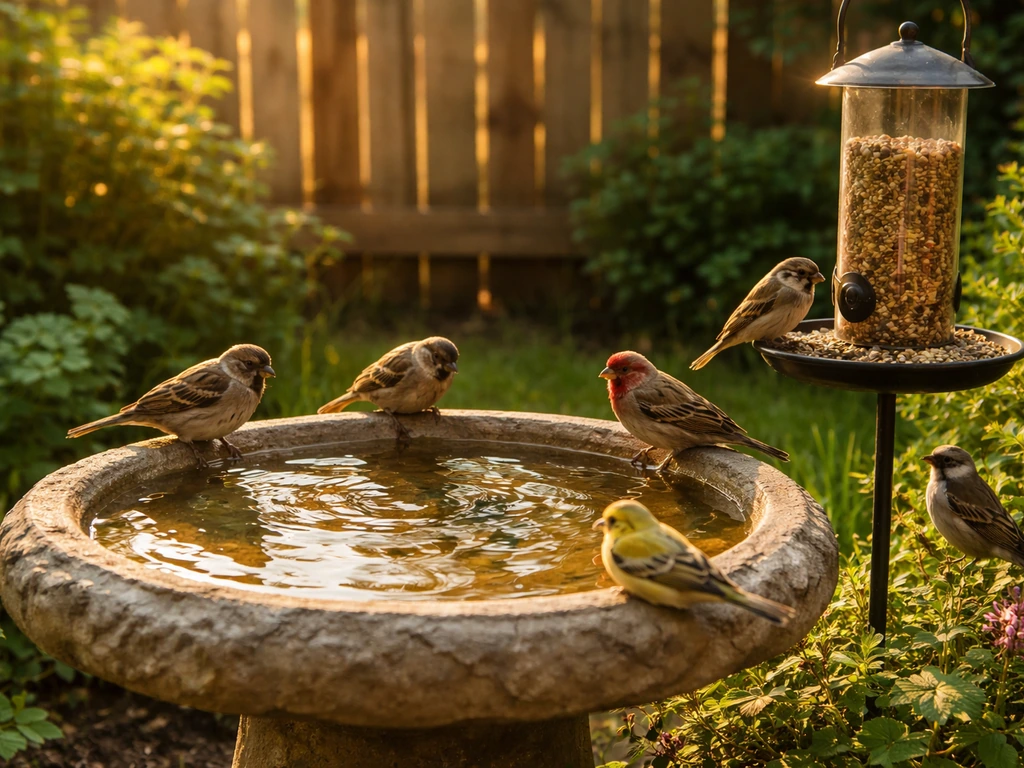
Why milk is genuinely harmful to birds
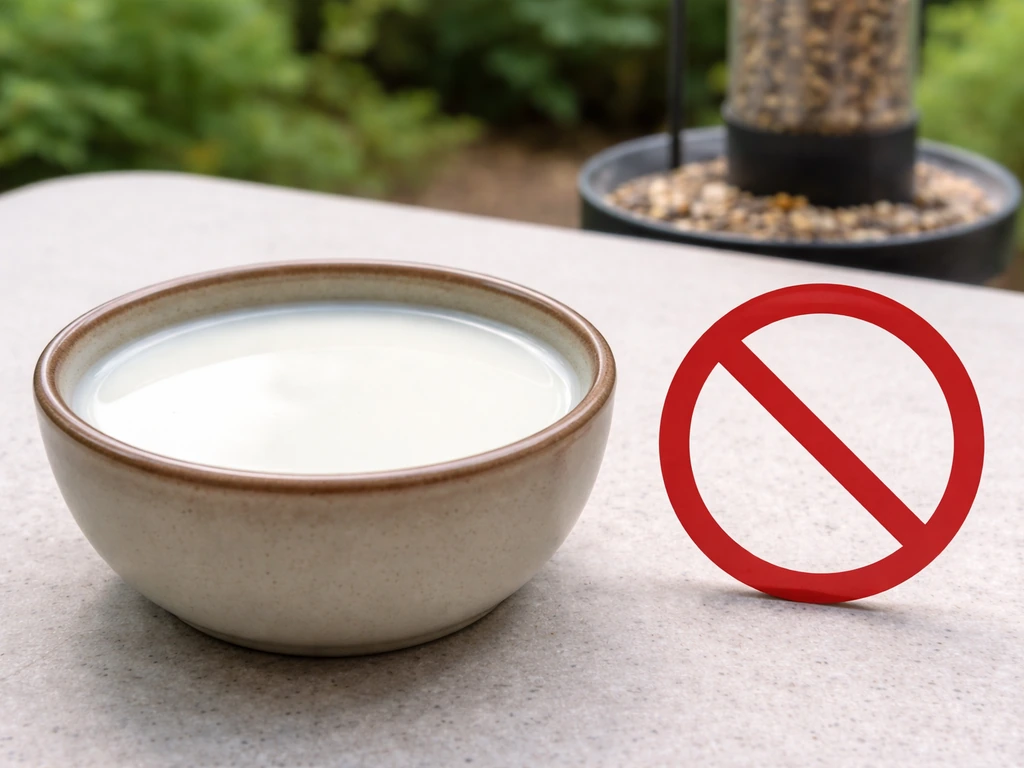
Birds are lactose intolerant in a very real physiological sense. Their digestive systems simply do not produce lactase, the enzyme that breaks down lactose. When lactose passes through a bird's gut undigested, it draws fluid into the intestine, causes inflammation, and triggers diarrhea. Diarrhea in birds is especially dangerous because birds have a very small body mass and can dehydrate quickly. A study-backed veterinary clinic handout describes this clearly: lactose-containing dairy products cause GI inflammation in birds, and the cascading effect can be severe for a small songbird or a baby bird already under stress.
No bird species can process lactose from cow's milk. This isn't just a risk for exotic or sensitive species. Sparrows, robins, pigeons, waterfowl, raptors, and parrots all share the same limitation. The Institute for Environmental Research and Education puts it plainly: no bird species can process lactose, and severe outcomes can occur. That's reason enough to keep dairy products away from your feeder area entirely.
There's also a practical hygiene problem. Milk spilled near feeders or in bird baths spoils fast, especially in warm weather. Spoiled milk attracts insects and rodents, creates bacterial contamination on feeder surfaces, and can foul the water source birds actually need. It's a double hazard: harmful to the bird that drinks it and messy for everything that comes after.
The crop milk confusion (and why it doesn't change the answer)
You may have heard that pigeons and doves feed their chicks something called "crop milk. " This is real, but it has nothing to do with mammalian dairy. Crop milk is a protein- and fat-rich secretion produced inside the crop of parent pigeons and doves. Both parents can produce it, and they feed it to hatchlings by regurgitation during the first days of life, gradually transitioning to regurgitated seeds as the chicks grow.
It shares a loose name with cow's milk but is a completely different substance, produced by birds, for birds, in a tightly controlled parent-to-chick transfer. It is not something you can replicate with a bottle of milk from the store, and it doesn't mean pigeons can handle lactose any better than any other bird.
Risks of offering milk near feeders and in your yard
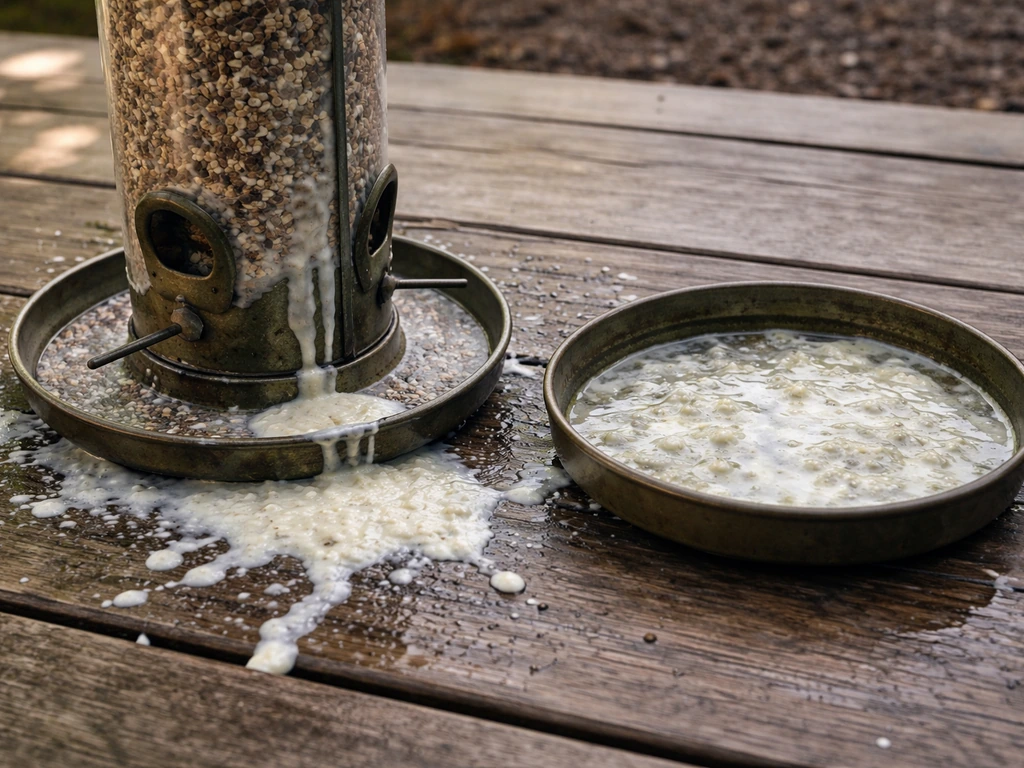
- Lactose causes digestive upset, diarrhea, and dehydration in all bird species.
- Milk spoils quickly at outdoor temperatures, creating bacterial hazards on feeder surfaces and in water containers.
- Spoiled dairy attracts pests including insects, rodents, and raccoons, which can threaten the birds you're trying to help.
- A bird that associates your feeding station with milk may return and drink more, compounding the harm.
- Contaminated water sources (if milk is mixed into or near a bird bath) can spread disease to multiple birds visiting the same spot.
Are there any dairy alternatives that work?
The short answer is no, not really. Plant-based milks like almond or oat milk don't contain lactose, so they skip the lactose-intolerance problem, but they also provide no meaningful nutrition for birds and still create spoilage and contamination risks at feeders. There is no documented benefit to offering them. If you've seen advice suggesting that lactose-free milk is fine for birds, that advice is oversimplified. The issue isn't only lactose: the fat content, the proteins, and the additives in processed milk products are still not appropriate for avian digestive systems. The right substitute is always plain, clean water.
One exception worth mentioning: if you keep pet birds and a vet has prescribed a specific nutritional supplement that happens to be dairy-derived, follow that specific veterinary guidance. That's a completely different situation from putting a bowl of milk outside for wild birds. For pet bird owners wondering about specific dietary supplements, the question of how much milk thistle to give your bird (a plant-based liver supplement sometimes used in avian care) is one that's worth discussing with your avian vet separately, since it falls outside the dairy category entirely.
What birds actually need to drink
Fresh, clean water is the only liquid wild birds need you to provide. That covers hydration and bathing, and it's the one thing you can reliably offer that will never hurt them. Beyond water, birds get moisture from the foods they eat naturally: insects, fruit, berries, and nectar for the species that pursue those foods. You don't need to supply liquid nutrition, because their diet handles it. What you can helpfully supply is a consistent source of clean water at your feeder station.
When it comes to solid supplemental food, the options depend on the species you're attracting. Suet, mealworms, sunflower seeds, and fruit all serve different bird groups well, and matching food to species makes your feeding station far more effective than any improvised liquid supplement. Sparrows, juncos, and towhees tend to feed on the ground; finches and cardinals favor shrub-height feeders; chickadees, titmice, and woodpeckers work the tree canopy.
Matching feeder height to species habit is one of the most practical adjustments you can make. If you're curious about birds that get much of their liquid intake from their food source directly, it's worth understanding which birds drink nectar from flowers, since hummingbirds and others in that group have very specific hydration and energy needs that sugar water (not milk) addresses.
Setting up safe water at your feeder
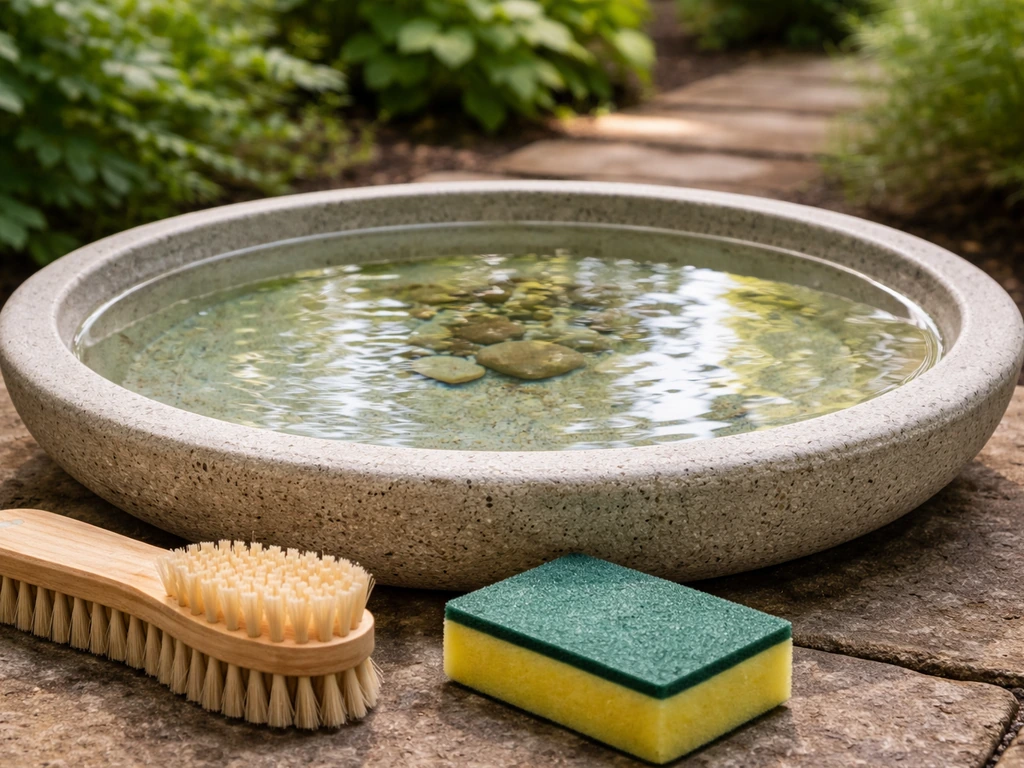
A bird bath is the simplest and most valuable addition to any backyard feeding setup. Keep it shallow: around 1.5 to 2 inches deep is ideal. Deeper than that becomes a drowning risk for small birds, and birds are generally reluctant to use it. Place the bath in a spot with some nearby cover (a shrub or low branch a few feet away works well) so birds can escape quickly if a predator appears, but keep it away from dense ground cover where cats can hide.
Cleaning is non-negotiable. The Iowa DNR recommends scrubbing bird baths and giving them fresh water at least once a week. In hot weather or during periods when sick birds have been reported in your area, increase that to every few days. The CDC specifically lists bird baths among outdoor containers to empty and scrub weekly to prevent mosquito larvae from developing, so your hygiene routine helps the birds and reduces mosquito habitat at the same time. Use a stiff brush and rinse thoroughly. Avoid soap residues, which can irritate birds' skin and eyes.
For feeders, a solid cleaning schedule matters just as much. All About Birds recommends cleaning feeders at least once every two weeks, and more frequently (weekly) in wet weather or if you notice sick birds at the station. Garden Wildlife Health's best-practice feeding guidance adds that feeders should be rinsed and disinfected as part of a regular routine, then returned to service only after they're fully dry. A mild bleach solution (one part bleach to nine parts water), followed by a thorough rinse and air dry, is the standard approach.
| Task | Recommended Frequency | Notes |
|---|---|---|
| Bird bath scrub and refill | At least weekly | More often in hot weather or disease outbreaks |
| Feeder cleaning | Every 1-2 weeks | Weekly during wet weather or illness reports |
| Remove uneaten food | Daily or every 2 days | Especially important for fruit, suet, and mealworms |
| Check for standing water | After every rain | Empty any containers to prevent mosquito breeding |
One thing that often catches people off guard: birds that have access to clean, running or dripping water use it far more than a static bath. A simple dripper attachment or a solar-powered fountain can dramatically increase how many birds visit and how often. Moving water also slows algae growth and discourages mosquitoes, which need still water to breed. It's a small investment with a big return for your feeder setup.
If you're ever curious about birds adapted to unusual water sources, it's interesting to note that some species have evolved solutions far beyond what we see at backyard baths. For instance, which birds can drink salt water is a question that reveals just how specialized avian physiology can be, though that's well outside what's relevant to your average backyard setup.
Baby birds, injured birds, and the most important rule
If you find a baby bird or an injured bird, the instinct to help by offering food or water is completely understandable, but acting on it can cause serious harm. Tufts Wildlife Clinic is direct: do not give food or water to a sick or injured bird, because feeding an incorrect diet can result in injury or death. This applies even to water. Pouring liquid into a bird's mouth can cause aspiration, where the liquid enters the airway instead of the stomach, which can be fatal. Wildlife welfare guidance is equally blunt: never put food or water into a bird's mouth.
The first step with any found bird is to place it in a dark, quiet, ventilated box (a shoebox with small air holes works), keep it warm, and contact a licensed wildlife rehabilitator as quickly as possible. The U.S. Fish and Wildlife Service and state wildlife agencies maintain lists of licensed rehabbers who know exactly what each species needs based on its age and condition. Attempting to feed a baby bird on your own, especially with bread and milk (a combination that shows up in well-meaning but dangerous online advice), can kill the bird faster than leaving it alone.
Baby birds that appear to need feeding almost always need species-specific food delivered in a species-specific way. A baby pigeon needs crop-milk-style feeding from its parents or a rehabber with the right formula. A baby robin needs insects. Neither needs cow's milk, goat's milk, or any dairy product. Getting it wrong at this stage is not recoverable.
Pet and household safety at feeders
If you have cats, dogs, or other pets with access to your yard, a few additional precautions matter. Cats are one of the leading causes of bird mortality in residential areas, so feeder placement that keeps birds out of easy pouncing range is critical. Elevated feeders and bird baths at least four to five feet off the ground, away from fences or structures cats can use as launch points, reduce the risk considerably.
If your pets come into contact with a sick or injured bird, wash your hands thoroughly with soap and water after any handling. The U.S. Fish and Wildlife Service emphasizes handwashing after handling wildlife as a basic public health measure. This matters for avian diseases that can occasionally transfer to other animals or humans. You don't need to panic, but basic hygiene reduces risk. Keep pets away from standing feeder water if a sick bird has been using the bath, and clean the bath immediately with a dilute bleach solution before allowing pet access.
There's a lot of curiosity around bird biology and what birds carry or produce, including questions about things like what bird saliva drinks are and whether any bird-derived substances have health implications. For most backyard birders the practical takeaway is simple: observe birds, provide clean water, skip the dairy, and wash your hands after handling anything bird-related. On that note, if you're wondering about whether bird saliva is good for you, the short answer in a backyard context is the same as always: hands off and hygiene first.
Quick reference: what to offer and what to avoid
| Item | Safe for Birds? | Notes |
|---|---|---|
| Fresh clean water | Yes | The only liquid wild birds need you to provide |
| Cow's milk | No | Causes lactose-related GI upset and dehydration |
| Goat's milk | No | Still contains lactose; same risks apply |
| Plant-based milk (almond, oat) | No | No lactose but no benefit; spoils and contaminates |
| Nectar (sugar water for hummingbirds) | Yes, species-specific | 1 part white sugar to 4 parts water; no dye |
| Suet, mealworms, seeds, fruit | Yes, species-appropriate | Match food type to feeder species |
| Bread and milk (for baby birds) | Absolutely not | A dangerous combination that can kill baby birds |
The bottom line on birds and milk
Birds cannot drink milk safely, full stop. No species. No amount that's reliably harmless. No milk type that sidesteps the problem. The harm comes from lactose intolerance that all birds share, and the secondary risks from spoilage make it a bad idea even from a feeder hygiene standpoint. What birds need is clean, fresh water in a well-maintained bath or fountain, appropriate species-specific food at clean feeders, and if they're injured or young, hands-off care and a quick call to a licensed wildlife rehabilitator.
One last thought: the "drinking bird" novelty toy that dips into a glass of water actually works on evaporation and fluid dynamics, not thirst. If you've ever wondered whether the drinking bird toy needs real water to function, that's a fun physics tangent entirely separate from your backyard bird care. For the real birds in your yard, skip the milk, keep the bath clean, and you're already doing more than most.
FAQ
What should I do if I accidentally put milk out for birds and they drank it?
Offer plain, clean water only. If you have milk residue on a feeder, bird bath, or container, remove it and then rinse thoroughly. For baths or shallow dishes, sanitize with a dilute bleach solution, rinse well, and let it fully dry before refilling.
If a bird already drank some milk, will it be okay, and when should I worry?
A single small sip is usually not worth immediate emergency action, but monitor closely for loose droppings, puffed-up posture, lethargy, or rapid weakness. Birds that become weak should be handled by a wildlife rehabilitator, not fed more fluids at home.
Should I give the bird extra water or other liquids after milk exposure?
Do not try to “fix” it with water poured into the beak or by offering any other drink. Aspiration risk is real, and the bigger danger is dehydration from diarrhea. The safer step is to keep access to clean water and contact a licensed rehabber if symptoms appear.
Is lactose-free milk safe for birds?
It is risky even if the label says lactose-free. Many products still include fat, proteins, additives, and sweeteners that can be inappropriate for birds, and the main article guidance still applies: dairy is not a safe feeder item.
Can birds drink almond milk or oat milk?
No. Even if it has no lactose, plant-based milks can still spoil quickly, attract insects, and foul feeder surfaces the same way dairy does. Also, birds do not need liquid calories when their normal foods provide moisture and energy.
What about baby birds, can I give them milk to help them survive?
For wild birds, treat baby and injured birds the same way on milk, do not offer it. The article notes that incorrect feeding can be fatal, and even water poured into a mouth can cause aspiration. Call a wildlife rehabilitator for species-specific direction.
Does “crop milk” mean pigeons can drink cow’s milk?
Crop milk is unique to pigeons and doves, produced by adult birds and fed by regurgitation. It does not translate to store-bought milk, and it does not mean these birds can tolerate lactose.
If I have a pet bird, can I give it milk if it is part of a health plan?
For pet birds, follow only what a licensed avian vet prescribes. Some medical supplements may be dairy-derived, but that is a controlled, diet-specific recommendation and not the same as serving milk outdoors or to wild birds.
What’s the best way to provide water that attracts the most birds?
Use a drip or fountain if possible, but you can start with a normal bath or clean dish. The key is frequent water refresh and sanitation, not the type of liquid. Moving or running water reduces algae and mosquito breeding compared with stagnant water.
How often should I clean the bird bath during hot weather?
Clean and sanitize more often if conditions are risky. Increase frequency during heat, after heavy rain, or if sick birds are reported nearby. If water looks cloudy, smells, or has visible scum, dump it, scrub the container, and refill with fresh water.
Do cats and other pets change how I should place feeders and bird baths?
Yes, and it matters for disease and hygiene. Put feeders and bird baths where cats cannot ambush, use elevated placement, and consider a clear zone of open ground. If you have pet birds, prevent their access to outdoor water sources that wild birds may contaminate.
What should I do if I find a bird that looks sick or injured in my yard?
If you find a sick or injured bird, keep it in a dark, ventilated container and contact a licensed rehabilitator quickly. Avoid homemade feeding and avoid offering any liquid by hand, since aspiration can be fatal.
Next Articles
What Bird of Prey Eats Pigeons: Common Raptors & ID Tips
Which raptors eat pigeons: peregrine, Cooper’s, goshawk, merlin, red-tailed, kestrels, owls; ID tips, risks and how to保护
Which Bird Eats Mice? How to Identify Mouse Predators
Identify which birds eat mice using hunting cues, time of day, calls, and perch habits, plus safe yard steps.
What Bird Eats Ducks? How to Identify Duck Predators
Identify which birds, like hawks and owls, prey on ducks and learn proof cues and humane steps to reduce risk.