Yes, bird-eating spiders can bite humans, but they almost never do it unprovoked and the bite is rarely a serious medical event. In most cases, a bite from a tarantula-type spider (the group most people mean when they say "bird-eating spider") causes pain similar to a bee sting, some local redness and swelling, and nothing more. No human deaths from tarantula venom toxicity have been reported. That said, identification matters, allergic reactions are a real risk, and a few simple steps after a bite or an unexpected encounter make a meaningful difference.
Do Bird-Eating Spiders Bite Humans? What to Expect

Maya Bennett
12 Jun 2026
What people actually mean by "bird-eating spider"
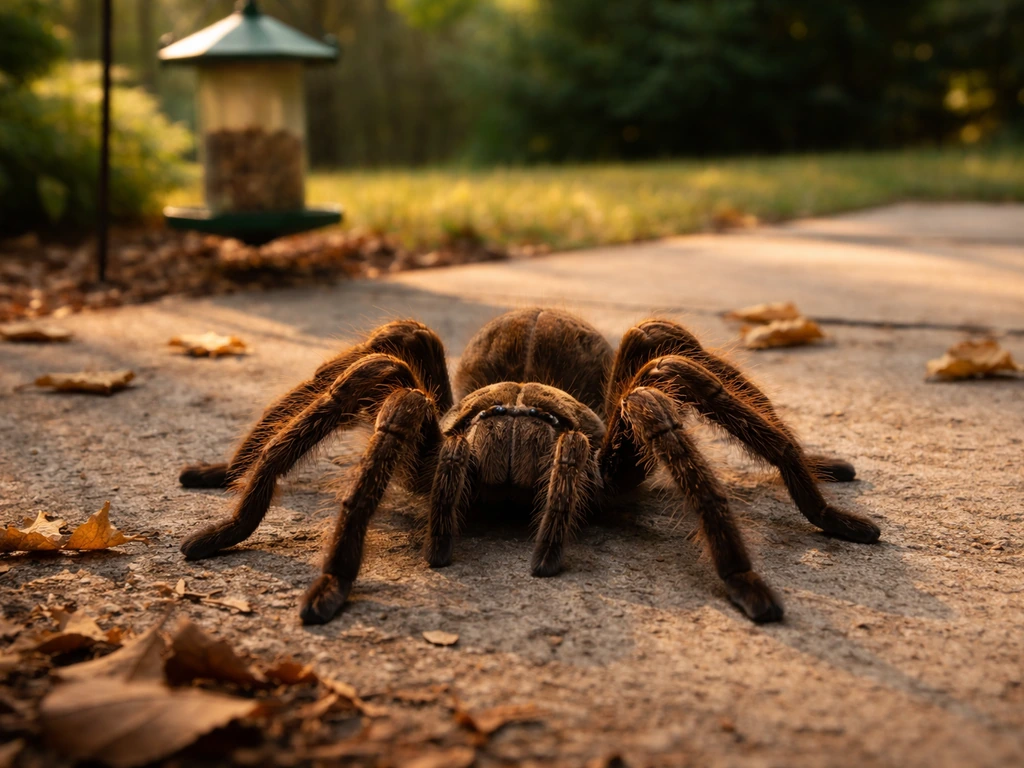
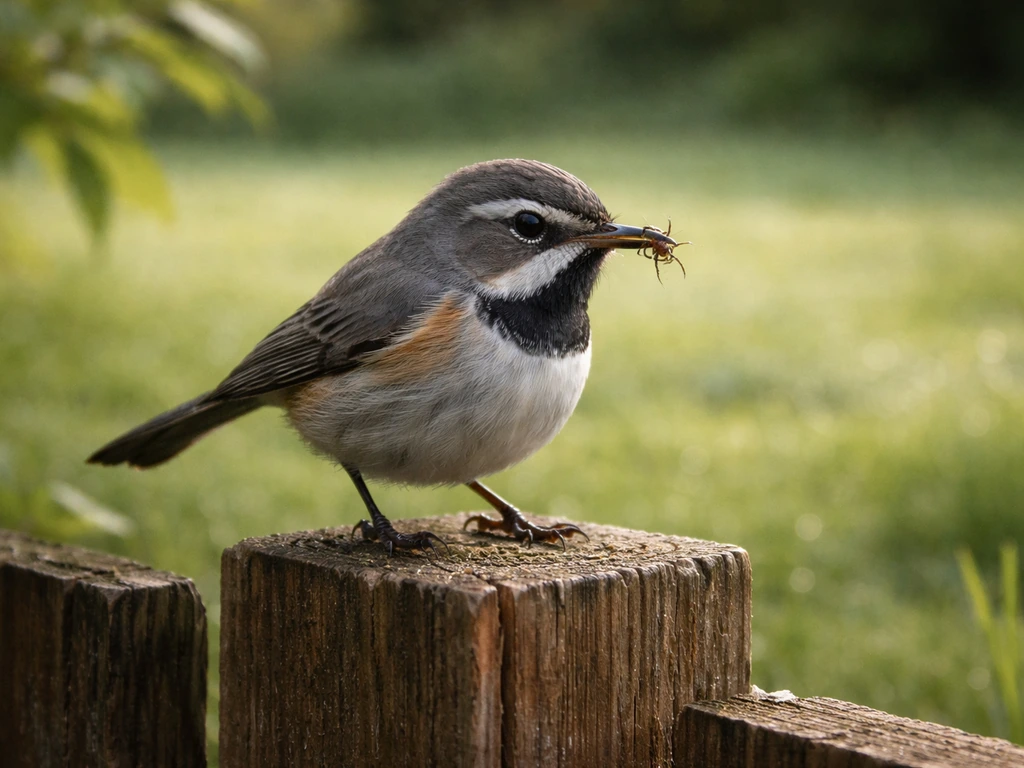
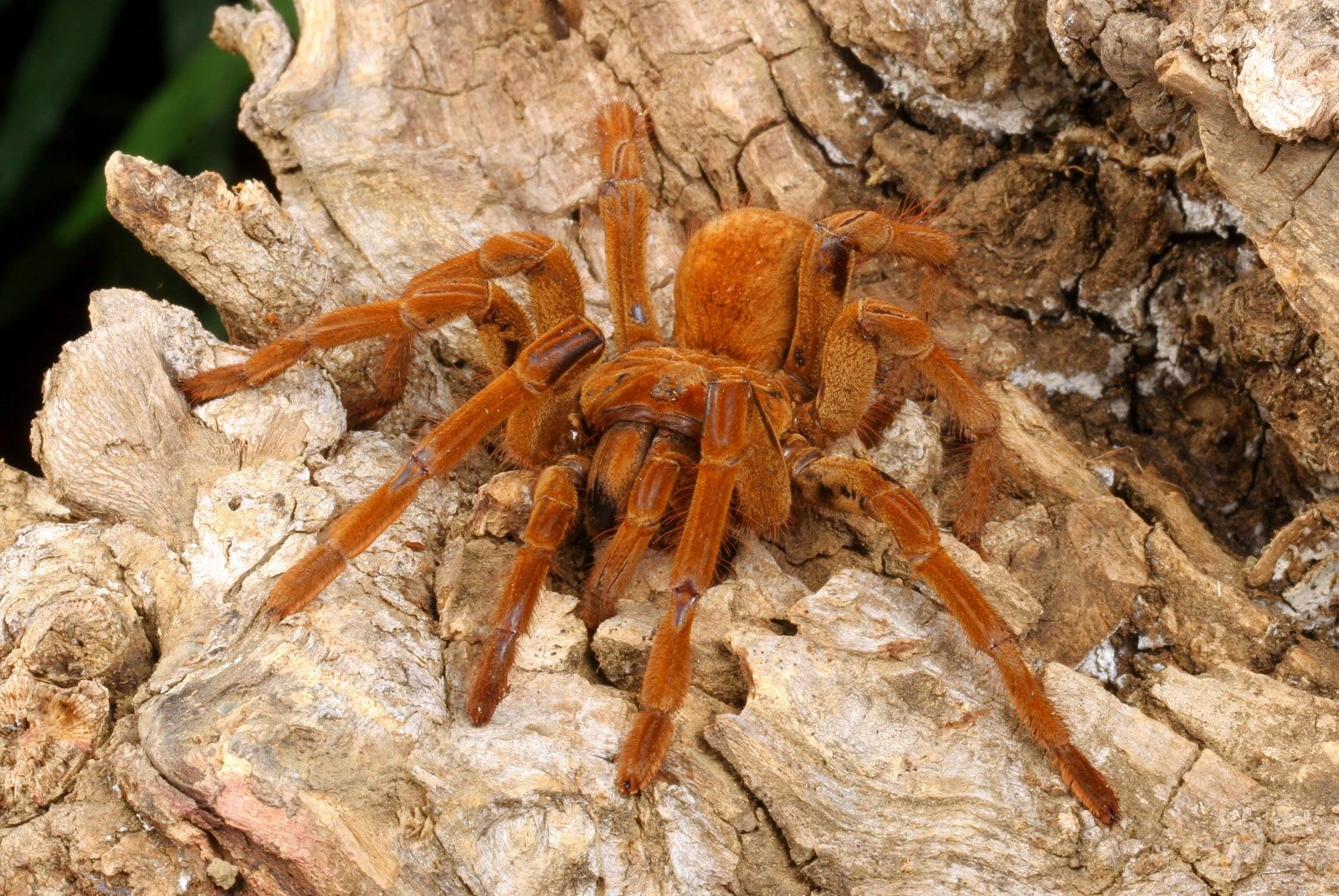
The phrase gets used loosely, but it almost always refers to large tarantulas in the family Theraphosidae. The most famous is the Goliath bird-eating tarantula (Theraphosa blondi) from South America, which got its name from an 18th-century engraving showing a spider near a hummingbird. The name stuck, but it's genuinely misleading. Even the Goliath birdeater doesn't eat birds regularly; at the Smithsonian National Zoo, they're fed cockroaches. Most tarantulas, including North American desert species, eat insects, and occasionally small lizards, mice, or scorpions. The U.S. National Park Service notes that desert tarantula diets include insects and can include small lizards, mice, or scorpions blank" rel="noopener noreferrer">Most tarantulas, including North American desert species, eat insects. Birds are not on the regular menu.
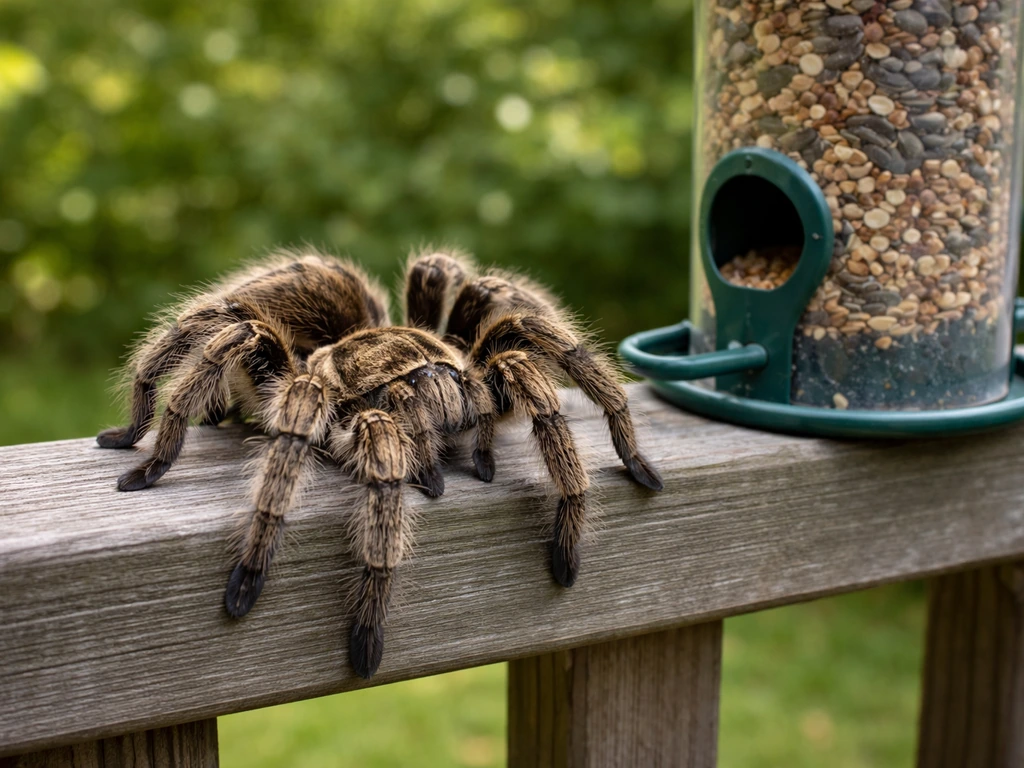
So if you're a backyard birder who found a large spider near your feeder and started wondering whether it's some kind of "bird-eating" predator gunning for your feathered visitors, the answer is almost certainly no. These spiders are not hunting birds at your feeder. If anything, the spider is there because your feeder setup (seed scatter, moisture, nearby mulch or wood) is creating good habitat for the insects that tarantulas actually eat. Worth knowing: the question of what birds eat spiders is a related one that comes up a lot in this context, and it's actually more relevant to feeder safety than the reverse.
How bird-eating spiders hunt and when bites might happen
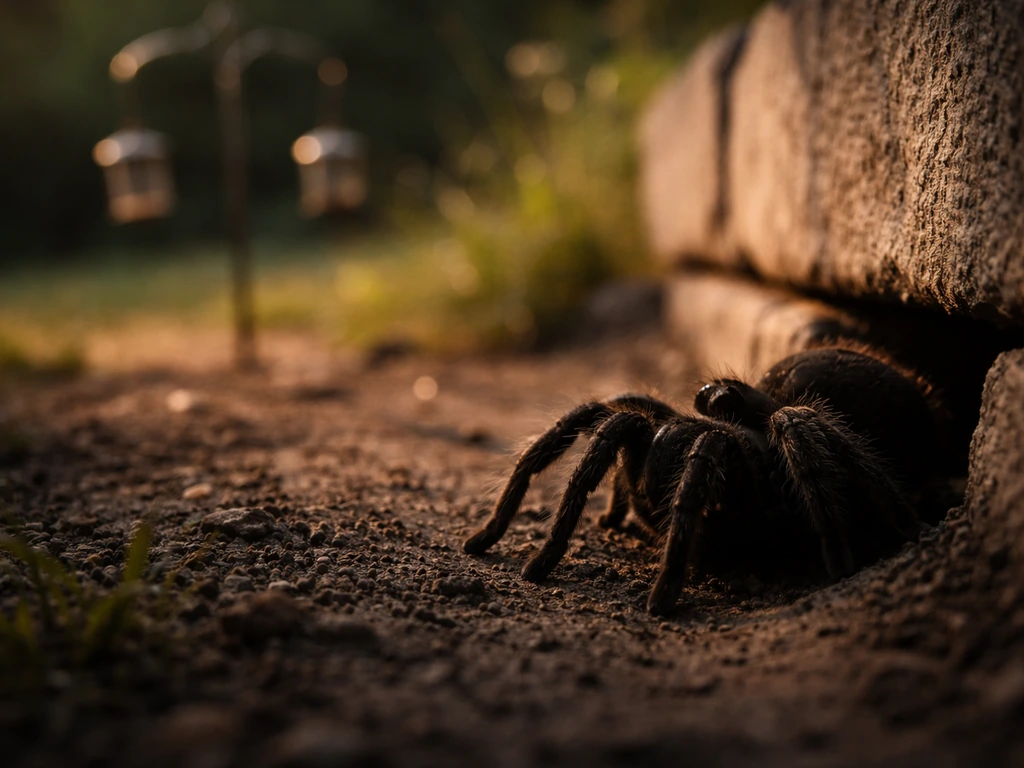
Tarantulas are ambush hunters, not aggressive pursuers. They sit at or near a burrow, wait for prey to wander close, and then strike. They are not interested in you. Bites to humans almost always happen in one of three situations: someone accidentally steps on or grabs the spider, someone tries to handle it (especially without experience), or someone disturbs a burrow without realizing it. The spider has no reason to come after you unless it feels trapped or threatened.
Spiders in general very rarely bite people. The American Academy of Pediatrics notes that most of the roughly 20,000 spider species in the U.S. can't even bite through human skin. Tarantula bites are uncommon enough that the American Association of Poison Control Centers recorded only 44 tarantula-related injury reports in all of 2018 across the entire United States, and just 17 of those required evaluation at a healthcare facility. That's a vanishingly small number.
One thing that genuinely surprises people: the bite itself isn't always the main hazard with tarantulas. Many New World species (including the Goliath birdeater) have urticating hairs on their abdomen that they flick when threatened. These tiny barbed hairs can cause itching, redness, and irritation on skin, or serious problems if they get into your eyes. People sometimes think they've been bitten when they've actually gotten a faceful of defensive hairs. The two exposures need to be handled differently.
What a bite typically feels and looks like
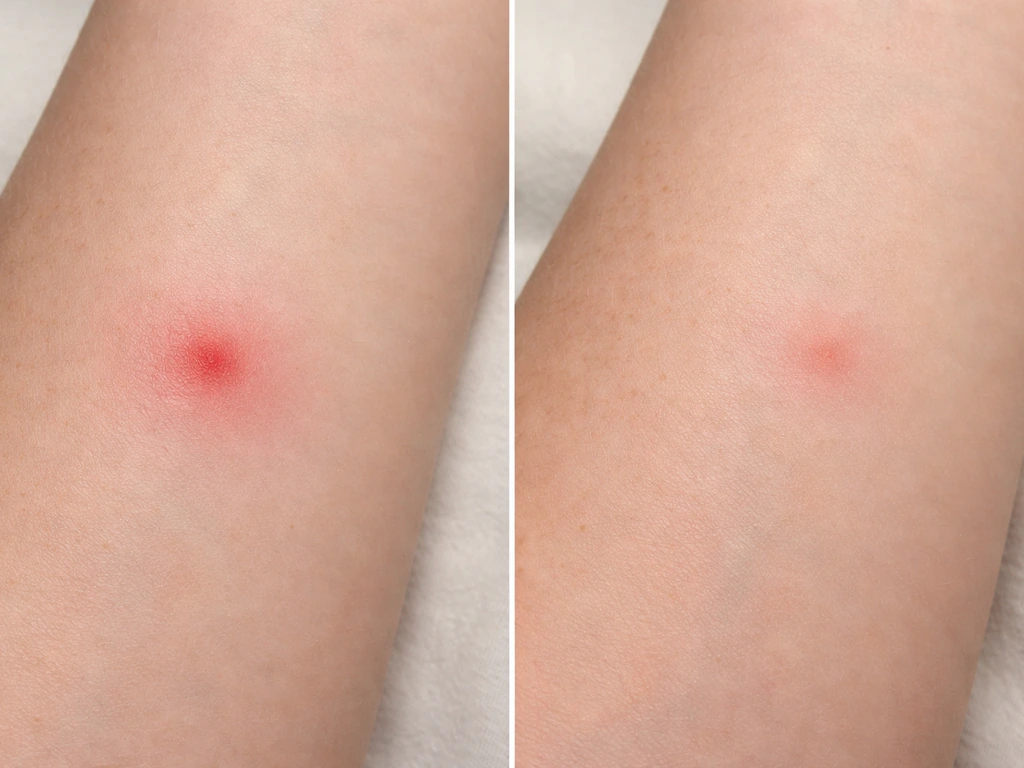
Most people describe a tarantula bite as feeling like a bee sting at the moment it happens, a sharp, localized pain at the bite site. Within an hour or two you'll usually see redness, mild swelling, and tenderness around the puncture. That's typically where it ends for North American species. The bite site may stay sore for a day or two, similar to a minor insect sting.
If the spider also flicked urticating hairs (common with species like the Chilean rose hair or the Goliath birdeater), you may notice a separate pattern of diffuse itching and raised welts that spread beyond the actual bite area. Eye contact with hairs causes more serious symptoms including significant inflammation and potential corneal damage, which is a medical emergency.
Exotic species kept as pets can have more potent venom than North American tarantulas, which is another reason identification matters. If you're bitten by someone's pet tarantula and you don't know the species, treat it more carefully than you would a wild desert tarantula you encountered in a U.S. Southwest park.
How serious are bites: when to actually seek medical care
For most healthy adults bitten by a North American tarantula, this is not a trip-to-the-ER situation. Poison Control describes tarantula venom effects in indigenous North American species as typically mild, usually causing only localized pain. No human deaths from tarantula venom toxicity have been documented.
That said, there are real high-risk scenarios where you should get medical attention promptly. An allergic reaction to spider venom can escalate quickly and is the main pathway to a serious outcome. Watch carefully for any symptoms that go beyond the bite site.
- Hives, widespread itching, or rash spreading away from the bite
- Swelling in the lips, tongue, face, or throat
- Difficulty breathing, wheezing, or chest tightness
- Dizziness, fainting, or nausea that doesn't settle quickly
- Bite victim is a young child, elderly, pregnant, or immunocompromised
- Hair flicked into the eyes (seek eye care quickly regardless of severity)
- Bite from an unidentified exotic or non-native species
- Symptoms that are worsening rather than improving after a few hours
If any of those apply, call 911 or go to the emergency room. For anything that feels like a routine local sting reaction, call Poison Control (1-800-222-1222 in the U.S.) for real-time guidance before you decide whether to go in. Florida Poison Information Center and Poison Control both emphasize that most spider-bite calls don't require emergency care, but calling gets you personalized advice fast.
What to do right now: after a bite or if you find one nearby
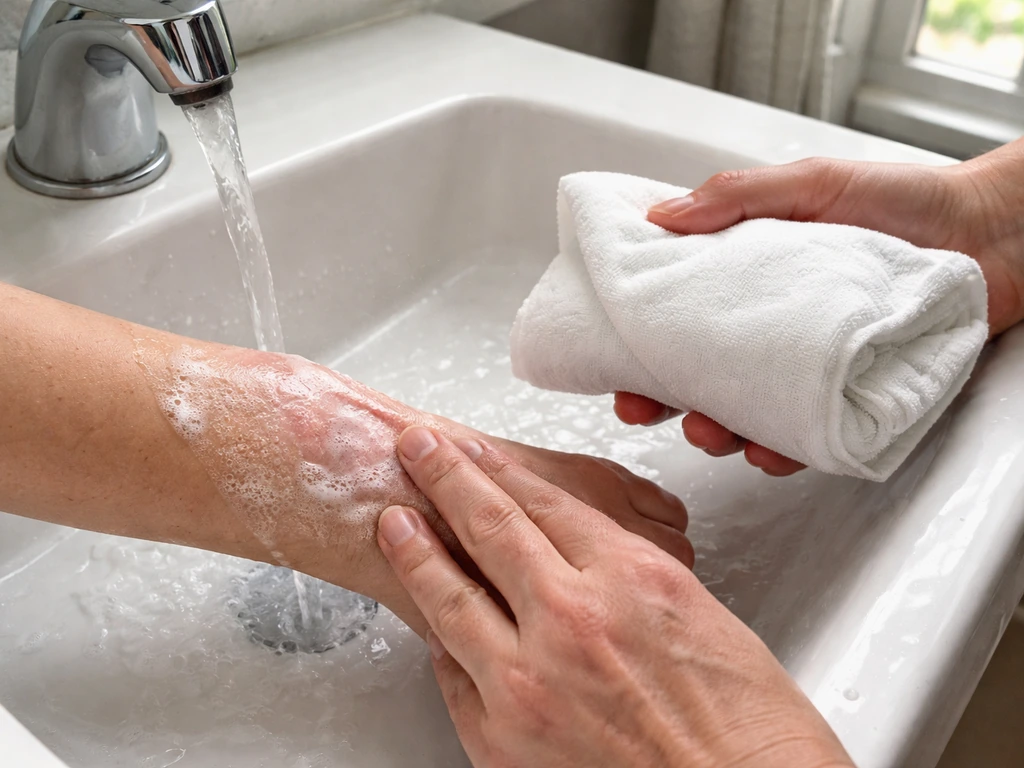
If you've just been bitten
- Move away from the spider calmly so it doesn't bite again.
- Wash the bite site immediately and thoroughly with soap and water.
- Apply a clean ice pack or a wet compress to the area to reduce swelling and pain.
- Take an over-the-counter pain reliever (ibuprofen or acetaminophen) if needed.
- Do not cut into the bite or try to squeeze out venom. This does nothing useful and increases infection risk.
- Call Poison Control (1-800-222-1222) and describe what happened, the spider if you saw it, and your current symptoms.
- Monitor yourself for the red-flag symptoms listed above for at least a few hours.
- If hair-flicking happened and hair got near your eyes, rinse thoroughly with clean water and seek eye care promptly.
If you've found the spider but haven't been bitten
Don't touch it. Seriously, the bite risk goes to near zero if you just don't handle the spider. If it's outdoors and not in a high-traffic area, the simplest option is to leave it alone. If it needs to be moved, use a large container and a stiff piece of cardboard to guide it in without direct contact, then release it well away from the house. If it's inside your home and you're not comfortable with the container method, call a pest control professional or your local animal control office. Many areas have wildlife relocation resources that handle this for free.
Prevent bites at home: feeders, pets, and habitat
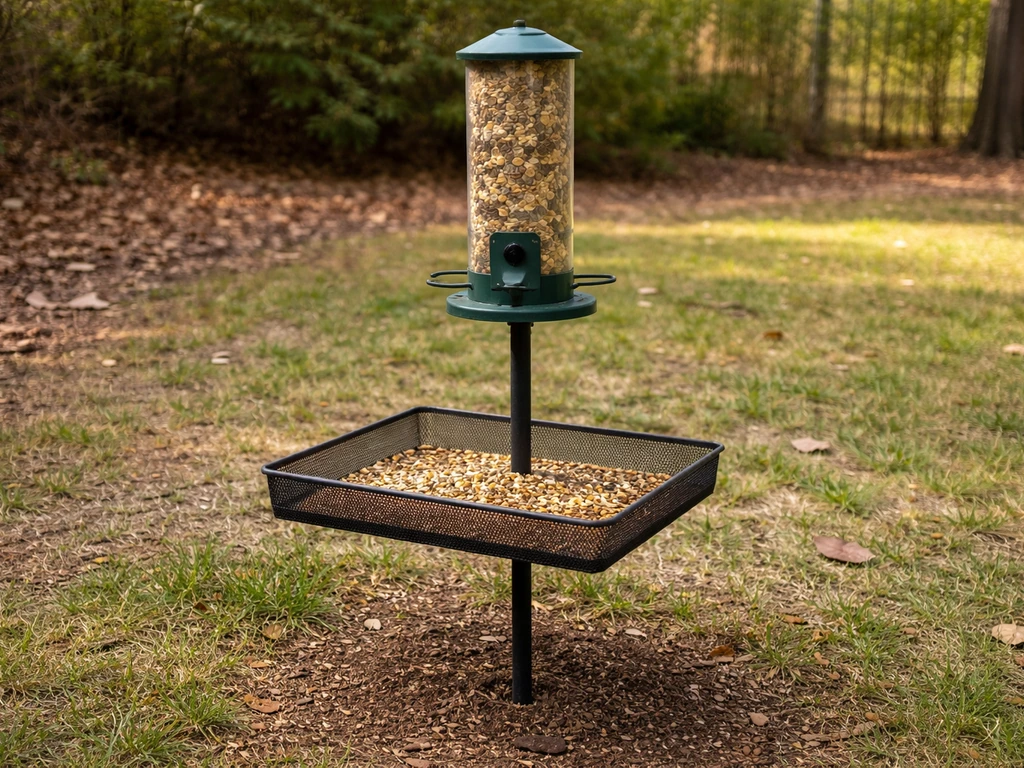
If you're a backyard birder and you're seeing large spiders near your feeders, the habitat around your feeder setup is probably the cause. These spiders can show up near feeders in Australia too, but the behavior and bite risk are driven by the same general habits like defensive biting and feeding mostly on insects large spiders near your feeders. Scattered seed creates insect activity. Insects attract tarantulas and other large spiders. Moisture from feeder drip, mulch piles, log stacks, and dense low ground cover all create ideal spider habitat. Reducing those attractants reduces spider presence.
- Use a seed tray or catch platform under feeders to reduce ground scatter; clean it weekly.
- Move firewood, log piles, and thick mulch at least 10 feet away from the house and high-traffic areas.
- Keep grass trimmed short in the area around feeders and sitting areas.
- Seal gaps at ground level around sheds, decks, and foundations where spiders can burrow.
- Check shoes and gardening gloves before putting them on, especially if they've been left outdoors.
- Wear gloves when moving debris, turning compost, or clearing dense brush near the feeder area.
Keeping pets safe
Dogs and cats are at more risk from a tarantula encounter than a healthy adult human is, partly because they're more likely to paw at or mouth the spider, and partly because their smaller body mass means venom has proportionally more impact. If your pet gets bitten or contacts urticating hairs (especially around the muzzle or eyes), call your vet or an animal poison control line right away. Keep an eye on your pet in the same way you'd watch yourself: local swelling is expected; drooling, lethargy, pawing at the face, or difficulty breathing means get to a vet fast.
A quick myth-bust before you go
The idea that a "bird-eating spider" is some kind of turbo-aggressive predator that actively hunts warm-blooded things is not accurate. These spiders are more scared of you than you are of them, they eat mostly insects, and they bite defensively only when they feel they have no other option. Understanding what these spiders actually eat and whether they're even found in your region (range varies enormously by species) is worth checking before you panic. Whether they're poisonous in a medically significant way is a separate and genuinely interesting question, but for North American species encountered in a backyard setting, the practical answer is: mild effects, rare bites, easy first aid, and know when to call for help.
| Situation | What to do | When to escalate |
|---|---|---|
| Bite, mild sting-like pain only | Wash with soap/water, ice pack, OTC pain reliever, call Poison Control | If symptoms worsen or don't improve within a few hours |
| Bite with hives, swelling, breathing changes | Call 911 or go to ER immediately | This IS the escalation; don't wait |
| Hair flicked onto skin | Wash area with soap and water, avoid rubbing | If rash spreads widely or symptoms don't settle |
| Hair in the eyes | Rinse with clean water immediately | Seek eye care promptly regardless of initial severity |
| Spider found near feeder/indoors | Do not handle; use container method or call professional | If spider cannot be safely contained |
| Pet exposed (bite or hair contact) | Call vet or animal poison control | Any breathing changes, lethargy, or facial swelling in pet |
FAQ
How can I tell the difference between a real tarantula bite and urticating hairs in the face?
If symptoms look like skin welts and intense itch that spreads beyond a small puncture, urticating hairs are more likely. If there is a clear puncture with localized pain and swelling, that points more toward a bite. If hairs got into the eyes, treat it as urgent even if you are not sure, because eye involvement can worsen quickly.
What should I do first at home if I think I got bitten by a tarantula?
Wash the area with soap and water, then apply a cool compress for short periods to reduce pain and swelling. Avoid tight bandages or cutting the skin, and remove rings or tight items near the area in case swelling increases. If symptoms spread, worsen rapidly, or you have breathing trouble, skip home care and seek emergency help.
When is a tarantula bite more likely to require ER care?
Go urgently if you have trouble breathing, widespread hives, facial or tongue swelling, faintness, vomiting, or rapidly escalating symptoms beyond the bite site. Also treat eye exposure as an emergency. Local sting-like reactions that stay confined usually do not require ER evaluation, but they can still justify a quick Poison Control call.
Is it safe to try to catch or relocate a tarantula myself?
It is safest not to handle it, because most bites happen during grabbing, stepping on it, or attempts to manage a burrow. If relocation is necessary, use a large container plus stiff cardboard to trap and guide it without direct contact, and release it away from the house. If the spider is indoors and you do not have a container setup, contact animal control or pest management.
Do tarantulas bite more in certain seasons or at night?
Bites are most likely during accidental contact or disturbances, not because they become “more aggressive” seasonally. That said, you may notice more encounters when spiders are moving around, such as during cooler evenings when prey activity is high. Reducing outdoor insect attractants and sealing entry points can lower encounters during peak activity periods.
What if the tarantula is someone’s pet, not a wild spider?
Treat unknown pet species with extra caution, especially if you cannot confirm it is a North American tarantula. Venom potency and the chance of urticating hairs can differ by species. If possible, note the enclosure labeling or take a photo (without handling) and tell Poison Control or clinicians what you can identify.
Can a tarantula bite cause anaphylaxis?
Yes, a venom-related allergic reaction is the main pathway to a serious outcome. The key is timing and severity: if symptoms go beyond localized pain, such as breathing issues, swelling of lips or face, or generalized hives, treat it as an emergency rather than waiting to see if it improves.
If my child gets stung or bitten, does the same guidance apply?
Basic first aid is similar, but dosing and risk assessment should be more cautious for kids, especially with unknown exposures or eye involvement. If your child develops symptoms beyond localized redness and pain, contact Poison Control promptly for real-time guidance and escalation decisions.
How do I reduce tarantulas near feeders without harming beneficial insects?
Control the attractants rather than trying to remove the spiders directly. Reduce scattered seed, fix feeder leaks that add moisture, and avoid dense mulch or woodpiles right against entrances and feeder areas. A drier, less “insect-rich” zone around the feeder usually lowers spider traffic over time.
Are dogs and cats at higher risk than humans, and what signs should I watch for?
Yes. Pets are more likely to mouth the spider or contact urticating hairs, and their smaller body size means effects can become more significant. Expect localized swelling, but seek veterinary care fast for drooling, lethargy, pawing at the face, eye irritation, or breathing difficulty, and call an animal poison resource for guidance.
Does “bird-eating” mean they eat birds at my feeder?
No. The name is misleading, most tarantulas eat mainly insects, and they are not actively hunting birds at backyard feeders. If you see a large spider near a bird feeder, it is usually because the setup supports insects and provides cover, not because birds are a target.