Wrens, robins, bluebirds, and swallows are the birds most likely eating spiders in and around your yard right now. These and a handful of other insectivorous species treat spiders as a regular, protein-rich part of their diet, not an occasional accident. If you're watching a small bird darting through shrubs, hovering near a web, or dropping to the ground near a garden wall, there's a real chance it's hunting spiders rather than just any old insect.
What Bird Eats Spiders? Identify Spider-Eating Species

Maya Bennett
4 Jun 2026
Common spider-eating birds to watch for
Most of the birds that eat spiders are generalist insectivores, meaning spiders show up alongside beetles, caterpillars, and flies in their diet rather than being a specialty. That said, some species are more consistent spider hunters than others, and knowing which ones to expect near your home makes identification a lot easier.
| Bird | Region | How it hunts spiders | Where you'll see it |
|---|---|---|---|
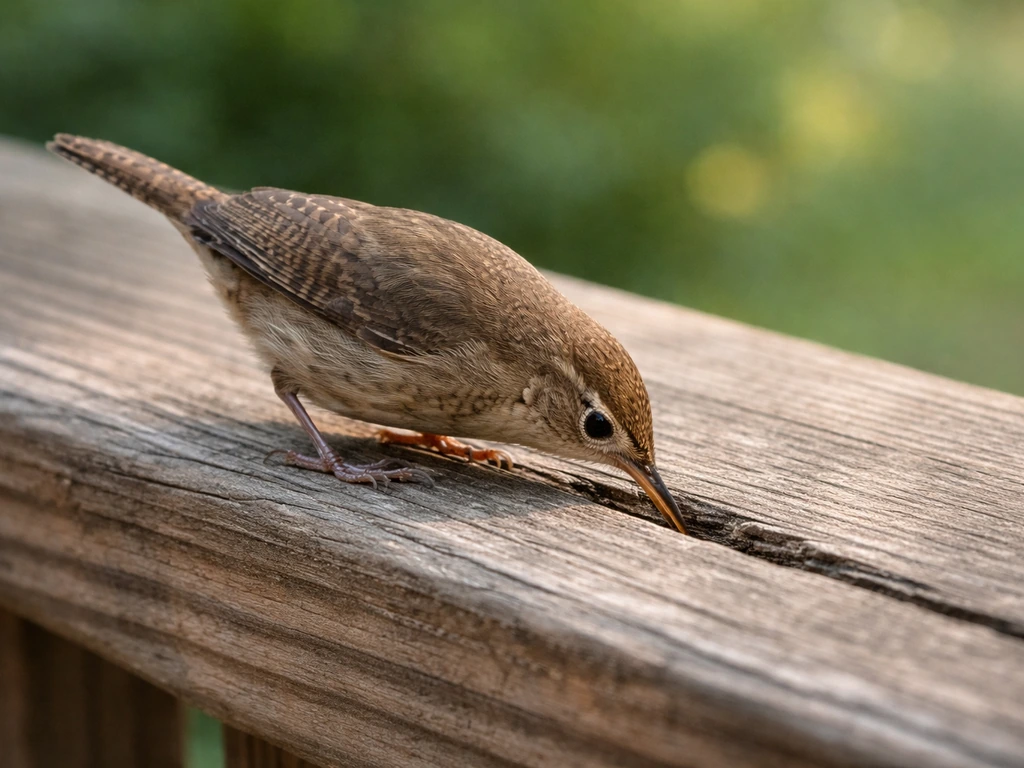
| House Wren (Troglodytes aedon) | North America | Gleans from foliage, crevices, and ground debris | Shrubs, garden edges, nest boxes near homes |
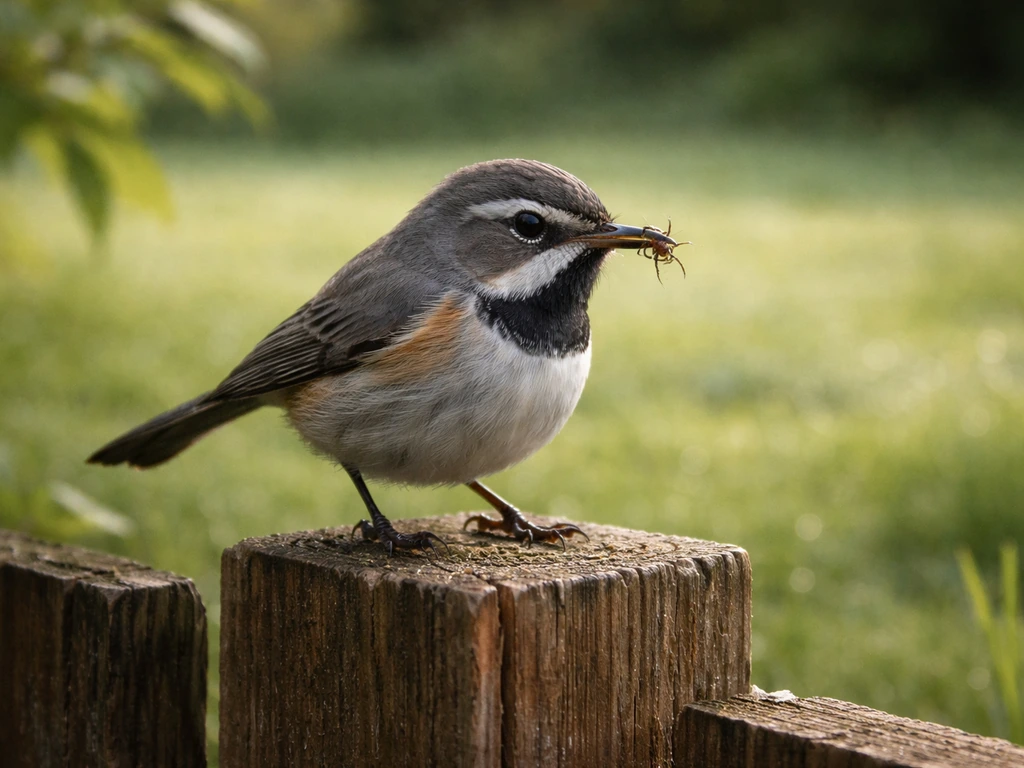
| Eastern Bluebird (Sialia sialis) | North America (east) | Spot-and-drop from perch, can sight prey from 60+ feet | Open lawns, fence posts, orchard edges |
| American Robin (Turdus migratorius) | North America | Ground foraging, probing leaf litter | Lawns, garden beds, under trees |
| Northern Cardinal (Cardinalis cardinalis) | North America | Perch foraging, known to steal prey directly from webs | Shrub edges, feeders, wooded yards |
| Barn Swallow / House Martin / Common Swift | North America, Europe | Aerial hawking, captures ballooning spiders mid-air | Open sky above yards, farms, buildings |
| Yellow Thornbill / Slender-billed Thornbill | Australia | Gleans insects and spiders from shrubs | Scrub edges, urban park margins, native gardens |
| Eastern Phoebe / other flycatchers | North America | Sally-and-return from perch, takes low-flying and web-associated prey | Fence posts, porch rails, woodland edges |
| Song Sparrow / various sparrows | North America | Ground and low-shrub foraging | Dense ground cover, garden borders |
The Cornell Lab lists spiders explicitly among the documented prey of the Eastern Bluebird, and the American Bird Conservancy confirms the same for American Robins, which eat spiders alongside earthworms and snails especially during spring and summer. House Wrens are particularly relevant for backyard spider watchers because they nest close to human homes, often in nest boxes, and actively forage through garden debris where spiders concentrate.
If you're in Europe, House Martins and Common Swifts are the birds most likely catching aerial spiders (ballooning spiderlings and adults drifting on silk threads) above your roofline. blank" rel="noopener noreferrer">Faecal-sac diet studies of breeding House Martins, Barn Swallows, and Swifts have confirmed spiders among the aerial arthropods these birds consume during the June through September breeding period. In Australian backyards and scrub-edge gardens, small thornbills and scrubwrens fill the same niche, gleaning spiders from shrubs and ground cover. These Australian birds can also be observed hunting spiders in leaf litter and shrubs throughout the year In Australian backyards and scrub-edge gardens, small thornbills and scrubwrens.
How to confirm it's spiders (signs, behavior, foraging spots)
The most reliable way to confirm a bird is eating spiders is to watch it handle one directly. That sounds obvious, but it's worth saying because a lot of people assume based on proximity to webs alone, and that can mislead you. Look for these specific cues instead.
- The bird physically picks something off a web or from a web-anchor point on a plant, fence, or wall, then flies off or swallows it
- You see the bird repeatedly returning to the same spider-rich spot (corner of a porch, underside of a leaf, gap between fence boards) where orb weavers or cobweb spiders are known to live
- A previously occupied web looks disrupted, missing its occupant, with no prey insects visible to explain the spider's departure
- You catch a House Wren or robin turning over leaf litter and stopping sharply before picking something up that it holds and beats briefly before swallowing (spiders often get this treatment to immobilize them)
One word of caution: disturbed or missing web decorations alone don't confirm bird predation. Research on orb-weaving spiders shows that web decorations (the white silky bands some spiders add) can look like bird droppings due to the spider's own mimicry, and a spider may have simply moved or consumed its decoration itself. Similarly, what looks like a bird dropping near a web might actually be a spider using bird-dropping mimicry as camouflage. The only real confirmation is watching the bird interact with and remove the spider itself.
Northern Cardinals have been observed perching directly on Jorō spider webs and stealing prey from the web, a neat documented example of the kind of specific behavior to watch for. If you see a cardinal (or any mid-sized bird) landing on or hovering near a large orb web and working at the silk, that's a strong behavioral cue.
How they hunt spiders: web vs foliage vs aerial hunting
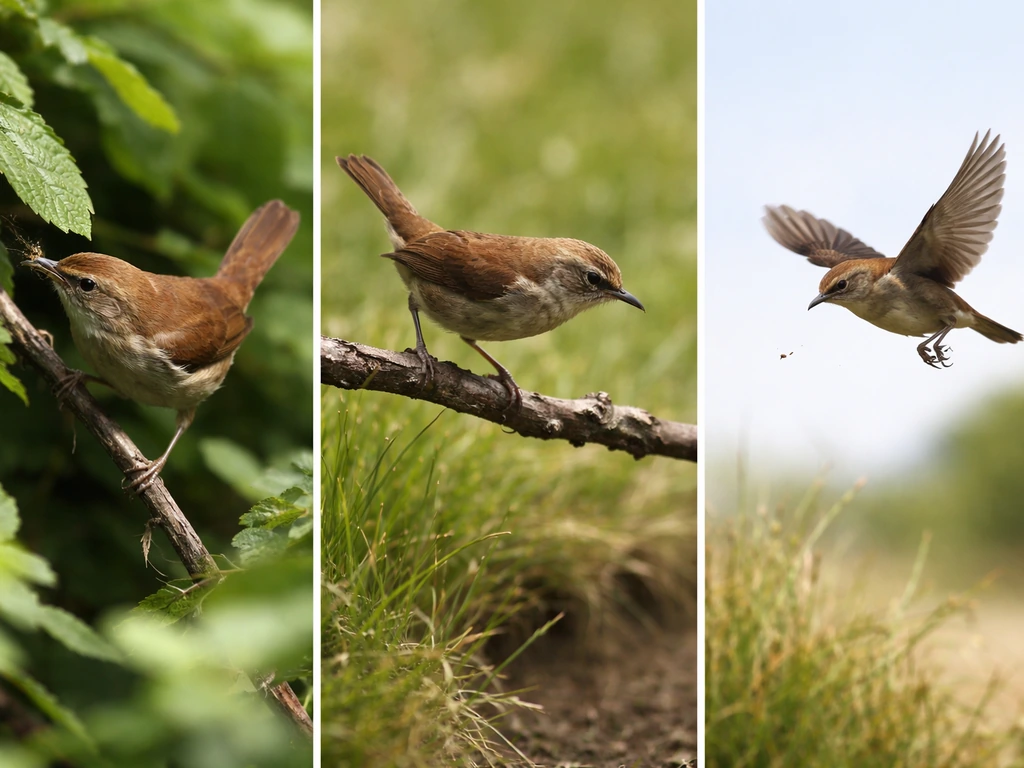
Different birds use very different techniques, and matching the hunting style to the bird is one of the most useful ID shortcuts available.
Gleaning from foliage and crevices
House Wrens, thornbills, and Song Sparrows work through dense vegetation at close range, turning over leaves, probing bark gaps, and investigating the underside of surfaces where hunting spiders wait. This is patient, systematic foraging. The birds move slowly and methodically compared to aerial hunters and tend to stay within a meter or two of a surface the whole time.
Spot-and-drop from a perch
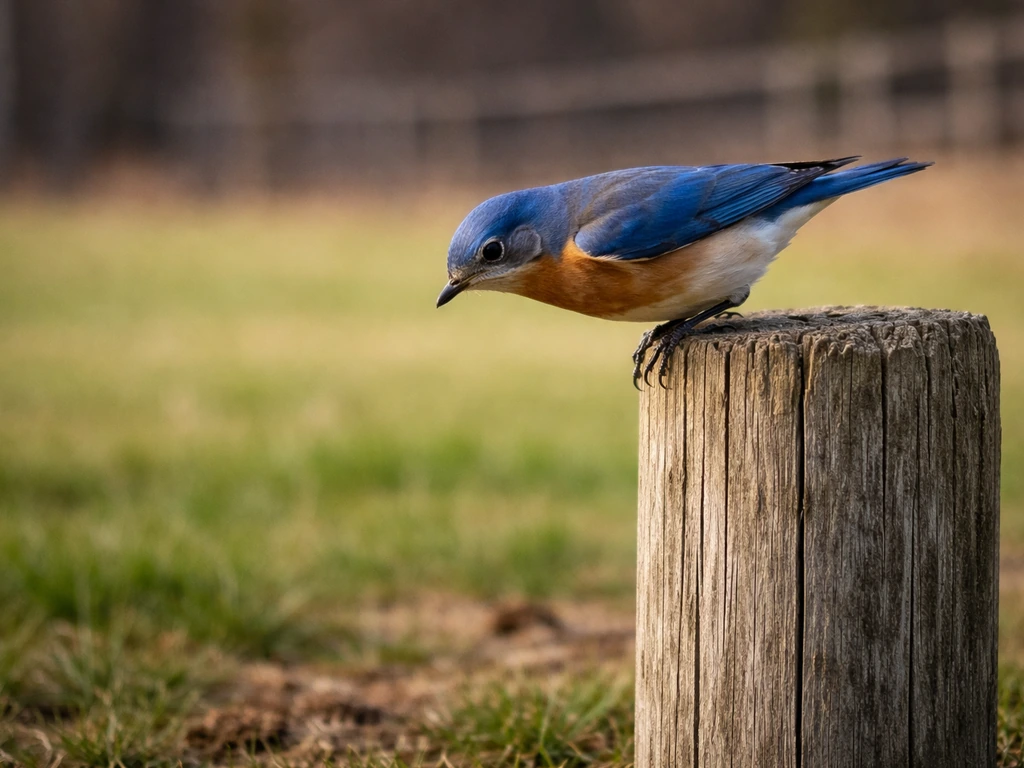
Eastern Bluebirds are classic perch hunters. They sit still on a fence post, power line, or low branch, scan the ground or nearby vegetation, and then drop onto prey. Their documented ability to spot small prey from 60 feet or more is impressive, and it applies to spiders moving on the ground or on low plants just as it does to insects. After grabbing the spider, a bluebird usually returns to a perch to beat and swallow it.
Ground foraging and leaf-litter turning
Robins and thrushes work the ground methodically, using both sight and sound to locate prey under and within leaf litter. American Robins eating spiders in spring and summer are doing exactly what they do when hunting earthworms: moving in short hops, stopping, tilting the head, and then striking fast. Ground-dwelling and wandering spiders are highly vulnerable to this.
Aerial hawking
Swifts, swallows, and House Martins catch spiders that are ballooning, which is when spiderlings or small adult spiders release silk threads to drift on wind currents and disperse. These aerial hunters don't distinguish a ballooning spider from any other small airborne arthropod. They simply snap up everything above a certain minimum size. If you see swallows or martins wheeling overhead in late summer, some of what they're catching is almost certainly spiders.
Web association and kleptoparasitism
Some birds, as with the documented Cardinal-on-Jorō-web case, associate directly with spider webs to steal trapped prey or the spider itself. Flycatchers will sometimes perch near webs and take prey items the spider has cached. This is worth watching for around large orb weavers in gardens during late summer.
Will birds reduce spiders in your yard? What affects success
This is the honest answer: yes, birds can reduce spider numbers in your yard, but the effect is real, not guaranteed. A landmark natural experiment comparing Guam (where introduced snakes wiped out native birds) to nearby islands with healthy bird populations found spider web densities were 40 times greater on Guam during the wet season, and 2.3 times greater during the dry season. That's compelling evidence for top-down bird pressure on spider populations at a landscape level. But your backyard isn't Guam, and the effect in a typical suburban garden will be softer.
A review of experimental studies confirms that bird predation does measurably affect spider populations in multiple tested systems, but the effect size varies by habitat, season, spider species, and bird community. In other words, one robin visiting your garden occasionally won't eliminate a well-established population of cellar spiders, but a year-round community of wrens, bluebirds, and robins foraging regularly in a diverse yard will keep spider numbers in check far better than a sterile lawn with no bird habitat at all.
What makes a difference in your specific yard: dense native plantings (more foraging habitat, more spider prey concentrated where birds can reach it), year-round water sources that keep birds present even outside breeding season, and reducing pesticide use so the broader arthropod food web stays intact. Pesticide-heavy gardens lose the insect diversity that keeps insectivorous birds visiting, which ironically allows spider populations to recover unchecked.
How to attract and support spider-eating birds today
You don't need a major garden overhaul. A few targeted changes will make your yard significantly more attractive to the wrens, bluebirds, robins, and swallows most likely to reduce spiders.
- Add a water source: a clean, shallow birdbath kept filled and changed every two to three days brings in robins, bluebirds, and wrens faster than almost anything else. Dirty standing water repels birds and breeds mosquitoes, so keep it fresh.
- Plant native shrubs and perennials: dense native plantings create the layered habitat where wrens and sparrows forage for spiders. Aim for plants with varied leaf structure at multiple heights, from ground cover to head height.
- Put up a nest box: House Wrens will take a simple 1.25-inch-entrance box placed 4 to 10 feet off the ground near a garden border. Bluebirds need a 1.5-inch entrance. Both species will then forage the surrounding area actively during breeding season.
- Leave some leaf litter: a layer of dead leaves under shrubs is prime habitat for the ground spiders robins and wrens hunt. Raking everything bare removes the foraging habitat.
- Stop or reduce pesticide use around the garden: this is the single change with the biggest impact. Insectivorous birds need a functioning arthropod community, and broad-spectrum insecticides undermine the food web that keeps them feeding in your yard.
- Place feeders thoughtfully: feeders bring birds into the yard, but position them within 3 feet or more than 30 feet of windows to reduce strike risk. Feeders placed 3 to 30 feet from glass are in the highest-risk zone for fatal window collisions.
Safe feeder and seed practices (and what not to feed)
One of the quickest ways to undermine your spider-eating bird visitors is to run a dirty or badly stocked feeder. Moldy seed, wet hulls, and bird droppings accumulating on feeder trays create conditions for spreading salmonella, avian pox, and other infectious diseases that kill the birds you're trying to support. Cornell Lab's guidance is straightforward: clean feeders regularly (at minimum every two weeks, or more often in warm humid weather) with a dilute bleach solution, rinse thoroughly, and let them dry before refilling.
Seed quality matters too. Once a seed bag is open, store it in a sealed container in a cool, dry spot. Seed left in a hot garage or damp shed goes rancid and develops aflatoxin mold that can be lethal to birds. If seeds clump, smell musty, or look discolored, throw them out.
What not to feed
- Dry bread: a widely repeated 'don't' in bird feeding guidance. Bread fills birds up with almost no nutritional value and discourages them from foraging for the insects and spiders they need, especially during breeding season when nestlings require high-protein prey.
- Spoiled or rancid seed: check bags before buying and again before filling feeders. If it doesn't smell clean and neutral, don't use it.
- Table scraps with salt or cooking fat: salt is genuinely harmful to small birds at levels that would barely register for humans.
- Whole peanuts in shells during spring/summer: adult birds have choked nestlings by bringing whole peanuts to the nest. Use crushed or shelled peanuts if you offer them at all during breeding season.
- Supplemental 'live' food from unknown sources: some people try to offer spiders or insects as supplement. Unless they're from a reputable, pesticide-free supplier, the risk of introducing residual pesticide contamination isn't worth it.
Squirrel management is worth mentioning here too, because squirrels raiding feeders displace the smaller insectivorous birds (wrens, sparrows, bluebirds) most likely to be hunting spiders nearby. A baffle on a pole-mounted feeder and positioning feeders at least 10 feet from anything a squirrel can jump from will protect your feeder birds more consistently than any deterrent spray.
Quick ID guide: matching bird traits to spider-prey hunting
Use this as a fast reference when you're watching a bird in the yard and wondering whether it's likely hunting spiders.
| What you see the bird doing | Most likely bird(s) | Spider-hunting method | Confidence level for spider prey |
|---|---|---|---|
| Hovering near or landing on a large orb web | Northern Cardinal, flycatcher | Web association / kleptoparasitism | High if it handles the spider or web prey |
| Dropping from a fence post or wire to the ground, returning to perch | Eastern Bluebird, Eastern Phoebe | Spot-and-drop from perch | Moderate to high (confirm by watching it handle prey) |
| Moving through shrubs 1–3 feet off ground, probing under leaves | House Wren, Song Sparrow, thornbill | Gleaning from foliage | High in garden/shrub edges |
| Hopping on lawn, stopping to tilt head, striking downward | American Robin, thrush | Ground foraging | Moderate (also earthworms, but spiders confirmed in diet) |
| Wheeling overhead, catching prey in flight | Barn Swallow, House Martin, Common Swift | Aerial hawking | Moderate (aerial spiders/ballooning spiderlings among prey) |
| Working through leaf litter pile or turning debris near wall base | House Wren, robin, sparrow | Ground / debris foraging | High for ground-hunting spiders |
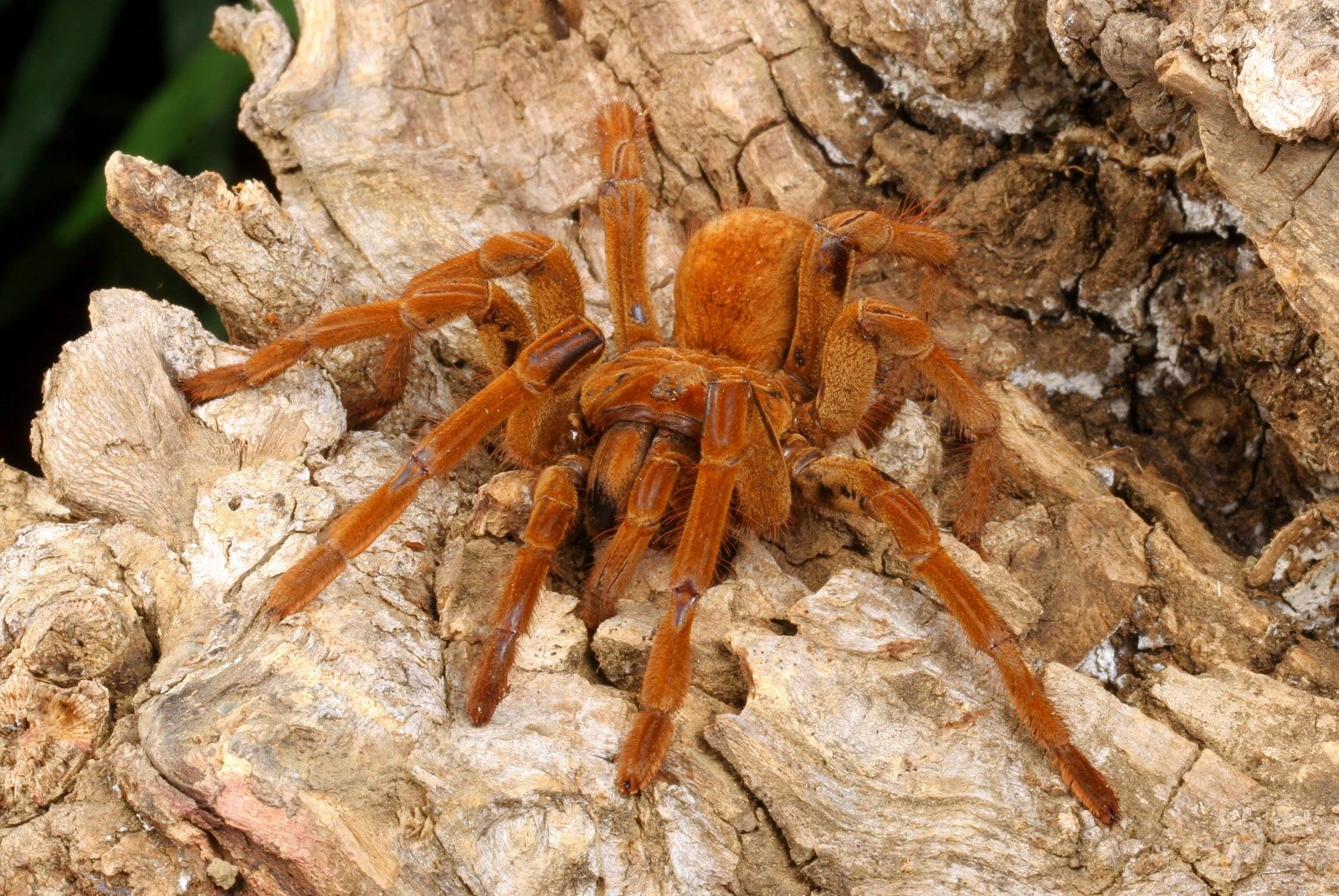
A quick note on the spider side of this equation: the spiders most likely to be taken by backyard birds are the ones that are visible and accessible, wandering hunters on the ground (wolf spiders, jumping spiders), small orb weavers on low vegetation, and ballooning spiderlings in open air. Large, well-anchored web spiders in protected corners are lower-priority targets unless a bird specifically learns to exploit that location. And despite the name, 'bird-eating spiders' like the Goliath birdeater spend their time on forest floors hunting small vertebrates and invertebrates, not actually hunting birds. These birds do not eat birds; the phrase “bird-eating spiders” is about spiders that may hunt small vertebrates like birds, not that birds themselves are feeding on birds do bird eating spiders eat birds. The related questions of whether those spiders bite humans or whether they're found in Australia are separate topics worth knowing about if you're working through spider concerns more broadly. Some spiders that birds eat can bite humans, but the risk depends on the species and location whether those spiders bite humans.
The bottom line for today: if you want more spider-eating birds in your yard, the fastest path is a clean water source, some dense native planting, and a House Wren box. Those three things will reliably bring in the birds most documented as spider predators. Keep your feeders clean, skip the bread, and let the leaf litter stay where it falls. The Feeding Garden Birds best-practice guidance for garden bird safety also specifically warns against feeding dry bread, which is a good reason to skip it skip the bread. The birds will do the rest.
FAQ
If I only see a bird near a spider web, is that enough to conclude it eats spiders?
Not by itself. Web proximity can be misleading because some spider web decorations can resemble bird droppings, and a spider may have moved, repaired, or consumed silk decorations. The strongest confirmation is seeing the bird seize, manipulate, or remove the spider from the web (or drop/beat it) rather than just hovering nearby.
What should I look for if the bird is small and I cannot see the spider clearly?
Focus on handling behavior. Watch for the bird to pluck from a specific spot, pause with the prey item held, then beat it or swallow. If you see repeated visits to the same point on low plants or leaf litter, that pattern often indicates active prey targeting rather than random insect foraging.
Do birds prefer certain spider types, like orb weavers versus jumping or wolf spiders?
Birds tend to take spiders that are easiest to access and most exposed. In most backyards, that means wandering ground hunters (like wolf or jumping spiders), small orb weavers in accessible low vegetation, and ballooning spiderlings. Large, well-anchored spiders in protected corners are generally less likely unless a bird learns that exact location.
Will adding bird feeders always increase spider control in my yard?
Only indirectly. Clean, reliable feeders help retain insectivorous birds nearby, but feeders mainly support birds through survival and territory use, not direct spider hunting. Also, heavily subsidized bird feeding can draw larger competitors and disrupt natural foraging patterns, so pair feeding with habitat features like native plants and water.
How often should I clean feeders to avoid harming the birds I'm trying to attract?
At minimum every two weeks, and more often in warm or humid weather, when mold and bacterial growth accelerate. Use a dilute bleach solution, rinse thoroughly, and let feeders fully dry before refilling. If you notice wet hulls, heavy droppings buildup, or any musty odor, clean immediately rather than waiting for the next schedule.
Does leaving some leaf litter increase spider-eating bird activity, or will it just attract more pests?
Leaf litter is usually a net benefit for spider predators because it increases ground prey availability and foraging habitat. Keep it “mostly where it falls,” rather than fully clearing everything. If you need tidy borders, remove only paths and leave patches under shrubs and near hedges where birds can forage safely.
Will pesticides or herbicides reduce the spiders birds eat, and will that reduce birds too?
Often yes, in a knock-on way. Pesticide-heavy yards can reduce the broader insect prey web that insectivorous birds rely on, which can cause birds to visit less even if spiders remain. If you want sustained bird presence, reduce pesticide use and prioritize native plantings that support a year-round range of arthropod prey.
What is the best “next step” if I want House Wrens or other likely spider hunters in my yard?
Add the right nesting opportunity and keep foraging space available. For House Wrens, a properly placed nest box near suitable cover can matter more than extra bird food. Pair that with dense native shrubs, a nearby water source, and reduced disturbance so wrens can forage repeatedly close to the nesting area.
Do all spider-related bird behaviors mean the bird is definitely eating spiders?
No. Some birds may steal trapped prey items from webs, investigate webs, or peck at silk without consuming the spider. Also, feeding cues can vary by season, so confirm by watching the handling outcome, not just the approach or pecking.
If bird predation reduces spiders, how fast should I expect results?
In a typical suburban yard, changes are usually gradual. One-time or occasional visits might not noticeably change an established spider population, especially for web spiders with protective sites. Steady presence, achieved through water, habitat, and consistent nesting or shelter, is what tends to produce the more visible “spider numbers in check” effect.
Next Article
Are Bird-Eating Spiders Poisonous? Real Safety Guide
Find out if bird-eating spiders are venomous, real risks to people and pets, and safe first aid near feeders.