Bird-eating spiders are venomous, not poisonous, and for most healthy adults the bite is roughly as bad as a bee sting. The real risks are the irritating hairs these spiders can flick at you and, in rare cases, an allergic reaction. Near a bird feeder, the chance of a dangerous encounter is extremely low, and the spider is far more likely to be hunting insects than anything with feathers.
Are Bird-Eating Spiders Poisonous? Real Safety Guide

Maya Bennett
6 May 2026
What "bird-eating spiders" usually means
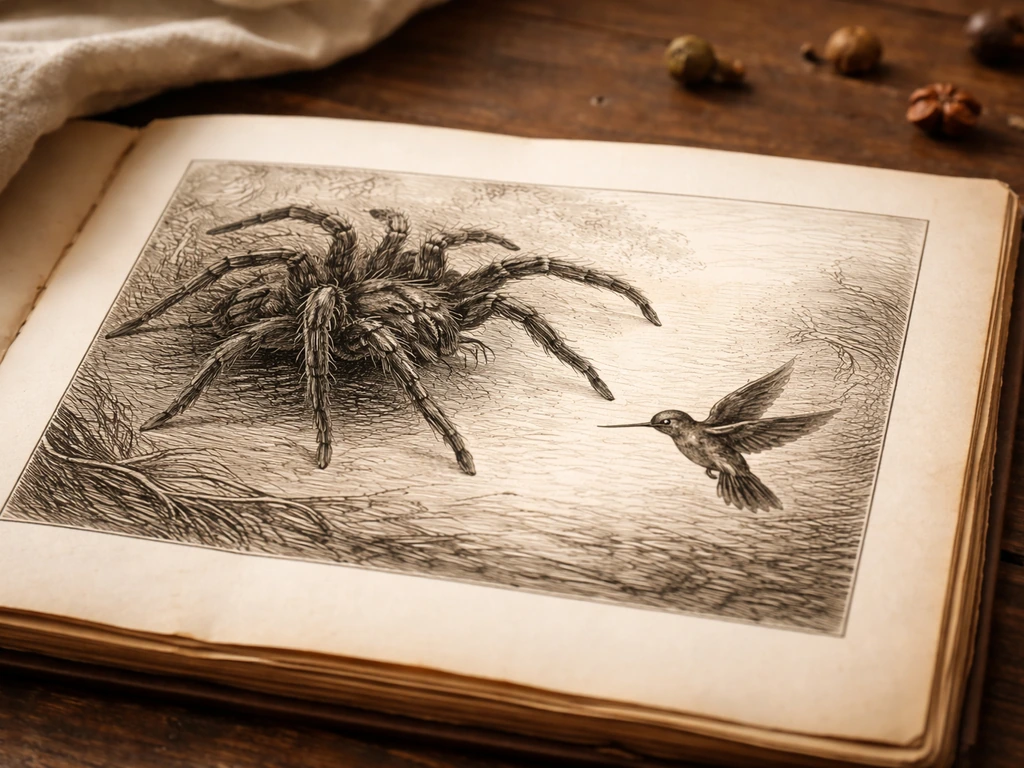
The name sounds dramatic, but it comes from an 18th-century copper engraving by naturalist Maria Sibylla Merian that showed a large tarantula eating a hummingbird. That image stuck, and the label eventually attached itself to Theraphosa blondi, the Goliath birdeater, which is the spider most people picture when they hear the term. It also gets used loosely to describe any large tarantula-like spider, including Australian tarantulas, which are often marketed in that country under the same common name.
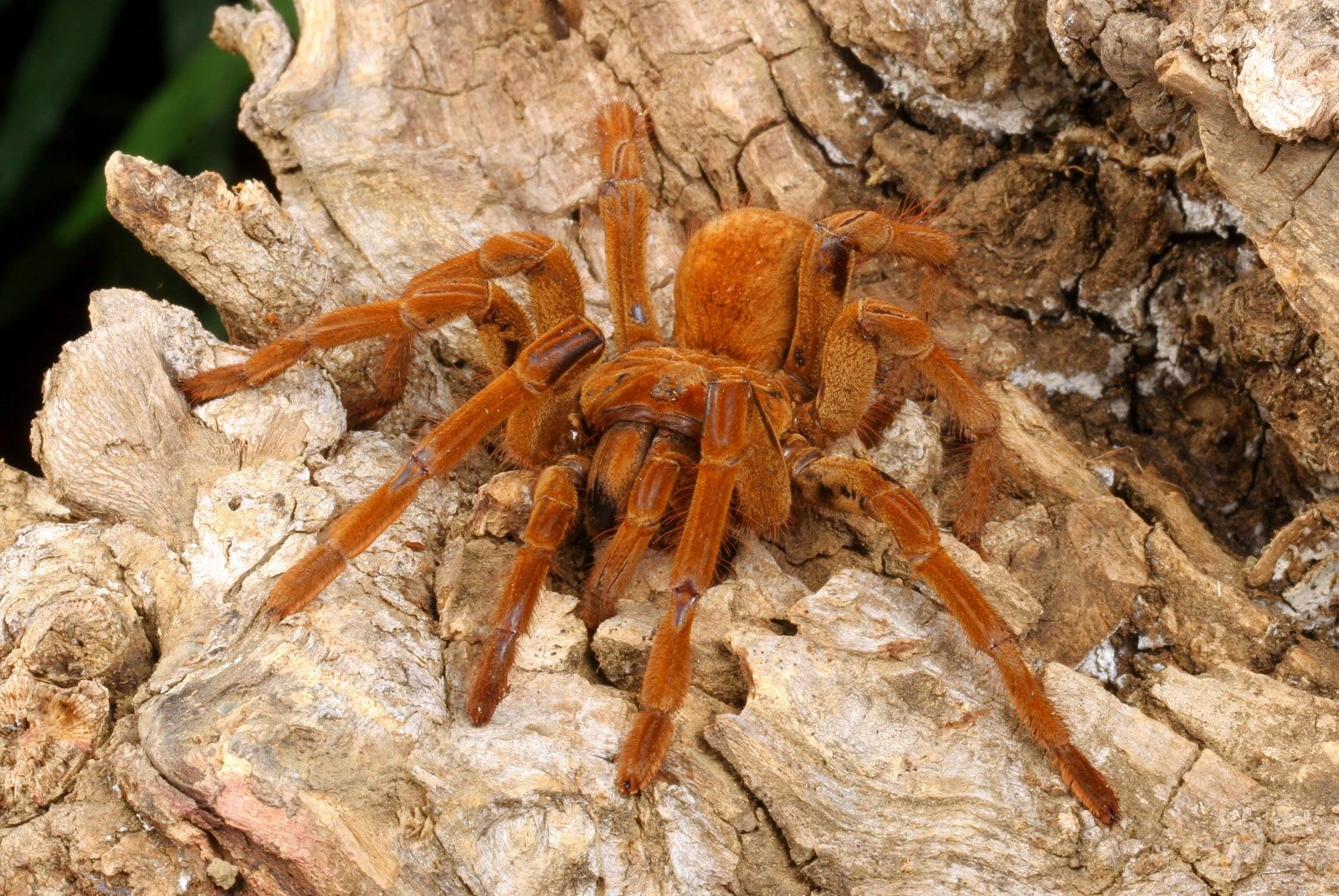
Theraphosa blondi is native to rainforests in South America, particularly Venezuela, Brazil, Guyana, and Suriname. It is the world's largest spider by mass. You will not encounter one at your backyard feeder in North America or Europe unless someone is keeping one as a pet. When people in Australia refer to a bird-eating spider, they mean a different genus (Selenocosmia or similar), though the same general rules about venom and behavior apply.
Venomous vs. poisonous: what to call them correctly
This distinction actually matters for understanding the real risk. Something is poisonous if it harms you when you eat it or touch it. Something is venomous if it actively injects a toxin, usually through a bite or sting. Bird-eating spiders are venomous. They produce venom in glands near their fangs and deliver it by biting. You cannot get hurt simply by touching one (though the hairs are another story). Calling them poisonous is one of the most common misconceptions, and it leads people to overestimate the danger from casual contact.
How dangerous are bites to people?
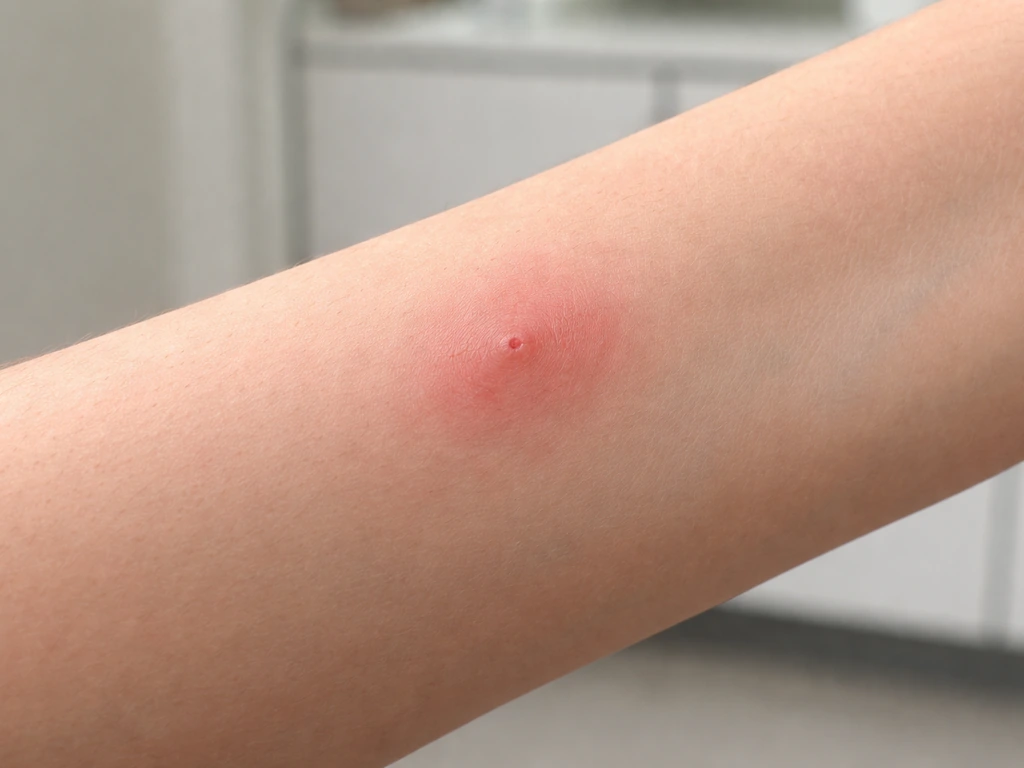
For North and South American tarantulas, including the Goliath birdeater, the venom is considered clinically mild in healthy adults. Pain at the bite site, localized swelling, and redness are the most common effects. MedlinePlus compares the pain to a bee sting. The American Association of Poison Control Centers logged only 44 tarantula-related reports in 2018, and just 17 of those required evaluation at a healthcare facility. Deaths in healthy people from tarantula bites are extremely rare.
That said, individual cases can surprise you. There are documented cases of systemic muscle cramping after bites from species like Grammostola rosea, so calling all bites trivial is an overstatement. Asian and some African tarantula species can deliver a more painful bite with more pronounced local swelling. And allergic reactions, though uncommon, can escalate quickly, so your personal allergy history matters more than the spider's reputation.
The hairs are often the bigger problem. These spiders have urticating bristles, tiny barbed hairs on their abdomen, that they kick off as a defense mechanism. The hairs can penetrate skin, eyes, and the respiratory tract, causing intense itching, inflammation, and even corneal damage if they reach your eyes. The CDC Yellow Book specifically calls this out as a key hazard for travelers who encounter tarantulas. In practical terms, if a tarantula flicks hairs at you, that irritation can be worse and longer-lasting than the bite itself.
Risks to pets and small animals around feeders
If you keep a pet tarantula and have dogs or cats in the house, the urticating hairs are the main concern, not the venom. The Merck Veterinary Manual warns that hairs lodged in an animal's cornea can cause serious eye injury, potentially including blindness, and can also trigger allergic reactions on skin and mucous membranes. A curious dog that noses a tarantula can end up with a face full of barbed bristles, which is genuinely painful and may need veterinary attention.
In terms of feeder-area wildlife, wild birds around your feeders are not in meaningful danger from a tarantula encounter. Birds are actually natural predators of spiders, not prey (more on that below). Small mammals like mice attracted to spilled seed might theoretically cross paths with a large tarantula, but the scenario of a pet tarantula escaping near a feeder and causing harm to wildlife is remote. The practical advice is: keep children and pets away from any tarantula you find, and use gloves and eye protection if you need to handle or move one.
Do they actually hunt birds? What they really eat
Despite the name, birds are rarely on the menu. Do bird-eating spiders bite humans and do bird eating spiders eat birds? Despite the name, birds are rarely on the menu. Do bird-eating spiders bite humans?
In most healthy adults, a tarantula bite is generally no worse than a bee sting Do they actually hunt birds? . So if you are wondering what bird eats spiders, bird-eating spiders are not the answer since they primarily hunt insects and other small animals birds are rarely on the menu. National Geographic lists the Goliath birdeater's typical diet as insects, frogs, and rodents.
Wikipedia's entry on the species confirms the wild diet is primarily large arthropods, with occasional vertebrates like frogs, toads, lizards, and rodents. Australian tarantulas are described by the Australian Museum as rarely eating birds, calling the common name misleading. The hunting style helps explain why: these spiders are ambush ground hunters that pounce on prey at or near ground level. They do not build webs to catch flying animals, and a perching bird is not a realistic target.
The original 18th-century engraving that started the myth was almost certainly depicting an unusual or staged scenario, not routine behavior. From a feeder-safety standpoint, a large tarantula near your yard is far more interested in the beetles and roaches drawn to spilled seed than in anything with wings.
What to do if you find one
First, do not panic and do not handle it with bare hands. Most encounters with large tarantulas in North America involve escaped pets rather than wild spiders. If you find one indoors or near your feeder, here is a safe, step-by-step approach to identifying and relocating it.
- Keep children and pets out of the area immediately.
- Put on thick gloves and, critically, safety glasses or goggles. Urticating hairs are the main hazard here, and eye contact is the worst-case outcome.
- Grab a large container with a lid, like a plastic storage bin or a wide-mouth jar, and use a piece of stiff cardboard to gently guide the spider in. Do not grab it directly.
- Secure the lid with ventilation holes if you are keeping it temporarily.
- If the spider appears to be a wild native species and you are in a region where tarantulas occur naturally (southwest US, parts of South America, Australia), release it well away from your home, ideally in a naturalistic area.
- If it looks like an escaped pet exotic, contact a local wildlife rehabilitator, exotic animal rescue, or your regional animal control. Do not release non-native species into the wild.
For ID purposes, a bird-eating spider type is going to be large (body size can range from 4 to 13 centimeters depending on species), brown to dark brown or black, heavily built, and noticeably hairy. The legs are thick and the body is robust. If you see a spider this size and you are not in an area where giant tarantulas are native, assume it is an escaped pet and handle accordingly.
First aid and when to get medical help
If you or someone else is bitten, stay calm. The vast majority of tarantula bites in otherwise healthy people do not require emergency care, but you should still act quickly and monitor symptoms.
- Wash the bite area thoroughly with soap and water right away.
- Apply a cold pack or ice wrapped in cloth for 10 to 20 minutes at a time to reduce swelling and pain. The Cleveland Clinic recommends cycling ice on and off, roughly 15 minutes on and 15 minutes off, during the first day.
- If urticating hairs got on skin, press a piece of tape (duct tape or masking tape works well) gently against the area and peel it off to pull the hairs out. Repeat as needed. Do not rub the skin, as that drives hairs deeper.
- If hairs got into eyes, flush with clean running water immediately and seek medical evaluation. Do not rub.
- Call your regional Poison Control Center. In the US, the number is 1-800-222-1222. They can walk you through next steps based on your specific situation and tell you whether you need an ER visit.
- Go to an emergency room if you notice any of the following: spreading pain or muscle cramping, nausea, vomiting, fever, a spreading rash, difficulty breathing, facial swelling, worsening symptoms after 30 to 60 minutes, or a wound that looks infected or is not healing.
Allergic reactions are the most serious realistic risk from a tarantula bite or hair exposure. If you know you have a history of severe allergic reactions to insect stings, treat a tarantula bite with the same level of caution and do not wait to see if symptoms worsen before calling for help. For most people, though, careful wound care, ice, and monitoring are all that is needed.
Keeping your feeder area safe
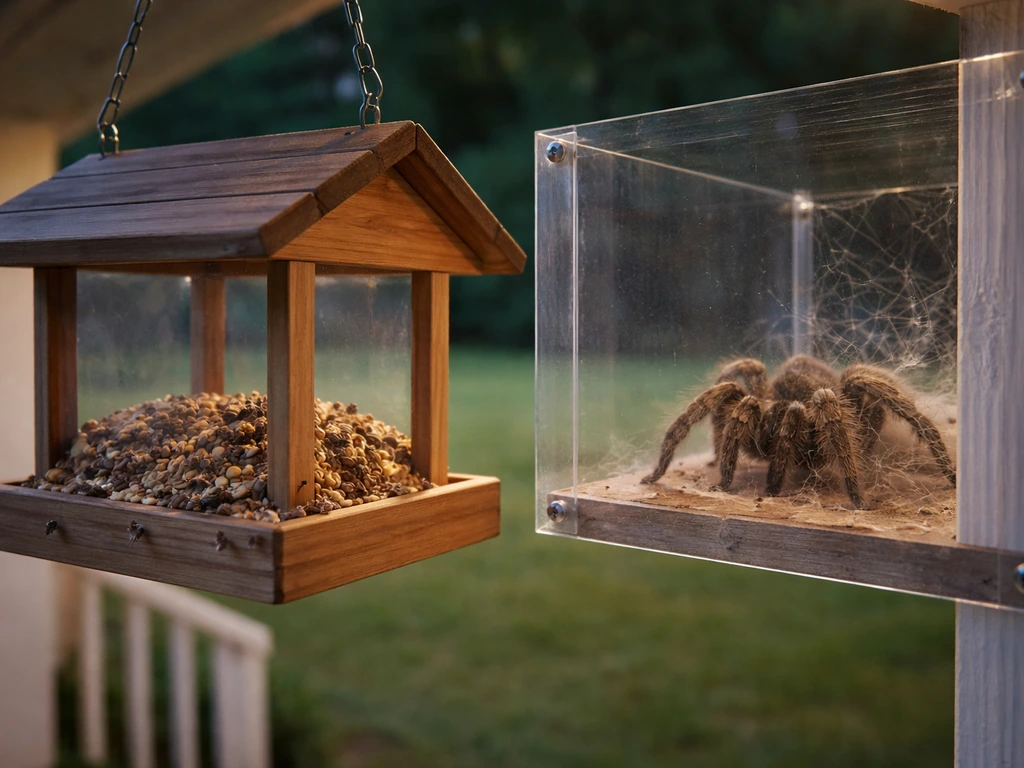
Spider encounters near feeders are almost always incidental. Spiders are drawn to areas with lots of insect activity, and a bird feeder full of seed attracts insects. The best prevention is good feeder hygiene: clean up spilled seed regularly, store seed in sealed containers, and keep the area under feeders clear of debris where insects and spiders shelter. These same habits also reduce mold and bacteria that pose a far more common risk to birds than any spider encounter. If you do find a large spider near your setup, relocate it as described above rather than killing it. It is probably doing more good than harm by eating the pest insects that accumulate around feeders.
Quick reference: bite risk by scenario
| Scenario | Main Risk | Action Needed |
|---|---|---|
| Adult handles tarantula without gloves | Bite (bee-sting level pain) or urticating hair exposure | Wash bite, ice it, call Poison Control |
| Child or pet approaches a tarantula | Hair exposure to eyes/face, possible bite | Move child/pet away immediately, monitor for symptoms |
| Urticating hairs contact eyes | Corneal irritation or injury | Flush with water, seek medical evaluation |
| Wild birds near a tarantula in yard | Negligible: birds are predators of spiders | No action needed; birds can take care of themselves |
| Escaped pet tarantula found near feeder | Bite/hair risk if disturbed | Container capture with gloves and eye protection, contact rescue |
The bottom line is that bird-eating spiders have a reputation that is much scarier than their actual track record. They are venomous but not in a way that typically causes serious harm to healthy adults. The name is a myth rooted in one old illustration. And near your feeders, they are almost certainly hunting insects, not birds. Treat them with reasonable caution, use proper protective gear if you need to handle one, and call Poison Control if a bite happens. That covers the realistic risk completely. In 2018, StatPearls reports 44 tarantula-related reports to the American Association of Poison Control Centers, with 17 requiring evaluation at a healthcare facility 44 tarantula-related reports in 2018.
FAQ
If a bird-eating spider’s hairs get on my skin, do I need medical care or is home treatment enough?
Most skin hair exposures cause intense itching and redness that improves with washing the area, applying cool compresses, and using an antihistamine if you can take one. Seek urgent care if you develop widespread hives, swelling of lips or eyelids, wheezing, trouble breathing, or symptoms that keep worsening over a few hours (those can signal an allergy rather than just irritation).
Can I wash off urticating hairs with regular soap and water, or do I risk spreading them?
Rinse promptly and gently. Avoid rubbing vigorously, which can drive barbed hairs deeper or spread them to nearby skin. Use lukewarm running water to loosen debris, then wash with mild soap, and change towels or clothing that contact the hairs so you do not re-expose yourself or others.
What should I do right after a suspected bite if I do not know the spider species?
Treat it like a venom-injection event: clean the area, apply a cool pack (not direct ice on skin), and monitor for progressing symptoms. Contact Poison Control for guidance, especially if you have a history of severe allergies, the pain is rapidly escalating, you see extensive swelling, or symptoms are not improving within several hours.
Does a tarantula bite require an epinephrine auto-injector even if I have only “mild” allergies?
If you have ever been prescribed an epinephrine auto-injector for allergy symptoms, follow your clinician’s instructions and do not “wait and see” if you get systemic symptoms after any venom or sting exposure (hives away from the bite, throat tightness, vomiting, dizziness, breathing trouble). If you have no history of anaphylaxis and you are unsure, Poison Control can help you decide based on your specific symptoms.
Are kids or small pets more likely to have dangerous reactions to tarantula venom or hairs?
Yes. Children can have stronger symptoms from skin irritation, and small pets can be more severely affected if hairs reach sensitive areas like the eyes or if they lick or scratch the exposure site. If a child or pet gets hairs in the eyes, do not delay, especially for pets, because eye injury may require veterinary or urgent evaluation.
What is the safest way to relocate a large tarantula I found indoors?
Use a container method that avoids bare-hand contact. Place a clear cup or container over the spider, slide a firm card or lid underneath to trap it, then move it outdoors away from doors and windows. Keep pets and kids out of the room and wear eye protection, because flicked hairs can reach your face.
Can tarantulas cause harm to birds at feeders, even if birds are predators of spiders?
A meaningful feeder-related harm scenario is very unlikely. The more realistic issue is that spiders and insects cluster where food and debris accumulate. For prevention, reduce spilled seed, clear debris under the feeder, and ensure your feeder area does not create a sheltered zone where a large escaped pet could linger.
If a tarantula is near my feeder, should I kill it to protect wildlife?
Generally no. Killing it does not meaningfully reduce the risk of birds encountering spiders, and it can increase the chance of defensive hair flicking while you’re handling it. The safer approach is relocation when practical, plus feeder hygiene to reduce the insect buildup that draws spiders in the first place.
Do bird-eating spiders actually “hunt” birds or is the name purely misleading?
The name is misleading. Even when these spiders eat occasional vertebrates in the wild, they primarily target insects and small animals, and their hunting style is typically ambush and ground-level pouncing, not catching perching or flying birds. The bird name mainly reflects a dramatic historical illustration, not a routine diet.
Can I identify a bird-eating spider by color alone, and what if I’m wrong?
Color alone is not reliable. Size, overall build, and obvious hairiness are more useful for quick assessment. If you find a large, hairy spider and you are not in a region known for giant tarantulas, assume it is an escaped pet and use protective gear and safe relocation instead of trying to confirm the species.
When should I call Poison Control after a tarantula bite or hair exposure?
Call for any bite in a child, any exposure involving the eyes, any symptoms beyond localized pain or itch, and any concern about allergy (swelling away from the bite, breathing issues, widespread hives, severe vomiting, faintness). Also call if you are unsure whether it was a bite versus hair exposure, because the right response differs.