No, Nikocado Avocado did not eat his bird. The claim is a long-running internet rumor and meme, not a verified event. His pet parrot, Mr. Noodle, appeared regularly on his shoulder during early mukbang videos, and while the bird has been absent from recent content, there is no credible evidence, confirmed video, or reliable reporting that he consumed the animal. The "Nikocado ate his parrot" idea lives firmly in the realm of viral internet shorthand and satire, not documented fact.
Did Nikocado Avocado Eat His Bird? Truth Check Steps
Maya Bennett
29 Jun 2026
What the claim actually is and why it keeps circulating
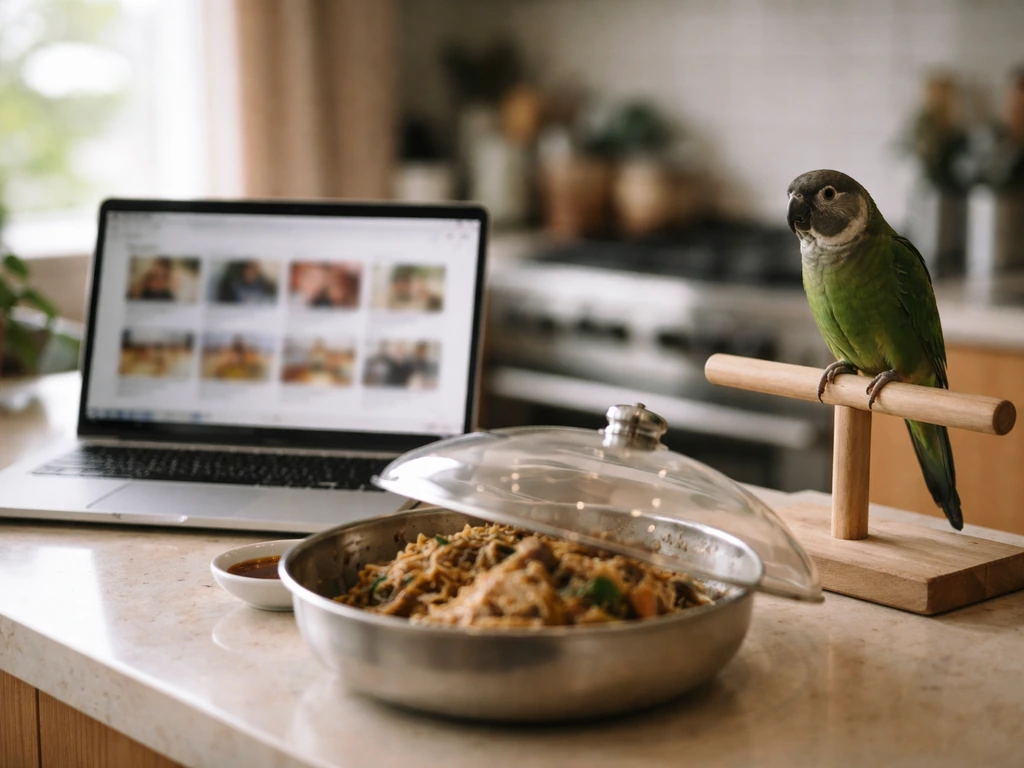
The rumor centers on Nikocado Avocado (real name Nicholas Perry), a YouTuber known for extreme mukbang content. In his earlier videos, he regularly appeared with a parrot named Mr. Noodle perched on his shoulder. At some point the parrot stopped appearing, and the internet filled in the blank with increasingly absurd speculation. The "he ate his bird" theory became one of the most repeated lines in Nikocado Avocado fan discussions, Reddit threads, and iceberg chart breakdowns of his lore.
Know Your Meme documents this as a recognized rumor cluster around the creator, describing the "ate his pet bird" idea specifically and characterizing it as part of the broader mythology that grows around controversial online personalities. The Nikocado Avocado Fandom wiki entry for Mr. Noodle directly states the parrot was not eaten, and notes that a YouTube Shorts clip described as "Nikocado Avocado eats his parrot" is the kind of content that fuels the story without actually confirming it. Reddit threads like the r/dankmemes post "Where is the bird, Nikocado?" and iceberg chart discussions on r/IcebergCharts treat "nick ate his bird" as established meme shorthand, not a documented event.
The pattern here is familiar: a content creator behaves erratically on camera, a pet disappears from their videos, and the internet creates the most extreme possible narrative to fill the gap. It spreads because it's memorable and shocking, not because anyone verified it.
How to verify whether it actually happened
If you want to confirm this yourself rather than taking anyone's word for it, here is how to approach it like someone who cares about accuracy rather than engagement.
- Go to the primary source first. Search Nikocado Avocado's actual YouTube channels for any video where eating a live or whole bird is clearly depicted. Watch the clip in full context, not a cropped screenshot or reaction video. As of mid-2026, no such verified primary upload exists.
- Check the clip that started it. The YouTube Shorts link referenced in the Fandom wiki entry is the most commonly cited "evidence." Watch it carefully and consider whether it shows what is claimed, whether it is edited or satirical, and whether the creator themselves confirmed anything in the video description or comments.
- Look at Wikipedia's coverage. Wikipedia's article on Nikocado Avocado describes Mr. Noodle as appearing in earlier content but provides no statement, source, or incident report confirming the bird was eaten. Wikipedia's editorial standards require sourcing for notable claims, and no such source is present.
- Search for credible journalism. If a public figure harmed or consumed a pet animal, it would generate coverage from entertainment or news outlets with editorial oversight. Search for articles from named journalists at established outlets. The absence of such coverage is meaningful.
- Use Know Your Meme critically. Know Your Meme is a useful reference for understanding how a meme spread, but it is not a fact-verification outlet. Treat its entry as a map of the rumor's life online, not as confirmation of the underlying claim.
- Be skeptical of reaction content. A significant portion of the "Nikocado ate his bird" ecosystem consists of reaction videos, TikToks, and commentary channels that amplify the claim without verifying it. These are social content, not journalism or documentation.
The bottom line on verification: when a shocking claim about an internet personality has no confirmed primary video, no credible outlet coverage, and the closest thing to an "official" fan resource explicitly says it did not happen, the responsible conclusion is that it did not happen. If you are wondering can i eat a tomato that a bird has pecked, the safe move is to avoid it and keep bird-contact foods separate shocking claim about an internet personality.
Bird diet basics: what "eating a bird" would actually mean
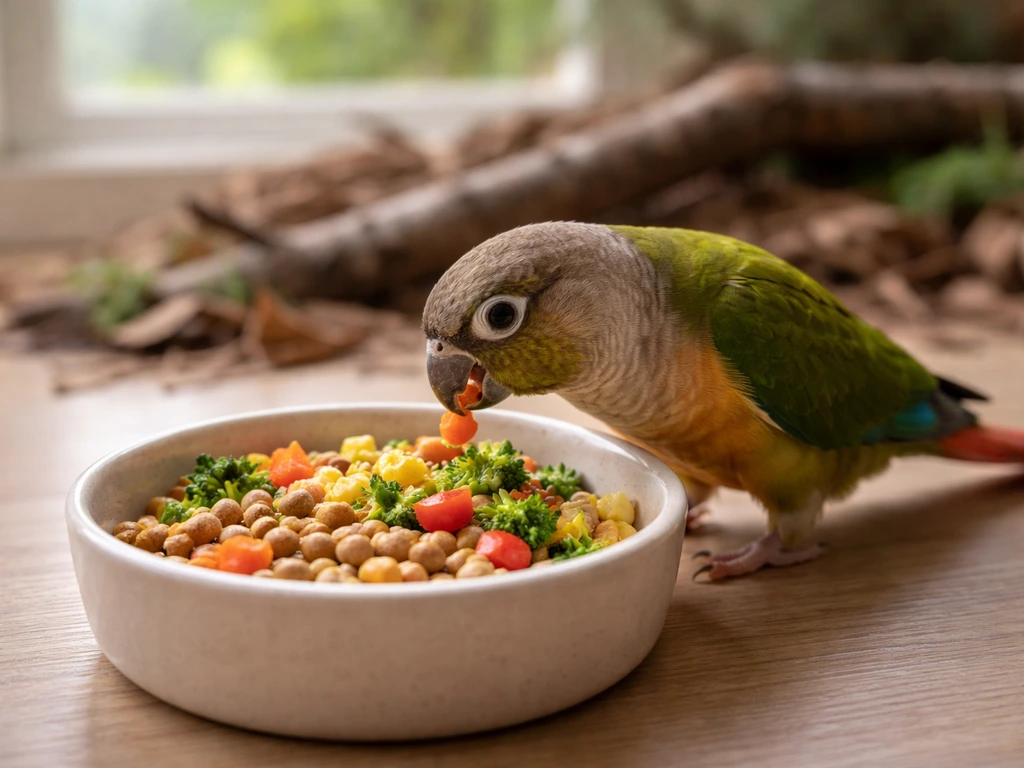
This site focuses on bird diets and predation, so it is worth stepping back and thinking about what this kind of claim implies from a bird-welfare and biology angle. Parrots like Mr. Noodle are companion animals that eat seeds, fresh vegetables, fruits (with key exceptions), and formulated pellets. The same caution applies when you are deciding if it is safe to eat bird-pecked fruit, since fruit can be contaminated by bird droppings or saliva is it safe to eat bird pecked fruit. They are not food animals. Their dietary needs are quite specific, and many common human foods are genuinely dangerous to them.
Avocado is one of the most documented examples of a food that is toxic to birds. Like the viral rumor phrase, these claims can spread, but toxic foods and real evidence matter far more than memes good eats a bird in the pan. The compound persin, found in avocado flesh, skin, and pit, can cause heart problems, respiratory distress, and death in parrots and many other bird species. PetMD lists it among the most serious dietary hazards for pet birds. This is relevant here because the creator's name is literally "Nikocado Avocado," and some versions of the rumor lean into that detail. It is a coincidence, not a clue.
In nature, birds that eat other birds are a defined group: raptors like hawks, owls, and falcons; corvids like crows; and some specialized predators like shrikes. Parrots are not in that category. Some birds also eat tomatoes, so if you are gardening or feeding birds, it helps to know which species can safely handle this kind of food Parrots are not in that category.. The idea of a parrot being consumed by its human owner sits outside normal husbandry and would constitute animal cruelty under most jurisdictions, which is part of why the rumor gets traction. It combines the absurd with the genuinely disturbing.
Risk check for backyard birders: predators, people, and how to actually protect birds
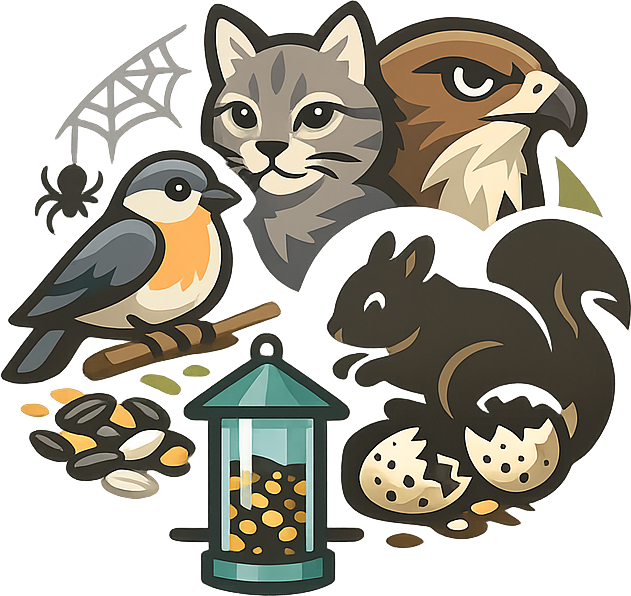
For backyard birders and nature educators, the more practical concern is not whether a YouTuber ate a parrot. If you are asking, should you eat food that a bird has pecked, the safer approach is to avoid it because bird saliva and droppings can carry germs not whether a YouTuber ate a parrot. It is the real, documented threats that birds face near feeders and in domestic settings. Cats and dogs are the most common sources of injury for small birds near feeders. The RSPCA notes that even a brief bite or scratch from a cat or dog can introduce bacteria that cause serious infection in birds, even if the injury looks minor at first.
- Place feeders at least five feet off the ground and away from surfaces cats can use as launch points.
- Use baffles on feeder poles to prevent cats and squirrels from climbing up.
- Keep cats indoors during peak feeding hours in the early morning.
- Position feeders near natural cover (shrubs, brush piles) so birds can escape quickly, but far enough from dense cover that ambush predators cannot hide immediately adjacent to the feeder.
- If you find an injured bird near your feeder, do not assume it is fine just because the wound looks small. Contact a local wildlife rehabilitator promptly.
Human behavior can also indirectly harm birds. Poorly maintained feeders, moldy seed, and contaminated birdbaths create disease vectors that spread among wild bird populations. That is a more immediate and common form of harm than anything in the Nikocado rumor.
Safe feeder and seed practices to prevent harm (and prevent misinformation)
One reason bird-related viral claims get traction is that people genuinely care about birds and react strongly to anything that implies harm. The best thing you can do with that concern is channel it into your own feeder setup. Even if a bird has touched something, you can reduce risk by washing your hands before handling food, and by avoiding cross-contamination. Here is what the research actually shows matters.
Cleaning your feeders properly
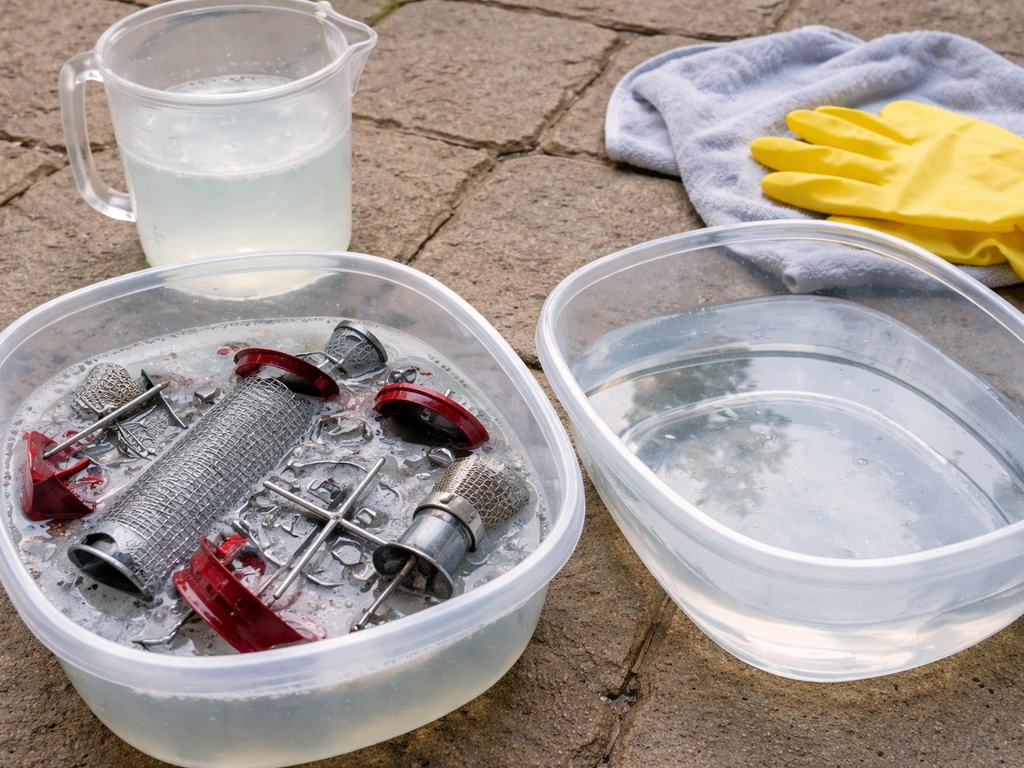
The American Bird Conservancy and Audubon both recommend cleaning feeders and birdbaths with a solution of one part bleach to nine or ten parts water, then rinsing thoroughly and allowing them to air-dry completely before refilling. This kills bacteria, mold, and pathogens that accumulate from bird droppings and wet seed. The CDC has documented Salmonella outbreaks linked to wild songbirds at contaminated feeders, confirming this is not a theoretical risk.
PetMD adds that the ground directly under a feeder is often the most contaminated zone, where discarded seed casings and droppings accumulate. Raking or clearing that area regularly matters as much as cleaning the feeder itself.
Seed storage and spoilage
Cornell Lab of Ornithology recommends storing seed in a dry, dark location in a sealed container to prevent moisture, mold growth, and rodent access. If seed in a feeder gets wet, the Ornithological Council's guidance is clear: empty it out, discard the wet seed, clean the feeder, let it dry, then refill. Wet or clumped seed is a direct disease vector and should never just be topped up over old, damp stock.
| Task | Recommended frequency | Method |
|---|---|---|
| Feeder cleaning | At least every 1-2 weeks (more in hot or wet weather) | 1:9 bleach-to-water solution, rinse, air-dry |
| Birdbath cleaning | Every 2-3 days in summer | Same bleach solution, scrub, rinse fully |
| Seed check | Every fill | Discard if wet, clumped, or smelling musty |
| Ground under feeder | Weekly | Rake or sweep discarded hulls and droppings |
| Seed storage container | Monthly | Wipe interior dry, check for pests or moisture |
When to contact authorities or wildlife resources
If you come across content online that appears to show genuine, documented animal cruelty (not a rumor or a meme, but an actual video showing harm to a real animal), the right move is to report it rather than share it. Sharing amplifies the content and can inadvertently spread misinformation if the clip is edited, staged, or taken out of context.
- Report the content to the platform directly using the built-in reporting tools. Most major platforms have specific categories for animal cruelty.
- If you believe you have witnessed an actual crime against an animal, contact your local animal control agency or SPCA. In the US, the ASPCA maintains a national hotline and can direct you to the appropriate local authority.
- For wild birds specifically, contact your state's wildlife agency or a licensed wildlife rehabilitator. The National Wildlife Rehabilitators Association (NWRA) and the International Wildlife Rehabilitation Council (IWRC) both maintain directories.
- Do not attempt to handle an injured wild bird without guidance. The RSPCA recommends photographing or documenting the situation and calling a rehabilitator for specific instructions before intervening.
- If you suspect a disease outbreak at your feeder (multiple sick or dead birds appearing over a short period), the U.S. Fish and Wildlife Service and state wildlife agencies want to hear about it. Document with photos, note the date and location, and report through your state wildlife agency's website.
For the Nikocado rumor specifically, there is nothing to report because there is no verified event. But if a future viral claim about any person harming a bird turns out to have credible documentation behind it, the steps above are how you respond usefully rather than just sharing the clip and adding to the noise.
The bigger picture for bird welfare
Viral rumors about people harming birds, whether it is the Nikocado parrot story, the well-documented Ozzy Osbourne bat-biting incident (which was real and very different in context), or claims about whether food a bird has touched is safe to eat, tend to generate a lot of emotional heat and not much useful action. Ozzy Osbourne has been linked to bird-related claims too, but the well-sourced incidents do not involve him eating a bird did Ozzy Osbourne eat a bird. The most practical thing a backyard birder or pet bird owner can do is focus on the controllable: clean feeders, properly stored seed, predator barriers, and knowing when to call a rehabilitator. Those habits protect real birds today, which is more valuable than relitigating internet rumors.
FAQ
If Mr. Noodle stopped showing up, does that mean Nikocado ate his bird?
In the rumor context, there is no verified “missing bird” video or confirmed footage. The parrot’s absence from recent clips is not evidence of what happened, so treat the claim as unsubstantiated until you can find a primary source showing the act itself (not a commentary, repost, or compilation).
How can I tell whether a “he ate his parrot” clip is real or just clickbait?
If you see a clip labeled “Nikocado eats his parrot,” check whether it’s a real, complete recording from his channel (or a clearly identified original upload). Many viral versions are screenshots, edits, or re-titles that rely on implication rather than showing the full sequence.
Why do people treat this rumor like it’s fact?
No. A strong meme can be repetitive without being true. One practical test is whether any “proof” you find is primary evidence (original raw footage or credible contemporaneous reporting), versus only fan wikis, iceberg summaries, or discussion threads.
What should I do instead of worrying about the rumor, if I have a pet bird?
For bird owners, the more actionable question is not the celebrity story, it’s whether specific human foods might be unsafe around birds. If you are feeding birds, assume “unknown food that a bird pecked” should be discarded or kept separate, because you cannot control what the bird contacted (droppings, saliva, mold).
Does the “Nikocado avocados” name make avocado more suspicious for birds?
Yes. Avocado is a documented hazard for many pet birds, because it contains persin in flesh, skin, and pit. If you handle avocado and then want to feed a bird or handle bird food, wash hands and keep avocado away from the bird’s cage and feeding area.
If a bird pecked my fruit or vegetable, is it ever okay to eat it?
The safe practice is to avoid feeding birds food that has been pecked by wild birds or has been sitting exposed near feeders. If you want to be extra cautious, remove the item and sanitize the area instead of “topping off,” since contaminated seed and wet, clumped seed amplify risk.
What are the best first steps if I think my feeder setup is making birds sick?
If you suspect a feeder-related illness, start with control measures you can verify: clean the feeder and birdbath thoroughly, empty and discard wet or moldy seed, and improve drainage and hand hygiene. Don’t rely on social posts to diagnose, use a vet or bird rehabilitator if a pet bird shows symptoms.
Should I report “animal cruelty” posts about Nikocado even if they look like memes?
Reporting fits when there is clear, original evidence of harm to a real animal. Since this Nikocado claim is rumor-based and lacks verified footage of an actual act, there typically is nothing specific to report as animal cruelty, but you can still avoid amplifying the misinformation.
Next Article
Did Ozzy Osbourne Eat a Bird? Facts, Sources, and Risks
Check whether Ozzy ate a bird by tracing the claim, separating facts from rumors, and explaining real bird risks.