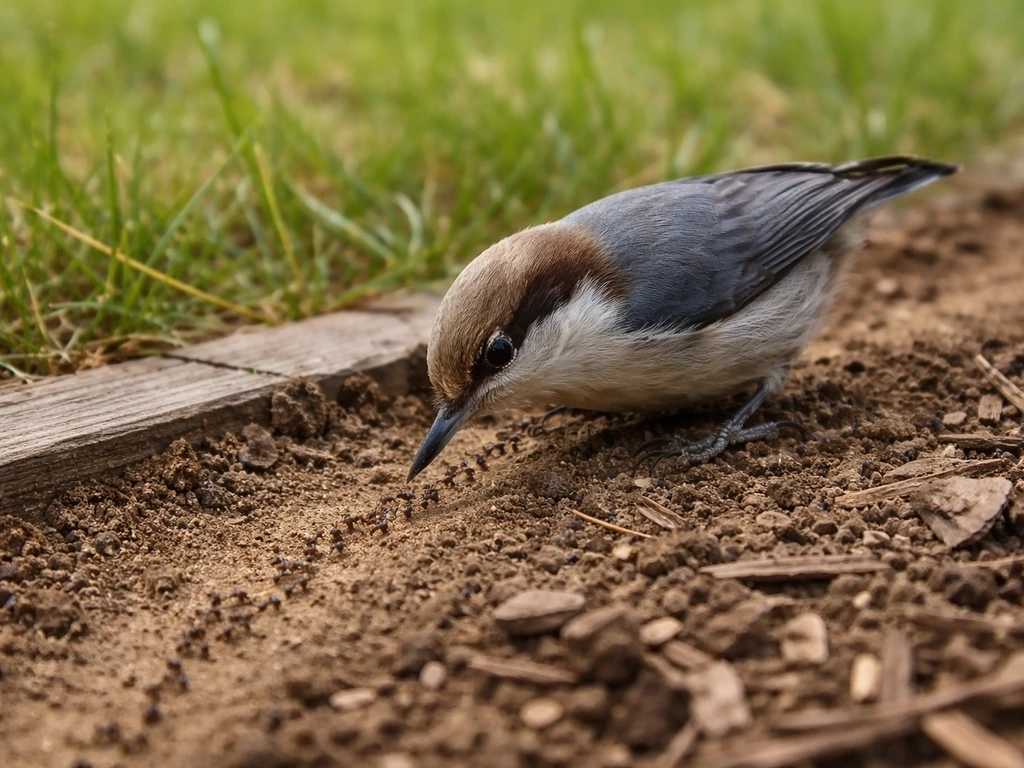
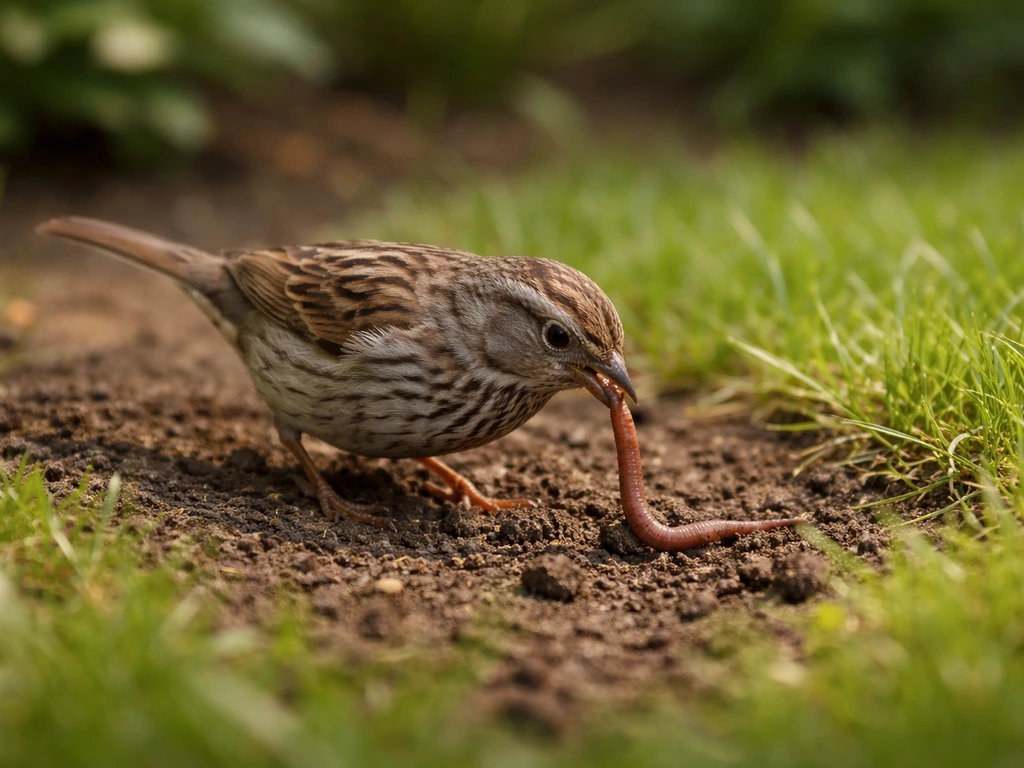
The most common bird you'll see eating worms in a backyard is the American Robin, but it's far from the only one. For many backyard birders, the first answer to that question is the American robin what bird grabs and holds worms. Robins, Common Grackles, Northern Mockingbirds, European Starlings, and several thrush species all eat earthworms and other soil invertebrates as a regular part of their diet. Which one you're watching depends mostly on your region, the season, and exactly how the bird is behaving on the ground. Once you know what to look for, the foraging style alone usually gives it away.
What Bird Eats Worms? Identify and Attract Worm-Eaters

Maya Bennett
11 Jun 2026
Quick ID: the most common worm-eating birds
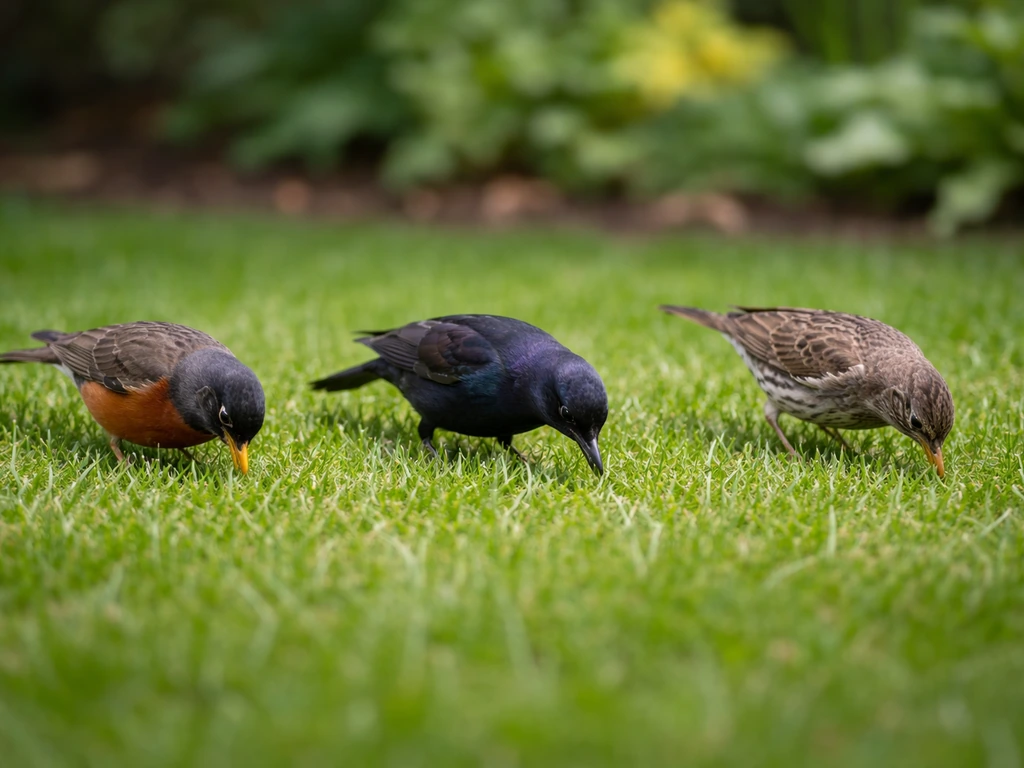
Here's a fast reference for the birds most likely to be pulling worms out of your lawn or garden. Keep in mind that "eats worms" isn't an all-or-nothing trait. These species eat worms opportunistically alongside insects, larvae, berries, and seeds.
| Bird | Key ID feature | Worm-eating habit | Typical habitat |
|---|---|---|---|
| American Robin | Orange-red breast, dark head | Earthworms make up roughly 40% of diet; actively hunts on open lawns | Suburban lawns, parks, woodland edges |
| Common Grackle | Long tail, iridescent black plumage, yellow eye | Earthworms explicitly listed among diet items; deliberate stride on lawns | Suburban yards, fields, open areas |
| Northern Mockingbird | Gray body, white wing patches, long tail | Earthworms part of broader invertebrate diet | Shrubby yards, hedgerows, open ground |
| European Starling | Speckled iridescent plumage, short tail, yellow bill (spring) | Probes turf aggressively for grubs and worms | Lawns, fields, short-grass areas |
| Wood Thrush / Hermit Thrush | Spotted breast, brown back | Probes leaf litter and soft soil for worms and invertebrates | Forest floors, shaded garden edges |
A note worth making here: not every ground-feeding bird is after worms. You might also wonder whether birds eat ants, and the answer depends on the species and what insects are available nearby. Mourning Doves, juncos, and many sparrows feed almost entirely on seeds they find on the ground. The foraging behavior is what separates them, and that's exactly what the next section covers.
How to tell worm-eaters by habitat and behavior
Behavior is your best field tool. True worm hunters use very specific foraging patterns that seed-eaters and insect-gleaners simply don't. If you watch carefully for 60 seconds, the bird will usually tell you exactly what it's doing.
The run-and-pause pattern
American Robins use a classic run-and-pause technique: short sprints across open lawn, then a sudden stop where the bird tilts its head sideways and peers at the ground. If a bird is alive and foraging, it typically eats small invertebrates like ants when it can find them eats ants. Research from the Audubon Field Guide confirms robins likely locate earthworms primarily by sight, watching for movement near worm holes or soil disturbance. Some research suggests they may use hearing too, but the visual tilt-and-stare is the clearest giveaway. If you see that sideways head tilt followed by a sharp pull, it's a robin and it almost certainly has a worm.
The deliberate stride
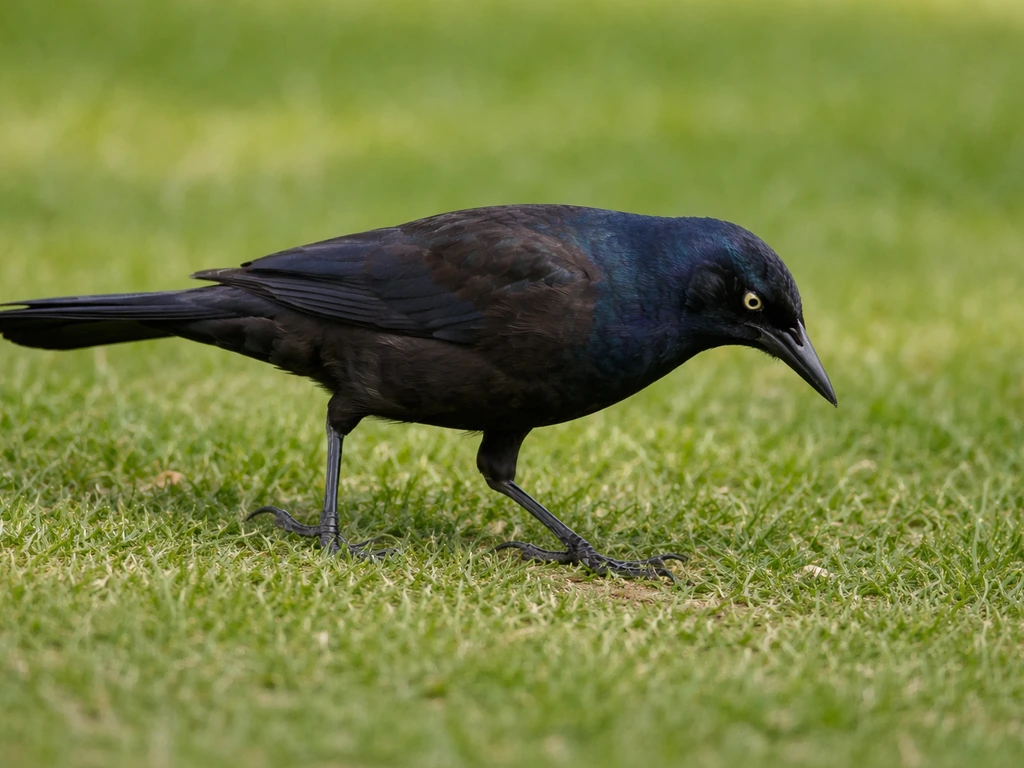
Common Grackles walk with slow, purposeful steps across turf, methodically scanning as they go. They don't sprint like robins. Their longer legs and larger size mean they can cover ground more confidently, and they'll work across a lawn in what looks almost like a grid pattern. Starlings are more aggressive: they use their bill to pry open thatch and turf, a behavior called "gaping," which is very distinct once you see it.
Habitat tells you a lot too
blank" rel="noopener noreferrer">Soft, moist soil is where earthworms stay close to the surface, so worm-hunting birds concentrate on recently watered lawns, garden beds after rain, and the edges between lawn and mulched beds. For worm-finding by probing, bird worm-foraging reports that blank" rel="noopener noreferrer">thrushes, robins, and blackbirds rise early to probe deep into soil with long bills and pull worms out. Thrushes like Wood Thrush and Hermit Thrush prefer leaf-litter edges and shaded areas under trees where soil stays damp. If you're seeing a spotted-breast bird working through fallen leaves near a tree line, that's almost certainly a thrush species going after worms and other soil invertebrates.
Where worms come from: the invertebrates these birds are actually targeting
When birders say "worm-eating birds," they usually mean earthworms, but the birds themselves aren't that fussy. What they're really hunting is soft-bodied, protein-rich invertebrates near the soil surface. Earthworms are the most visible and abundant option, especially after rain, but the same birds will take beetle larvae, caterpillars, cutworms, grubs, and other soil-dwelling invertebrates when earthworms aren't accessible. This matters because if you're trying to make your yard more attractive, improving the overall invertebrate habitat is more effective than offering earthworms alone.
Gardens with compost, minimal pesticide use, and regular watering tend to have dense earthworm populations close to the surface. Worms move up through the soil profile when it's moist and warm, which is why early morning after overnight rain is peak foraging time for robins and grackles. Clay-heavy or heavily compacted soil holds fewer worms near the surface, which is one reason these birds prefer well-maintained lawns and garden beds over hard, dry ground.
It's also worth distinguishing earthworms from mealworms here. Mealworms are beetle larvae commonly used as feeder food, and a separate group of birds (including bluebirds and wrens) actively prefers them. If you are using mealworms as feeder food, you can also learn which birds naturally prefer them and how to recognize their behavior. The worm-hunting behavior described in this article is focused on birds foraging naturally for earthworms and soil invertebrates, not feeder-presented mealworms, though there's some overlap in species.
Feeder and worm-patch tactics to attract these birds safely
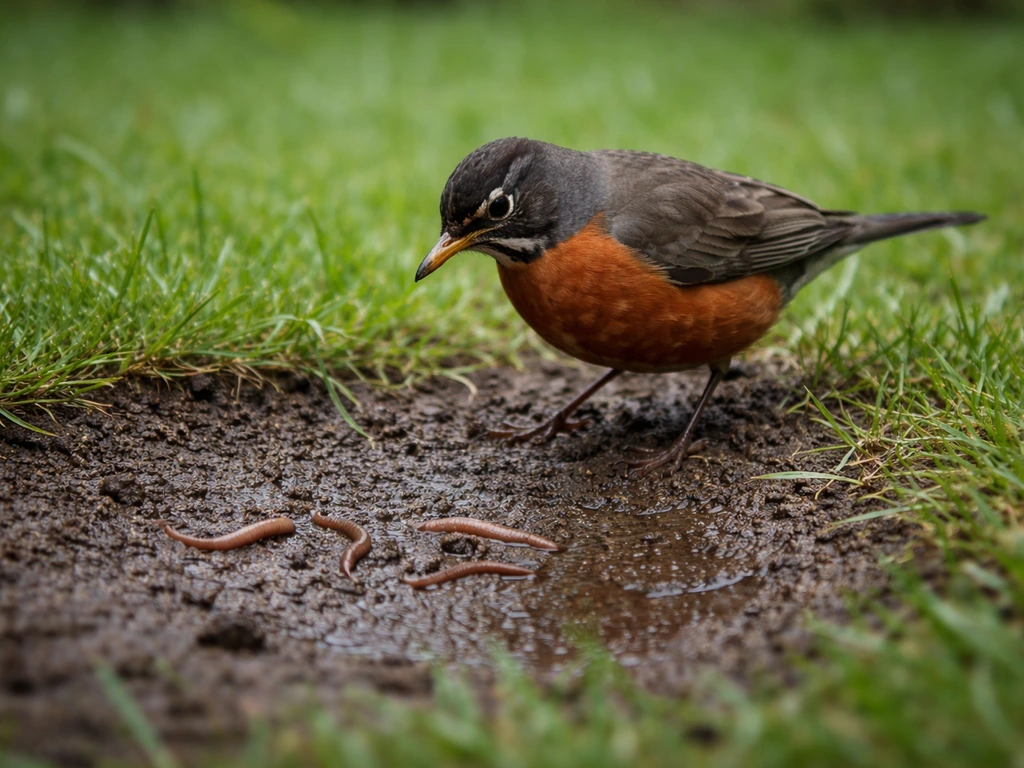
Most true worm-eating birds don't come to seed feeders. Robins, grackles, and thrushes are not feeder birds in the traditional sense. If you want to attract them, you need to think about ground habitat rather than hanging feeders.
Make your yard a better foraging patch
- Water your lawn early in the morning to bring worms closer to the surface before birds arrive at peak foraging time.
- Keep grass cut short (around 2 to 3 inches) so birds can see the ground and run freely without obstruction.
- Leave a section of garden bed with moist, loose soil or leaf mulch where thrushes and robins can probe easily.
- Reduce or eliminate pesticide and insecticide use. These kill the earthworm and grub populations birds are hunting, and residue in prey can harm birds directly.
- Add a compost pile or compost-amended bed. Compost dramatically increases earthworm density near the surface.
- Install a shallow birdbath or ground-level water dish. Robins and thrushes bathe and drink at ground level more readily than at elevated baths.
Can you put out live worms for birds?
You can, but there are caveats. If you buy live earthworms (from a fishing or composting supplier) and scatter them on a damp patch of bare soil or short grass early in the morning, robins will find them quickly. The problem is that purchased worms may carry pathogens or parasites from their farming environment, and you should never use worms that have been exposed to pesticides. Only buy worms from reputable composting or bait suppliers, and don't offer more than a small amount at once to avoid attracting rodents or leaving decomposing bait sitting out in heat. The safer long-term strategy is just building a yard where wild earthworms are abundant naturally.
Ground-level platform feeders
If you want to offer supplemental food, a low, open platform tray feeder placed on the ground or at ground level can work for robins. You can offer fresh or freeze-dried mealworms, halved apples, or raisins soaked in water (raisins are a known robin attractant). Avoid offering whole dry raisins or grapes in large amounts, and never offer anything moldy or fermented. Fruit spoils fast, especially in warm weather, so check ground trays at least once daily.
How season and location change what you'll see
Spring and early summer are peak worm-foraging season for most of these birds. Soil is moist, worms are active, and breeding birds need high-protein food to feed nestlings. American Robins shift toward a higher proportion of fruit in their diet as fall approaches, with berries from shrubs like holly, dogwood, and serviceberry becoming a major food source. So if you're watching a robin in October and it's ignoring the lawn in favor of your berry-producing shrubs, that's normal seasonal behavior, not a change in species.
Location matters significantly too. If you're in the eastern United States, American Robins are year-round residents in much of the country, though they form large winter flocks that may not visit your specific yard every day. In the Pacific Northwest, Varied Thrush occupies a similar ground-foraging niche. In the south and southeast, you're more likely to see Northern Mockingbirds hunting invertebrates on warm-season lawns. Hermit Thrushes winter in the south and along both coasts while Wood Thrushes migrate through. Knowing your region helps narrow down which species is which in your yard at any given time of year.
Worm availability itself is seasonal. In winter, earthworms move deeper in frozen or very cold soil and become largely inaccessible. This is one reason that birds which rely heavily on worms in spring shift to other foods in winter. If you see a robin in January apparently searching a frozen lawn, it's likely looking for overwintering insect larvae, berries, or just moving through rather than actively foraging for worms.
Risks and safety: pets, feeder hygiene, and what not to feed
Attracting wild birds comes with real hygiene responsibilities, and worm-feeding setups add a layer that traditional seed feeders don't have. Here's what actually matters.
Feeder and ground-tray hygiene
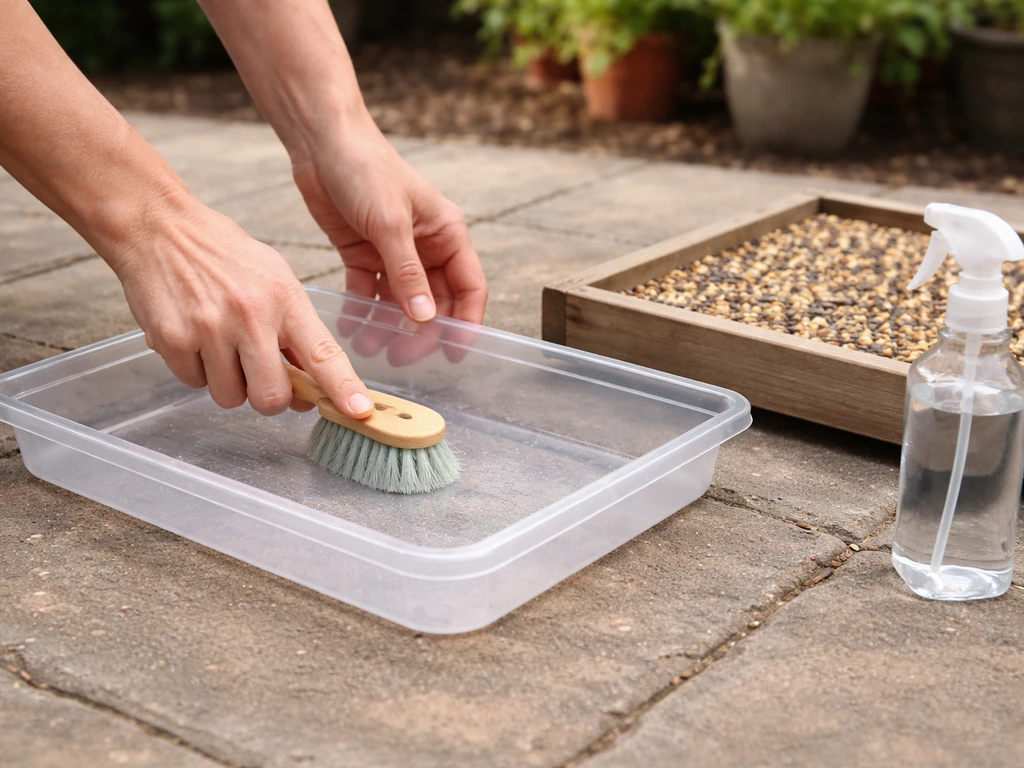
Ground-level feeding areas and platform trays accumulate droppings fast, and wet conditions make things worse. Clean any feeder or tray at least every one to two weeks, and more often in warm or wet weather. The Cornell Lab of Ornithology recommends a diluted bleach solution of no more than 1 part bleach to 9 parts water for cleaning feeders. Rinse thoroughly and let dry before refilling. Replace birdbath water every two to three days to prevent mosquito breeding and bacterial buildup. The CDC has documented Salmonella outbreaks linked to wild songbirds, so don't clean feeders or bird equipment in your kitchen sink or anywhere near food preparation surfaces. Use a dedicated outdoor bucket or utility sink.
Pets and backyard birds
Cats are a direct predator threat to ground-foraging birds like robins and thrushes, which are especially vulnerable because they forage on open lawn. If you have outdoor cats or your neighbors do, this is a real concern. Keep cats indoors during peak foraging hours (early morning especially) or supervise outdoor time. For dogs, the main risk is dogs disturbing foraging areas or, in rare cases, ingesting bait worms or bird droppings. Salmonella can be transmitted via bird droppings, so wash your hands after handling feeders or anything in a bird foraging area, and discourage dogs from nosing around ground trays.
What not to feed worm-eating birds
- Moldy or fermented fruit: can cause serious illness in birds and attracts pest insects.
- Bread or processed foods: low nutritional value and can cause digestive problems; contributes to unhealthy dependence on human food.
- Worms from pesticide-treated soil or lawns: birds consuming pesticide-contaminated worms can suffer poisoning; never dig worms from recently treated areas.
- Overripe or split fruit left out in heat for more than a few hours: becomes a bacterial culture rapidly in warm weather.
- Large amounts of raisins or grapes for non-target species: grapes are toxic to dogs and cats, so be aware if pets access the feeding area.
When to worry: sick birds, contaminated prey, and wildlife disturbance
Most of the time, watching birds forage for worms in your yard is completely benign. But there are specific situations where you should stop, step back, and reassess.
Signs a bird is sick
- Sitting on the ground and not flying away when you approach within a few feet.
- Puffed-up feathers combined with lethargy or drooping wings (not just temporary resting).
- Visibly crusted or swollen eyes (a classic sign of Mycoplasmal conjunctivitis in finches and other species).
- Abnormal head tilting or uncoordinated movement.
- Obvious injury such as dangling wing or inability to stand.
If you see one or two sick birds using your feeder or foraging area, take the feeder or ground tray down immediately and clean it with a 1-to-9 bleach solution. Project FeederWatch recommends leaving feeders down for a couple of weeks to encourage birds to disperse and reduce disease transmission. The BC government's guidance on sick feeder birds echoes this: one sick bird is enough reason to act fast. Don't wait to see if it gets worse.
Don't handle sick or injured birds yourself
National Park Service guidance is clear: don't handle sick birds if you can avoid it. If handling is absolutely unavoidable (for example, a bird is in immediate danger of being hit by a car), use thick gloves, minimize contact, and wash your hands thoroughly immediately after. Don't bring a sick wild bird indoors around other pets or food preparation areas. The right call is to contact a licensed wildlife rehabilitator or your state wildlife agency. The CDC recommends contacting a wildlife rehabilitator for animals that appear badly injured or very sick rather than attempting home care.
Pesticide-contaminated worms: a specific risk to watch for
If you've recently treated your lawn or garden with pesticides, insecticides, or slug pellets, worms in that area may be carrying lethal concentrations of those compounds. Birds that eat contaminated worms can die or show neurological symptoms quickly. If you see a bird that was foraging on your lawn and then appears suddenly disoriented or collapses, pesticide exposure is a real possibility. Stop any treatment of foraging areas immediately, note what product was used, and contact a wildlife rehabilitator or your local wildlife office with that information. This is especially relevant with metaldehyde (slug pellets) and organophosphate-based products.
The broader point is that attracting worm-eating birds to your yard is genuinely rewarding and not complicated. Get the habitat right (short grass, moist soil, no pesticides), keep any supplemental feeding clean and fresh, and pay attention to what's normal for the birds you're seeing. When something looks off, acting quickly by removing feeders, contacting a rehabilitator, and ruling out chemical exposure in your yard is always the right move.
FAQ
How can I tell if the bird I’m seeing is actually eating worms versus just walking on the ground?
Watch for a repeated “search and take” pattern. Worm-eaters typically stop or slow, probe or peer at specific spots, then make a distinct pull or swallow motion. Seed-feeding ground birds tend to keep moving and peck in many small bites without a clear head-tilt probe followed by a quick extraction.
If I put out live earthworms, will it attract robins and other worm-eaters reliably?
It can, especially early in the morning after overnight moisture, but it’s not guaranteed because wild birds may prefer naturally available worms already in your lawn. Also, start with a small amount and remove leftovers after a short window, since uneaten worms can draw rodents and decomposition odors.
Are feeder worms safer than store-bought bait worms?
Neither type is automatically “safe.” The key issue is what the worms may have been exposed to during farming or handling. Stick to reputable composting or bait suppliers, avoid any worms that might have pesticide residues, and do not keep offering the same “worm source” if you notice unusual bird illness or die-offs.
What’s the best time of day to see worm-eating birds at ground level?
Early morning is usually best, because soil stays moist and worm activity rises. Midday can work after rain or heavy watering, but heat dries the surface and makes worms less available near the topsoil.
How much water or rain is “enough” to bring worms closer to the surface for birds?
Recent rain, light overnight watering, or consistently moist soil is what you’re aiming for, not standing water. If your yard becomes soggy for long periods, that can reduce overall worm activity and increases mess and disease risk around any ground feeders.
Will worm-eating birds use birdbaths, or do I only need ground trays?
They often use both, but ground foraging is the priority. If you include a birdbath, keep the water fresh and change it every few days, because dirty, warm water increases bacterial and mosquito problems that can indirectly affect the birds you’re trying to attract.
Do I need to offer earthworms, or can I attract worm-eaters just by changing my yard?
You can often do it without any supplemental worms. Focus on pesticide-free landscaping, add compost, keep a mix of short grass and moist garden beds, and reduce soil compaction. Those changes encourage wild earthworms naturally, which is safer and more stable than repeatedly introducing bait.
What should I do if the bird seems normal one day and suddenly looks sick the next?
Remove any ground trays or feeders immediately, and clean the area before refilling. If possible, avoid handling the bird. Then reassess whether you recently used any lawn chemicals or slug treatments, since toxic exposure can cause rapid neurological symptoms.
How can I reduce disease risk if multiple birds are using the same ground-feeding area?
Minimize crowding by spacing out or limiting the duration of feeding. Clean trays and ground-level feeders on a frequent schedule, especially in warm or wet weather, and rinse thoroughly. Also keep cleaning tools and bird droppings away from kitchen surfaces and use dedicated outdoor buckets.
Why do some worm-eating birds disappear after a few weeks, even if my yard conditions look the same?
Birds move based on local food supply, breeding needs, and seasonal changes. If worm availability drops due to dry weather or cold soil, birds may shift to berries, insects, or other foraging areas nearby rather than staying in your yard.
Can cats and dogs affect which worm-eaters I see?
Yes. Ground-foraging birds are vulnerable to cats, and even dogs can interrupt foraging by constantly nosing around trays or flushing birds. Keep cats indoors during early morning and supervision on outdoor time for pets, then consider relocating any ground feeding setup slightly away from high-traffic paths.
Next Article
When a Bird Is Alive It Eats Ants: Meaning and What Birds Do
Meaning of when a bird is alive it eats ants, plus how to spot ant-foraging birds and feed safely.