The bird you're watching grab and hold a wriggling worm is almost certainly an American Robin. Birds that grab worms and other ground prey can also eat insects like ants, but whether a specific species does depends on its diet and what is available where you live does bird eat ants.
What Bird Grabs and Holds Worms? Quick ID Guide

Maya Bennett
8 Jul 2026
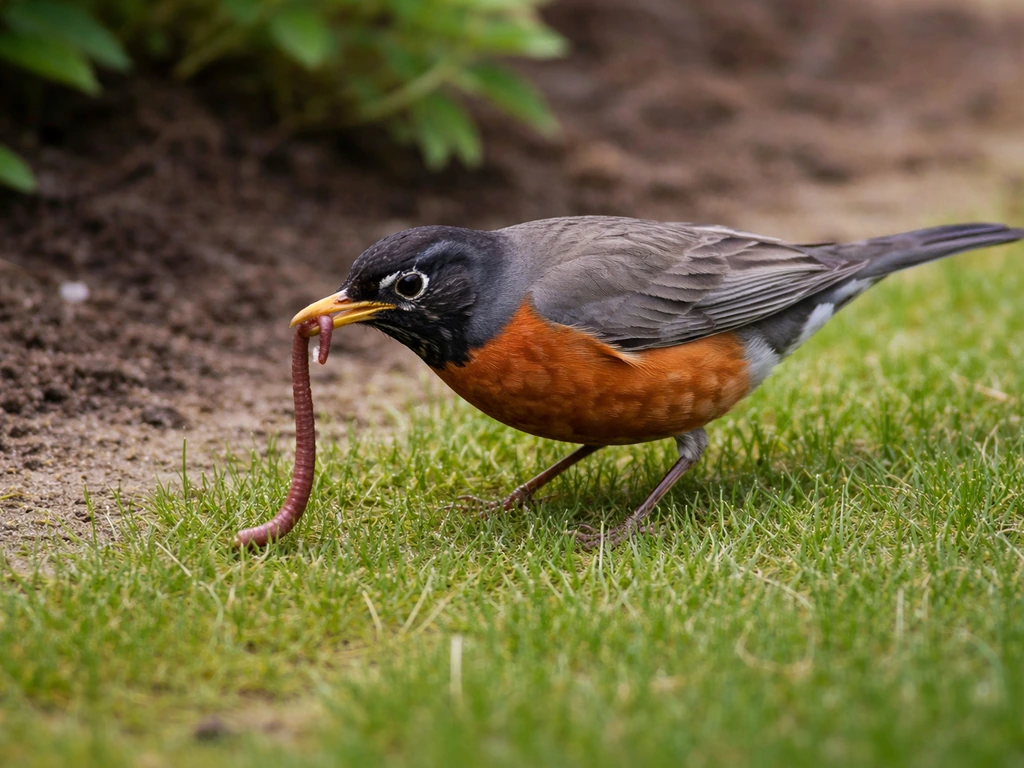
It's by far the most common backyard worm-grabber, and its behavior is distinctive: upright posture, a short run-pause-tilt-head sequence, then a firm tug to pull a full earthworm from the soil. If the bird is darker, stockier, and jabbing its bill rapidly into the ground without pausing, it's probably a European Starling. A large, streaky, long-tailed bird rummaging aggressively through leaf litter near a shrub line points to a Brown Thrasher.
Those three species cover the vast majority of what people see.
The most likely worm-grabbers and what they look like
Getting the ID right starts with a quick size-and-shape check before the bird even moves. Here's what to look for on each of the main candidates.
American Robin
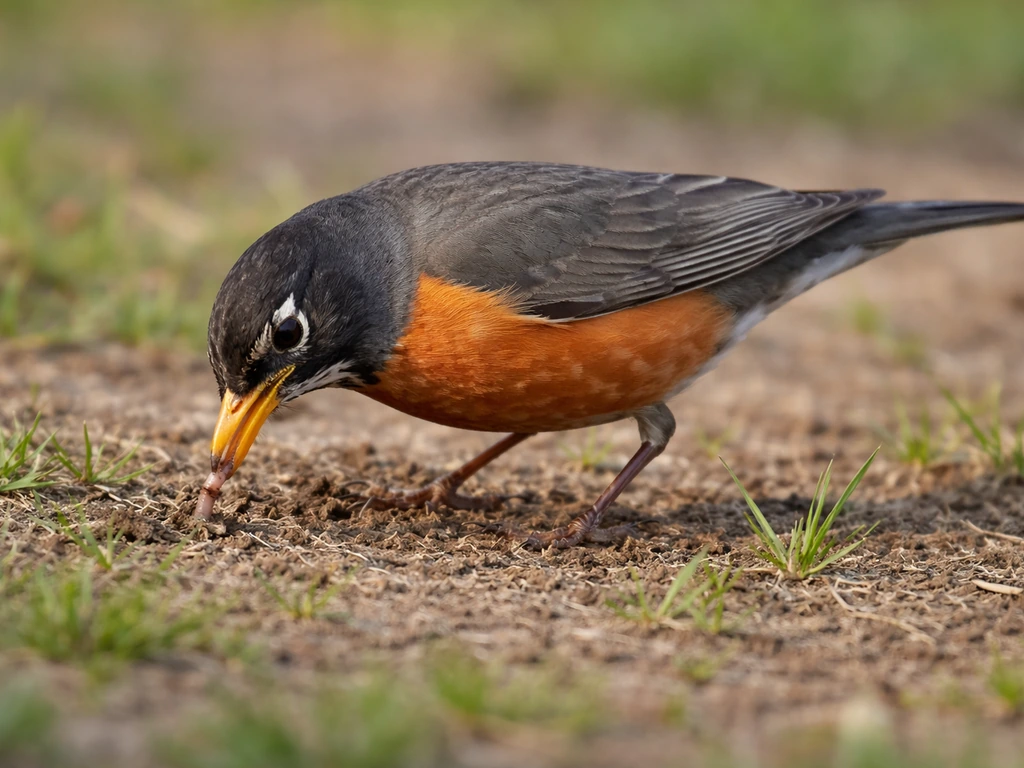
Robins are medium-large songbirds (about 10 inches) with a brick-orange breast, dark gray-black back and head, and a yellow-orange bill. They stand very upright, almost stiff-backed, and you'll often see the bill tilted slightly skyward between foraging bouts. The breast color alone separates them from almost everything else on a lawn in North America. Spring and summer are peak worm season for robins; they shift heavily toward fruits and berries in colder months.
European Starling
Starlings are stocky, short-tailed birds with triangular wings and a sharp, straight yellow bill (in spring/summer). In fresh winter plumage they're heavily speckled with white spots; in summer they look glossy black-green. They're notably smaller than a robin and move in a more frantic, straight-line pattern across the lawn. Their bill looks notably longer relative to their head than a blackbird's stubby bill, which trips up a lot of people, but the stocky body and very short tail are the real giveaways.
Brown Thrasher
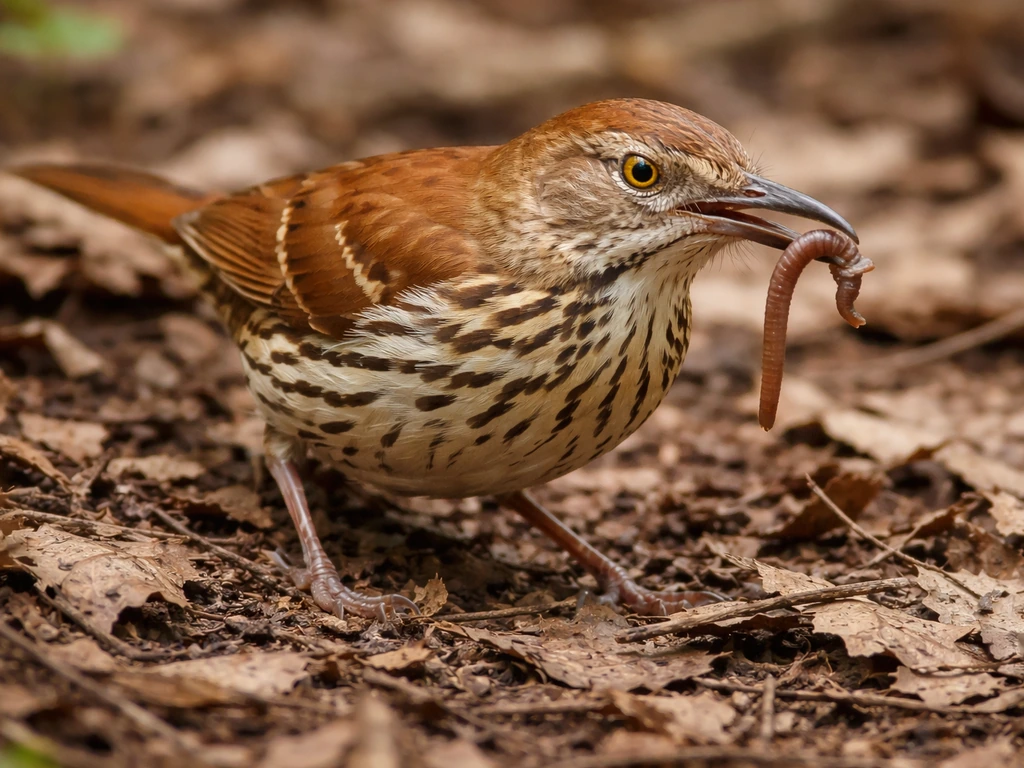
Brown Thrashers are large (about 11.5 inches), rufous-brown above with heavy dark streaking on a white breast. The bill is long and noticeably downcurved, and the tail is extremely long relative to body size. They tend to stay close to shrub edges or brushy cover rather than venturing far into open lawn. If you see one, expect an assertive bird: they're known to aggressively defend nest sites, so don't be surprised if one squares up at you near dense shrubs.
American Pipit (less common in backyards)
Pipits are slim, small, sparrow-sized birds with a thin bill and a strong tail-bobbing habit while walking. They do take worms and invertebrates, but they're almost exclusively a bird of open fields, plowed ground, mudflats, and short-grass areas during migration and winter. All About Birds notes that American Pipits blank" rel="noopener noreferrer">take worms (including marine worms) when they forage in the open habitats where they occur. If you're in a suburban or wooded-edge yard, a pipit is unlikely. If you're near agricultural land in fall or winter and you see a streaky brownish bird constantly wagging its tail in a tight flock, that's your candidate.
Behavior clues: how they grab, hold, and carry worms
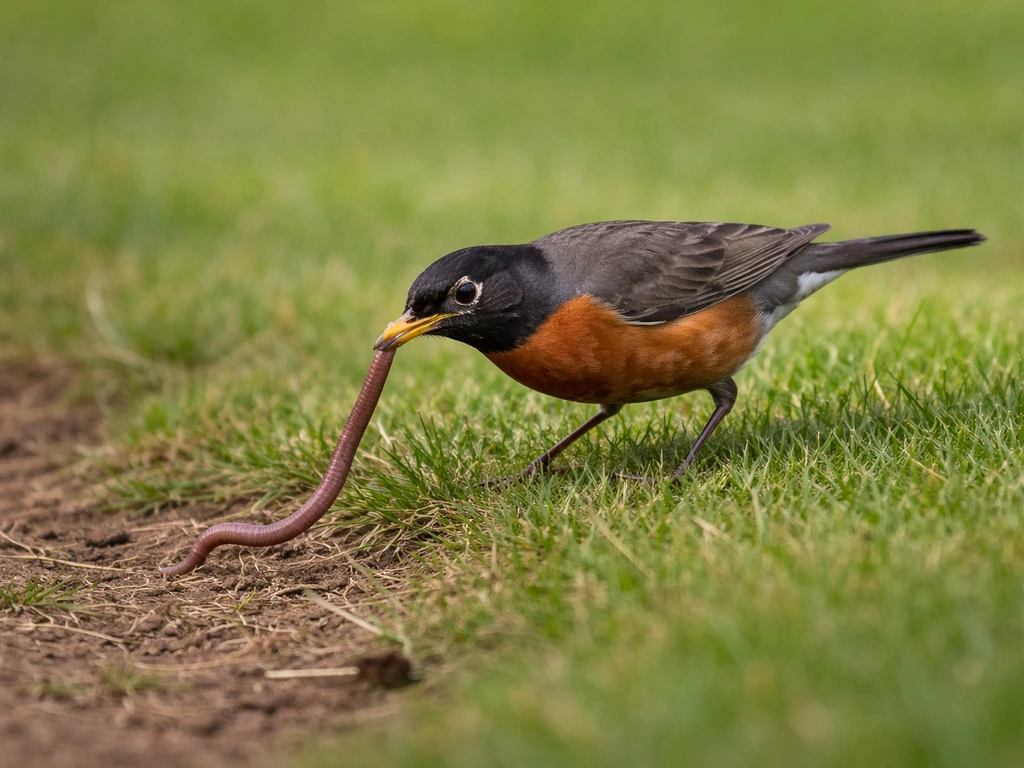
Watching how a bird interacts with a worm is just as useful as watching its plumage, especially at a distance.
| Bird | Foraging technique | How it holds the worm | Giveaway movement |
|---|---|---|---|
| American Robin | Run, pause, tilt head, then pull worm with a backward tug | Bill clamped on worm mid-body; may shake head to break it free | Head-tilt before the grab; upright posture between moves |
| European Starling | Walks in zig-zag line, stabbing bill into soil every step or two | Spears or grips worm with open-close bill probing motion | Rapid constant stabbing; no pausing or tilting |
| Brown Thrasher | Sweeps bill sideways through leaf litter; digs with downward strokes | Flips debris aside before seizing prey from exposed soil | Visible leaf-flinging; stays close to cover |
| American Pipit | Walks steadily while picking invertebrates off ground surface | Picks prey from surface rather than tugging from soil | Constant tail-bobbing while walking |
The robin's head-tilt before grabbing is particularly distinctive. Research suggests robins locate earthworms primarily by sight rather than by hearing the worm move underground, so the sideways head-tilt positions one eye to focus directly on a patch of ground. Once they've spotted movement or detected it through subtle foot vibration sensing, the tug is fast and purposeful. They'll sometimes do a stomping or foot-trembling motion on the lawn, which appears to draw worms closer to the surface. BirdWatchingDaily attributes the circular “dance” or stomping on lawns to foot trembling or paddling that can bring earthworms closer to the surface foot-trembling motion. That's the behavior people sometimes describe as a bird 'dancing in circles' on a wet lawn.
Starlings never do the head-tilt or pause. Their probing is mechanical and repetitive, like a sewing machine needle. They use their bill in an open-bill manner: inserting the tip closed and then spreading it open underground to expose invertebrates. That's worth knowing because a starling and a robin can both be on the same lawn, and at a glance they might both look like 'dark birds eating worms.' The mechanics are completely different once you know what to watch for.
Where to find them in your yard
Ground-foraging worm-eaters aren't random in where they work. Each species favors a slightly different microhabitat, and knowing that narrows down your ID before you even lift binoculars.
- American Robins: short, moist lawn areas away from dense cover. They need to see worms moving and sprint after them, so tall grass or thick ground cover slows them down. Check the center of the lawn, near sprinkler heads, or on grass that stays moist in early morning.
- European Starlings: any open short-grass area including lawns, parks, sports fields, and roadsides. They tend to work in loose groups moving across the lawn in the same direction.
- Brown Thrashers: shrub edges, hedgerows, woodpile perimeters, and anywhere dry leaf litter accumulates near cover. They rarely venture far from a quick escape route.
- American Pipits: flat, open, often bare or short-cropped ground; agricultural edges, pond margins, or airfields during fall-to-spring migration. Not a typical residential lawn bird.
Timing matters too. Robins are strongly early-morning foragers, often out on a wet lawn just after dawn when earthworms are still close to the surface. Starlings forage throughout the day. If you're seeing worm-grabbing activity mid-morning on a dry lawn, lean toward starlings over robins.
Quick ways to confirm the species today
You don't need a full birding kit to confirm what you're seeing. Here's a fast, practical checklist you can run through right now.
- Download the Merlin Bird ID app (free from Cornell Lab). Open the Sound ID or photo ID feature and use it in the moment. Note: Merlin can occasionally suggest incorrect species based on partial views or seasonal plumage, so treat it as a strong lead rather than a final answer, especially with starling-like birds.
- Check the breast color first. Orange-red breast = Robin. Dark glossy/spotted = Starling. Heavy dark streaks on white = Brown Thrasher. Lightly streaked brownish = Pipit.
- Watch for the head-tilt before the grab. Only robins do this consistently.
- Look at the tail length relative to the body. Very long tail = Brown Thrasher. Short tail = Starling. Medium, often held upright = Robin.
- Notice whether the bird pauses or probes continuously. Pausing and tilting = Robin. Non-stop stabbing = Starling. Leaf-flinging near brush = Brown Thrasher.
- Check the time and ground condition. Early morning, moist lawn = Robin most likely. Any time, dry short grass in a group = Starlings.
- Set up a shallow dish of water or lightly run a sprinkler on a patch of lawn the night before. Moist soil brings worms up and will pull robins in reliably at dawn the next morning.
If you want to photograph the bird for a better ID, position yourself so you're not between the bird and the sun. Ground-foraging birds are easily startled, so stay still at the window or garden edge rather than approaching. Robins especially will freeze and stare at you before flying if you get within about 20 feet.
How to encourage worm-eating birds safely
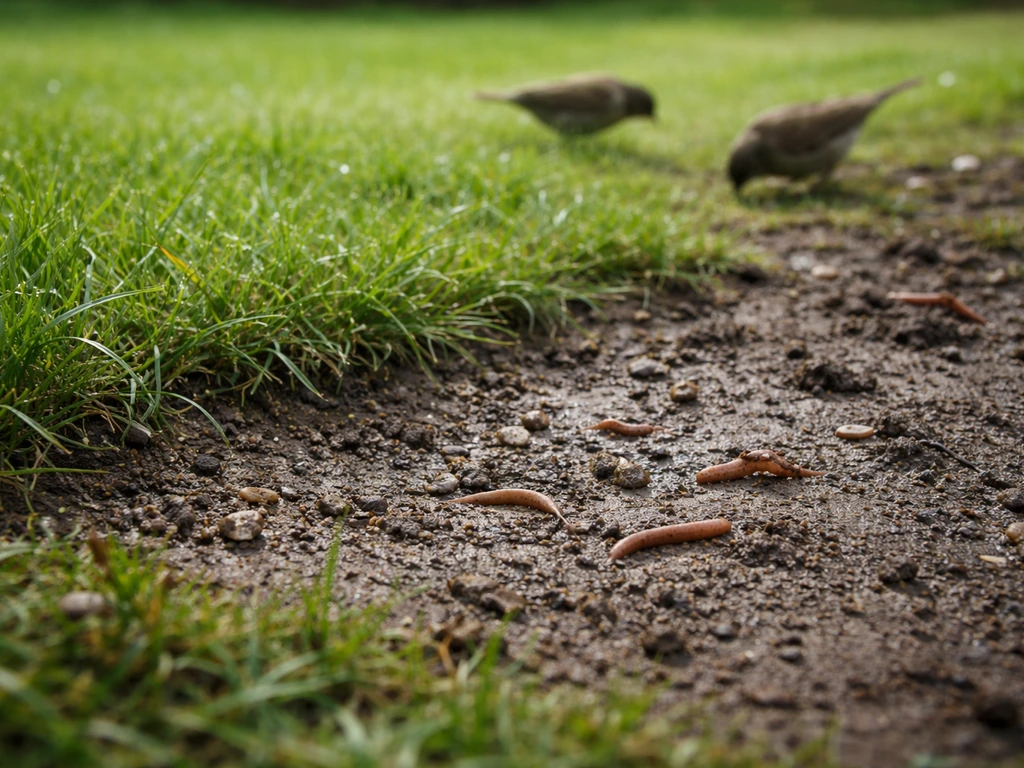
You don't need to buy anything to attract worm-grabbing birds to your yard. The single most effective thing you can do is keep a section of lawn moist and short. Earthworms come closer to the surface in damp conditions, and birds figure this out quickly. A sprinkler or soaker hose run in the evening will produce robin activity the following morning almost every time in spring and summer.
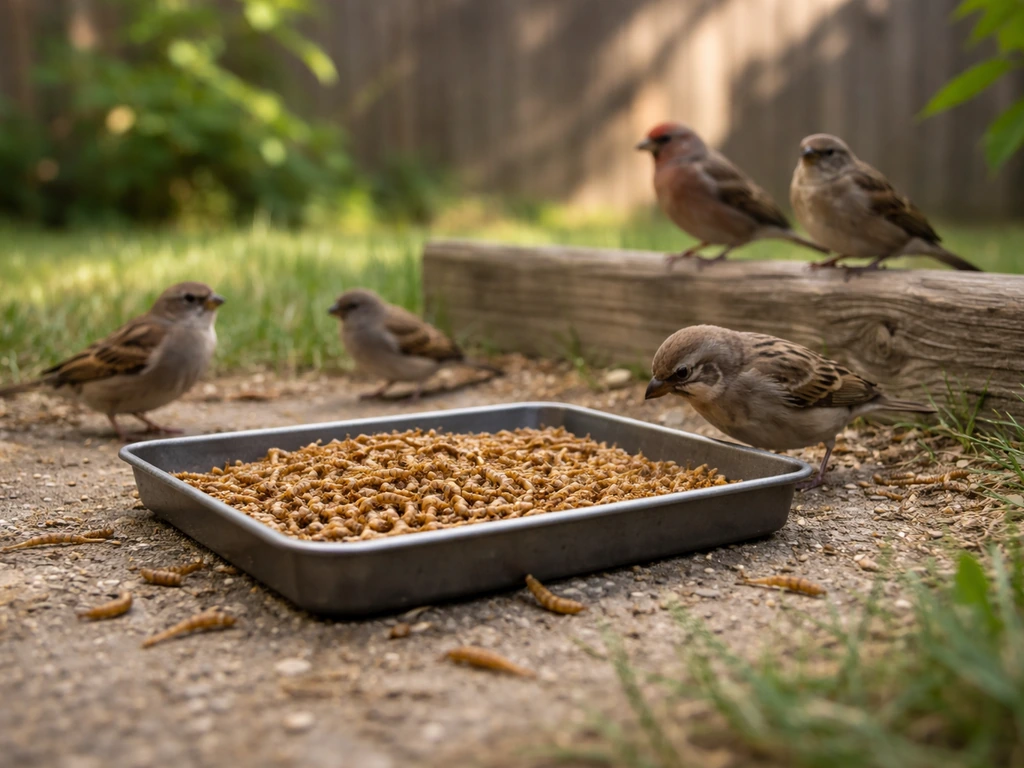
If you want to go further, you can offer live or dried mealworms in a low tray or platform feeder. Robins will occasionally take mealworms, though they're far more interested in live ones. This also connects with the broader group of worm and invertebrate-eating birds: thrushes, bluebirds, and wrens will all visit a mealworm tray. Just keep the tray clean and don't let mealworms sit out in the heat for more than a day.
A few things to avoid: don't dig up worms and scatter them on the lawn surface. Exposed earthworms dry out and die quickly in sun and wind, and a pile of dead or dying worms can attract predators like cats or raccoons as well as birds you may not want (crows, starlings in large numbers). Don't use bait worms from a fishing supply store unless they're the same species as local earthworms, as some bait worms are non-native and can be harmful to soil ecology if they establish. And don't add worms to soil in a way that creates congregation points for pets or neighborhood cats.
Safety risks: spoiled food, pets, and safe handling
Most people watching birds grab worms aren't thinking about risk, but there are a few practical things worth knowing, especially if you have pets or children who play in the yard.
Risks around feeders and ground foraging areas
If you're running a standard seed feeder alongside a lawn where birds forage for worms, be aware that seed hulls and wet seed on the ground can mold quickly in warm weather. Moldy seed is a real risk to birds, and cleaning seed feeders every two weeks (or more often in summer) is a solid baseline. The recommended approach is a 9-parts-water to 1-part-bleach solution, rinse thoroughly, and let it dry before refilling. The same cleaning cycle applies to bird baths, which can become a contamination point for ground-foraging birds that use them after handling worms or soil.
Pet exposure and secondary risks
Dogs and cats that interact with areas where wild birds forage can pick up pathogens from bird droppings, from handled prey items left behind, or from contaminated soil. The CDC advises keeping pets away from bird feeders and bird baths and washing hands after handling any bird feeder equipment, bird baths, or bird food. If your dog is prone to eating things off the lawn, supervise them in areas where birds have been actively foraging, especially if you've seen a bird drop a worm or leave behind other prey remnants.
A separate but related risk: if you use any rodenticide near the house or shed, dead rodents in the yard are a secondary poisoning risk to birds (especially hawks and owls) and to pets. Remove any rodent carcasses promptly and never store pesticides near bird food or pet food. This is especially relevant if you're trying to attract ground-foraging birds, since many of these species also pick up small invertebrates and surface prey that could have contacted rodenticide-contaminated material.
What not to feed birds as a 'worm substitute'
People sometimes try to supplement wild birds with human food scraps when they don't have mealworms on hand. Don't. Bread, crackers, and cooked food are not part of a wild bird's diet, provide little nutrition, and can cause real harm over time. The U.S. Fish & Wildlife Service specifically flags unintended harms from feeding wildlife non-native food. Stick to live or dried mealworms, native berries, or appropriate seed mixes if you want to supplement. Nothing else needs to be added to attract worm-eating birds. They're already very capable of finding their own.
When it's not a typical worm-grabber: refine by region and season
If none of the three main candidates match what you're seeing, location and season are the best next filters.
- Eastern U.S., spring and summer: If the bird is near shrubby cover and much larger than a robin with a drooping bill, consider a Wood Thrush (spotted breast, more compact than a thrasher, forest-edge habitat) or a Hermit Thrush in migration.
- Western U.S.: American Robins are still present and common across the West, but you might also see Varied Thrush (similar size to robin, orange wing bars, more forest-dependent) or Townsend's Solitaire in mountain areas.
- Coastal or open agricultural areas in fall/winter: American Pipits become much more likely if you're near flat open ground. Look for the constant tail-bobbing and thin bill. They often travel in flocks of dozens.
- Suburbs with large trees: Robins remain the default, but watch for Northern Flickers (large woodpecker, often on the ground eating ants and beetles, occasionally worms). Flickers have a very different shape: larger, with a spotted/barred pattern and a strong pointed bill.
- Southeast U.S.: Brown Thrashers are more widespread here and more likely to be in residential areas than in the North. If you see aggressive ground rummaging near hedges, it's a serious candidate year-round.
Season shifts matter for robins specifically. In colder months, a robin you spot may be focused on fruit rather than worms, so you may not see the classic tug-and-pull behavior even if the bird is present. The worm-grabbing activity peaks in spring and early summer when soils are moist and earthworm populations are high near the surface. If you're watching in fall or winter and the same bird is eating berries from a shrub, it's still a robin, just doing different work.
One last myth worth clearing up: many people assume birds find worms by hearing them underground. For robins at least, the evidence points strongly to sight as the primary mechanism. The sideways head-tilt before the grab positions one eye close to the ground in a direct downward line of sight. That's not a listening posture; it's a looking posture. Knowing this makes the behavior easier to predict: robins work best on short, open grass in good light, which is exactly where you should look to watch them.
If you're also curious about which birds eat other invertebrates like mealworms or ants, those foraging behaviors overlap with some of the same species described here, and the ID cues carry over in useful ways across that broader group of ground-feeding insectivores. When a bird is alive, it may also hunt ants as part of its daily diet when a bird is alive it eats ants.
FAQ
Is American Robin always the answer when I see a bird holding a worm?
Yes, other birds can grab worms, but they usually show clearer alternative cues. In particular, check for body shape and habitat use, for example, long, downcurved bill plus shrub-edge hunting suggests Brown Thrasher, while very probing, no head-tilt, and short tail suggests Starling. If the bird is much larger than those or shows a strong perch-and-pounce pattern, you may be watching a hawk rather than a ground-forager.
How can I tell the difference between a robin tugging a worm and a starling grabbing worms quickly?
Robins typically give a brief run or approach, then a pause with a sideways head-tilt, followed by a firm tug that often pulls out the full earthworm. If you see mostly quick stabbing jabs with no pause and no head-tilt, that is a stronger match for Starling than Robin, even if both are eating worms on the same lawn.
What if I see the same bird but it is not pulling worms, only eating something else in winter?
If it is colder and the bird seems to be ignoring worms, you might still be looking at the right species. For robins, worm-grabbing can drop when berries become available and when soil moisture is lower, so behavior may shift to fruit-focused foraging while the bird still “belongs” to the same candidate species.
Can I use time of day to confirm whether it is a robin or starling, and what weather factors should I consider?
Time of day matters, but so does ground conditions. Starlings can forage across the day, while robin activity tends to be strongest right after dawn, especially on wet lawn where worms are near the surface. If it is midday and the turf is dry, a starling-like pattern is more likely than robin even if the bird looks somewhat similar.
What should I do if the bird is too far for me to see breast color or bill details?
Head-tilt can be hard to see from far away, so use movement mechanics instead. Robins often do a short pause and can show a stomping or foot-trembling motion that seems to bring worms up, while starlings probe repetitively with an open-bill technique. If you cannot see plumage clearly, these foraging mechanics can still separate the two.
What is the most common mistake people make when trying to identify the worm-grabbing bird?
Yes, many people misidentify similar dark birds because they focus on color only. A practical fix is to start with size and tail length, then confirm with behavior, stocky short tail plus constant frantic straight-line movement favors Starling, while a more upright posture and brick-orange breast are strong for Robin. Treat “dark bird eating worms” as a starting point, not an ID.
I think it might be a Brown Thrasher, what visual or behavioral signs should I check?
If you are seeing a streaky, long-tailed bird near dense shrubs with an assertive stance, Brown Thrasher becomes a better candidate. Look for the long, downcurved bill and the tendency to stay close to brushy edges rather than open lawn. Thrasher behavior can also include defending space near nesting sites, so you might see it square up to you.
If I put out mealworms, can that confirm which bird was grabbing worms on my lawn?
Offer mealworms as a separate confirmation tool, but do not expect them to eliminate uncertainty. Robins will occasionally take them, and several other ground-feeding birds may also visit, so a mealworm tray can tell you which species are willing to approach, not always which one is the exact “worm holder” you saw. If you use a tray, also watch whether the bird still shows the robin head-tilt or starling probing mechanics.
Are fishing bait worms okay to use if I want to attract the bird that grabs and holds worms?
Yes, bait worms are a common edge case. If you use non-native bait worms, you can unintentionally support different worm-eating behavior and potentially affect local soil ecology. A safer approach is to avoid introducing outside worm species, and instead improve lawn moisture and let local earthworms do the work.
What should I watch for if I have dogs, cats, or small children in the yard?
Make sure pets and people do not create new risks while you are trying to attract birds. If dogs or cats roam where birds forage, supervise them and remove obvious worm remnants, and wash hands after handling feeder equipment or birdbath cleaning. Also keep bird baths and seed feeders clean, because wet food residues can mold quickly.
How should I record or photograph the behavior so I can confirm the species confidently?
Sometimes “worm holders” are easiest to spot because the worm disappears quickly, but the bird may not stay in the same spot. Use a simple tactic, stay still, watch for repeat visits to the same patch, and note whether the bird pauses with a head-tilt before tugging. For photos, position so sunlight does not blow out the bill and breast colors, and capture one complete sequence (approach, pause, grab) rather than a single still frame.
Next Articles
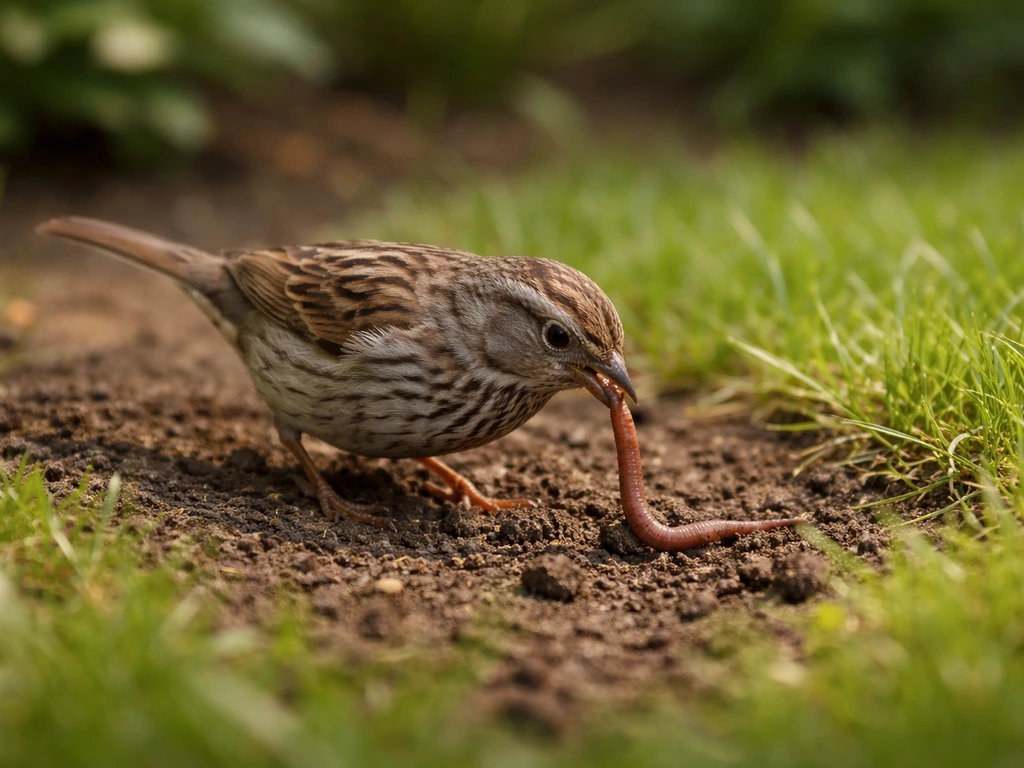
What Bird Eats Worms? Identify and Attract Worm-Eaters
Identify worm-eating birds and attract them safely with habitat tips, foraging clues, and feeder and hygiene do’s and do
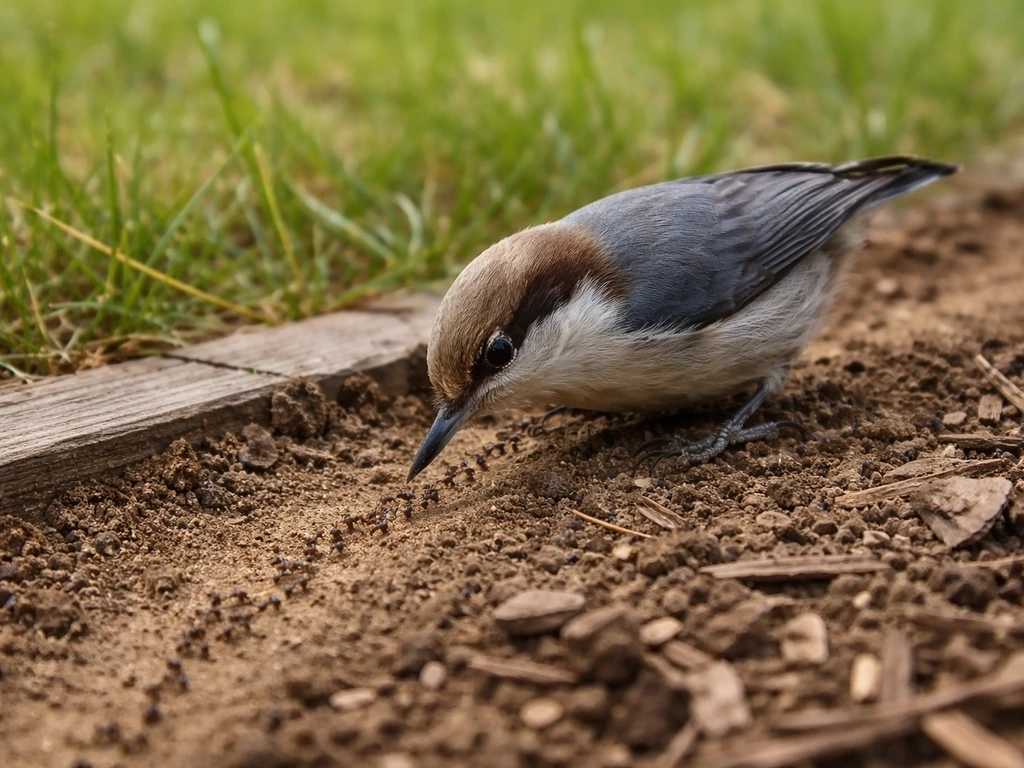
When a Bird Is Alive It Eats Ants: Meaning and What Birds Do
Meaning of when a bird is alive it eats ants, plus how to spot ant-foraging birds and feed safely.
What Bird Eats Mealworms? Backyard Guide to Dried Worms
Learn which backyard birds eat dried mealworms and how to offer them safely with feeders, timing, and troubleshooting ti