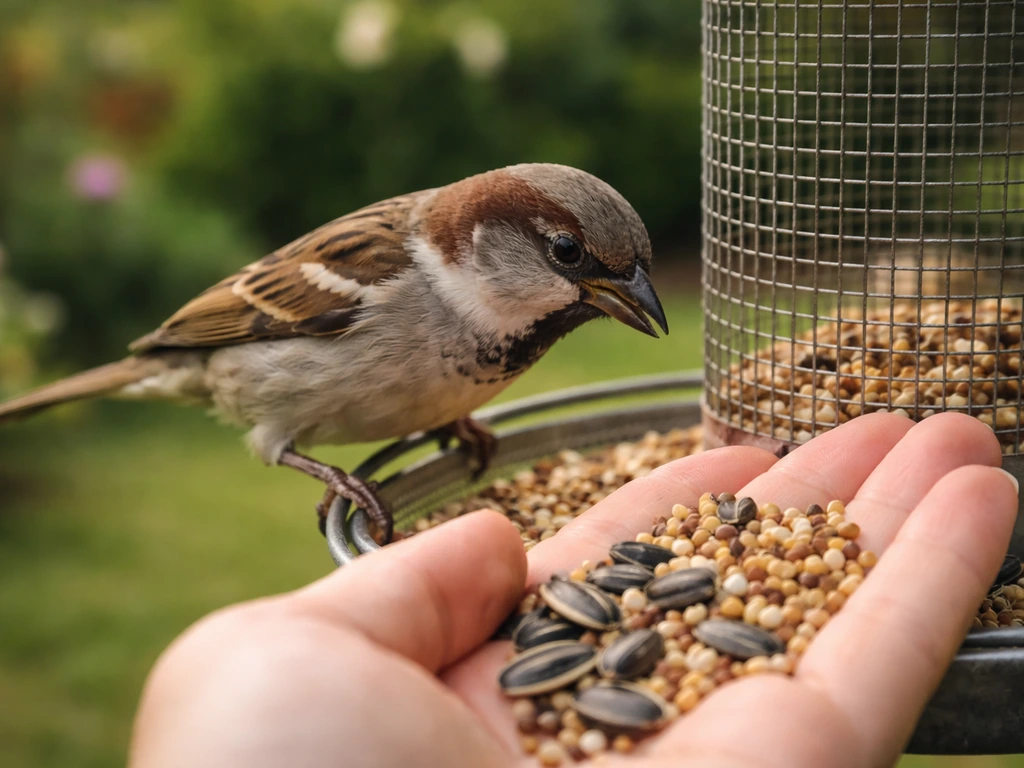
Birds can technically eat bread, and many will happily peck at it, but bread is one of the worst things you can put out at a feeder. It offers almost no nutritional value, fills birds up so they skip the foods they actually need, and creates real hygiene and health risks when it gets wet, moldy, or sits on flat surfaces where multiple birds pick at it. The short version: stop putting bread out, swap it for something species-appropriate today, and clean up any crumbs or old pieces you already have sitting around. Dubuque Audubon Society’s Q&A also advises against feeding bread and other processed foods at bird feeders like crackers and chips stop putting bread out.
Can Birds Eat Bread? What to Feed Instead Safely

Maya Bennett
24 Apr 2026
Why bread is a poor choice for birds
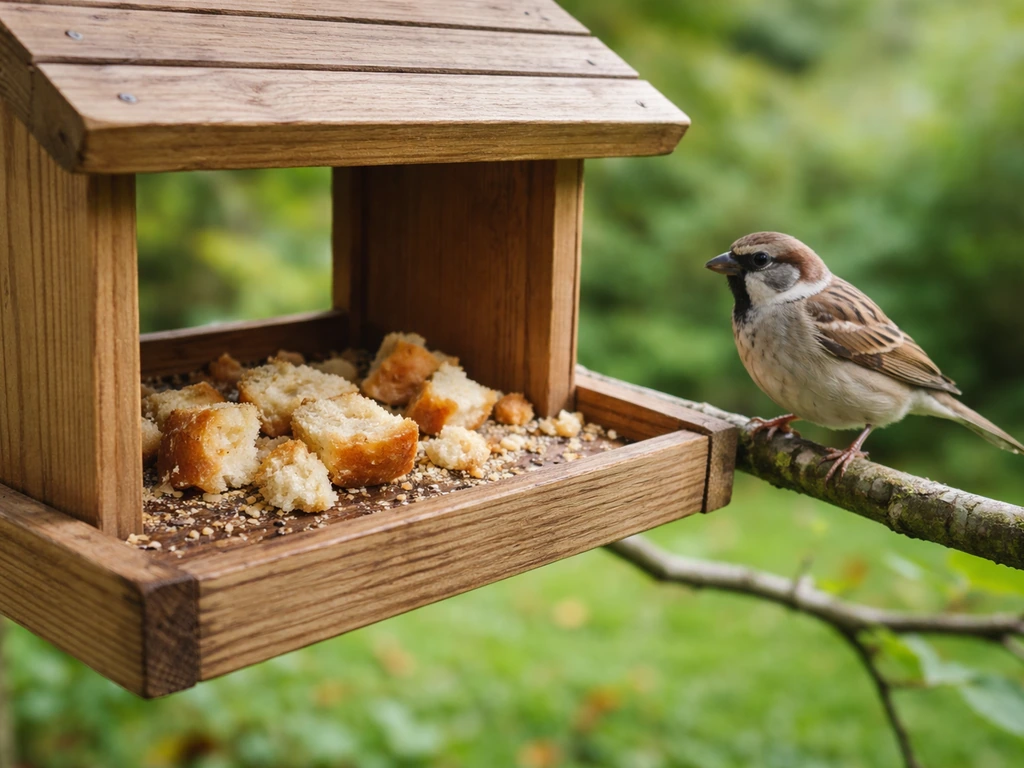
The biggest problem with bread is not that it poisons birds outright, it is that it crowds out better food. The Audubon Society describes bread as junk food for birds: empty calories with none of the protein, fat, or micronutrients wild birds need to survive, especially during breeding season or migration when nutritional demands are highest. A bird that fills up on bread is a bird that did not eat enough insects, seeds, or berries.
There is also a physical risk. Bread expands when wet, and a bird that eats a lot of it, particularly dry crusts, can experience digestive discomfort or impaction. Young chicks fed bread by well-meaning people are especially vulnerable because their digestive systems are still developing and they need high-protein food (mostly insects) to grow properly.
The T. Gilbert Pearson Audubon Society put it plainly: birds that fill up on non-nutritional food like bread and crackers simply do not eat enough of their natural diet. Over time, if birds in your yard come to rely on bread handouts, they face a real risk when you stop providing it and they have not been foraging normally. Dependence on human-provided junk food is a genuine conservation concern, not just a backyard nuisance.
Busting the 'just a little won't hurt' myth
This is the most common argument people make, and it sounds reasonable on the surface. But think about it from the bird's perspective. A small sparrow or finch has a tiny stomach. Even a modest piece of bread can represent a significant portion of its daily intake. That means a little bread is not a harmless treat, it is a meaningful displacement of actual nutrition. The U.S. Fish and Wildlife Service includes bread items among foods that should be avoided in bird feeding, reinforcing that this is not just a purist concern.
Special cases: waterfowl and backyard birds
Ducks and geese at parks are probably the most bread-fed birds on the planet, and they are also the most harmed by it. Audubon has been vocal about the detrimental effects of feeding waterfowl bread and other human foods. One well-documented outcome is a condition called angel wing, where a high-carbohydrate, low-protein diet during development causes wing joints to grow incorrectly, leaving birds permanently flightless. Bread is the main culprit. Even adult ducks who appear healthy after years of park feeding are likely nutritionally deficient compared to wild populations eating aquatic plants, invertebrates, and natural seeds.
Common backyard birds like house sparrows, starlings, pigeons, and crows will also eat bread eagerly. The difference is that these birds are more opportunistic and adaptable, but that does not mean bread is good for them. It just means they will eat it anyway. Songbirds like finches, chickadees, and warblers are even less suited to a bread-based diet and are better served by species-appropriate feeders stocked with the right seeds or suet.
What to feed instead
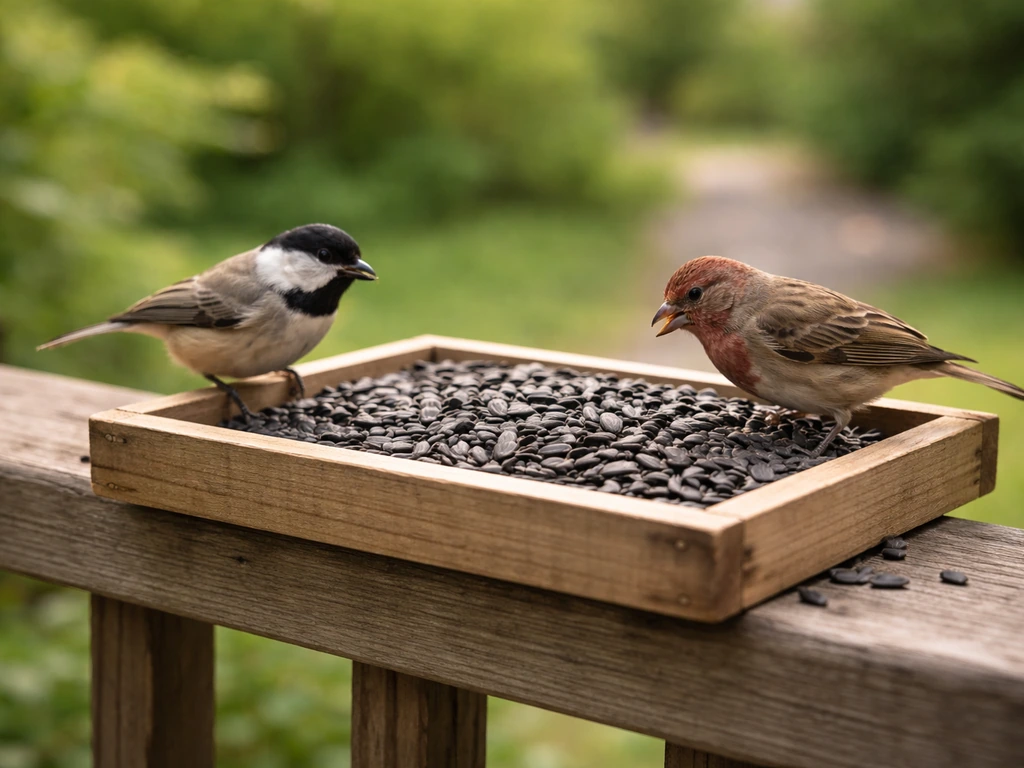
The good news is that swapping out bread for genuinely useful bird food does not require much effort or expense. Audubon's backyard feeding guidance distinguishes feeder types by bird behavior, which is a useful framework for choosing what to offer. Here are the most practical, evidence-based replacements:
- Black oil sunflower seeds: suitable for a wide range of birds including chickadees, finches, nuthatches, and cardinals. High fat and protein content makes these genuinely nutritious.
- Suet cakes: ideal for woodpeckers, nuthatches, chickadees, and wrens. High in fat, especially valuable in cold weather and during nesting season when energy demands are high.
- Mealworms (live or dried): excellent protein source; particularly attractive to robins, bluebirds, and other insect-eating species that rarely visit seed feeders.
- Nyjer (thistle) seed: small, oil-rich seeds that goldfinches and siskins love. Use a tube feeder with small ports to minimize waste.
- Fresh or dried fruit: robins, waxwings, bluebirds, and mockingbirds are fruit specialists. Sliced apple, berries, or raisins (soaked first) are far better options than bread for these species.
- Nectar feeders: for hummingbirds, a clean sugar-water solution (four parts water to one part plain white sugar) is the correct replacement, not anything bread-based.
If you have been using bread to attract birds and want to transition, start by phasing in one or two of the above options alongside your current setup, then remove the bread entirely within a day or two. Birds will adapt quickly once better food is available. The National Wildlife Federation also recommends focusing on supplementing natural diets rather than replacing them, so if your yard has native plants that produce seeds or berries, those matter just as much as what is in the feeder. You might also want to look at what other human foods come up as backyard questions: cheese, for example, shares some of the same concerns as bread around fat content and nutritional mismatch, while fruits like grapes, bananas, and watermelon are generally much safer options for species that eat fruit naturally. Some people wonder can bird eat cheese, but cheese raises the same nutritional mismatch issues as bread for many birds. Watermelon is generally much safer than bread as a fruit option for birds that eat fruit naturally. If you are wondering about fruit instead of bread, grapes are generally not recommended for birds, and you should check safe fruit options for your species fruits like grapes.
Risk management: spoiled bread, mold, and feeder hygiene
Spoiled bread is in a different danger category from fresh bread. Moldy bread can carry Aspergillus fungi, which cause aspergillosis, a serious respiratory disease in birds. Wet bread also harbors bacteria quickly, especially in warm weather. Tufts Cummings School of Veterinary Medicine's wildlife clinic offers a simple and memorable rule: if it is too old for you to eat, it is too old to feed to wildlife. That applies directly to bread.
Even if the bread itself is fresh, the way it sits matters. The RSPB specifically flags flat feeding surfaces as higher-risk zones for disease transmission because contaminated food can collect and be consumed by multiple birds in sequence. Bread crumbs scattered on a patio or flat table are exactly that kind of surface. Droppings mix with crumbs, one sick bird visits, and the contamination spreads to every bird that follows.
There is also a secondary exposure risk for pets. Dogs that eat moldy bread left out in a yard, or birds that carry contaminated crumbs near pet food or water bowls, create a real cross-contamination pathway. If you have dogs or cats with outdoor access, cleaning up bird feeding areas is a hygiene step for your pets too, not just the wildlife.
Feeder cleaning standards that actually work
The RSPCA recommends cleaning and disinfecting water containers daily and feeders at least weekly, letting them dry fully before refilling. The RSPB goes further in its current guidance: if you see sick birds at your feeder, stop feeding entirely, clean all feeders with a mild disinfectant, and do not start again for at least two weeks in that area. This sounds dramatic but it is the recommended response because continuing to offer food at a contaminated site draws more birds into the same disease exposure risk.
For everyday hygiene, use a dilute bleach solution (one part household bleach to nine parts water) or a specialist bird feeder disinfectant. Rinse thoroughly and dry before refilling. Tube feeders, suet cages, and platform feeders all need different cleaning approaches, but all of them need regular attention, especially in wet weather when mold and bacteria develop faster.
Clean-up and next steps for today
Here is what to actually do right now if you have been feeding bread, or if you find bread crumbs around your yard or feeder area:
- Remove any bread, crackers, toast, or baked goods from feeders, bird tables, or the ground immediately. Do not leave even small amounts out.
- Bag and bin moldy or wet bread rather than composting it, to avoid attracting rodents and spreading fungal spores.
- Brush or sweep flat surfaces where bread crumbs have accumulated. If the surface is a bird table or patio slab, rinse it down and disinfect it.
- Check your current feeder stock: if you have been using bread as filler because you ran out of seed or suet, pick up black oil sunflower seeds or a suet cake as your immediate replacement.
- Fill or refresh water sources with clean water. Birds that have been eating dry bread may be dehydrated, and a clean fresh water source is one of the most valuable things you can offer.
- If you spotted any birds behaving strangely (fluffed up, lethargic, or unsteady) near a bread-heavy feeding area, take down the feeder, clean it thoroughly, and leave it empty for two weeks before reintroducing food.
- Store all bird food in sealed, airtight containers in a cool dry place. The same rule applies to any fruit or protein-based foods: if it smells off or shows mold, bin it.
The underlying principle here is simple: birds do not need bread, and offering it does more harm than good even when your intentions are generous. Switching to species-appropriate food, keeping feeding areas clean, and following basic hygiene steps will do far more for the birds visiting your yard than any amount of crusts or leftover toast. Start with the swap today, and the birds will follow.
FAQ
Can a bird eat bread once as a treat without problems?
One small bite is unlikely to cause immediate harm, but it still displaces the bird’s normal nutrition. If you have been feeding bread regularly, the safest approach is to remove it quickly and switch to appropriate feeder food rather than offering “just a little” over time.
Is toasted bread safer than fresh bread?
Toasting only changes texture and moisture, it does not fix the core issues (empty nutrition and high-carb crowding out better foods). Toast can also dry out into crust crumbs that sit on flat surfaces, increasing contamination risk if it gets mixed with droppings.
What if the bread is stale but not moldy?
Stale bread can still become risky once it gets damp and attracts bacteria. Follow the same practical rule used for wildlife feeding, if you would not comfortably eat it, do not feed it to birds, and remove old bread promptly.
Can birds eat bread dough or batter, not just baked bread?
Avoid it. Dough and batter can expand in a bird’s digestive tract and are more likely to cause discomfort compared with baked bread. Also, sticky residues attract more birds and create mess that is harder to clean.
Do ducks and geese get less harm from bread than songbirds?
No, waterfowl are often even more affected because park handouts can lead to long-term nutritional imbalance during growth. Bread is consistently low in protein and key nutrients, which can contribute to developmental problems like angel wing.
My yard has bread crumbs that I did not purposely place out. Should I worry?
Yes, clean it up. Crumbs on patios or ground create a repeated, shared contamination surface, especially if multiple birds feed there and droppings mix with food.
How long should I stop feeding after seeing sick birds at the feeder?
If you notice sick birds, the recommended response is to stop feeding, clean and disinfect feeders, and wait about two weeks before restarting in that same area. This reduces the chance that contaminated food continues to bring birds back to the exposure site.
What is the best way to transition birds away from bread?
Use a short phase-out. Offer one or two better options alongside what you have been using, then remove the bread within a day or two. Birds adapt quickly when higher-quality food is available.
What feeder foods should I use instead for common backyard birds?
Match food to bird type. For seed-eaters, use suitable seed mixes or single-species seed, for many insect-eaters use high-protein options like mealworms where appropriate, and for some species suet works well. If you are unsure, choose species-appropriate feeders and start with what you know birds are already foraging for locally.
Can I put bread in water, like a quick “duck snack”?
Avoid it. Soaked bread breaks down faster, spreads more easily, and creates additional hygiene problems. Wet bread also increases microbial growth and can make digestive issues more likely.
Does bread affect pets if dogs or cats can access the feeding area?
It can. Dogs may eat moldy bread, and contaminated crumbs near pet bowls or water can create cross-contamination. Clean up the area and keep pets away from the feeder zone, especially in warm weather.
How should I clean feeders if I stop using bread?
Clean according to feeder type, but the key steps are remove old food daily, disinfect regularly, rinse thoroughly, and fully dry before refilling. Wet weather increases mold and bacteria, so increase cleaning frequency and do not refill onto residue.
What should I do if I already bought a large bag of bread products for feeding?
Do not “use it up” at feeders. Store it away from the birds, then switch to appropriate feeder food. If you are tempted to feed scraps, use species-safe options instead and remove any existing bread from the area.
Next Article
What Bird of Prey Eats Pigeons: Common Raptors & ID Tips
Which raptors eat pigeons: peregrine, Cooper’s, goshawk, merlin, red-tailed, kestrels, owls; ID tips, risks and how to保护