Yes, a kiwi bird can eat kiwi fruit, and it is not toxic to them. But here is the thing most people miss: the kiwi bird and the kiwi fruit share a name and almost nothing else. The bird is a nocturnal, flightless ratite from New Zealand that survives almost entirely on earthworms and invertebrates. Kiwi fruit is not a natural part of its diet at all. In captivity, some wildlife facilities do include small amounts of fruit, including kiwi fruit, as a dietary supplement, but it should never make up more than about 15% of total food intake, and it works best as an occasional enrichment treat rather than a staple.
Can a Kiwi Bird Eat a Kiwi Fruit? Safe Feeding Guide

Maya Bennett
3 Jun 2026
The name confusion worth clearing up first
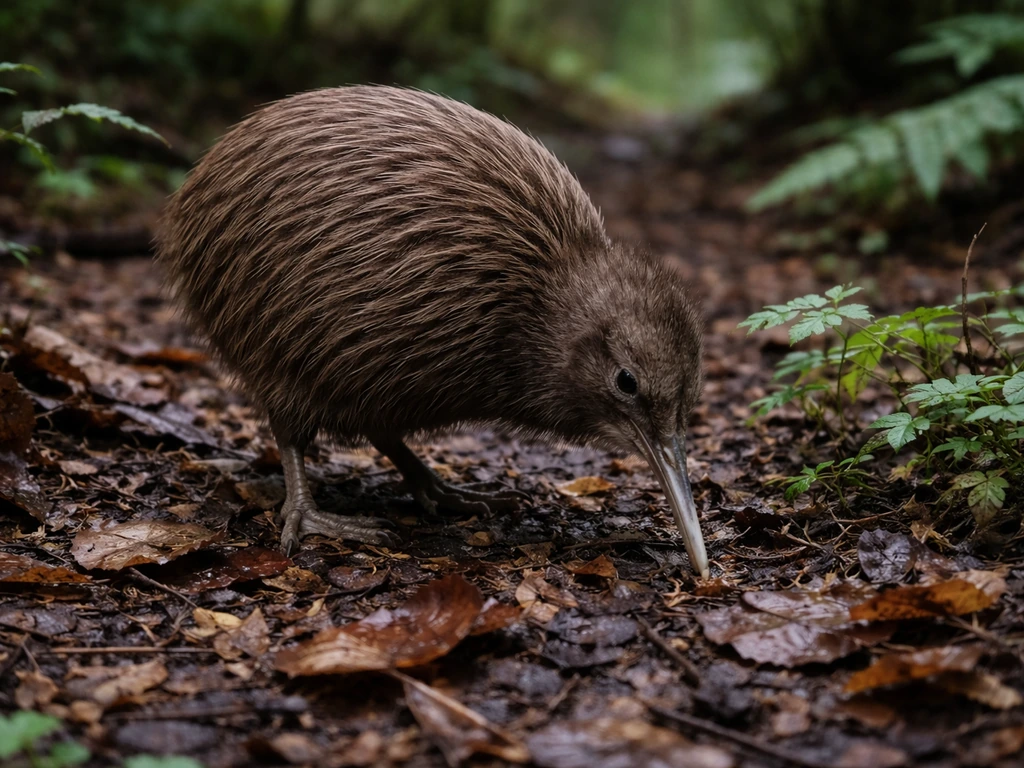
The kiwi bird (genus Apteryx) got its name from the Maori word for the bird, and the fruit was named after the bird because of its similar fuzzy brown appearance. They are completely unrelated. The bird is native to New Zealand forests. The fruit comes from the Actinidia vine, originally from China. So when someone asks whether a kiwi bird eats kiwi fruit, they are asking whether a small, nearly blind, worm-eating forest bird happens to eat the same fruit you put in your smoothie. The answer is: not naturally, but it is not off-limits in a controlled feeding context.
What kiwi birds actually eat in the wild
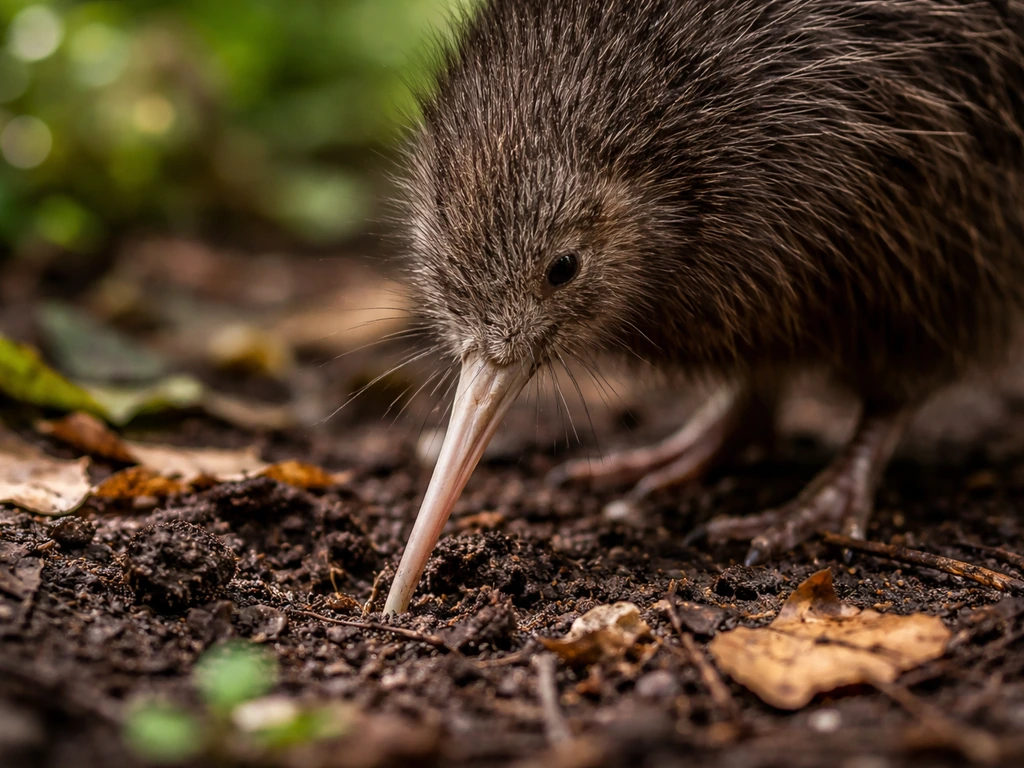
Kiwi are omnivores, but their diet leans heavily toward invertebrates. They use their long, sensitive bills to probe soil and leaf litter, and the nostrils at the tip of the bill help them smell prey underground. The bulk of a wild kiwi's diet looks like this:
- Earthworms (the primary food source for most species)
- Beetles, grubs, and other insects
- Spiders and wetas
- Snails and crayfish (especially in North Island brown kiwi)
- Occasional berries from native plants including totara, hinau, miro, and several coprosma and hebe species
- Some leaves and seeds in small quantities
Published gizzard content analyses of North Island brown kiwi confirm that plant material, including seeds and fruit remnants, does show up alongside invertebrate prey. So fruit is not foreign to their biology. It just plays a minor supporting role, not a leading one. Conservation organizations like Save the Kiwi and wildlife parks like Willowbank both frame fruit and berries as an occasional supplement to a primarily invertebrate diet, which is exactly how captive facilities should approach it too.
Can you actually feed kiwi fruit to a kiwi bird? Here is the safety breakdown
Kiwi fruit is not toxic to kiwi birds. Clinical avian medicine resources (including IVIS guidance on captive ratite management) specifically list kiwi fruit among foods offered to captive kiwi at some facilities. But "not toxic" and "safe to feed freely" are different things. Here is what responsible preparation looks like:
Preparation steps before offering kiwi fruit
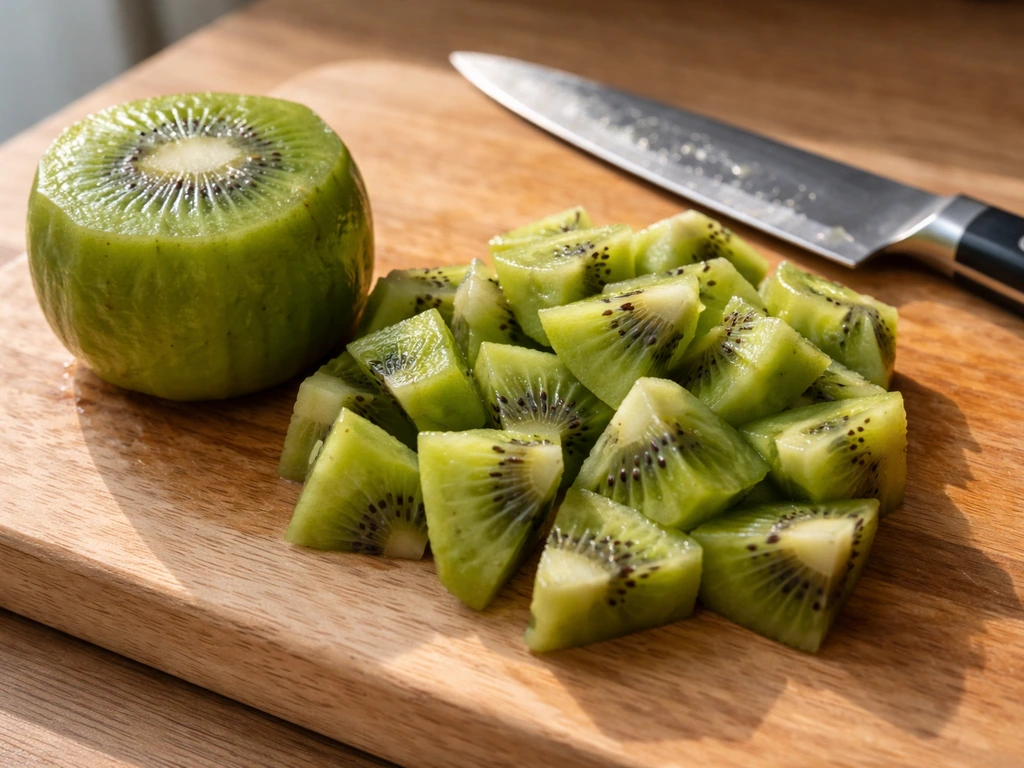
- Remove the skin entirely. The fuzzy skin is not easily digestible and is best left out.
- Slice the flesh into small, manageable pieces. For a bird the size of a domestic chicken, thumb-sized chunks are about right.
- Remove or minimize contact with the seeds if possible, though the small seeds in kiwi fruit are generally considered low-risk.
- Offer the fruit at room temperature, not cold from the refrigerator.
- Place it in a shallow dish or on a clean flat surface, not mixed into substrate where it can collect bacteria quickly.
Portion size and frequency
Wildlife rehabilitation nutrition guidelines are clear on this: fruit should never exceed 15% of a bird's total daily diet. For a kiwi in captivity, that means fruit is a small addition, not a meal. For many people searching the question can you eat cuckoo bird, the key point is that feeding wild birds should never be treated like a safe tasting option fruit is a small addition.
A couple of small pieces a few times per week is a reasonable upper limit. Offering it daily in large amounts can cause loose or very soft feces, which is one of the first signs that fruit is taking up too much of the diet. Reduce or pause fruit if you notice that.
Foods that are actually dangerous to avoid
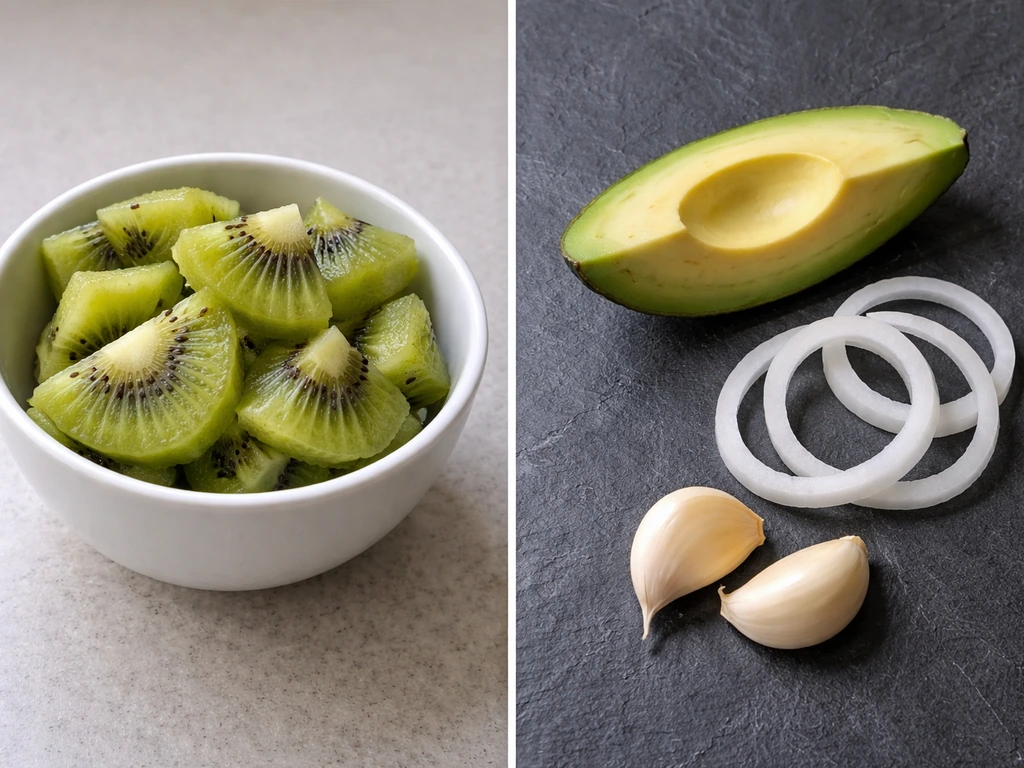
- Avocado: toxic to most birds, including ratites, and should never be offered
- Onion and garlic: can damage red blood cells in birds
- Chocolate and caffeine: toxic to virtually all birds
- Fruit with mold or fermentation: can cause serious digestive and neurological issues
- Highly salted or processed foods: damaging to kidneys over time
Health risks from improper fruit feeding and why hygiene matters
Fruit spoils fast, especially in warm or humid conditions. A piece of kiwi fruit left in an enclosure or feeding area for more than a couple of hours can start to ferment and grow bacteria. This is one of the more overlooked risks in bird feeding, whether you are managing a captive kiwi, a rehab bird, or even a backyard feeding station for other species. Here is what to watch for and how to stay ahead of it.
Signs a bird may have eaten something inappropriate
- Very soft or watery droppings that persist for more than 24 hours
- Reduced activity or lethargy after a new food is introduced
- Loss of interest in normal food (especially invertebrates, which should always be preferred)
- Visible bloating or distress behavior
- Regurgitation or repeated head shaking after eating
Feeder and enclosure hygiene basics
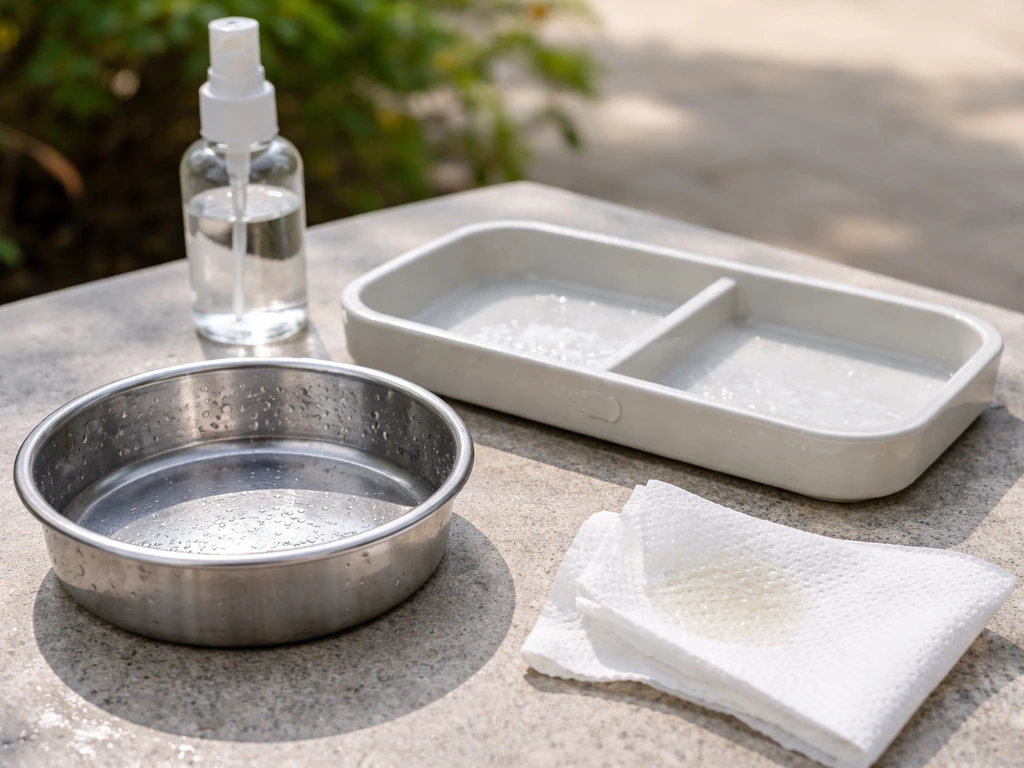
If you are managing any kind of feeding area for birds, cleanliness directly affects health outcomes. Fruit scraps and fallen food attract rodents and insects, which can then introduce parasites or disease into the feeding zone. For enclosures or rehab setups, remove uneaten fruit within 2 to 4 hours. Remove leftover feed promptly because keeping food at feeding sites can increase risks when animals congregate remove uneaten fruit within 2 to 4 hours. For outdoor feeders used for other ground-feeding birds, the same principle applies: remove debris regularly and do not let food pile up on the ground.
For feeders and dishes, clean them with a diluted bleach solution, roughly 2 ounces of bleach per gallon of water, scrub thoroughly, rinse completely, and let them dry fully before refilling. A good cleaning schedule is at least every two weeks for regular feeders, and more often if you are offering fresh fruit or high-moisture foods. Always dry before refilling, because moisture trapped inside encourages mold.
How to observe and adjust feeding for any ground bird
Whether you are working with a captive kiwi, a rehab bird, or trying to attract and support other ground-feeding birds in your backyard, the same observation principles apply. Birds will tell you a lot through their behavior if you know what to look for.
- Offer a new food like kiwi fruit in a small amount on day one and watch what happens over the next 24 hours.
- Check droppings the following morning. Firm, consistent droppings are a good sign. Runny or unusually colored ones are a signal to pull back.
- Note whether the bird returns to eat the fruit or ignores it after the first taste. Ignoring it is useful data: the bird may not find it palatable.
- Track whether the bird's normal food intake (especially invertebrates) drops after fruit is introduced. If it does, reduce the fruit offering.
- Keep a simple log of what you offered, how much, and the bird's response. Even a few lines per day helps you spot patterns.
- If you see anything that looks like distress (lethargy, repeated regurgitation, very runny droppings for more than a day), stop the new food and contact a wildlife rehabilitator or avian vet.
For backyard contexts where you are not dealing with kiwi birds directly but are trying to support ground-feeding birds in general, the same watchful approach works. Scatter small amounts of food, observe what is accepted and what sits untouched, and adjust accordingly. Food that sits on the ground uneaten just attracts pests.
Better food options: what to offer kiwi birds and ground birds in captivity or rehab
If you are caring for a kiwi in a rehab or captive setting, the invertebrate component of the diet is non-negotiable. Fruit is a bonus, not a foundation. For rescued native birds, NSW rehab guidance says live worms and insects gut-loaded with calcium are a preferable main nutrition source, and a small amount of fruit can be offered in rehab contexts. Professional facilities across New Zealand use a standardized diet known as the Massey diet, often supplemented with calcium powder and other minerals. In the absence of that, here is what good supplemental nutrition looks like in practice:
| Food type | Role in diet | Preparation notes | Frequency |
|---|---|---|---|
| Earthworms | Primary protein and energy source | Live, sourced from pesticide-free soil or commercial suppliers | Daily, offered in leaf litter or substrate for enrichment |
| Crickets and mealworms | Secondary invertebrate protein | Gut-loaded with calcium before feeding | Several times per week |
| Beetles and grubs | Natural dietary item | Live where possible, sourced commercially | A few times per week |
| Native berries (or similar soft fruits) | Minor dietary supplement | Whole or halved, removed if uneaten within a few hours | A few times per week, small portions |
| Kiwi fruit (flesh only, no skin) | Occasional enrichment treat | Small slices, skin removed, at room temperature | A few times per week at most, never more than 15% of total diet |
| Calcium-dusted invertebrates | Mineral supplementation | Dust with calcium powder per vet or facility guidance | Per rehab or veterinary protocol |
Leaf litter and soil substrate in the enclosure also serve as enrichment, letting the bird probe and forage naturally. That foraging behavior matters for stress reduction and overall welfare. A kiwi that can dig for its food is a much calmer, healthier bird than one eating from a bowl with nothing to explore.
If you are working with other ground-feeding birds in a rehab or backyard context, rather than kiwi specifically, the same prioritization applies: live invertebrates first, native seeds and berries second, commercial fruit as an occasional low-percentage supplement. The biology of ground-feeding birds is built around foraging for insects and worms, and that is what their digestive systems are optimized for.
When to get professional guidance
If you are caring for a kiwi bird in any capacity, you should already be working with a licensed wildlife rehabilitator or avian specialist. For peacock birds, diets can differ by species and age, so you should check a trusted avian nutrition guide before offering anything new like peacock meat or peacock products can you eat peacock bird. If you are wondering, “can you eat kiwi bird,” the short answer is no.
You should not eat kiwi birds at all because they are protected wildlife in many places. If you meant killdeer eggs specifically, it is still best to check local wildlife laws and safe feeding guidance before offering anything eat kiwi birds. If you are asking, “can you eat killdeer bird eggs,” the same idea applies: check local wildlife rules and safety guidance first. Kiwi are protected species in New Zealand, and their care outside of licensed facilities is strictly regulated.
If you have found an injured or orphaned kiwi, contact the New Zealand Department of Conservation or a local kiwi rescue group immediately. Do not attempt to feed it without professional guidance, including whether to offer fruit at all. For other ground birds in rehab, your local wildlife rehabilitation organization should be your first call before adjusting diet significantly.
FAQ
How much kiwi fruit can I give a kiwi bird without causing digestive problems?
In general, treat kiwi fruit as an occasional enrichment add-on, not a daily food. If you want a practical schedule, offer a small piece a few times per week at most, and keep fruit under roughly 15% of the bird’s total intake. If you see loose or very soft droppings, cut the amount back or stop until stools normalize.
Can kiwi fruit replace worms and invertebrates in a kiwi bird’s diet?
No, kiwi fruit should not be used to replace the invertebrate portion of the diet. Kiwi birds rely on worms and other invertebrates as the non-negotiable base, fruit is a minor supplement even in captivity. If you cannot provide invertebrates or an approved captive diet, do not substitute kiwi fruit.
Do I need to prepare kiwi fruit in a specific way for kiwi birds?
Yes, but preparation matters. Use small, bite-sized pieces, remove any very hard or stringy parts, and avoid adding sugar, salt, juice, or dairy products. Ripe fruit is generally better tolerated than overripe fruit, which is more likely to ferment quickly.
Is the kiwi fruit skin or seeds safe for kiwi birds, or should I remove them?
Generally keep it minimal, because seed and skin can contribute to extra fiber and may affect stool consistency if fruit intake is high. Many facilities simply offer small pieces of the flesh. If you notice persistent soft stools after introducing fruit, try smaller portions and less frequent offerings.
What should I do if the kiwi fruit has been out for a while?
Avoid feeding fermented or strongly odorous fruit. If it has been sitting in the enclosure for more than a couple of hours, discard it, even if it still looks “okay.” Fermentation can lead to bacterial growth and digestive upset, so freshness is part of safety.
How do I introduce kiwi fruit to a kiwi bird that’s never had it before?
Start with a very small amount to see how the bird reacts, then adjust. If droppings become loose, reduce the next offering size or stop fruit entirely and focus on the invertebrate diet. Sudden changes in diet are the easiest way to trigger GI issues.
Can I feed kiwi fruit daily to a kiwi bird?
Not in large amounts. Fruit can raise moisture and fermentation risk, and higher fruit percentages are more likely to cause soft feces. Also, if the feeding area stays damp, mold growth becomes more likely, so hygiene and prompt removal are especially important.
How long should kiwi fruit stay in the enclosure before I remove it?
Kiwi fruit can be offered, but you should never leave it available long-term. For safety, remove uneaten fruit within about 2 to 4 hours in typical enclosure conditions, and sooner in warm or humid weather. Use clean, dry dishes so moisture does not sit and grow microbes.
If I’m helping other ground-feeding birds, does the same kiwi fruit rule apply?
Use the same general approach, but do not assume “not toxic” means “free to feed.” Many ground-feeding rehab and backyard birds can handle fruit occasionally, yet the exact fraction and frequency depend on the species and whether they are also eating insects or proper diet items. Observe what is accepted and remove uneaten food promptly to prevent pests and spoilage.
What should I do if I find an injured or orphaned kiwi bird and want to help?
If you find an injured or orphaned kiwi bird, do not improvise feeding. Contact a licensed wildlife rehabilitator or the appropriate authority first, because the priority is correct housing, hydration, and an approved diet plan. Fruit may be offered in some controlled settings, but the exact guidance should come from professionals.