Yes, you can eat peacock meat, but there are real conditions attached to that answer. Farmed peafowl raised for food is legal to buy, prepare, and eat in most of the United States and many other countries. Eating a wild peacock you found wandering a park or a protected bird in your area is a different story entirely, and in many places it is illegal. Before you do anything, you need to know where the bird came from, what your local laws say, and how to handle and cook the meat safely to 165°F internal temperature. This article walks through all of that.
Can You Eat a Peacock Bird? Safety, Legal Rules, Risks

Maya Bennett
14 Jun 2026
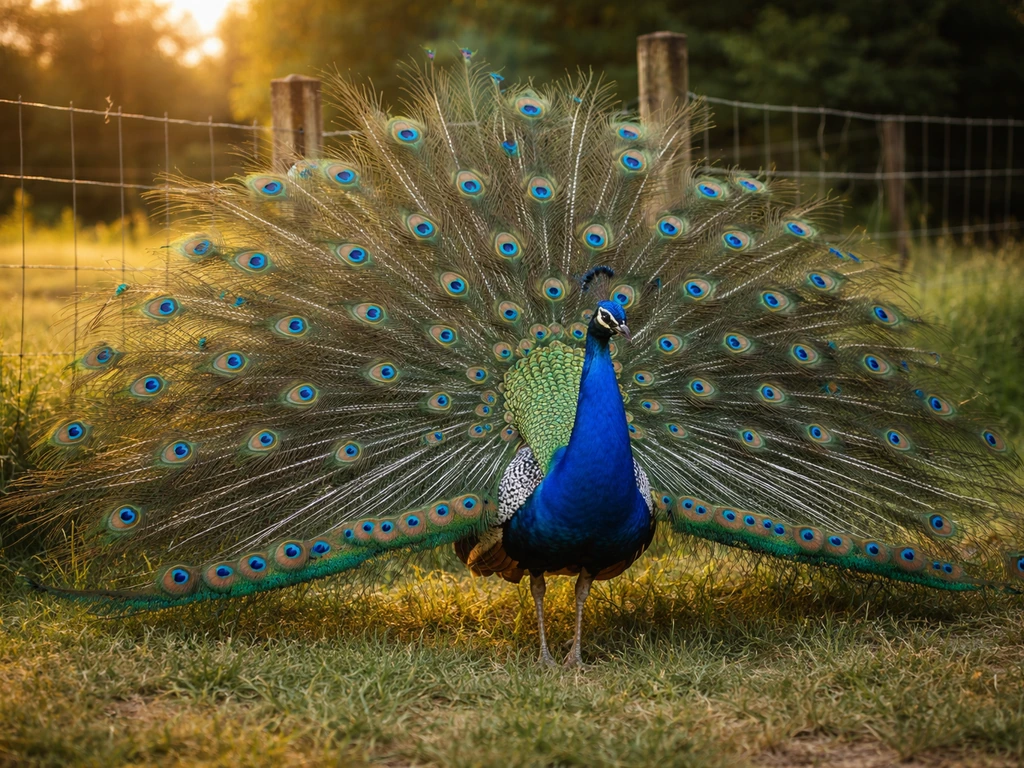
What people mean by 'peacock bird' (and what you're actually eating)
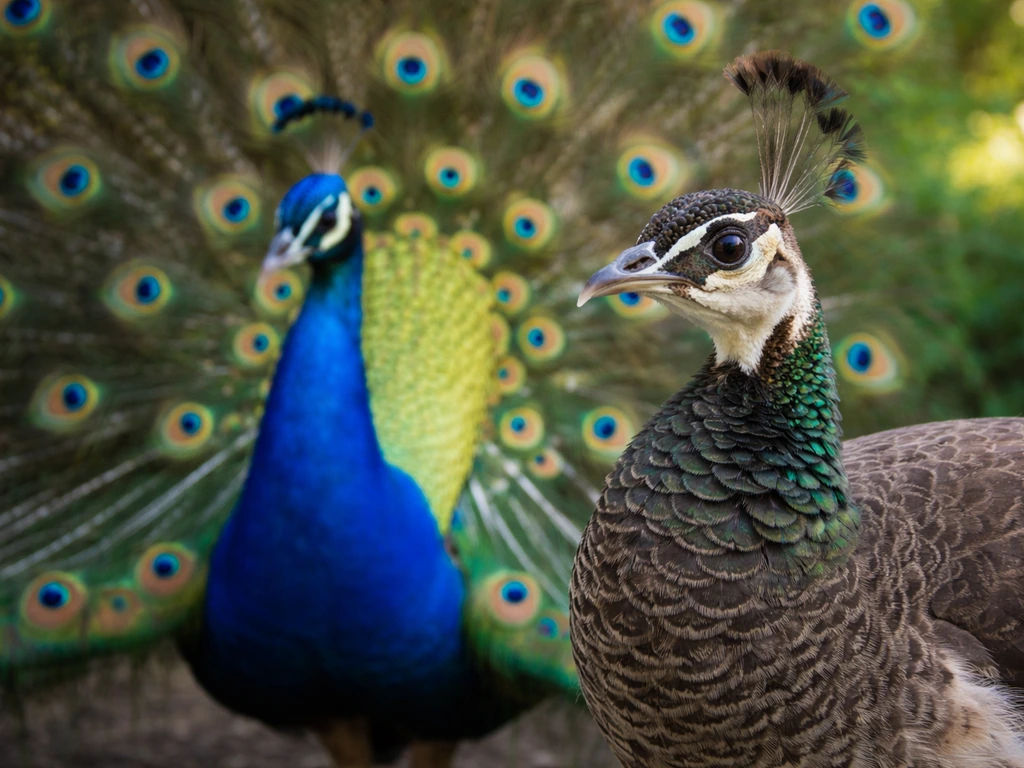
The word 'peacock' technically refers only to the male bird. The female is a peahen, and the species as a whole is called peafowl. There are three species: the Indian peafowl (Pavo cristatus), the Green peafowl (Pavo muticus), and the Congo peafowl (Afropavo congensis). The Indian peafowl is the one most people in North America and Europe encounter, and it is the species you will see on farms or roaming feral in suburban neighborhoods in states like Florida, California, and Hawaii.
In the wild, peafowl eat insects, small reptiles, seeds, berries, and plant matter. They are omnivores with a broad diet, which means their gut can carry a variety of pathogens from the environments they forage in. That foraging background matters for food safety, as I will get into below. For eating purposes, peafowl meat is most comparable to turkey: lean, mildly gamey, and pale to dark depending on the cut.
Is it safe to eat? Food safety basics you need to follow
Peafowl meat is poultry, and the USDA Food Safety and Inspection Service is clear: blank" rel="noopener noreferrer">all poultry must reach a minimum internal temperature of 165°F (73.9°C) to be safe. That applies to whole birds, breasts, legs, thighs, wings, ground meat, and giblets. The same blank" rel="noopener noreferrer">165°F standard that covers chicken and turkey covers game birds like peafowl and duck. You verify that temperature with a food thermometer inserted into the innermost part of the thigh and wing, and the thickest part of the breast. Color and appearance tell you nothing reliable about doneness.
Cross-contamination is the other side of that equation. Cooking to the right temperature only protects you if you have also kept raw peafowl separate from other foods, cleaned surfaces that touched raw meat, and washed your hands before and after handling. The USDA's safe handling framework pairs the 'Cook' step with 'Separate' for exactly this reason. With a wild-caught or feral bird, contamination risk is higher than with farm-raised poultry because the bird has been foraging in unpredictable environments and may carry Salmonella, Campylobacter, or parasites.
Safe handling checklist before you cook peafowl
- Source the bird from a licensed farm or a legally harvested bird with proper documentation.
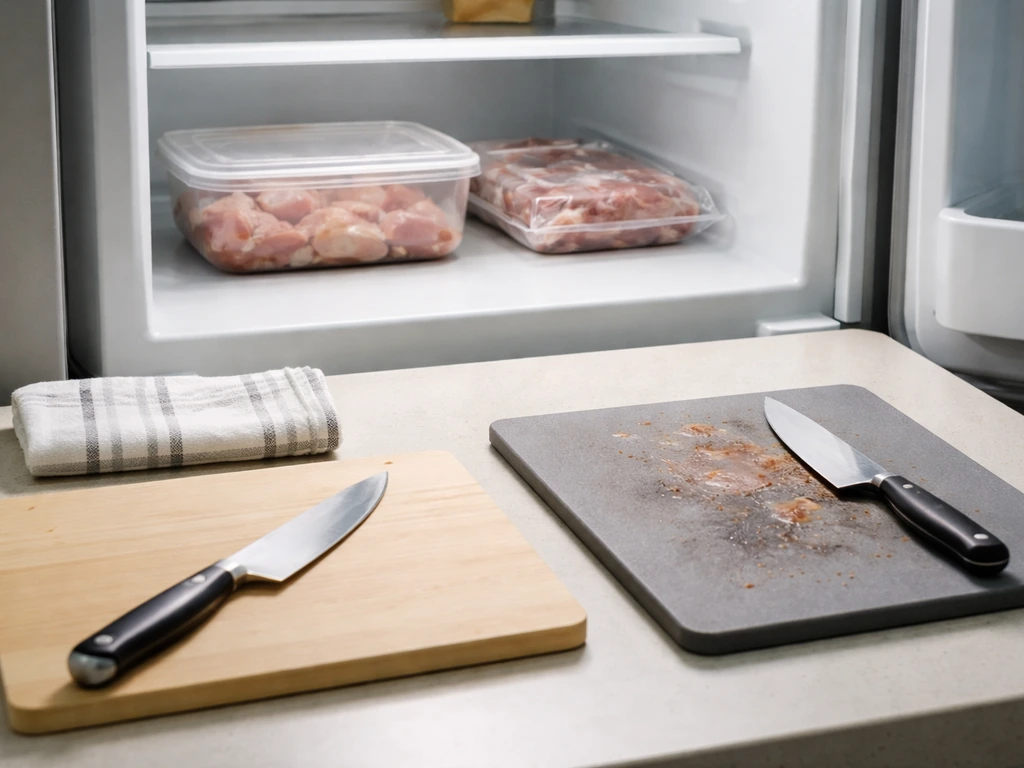
- Thaw frozen peafowl in the refrigerator, not on the counter, to keep it below 40°F until cooking.
- Keep raw peafowl on a separate cutting board, away from vegetables and other ready-to-eat foods.
- Wash hands for at least 20 seconds after handling raw meat.
- Cook the whole bird or any cut to 165°F, confirmed with a food thermometer.
- Refrigerate leftovers within two hours of cooking; discard anything left out longer.
Legal and ethical considerations: this part really matters
Here is where most people trip up. Farmed peafowl is not a regulated game species under federal law in the US, so buying and eating it from a licensed farm is generally legal. But feral or wild peafowl are a different matter at the local and state level. In Hawaii, Indian peafowl are considered an invasive species, so rules around them differ from states where they are semi-protected or considered community animals. In parts of Florida and California, municipalities have ordinances protecting feral peafowl flocks. Shooting or trapping a peacock strutting through your neighborhood is likely illegal regardless of how much damage it is causing to your garden.
Green peafowl (Pavo muticus) is classified as Endangered on the IUCN Red List, and possessing or consuming it would raise serious legal and ethical red flags under CITES and national wildlife trade laws. Before you do anything with a peafowl you did not purchase from a farm, check with your state wildlife agency and local animal control. The answer will depend entirely on your jurisdiction, and the stakes for getting it wrong include fines and criminal charges.
Ethically, peafowl are long-lived, socially complex birds. Many communities have deep attachments to local flocks. The question of whether you should eat a peacock is separate from whether you legally can, and in a lot of neighborhoods the social fallout of harvesting a local bird would be significant.
Who should avoid peacock meat entirely
Even when sourcing and preparation are handled correctly, certain groups should avoid wild or game-bird meat altogether. Immunocompromised individuals, pregnant people, young children, and older adults face a higher risk of serious illness from Salmonella and Campylobacter, which are more likely to be present in a wild-foraged bird than in commercially raised poultry. The risk is not zero even with farm-raised peafowl, but it is considerably lower.
Pet owners and nature educators should also think about exposure risks beyond eating. If you are processing a wild bird, raw meat and feathers can carry pathogens that affect dogs and cats. Pets that scavenge or are fed raw scraps from a wild bird are at real risk of bacterial infection. Children who handle feathers or come into contact with surfaces where raw meat was processed need careful handwashing. These risks are not unique to peafowl, but they are worth spelling out since many people who encounter peacocks do so in backyard or educational settings where kids and pets are nearby.
Peafowl vs. other birds people wonder about eating
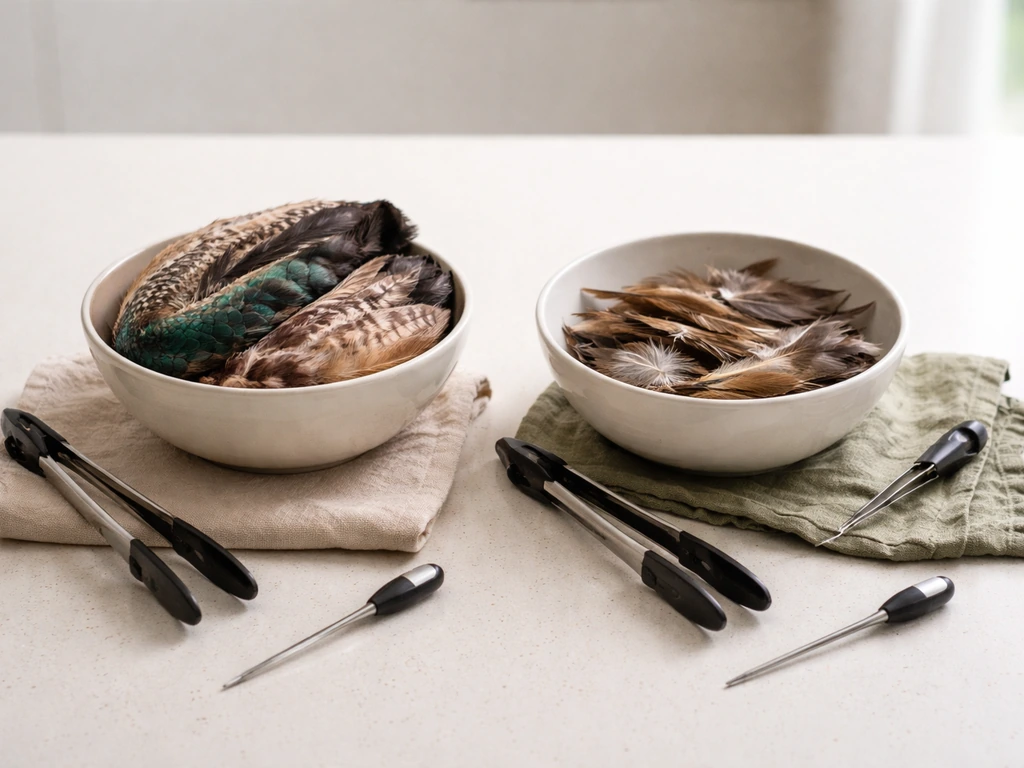
| Bird | Legal to eat (farmed) | Wild/feral legal status | Food safety risk level | Notable concern |
|---|---|---|---|---|
| Peafowl (Indian) | Yes, widely available from farms | Varies by state/municipality | Moderate (wild), Low (farmed) | Local ordinances often protect feral flocks |
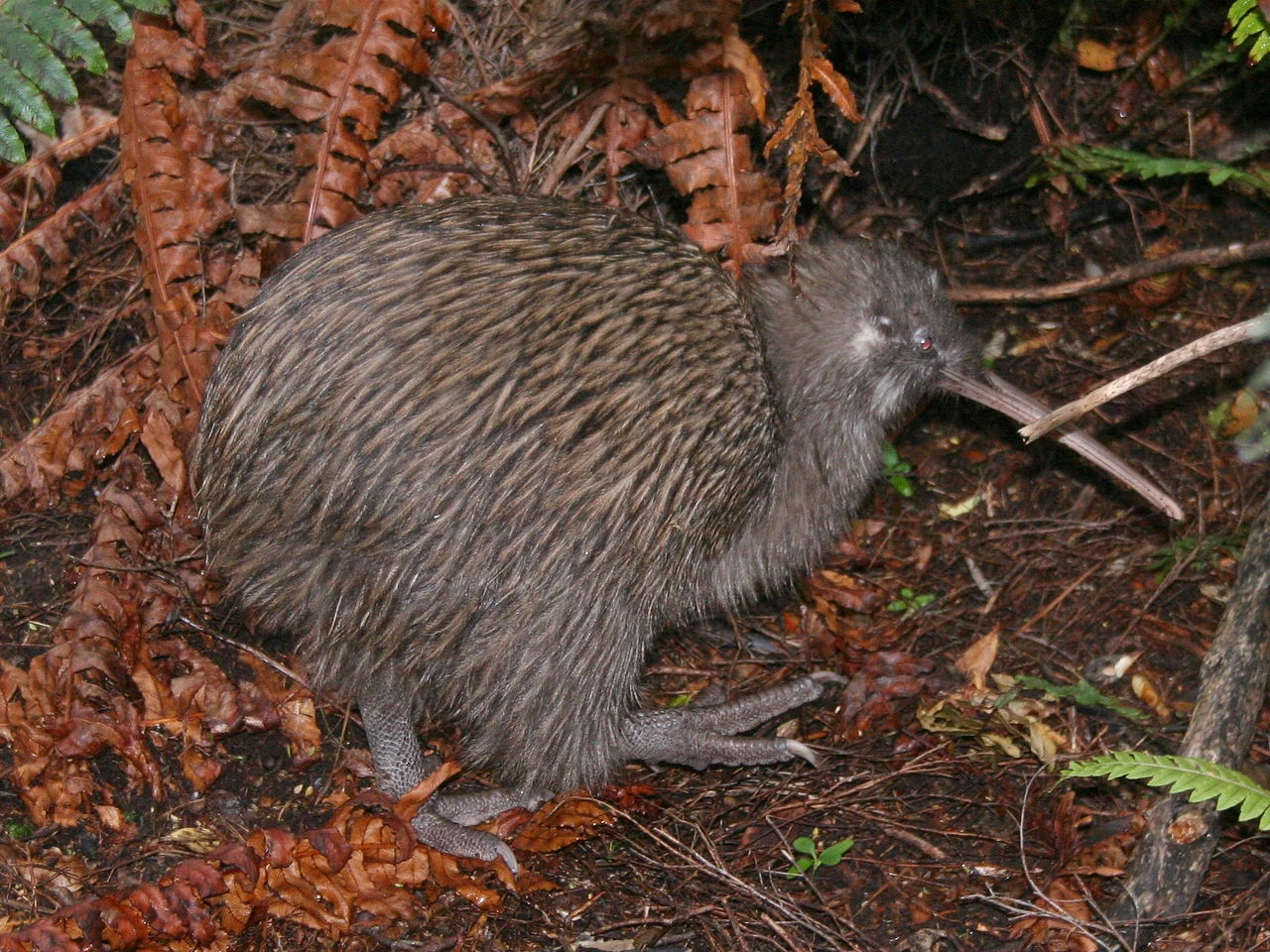
| Kiwi bird | No | Strictly protected, endangered | N/A | National symbol of New Zealand; illegal to harm |
| Cuckoo bird | Not commercially | Protected under Migratory Bird Treaty Act in US | N/A | Legal protection makes eating it a federal issue |
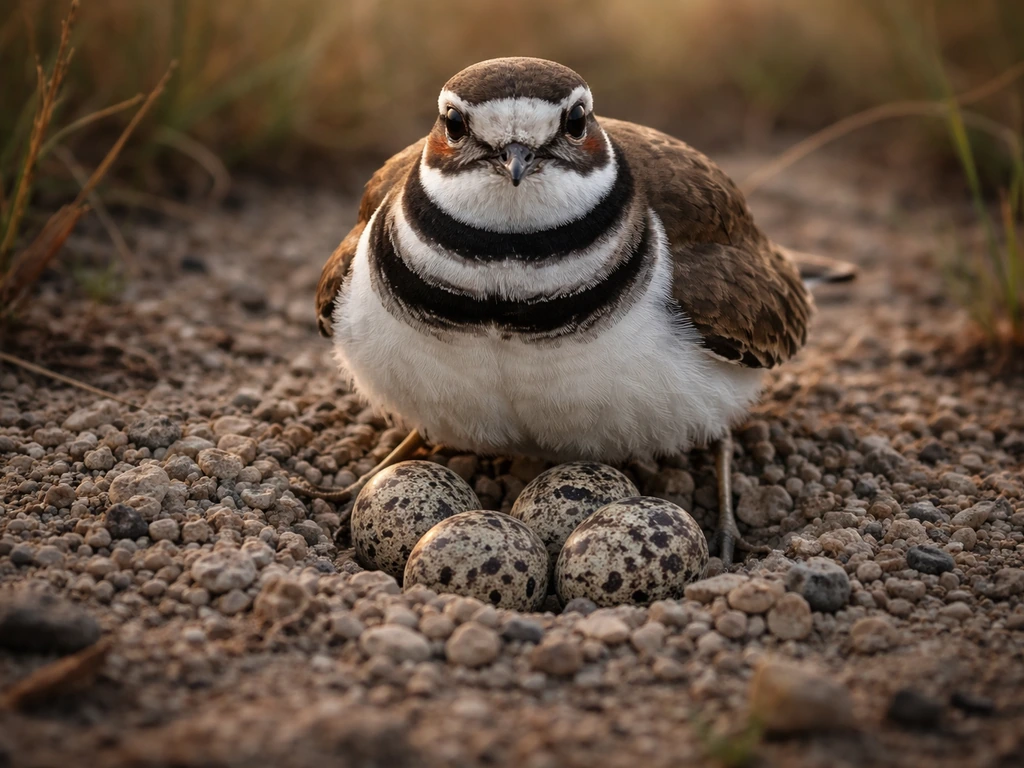
| Killdeer (eggs) | Not commercially | Protected under Migratory Bird Treaty Act in US | N/A | Taking eggs is a federal offense in the US |
The pattern here is consistent: farmed birds raised for food sit in a different legal and safety category from wild or protected birds. Questions like whether you can eat a kiwi bird or a cuckoo bird follow the same basic framework, and the answer almost always comes back to legal status first, food safety second. The same basic framework applies to killdeer eggs, where legal status and food safety risks matter before you decide to eat them whether you can eat a kiwi bird or a cuckoo bird.
How to enjoy peacocks safely without eating them
For most backyard birders and nature educators, the best relationship with a peacock is observational. Peafowl that roam neighborhoods or parks are genuinely impressive birds to watch, and they do interact with backyard feeding setups. If peafowl visit your yard, keep in mind that they are large, bold foragers who will raid low platform feeders and can scatter seed intended for smaller songbirds. The practical move is to raise feeders on poles or hang them at a height peafowl cannot easily reach.
Seed storage is another practical concern. Peafowl and other large birds can tear into poorly secured seed bins. Store seed in metal or hard-plastic containers with tight-fitting lids, kept off the ground. Spoiled or wet seed is a contamination risk for every bird that visits your feeder, not just peafowl, so check stored seed regularly for mold, clumping, or a sour smell and discard anything that looks or smells off.
- Use hanging tube feeders or elevated platform feeders to limit peafowl access.
- Store birdseed in sealed metal containers to prevent moisture and pest contamination.
- Discard any seed that smells sour, looks clumped, or shows visible mold.
- Do not intentionally feed peafowl human food scraps, especially bread or cooked meat.
- If peafowl are nesting nearby, keep pets and children at a respectful distance during nesting season.
- Contact your local wildlife agency if a peacock appears injured or behaving unusually.
The bottom line: peafowl meat from a licensed farm is legal, edible, and safe when handled and cooked properly to 165°F. Wild or feral birds are a legal gray area at best and an outright protected species in many locations. Check your local laws before you do anything, use a thermometer every single time you cook poultry, and keep high-risk individuals and pets away from raw game-bird meat. For most people reading this, the smarter and simpler path is to let the peacock do what it does best: be one of the most visually spectacular birds you will ever see in a backyard. If you are curious whether other birds like kiwi bird are safe to eat, check their legal status and food-safety guidance before considering it.
FAQ
How can I tell if a peacock is farm-raised versus wild or feral before I eat it?
Ask the seller for origin paperwork, tags, or a purchase receipt that identifies the farm and whether the bird was raised for food. If you found the bird yourself (including after it dies), treat it as wild or feral and do not assume it is legal to possess or eat. For live “rescues” or community flocks, contact the wildlife or animal control agency first because rules can change quickly by city and state.
Is 165°F enough if I’m cooking a whole peafowl or mixed cuts like breasts and legs together?
Yes for safety, but you need to verify temperature in multiple thick areas. Breasts may heat faster than thighs, so if you roast an entire bird or cook mixed portions, use separate checks (innermost thigh, thickest breast, and wing/thigh junction). Plan to rest the bird briefly after cooking, then recheck the hottest and thickest spots if you are unsure.
Can I use the “color looks done” method for peacock meat?
No. Like other poultry, doneness cannot be confirmed by color alone. Instead, rely on thermometer readings at the thickest points, and avoid sampling from the surface because it can read hotter than the interior.
What if I only ate a small piece of peacock meat that wasn’t cooked to 165°F, do I need to worry?
If it was undercooked, the risk of illness depends on how low the temperature went, how long it was cooked, and whether it was cross-contaminated. The safest next step is to contact a clinician or local public health guidance if you develop symptoms like fever, diarrhea, vomiting, or abdominal cramps, especially for pregnant people, older adults, or immunocompromised individuals.
Is ground peafowl riskier than whole cuts?
Ground meat increases risk because pathogens can be distributed throughout the mixture. Cook ground peafowl to 165°F internal temperature and avoid judging by smell or texture alone. Also, keep ground batches chilled and cook promptly, since bacterial growth accelerates at warmer temperatures.
Can I cook peacock meat in a slow cooker or smoker?
It can be done safely only if the final internal temperature is reached and held long enough, but slow cookers and smokers can take longer to heat through. Use a food thermometer and confirm the interior thickest area hits 165°F. If the bird spends time in the “warm” range before reaching safe temperature, discard rather than trying to “finish it” later.
What are the biggest cross-contamination mistakes people make with game birds?
Common errors include using the same cutting board or utensils for raw peafowl and then preparing salad or ready-to-eat sides without washing, not sanitizing the sink and counter after raw handling, and leaving raw meat residue on hands or phone screens. Separate storage, separate boards, and washing hands with soap and water before touching anything else matters as much as the cooking temperature.
Are there any differences in risk for pregnant people or kids?
Yes. Pregnant people, young children, older adults, and immunocompromised individuals should avoid undercooked poultry and should generally avoid wild or feral sources because the baseline contamination risk is higher. If anyone in a high-risk group eats peafowl, ensure it is fully cooked, prevent cross-contact, and keep leftovers refrigerated quickly.
What should I do with leftovers, and how long are they safe?
Cool leftovers promptly and refrigerate them within about 2 hours of cooking. Reheat until steaming hot, and use a thermometer if reheating large portions. If the meat was wild or you are unsure about handling conditions, be more conservative with storage time and discard if it develops an off odor or slimy texture.
If I find a dead peafowl, can I clean it and eat it anyway?
Generally, no. Even if it seems fresh, you cannot confirm legality or food safety. Wild carcasses can carry bacteria, parasites, and may be protected by local wildlife rules. Contact local animal control or a wildlife agency for guidance, and if you handle the carcass wear gloves and avoid contacting pets or children.
Is it safe for pets to eat cooked scraps or bones from peacock meat?
Cooked scraps can be risky because salt, spices, and fatty drippings can cause digestive upset, and bones can splinter. For safety, keep scraps out of reach and avoid feeding bones altogether. If you want to feed your pet poultry, use plain, fully cooked meat in small amounts and ensure it is not from a wild or unknown source.
Does storing feeder seed near peacocks increase foodborne risk for other birds and pets?
Yes. Peafowl can scatter and wet seed, and spoiled seed can grow mold or bacteria. Store seed in sealed hard containers, keep it off the ground, remove spoiled clumps quickly, and clean feeder trays regularly. This reduces illness risk for backyard birds and lowers the chance that pets pick up contaminated seed or feathers.
Next Articles

Can a Kiwi Bird Eat a Kiwi Fruit? Safe Feeding Guide
Yes, but rarely. Learn if a kiwi bird can eat kiwi fruit, safe prep, portions, and better fruit-free alternatives.
Can You Eat Killdeer Bird Eggs? Risks, Legality, Next Steps
Can you eat killdeer eggs? Learn health risks, legality, and what to do if you find a nest instead.
Can You Eat Kiwi Bird or Eggs? Safety, Laws, Risks
Answer whether you can eat kiwi birds or eggs, with health risks and legality, plus safe alternatives.