No, you should not eat Bird Stop. If you are worried about what happens after eating eggs, remember that Bird Stop is not food and should not be swallowed, so follow the ingestion guidance and contact Poison Control for help. If you or someone else has swallowed it, rinse the mouth out with water, do not induce vomiting, and call Poison Control (1-800-222-1222 in the U.S.) or a doctor right away. Bird Stop is a chemical bird deterrent, not food, and its Safety Data Sheet lists it as potentially harmful if swallowed, inhaled, or in contact with skin. Treat any ingestion seriously until you know exactly what product and how much was involved.
Can You Eat Bird Stop? Safety, Risks, and What to Do

Maya Bennett
24 Jun 2026
What 'Bird Stop' actually is (and why the name matters)
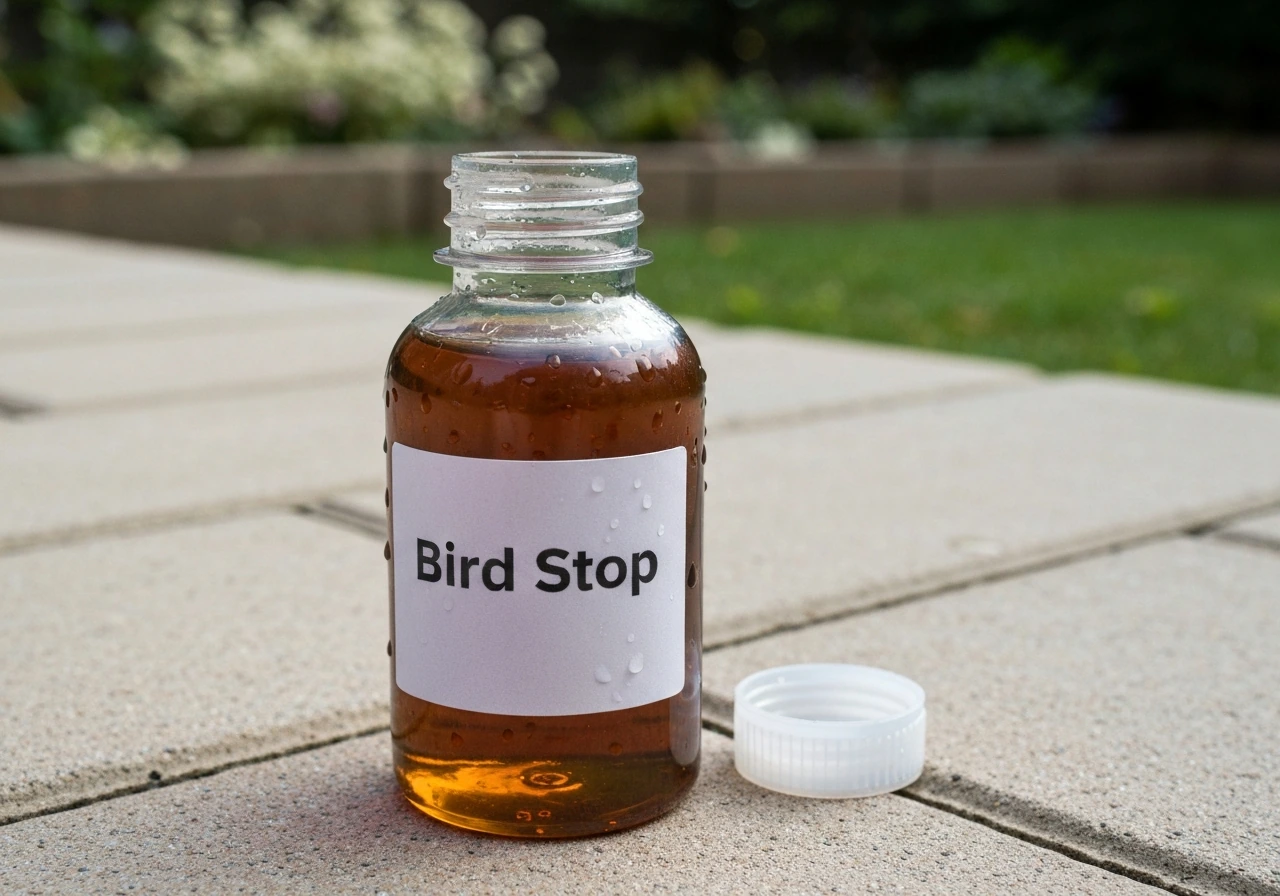
The most common product sold under the name "Bird Stop" is Bird Stop® Liquid by Bird-X, Inc., a Chicago-based company. It is a liquid bird repellent applied to surfaces like grass, turf, crops, and ledges to stop birds from landing, roosting, or feeding. The active ingredient is methyl anthranilate at 26.4% by weight. That compound is derived from grapes and creates a bitter, irritating sensation that triggers birds' trigeminal nerve systems, basically making the area feel unpleasant to them.
Here is where people get confused: methyl anthranilate is used as a food flavoring in very small concentrations in things like grape candy and drinks. That fact sometimes leads people to assume the product is harmless. It is not the same thing. A food-grade flavoring ingredient used in trace amounts is a completely different situation from a concentrated repellent formulation designed to keep birds away. Always verify the exact product name, the manufacturer, and the Safety Data Sheet before drawing any conclusions.
To confirm which Bird Stop product you are dealing with, check the label or packaging for the manufacturer name (Bird-X, Inc. for the most common version), a product registration number, and the active ingredient list. If you cannot find the label, search the product name plus the manufacturer on the EPA's pesticide database or call the number on the container. The Bird-X SDS also lists an emergency contact through INFOTRAC at 1-800-535-5053. Bird-X’s Bird Stop SDS also provides emergency phone access through INFOTRAC at 1-800-535-5053 (U.S.) blank" rel="noopener noreferrer">emergency contact through INFOTRAC at 1-800-535-5053.
Real risks of ingesting Bird Stop
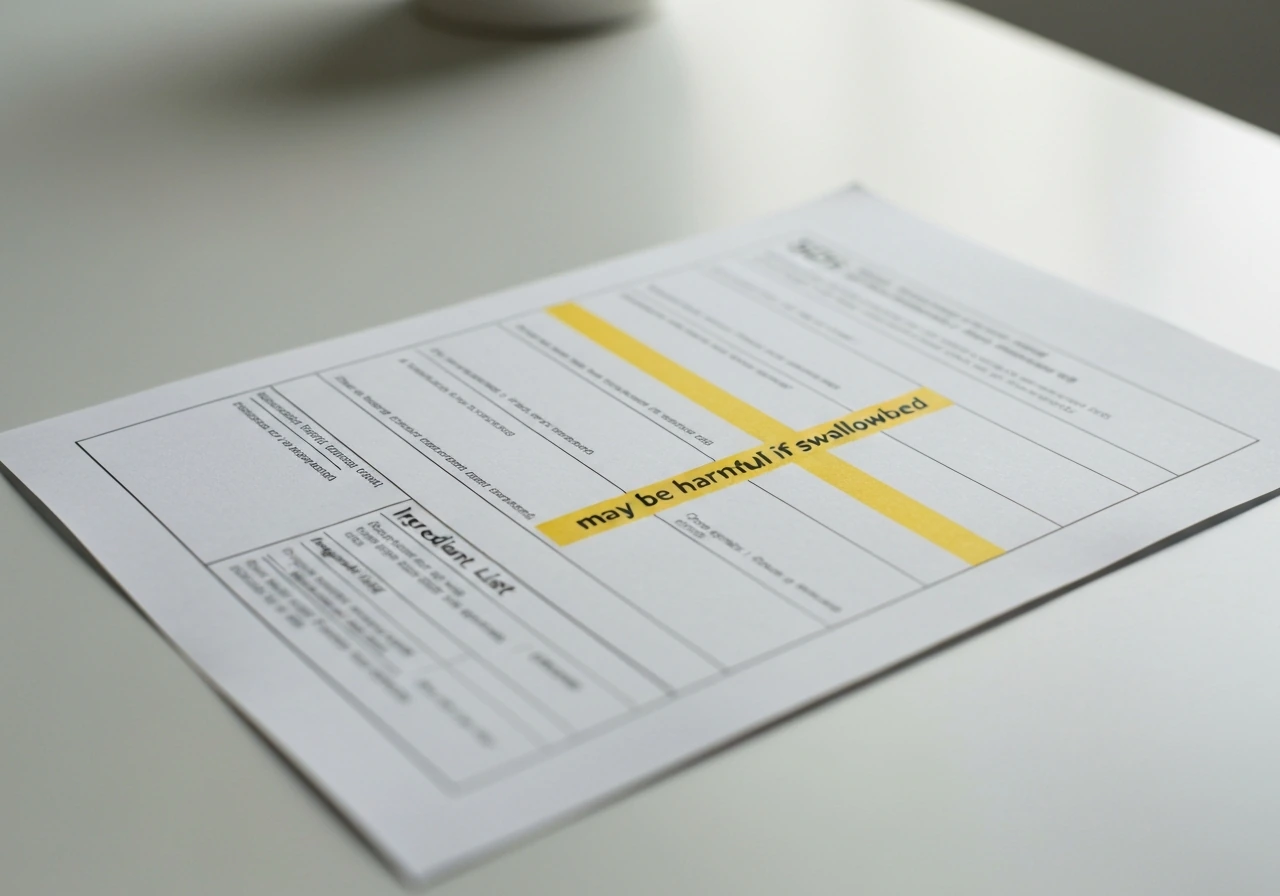
The Bird-X Bird Stop Safety Data Sheet (SDS) is direct about the hazards. These are not warnings added for legal padding. Each one reflects a documented risk at the concentrations present in the product.
| Hazard Code | What it means for you |
|---|---|
| H303 – May be harmful if swallowed | Ingesting the product can cause systemic harm; the threshold is unclear so any ingestion should be treated as a concern |
| H313 – May be harmful in contact with skin | Skin absorption is a secondary exposure route, not just a surface irritation issue |
| H315 – Causes skin irritation | Confirmed irritant on skin contact; wash immediately with soap and water |
| H320 – Causes eye irritation | Eyes are at risk from splashes or rubbing after contact; flush for at least 20 minutes |
| H333 – May be harmful if inhaled | Vapors or aerosol droplets during application pose an inhalation risk |
Beyond the direct chemical risk from methyl anthranilate, there are a few other hazard angles worth knowing. First, treated surfaces: if seed or grass has been treated with Bird Stop and a person or pet picks it up and eats it, they are still ingesting the product. Second, product contamination: like any liquid deterrent, an open container can pick up environmental contaminants over time. Third, choking and aspiration risk: the SDS specifically warns not to induce vomiting because vomiting increases the chance of aspiration, meaning the product could enter the lungs and cause further damage.
What to do if someone swallows Bird Stop
Act quickly but stay calm. The SDS first aid section gives clear instructions for ingestion, and they are worth following to the letter. If you want more specific guidance, look up the exact product and dose instructions for what to do after bird food or deterrent ingestion what happens if you eat bird food.
- Rinse the mouth out thoroughly with clean water right away.
- If the person is conscious and not feeling sick, give small sips of water to drink.
- Stop giving water immediately if the person feels nauseous, because vomiting could cause aspiration.
- Do NOT induce vomiting under any circumstances. The SDS explicitly states this.
- Call Poison Control at 1-800-222-1222 (U.S.) or the Bird-X emergency line via INFOTRAC at 1-800-535-5053.
- Have the product label or container on hand when you call. The operator will need the product name, active ingredient, and the amount swallowed if you can estimate it.
- If the person is unconscious, having difficulty breathing, or convulsing, call 911 immediately and do not attempt to give water.
A common mistake people make is to try home remedies like milk, antacids, or activated charcoal before calling for guidance. Do not do this. A poison control specialist will walk you through the correct protocol based on the actual product, the person's weight and age, and the estimated dose. Improvising can make things worse.
When to call 911 instead of waiting
Poison Control is the right first call in most cases. But there are specific symptoms that mean you should skip the call and dial 911 or go to the emergency room immediately.
- Loss of consciousness or difficulty staying awake
- Seizures or uncontrolled muscle movements
- Difficulty breathing, wheezing, or tightness in the chest
- Severe throat swelling or inability to swallow
- Vomiting that will not stop
- Signs of a severe allergic reaction: hives, swollen lips or tongue, dizziness, rapid heart rate
- A child under 12 months swallowed any amount
- The person swallowed a large quantity or drank directly from the container
For pets, the same rule applies. If your dog or cat got into Bird Stop, call the ASPCA Animal Poison Control Center at 1-888-426-4435. Have the product information ready. Symptoms like excessive drooling, pawing at the mouth, vomiting, lethargy, or tremors warrant an immediate vet visit.
Busting the 'grape flavoring' myth
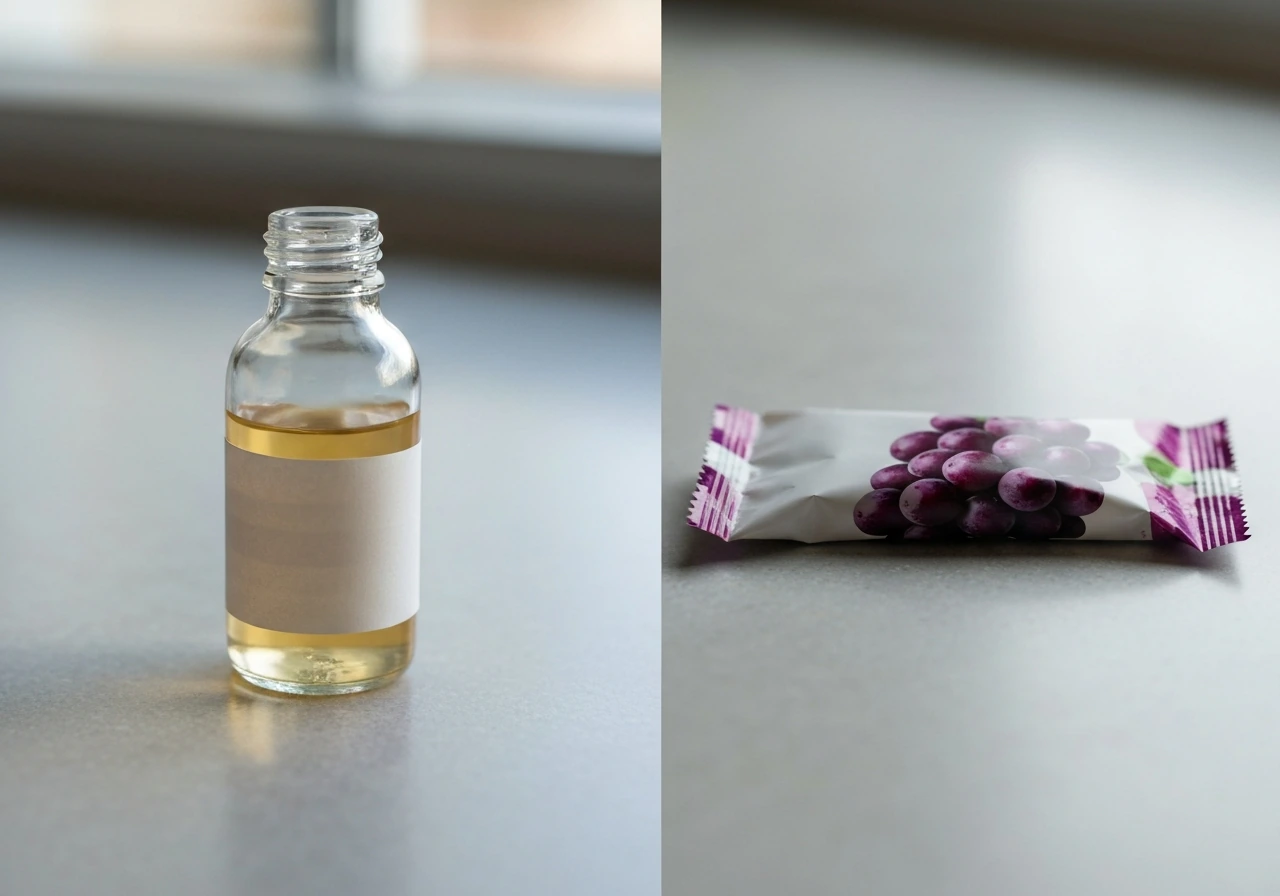
Because methyl anthranilate is listed as a grape flavoring in the food industry, some people reason that Bird Stop must be harmless. This thinking is dangerous. The food-grade version of methyl anthranilate is used at concentrations well under 0.1% in products like candy, soda, and artificial flavors. Bird Stop contains it at 26.4% by weight, which is several hundred times higher. Concentration changes everything in toxicology. The same logic applies to other 'natural-sounding' bird deterrents on the market: natural origin does not equal safe at all doses and formulations.
Safer options for backyard birders and pet owners
If you are managing a backyard feeder setup, there are real distinctions between products meant to attract birds and products meant to repel them, and keeping those categories clearly separated is the safest approach both for humans and pets.
For what birds eat at feeders, standard seed mixes, black oil sunflower seed, nyjer, safflower, and suet cakes are designed as bird food and are generally non-toxic to humans in small accidental exposures, though they are not food-grade products processed for human consumption either. The question of what happens if a person eats bird food comes down to contamination risks, pesticide residues, and mold, not deliberate toxicity. If you are curious about that topic, it connects closely to questions about whether humans can eat bird food and what the actual risks are from accidental consumption.
Bird deterrents like Bird Stop, on the other hand, are in a completely different category. They are chemical or physical pest-control products. Never store them near feeders, seed bags, or in the same shed area where you keep bird food if there is any risk of cross-contamination or confusion.
How to store bird products safely and keep kids and pets out of harm's way
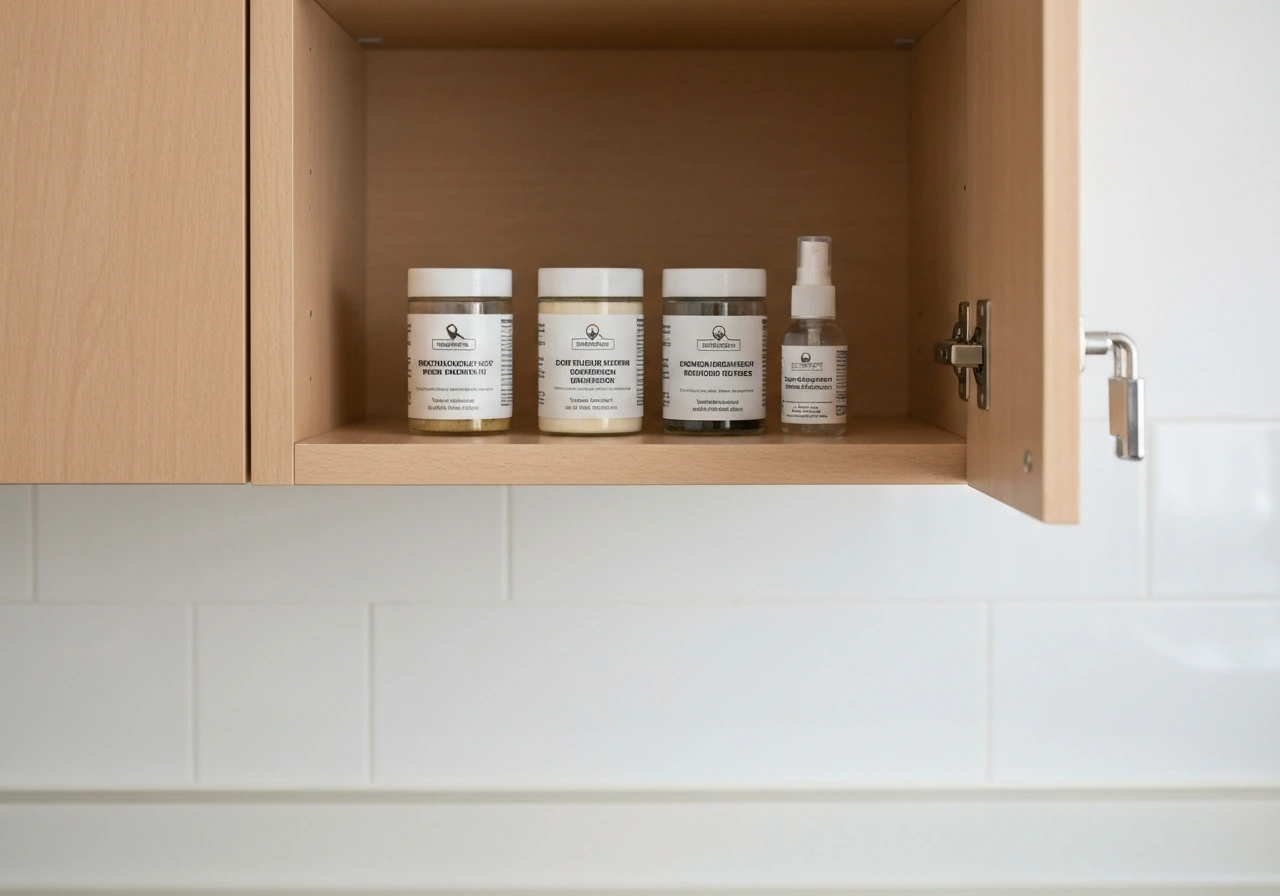
Most accidental ingestions involving deterrent products happen because of poor storage, unlabeled containers, or leaving things within reach of curious kids or pets. Here is what actually works.
- Store Bird Stop and all deterrent products in a locked cabinet, completely separate from bird seed, pet food, and any human food storage areas.
- Never transfer Bird Stop into an unmarked or food-like container. Keep it in the original labeled bottle at all times.
- After application, keep children and pets away from treated areas until fully dry. Check the product label for specific re-entry intervals.
- Wear gloves and eye protection during application. The SDS hazard codes cover skin and eye contact, not just swallowing.
- Keep the product label and SDS accessible, not buried in a drawer. A photo of the label on your phone is a practical backup.
- Store bird seed in sealed, airtight containers off the ground to prevent mold, moisture, and rodent contamination. Spoiled seed is a separate hazard for birds and any pet that gets into it.
- If you have young children, treat deterrent products with the same locked-cabinet approach you would use for household cleaners or pesticides.
- Dispose of empty containers according to local regulations. Do not rinse into drains or leave outdoors where wildlife could contact residue.
The bottom line is straightforward: Bird Stop is not safe to eat, it is not food, and accidental ingestion needs immediate professional guidance. The product has legitimate uses as a bird deterrent, but those uses require careful handling, proper storage, and keeping it well away from anything edible. If you are building a safe backyard feeder setup, the safest approach is strict physical separation between deterrent products and anything birds, pets, or people might eat.
FAQ
If someone only tasted Bird Stop, do they still need to call Poison Control?
Yes. Even a small exposure can matter because the product is a repellent formulation, not food, and the SDS lists ingestion as potentially harmful. If there is any mouth irritation, nausea, coughing, or trouble swallowing, call Poison Control right away and keep the product label available.
What should you do if Bird Stop got on someone’s lips or in their mouth but they did not swallow?
Rinse the mouth thoroughly with water and spit out the rinse. Do not try to neutralize with other substances. Seek guidance from Poison Control if symptoms develop (burning, swelling, persistent drooling, vomiting) or if a child is involved.
Is it ever okay to induce vomiting after swallowing Bird Stop?
No. The article notes vomiting should not be induced because it increases aspiration risk (liquid entering the lungs). Instead, follow the SDS first aid steps and get professional instructions promptly.
What symptoms mean you should go to the ER or call 911 instead of waiting?
Treat severe symptoms as an emergency, especially breathing trouble, choking, persistent coughing, worsening lethargy, seizures, or repeated vomiting. If the person cannot swallow safely, seems to be aspirating, or is getting worse quickly, use emergency services.
Can Bird Stop exposure happen without swallowing, like inhaling it while applying?
Yes, skin and inhalation exposures are also listed as potential hazards. If it was sprayed and someone develops coughing, wheezing, or throat irritation, stop exposure, move to fresh air, and contact Poison Control for tailored advice.
If Bird Stop was spilled on grass or near a feeder, how long is it a risk for kids or pets?
Risk depends on the product label directions and how much residue remains on treated surfaces. Keep people and animals away from treated areas until the application is fully dry and follow re-entry timing on the exact label, not the general idea that it is “just grape flavor.”
What should you tell Poison Control if you do not know the exact Bird Stop product?
Provide whatever you can: the brand name, the manufacturer (often Bird-X), any active ingredient list, the approximate amount, the time of exposure, the person’s age and weight, and symptoms. If you cannot identify it, do not guess, and bring or photograph the container.
Are “natural” bird deterrents or homemade versions safer than Bird Stop?
Not necessarily. Natural origin does not guarantee safety because dose and formulation still determine toxicity. Concentrated repellents can be more irritating than food-grade versions even if the ingredient sounds familiar.
Can bird food products be accidentally eaten by humans safely?
Often the concern is contamination (pesticide residues, mold, or dirty storage) rather than deliberate toxicity, but “generally non-toxic” does not mean harmless. If the bird food was treated with any chemicals or appears spoiled, call for guidance if symptoms occur.
What about pets, do cats and dogs need the same response as humans?
The response is similar, get professional help fast, but pet calls go to ASPCA Animal Poison Control (or your vet) and symptoms may look different (pawing at the mouth, drooling, tremors, lethargy). Do not wait for vomiting if there is drooling, abnormal behavior, or breathing issues.
What is the best prevention step if you run both feeders and bird deterrents in the same yard?
Physically separate categories and storage areas. Keep deterrents in a labeled, closed container in a different cabinet or shed zone from feeders, seed bags, and suet storage, and apply deterrents only when people and pets can be kept away until the surface is dry.
Next Article
Can You Eat Bird? Safety, Risks, and Legal Options
Can you eat bird? Learn why wild or raw birds are unsafe, which game birds are regulated, and safer feeding alternatives