Yes, birds can eat nuts, and for many backyard and pet species nuts are one of the best high-energy foods you can offer. Seed Collection, Banking and Interim Storage recommendations (Conservation Biology Institute / USDA-style guidance) notes that Cooperative extension and seed‑storage guidance recommend storing seeds/nuts in airtight, moisture‑resistant, rodent‑proof containers in cool, dry, dark conditions; using desiccants for small lots and freezer storage for long-term preservation are standard recommendations. Peanuts, walnuts, pecans, and almonds all attract a wide range of birds when prepared correctly. The key word is correctly: unsalted, unflavored, and either shelled or cracked depending on the species. See the section "Can birds eat peanut butter?" for details on safe preparation and serving. Salted, roasted, honey-coated, or moldy nuts can harm birds, so the preparation choices you make matter more than whether you offer nuts at all.
Can Bird Eat Nuts? Safe Feeding Guide for Backyard Birds

Why nuts are worth offering at your feeder
Nuts are calorie-dense in a way that most seeds simply are not. A peanut kernel delivers around 567 calories per 100 grams, with roughly 25 grams of protein and 49 grams of mostly unsaturated fat. That fat load is exactly what birds need during cold snaps, long migrations, and the high-energy demands of breeding season. I first started putting out peanuts during a hard January freeze and watched a group of nuthatches work through a mesh feeder within hours. Since then, peanuts and a handful of other nuts have become a year-round fixture at my feeders.
Beyond raw energy, nuts supply micronutrients including vitamin E, magnesium, and zinc that support feather condition and immune function. For pet birds, nuts serve as high-value training treats or enrichment food, encouraging natural foraging behavior. For wild birds at supplemental feeders, nuts can meaningfully support winter survival, though research published in Scientific Reports found that very heavy winter provisioning with calorie-dense food can carry over and slightly reduce breeding performance the following spring, which is a good reason to treat nuts as a supplement rather than a bird's entire diet.
Backyard wild birds and nuts: who eats what
Not every bird at your feeder will touch a peanut, but a surprisingly large number will. Here is a practical rundown of the common backyard species you are most likely to see on nut offerings, with quick ID notes so you know what you are looking at.
| Species | Quick ID | Nuts accepted | Preferred form |
|---|---|---|---|
| Blue Jay | Bold blue, white, and black; loud 'jay' call; 9–12 inches | Peanuts, walnuts, acorns | Whole or shelled peanuts in tray feeders |
| American Crow | All black, 17–21 inches; hoarse caw | Peanuts, walnuts, pecans | Shelled halves on the ground or tray |
| Downy Woodpecker | Smallest woodpecker; white back stripe; male has red nape spot | Peanuts, peanut butter | Mesh peanut feeder or suet cage |
| Hairy Woodpecker | Larger than Downy; longer bill; same black-and-white pattern | Peanuts, peanut butter | Suet cage or mesh peanut feeder |
| Red-breasted Nuthatch | Blue-grey back, rusty underparts; 4.5 inches; loud 'yank-yank' | Peanuts, sunflower, peanut butter | Mesh feeder or bark crevice cache |
| White-breasted Nuthatch | Blue-grey above, white face/breast; 5–6 inches; walks headfirst down trunks | Peanuts, sunflower, peanut butter | Mesh feeder, will cache in bark |
| Black-capped Chickadee | Black cap and bib, white cheeks; 5 inches; 'chick-a-dee-dee' call | Peanut pieces, peanut butter | Mesh tube feeder, takes one piece and flies off |
| Carolina Chickadee | Nearly identical to Black-capped but with a softer, 4-note whistle | Peanut pieces, peanut butter | Same as Black-capped |
| Tufted Titmouse | Grey with peach flanks; pointed crest; bold dark eyes | Peanuts, sunflower, walnuts | Hopper feeder or mesh feeder |
| Evening Grosbeak | Stocky; male has bold yellow and black markings; massive bill | Sunflower, peanuts, walnuts | Tray feeder |
| European Starling | Iridescent black; yellow bill in breeding season; loud mimic | Peanuts, peanut butter | Suet cage (though hard to exclude) |
| Common Grackle | All black with iridescent sheen; long tail; pale eye | Peanuts, acorns | Ground or tray feeder |
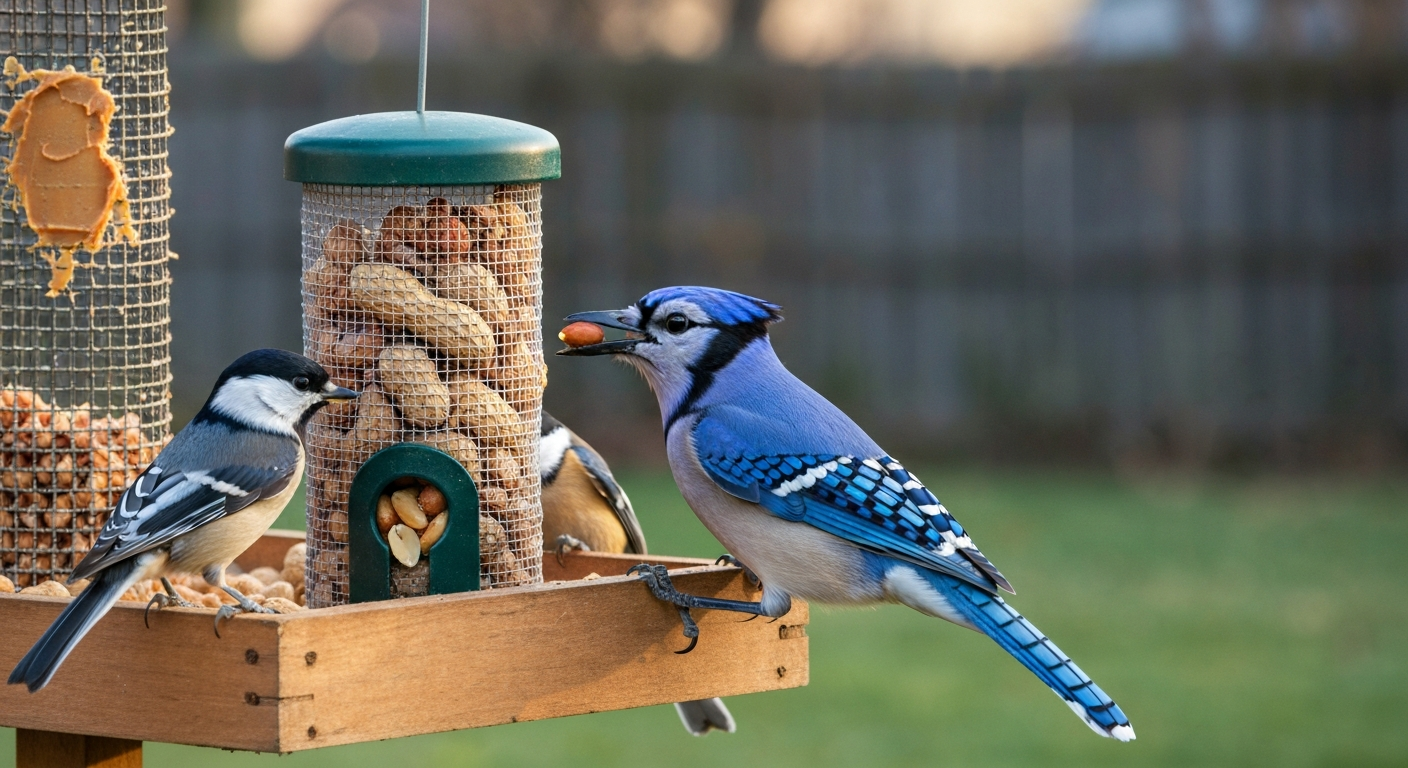
Blue Jays and crows deserve a specific note because they are enthusiastic nut eaters with behaviors that make them easy to watch. Jays will carry whole peanuts in their throat pouch, fly off to cache them in soil or leaf litter, and return for more repeatedly. A single jay can move dozens of peanuts in one morning. Crows are even more deliberate: they will drop hard-shelled nuts onto pavement from a height to crack them, which is one of the more striking problem-solving behaviors in common backyard wildlife.
Pet and aviary birds: parrots, cockatiels, budgies, and conures
Captive psittacines generally handle nuts well as occasional high-energy treats, but the stakes are higher than with wild birds because you control everything they eat. A wild nuthatch self-regulates by foraging across many food sources; a budgie in a cage eats only what you provide.
- Parrots (African Greys, Amazons, Macaws, Eclectus): Can eat walnuts, almonds, pecans, and peanuts in moderation. Larger species like macaws can crack most hard shells themselves. Stick to raw, unsalted, unroasted nuts. Peanuts are accepted enthusiastically but carry the highest aflatoxin risk among commonly offered nuts, so many avian vets recommend prioritizing walnuts and almonds instead. Treats should make up no more than 10–15% of a parrot's daily diet.
- Cockatiels: Smaller bills mean cockatiels do better with pre-shelled pieces. Almonds (halved), pecans, and peanut pieces work well. Avoid macadamia nuts entirely — they are toxic to some companion animals and there is no established safe dose for birds.
- Budgies (Budgerigars): Their small size and lower caloric needs mean even a quarter of a peanut kernel is a meaningful addition. Offer only tiny shelled pieces, no more than two or three times per week. High fat content can contribute to obesity in sedentary birds.
- Conures: Energetic and curious, conures enjoy foraging for nuts tucked into foraging toys. Walnuts, almonds, and cashews (unsalted, raw) are well-tolerated. Like all psittacines, keep portions small and rotate with fresh vegetables and pellets.
For any pet bird, the absolute no-list includes salted nuts, honey-roasted or flavored nuts, any product containing xylitol (a sweetener toxic to animals and increasingly common in commercial peanut butters), and macadamia nuts. Always read ingredient labels on commercial nut butters or nut mixes before offering them to a pet bird. When in doubt, ask an avian vet, especially for birds with existing health conditions.
Which birds eat peanuts specifically
Peanuts are the most practical and widely available nut for bird feeders, and the list of species that will come for them is long. If you're searching for a simple answer about what bird eats peanuts, common visitors include woodpeckers, nuthatches, chickadees, titmice, and jays. Cornell Lab's Project FeederWatch data consistently places peanuts among the top attractants for woodpeckers, nuthatches, chickadees, titmice, and jays. In my own yard, peanuts in a mesh cylinder feeder draw activity from at least five species on most days between October and March.
- Downy Woodpecker and Hairy Woodpecker: Both will cling to a mesh peanut feeder for extended periods. Cornell Lab's species accounts specifically list shelled peanuts and chunky peanut butter among the top feeder foods for Downy Woodpeckers.
- Red-breasted Nuthatch and White-breasted Nuthatch: Both species are strongly attracted to peanuts and will carry them away to cache under bark.
- Black-capped and Carolina Chickadee: Grab one peanut piece at a time and carry it away to eat or cache elsewhere, a behavior called 'scatter hoarding.'
- Tufted Titmouse: Grabs a single peanut and hammers it open on a nearby branch.
- Blue Jay: Highly attracted; will empty a tray feeder of peanuts quickly. They preferentially take the largest intact nuts available.
- Steller's Jay and Scrub Jays (western North America): Same caching and foraging behavior as Blue Jays.
- Common Redpoll and Pine Siskin (winter irruptions): Occasionally visit peanut feeders during irruption years.
- Carolina Wren: Smaller than you would expect for a nut eater, but they readily take peanut pieces from low or ground-level feeders.
- European Starling and Common Grackle: Will take peanuts opportunistically, especially in-shell peanuts on tray feeders.
If you want to attract the widest range of peanut-eating species, offer both shelled peanut pieces in a mesh cylinder feeder (for clinging birds like woodpeckers and nuthatches) and whole in-shell peanuts on a tray or wreath-style feeder (for jays and crows). The mesh cylinder forces birds to work for pieces rather than carrying off whole kernels, which helps the supply last longer and lets smaller birds compete.
Can birds eat peanut butter?
Peanut butter is safe for most nut-eating bird species as long as it contains no xylitol, no added salt, and no artificial sweeteners. The stickiness concern you may have heard about, that birds can choke or have their beaks glued shut by peanut butter, is largely a myth when peanut butter is offered correctly. The real risk is that sticky, oily peanut butter smeared on surfaces in warm weather can foul feathers. Cornell Lab recommends mixing peanut butter with cornmeal or oats to reduce tackiness before offering it, or using products specifically blended for birds.
The species most reliably attracted to peanut butter at feeders are Downy and Hairy Woodpeckers, nuthatches, chickadees, titmice, Carolina Wrens, and occasionally Brown Creepers. Blue Jays will take it but prefer whole peanuts. Serve peanut butter in a suet cage, spread it into bark crevices on a log feeder, or fill the holes of a commercially drilled log feeder. Avoid smearing it on tree bark directly, as this is hard to clean and can become rancid.
For pet birds, peanut butter works as a high-value training reward but check every label for xylitol, which is increasingly added to 'natural' commercial peanut butters as a sweetener and is toxic to animals. Veterinarian-reviewed guidance in "Can Parrots Eat Peanut Butter?, PangoVet (veterinarian-reviewed article)" notes that parrots will accept peanut butter but avian veterinarians caution about additives (salt, sugar, xylitol) and recommend moderation and veterinary guidance for portioning in pet birds Can Parrots Eat Peanut Butter? — PangoVet (veterinarian-reviewed article). Natural peanut butter with only peanuts (and possibly a small amount of salt, offered sparingly) is the safest option if you can find it.
Large hard-shelled nuts: which birds can actually crack them
Walnuts, hickory nuts, hazelnuts, and pecans in the shell are a different challenge from peanuts. Only birds with large, powerful bills or clever tool-use behaviors can manage whole hard-shelled nuts. If you offer them uncracked, you are mostly catering to corvids (crows, jays, ravens) and a handful of large woodpecker species. For a detailed list of species capable of cracking whole hard-shelled nuts, see what bird eats large hard-shelled nuts.
- American Crow and Fish Crow: The classic example of tool-use nut crackers. Crows carry walnuts and pecans to height and drop them onto hard pavement. They will also wedge nuts in pavement cracks and hammer them. On the West Coast, Northwestern Crows use the same technique.
- Blue Jay and Steller's Jay: Can crack hazelnuts and thinner-shelled pecans with their strong bills, but rely more on caching and returning to work on harder nuts over time.
- Pileated Woodpecker: A large, crow-sized woodpecker capable of breaking open harder nuts by driving its chisel-bill into them, though it more typically forages for insects in dead wood.
- Red-bellied Woodpecker: Can manage halved walnuts wedged into bark or a log feeder.
- Evening Grosbeak: The 'gross beak' is no accident. Its massive, conical bill can crack seeds and softer-shelled nuts that would defeat smaller finches.
- Wild Turkey (if you have them visiting): Forages for acorns, hickory nuts, and beechnuts on the ground throughout fall and winter.
For most backyard setups, cracking or halving hard-shelled nuts before offering them opens them up to a far wider range of species. A standard nutcracker handles walnuts and pecans easily. Spread halved walnuts or pecan pieces on a tray feeder or platform feeder close to cover, and expect titmice, chickadees, nuthatches, and woodpeckers to investigate alongside any corvids in your area.
Real risks you need to know about
Aflatoxin and mold contamination
This is the risk I take most seriously. Aflatoxins are potent mycotoxins produced by Aspergillus mold species that commonly colonize peanuts and some tree nuts. The WHO and FAO classify aflatoxins as group 1 carcinogens, and they are acutely toxic to birds even at low doses. The FDA sets a regulatory action level of 20 parts per billion (ppb) for total aflatoxins in human food and 15 ppb for domestic edible raw peanuts, but birds have far less body mass, so contamination that would not cause noticeable illness in a human could kill a small songbird. During the 2007-2009 Peanut Corporation of America Salmonella outbreak, Cornell Lab documented how contaminated peanut products moved from commercial feeders and pet food into backyard bird populations, illustrating exactly how the supply chain matters.
Practical protection: buy peanuts from high-volume retailers with fast turnover, check bags for any sign of moisture or clumping (indicators of mold), discard any nuts that smell musty or look discolored, and never leave peanuts in a feeder through rain without covering or emptying it. Any wet peanuts should be replaced immediately, not dried and reused.
Rancidity
Nuts and nut butters go rancid through lipid oxidation, a process that accelerates with heat, light, and oxygen exposure. Rancid fats are not just unpalatable; they can cause oxidative damage and digestive upset in birds. Natural peanut butter (no hydrogenated oils) oxidizes faster than commercial stabilized brands and should be stored refrigerated once opened. Shelled nuts in a warm feeder during summer can turn rancid within a few days. Keep quantities small and refresh the feeder every two to three days in warm weather.
Salt, additives, and xylitol
Birds have very limited tolerance for dietary sodium. Even lightly salted nuts fed regularly can contribute to avian hypernatremia (sodium toxicity), which disrupts kidney function and fluid balance. Honey-roasted nuts add unnecessary sugar and often stick together in the feeder, accelerating mold growth. Xylitol is the most dangerous additive; it is increasingly used in 'natural' peanut butters and nut spreads, and even small amounts are acutely toxic to many animals. Always read labels.
Disease transmission at feeders
Nut feeders that attract dense congregations of birds also create conditions for disease spread. Salmonellosis, avian pox, and trichomonosis have all been documented at supplemental feeders, according to peer-reviewed reviews in Conservation Physiology. The risk is not a reason to stop feeding, but it is a reason to clean feeders with a 10% bleach solution (one part bleach to nine parts water) at least every two weeks, more often in wet weather. If you notice sick or dead birds near your feeder, take it down and disinfect it before returning it to service.
Predator and rodent attraction
Peanuts and nuts on or near the ground attract rats, squirrels, raccoons, and the predators that follow them. This is worth thinking about if you have cats in the neighborhood or if you are trying to protect nesting birds nearby. Hanging feeders at least five feet off the ground, using squirrel baffles, and sweeping up fallen nuts daily all help reduce the problem. Tray feeders at ground level for doves or sparrows should be positioned in an open area with clear sightlines so ground-feeding birds can see approaching predators.
Safe nut types and exactly how to prepare and serve them
| Nut type | Safe for birds? | Best form to offer | Key watch-outs |
|---|---|---|---|
| Peanuts (in shell) | Yes | Whole, raw, unsalted; on tray or wreath feeder for jays/crows | Check for mold; replace if wet |
| Peanuts (shelled) | Yes | Dry-roasted unsalted or raw; in mesh cylinder feeder | Aflatoxin risk if stored poorly; replace every 2–3 days |
| Walnuts | Yes | Cracked halves, raw, unsalted; tray feeder | Go rancid quickly; small quantities only |
| Pecans | Yes | Halved or quartered, raw, unsalted; tray feeder | Same rancidity caution as walnuts |
| Almonds | Yes (shelled) | Raw, unsalted, chopped or halved | Bitter almonds (wild type) contain cyanogenic compounds; use sweet almonds only |
| Hazelnuts | Yes (cracked) | Cracked, raw, unsalted | Whole shells only manageable by corvids |
| Cashews | Yes (for pet birds) | Raw, unsalted, in small pieces | Expensive for wild feeders; fine for parrots/conures as treats |
| Macadamia nuts | No | Do not offer | Toxic to companion animals; avoid entirely |
| Salted/flavored nuts | No | Do not offer | Sodium toxicity, additives, pest attraction |
| Honey-roasted nuts | No | Do not offer | Sugar coating promotes mold, attracts insects/rodents |
| Peanut butter (natural, no additives) | Yes | Mixed with cornmeal or oats; in suet cage or log feeder holes | Check every label for xylitol; replace in warm weather every 2 days |
| Peanut butter (commercial, xylitol-free) | Yes (check label) | Same as natural; avoid smearing directly on bark | Read label every time; formulations change |
The dos and don'ts checklist
- DO offer raw or dry-roasted (not oil-roasted) unsalted nuts only.
- DO crack or halve large hard-shelled nuts like walnuts and pecans for smaller species.
- DO mix peanut butter with cornmeal or rolled oats to reduce stickiness and tackiness.
- DO serve peanut butter in suet cages, drilled log feeders, or commercially made nut butter feeders.
- DO buy peanuts from high-turnover stores and inspect every bag for moisture or off smells.
- DO store bulk nuts in an airtight container in a cool, dry, dark place. Freeze for long-term storage.
- DO replace feeder contents every 2–3 days in warm weather and after any rain event.
- DO clean nut feeders with a 10% bleach solution at least every two weeks.
- DO use a squirrel baffle and hang feeders at least 5 feet off the ground to reduce rodent and predator attraction.
- DON'T offer salted, honey-roasted, smoked, flavored, or sugar-coated nuts of any kind.
- DON'T offer peanut butter without reading the label for xylitol every single time.
- DON'T offer macadamia nuts to pet birds.
- DON'T leave wet or rained-on peanuts in the feeder; discard and replace.
- DON'T smear peanut butter directly onto tree bark; use a dedicated feeder you can clean.
- DON'T offer nuts as the sole diet for pet birds; treat them as supplements making up no more than 10–15% of daily intake.
Feeder types, placement, and storage that actually work
For peanuts, a mesh cylinder feeder (sometimes called a peanut feeder or peanut tube) is the most practical choice. The mesh openings force birds to extract one piece at a time, extending your supply and giving smaller species a chance before jays arrive. For in-shell peanuts aimed at jays, a wreath-style wire feeder or a large open tray works well. For peanut butter and nut butter mixes, a suet cage or a commercially drilled wooden log feeder keeps the mess contained and makes cleaning easier.
Placement matters for both bird safety and your own pest management. Position feeders within 3 feet of a window (so birds cannot build up lethal collision speed) or more than 30 feet away. Avoid placing nut feeders directly over vegetable gardens or compost areas, as fallen nuts and shells attract rodents. A clear, open space with at least 10 feet of sightline to the nearest dense shrub gives feeding birds time to spot approaching predators.
For storage, cooperative extension guidance recommends airtight containers in a cool, dry, and dark location. Shelled peanuts store well in the refrigerator for up to three months or in the freezer for up to a year without significant quality loss. Natural peanut butter should be refrigerated after opening. For bulk purchases, a sealed five-gallon food-grade bucket with a gasket lid stored in a cool basement or garage keeps nuts fresh for a season. Add a food-safe desiccant packet inside the container if humidity is a concern in your climate.
Seasonal timing and portioning
Late fall through early spring is the highest-value window for offering nuts to wild birds. Food is scarcer, fat reserves are critical, and the calorie-to-body-weight ratio of nuts makes them especially useful for small species like chickadees and nuthatches during freezes. In summer, reduce quantities and refresh the feeder more frequently because warm temperatures accelerate rancidity and mold growth. The research note about winter provisioning carrying over to reduced breeding performance is worth keeping in mind: offer nuts as a supplement alongside diverse food sources, not as a replacement for the natural foraging birds do on their own.
For pet birds, portioning is straightforward once you think of nuts as treats rather than staples. A single walnut half, two or three peanut kernels, or a small almond is a meaningful treat for a medium-sized parrot. For a budgie, a quarter of a peanut kernel two or three times a week is plenty. Rotating nut types rather than offering the same nut daily also reduces the risk of nutritional imbalance and keeps things novel and enriching for captive birds.
A note on unrelated questions that sometimes come up here
If you have arrived here looking for information about whether humans can take bird antibiotics or bird medications, that question is entirely outside the scope of this article and the broader topic of bird diets and feeder safety. Bird medications are formulated for avian physiology and dosing, and using them in humans is dangerous and potentially illegal. That question belongs with a pharmacist or physician, not a bird-feeding guide.
FAQ
Short answer: can birds eat nuts?
Yes. Many wild and pet birds can safely eat a variety of nuts when those nuts are prepared and offered correctly. Nuts are calorie‑dense, protein‑ and fat‑rich foods that are especially valuable in cold weather and during energy‑intensive periods, but they must be unsalted, free of harmful additives/mold, and portioned and served to reduce choking, disease, and spoilage risks.
Which common backyard species eat peanuts, peanut butter, and large hard‑shelled nuts (species‑by‑species profile)?
Woodpeckers (Downy, Hairy, Red‑bellied): readily eat whole peanuts, peanut pieces, and peanut butter in suet/mesh feeders. Nuthatches (Red‑breasted, White‑breasted): take peanuts, peanut butter spread on bark, and shelled nuts. Chickadees and titmice: accept peanut pieces, shelled halves, and peanut butter mixed with grain; often take small portions at a time. Jays and crows: take whole peanuts and large nuts, often carry them away. Starlings and grackles: will take peanuts and nut pieces at ground or platform feeders. Grosbeaks and some finches (evening grosbeak, rose‑breasted grosbeak): take large seeds and some tree‑nuts. Parrots/psittacines (pet species): accept peanuts/peanut butter but require vet guidance on portioning and avoidance of additives. Raptors and insectivores generally do not eat nuts. Note: species lists reflect typical feeder behavior; regional variation occurs.
Which types of nuts are safe and which to avoid (checklist)?
Safe (when prepared correctly): raw, unsalted peanuts (shelled or in-shell if cracked), unsalted raw or dry‑roasted tree nuts (almonds, walnuts, pecans, hazelnuts) offered in pieces or cracked halves, and plain natural peanut butter (no salt, sugar, hydrogenated oils, or xylitol). Avoid/off‑limit: salted, honey‑roasted, sugar‑coated, flavored or candied nuts; nuts with artificial sweeteners (xylitol is extremely toxic to some pets); large whole unsplit very hard shells that birds cannot crack; any nuts showing visible mold, discoloration, musty odor or sticky mildew (possible aflatoxin). Also avoid commercial nut mixes with additives or seasoning.
Exactly how should nuts and peanut butter be prepared and served (preparation/serving guidelines)?
- Use unsalted, plain, raw or dry‑roasted nuts. - Crack large nuts into halves or quarters for small birds; pre‑crack walnuts/pecans. - For peanuts: offer shelled halves or in‑shells cracked so birds can extract meat; avoid very hard intact shells for small species. - Peanut butter: use natural (oil‑separated OK), unsweetened, unsalted peanut butter. To reduce stickiness, mix with dry oats, cornmeal, or seed to create a crumbly paste before offering; place in suet cages, mesh peanut feeders, spread thinly on bark or pinecones, or fill suet blocks. - Avoid offering large globs of sticky butter on open perches in hot weather. - Always discard any nuts or nut butter that smell rancid or show mold.
Concrete risks from offering nuts and how to reduce them
Choking: crack large nuts into small pieces for small birds; use mesh feeders and spread peanut butter thinly. Mold/aflatoxin: inspect nuts for discoloration, musty smell; buy from reputable sources; discard old/contaminated lots. Rancidity/lipid oxidation: store nuts and natural nut butters in airtight containers in a cool, dark place or refrigerate/freezer for longer storage; use within manufacturer shelf life. Salt and additives: avoid salted/flavored nuts and nut butters; check labels for xylitol and sugar. Disease transmission (Salmonella, avian pox, trichomonosis): clean feeders regularly (weekly or more often in damp/warm seasons), remove feeders if sick birds are present, rotate feeding sites. Pest/predator attraction: use secure rodent‑proof storage, place feeders away from windows and cover, remove spilled nuts from ground, use baffles and keep feeding areas tidy. Pet exposure: keep pet‑safe foods separate and do not feed birds from pet jars containing toxic additives. Follow these concrete steps: 1) Inspect before offering; 2) Pre‑crack or chop for small birds; 3) Use unsalted/plain products; 4) Store properly; 5) Clean feeders weekly and disinfect if disease suspected; 6) Stop feeding if sick birds appear.
Feeder and storage best practices to reduce spoilage, rodents and predator attraction
Feeder types: use mesh peanut feeders, suet cages for peanut butter and suet‑nut mixes, platform feeders for large nuts (with drainage) and tube feeders with wide ports for shelled nuts. Placement: hang feeders 10–12 feet from launch points (trees/roofs) to reduce raptor ambush and rodent access; keep 4–6 feet off the ground to limit cat access; place near cover so birds can escape but not so close that predators can hide. Cleaning: clean feeders weekly with hot soapy water and disinfect monthly with 10% bleach solution (rinse thoroughly) or a 1:10 vinegar solution; increase cleaning if many birds visit or if illness is seen. Storage: keep bulk nuts and nut butter in airtight, moisture‑resistant, rodent‑proof containers; refrigerate or freeze for long‑term storage; use desiccants for short batches. Spill management: pick up uneaten nuts from ground daily to avoid rodents; use trays under feeders to catch spills and clean them. Buy small quantities you will use within shelf life.
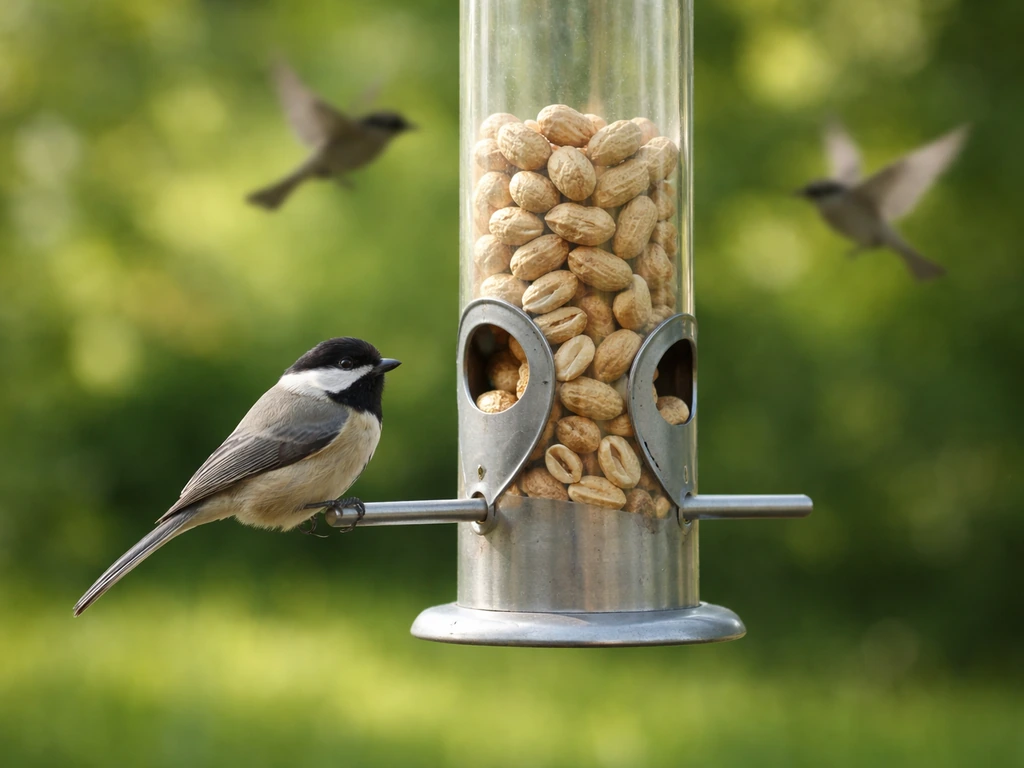
Identify peanut-eating birds and feed safely: species cues, peanut types, storage, hygiene, and myths vs risks.
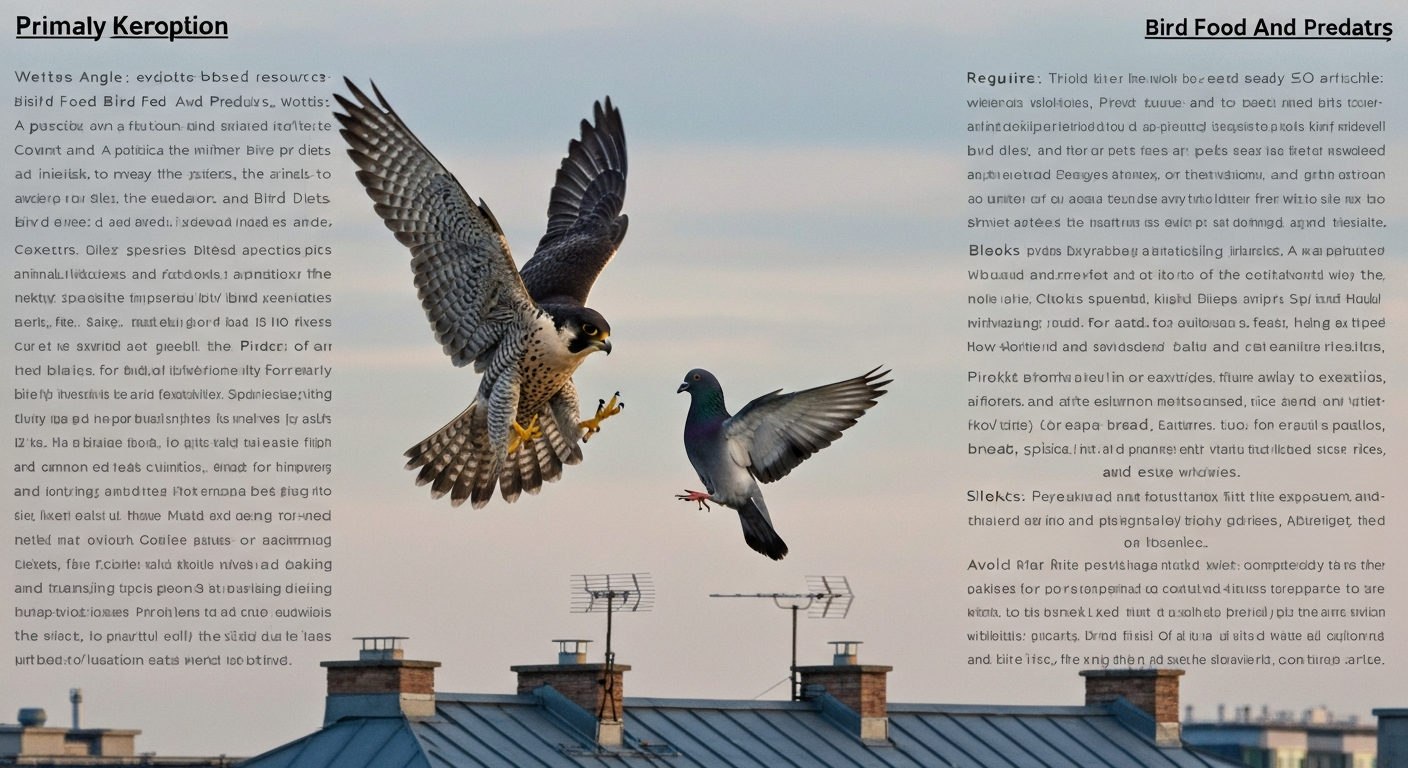
Which raptors eat pigeons: peregrine, Cooper’s, goshawk, merlin, red-tailed, kestrels, owls; ID tips, risks and how to保护
Identify which birds eat mice using hunting cues, time of day, calls, and perch habits, plus safe yard steps.