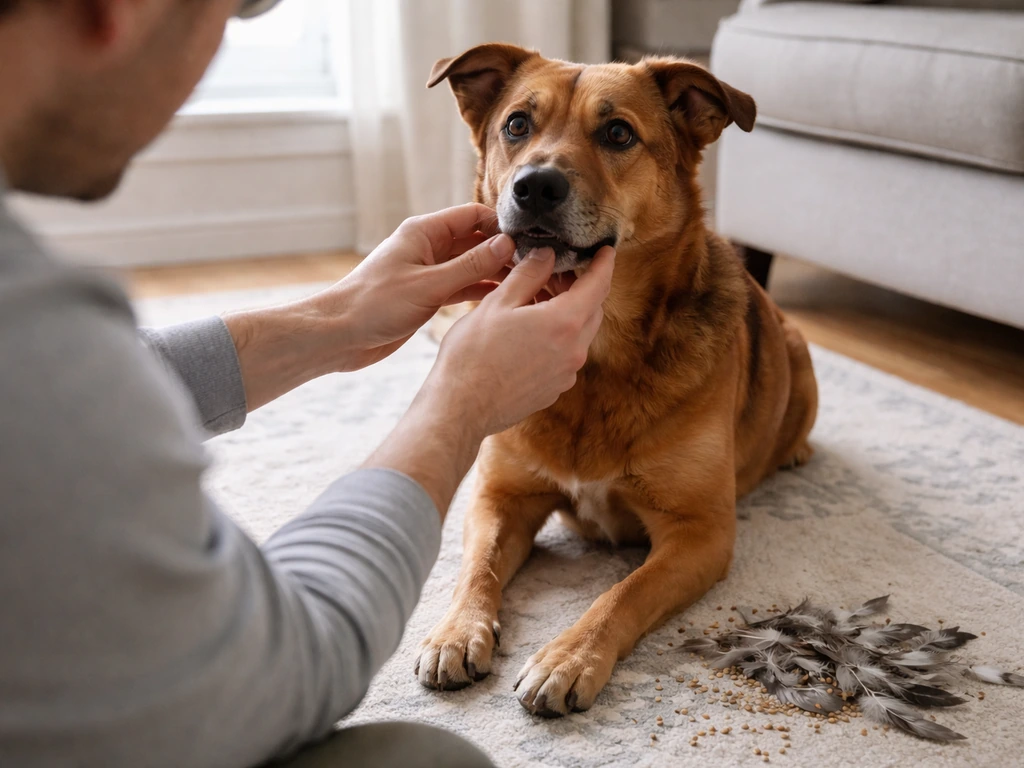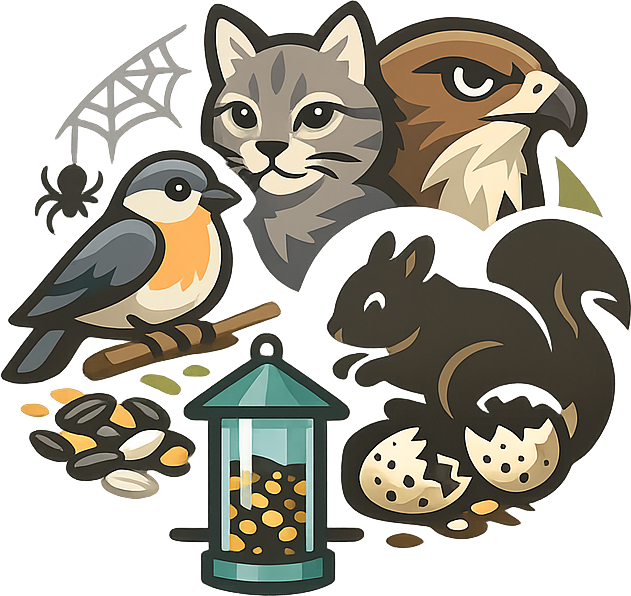
Yes, a dog can absolutely get sick from eating a bird, but how sick and how quickly depends on what exactly was eaten: a freshly killed bird, a decomposing carcass, raw feathers and gut contents, or spilled bird seed from a feeder. Most cases are mild and resolve on their own, but a small number involve serious bacterial infections, parasites, toxic secondary poisoning, or GI obstruction that needs a vet fast. The key is knowing which category your dog falls into right now.
Can a Dog Get Sick From Eating a Bird? What to Do

Maya Bennett
14 May 2026
How and when dogs get sick after eating a bird
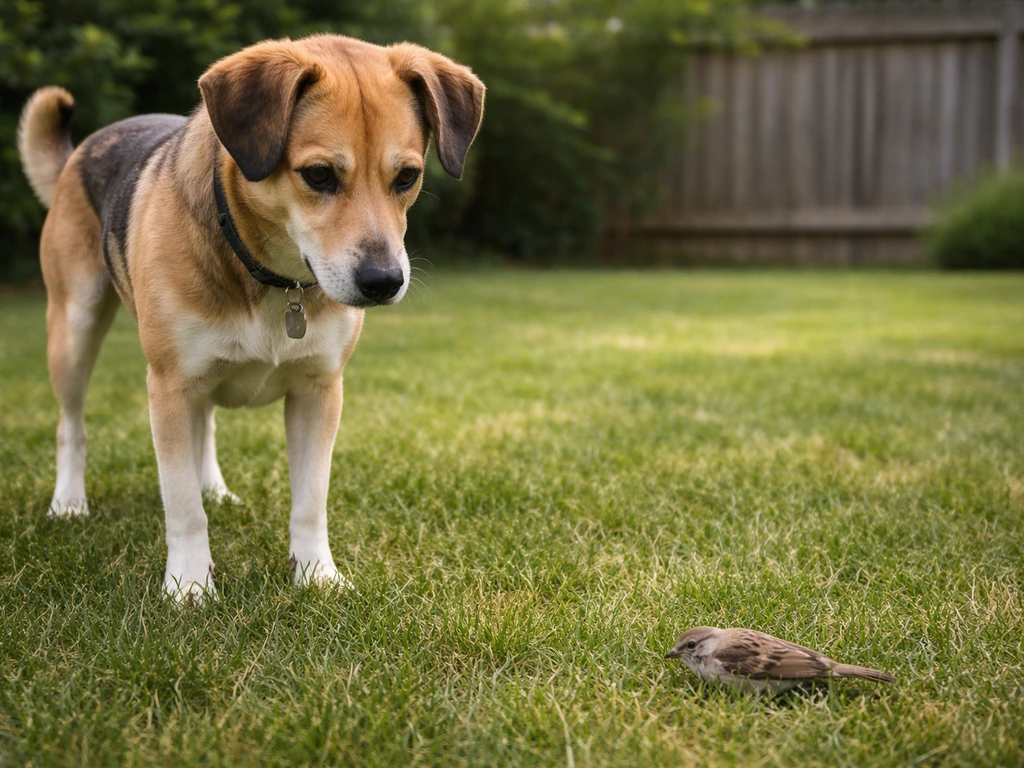
Dogs are opportunistic scavengers, so chasing, killing, or eating a bird is pretty natural behavior, even in mild-mannered pets. The problem is that birds carry a range of bacteria, parasites, and occasionally toxins that a dog's digestive system is not fully immune to. The three main ways a dog gets sick after eating a bird are bacterial infection (most common), parasitic infection (slower to show up), and physical injury or obstruction from bones or feathers (can be immediate).
Salmonella and Campylobacter are the two bacterial risks you hear about most often. Salmonella symptoms in dogs typically appear anywhere from 6 hours to several days after exposure, mirroring what we see in people (where onset runs 6 hours to 6 days). Campylobacter is a little slower, usually showing up 2 to 5 days after ingestion. Both can cause vomiting, watery or bloody diarrhea, lethargy, and fever. Most healthy adult dogs fight these off without treatment, but puppies, senior dogs, and immunocompromised dogs are at much higher risk of a serious outcome.
Parasites like Giardia take longer to cause visible symptoms, usually between 1 and 2 weeks after infection. If your dog ate a bird and seemed fine but starts showing soft stools or intermittent diarrhea a week or two later, Giardia is worth mentioning to your vet. Avian influenza (bird flu) is a lower but real concern: the CDC notes that pets can become infected with avian influenza by eating infected birds or contaminated material. While confirmed cases in pet dogs are rare, it is worth factoring in during active local outbreak periods.
Risks from dead birds vs freshly killed birds
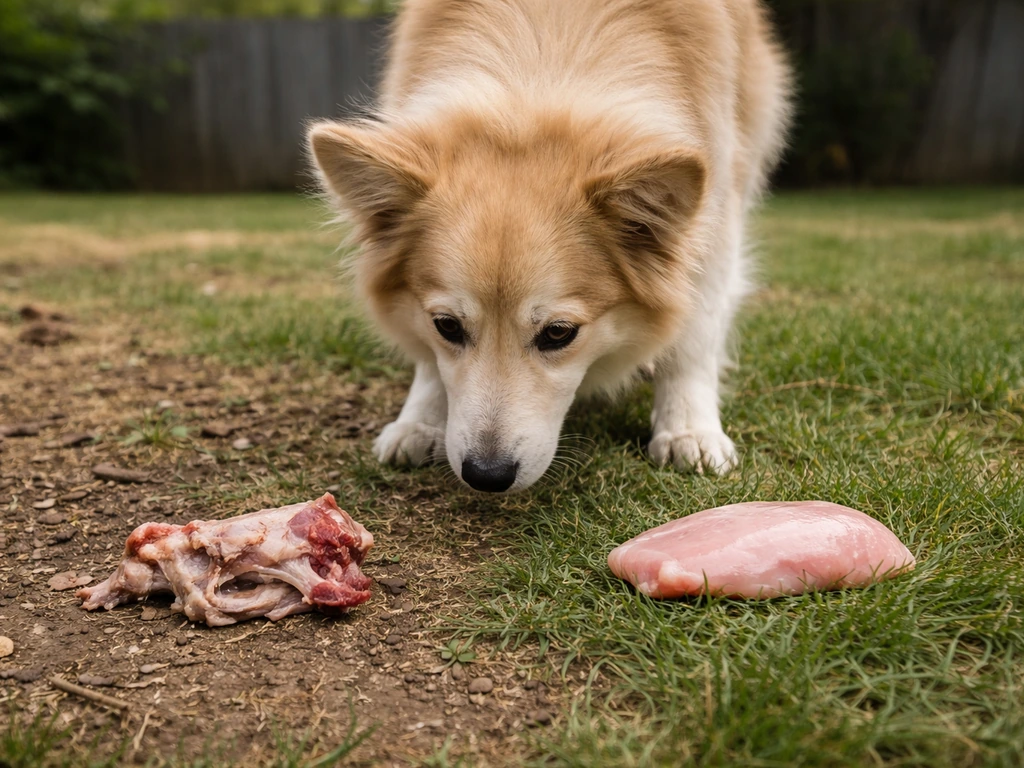
This distinction matters a lot. A bird your dog just caught and killed carries some bacterial risk, but it is relatively fresh tissue. A dead bird found on the ground, under a feeder, or near a road is a completely different story. Decomposing carcasses can harbor much higher concentrations of Salmonella and Campylobacter, plus they may attract and concentrate other pathogens. The longer a bird has been dead, the more dangerous it is.
The other major risk with dead birds is secondary poisoning. If a bird was killed by a rodenticide (rat poison), your dog just ingested that same toxin. Anticoagulant rodenticides are particularly dangerous because symptoms can be delayed: the dog may seem completely fine for 24 to 72 hours or longer before bleeding signs appear. Signs include lethargy, weakness, pale gums, bloody urine, nosebleeds, coughing up blood, or unexplained bruising. If there is any chance the bird died from rodenticide, treat it as an emergency and call your vet or an animal poison helpline immediately, even if your dog looks normal right now.
| Scenario | Main Risk | Urgency Level |
|---|---|---|
| Dog killed and ate a live bird | Bacteria (Salmonella, Campylobacter), parasites | Monitor closely, vet if symptoms develop |
| Dog ate a recently dead bird (hours old) | Higher bacterial load, possible toxin exposure | Call vet to discuss; monitor for 48–72 hours |
| Dog ate a decomposing bird (days old) | Heavy bacterial/parasitic load, high obstruction risk | Contact vet same day |
| Dog ate a bird near poison bait or dead rodents | Secondary anticoagulant rodenticide poisoning | Emergency, call vet or poison helpline now |
| Dog ate feathers only | Mild GI irritation, possible obstruction | Monitor; call vet if vomiting persists |
| Dog ate bird seed spill from feeder area | Mold toxins (aflatoxin), Salmonella from droppings | Monitor; vet if lethargy or jaundice appears |
Feathers and gut contents: what's actually dangerous
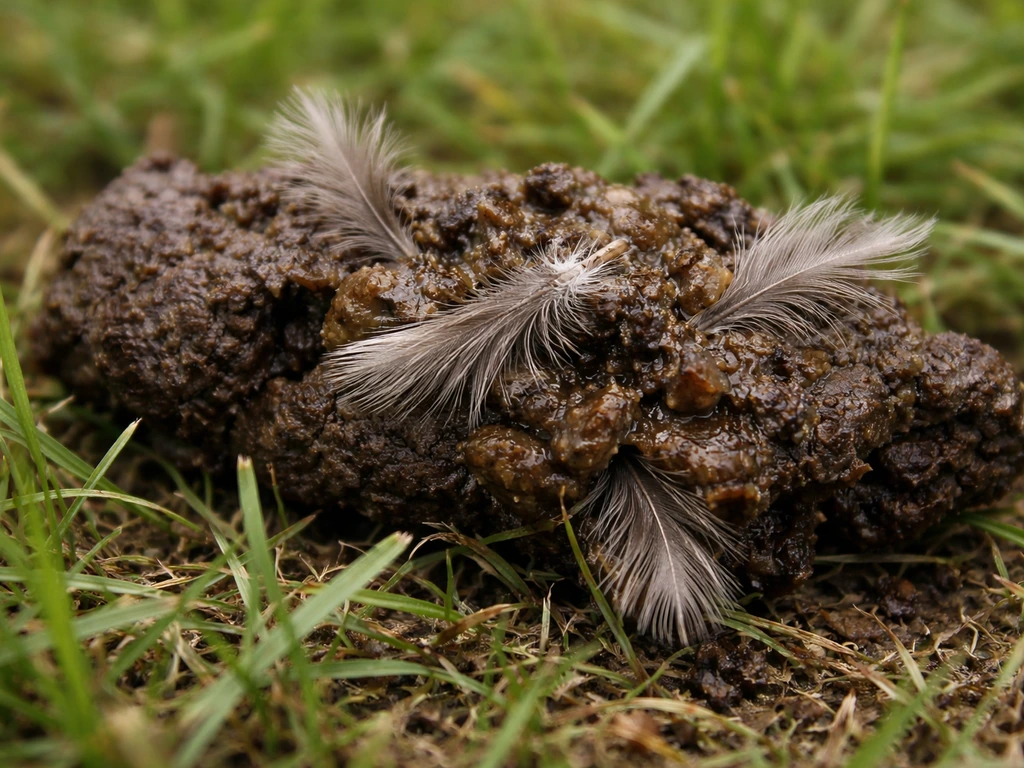
Feathers themselves are not toxic, but they are not digestible either. A few feathers will usually pass through without incident and show up in the dog's stool within a day or two. The real concern is volume and configuration. A large wad of feathers can clump together and create a partial or full GI obstruction, which is a medical emergency. Bones from small birds like sparrows or finches are small but still sharp; they can cause irritation or, in rare cases, perforation of the esophagus or intestinal wall.
The gut contents of a bird are where a lot of the bacterial and parasitic load lives. The intestines, in particular, carry Salmonella, Campylobacter, and other pathogens. If your dog crunched through and swallowed the whole bird including viscera, the risk is meaningfully higher than if it just pulled off a few feathers or nibbled at muscle tissue. This is one reason why knowing approximately what your dog actually consumed helps you and your vet make a better call.
GI obstruction symptoms can appear anywhere from immediately to 24 to 48 hours after ingestion, depending on where the material lodges. In its overview of gastrointestinal foreign bodies, the American College of Veterinary Surgeons notes that clinical signs can include vomiting and diarrhea, and that signs depend on how severe the obstruction is and may worsen without treatment GI obstruction symptoms can appear anywhere from immediately to 24 to 48 hours after ingestion.
Warning signs include persistent vomiting (especially if it won't stop), refusal to eat, obvious abdominal pain or a distended belly, and complete lethargy. Clinical signs for foreign body obstruction in dogs can vary depending on the severity, location, and duration of the obstruction, and vomiting and diarrhea are among the possible signs [persistent vomiting (especially if it won't stop)](https://www. vet. cornell.
edu/departments-centers-and-institutes/riney-canine-health-center/canine-health-information/gastrointestinal-foreign-body-obstruction-dogs). These signs mean a vet visit, not home monitoring.
Bird seed and bird-feeder foods: cross-contamination and toxins
If you found your dog under the bird feeder and you are not sure whether it ate a bird, feathers, or just the spilled seed, you need to consider the seed as its own risk. Salmonellosis is actually the most common bird-feeder disease, and seed that has been contaminated with bird droppings (which accumulates under and around feeders) is a real vector. A dog nosing around feeder ground debris is being exposed to concentrated fecal matter from wild birds.
Moldy or spoiled seed is the other major concern. Aflatoxins are mold-produced toxins that can grow on corn, peanuts, and mixed seeds under damp or poorly stored conditions. The FDA has flagged aflatoxin poisoning in pets, and the signs are serious: sluggishness, loss of appetite, vomiting, jaundice (yellow tint to eyes, gums, or skin), and unexplained bruising or bleeding. Aflatoxins target the liver, and high doses can be fatal. If your dog got into a large amount of old, wet, or visibly moldy seed from around a feeder, call your vet rather than waiting to see what happens.
The volume your dog ate matters here too. A curious sniff and a few seeds is very different from a dog that has clearly been gorging on a pile of damp seed under a neglected feeder. For seed ingestion, err toward calling your vet if the amount was substantial or if the seed looked or smelled off.
What to watch for right now

The timing of symptoms varies by what the dog was exposed to, so here is a practical breakdown of what to watch for and when.
| Symptom | Possible Cause | When It May Appear |
|---|---|---|
| Vomiting (repeated or persistent) | GI obstruction, bacterial infection | Within hours to 24 hours |
| Watery or bloody diarrhea | Salmonella, Campylobacter | 6 hours to 5 days |
| Lethargy, won't move or eat | Infection, obstruction, toxin | Within 24 hours |
| Abdominal bloating or pain | GI obstruction | Within hours to 48 hours |
| Pale or yellow-tinged gums/eyes | Aflatoxin liver damage, rodenticide bleeding | 24–72+ hours for rodenticide; hours to days for aflatoxin |
| Bleeding (nose, urine, stool, coughing blood) | Anticoagulant rodenticide poisoning | 24–72+ hours after ingestion |
| Soft stools or intermittent diarrhea (delayed) | Giardia, Campylobacter | 1–2 weeks later |
| Difficulty breathing | Obstruction, rodenticide (internal bleeding) | Variable; treat as emergency immediately |
Mild, single-episode vomiting and normal behavior afterward is generally low-concern. What you do not want to see is repeated vomiting that won't stop, complete refusal to eat past 12 to 24 hours, obvious pain, blood anywhere, or any sudden change in gum color. If you are wondering what happens if my dog eats a bird, symptoms can range from mild stomach upset to serious infections, parasites, or choking from bones and feathers What you do not want to see. Those are vet-now situations.
What to do today: first aid, when to call a vet, and what information to bring
The single most important rule: blank" rel="noopener noreferrer">do not induce vomiting on your own. This is a point that vets and poison helplines emphasize strongly. Inducing vomiting can make things worse depending on what was swallowed, how long ago, and the dog's condition. If you think your dog needs to vomit, call your vet or an animal poison helpline first and let them guide you.
Steps to take right now
- Remove your dog from the area to prevent further eating or exposure.
- Try to identify what was consumed: a live kill, a dead bird, just feathers, gut contents, or spilled seed from around a feeder.
- Note the approximate time of ingestion and estimate how much was eaten.
- Look at where you found the bird: was it near a feeder, in a field, under a tree, near known rat bait stations, or in a garage where poisons might be stored?
- Check the bird if you can safely do so: does it look diseased, partially decomposed, or near other dead animals? (Gloves are a good idea.)
- Call your vet or an emergency animal clinic if any of the serious symptoms above are present, if there is any poison exposure concern, or if the dog ate a large decomposed carcass.
- If it is after hours and you are concerned, contact an animal poison helpline for real-time guidance.
What to tell your vet
- Your dog's breed, age, weight, and any pre-existing health conditions
- Exactly what was consumed (whole bird, partial, feathers, gut contents, seed)
- Approximate time of ingestion
- Where the bird was found and its condition (fresh kill vs. decomposed vs. found near bait)
- Any products used in your yard: pesticides, rodenticides, bird seed brands, feeder treatments
- Current symptoms and when they started
- Whether your dog has eaten normally or drunk water since the incident
Your vet may want to run blood and urine tests to check for infection, organ compromise, or clotting abnormalities depending on your dog's symptoms and exposure history. The more detail you can provide upfront, the faster they can work.
When home monitoring is reasonable vs. when to go now
Home monitoring is reasonable if: your dog caught and quickly ate a small, visibly healthy wild bird, is acting completely normal, is a healthy adult dog, and you are seeing no symptoms at all. Keep a close eye for the next 48 to 72 hours and watch for the symptoms listed above.
Call your vet today (not wait-and-see) if: the bird was clearly dead and decomposing, you are in an area with known rodenticide use, your dog ate the gut contents or most of the carcass, your dog is a puppy or senior, or your dog already seems off in any way. This same question, can a dog digest a bird, is usually where the uncertainty starts, so use the steps below to decide how urgent it is.
Go to an emergency vet right now if: there is persistent or bloody vomiting, signs of abdominal pain or bloating, pale or yellow gums, any bleeding, difficulty breathing, or sudden collapse. These are not wait-and-see situations.
How to prevent future incidents with feeder and seed safety
If you have a bird feeder in your yard, the ground beneath it is one of the riskier spots for your dog. Fallen seed attracts birds (and rodents), and birds leave droppings on and around the seed. That ground debris is exactly where Salmonella accumulates. Keeping your dog away from feeder areas is the cleanest solution, but there are also practical steps to make those areas much safer.
- Only put out as much seed as birds will eat in a day, especially on platform or ground-level feeders. Leftover seed accumulates moisture and mold.
- Rake or sweep up spilled seed and husks from under feeders regularly, at minimum weekly.
- Clean feeders with a 10% bleach solution (1 part bleach to 9 parts water), rinse thoroughly, and allow to dry completely before refilling. Do this monthly or more often during wet weather.
- Place feeders on poles with baffles rather than hanging them where seed falls freely onto patrolled dog areas.
- Store bagged bird seed in sealed, dry containers. Damp or clumped seed is a warning sign for mold; discard it.
- Never use rodenticide bait near bird feeding areas. Birds poisoned by rodenticides become secondary-poisoning risks to both dogs and raptors.
- If you find dead birds under or near your feeder, remove them promptly wearing gloves, and keep your dog away from the area until it is cleaned.
- Consider a physical barrier (a small fence section or garden edging) around the base of feeder poles to keep dogs from accessing the high-contamination zone directly below feeders.
These steps serve double duty: they reduce disease risk to the wild birds visiting your feeder and they reduce your dog's exposure to contaminated material. A well-maintained feeder setup with clean seed storage is the foundation of safe backyard birding when you also have dogs in the picture.
If your dog regularly hunts or chases birds in your yard, it is also worth thinking about the broader behavior picture. Understanding why dogs pursue and sometimes eat birds, and what happens physiologically when they do manage to consume one, can help you decide whether additional training or yard modifications make sense alongside the feeder hygiene steps above. If you are wondering why your dog ate a bird in the first place, common triggers include hunting instinct, curiosity, and lingering prey scent on the ground.
FAQ
If my dog ate a bird and seems fine, will it still get sick later?
Not usually. Many dogs recover after mild bacterial exposure within a few days, but if your dog is a puppy, senior, or immunocompromised, or if you see bloody diarrhea, fever, repeated vomiting, pale or yellow gums, coughing, or unusual bleeding, you should treat it as urgent and contact a vet promptly.
Can feathers cause a serious problem even if my dog only chewed a little?
Feathers can be dangerous when they are in large amounts or form a clump, especially if your dog also ate bird gut contents or a significant portion of the body. If you later notice persistent vomiting, a swollen belly, refusal to eat, or lethargy, that raises concern for a GI obstruction and warrants an immediate vet visit.
Does the length of time a bird has been dead change how risky it is?
Yes. Even though fresh tissue often causes milder illness, older carcasses increase bacterial load and risk. If the bird was dead for any time, found near a road, or was decomposing, you should assume higher risk and monitor more carefully, with a lower threshold for calling your vet.
What home treatment should I use if I think my dog has bird-related stomach upset?
You should not try to treat this at home by giving anti-diarrhea or pain medicines unless your vet tells you to. For example, some human meds can be unsafe for dogs, and suppressing vomiting or diarrhea can delay recognition of bleeding or obstruction. Instead, call your vet and follow their guidance based on what your dog swallowed.
If the bird might have eaten rat poison, when should I seek help?
Your “first call” depends on timing and exposure. If you suspect rodenticide (bird looked unwell, died suddenly, or there is local rat poison use), call your vet or a pet poison helpline right away, even if your dog looks normal, because anticoagulant poisoning can have delayed bleeding signs (often 24 to 72 hours or more).
How can I tell if this is infection versus a possible blockage?
Do not wait for poop to change if symptoms suggest obstruction. GI obstruction warning signs include ongoing or non-stop vomiting, refusal to eat, visible abdominal pain or distension, and marked lethargy. Those should prompt emergency evaluation, even if diarrhea has not occurred yet.
Could my dog get avian influenza from eating a wild bird?
Yes, but only under specific circumstances. If your dog also ate contaminated material from the feeder area, drank pooled water from that area, or you are in an active local outbreak, you should mention the bird exposure and location to your vet. Routine person-to-dog spread from a single outdoor event is not the main concern, but your vet may still ask about local disease activity.
What if my dog didn’t eat a bird, it only got into bird seed under the feeder?
Usually the key is how much seed or how much time. A small accidental lick or a few seeds from a clean feeder area is often less concerning, but substantial exposure to visibly moldy or wet seed, or seed piles under neglected feeders, is a reason to call your vet sooner rather than waiting.
What bleeding or gum-color changes mean I should go to an emergency vet?
Any bleeding is a red flag, and gum color changes can signal serious issues. Contact urgent care immediately if you see pale or yellow gums, coughing or vomiting blood, bloody urine, nosebleeds, or unexplained bruising, especially if the bird might have been exposed to toxins.
What information should I gather before calling the vet about my dog eating a bird?
Photo and timeline help a lot. Note when the exposure likely happened, your dog’s age and weight, exactly what you think was eaten (freshly caught, dead/decomposing, mostly feathers, whole body, gut contents), and any symptoms since then. If you can, bring a photo of the bird or the feeder area and the approximate amount involved.
Next Article
What Happens If My Dog Eats a Bird: First Aid and Vet Help
What to do if your dog eats a bird or bird food: first aid, urgent signs, and feeder safety to prevent repeat incidents.