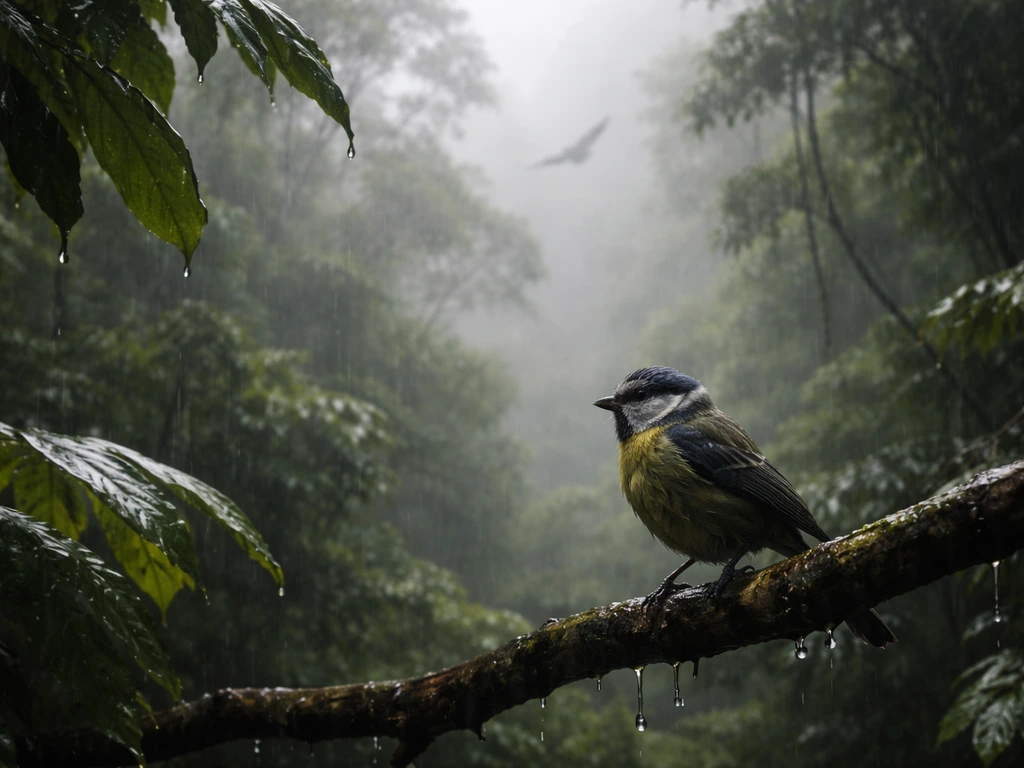
Herons, owls, and kingfishers are your most likely suspects when frogs go missing. Yes, it can happen because some birds target small amphibians as part of their diet can a frog eat a bird. Great Blue Herons and their relatives are the classic culprits near any pond or wetland, barn owls quietly take frogs at night across open farmland and grassland, and kingfishers pick off smaller frogs along stream banks. Raptors like Red-tailed Hawks grab frogs of opportunity too, but if you are watching a water feature lose its frog population, a wading bird is almost always the first place to look. You may also notice birds with very different cravings, like the bird that likes oranges, if you have fruit nearby what bird likes oranges.
What Bird Eats Frogs? Identify the Culprit Fast
Maya Bennett
20 May 2026
Birds that eat frogs: the common culprits
Frog predation by birds is more widespread than most backyard birders realize. Frogs are a calorie-dense, easy-to-swallow prey item, and many bird families have evolved efficient ways to catch them. Here are the main groups you are likely to encounter:
Herons and egrets
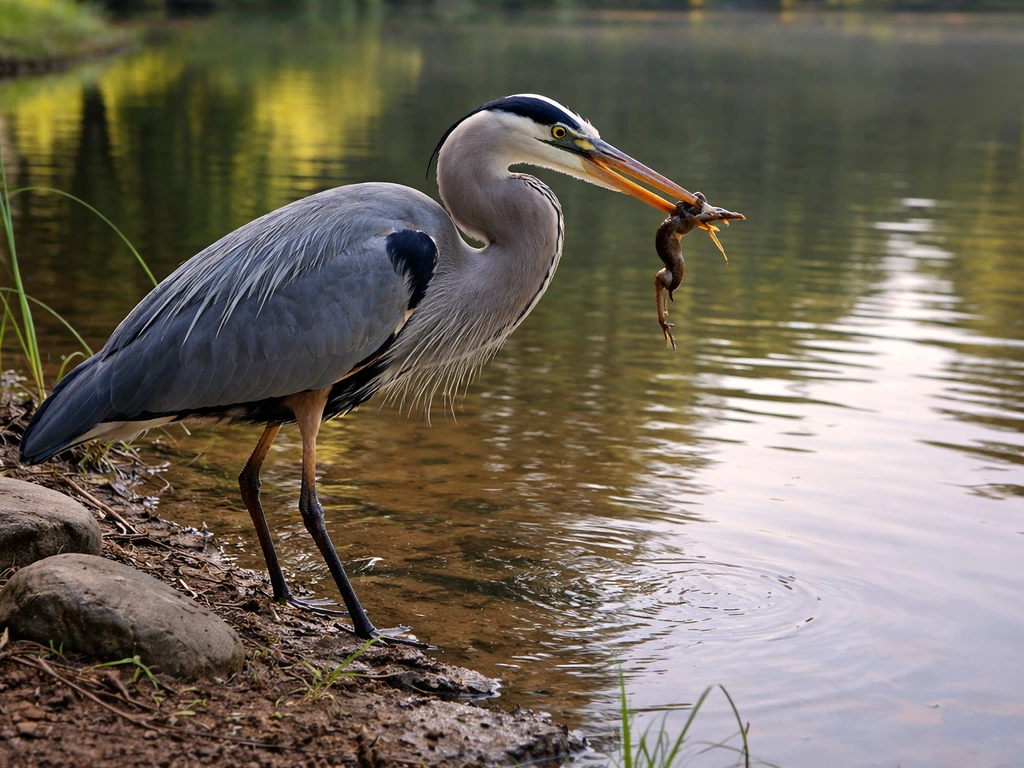
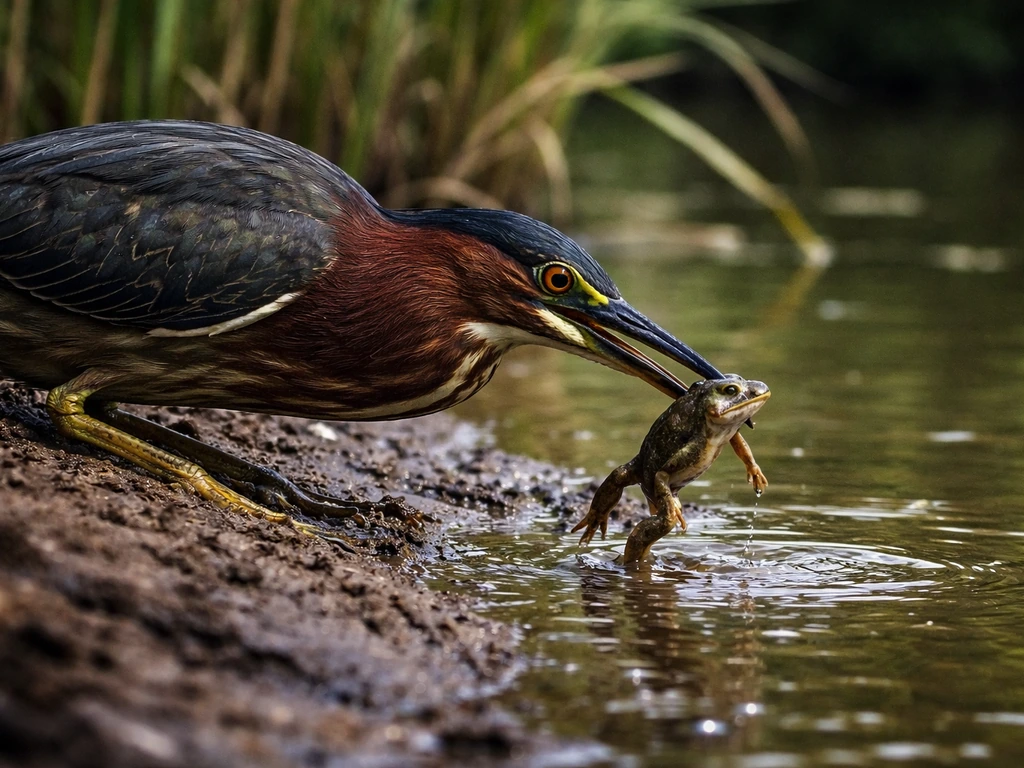
Great Blue Herons are probably the single most impactful frog predators in North American backyards and wetlands. The Pennsylvania Game Commission specifically lists herons as feeding on frogs and other animal life found in shallow water and along shorelines. Great Egrets, Snowy Egrets, Green Herons, and Night-Herons all take frogs regularly too. Any heron or egret species that can wade into water or stand at the edge will opportunistically take a frog when one presents itself.
Owls
Barn Owls (Tyto alba) are documented amphibian hunters across Europe and North America. A synthesis of European diet studies found true frogs (Ranidae, including Rana and Pelophylax species) accounted for 6,669 prey items across 596 studies, making them the most frequently consumed amphibian family in the barn owl's diet. A synthesis of European diet studies reports that true frogs (Ranidae, including Rana and Pelophylax species) accounted for 6,669 prey items across 596 studies and were the most frequently consumed amphibian family in the barn owl’s diet. Great Horned Owls, Barred Owls, and Eastern Screech-Owls also take frogs when the opportunity arises, particularly during warm, wet nights when frogs are most active.
Kingfishers
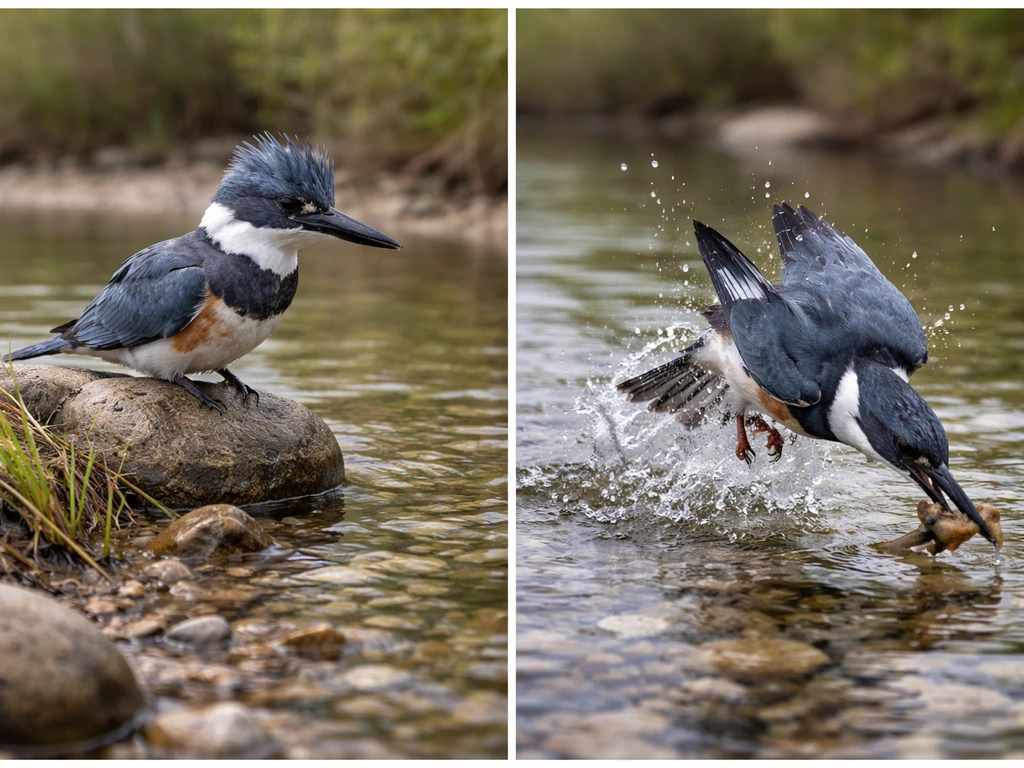
Belted Kingfishers in North America (and Common Kingfishers in Europe) are famous fish hunters, but they will absolutely take small frogs and tadpoles. They plunge-dive head-first into water with remarkable precision, which means any frog sitting near the surface of a stream or pond edge is a viable target. Smaller frog species and juveniles are at the most risk from kingfishers.
Raptors and hawks
Red-tailed Hawks, Red-shouldered Hawks, Ospreys, and even American Kestrels will take frogs when given the chance. Red-shouldered Hawks in particular are wetland-edge birds that actively hunt frogs, snakes, and small mammals. They are less specialized for frog hunting than herons, but in areas where other prey is scarce they can put real pressure on a local frog population.
Other birds worth knowing
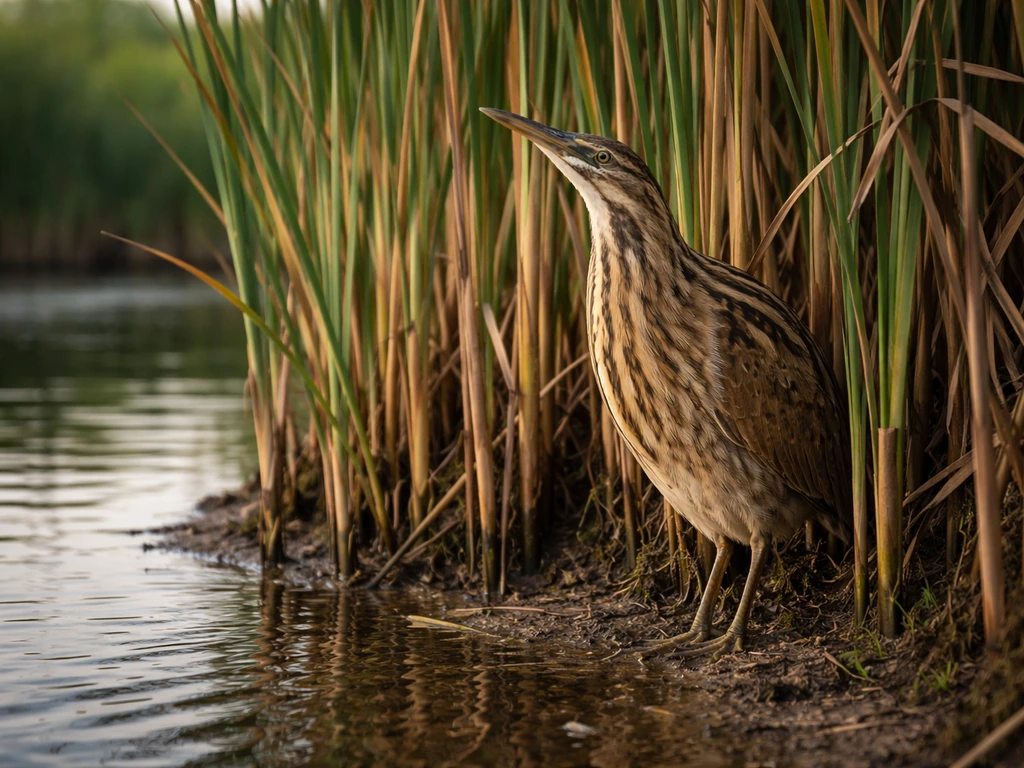
Crows, ravens, and American Bitterns also eat frogs on occasion. Bitterns are especially sneaky about it because they are so camouflaged that most people never notice them hunting in reed beds. Storks take frogs in European wetlands, and in tropical or subtropical areas, species like Anhingas and various ibises round out the list. If you are in a rainforest setting, the predator list expands considerably, but for most backyard and suburban situations, herons and owls cover the vast majority of cases. what bird eats mosquitoes herons and owls. In a rainforest setting, the predator and prey relationships can be very different, which is why people also ask what eats a bird in the rainforest.
How to identify frog-eating birds by hunting style and features
You can usually narrow down the culprit just by watching how the bird hunts and what it looks like in the field. Each major group has a distinctive method.
| Bird | Key ID features | Hunting style | Bill shape |
|---|---|---|---|
| Great Blue Heron | 4 ft tall, blue-grey, white face, black eye stripe, yellow bill | Stands statue-still or wades slowly, strikes with lightning-fast lunge | Long, thick dagger |
| Barn Owl | Heart-shaped white face, pale buff body, 13–15 inches | Silent low flight over open ground at night | Small, hooked |
| Belted Kingfisher | Stocky, blue-grey with white belly, shaggy crest, 11–14 inches | Perches above water, plunge-dives head-first | Long, straight, pointed |
| Red-shouldered Hawk | 16–24 inches, reddish barred chest, banded tail | Perch-hunts from woodland edges near wetlands | Short, hooked raptor bill |
| Green Heron | Small (18 inches), dark greenish back, chestnut neck | Crouches low and lunges from bank or branch | Short dagger for its size |
Flight patterns and posture clues
Great Blue Herons are one of the easiest birds to identify in flight once you know what to look for. Their neck folds into a tight S-curve tucked against the body, and their legs trail well beyond the tail. That silhouette is unmistakable at a distance. Kingfishers fly in a rapid, undulating, almost chattering pattern, often calling loudly with a rattling cry as they go. Barn Owls fly with slow, buoyant wingbeats in near-complete silence, usually low over fields after dark.
The stalking vs. diving vs. striking difference
Herons stalk. They walk in almost imperceptible slow motion, head cocked slightly forward, with their neck coiled into that S-shape ready to fire. When they strike, it is nearly instantaneous. Kingfishers hover briefly or drop from a perch and hit the water fast. Owls fly low and slow, often quartering back and forth over open ground, dropping feet-first onto prey they hear rather than see. Raptors like Red-shouldered Hawks tend to sit and wait on a perch, then drop with a quick swoop. Watching for these behaviors near your pond or garden is often enough to identify the predator without needing a close look at plumage.
Where and when frog predation happens
Location and timing matter a lot. Frog predation spikes predictably, and knowing when to watch can help you catch the culprit in the act.
Habitat hotspots
- Shallow pond edges and garden water features (herons and kingfishers)
- Wetland margins and reed beds (bitterns, night-herons, egrets)
- Open farmland, meadows, and roadside ditches at night (barn owls)
- Woodland edges near streams (barred owls, red-shouldered hawks)
- Stream banks and slow-moving rivers (kingfishers)
Peak predation seasons
Spring and early summer are the highest-risk periods. Frogs emerge from hibernation, congregate to breed, and are highly visible and vocal, making them easy targets. Many frog-eating birds are also feeding chicks at this time, so their hunting intensity is at its highest. Warm, wet nights in April through June see barn owls and herons actively hunting well into darkness. Predation drops off in mid-summer as frog populations disperse into vegetation and becomes more of an opportunistic event for most bird species.
Time of day
Herons hunt at any hour but are most active at dawn and dusk. Great Blue Herons will show up at a garden pond in early morning before you are even awake, take several frogs in 20 minutes, and be gone. Night-herons hunt after dark as their name suggests. Barn owls are strictly nocturnal. Kingfishers and hawks are daytime hunters.
Signs your local frog loss is due to birds
Before blaming birds, it helps to confirm that predation is actually happening rather than disease, drought, or habitat change. Here is what to look for.
- Owl pellets near a roost site (check trees, barns, fence posts): dissecting a pellet and finding amphibian bone fragments is solid evidence of owl predation. Owls typically cast one pellet per day and pellets cluster near roost spots.
- Heron or egret footprints (three long forward-facing toes) in the mud at your pond edge
- Frog carcasses with clean, puncture-style wounds consistent with a dagger-shaped bill rather than torn or chewed remains
- Frog bodies missing legs only (some herons and egrets clip off legs before swallowing the body)
- Sudden, sharp drop in visible frog numbers within a day or two (disease tends to cause a slower decline)
- Feathers, whitewash (bird droppings), or a large perching bird spotted regularly near your pond or stream
- Kingfisher's rattling call near a water feature, combined with diving behavior
Owl pellets are particularly useful because they are like a timestamped record of what a bird ate. Tear one apart carefully and look for small bones, skull fragments, and spine sections: amphibian bones are very thin and translucent compared to rodent bones. If you find them, you have good evidence a barn owl or other owl species is hunting your property.
Safety for backyard birders and pets around feeders and ponds
This is where things get practical for anyone who maintains a bird feeder setup near a garden pond or wetland. Bird feeders can unintentionally increase predation pressure on frogs, and small pets can also be at risk.
Feeders and raptor attraction
Feeders that draw large numbers of small birds can also attract raptors, which may then notice your pond as an additional food source. U.S. Fish and Wildlife Service materials explicitly state that bird feeders may attract natural predators including birds of prey. This does not mean you should stop feeding birds, but placing feeders away from your pond and providing escape cover (dense shrubs nearby) gives small birds protection and reduces how much time a hunting raptor spends near your water feature.
Feeder hygiene and disease risk
Spoiled or contaminated seed is a genuine risk that most people underestimate. Wet seed grows mold fast and can cause disease in the birds you are trying to help. North Carolina wildlife guidance recommends cleaning feeders regularly, using high-quality food, and closing feeders temporarily if you notice disease or predation spikes. If you see sick birds near your feeder, take it down, clean it with a 10% bleach solution, and let it dry completely before putting it back out.
Cats and small pets
Outdoor cats are a significant source of amphibian predation. Washington Department of Fish and Wildlife specifically notes that outdoor cats hunt wildlife including amphibians and recommends keeping cats indoors to reduce predation risk. U.S. Fish and Wildlife Service echoes this, advising that cats be kept indoors or on a leash or in a catio. If a cat is roaming near your pond, it may be responsible for frog losses independently of any bird predation. Small dogs near ponds at dawn or dusk could theoretically encounter a large heron, but herons will typically fly off when approached by a dog. The risk to small pets from frog-eating birds is very low in practice.
What to do next: reduce frog losses without harming birds
All of the bird species that eat frogs are protected under federal law in the United States and under equivalent legislation in most other countries. You cannot legally harm or trap them. But there are effective, non-lethal things you can do today to reduce predation pressure on your local frogs.
Quick identification and verification checklist
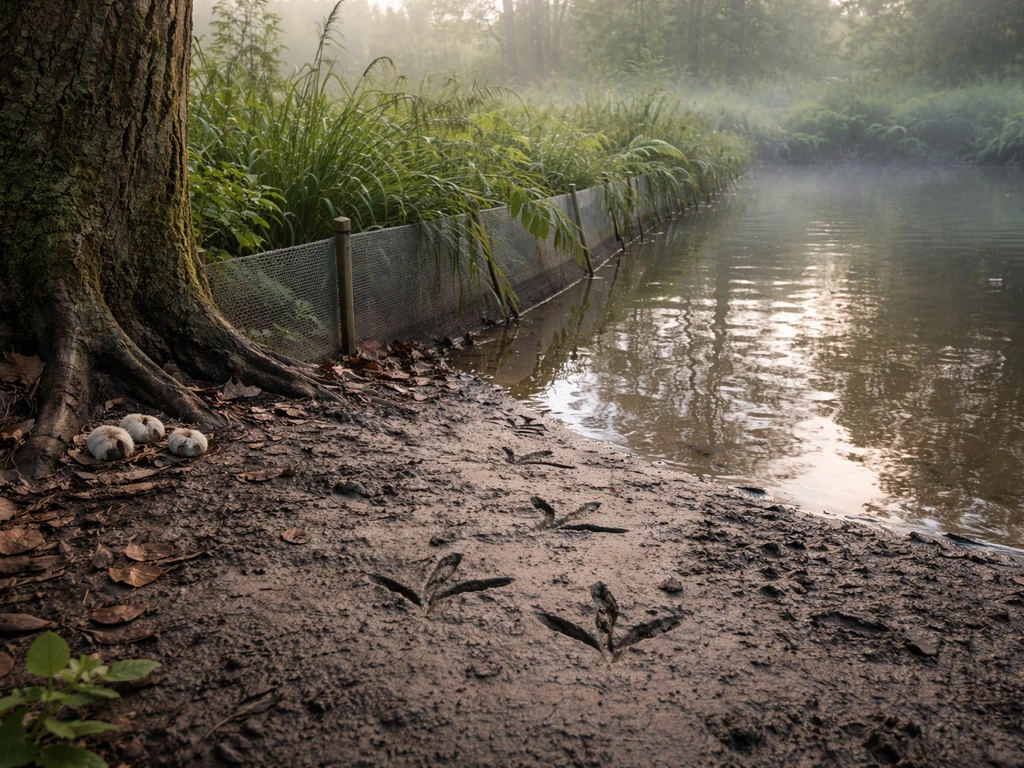
- Check for heron footprints in pond mud first thing in the morning
- Look for owl pellets under trees, barn rafters, or fence posts within 100 meters of the pond
- Note the time of day when frogs go missing (dawn and dusk point to herons; overnight points to owls)
- Listen for the kingfisher's rattling call near any stream or open water
- Look for frog remains: puncture wounds, missing legs, or partially eaten carcasses near the water edge
- Install a simple trail camera facing your pond for two to three nights to capture the culprit
Non-lethal ways to protect frogs
- Add overhanging vegetation, submerged plant shelves, and dense marginal plants around your pond: frogs need places to hide that a heron cannot easily reach
- Install a low wire or netting barrier around a garden pond (30 to 45 cm high is enough to deter herons from walking in from the bank)
- Create shaded, damp shelter piles (log piles, flat stones, leaf litter) away from open water so frogs have refuges they can retreat to during the day
- The RSPB recommends cool, dark, damp winter dens for frogs, toads, and newts to reduce their vulnerability during cold months when they are sluggish
- Use amphibian passage barrier guidance to block frog access to the most exposed parts of a feature while guiding animals toward safer areas
- Keep cats indoors, especially at dawn and dusk when frogs are most active near the water surface
- If using a bird feeder near a pond, move it at least 10 to 15 meters away to reduce raptor activity near the water
When to contact wildlife authorities
Occasional frog predation by birds is completely normal and not a cause for alarm. Contact your local wildlife agency or a wildlife biologist if you see a sudden, severe population collapse (near-total loss of frogs from a previously healthy pond within a week or two) since this is more likely to indicate disease such as chytrid fungus than bird predation alone. Also contact authorities if you find an injured bird of prey near your property, or if you suspect someone has been attempting to poison or trap protected birds. In the meantime, providing good habitat is the single most effective thing you can do to keep a healthy frog population even in areas with active heron and owl pressure.
FAQ
How can I tell if birds are actually responsible, not disease or drought?
A single missing frog does not prove a bird is eating them. Look for repeatable signs, like consistent frog declines during dawn or dusk, tracks of a wading bird along the pond edge, or regurgitated remains under perches. Also check for non-predation causes (dry spells, chemical runoff, or a disease die-off) that can mimic “predation” by removing frogs quickly without leaving bite marks.
Can bird predation happen even if the birds I see are not actively hunting?
Yes, birds can affect frog numbers even if they do not “hunt” constantly. Many frog-eating birds are opportunistic, so losses often spike during breeding season when frogs are concentrated and vocal. If you see frog disappearances mainly in spring and early summer, that pattern usually fits predator activity more than year-round habitat problems.
What evidence should I look for to confirm the culprit?
The most reliable “proof” from your yard is usually timing plus pellet evidence. Owl pellets often contain amphibian bone fragments, thin and translucent compared with rodent bones, giving strong confirmation. For day hunters like herons or kingfishers, look for a clear hunting behavior sequence (stalk, strike, then departure) rather than hoping to find remains.
Could multiple birds be involved, and how do I figure out who is doing the most harm?
Herons and owls are the primary suspects, but you can also be seeing indirect predation. For example, a heron may remove frogs near the shore, while crows or ravens may take advantage of exposed or weakened frogs afterward. If you notice multiple bird types at different times of day, treat it as a “predation chain,” not one predator.
How far should bird feeders be from my pond to reduce frog losses?
Place feeders farther from the pond or habitat edge, ideally with dense shrubs or cover between feeders and the water. Also avoid feeding strategies that disproportionately attract small birds right next to the pond, such as scattering feed on open ground. This reduces the amount of time a raptor spends near your water feature.
If frogs stop calling, does that mean birds ate them?
Do not rely on “reduced frog noise” as proof of predation. Frogs call less as weather cools, after heavy rains, or as breeding ends. Instead, compare frog presence and activity before and after the times when birds hunt most (dawn/dusk for herons, warm wet nights for many owls, midday for kingfishers and hawks).
Can changing my bird feeding routine suddenly increase frog predation?
A temporary spike after feeder placement can happen, because feeders concentrate small birds and attract predators that then notice the pond as a water-and-prey hotspot. If you observe a sudden increase in hunting behavior, stop feeding temporarily, move feeders away from the pond, and clean feeders promptly so you are not also creating disease stress.
What if I have outdoor cats, could they be the real reason frogs are disappearing?
Yes, outdoor cats are a common non-bird explanation. Cats hunt amphibians near ponds, especially around dawn and dusk when frogs and cats both become active. If you have a roaming cat, the most effective step is changing cat access (indoors, leash, or catio) before assuming birds are the only cause.
When should I stop blaming birds and contact a wildlife agency?
If you find a sudden, near-complete loss of frogs within about one to two weeks, bird predation is less likely to be the sole cause. Rapid die-offs often point to disease issues such as chytrid fungus, or to environmental stress like water chemistry changes. In that scenario, contact your local wildlife agency or a biologist for guidance rather than trying deterrents alone.
What non-lethal steps can I take without breaking wildlife protection laws?
You cannot legally harm or trap most native frog-eating birds in the U.S. and many other countries. Non-lethal approaches are the safer route: adjust feeder placement, add escape cover for frogs (native plants and shoreline hiding places), and keep pets controlled. If you want stronger protection, consider physical barriers in narrow areas only during peak breeding season, and remove them afterward.
How do I avoid misidentifying a frog predator?
Common mistake: assuming any bird near a pond eats frogs. Some visitors may only drink, hunt insects, or forage on aquatic invertebrates. Focus on behaviors described for frog hunters, like stalking and striking for herons, plunge-dives for kingfishers, and low, quiet flight with feet-first drops for owls.
Next Article
What Eats a Bird in the Rainforest: Predators and Nest Risks
Rainforest bird predator ID and safer feeding tips, covering nest and adult risks plus track, sign, and timing clues.