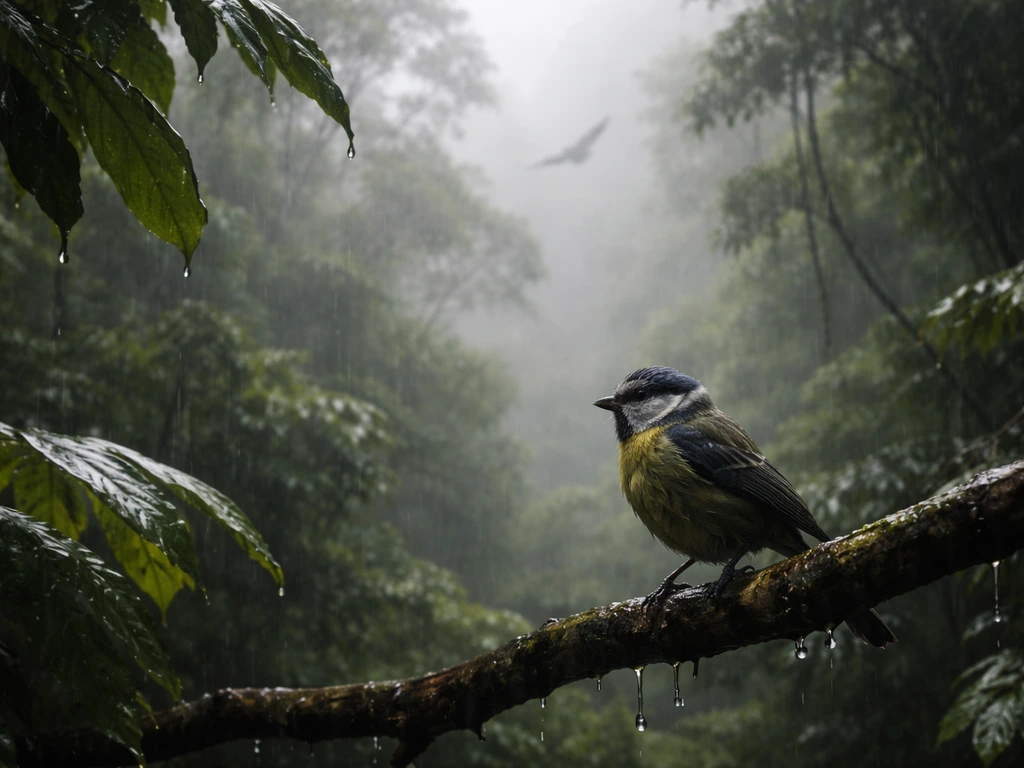
Birds in the rainforest face predation from multiple directions at once: from above by raptors, from the sides by other birds and snakes, and from below by mammals, insects, and even bats. The honest answer to what eats a bird in the rainforest is that nearly every major animal group takes a shot at them at some life stage. Adults are most vulnerable to aerial predators and large snakes. Eggs and nestlings face a completely different and often more dangerous lineup that includes smaller snakes, insects like fire ants, corvids, and mammals from rodents up to opossums. Understanding which predator hits which stage changes everything about how you interpret what you're seeing.
What Eats a Bird in the Rainforest: Predators and Nest Risks

Maya Bennett
22 Apr 2026
The Main Predator Groups (and Where They Fit)
Raptors
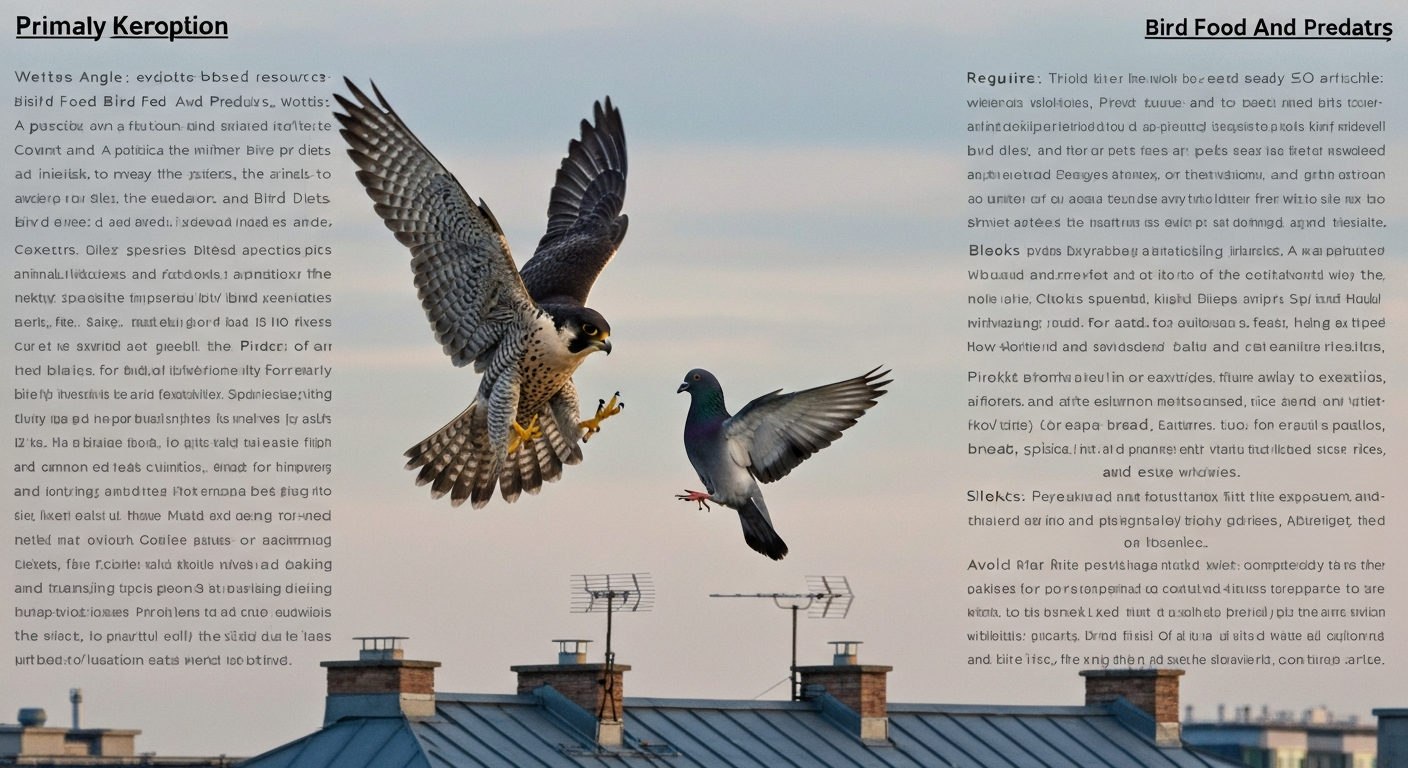
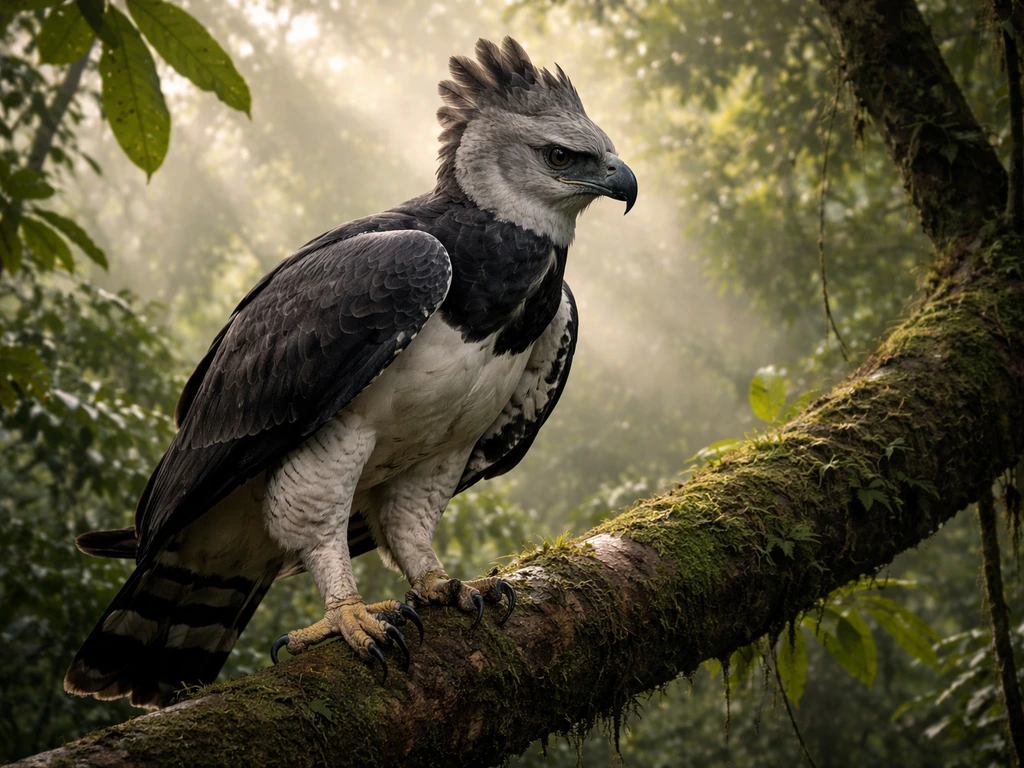
Hawks, eagles, and falcons are the most visible bird predators in any rainforest. The harpy eagle is the apex aerial predator of the Neotropical rainforest, capable of taking birds up to the size of macaws. Smaller forest hawks like the tiny hawk and the bicolored hawk specialize in passerine birds and hunt within the canopy understory. These are pursuit predators, and they target active adult birds in flight or perched in open spots. In North American rainforest-adjacent settings, Cooper's hawks and sharp-shinned hawks fill this same niche around feeders.
Snakes
Snakes are arguably the most consistent and damaging predators of birds across all life stages in tropical forest environments. In a nest-survival study in a fragmented Afrotropical bird community, nest predation was the predominant cause of nest failure. A video-monitored nest study found that snakes accounted for 51% of nest depredation events, far ahead of any other predator group. Arboreal snakes climb into canopy nests and swallow eggs, nestlings, and occasionally incubating adults. Terrestrial snakes like the black rat snake access lower nests the same way. Research from Papua New Guinea and Costa Rica both highlight snake predation as a primary force driving nest failure in lowland rainforest. Critically, snakes work at night, which means a nest that looks fine in the morning and is empty by dawn points straight at a snake or fire ants, not a bird predator.
Predatory Mammals
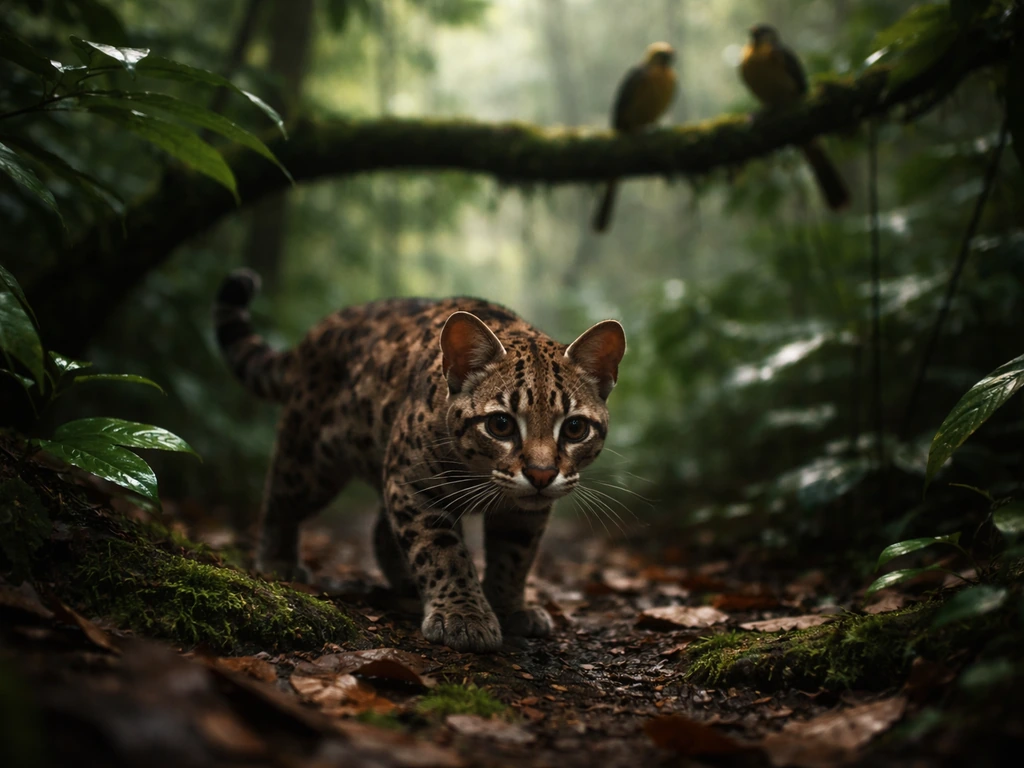
Mammalian predators span a wide size range in the rainforest. Ocelots, margays, and jaguarundis can take perched or roosting birds. Margays are especially relevant because they are highly arboreal and can hunt canopy birds directly. Smaller mesomammals like coatis, opossums, and kinkajous account for around 19% of nest predation events in monitored studies. Rodents, particularly arboreal rats, add another 16% on top of that. In Neotropical forests, monkeys (especially capuchins) are well-documented predators of both eggs and nestlings. And domestic cats, though often not considered in this context, are a significant and underappreciated threat wherever human settlement meets rainforest edge.
Other Birds
Many bird species prey on other birds or their eggs. Toucans and other large-billed frugivores are frequent nest raiders despite their reputation as fruit eaters. Some birds may also be tempted by sweet fruit like oranges, depending on the species and local availability. Crows, jays, and corvids in general are opportunistic nest predators worldwide. American crows are specifically documented as nest predators of tree swallows. Among true raptors, the double-toothed kite follows army ant swarms and picks off birds flushed by the chaos. Research shows bird-on-bird nest predation occurs predominantly during the day, which is a key timing distinction from snake and insect predation.
Insects and Bats
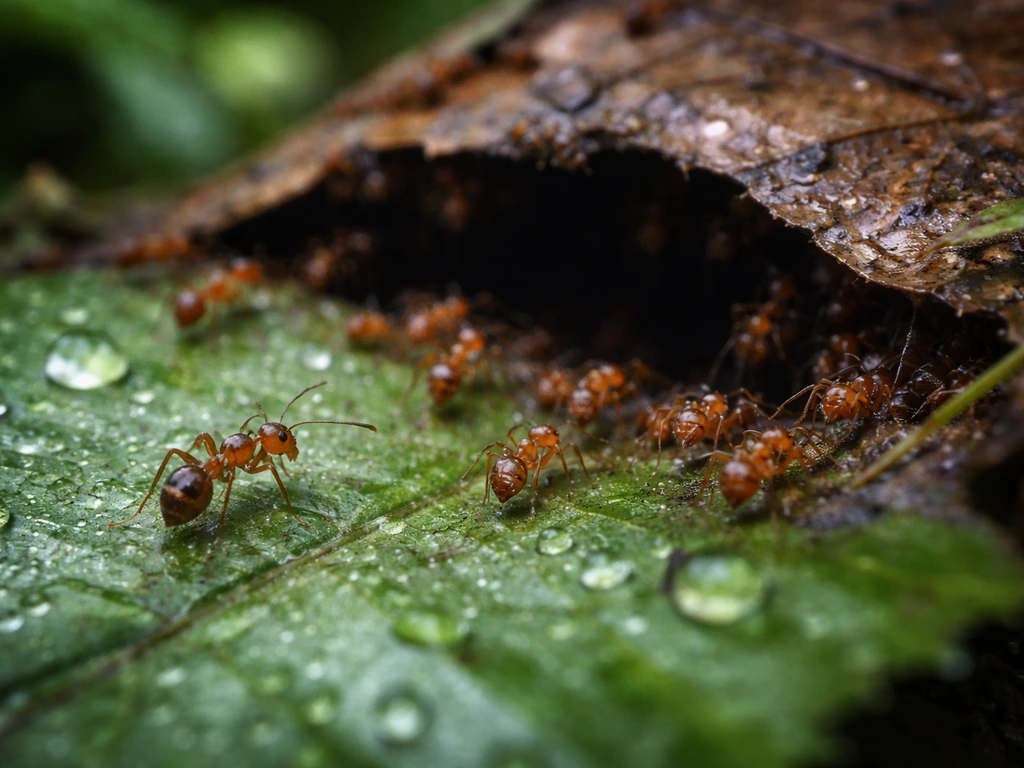
Fire ants are a serious and often underestimated nest predator, particularly later in the breeding season. Research tracking predatory identity shows fire ant predation spikes late in the season and occurs at night, making it easy to confuse with snake activity based on timing alone. Bats are another underestimated predator: a study in the Journal of Avian Biology specifically argues that bats as nest predators of tropical forest birds have been significantly overlooked, suggesting they contribute more to bird mortality in tropical systems than previously credited.
Reading the Signs: Which Predator Was Here?
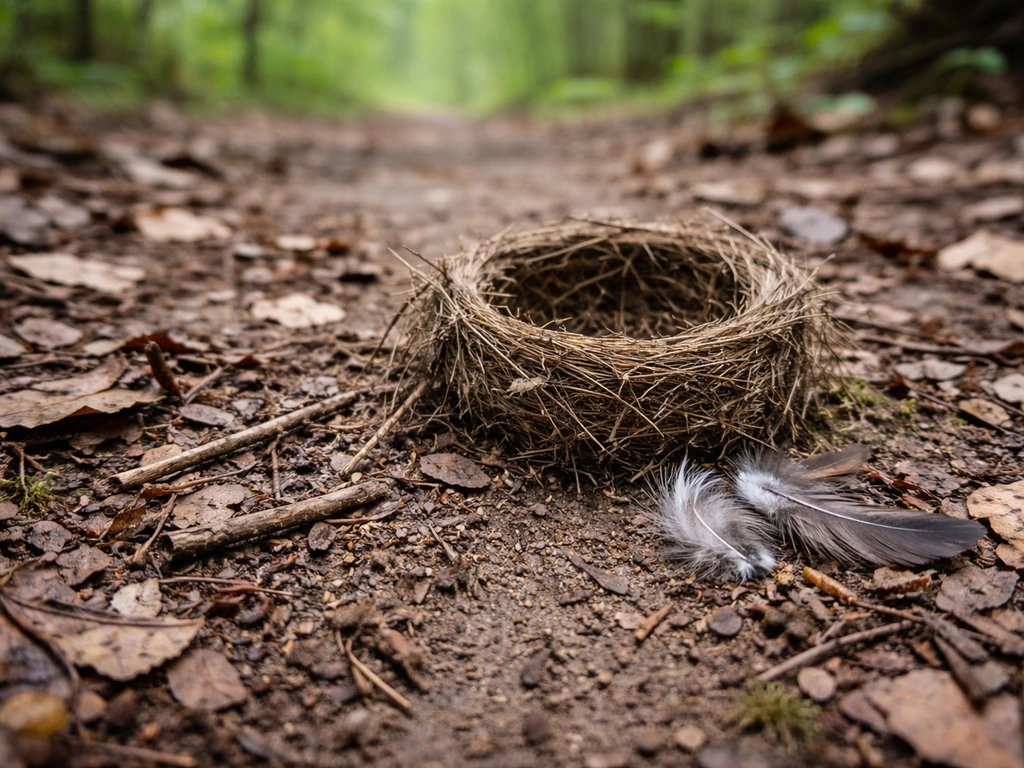
One of the most useful skills you can develop around this topic is reading the evidence left behind at a disturbed nest or a spot where a bird was taken. You rarely see the predator itself, but the signs are usually distinctive if you know what to look for.
| Sign or Clue | Likely Predator | Time of Activity | Notes |
|---|---|---|---|
| Nest emptied cleanly, no damage to cup, no feathers or shells | Snake (arboreal) | Night | Snakes swallow whole; nothing is left behind at the nest |
| Eggshells with small punctures or crushed fragments inside the nest | Corvid or raptor (bird) | Day | Birds break eggs or carry off shells; fragments often left in or near nest |
| Eggshells found outside the nest, carried away | Corvid (crow, jay) | Day | Crows and jays often carry eggs away from nest before consuming |
| Nest torn apart or pulled down, mammal tracks below | Raccoon, opossum, or coati | Night | Mesomammals tend to wreck the nest structure; look for scratch marks on trunk |
| Feathers scattered in open area, prey item partially eaten | Raptor | Day | Hawks often pluck prey at a feeding perch; look for a pile of plucked feathers |
| Feathers in a neat pile, prey item consumed elsewhere | Domestic cat | Any time | Cats characteristically leave a plucked pile; high risk at forest edges |
| Nest swarming with insects, eggs or chicks dead in place | Fire ants | Night | Ants do not remove eggs; they kill in place and leave remains |
| Nest disturbed at height (canopy level), no ground signs | Arboreal snake or monkey | Variable | Look for shed skin, scratch marks, or camera footage for confirmation |
Timing is your single most reliable initial clue. Research confirms a clean split: snake and fire ant predation happens primarily at night, while bird predation happens during the day. If you check a nest at first light and find it empty with no damage to the cup, lean toward snake. If you watch a nest lose eggs or chicks between morning observations with no signs of damage, think corvid or hawk.
Nest and Egg Predation: Who's Targeting the Next Generation
Nest predation is the dominant cause of bird mortality in most rainforest systems, far exceeding predation on healthy adults in many studies. The frequency breakdown from a 65-nest video study is telling: snakes 51%, mesomammals 19%, rodents 16%, fire ants and corvids sharing the remaining 14%. Adult birds taken in open flight or at a perch are real events, but they are statistically rarer than nest failures.
Nest height changes everything about which predator you're dealing with. Research in forest songbirds confirms that nest predation decreases with increasing nest height, but the predator community also shifts: at ground and low levels you get more mammal and fire ant activity, while at canopy height you see more arboreal snake and bird-of-prey predation. Nests in dense vegetation structure also fare differently depending on whether the forest is fragmented, which can increase exposure to generalist predators like corvids and domestic cats.
Reptile nest predators are not limited to snakes. Monitor lizards in Southeast Asian and Australasian rainforests are prolific egg predators. In New Guinea lowland forest, snakes were documented raiding 4 natural nests, birds raided 3, and mammals 1, in one monitoring period. That's a rough but useful ratio for thinking about where to focus attention.
It's worth knowing that cowbirds, though technically a parasite rather than a predator, can trigger nest failure by displacing eggs and overwhelming host-parent resources. Brood parasitism can be confused with predation if you find eggs gone without obvious damage.
What These Predators Actually Target and How They Hunt
Understanding how each predator hunts helps you predict risk and recognize what's happening in the field. Here's a practical breakdown by predator group:
- Harpy eagle: Hunts by perch-and-wait in emergent trees, targeting mid-size to large birds (and mammals). Strikes from above with massive talons. Active during the day in undisturbed primary forest.
- Small forest hawks (tiny hawk, bicolored hawk): Pursuit hunters in the canopy understory, targeting small passerines. Fast, short-burst fliers. Most active in early morning.
- Arboreal snakes (bird-eating tree snakes, boa constrictors, vine snakes): Move quietly through canopy at night, locate nests by thermal detection or chemical cues, swallow eggs and chicks whole. Rarely disturb nest structure.
- Terrestrial snakes (rat snakes, lancehead pit vipers): Climb shrubs and small trees to access nests at lower levels, most active at night. Leave no external damage to nest.
- Toucans and hornbills: Active nest raiders during the day, use their bill to reach into nests. Will take eggs and nestlings while the parent is mobbing them. Often work in pairs.
- Corvids (crows, jays): Highly opportunistic, watch parent birds return to nests to locate them. Raid during daylight, often carrying eggs and chicks away. Will return to successful sites.
- Mesomammals (opossums, coatis, kinkajous): Active mostly at night, climb using claws and prehensile tails (kinkajou), physically destroy nest structure. Leave scratches on bark at access points.
- Domestic cats: Hunt at any hour, are efficient stalkers in undergrowth, most dangerous at forest edges and in disturbed habitats. Kill methods leave clean feather piles.
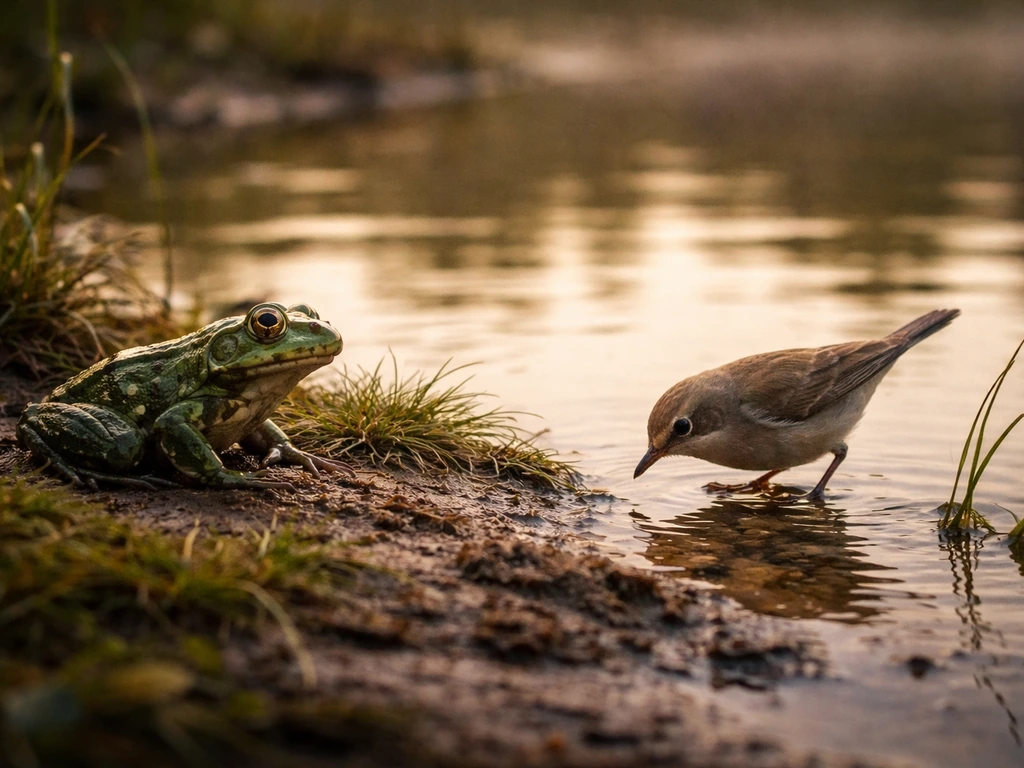
One connection worth making here: some bird species like frogs as prey and some frogs can actually turn the tables on small birds. If you're watching a mixed rainforest community, the predator-prey relationships run in multiple directions simultaneously. Some frogs and other amphibians can also prey on small birds, which helps explain why the predator-prey story can shift quickly at the water’s edge. Similarly, birds that eat mosquitoes and small insects are themselves prey for the medium-sized raptors, closing a loop that makes the rainforest food web surprisingly tight.
Reducing Predation at Feeders and in Your Yard
If you're feeding birds in a rainforest-adjacent yard or a humid tropical region, you're creating a concentration point that predators notice fast. The good news is that most of the risk is manageable with placement and basic feeder hygiene.
- Place feeders at least 10 feet from shrubs or tree branches that snakes or cats could use for cover or as a launch point. Pole-mounted feeders with a baffle below are the safest option.
- Use a cone-style squirrel (and snake) baffle mounted at least 4 feet up the pole. Smooth metal poles are much harder for snakes to climb than wooden posts.
- Keep feeders away from dense ground cover where cats can crouch undetected. A clear sightline of at least 6 feet in all directions around the feeder base is a reasonable minimum.
- If you're in raptor territory (which in a rainforest-adjacent area means always), place feeders near enough to large shrubs that birds can escape quickly, but not so close that a hawk can ambush from cover.
- Remove feeders at dusk or bring in platform feeders overnight if you have documented nighttime predator activity: snakes, opossums, or raccoons drawn to seed spill or the birds roosting near feeders.
- Use feeders with small perch ports rather than open trays, which reduce the time birds spend stationary and exposed.
One thing that gets overlooked is that poorly maintained feeders can make predation risks worse by concentrating sick, slow birds that are easier to catch. A feeder full of birds with aspergillosis or salmonellosis is a hunting ground for any opportunistic predator. Feeder hygiene and predator management are the same problem.
Feeder Safety, Spoiled Seed, and Disease Risk
In a humid, warm climate like a rainforest or rainforest-adjacent yard, seed spoils fast. Moldy seed is not just unappealing to birds, it's genuinely dangerous. Aspergillosis, a fungal lung infection, can be transmitted through moldy food and kills birds. Salmonella spreads through accumulated droppings on feeder trays and is a documented public health concern at feeders. The CDC recommends wearing disposable gloves when cleaning feeders and treating contaminated materials as hazardous.
The practical cleaning standard is clear: clean seed feeders at least once every two weeks as a baseline, and more frequently during warm or wet weather. In a tropical or subtropical yard, that probably means once a week. The Audubon Society recommends scrubbing with a 9:1 water-to-bleach solution, rinsing completely, and allowing the feeder to dry fully before refilling. Wet seed in a refilled damp feeder molds within days in humid conditions.
- Sweep or rake up fallen seed under feeders every few days. Old seed on the ground grows mold and attracts rodents, which attract snakes.
- Discard any seed that is clumped, smells off, or shows visible mold. Do not try to dry it out and reuse it.
- Empty and clean water dishes daily in warm weather. Stagnant water is a disease reservoir and also attracts mosquitoes.
- Store seed in a sealed, dry container off the ground. A metal bin with a locking lid keeps moisture out and rodents away.
- Do not use bread, rice, or kitchen scraps as bird food in any climate. They mold faster than seed, attract the wrong animals, and offer poor nutrition.
Cats are a direct safety issue in this context, not just an abstract wildlife concern. A cat that hangs around a feeder area is hunting birds that are concentrated and distracted while eating. The American Bird Conservancy, U.S. Fish and Wildlife Service, and the Washington Department of Fish and Wildlife all recommend the same thing: keep cats indoors or in a controlled outdoor enclosure. This is genuinely one of the most effective single actions for reducing bird mortality at feeders. If you're in a rainforest-edge community and you allow cats to roam, you are significantly increasing predation on the birds you're trying to feed.
What to Do Today: Observe, Document, and Act Carefully
If you're investigating a predation event or trying to reduce risk at your feeder or nest boxes, the most important thing is to verify before you act. Blaming the wrong predator means applying the wrong fix. Here's a practical workflow you can start today.
- Document what you found: photograph the nest site, record whether the nest structure is intact or damaged, note whether eggshells or remains are present, and write down the exact time you discovered it.
- Note timing: if a nest was fine yesterday evening and empty this morning, that's a strong nighttime predator signal (snake, opossum, fire ants). If it happened during the day, shift toward birds or diurnal mammals.
- Look for physical evidence at the nest and on any nearby trunks or branches: shed snake skin, claw marks, feather fragments, insect trails, or mammal tracks in soft soil below.
- Set up a basic camera trap if this is a recurring event. Trail cameras placed facing the nest tree are the same approach used in formal research on Neotropical forest predator-prey interactions and will give you definitive answers within a few nights.
- If you identify a domestic cat as the predator, contact the owner or your local animal control. If it's your own cat, bring it indoors immediately.
- If you identify snakes in the area, do not attempt to relocate or harm them. Instead, use physical nest-box design improvements: baffles, smooth poles, and appropriate box placement.
- Check your feeder for moldy seed or accumulated droppings. If you find either, clean the feeder before refilling. Wear gloves and wash your hands after handling any feeder components.
- If you're seeing increased predator activity, consider temporarily removing feeders for one to two weeks. Feeders that attract large bird congregations can also attract the predators that follow them.
The broader takeaway is this: predation in the rainforest is normal, layered, and often invisible until something goes wrong. The goal isn't to eliminate predation (you can't and shouldn't try) but to avoid making it worse through careless feeding practices, poor feeder placement, or letting cats roam free. Observe carefully, document what you actually see, and make changes based on evidence rather than assumptions. That approach protects the birds and keeps you from fighting the wrong battle.
FAQ
If a rainforest nest is empty, how can I tell whether it was a snake, fire ant, or a bird predator?
Look for egg condition and timing together. If eggs are missing or punctured and the nest is disturbed by the next check at first light, that points to a night raider like snakes or fire ants. If you see daytime signs such as feathers at the site and no egg damage, it is more consistent with raptors or opportunistic birds.
Does finding one successful nest mean predators are not a problem nearby?
Not necessarily. Predation is often selective by age and microhabitat, so a nearby successful nest does not rule out predation risk. Use multiple checks over days, compare nest heights, and note whether a predator pathway is present (tree trunks, branches over the nest, or ground access).
Why do predators seem worse around feeders even when I do not see attacks?
At feeders, the biggest mistake is thinking only about who eats while ignoring disease and scavenging. Moldy seed can kill birds indirectly via aspergillosis, and dirty trays increase bacterial exposure and attract predators to weaker individuals. Treat feeder hygiene as part of predation management, not just bird health.
How can I tell if a nest failed due to brood parasitism instead of predation?
Brood parasitism can remove eggs without obvious tooth marks or ant damage, which can mimic predation. A practical clue is repeated nest failure across the same species or unusual egg appearance in later attempts, especially if you see no consistent disturbance pattern between visits.
What is the best way to schedule nest checks so I do not misidentify the predator?
If you only check once, you miss the key timing split. To reduce uncertainty, schedule at least two observations (early morning and late afternoon) and, if possible, add a third during the evening. This helps separate day activity (many birds) from night activity (snakes, fire ants).
How does nest placement in vegetation change what eats birds in the rainforest?
Nest structure changes the predator lineup. Dense cover and fewer straight-line access routes can reduce exposure to open-sky attacks, while ground-level or low-visibility nests can increase mammal and ant activity. Also note whether the nest is on a trunk, in open branches, or surrounded by thick foliage.
What common evidence mistakes lead people to blame the wrong predator?
Do not assume predator identity from a single clue like broken eggs. Fire ant activity can be subtle before morning, and some snakes leave minimal visible “damage” beyond disappearance. Use a bundle of evidence: timing, egg remains, nest height, and whether there are tracks or ant presence nearby.
What feeder changes reduce predation risk without stopping feeding?
If you want to reduce feeder-related risk, reduce the time and accessibility of concentrated prey. Remove uneaten wet seed promptly, clear droppings from trays, and avoid open, platform-style placement near cat-friendly cover. Keep feeding stations where you can easily monitor and clean them.
If I find no feathers or carcass, does that mean a bird was not eaten?
Raptors and other daytime predators can leave fewer obvious signs than you expect because the event may happen quickly and the predator may carry away remains. In contrast, many night raiders cause more systematic egg removal overnight. If you never find remains, do not conclude “no predation,” prioritize timing and nest condition.
What should I do next after I observe eggs disappearing from a nest box?
Cowbird-like brood parasitism and true predation can both lead to “eggs gone,” but the fix differs. The practical next step is to track the same nest box or territory across multiple breeding attempts and record whether egg timing or egg appearance changes across visits.
What is the single most effective action to reduce what eats rainforest-adjacent feeder birds?
Yes, even a small yard change can matter. If cats roam into the feeding area, predators gain an advantage because birds are distracted and there is cover for ambush. The highest-impact step is limiting cat access (indoors or controlled enclosure), then improve feeder hygiene and placement.
Why does predation seem to increase late in the season at tropical feeder and nest sites?
When a nest fails late in the breeding season, fire ants become more likely than people assume, because their predation can spike under warm, active conditions and is timed at night. If you know the seasonality, adjust your suspicion accordingly and look for ant trails around the base or nearby ground routes.
Should I ever rely on one observation to decide what predator is responsible?
Cowbirds and other nest-interaction events can look like predation, and insect predators like fire ants may erase clues you would expect from larger predators. Confirm with repeat observations and, if you can, camera monitoring to verify timing rather than relying on a one-time inspection.
How do I test whether nest-box placement actually reduces predation?
If you are studying or managing risk around nest boxes, aim to change one variable at a time. Adjust height or placement first, then re-evaluate predator patterns across multiple days, because switching everything at once makes it hard to know whether the change worked or whether predator pressure shifted independently.