Yes, frogs can eat birds, but it is rare, highly size-dependent, and almost never something the average backyard birder needs to lose sleep over. The short version: large frog species like the American bullfrog are documented predators of small birds under specific conditions, while the typical garden frog you see near your pond or feeder is far more interested in beetles and earthworms than anything with feathers. If you are comparing related options, what eats a bird in the rainforest is another approach worth considering.
Can a Frog Eat a Bird? Realistic Cases and What to Do

Maya Bennett
18 Apr 2026
Can frogs actually eat birds? The direct answer
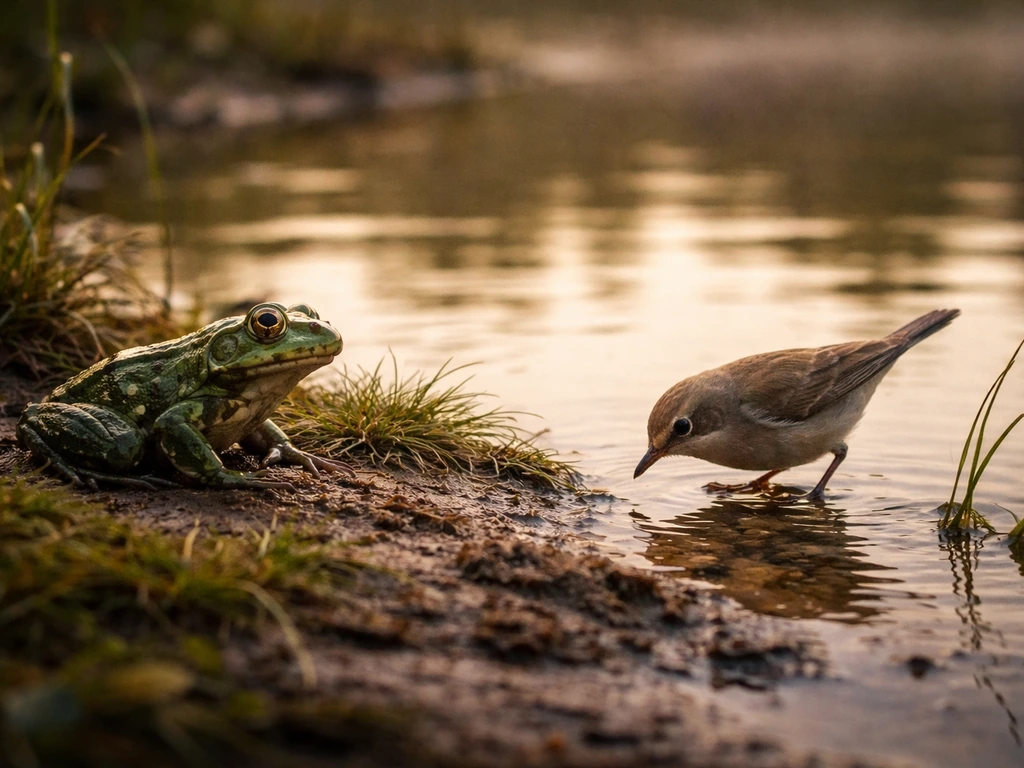
Frogs are opportunistic, gape-limited predators. That means they swallow prey whole, so anything they eat has to fit inside their mouth. For the vast majority of frog species in North America and Europe, that rules out birds almost entirely. But there are documented exceptions.
A published study recorded American bullfrogs (Lithobates catesbeianus) preying on Cliff Swallows in southwestern Nebraska, observed across a 25-year study period. That is not a one-off curiosity, it is evidence that given the right size match and circumstance, frog-eats-bird is a real biological event. The catch is that it takes a large frog species and a very small or vulnerable bird, and those two things have to end up in the same place at the same time.
It is also worth noting that the predation relationship runs harder in the other direction. Frogs are common prey for many bird species. There is even a peer-reviewed record of an American robin eating a Pacific tree frog on San Juan Island, Washington. So if you found a frog carcass near your feeder, a bird probably did that, not the other way around.
What has to be true for a frog to eat a bird
Three conditions need to line up before frog predation on a bird becomes plausible. Get one of them wrong and the interaction simply does not happen.
The frog has to be large enough
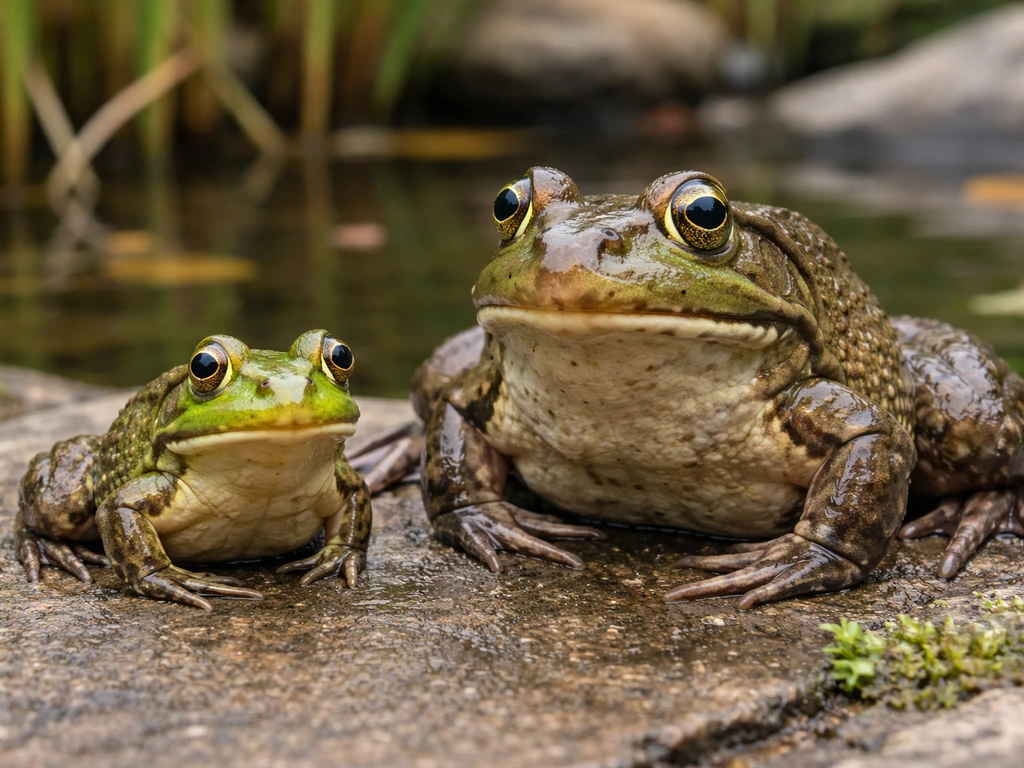
This is the biggest filter. Most garden frogs in North America top out at 2 to 3 inches in body length. An American bullfrog, by contrast, can reach 6 to 8 inches from snout to vent and weigh up to 1.5 pounds. Cane toads (Rhinella marina, formerly Bufo marinus) can hit similar sizes and are known for a remarkably broad, opportunistic diet. These are the species with any realistic chance of taking a bird. A green tree frog or a wood frog is simply not in that conversation.
The bird has to be small or completely helpless
The Cliff Swallow case is instructive because swallows are fast, agile flyers. Predation almost certainly happened when birds came to water's edge to drink or collect mud, not during flight. Hatchlings and nestlings that have fallen from the nest are the most realistic targets, as are very small adult species like kinglets, some warblers, or hummingbirds if they are momentarily grounded. A healthy adult robin, sparrow, or finch is not going to become frog food under normal circumstances.
There has to be a physical opportunity
Frogs are ambush predators. They sit still and strike at things that move within range. A bird would need to land very close to a large, patient frog at a water's edge or low-vegetation area. This is most likely at dusk or dawn when both animals are active near water, particularly in warmer months when frog metabolism is high and small birds are fledging.
What frogs normally eat, and why birds rarely make the list
The everyday diet of most frog and toad species is insects, worms, slugs, spiders, and other small invertebrates. Even the large American bullfrog, which will eat almost anything it can overpower, primarily consumes crayfish, insects, mice, and other frogs. Birds are not a dietary staple for any frog species. Some birds are attracted to fruit like oranges, so you can also think about what foods bring them near your yard birds attracted to oranges. When a frog does eat a bird, it is an opportunistic grab, not a hunting strategy. This distinction matters because it tells you the risk is not systematic. A bullfrog is not patrolling your yard looking for finches.
| Frog/Toad Species | Max Size | Typical Diet | Bird Predation Risk |
|---|---|---|---|
| American Bullfrog (Lithobates catesbeianus) | 6–8 inches, up to 1.5 lbs | Insects, crayfish, mice, other frogs | Low but documented (small birds, hatchlings) |
| Cane Toad (Rhinella marina) | 4–6 inches, up to 4 lbs in some regions | Insects, small vertebrates, very broad diet | Low but possible given size and aggression |
| Green Tree Frog (Hyla cinerea) | 1.5–2.5 inches | Insects, small invertebrates | Effectively zero |
| Wood Frog (Lithobates sylvaticus) | 1.5–3 inches | Insects, worms, slugs | Effectively zero |
| Pacific Tree Frog (Pseudacris regilla) | 1–2 inches | Insects, small invertebrates | Effectively zero (more often the prey) |
Real predation vs. coincidence: how to tell the difference
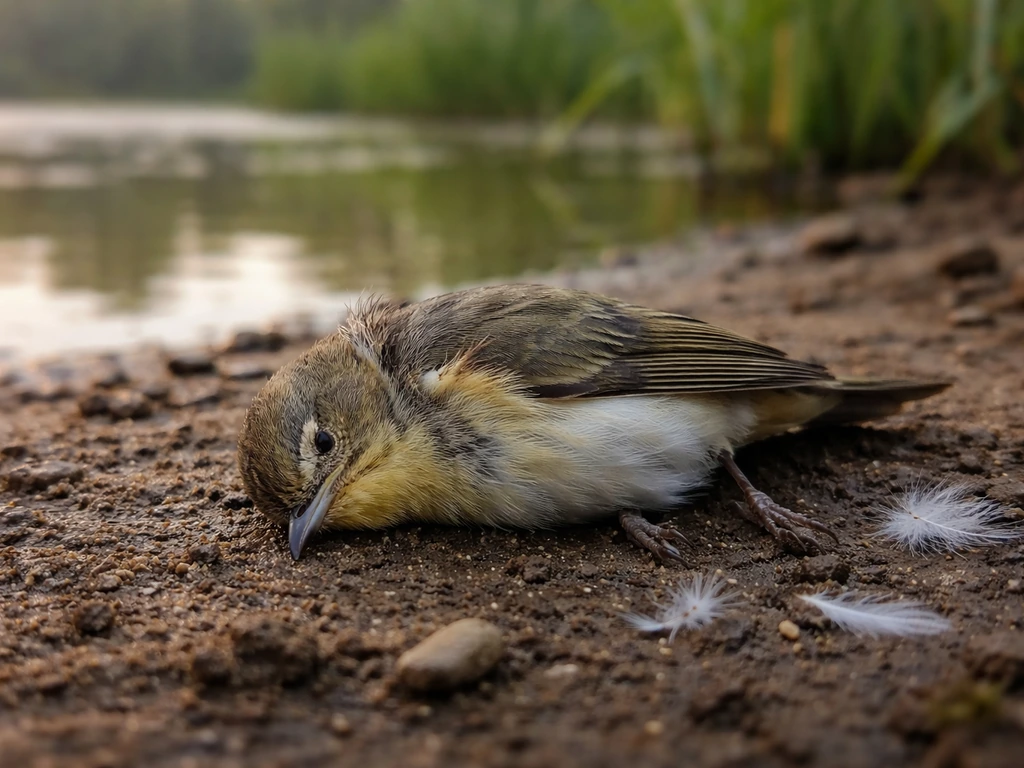
If you find a dead bird near your pond or water feature and there is a large frog nearby, it is tempting to connect the dots. But before you blame the frog, consider what is more likely. Cats, hawks, window strikes, and disease kill far more backyard birds than any frog ever will. Spoiled or fermented seed in feeders also causes bird deaths, and the decaying seed can attract opportunistic animals including frogs and rodents, creating a misleading crime scene.
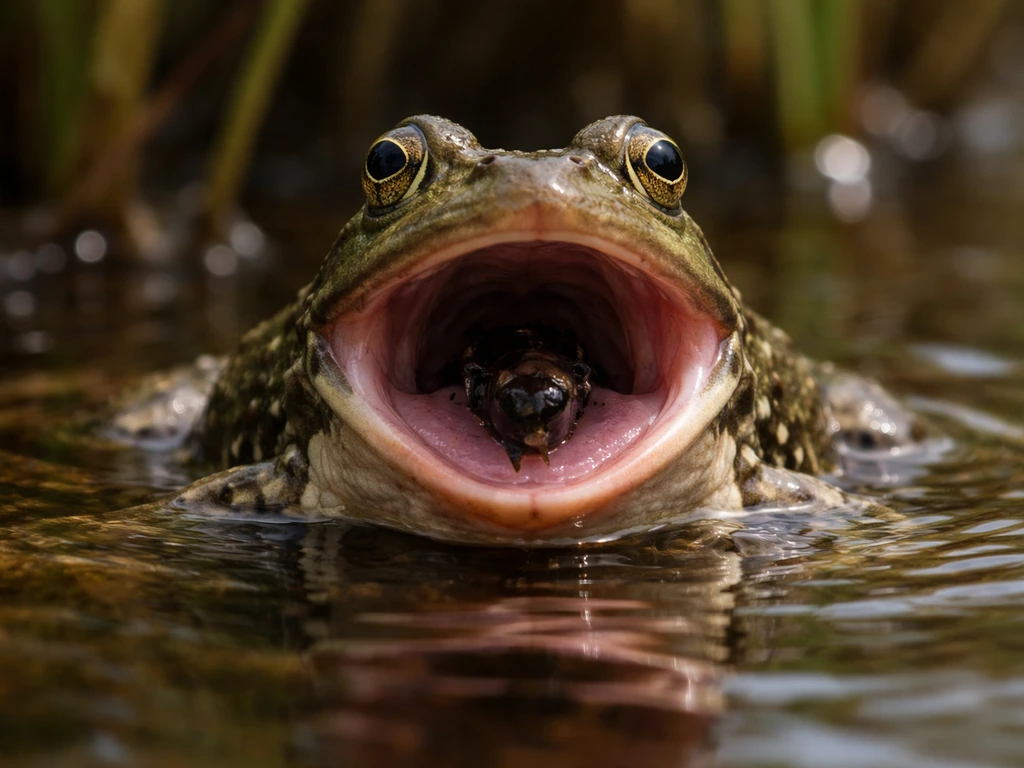
True frog predation usually leaves physical evidence: the bird is partially or fully inside the frog's mouth, the frog's jaw is extended or the body is visibly distended, and the bird is small relative to the frog's head width. If the bird is simply dead nearby with no frog contact, look for other causes first. Cats, disease, and window collisions are far more likely culprits.
- Dead bird found near water with no frog present: look for cat tracks, window proximity, or feeder hygiene issues first
- Dead bird with frog nearby but no physical contact: likely coincidence or the frog investigating a dead animal for invertebrate activity
- Small bird or hatchling fully or partially inside a large frog's mouth: genuine predation event
- Dead frog near feeder: almost certainly bird predation, not the reverse
Where frog-bird interactions are most likely to happen
Geography and habitat matter a lot here. If you are in a region where American bullfrogs or cane toads are established, the risk profile is different than if your local frog population is made up of tree frogs and small toads. Cane toads, which were introduced to parts of Florida, Hawaii, Texas, and other warm states, are notable for their broad diet and the fact that adults carry potent bufotoxins in their parotoid glands, creating a separate hazard for pets that try to mouth them.
High-interaction zones
- Pond and stream edges where birds come to drink or bathe, especially at dusk and dawn in summer
- Garden water features and birdbaths at ground level, particularly if surrounded by dense vegetation where frogs can hide
- Areas near cliff faces, mud banks, or dense waterside vegetation (mimicking the Cliff Swallow habitat from documented cases)
- Ground-level nest sites or areas where fledglings have recently left the nest and cannot yet fly well
Timing that increases risk
Frog activity peaks in warm, humid months from late spring through early fall in most of North America. This overlaps almost perfectly with peak fledgling season, which runs May through August for most backyard species. A ground-level fledgling that cannot yet fly well, combined with a large frog active at a water's edge at dusk, is the scenario most likely to result in predation. It is rare, but it is the combination to watch for.
Risk assessment: should you actually worry?
For most backyard birders in temperate North America, frog predation on birds is a genuine biological curiosity but not a meaningful threat to your local bird population. The species most at risk are fledglings of small songbirds during summer, particularly if you have a large ornamental pond with an established bullfrog population and dense edge vegetation. Even then, the risk is low compared to cats, window strikes, and feeder hygiene problems.
The risk calculus shifts if you are in Florida, Hawaii, Texas, or another region with established cane toad populations. Cane toads are larger, more aggressive feeders, and their toxins create a secondary risk: pets (especially dogs) that bite or lick a cane toad can experience drooling, muscle weakness, and in serious cases cardiac effects. The AKC explains that many toads secrete [bufotoxins](https://www. akc.
org/expert-advice/health/are-toads-poisonous-to-dogs/) and that dog symptoms after exposure can include drooling and head shaking or mouth-pawing, and advises contacting a veterinarian when signs are more severe. If a dog or cat bites or ingests a toad, the Merck Veterinary Manual warns that toad poisoning can be serious, with especially severe toxicity generally linked to larger toads such as marine (Rhinella marina) or Colorado River (Incilius alvarius) toads.
If you have cane toads in your yard and small pets that have access outdoors, that is a more urgent concern than the frogs posing a threat to birds.
When to contact local wildlife authorities
- If you observe a large frog (over 4 inches) actively preying on birds repeatedly, especially near a nest site
- If you identify cane toads in a region where they are not established, as they are an invasive species in many areas
- If a pet shows symptoms after contact with a toad: excessive drooling, pawing at the mouth, vomiting, or muscle weakness
- If you find multiple dead birds near a water feature and cannot identify a clear cause
What to do next: protecting birds without harming wildlife
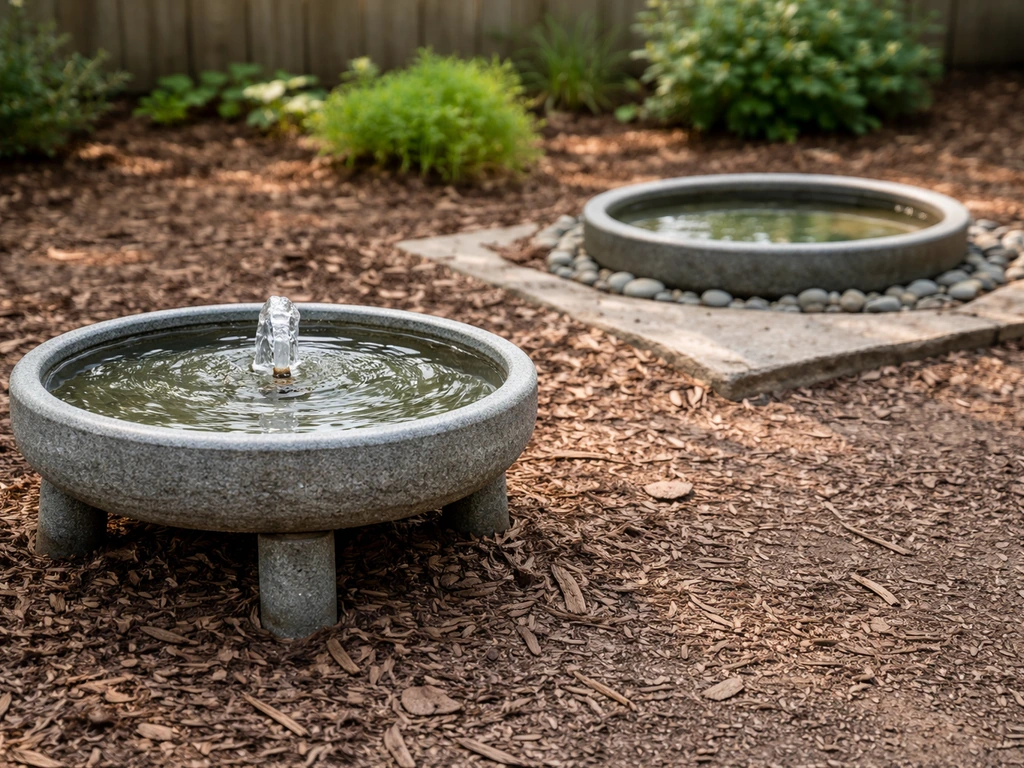
The good news is that small adjustments to your garden and feeder setup can reduce most risks without hurting your local frog population, which is genuinely valuable for pest control and ecosystem health. Here is what I would do, in order of impact.
- Raise your birdbath. A ground-level birdbath is accessible to frogs, cats, and other predators. Elevating it to 18 to 36 inches removes it from the ambush range of any frog.
- Add edge structure to ponds. Dense overhanging vegetation at the water's edge gives frogs good cover but also creates ambush zones for birds. Thinning this out and adding a sloped, open shoreline makes frog ambushes on drinking birds much less likely.
- Keep feeders clean and dry. Spoiled, wet seed ferments quickly and attracts insects, which in turn attract frogs and other opportunistic feeders. Cleaning feeders every 1 to 2 weeks and using seed trays with drainage cuts this cycle off.
- Monitor during fledgling season. From May through August, check ground-level areas near ponds or water features in the morning and evening. Fledglings that have left the nest but cannot fly are the most vulnerable, and simply shepherding them to a safer spot can prevent a predation event.
- Identify the frogs you actually have. Spend five minutes with a field guide or app and figure out which species are in your garden. If you have small tree frogs and toads under 3 inches, the bird risk is effectively zero. If you have large bullfrogs, the mild precautions above are worth taking.
- If you have cane toads, take them seriously. Contact your local wildlife extension service about humane removal options. Do not handle them without gloves, and keep pets indoors during peak toad activity at dusk and after rain.
- Do not use pesticides near water to deter frogs. This disrupts the food chain, harms the frogs you are not worried about, and can contaminate water sources that birds use.
The broader picture here is that frog-bird predation sits in a web of much more common interactions. Birds eat frogs far more routinely than frogs eat birds, and the same garden habitats that support healthy frog populations also tend to support strong bird communities. If you are seeing frogs regularly near your feeders or water features, that is generally a sign of a healthy, insect-rich garden, and that is something worth protecting rather than dismantling.
If you’re wondering what bird eats mosquitoes, the answer is that many species—especially swallows and flycatchers—consume lots of mosquito-like insects in flight. If you’re curious about what bird eats frogs, the answer is that birds eat frogs far more often than frogs eat birds what bird eats mosquitoes. Some birds also enjoy fruit like oranges, so their diets may include more than insects what bird likes oranges.
FAQ
Can a frog eat a hummingbird or other tiny adult bird?
It is theoretically possible only if the frog is very large, the bird is momentarily grounded, and the frog can lunge within gape range. In practice, most tiny adults can dodge or stay clear of the water edge, so the more realistic targets are nestlings, hatchlings, or very small birds that are injured or stuck low in vegetation.
If I see a frog near my feeder, does that mean it will eat birds?
No. Frogs typically focus on moving invertebrates within striking distance, especially insects and worms, even when birds are present. A frog might be hunting for prey at the same time birds visit, but frog-bird predation is uncommon because it requires a rare size and vulnerability match.
What should I look for to tell frog predation from other causes?
Check for direct physical contact evidence: a bird partially or fully inside the frog’s mouth, a clearly distended frog body, or a frog with an extended gape and a bird-shaped mass. If the bird is just lying dead nearby with no frog contact, prioritize more common causes like cats, window strikes, disease, or spoiled/fermented feeder foods.
How can I reduce the chance of frogs catching birds at my pond without removing frogs?
Make the edges less “ambush-friendly” by trimming dense low cover right at the shoreline, reducing exposed mud or shallow sloped access where birds drink, and removing perching spots near the water. You can also consider adding a physical barrier or gentle pond edge design that makes it harder for frogs to wait directly at the bird-access zone.
Do bullfrogs and cane toads pose the same bird risk?
Not exactly. Bullfrogs are large enough for rare bird predation, but their diet is still mostly invertebrates and other small prey. Cane toads are also capable of taking a broader range of animals, plus they create an additional pet hazard due to potent skin toxins, so pet safety becomes the bigger management priority where cane toads are established.
Are there seasons or times of day when frog-to-bird predation is most likely?
Yes. Activity is highest in warm, humid months, and it overlaps with fledgling season for many songbirds (roughly May through August in temperate regions). The most plausible timing is dusk and dawn near water, when small birds are grounded and frogs are active.
What if my yard has frogs but I still want to prevent bird deaths at feeders?
Focus on the higher-frequency problems first: keep feeders clean, remove old or fermented seed, and place feeders where window collisions are less likely (for example, reducing reflections and using window treatments). This avoids over-attributing deaths to frogs when feeder hygiene and window strikes are usually the bigger driver.
Should I move a frog if I find it near a dead bird?
Usually, no. Moving it often does not solve the underlying cause and can stress the animal. Instead, assess evidence (did the frog look distended, was there direct contact), then address the most likely remaining causes such as cats, window hazards, or feeder issues.
Can pets get sick from cane toads even if they do not eat them?
Yes. Dogs and other pets may mouth or lick cane toads, and exposure can cause drooling, weakness, and potentially serious heart effects. If cane toads are present, keep pets supervised outdoors and seek immediate veterinary help if contact occurs.