The birds most likely to eat mosquitoes in or near your backyard are swallows (especially barn swallows and tree swallows), purple martins, chimney swifts, common nighthawks, and a handful of flycatcher species. These are all aerial insectivores, meaning they catch flying insects on the wing rather than foraging on the ground. If you want to reduce mosquitoes using birds, these are the ones worth attracting. The catch: none of them eat mosquitoes exclusively, and a feeder full of seed won't do a thing to help. Here's what actually works.
What Bird Eats Mosquitoes? Swallows, Swifts, and More

Maya Bennett
20 Apr 2026
The birds you actually want: aerial insectivores
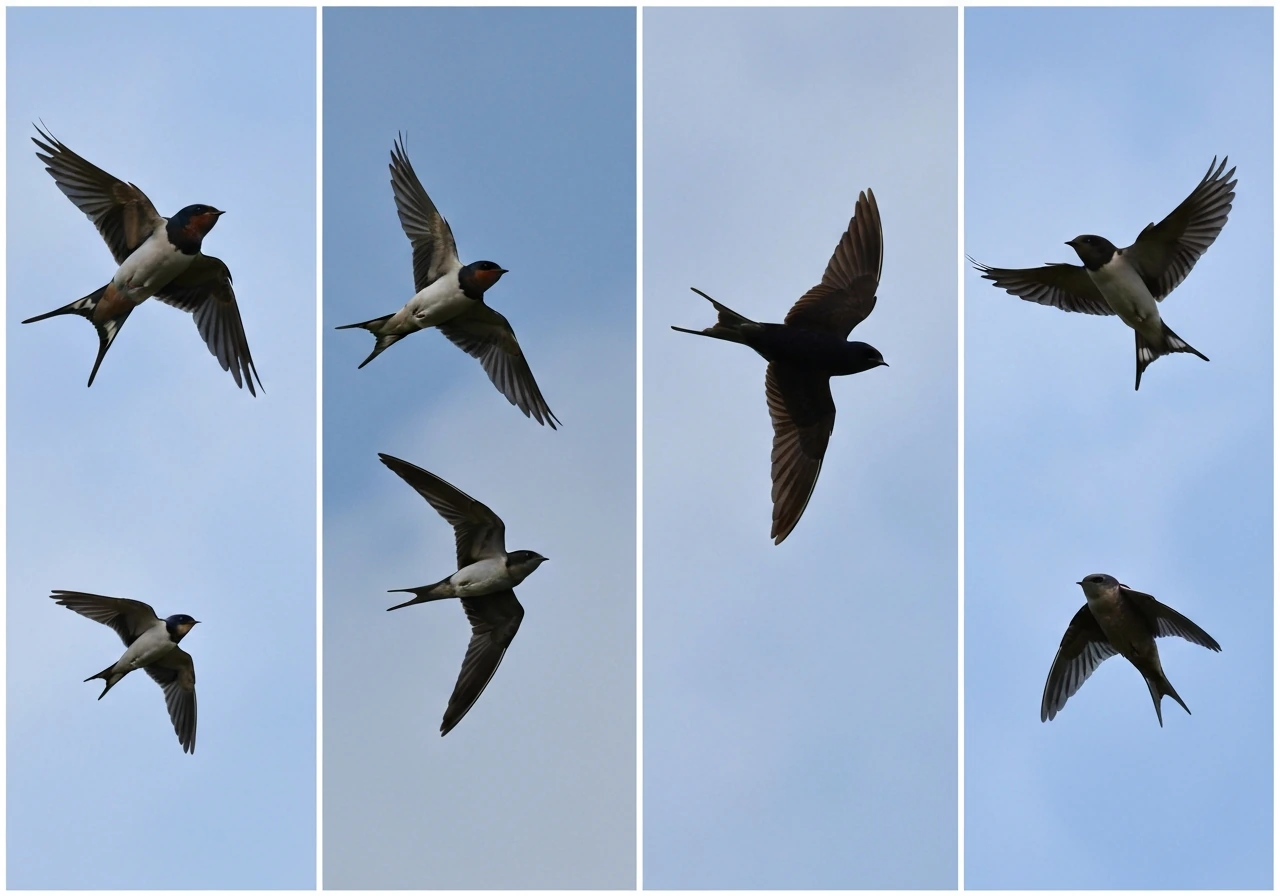
Aerial insectivores are a broad group the U.S. Fish & Wildlife Service identifies as key pest-insect regulators in urban, suburban, and agricultural areas. The group includes swifts, swallows, martins, nightjars, and flycatchers. What they share is a hunting style: they fly through the air, usually at speed, and snap up insects mid-flight. Mosquitoes, being small and slow, are easy targets when they're swarming, which is exactly when these birds are most active.
Here's a quick breakdown of the five species most worth knowing about:
| Species | Where you'll see them | When they hunt | Mosquito relevance |
|---|---|---|---|
| Barn Swallow | Open fields, farmland, near ponds and bridges | Morning and evening peaks | Forages just above lawns and water; documented taking biting insects including mosquitoes |
| Tree Swallow | Open areas near water, nest boxes | Daytime, especially morning | Wide-ranging aerial diet; mosquitoes taken when locally abundant |
| Purple Martin | Open sky, near martin houses and water | Dawn through midday | Colonial nester; hunts large swarms of flying insects at height |
| Chimney Swift | Cities and suburbs with older chimneys | All day, very fast flight | Nearly always airborne; consumes massive numbers of small flying insects |
| Common Nighthawk | Open skies, rooftops, forest edges at dusk | Dusk and dawn, low-light hours | Ambush hunter; intercepts insects flying against the sky at twilight |
Yellow warblers and some other insectivorous warblers will also pick off mosquitoes opportunistically, especially in shrubby or wooded edges near water. They're not aerial hunters in the same league, but if you have the right habitat, they're a bonus.
Why no bird is a dedicated mosquito eater
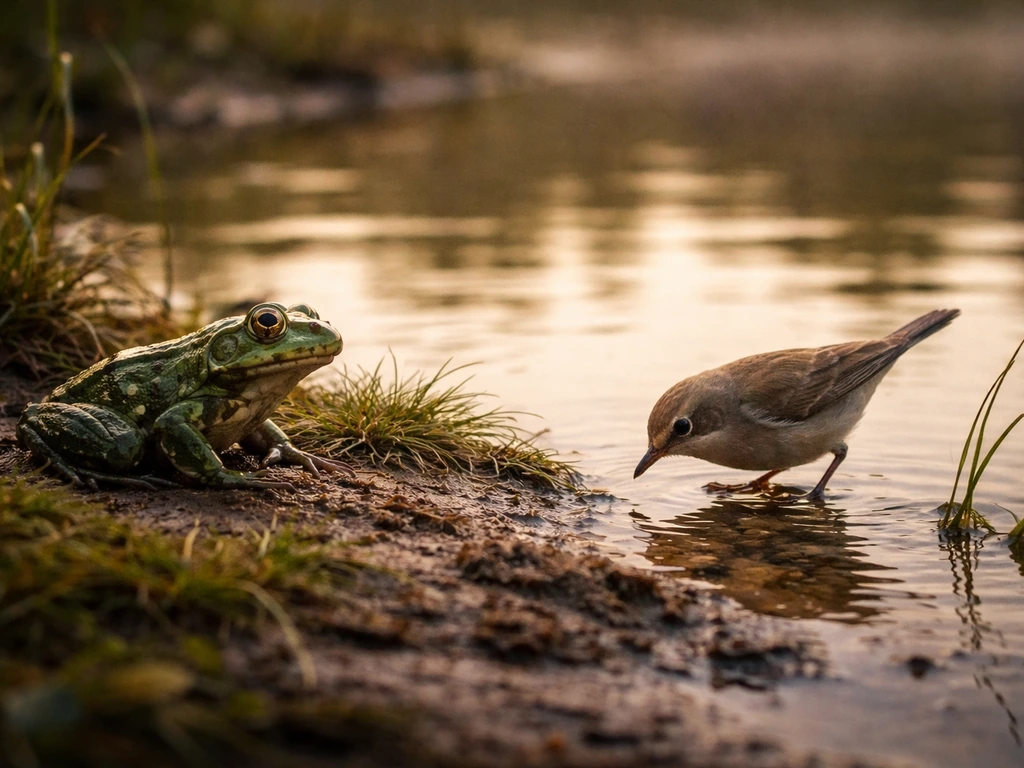
Here's the honest truth: no bird species targets mosquitoes the way a dragonfly does. You might also wonder, can a frog eat a bird, and the answer depends on the frog’s size and what prey is available. In the rainforest, the same idea applies to many predators, including frogs and other animals that hunt birds can a frog eat a bird. Aerial insectivores hunt whatever flying insects are available in the air column at a given moment. In the same way that predators like frogs can sometimes eat birds based on size and prey, the question of what bird eats frogs also depends on local conditions and the bird’s diet. A barn swallow skimming your lawn in the early evening might eat mosquitoes, midges, gnats, beetles, moths, and crane flies in the same pass. Cornell Lab's data on tree swallows lists dragonflies, damselflies, flies, mayflies, caddisflies, true bugs, bees, wasps, and beetles as regular prey, all in addition to smaller diptera like mosquitoes.
Rutgers Extension describes barn swallow diets as reflecting whatever insects are locally available, which means that in a yard with a standing-water mosquito problem, swallows and martins will absolutely consume them when the swarm is there. But they won't seek out mosquitoes specifically, and they won't stick around just because you have mosquitoes. Their presence depends on good nesting sites, open foraging airspace, and water nearby, not on mosquito abundance alone.
The nighthawk is a bit different. The National Park Service describes its foraging style as almost ambush-like: it waits in trees or on rooftops until it spots an insect silhouetted against the sky at dusk, then sallies out to grab it. This low-light hunting lines up perfectly with peak mosquito activity, so nighthawks do consume a lot of small flying insects during the hours mosquitoes are worst. But again, they're opportunistic, not specialists.
How to ID these birds in your area
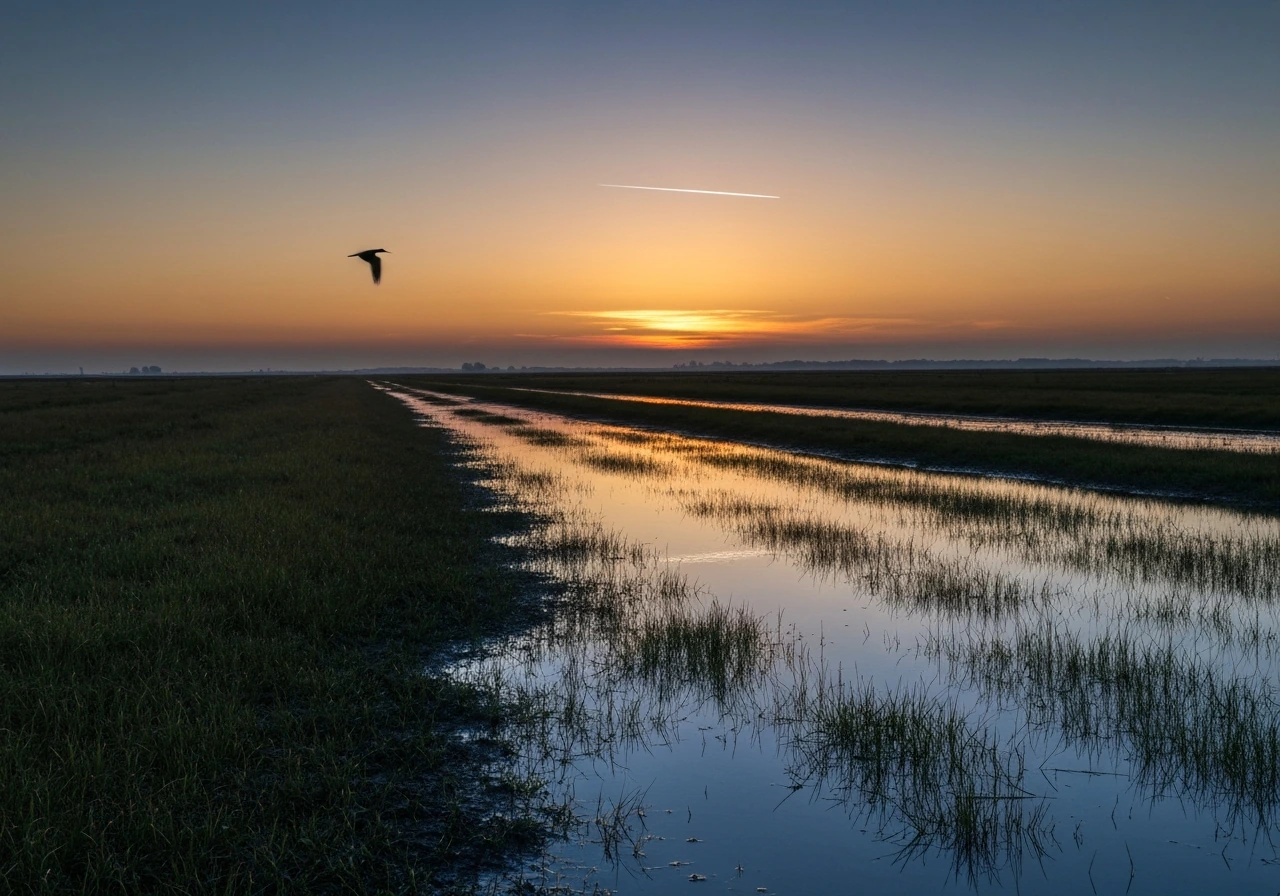
You don't need binoculars or a field guide to separate aerial insectivores from other birds. The hunting behavior alone is usually enough. Look for birds that fly in continuous, looping or swooping patterns low over open ground, water, or into the open sky, never landing to forage. That flight pattern is the giveaway.
Quick visual ID cues
- Barn Swallow: deeply forked tail, rust-orange throat, iridescent blue-black back; flies low over fields and water in fluid arcs
- Tree Swallow: flashing iridescent blue-green back, clean white underparts; often seen around nest boxes near open water
- Purple Martin: largest North American swallow; males are all-dark, almost purple-black; colonial, typically seen high over open yards near martin houses
- Chimney Swift: tiny, dark, cigar-shaped with stiff flickering wingbeats; almost never perches except inside chimneys; makes a high chittering call
- Common Nighthawk: mottled brown-gray, long pointed wings with a bold white bar visible in flight; active at dusk, makes a nasal 'peent' call
Timing helps a lot too. If you're seeing active aerial hunting at dawn or dusk, especially near standing water, you're almost certainly watching mosquito-hunting behavior. Swallows and martins tend to fly during daylight, chimney swifts are active all day in warmer months, and nighthawks are the ones you'll notice right around sunset when mosquitoes peak.
How to attract these birds starting today
Aerial insectivores don't come to seed feeders, suet, or fruit. If you are wondering what bird likes oranges, it usually comes down to fruit-eating species like orioles and some other songbirds that may nibble fallen fruit. What attracts them is habitat: open airspace for hunting, water for drinking and bathing, and suitable nesting structures. The good news is that a few simple yard changes can make a real difference, and most of them cost very little.
Water first
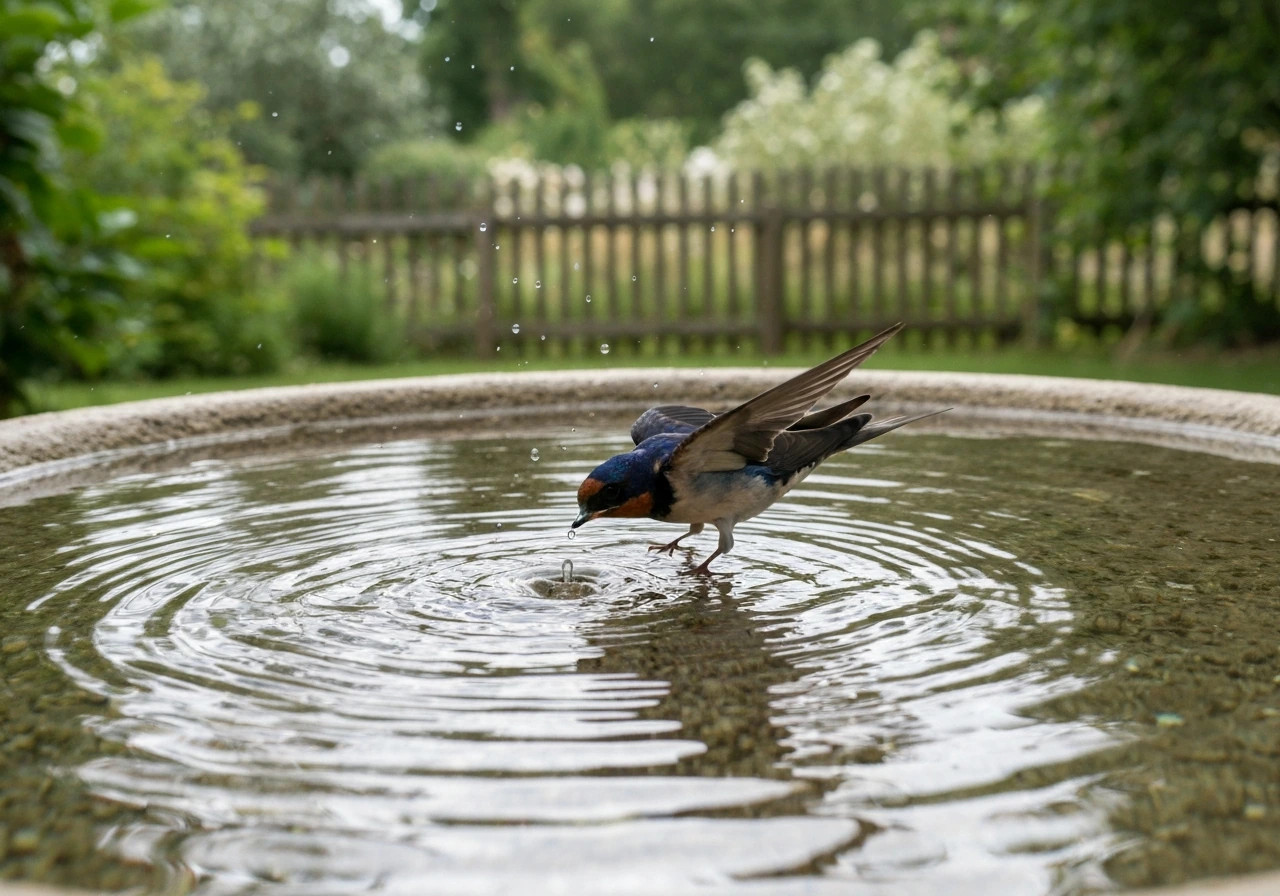
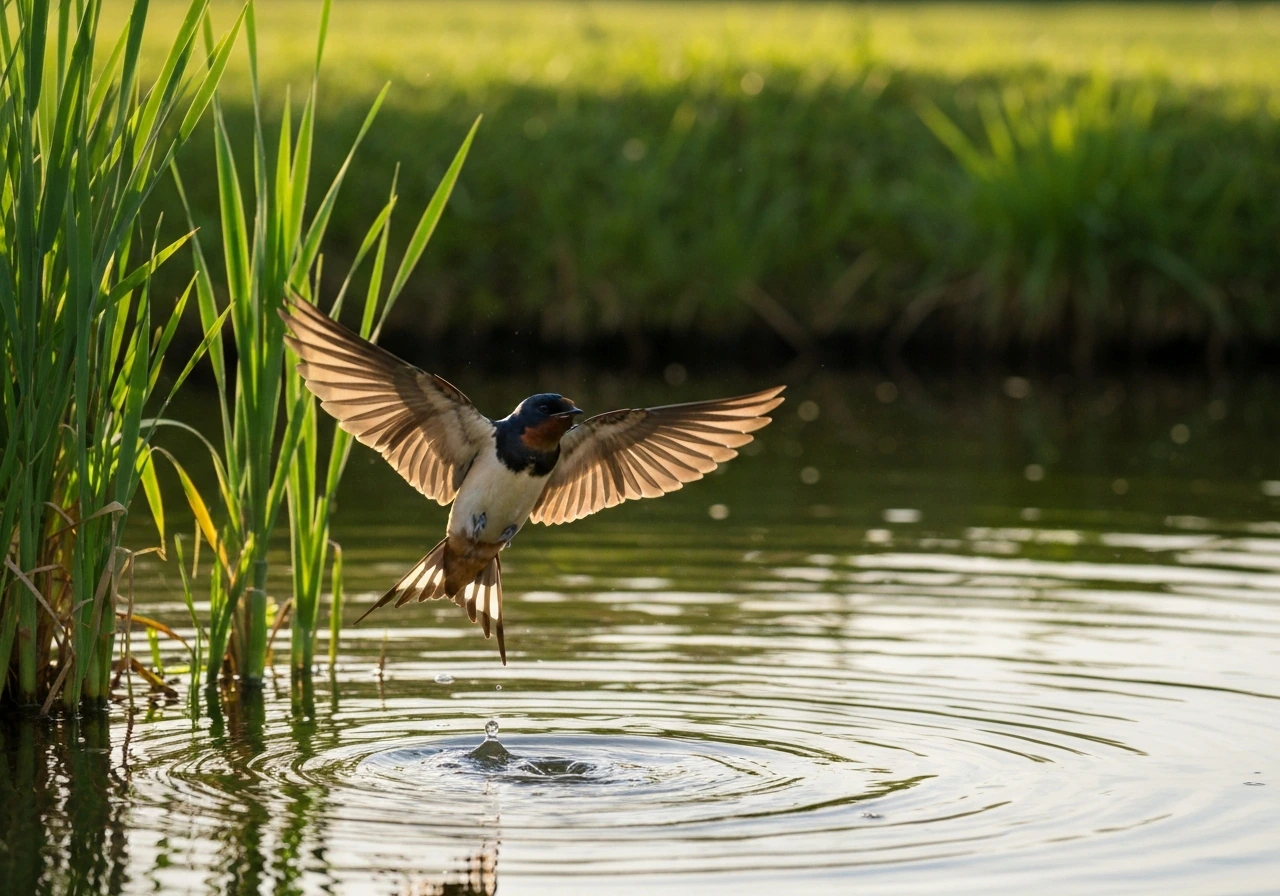
A shallow birdbath or a small backyard pond with moving water is one of the best attractants. Swallows and martins love to dip-drink from open water surfaces in flight. Moving water (a small fountain head works fine) also prevents mosquito larvae from developing, which removes a food source mosquitoes need, a win-win. Change birdbath water every two to three days regardless, both to prevent mosquito breeding and to keep the water safe for birds.
Nest boxes and structures
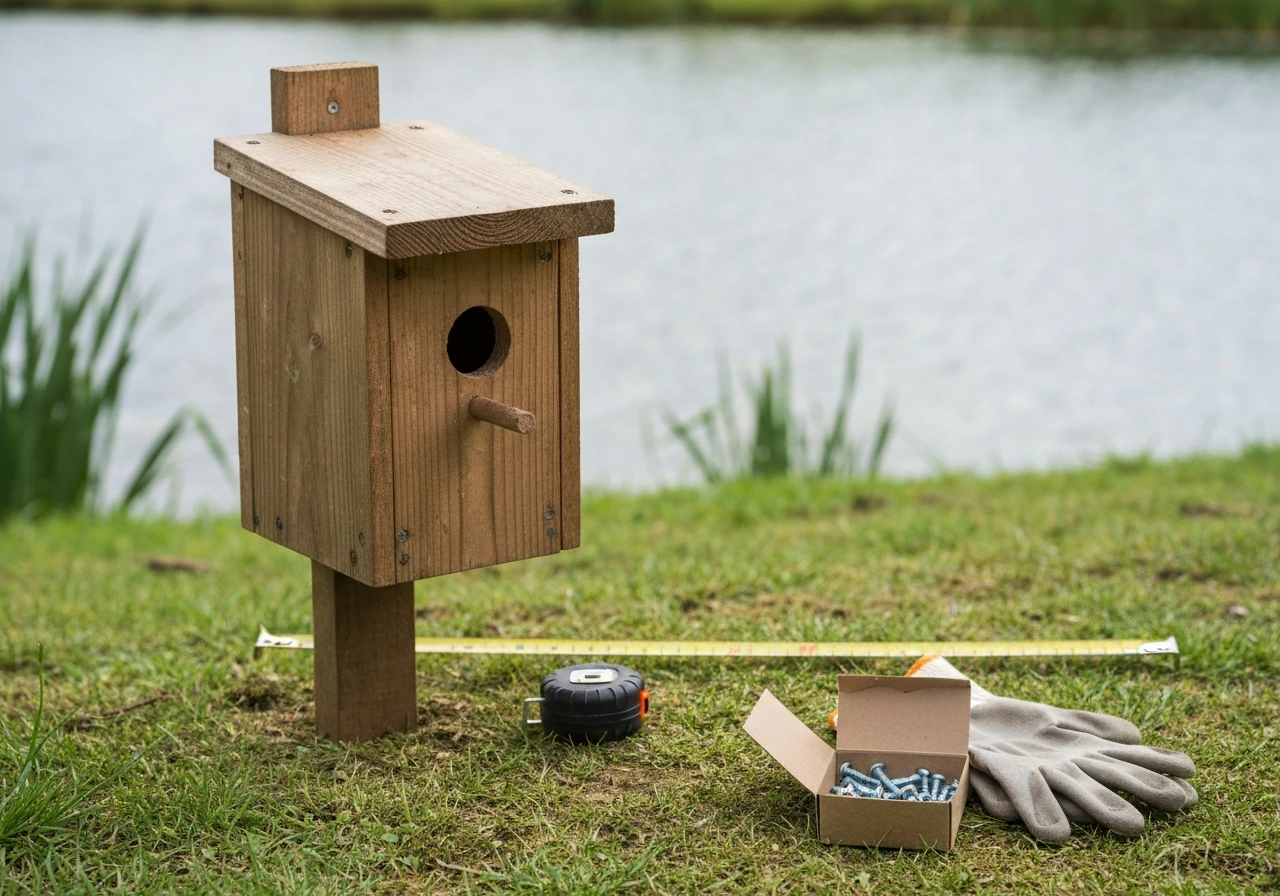
- Tree swallows will readily use nest boxes with a 1.5-inch entrance hole, mounted 5 to 10 feet high in open areas near water
- Purple martins need multi-unit martin houses or gourd clusters on tall poles (15 to 20 feet) in open yards with at least 40 feet of clear airspace
- Barn swallows prefer open shelters like barns, carports, or bridges where they can attach a mud cup nest; you can add a wooden ledge under an eave to encourage them
- Chimney swifts nest inside masonry chimneys; if yours is capped, uncapping it or installing a dedicated swift tower supports nesting pairs
- Common nighthawks nest on flat gravel rooftops or open ground; less practical to attract deliberately, but leaving open rooftop areas or gravel patches helps
Landscaping that helps
Native plantings support the broader insect populations these birds depend on. Native flowering plants and shrubs attract midges, flies, and moths, which in turn attract aerial hunters. The goal isn't to grow more mosquitoes; it's to build a yard that supports enough insect life that birds have a reason to stay all season. Open lawn areas adjacent to shrubby edges and water features create the layered habitat that barn swallows and flycatchers especially like. Remove or thin dense tree canopy near the open areas if possible, since aerial hunters need clear flight lanes to forage effectively.
Do bird feeders help with mosquitoes? (Short answer: no)
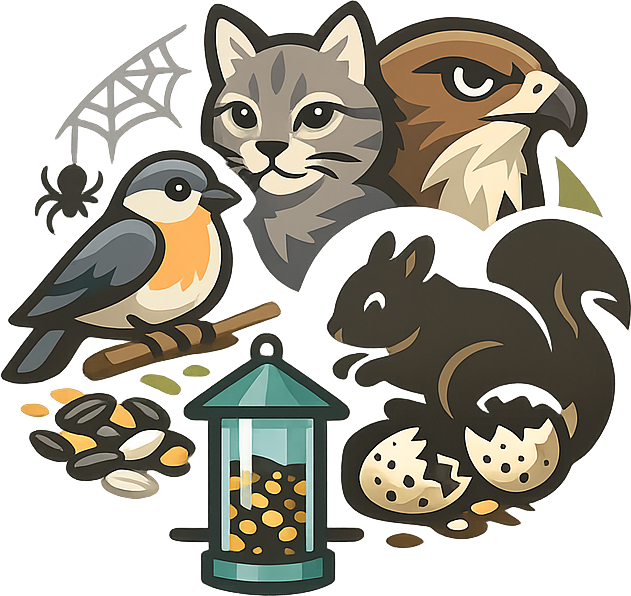
Seed feeders, suet cakes, and fruit stations attract songbirds like finches, sparrows, and woodpeckers, not aerial insectivores. If your goal is mosquito reduction, a feeder full of sunflower seeds is completely irrelevant. Worse, poorly maintained feeders can create real problems. Minnesota DNR notes that moldy birdseed and unclean feeders can make birds sick, so feeder hygiene matters blank" rel="noopener noreferrer">poorly maintained feeders can create real problems. blank" rel="noopener noreferrer">Wet, moldy seed is dangerous to birds, causing aspergillosis (a fungal respiratory infection) and other health issues. Overcrowded feeders spread avian diseases like salmonellosis. If you have pets or wildlife nearby, spoiled feed or accumulated hulls on the ground can attract rodents or cause digestive issues in animals that scavenge there.
That said, a clean feeder set up thoughtfully doesn't hurt anything. If you want to support backyard birds broadly while also working on mosquito control, that's fine, just keep the two goals separate in your mind. Here are the non-negotiable feeder hygiene rules:
- Clean feeders with a 10% bleach solution every one to two weeks, rinse thoroughly, and let dry before refilling
- Never let seed sit wet in a feeder; damp seed grows mold within 24 to 48 hours
- Rake up hulls and dropped seed from the ground weekly to prevent rodent attraction and reduce disease risk
- Use tube feeders with small ports for finch-sized birds to reduce the mess and crowding that spreads disease
- Remove feeders entirely during disease outbreaks in your area (watch for local advisories from state wildlife agencies)
If you're also trying to attract insectivore species, don't place seed feeders in the open areas you're maintaining for aerial hunting. Feeder traffic from sparrows and starlings can actually displace or disturb swallows and martins trying to nest or forage nearby.
Troubleshooting: seasons, location, and knowing if it's working
Aerial insectivores are migratory. Barn swallows, tree swallows, purple martins, and chimney swifts all leave North America for the winter, typically departing by September and returning from April through May depending on your latitude. Nighthawks follow a similar pattern. This means bird-based mosquito control is a warm-season strategy only. If you're dealing with a mosquito problem in October, birds aren't the solution at that point.
Common problems and fixes
| Problem | Likely cause | What to do |
|---|---|---|
| No swallows or martins despite nest boxes | Wrong location or wrong box specs | Move boxes to more open areas near water; check entrance hole size and pole height |
| Birds present but mosquitoes still bad | Normal: birds are supplemental control, not elimination | Combine bird habitat with larval source reduction (empty standing water) |
| Swallows nested but left early | Late-season migration or nest disturbance | Avoid disturbing active nests; martins and swallows leave on schedule regardless |
| Nighthawks not showing up at dusk | Not enough open sky or urban light pollution | Reduce lighting near open areas; nighthawks do better in lower-light yards |
| Seeing birds but can't tell if they're the right species | Many swallow-shaped birds look similar in flight | Focus on flight pattern and habitat; use a free app like Merlin for audio ID at dusk |
Measuring results is genuinely tricky because mosquito populations vary with rainfall, temperature, and larval habitat availability, not just bird predation. The most honest way to gauge impact is to set up habitat improvements in spring, note your baseline mosquito annoyance level during the first week of June, and compare it to subsequent weeks as birds establish territories. You won't get a controlled experiment, but most people who successfully attract a barn swallow colony or a martin house full of birds report a noticeable drop in flying insect nuisance by midsummer.
One last thing worth saying clearly: birds are a complement to other mosquito-reduction strategies, not a replacement. Eliminating standing water (where larvae develop), fixing drainage, and using targeted larvicides where needed will always have a faster and more measurable effect than waiting for birds to show up. The bird habitat work pays off over a full season and grows year over year as nesting pairs return, making it a long-term investment rather than a quick fix. Done right, it's one of the most satisfying and genuinely useful things you can do for your backyard ecosystem.
FAQ
Do swallows, martins, or swifts actually “eat mosquitoes” enough to make a difference?
They can reduce mosquitoes during peak swarming because they hunt small flying insects on the wing, but they will not target mosquitoes exclusively. Expect the biggest effect when mosquitoes are abundant near water and the birds have good nesting sites, clear flight lanes, and staying power for weeks, not just a few days.
What’s the fastest way to attract the right mosquito-eating birds to my yard?
Start with open airspace and water. Provide a shallow birdbath, moving water, or a small pond edge where birds can dip-drink, then add native shrubs or plants that support the insects they rely on. Also avoid putting seed feeders in the open hunting zones so insectivores can forage without constant feeder disturbance.
Should I install a birdbath or pond if I’m trying to reduce mosquitoes?
Yes, but manage it. Change birdbath water every 2 to 3 days to prevent mosquito breeding, and keep any pond water moving or otherwise aerated to reduce larvae habitat. Standing, stagnant water you do not manage can worsen the problem even if it helps birds.
How do I tell aerial insectivores (swallows, martins, nighthawks) from birds that won’t help with mosquitoes?
Watch for birds that fly continuously in swoops or loops low over open ground or water, usually without landing to forage. Birds that perch to pick food, or that arrive mainly around seed or fruit stations, are generally not the aerial hunters that track mosquito swarms.
Will putting out a lot of seed feeders help mosquitoes by increasing insect-eating birds?
Usually no. Seed and suet feeders mainly attract seed-eaters, and feeder crowds can also displace aerial hunters near nesting or foraging areas. If you want insectivores, keep feeders away from the open flight lanes and use habitat support instead of relying on feeders for mosquito control.
Can I “help” by feeding insects to birds?
Not in the same targeted way. Aerial insectivores respond best to natural insect availability supported by native plants and water conditions. Supplementing with insect feeders is not generally practical, and it can attract unintended pests, so focus on habitat and water management rather than direct feeding.
What time of day should I expect mosquito-eating birds to be active?
Daytime aerial hunters like swallows and martins are most noticeable during daylight hours, while nighthawks are especially active around dusk when small flying insects are most abundant. If you see sustained hunting near water at dawn or dusk, you are likely watching the birds most relevant to mosquito reduction.
Why do mosquitoes sometimes stay high even when birds are present?
Birds follow available insects, and mosquito counts are heavily driven by rainfall, temperature, and where larvae can develop. If breeding sites remain, birds alone may not overcome the surge, especially after heavy rains. Removing standing water and fixing drainage typically gives a faster, more measurable result.
Do these birds stay all summer or just pass through?
Many aerial insectivores are seasonal breeders and can establish territories, but they still depend on nesting site availability and insect prey in your area. If you want them to stick around, focus on nesting structures (for species that accept them) and maintain water and open flight lanes through the season.
What if I live far north or the mosquito problem starts in fall?
Bird-based mosquito control is mainly a warm-season strategy because many of the key aerial insectivores leave for winter and return from spring to early summer depending on latitude. For late-season outbreaks, prioritize larval control, drainage, and water removal since birds are unlikely to be present in large numbers.
How should I measure whether birds are helping my mosquito problem?
Use a simple before-and-after approach. Rate your mosquito annoyance in early June, then track it through midsummer as birds establish territories, while noting weather changes. Because mosquito populations vary with environmental conditions, avoid expecting a perfectly controlled comparison, but look for a consistent reduction as birds become established.
Are there any risks to birds if I keep bird feeders out?
Yes, poorly maintained feeders can spread disease and harm birds. Wet, moldy seed and overcrowded conditions increase health risks, and spilled feed or hulls can attract rodents. If you keep feeders, clean them regularly and keep them positioned away from the open hunting areas you want insectivores to use.
Next Article
Can a Frog Eat a Bird? Realistic Cases and What to Do
Can a frog eat a bird? Learn when it’s possible, what frogs usually eat, and safe steps to protect backyard birds.