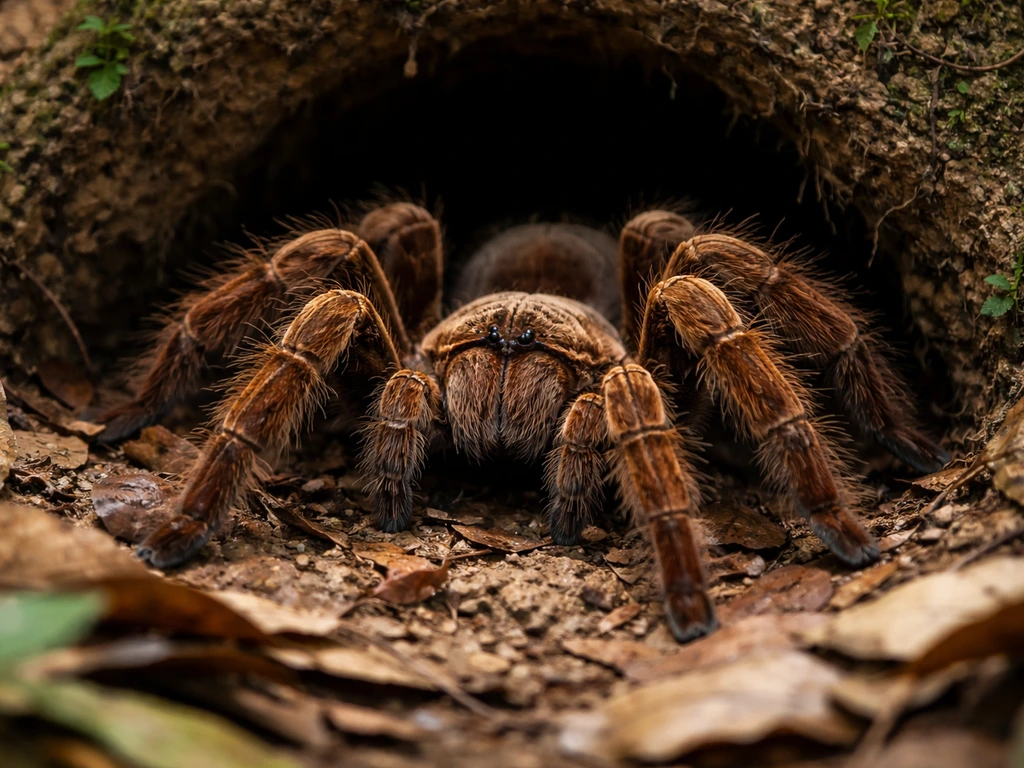
Yes, goliath bird-eating tarantulas can and do bite humans, but it almost always happens in self-defense and rarely without some kind of provocation first. The bite itself is painful, roughly comparable to a wasp sting, but no human fatality from a tarantula bite has ever been recorded. If you handle one carelessly, corner it, or stress it during enclosure maintenance, you're raising your bite risk significantly. For most people who observe these spiders from a safe distance or maintain a properly set-up enclosure without unnecessary handling, a bite is very unlikely.
Do Goliath Bird Eaters Bite Humans? Safety Guide

Maya Bennett
28 Apr 2026
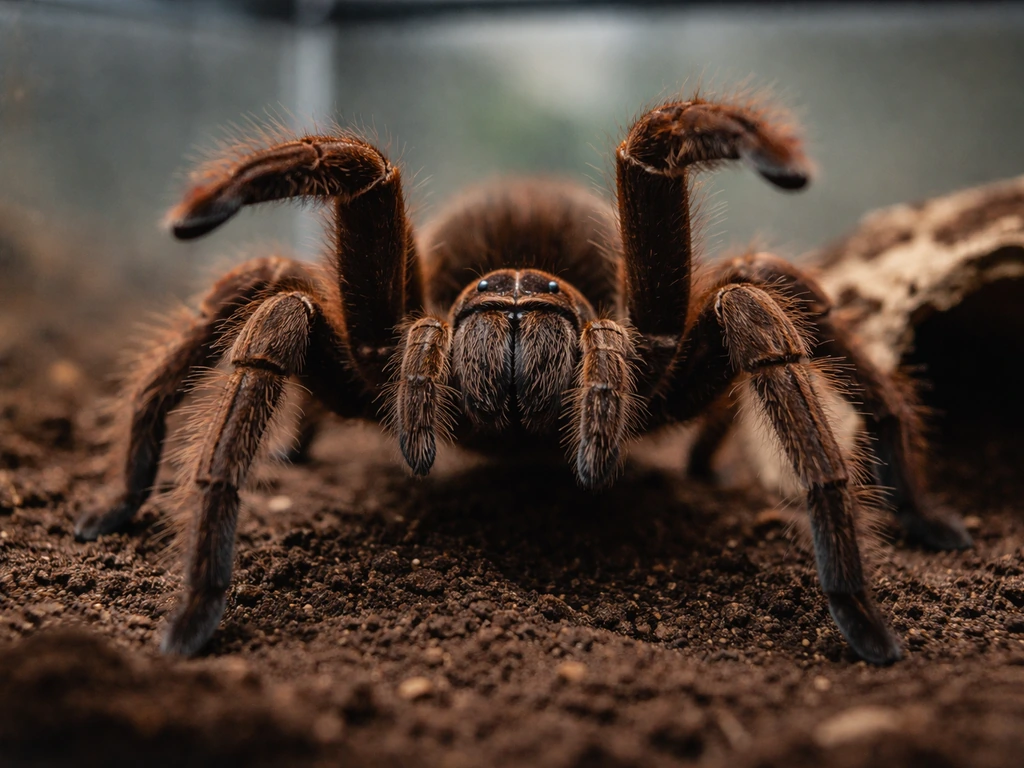
What 'biting' actually means for a goliath bird-eater
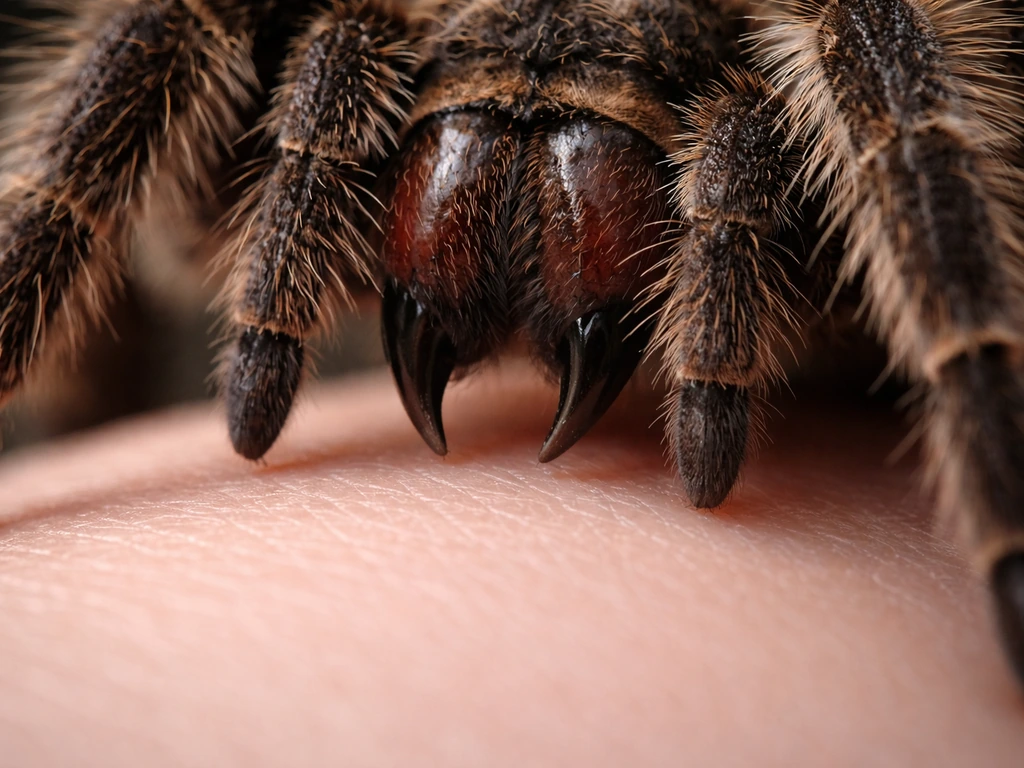
When people talk about a tarantula biting, they mean the spider driving its chelicerae (the two fang-tipped appendages at the front of its mouth) into skin. The fangs puncture the surface, and depending on the situation, the spider may or may not inject venom. A bite without venom is called a dry bite, and it's more common than most people realize. Goliath bird-eaters, like most tarantulas, often opt for a dry bite first as a warning rather than spending metabolic energy on venom delivery.
It's also worth separating two distinct hazards: the bite itself and the urticating hairs. Goliath bird-eaters (Theraphosa blondi) have barbed hairs on their abdomen that they can kick off toward a threat. Those hairs cause a histamine reaction in skin, eyes, and sometimes the respiratory tract. This is actually the more common complaint from handlers and can happen even without a bite. Think of it as two different defense tools, and both deserve your attention.
Do goliath bird-eaters actually bite humans? The real likelihood
Goliath bird-eaters are defensive animals, not aggressive ones. In the wild, they'd rather flee or use a threat display than waste a bite on something they can't eat. With humans, the bite risk goes up sharply in specific situations: direct handling, sudden vibrations near the enclosure, reaching in without warning during feeding or cleaning, or accidentally cornering the spider. Under calm, undisturbed observation conditions, the likelihood of a bite is very low.
If you keep one as a display animal and follow standard husbandry without regular hands-on contact, you may never experience a bite at all. The situations that lead to bites are usually predictable: rushed enclosure maintenance, a spider that's in pre-molt (when they're more sensitive and defensive), or someone trying to handle a spider that is clearly stressed. Respect those triggers and your risk stays minimal.
Warning signs before a defensive bite
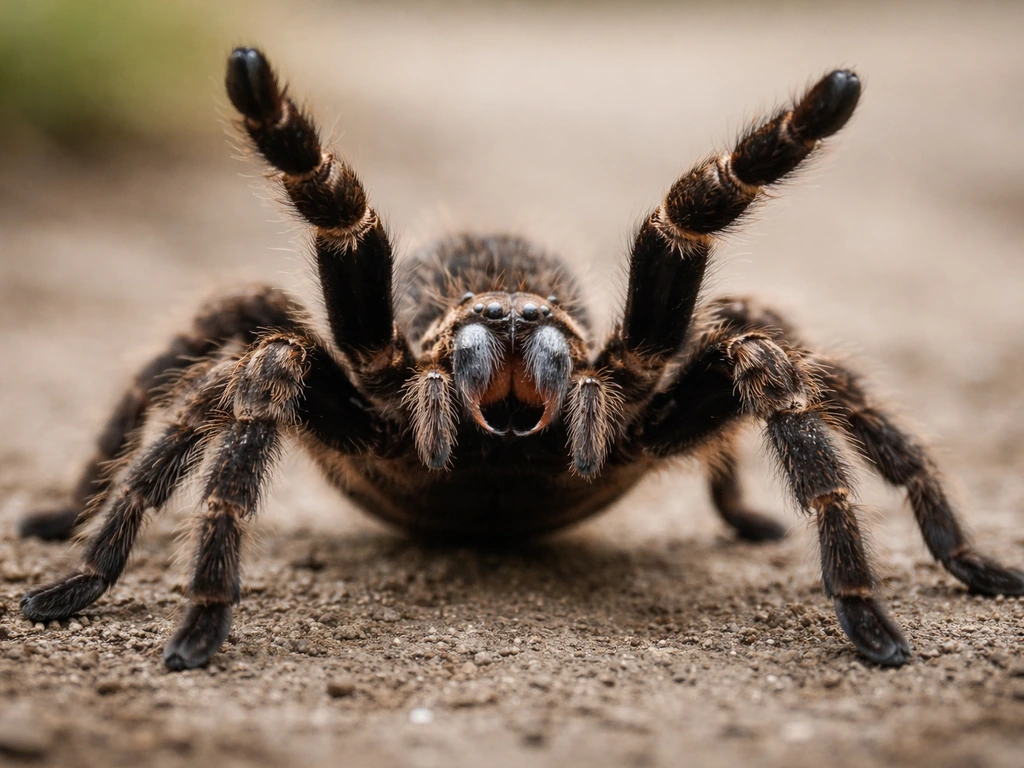
Goliath bird-eaters give clear signals before they bite. Learning to read them is the single most effective thing you can do to avoid getting bitten. The spider doesn't want to waste a bite any more than you want to receive one.
- Threat posture: the spider rears up, raises its prosoma (front body section), lifts and spreads its front legs, and exposes its fangs. This is the clearest 'back off' signal.
- Stridulation: some goliath bird-eaters produce a faint hissing or rubbing sound by stridulating (rubbing body parts together). If you hear this, the spider is agitated.
- Abdomen hair-kicking: the spider rapidly brushes its hind legs across its abdomen, flicking urticating hairs at you. This often comes before a bite, not after.
- Fast, erratic movement: sudden sprinting or rapid repositioning in the enclosure signals high stress, not curiosity.
- Turning to face you repeatedly: if the spider keeps orienting toward your hand or the enclosure wall as you move, it's tracking a perceived threat.
If you see any of these signs, stop what you're doing. Close the enclosure if it's open, step back, and give the spider time to calm down before continuing. Pushing through those warning signs is how most bites happen.
What a bite actually feels like and what symptoms to expect
A goliath bird-eater has large fangs, around 2.5 to 3.8 cm (roughly 1 to 1.5 inches) long, so even a dry bite can cause meaningful puncture wounds. With venom, the experience has been compared to a wasp sting: sharp, immediate pain at the site, possible redness, and swelling. The symptoms following a venomous bite typically include local pain and swelling, a potential skin rash, and itching that can persist for several hours.
Most bites stay local. There's no neurotoxic venom in goliath bird-eaters that causes systemic collapse in healthy adults, and no human has ever died from a tarantula bite. That said, a small number of people do have allergic reactions to spider venom, and those can escalate quickly. If you are wondering whether are goliath bird eating spiders poisonous, note that the venom is not lethal for most people, though allergic reactions can be serious venom allergy. Systemic allergy symptoms, like hives spreading away from the bite site, throat tightness, dizziness, or drop in blood pressure, require emergency medical attention immediately. Those reactions are rare but real.
| Hazard type | How it happens | Typical symptoms | Severity |
|---|---|---|---|
| Dry bite (no venom) | Fang puncture, no venom injected | Puncture wound pain, minor bleeding | Low |
| Venomous bite | Fang puncture with venom delivery | Pain comparable to wasp sting, swelling, rash, itching lasting hours | Moderate; low risk of serious harm in healthy adults |
| Urticating hair exposure (skin) | Hairs kicked toward or brushed onto skin | Itching, redness, localized rash | Low to moderate |
| Urticating hair exposure (eyes) | Hairs contact eyes during handling | Intense irritation, inflammation, potential eye damage if untreated | Moderate to serious |
| Allergic reaction to venom | Rare immune response to venom proteins | Systemic hives, swelling, dizziness, in extreme cases circulatory symptoms | Serious; requires emergency care |
First aid steps and when to call for help
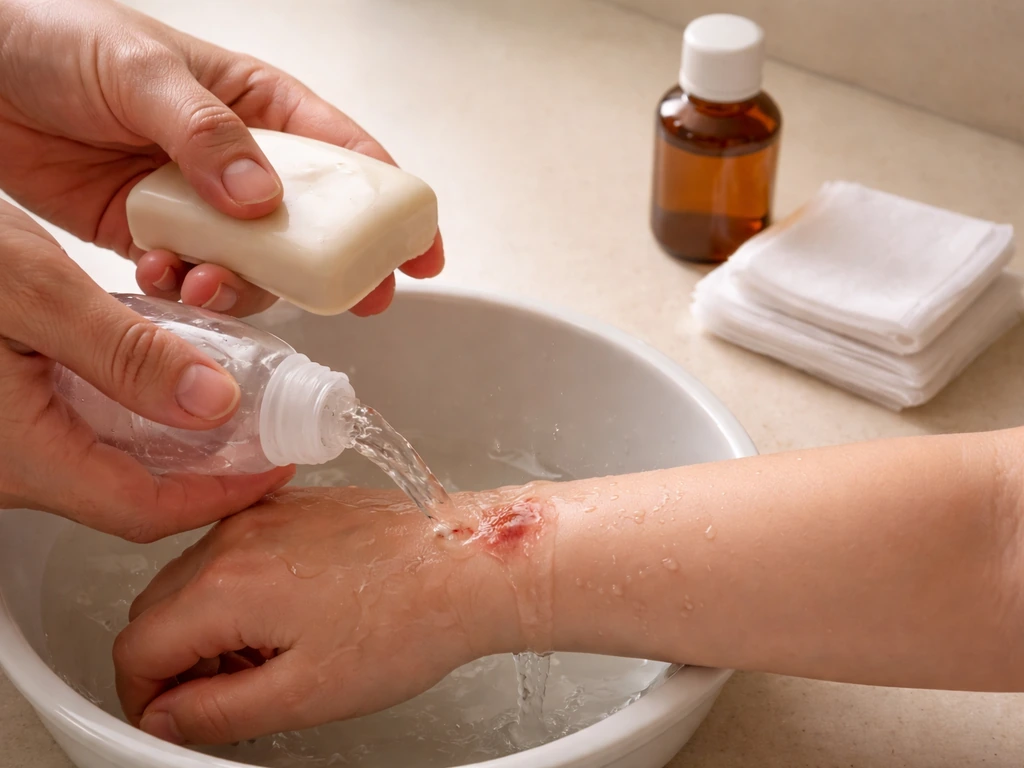
If you or someone near you is bitten, act calmly and methodically. The bite is unlikely to be dangerous, but you still need to monitor it carefully, especially for the first few hours.
- Move away from the spider safely and secure the enclosure or contain the animal so no further bites occur.
- Wash the bite site thoroughly with soap and warm water to reduce infection risk.
- Apply a cold compress or ice pack wrapped in cloth to the area to help with swelling and pain. Do not apply ice directly to bare skin.
- Keep the affected limb elevated if there is significant swelling.
- Do not squeeze or attempt to 'drain' the wound.
- Monitor symptoms for at least 2 to 3 hours. Watch specifically for any signs spreading beyond the bite site: expanding rash, hives elsewhere on the body, breathing changes, dizziness, or throat tightness.
- If symptoms stay local (pain and swelling at the bite site only), continue wound care and watch for signs of infection over the following days.
Call the US Poison Help hotline at 1-800-222-1222 if you're unsure whether symptoms are worsening or if the bitten person has a known allergy to insect or spider venom. Call 911 immediately if there are any signs of a serious allergic reaction: throat swelling, difficulty breathing, rapid pulse, or loss of consciousness. Even if the bite seems minor, it's worth checking in with Poison Control so they can walk you through what to watch for. If the person hasn't had a tetanus shot in the past five years, a medical visit for the wound is a reasonable call.
For urticating hair exposure on skin, wash the area with soap and water. For eye contact, rinse immediately with running water for at least 15 minutes and seek medical evaluation, since urticating hairs can cause real eye damage if embedded and left untreated.
How to prevent bites in the first place
The most important prevention rule is simple: don't handle a goliath bird-eater unless you have a specific reason to. These are display animals, not pets that benefit from human interaction. Every handling session is a stress event for the spider and a bite risk for you. CITES guidance on tarantula safety is explicit: handling any tarantula species is not recommended. Petco and other major animal retailers echo this, noting that tarantulas may bite or run and fall when they feel threatened, and a fall can injure or kill the spider on top of biting you.
- Wear nitrile or latex gloves when doing enclosure maintenance that requires reaching near the spider.
- Wash hands before and after any contact with the enclosure to remove scent triggers.
- Use long tongs or a soft brush to move the spider or shift substrate rather than your hands.
- Work slowly and predictably. Sudden movements are the primary trigger for defensive behavior.
- Check the spider's posture and behavior before opening the enclosure. If it looks agitated, wait.
- Avoid maintenance during pre-molt periods, when the spider is extra sensitive. Pre-molt signs include reduced feeding, dull coloration, and a darker, swollen abdomen.
- Keep the enclosure secure, well-ventilated, and appropriately sized so the spider feels settled, not stressed.
- Wear eye protection during any enclosure work to guard against airborne urticating hairs.
Managing risks if you have pets or work with wildlife
If you keep other pets, the goliath bird-eater's enclosure needs to be completely inaccessible to them. Cats especially are drawn to movement inside tanks and can stress the spider significantly through pawing, which can trigger urticating hair release through the ventilation mesh as well as defensive posturing. Dogs nosing at the enclosure create the same problem. A curious pet that gets urticating hairs in its eyes or nose is going to need a vet visit. Place the enclosure in a room pets cannot enter freely, and use a locked or latched lid.
For nature educators or anyone explaining this species to children or community groups, the key safety message to reinforce is this: these spiders look dramatic (their size alone makes them striking, as anyone who has looked into how big a goliath bird-eating tarantula actually gets will confirm), but bites almost always result from human mistakes, not spider aggression. If you want to compare their strength to other animal prey, see goliath bird eating spider vs mouse goliath bird-eating tarantula. Their bite risk is a separate question from their size, so if you're wondering how big is a goliath bird eating tarantula, consider how that translates to a goliath bird-eater bite and symptoms how big a goliath bird-eating tarantula actually gets. The practical guidance is the same whether you're managing an educational display or just answering questions at an outreach event: observe from a safe distance, keep enclosures secure, and treat the spider's warning signals as firm instructions to back off.
Wild encounter risk is negligible for most people in North America or Europe, since goliath bird-eaters are native to the rainforests of South America, primarily in countries like Venezuela, Brazil, and Guyana. In that region, these goliath bird-eating tarantulas are most likely to be found in humid rainforest habitats rainforests of South America. Their natural habitat is far from typical backyard settings. They live in the rainforests of South America, so encounters are mostly limited to that region. If you're a birder or nature educator working in or near their native range, the same rules apply: leave them alone, don't corner them, and you're very unlikely to be bitten. The real risk only comes when people try to catch or handle them without proper equipment.
The bottom line on goliath bird-eater bites
Goliath bird-eaters can bite, and those bites hurt. Do goliath bird-eaters eat birds? In the wild, they feed on a variety of small animals, including insects and other prey, rather than specifically targeting birds. But they're not a common or random event. They happen because of human error, almost always during handling or poorly managed enclosure maintenance. The venom is not lethal, the pain is real but manageable for most healthy adults, and the biggest variable is whether anyone in the situation has a venom allergy. Treat this animal with the same practical caution you'd apply to a wasp nest: respect its space, learn to read its signals, and you'll almost certainly never need to test the first aid steps above.
FAQ
How can I tell the difference between a dry bite and a venomous bite from a goliath bird-eater?
With tarantulas, you cannot reliably predict venom presence just by looking at the punctures. Venomous bites usually produce faster, more intense pain plus more noticeable swelling that develops over the next hour or two. A dry bite often remains localized with soreness that peaks quickly and then gradually eases, but individual reactions vary, and allergy concerns still apply.
What should I do if a goliath bird-eater bites me and I also got urticating hairs on my skin at the same time?
Handle both as separate exposures. Wash the bitten area gently with soap and water, avoid rubbing it (so you do not drive hairs deeper), and rinse off visible hairs from skin using running water plus mild soap. If hairs reached your eyes, rinse continuously for at least 15 minutes and seek evaluation even if you feel fine afterward.
If the bite is “almost always local,” do I still need a tetanus shot or medical care?
Even if symptoms stay local, puncture wounds can still introduce bacteria. If your last tetanus booster was more than 5 years ago, consider getting medical care for the wound. Also seek care promptly if redness spreads, there is increasing warmth, pus, fever, or pain that worsens after the first day.
Can goliath bird-eater bites cause anaphylaxis, and what early signs should I watch for?
Yes, although it is rare, venom allergy can trigger systemic reactions. Early warning signs include hives or itching spreading away from the bite, throat tightness or swelling, trouble breathing, dizziness, fainting, or a rapid drop in blood pressure. If any of these occur, treat it as an emergency and get help immediately.
What if I am bitten but I do not know whether the spider injected venom?
Treat it conservatively and monitor closely. The practical approach is to watch for progression over the first few hours, especially worsening swelling, spreading rash, breathing issues, or symptoms consistent with allergy. If you have a history of allergic reactions to insect or spider venoms, call Poison Help for guidance even if you feel okay initially.
Are bites more likely during feeding, cleaning, or during a pre-molt period?
Yes. Handling and enclosure maintenance both raise risk, and pre-molt spiders are typically more sensitive and defensive. Feeding can also trigger bites if you reach in suddenly, block the spider’s escape path, or accidentally startle it while it is positioned near the substrate.
Can a goliath bird-eater bite through gloves?
It is possible. Tarantula fangs are large enough to puncture thin barriers, and thick gloves can reduce risk but do not eliminate it. The safest choice is to avoid handling altogether, and when you must work near the enclosure, focus on secure lid practices and giving the spider time to settle.
If I get urticating hairs in my eyes, is home rinsing enough?
Do not rely on home treatment alone if there is any eye discomfort, redness, tearing, or a sensation of something in the eye. Rinse immediately for at least 15 minutes with running water, then seek same-day medical evaluation because embedded hairs can damage the eye if not properly removed.
Do goliath bird-eater bites happen only when you grab the spider, or can they happen from vibrations?
They can happen without grabbing. Sudden movements, vibrations near the enclosure, reaching in without warning, or unintentionally cornering the spider can trigger defensive behavior. Keeping the environment calm during maintenance is often as important as avoiding direct contact.
What enclosure setup changes reduce bite and hair-release risk the most?
Use a locked or latched lid that prevents escape and prevents curious animals from accessing the enclosure. Position the enclosure in a room where pets cannot enter freely, because pawing and nosing can stress the spider and promote urticating hair release. Also avoid frequent hands-on interventions, especially with the spider near the top or during times when it is least predictable.
If a goliath bird-eater “runs at me,” should I try to catch it or move it out of the way?
No. Treat running as a stress or escape attempt, and keep distance. Instead, close the enclosure if it is open, control the area so you are not forced into sudden reach-ins, and wait for the spider to calm or move on its own. Sudden attempts to intervene are a common trigger for both biting and defensive hair kicking.
Next Article
Do Goliath Bird Eaters Eat Birds? Diet, Myth, and Feeding
Do Goliath bird-eating spiders eat birds? Find the real diet, hunting habits, and safe feeding tips for pets