A handful of spider species around the world can and do kill small birds, but it is genuinely rare, and the odds that a spider took one of your backyard birds are very low. The spiders most credibly documented killing birds are large tropical tarantulas and giant orb-weavers like Nephila species, not the garden spiders you see on your fence. If a bird has gone missing from your feeder area, a cat, hawk, window strike, or disease is almost certainly the cause. That said, understanding which spiders pose a plausible threat, and how to tell the difference, is worth knowing if you spend time around birds.
Spider That Can Eat a Bird: How to Identify It and Protect Birds

Maya Bennett
18 May 2026
Which spider species could realistically eat a bird
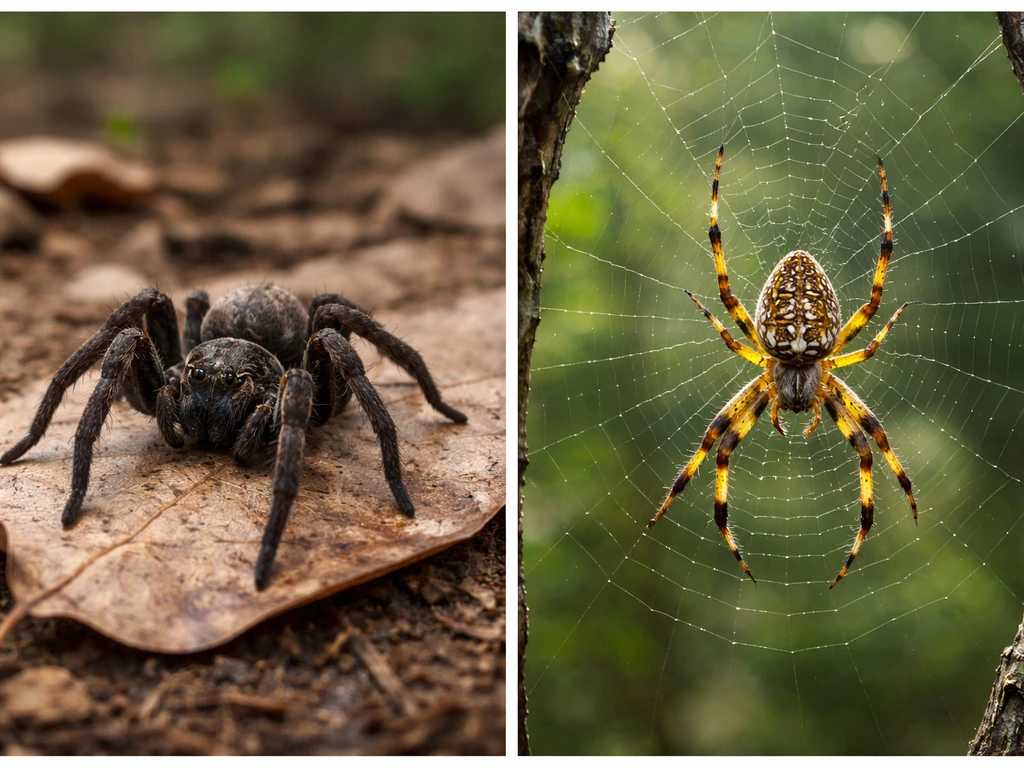
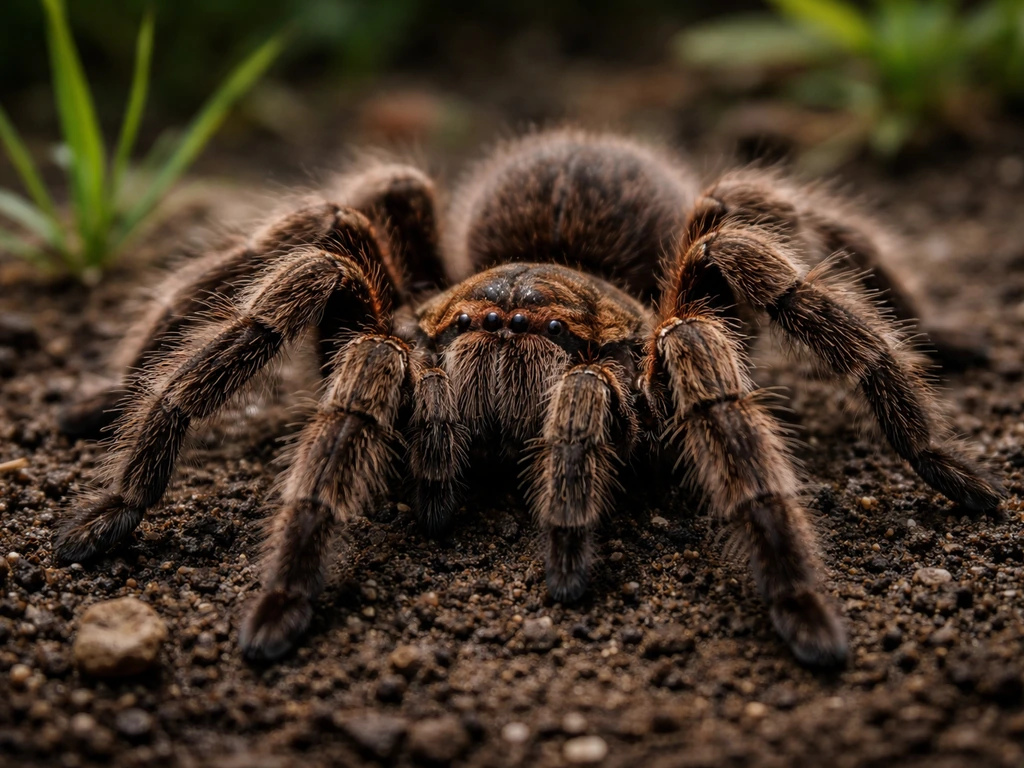
There are two broad categories worth knowing: large ambush hunters (mainly tarantulas and related heavy-bodied spiders) and giant orb-weavers that trap birds in their webs. Tarantulas with leg spans reaching 10 to 12 inches, like the Goliath birdeater (Theraphosa blondi) of South America and several large Asian tarantula species, are the most frequently cited ambush predators of birds. They hunt on the ground or low in vegetation at night, and they can overpower small nestlings or injured adult birds. These are deep-forest animals; you will not encounter one at a North American backyard feeder.
The other credible group is large orb-weavers, especially Nephila species (golden silk orb-weavers). A 2016 peer-reviewed review of global accounts found that birds trapped and killed in spider webs were most commonly caught in Nephila webs, and smaller birds were at higher risk than larger ones. [A 2016 peer-reviewed review of global accounts](https://www. birddropping?
) found that birds trapped and killed in spider webs were most commonly caught in Nephila webs. Nephila webs can span more than a meter, are built from extraordinarily strong silk, and in some cases the spider will bite and consume a bird too small to free itself. These spiders live in tropical and subtropical regions, including parts of Australia, Asia, and Africa.
In the continental United States, the closest relative you might see is the golden silk orbweaver (Trichonephila clavipes), mainly in the Southeast, but documented bird-kill events involving this species are exceedingly rare.
For practical purposes, if you are in a temperate backyard in North America or Europe, no native spider species presents a realistic threat to a healthy adult bird. The risk window, where it exists at all, involves very small nestlings, fledglings, or birds already injured or ill.
How bird-eating by spiders actually happens
Spider predation on birds follows two distinct patterns depending on the spider type. Tarantulas and large wandering spiders are ambush predators. They wait near a nest or on a branch, lunge at a small bird, inject venom, and overpower it through sheer size and strength. Their prey tends to be nestlings, injured birds, or occasionally adult hummingbirds, which are among the smallest birds in the world and represent the most commonly documented web-trapped bird group in North America.
Web-trapping is the other mechanism, and it is the one most documented in peer-reviewed literature. A bird flies into a large, strong orb-web, becomes entangled, and either exhausts itself trying to escape or is subdued by the spider. Hummingbirds are particularly vulnerable because they hover close to vegetation and spider web anchor points at the same height they forage. Once trapped, the spider may wrap the bird and consume it over hours. This is not a fast ambush kill; it depends on the bird being small enough that it cannot break free of the silk.
In both scenarios, the prey is almost always a very small bird, a nestling, a fledgling, or a hummingbird-sized adult. A house sparrow, a finch, or anything larger is almost never at realistic risk from a spider, even a large one. Size is the key limiting factor.
Visual ID: how to tell if a spider could be the problem
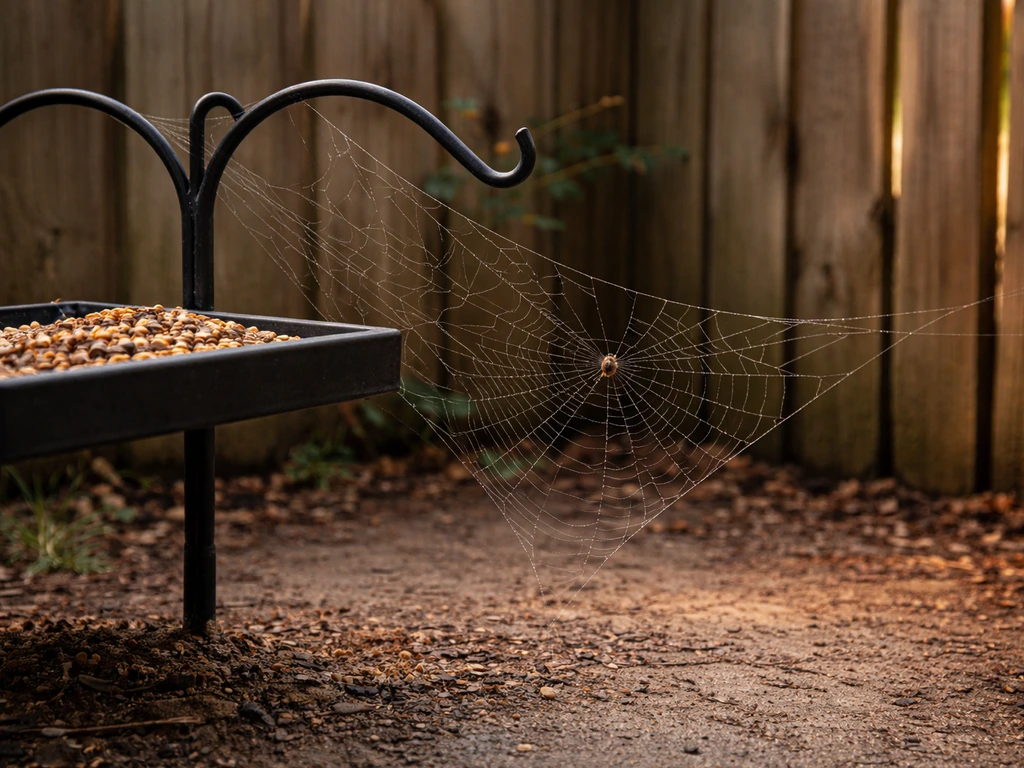
Before you assume a spider is responsible for a missing or dead bird, do a quick field check. Here is what to look for at and around your feeders and yard structures.
- Web size and strength: A web capable of trapping a bird is large (easily more than 30 cm across) and visibly thick-stranded. Typical garden orb-weavers build webs that birds push right through. If you can break the web easily with a finger, it is not a bird-trapping web.
- Spider body size: A spider that could subdue a bird is big, at least the size of your palm including legs. Small and medium garden spiders pose zero threat to birds.
- Web location: Dangerous webs are built across open gaps in vegetation, doorways, or between structures at bird flight height, not just in corners or tight spaces.
- Signs on the carcass: A spider-killed bird near a web may still have web silk attached to its feathers, legs, or beak. The body may be partially wrapped in silk. There will be no obvious external wounds from teeth or talons.
- Spider presence: The spider itself is usually nearby or on the web, waiting. If there is no large spider visible, web entrapment is very unlikely.
- Location relative to feeders: Spiders build webs near structural anchor points, not usually directly on feeders. If a bird died at the feeder base with no silk present, look for other causes first.
One ID note worth mentioning: some orb-weaving spiders have evolved to look almost exactly like bird droppings, a camouflage strategy documented in a 2014 Scientific Reports study that measured spectral reflectance and found these spiders were visually indistinguishable from real droppings to predators. If you see what looks like a bird dropping on a leaf near a web and then it moves, you have found a spider using this disguise. It is a fascinating adaptation, but it has nothing to do with the spider hunting birds; it is the spider hiding from birds that would eat it.
What to do today if birds are going missing from your feeders
If you have noticed missing birds or found a dead one near your feeder, work through this checklist before jumping to any conclusion about the cause.
- Check for windows nearby: Window strikes kill hundreds of millions of birds annually in North America. Look for feather smudges or body impressions on glass within 10 feet of where the bird was found.
- Look for cat sign: Cats are among the top killers of backyard birds. Check for paw prints, disturbed soil, scattered feathers (especially a radius of feathers with no body), or claw marks on the ground.
- Scan the sky and perches: Hawks and other raptors can take birds directly from feeders in seconds. A Cooper's hawk or sharp-shinned hawk visit often leaves a pile of plucked feathers and no carcass, or feathers at a nearby plucking post.
- Examine any web structures present: Walk the area around your feeder within about 3 to 5 meters. Look for large webs at bird flight height. If you find one, check for silk on the bird's body.
- Assess the bird's condition before death: Disease and starvation kill birds too. A bird found dead near a feeder with no trauma signs may have been sick. Check for abnormal posture in your memory of recent feeder visits.
- Note the season: Hummingbirds at webs are more plausible in late summer when Nephila-type spiders are at peak size. Nestling losses in spring may point to ground predators or nest-site spiders in tropical areas.
Risks to backyard birds and pets from predators and feeder practices
The real risks to your backyard birds are much more mundane than spiders. If you are also thinking about camel spiders, they are a different group entirely and are not known for trapping or killing birds. Cats (both owned outdoor cats and feral ones) are the single largest human-linked cause of bird mortality in North America. Raptors, window glass, and vehicle strikes follow. Disease spread at dirty feeders is also a serious and underappreciated killer; finches, sparrows, and doves are all vulnerable to salmonellosis, avian pox, and respiratory diseases that spread rapidly at crowded, unclean feeders.
Spoiled seed is another real hazard. Wet, clumped seed in feeders grows mold and bacteria fast, and birds that eat it can become ill or die. This matters not just for bird health but also because sick or lethargic birds sitting on or under feeders are easier targets for any predator, including the rare large spider, if one happens to be in the area.
As for pets: dogs and cats are not at risk from the spiders plausibly capable of killing birds. Goliath birdeaters and Nephila species are not found in backyards in North America, Europe, or most of Asia outside of tropical zones. Common garden spiders, even the larger orb-weavers, do not pose a meaningful threat to cats or dogs. If you live in a tropical region where very large spiders are native, keep small cats and dogs away from known tarantula burrow areas at night, but that is a very specific concern for a small subset of readers.
Myths worth busting about spiders and bird deaths
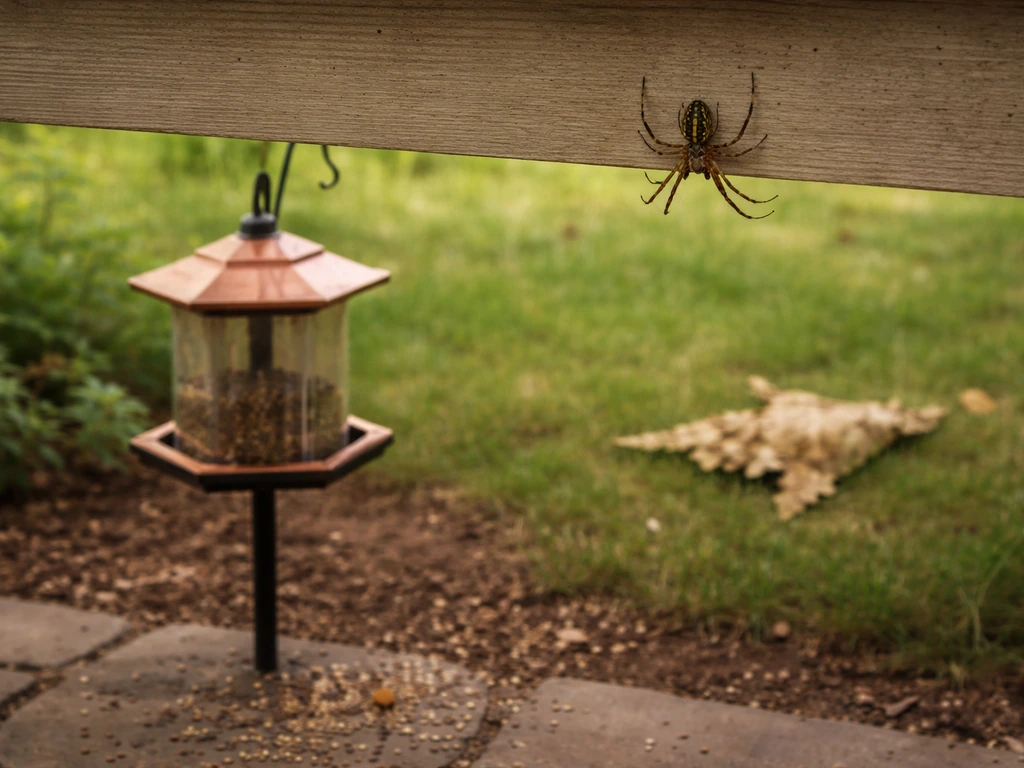
The internet is full of dramatic photos of spiders holding birds, and they create the impression that this is a common occurrence. It is not. Here are the most persistent misconceptions.
- Myth: Any large spider near a feeder is a threat to your birds. Reality: Size alone does not make a spider a bird predator. Most large garden spiders, including writing spiders and common orb-weavers in North America, eat insects exclusively and could not trap or subdue a bird.
- Myth: The 'bird-eating spider' is one specific species. Reality: Several species from different families have documented bird predation, but it is an opportunistic behavior in most cases, not a specialized hunting strategy.
- Myth: Spider webs commonly trap backyard birds. Reality: Typical garden webs are far too fragile and small to trap a bird larger than a hummingbird. Birds routinely fly through webs with no effect.
- Myth: If you find a dead bird near a web, a spider killed it. Reality: Birds die near webs all the time without spider involvement. Disease, window strike, or cat attack, followed by the body falling near a web, is far more likely.
- Myth: Removing all spiders from your yard protects your birds. Reality: Spiders eat vast numbers of insects, including many that carry diseases or damage plants. Killing spiders in a temperate yard provides no meaningful protection to birds and harms the local ecosystem.
- Myth: Cats and dogs are at risk from bird-eating spiders. Reality: The species that eat birds (large tarantulas and Nephila orb-weavers) are not present in most backyard environments where North American or European readers keep pets.
Practical prevention and safer feeder setup
Whether your concern is spiders, raptors, cats, or disease, the same feeder practices reduce overall risk to your birds. Here is what actually works.
Feeder placement and physical setup
- Place feeders either very close to windows (within 1 meter) or far from them (more than 10 meters) to reduce window strike risk. The middle distance is the most dangerous.
- Mount feeders on smooth metal poles with baffles above and below to exclude climbing predators. A baffle also prevents spiders from using the pole as a web anchor near the feeder.
- Keep feeders at least 3 meters away from dense shrubs, fences, or structures where cats can crouch and launch an ambush.
- In tropical or subtropical regions where large orb-weavers are common, check and clear any large webs within 2 meters of feeders every few days during late summer and fall when spiders reach peak size.
- Use cage-style or tube feeders for small birds, which reduce the open perching area that makes birds easy targets.
Seed and feeder hygiene
- Clean feeders every 1 to 2 weeks with a 10% bleach solution, rinse thoroughly, and let them dry before refilling.
- Remove old or wet seed immediately; wet seed can mold within 24 to 48 hours in warm weather.
- Store seed in sealed, dry containers, not in bags left in garages where moisture and pests can get in. Bad seed attracts rodents, which attract larger predators that also take birds.
- Do not overfill feeders. Offer only what birds will eat in a day or two, especially during wet or humid weather.
- Rake up seed shells and debris from below feeders weekly. Ground debris attracts cats, rodents, and other predators.
What to do if you find a large web near your feeder
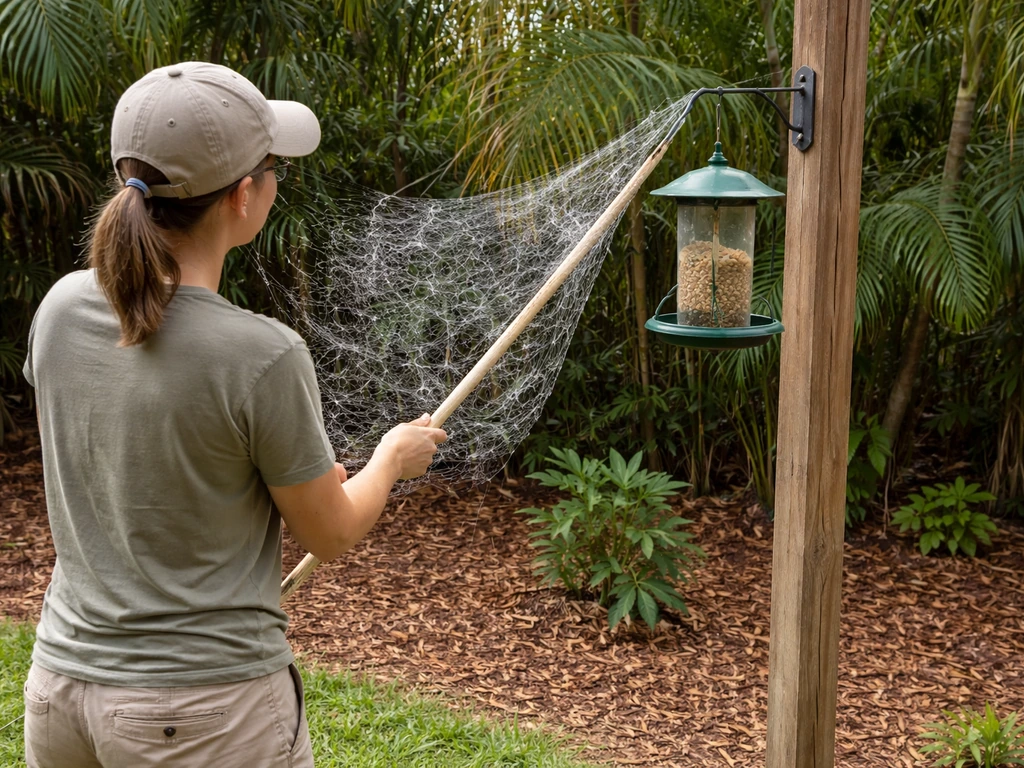
If you find a large web near your feeder in a tropical or subtropical area, the practical step is to gently relocate it, not destroy it. Use a long stick to carefully roll up the web and move it to a dense shrub or tree away from the feeder flight path. The spider will rebuild. You are not eliminating a predator; you are just redirecting web placement. Killing large orb-weavers is not recommended and is unnecessary in almost all backyard situations. If you are seeing hummingbirds in your yard specifically and have Nephila-type spiders present, just clear webs along hummingbird flight paths every few days during peak spider season.
If you want to dig deeper into the size and appearance side of this topic, understanding how big bird-eating spiders actually get, what they look like up close, and how they compare to other large spider species like the camel spider are all worth exploring separately. The short version for practical backyard purposes: if a spider at your feeder looks small enough to fit in your hand comfortably, it is not a bird threat.
FAQ
If I see a spider near my bird feeder, should I assume it killed a bird?
Not automatically. In most temperate backyards, missing birds are far more often explained by cats, predators like raptors, window strikes, or disease. A spider’s presence usually matters only if the bird is a very small nestling or fledgling, or if you find a fresh web structure that could trap hummingbirds.
What clues help me tell whether a web trapped a bird versus something else?
Look for a strong, messy entanglement pattern rather than just one fallen bird. Web-trapping often leaves the bird located within or very near a sizable orb web (especially around hummingbird foraging height). If the bird is under a feeder with no nearby web, window strike, cat activity, or disease is more likely.
My dead bird has no obvious web on it. Could a spider still be responsible?
It’s unlikely in most backyard settings. Spider predation that’s documented typically involves either a very small bird being stuck in a large orb web or an ambush by a rare, very large spider. If you cannot find surrounding webbing, check other common causes first, especially cats, windows, and contaminated feeder conditions.
How can I confirm a spider is actually large enough to be a realistic threat?
Use a reference, not just “big” impressions. The bird-kill capable spiders described in credible reports are generally much larger than typical fence and garden spiders. If the spider looks comfortably hand-sized or smaller, it is generally not the type that could overpower birds, and it’s usually safer to focus on feeder hygiene and predator prevention.
Do tarantulas kill adult backyard birds more often than nestlings?
No, the plausible risk still concentrates on nestlings, injured birds, or occasionally tiny adults like hummingbirds. For healthy adult songbirds and other common backyard birds, size limits prevent most spiders from overcoming them.
If I relocate a web, will the spider come back and keep capturing birds?
It will rebuild nearby, but relocation breaks the repeat-capture pattern at your feeder. The goal is to steer the web away from the flight paths. If you keep noticing webs in the same exact corridor, repeat the gentle relocation or clear webs along those paths during peak activity periods.
Should I remove all orb webs from my yard to protect birds?
Only the webs that sit on or directly intersect bird or hummingbird flight routes. Removing every web can be counterproductive because it is labor-intensive and unnecessary. Targeted clearing, plus keeping feeders clean and secured from cats, usually provides more benefit.
What’s the best immediate action after I find a dead bird near a feeder?
Stop and switch to troubleshooting. Remove and dispose of the bird safely, then clean feeders and surrounding perches thoroughly (moldy seed and wet clumps are a common starting point). Also check for obvious predator signs like cat tracks or disturbed ground, and look for window hazards nearby.
Can spiders harm my pets, or make dogs and cats at higher risk for bird problems?
The main spider concern for pets is usually a sting or bite only if an animal provokes the spider, not bird predation. For bird safety, the bigger pet-linked issue is cats, especially feral and outdoor cats. Dogs are generally more of a disturbance factor than a direct bird predator in most home situations.
If I have hummingbirds, how can I reduce web-trapping specifically?
Clear webs along hummingbird flight paths every few days during peak seasons, rather than waiting until after a bird is trapped. Also consider re-positioning feeders or nearby shrubs so hummingbirds do not need to fly through anchor-point areas where orb webs commonly form.
Does feeder cleaning reduce the chance spiders kill birds indirectly?
Yes, indirectly. Sick or lethargic birds from contaminated feeders can sit near feeders longer, making them easier for any opportunistic predator. Keeping seed dry, removing wet clumps, and cleaning feeding equipment reduces disease pressure and the likelihood of birds being easy prey for whatever is in the area.
Next Articles
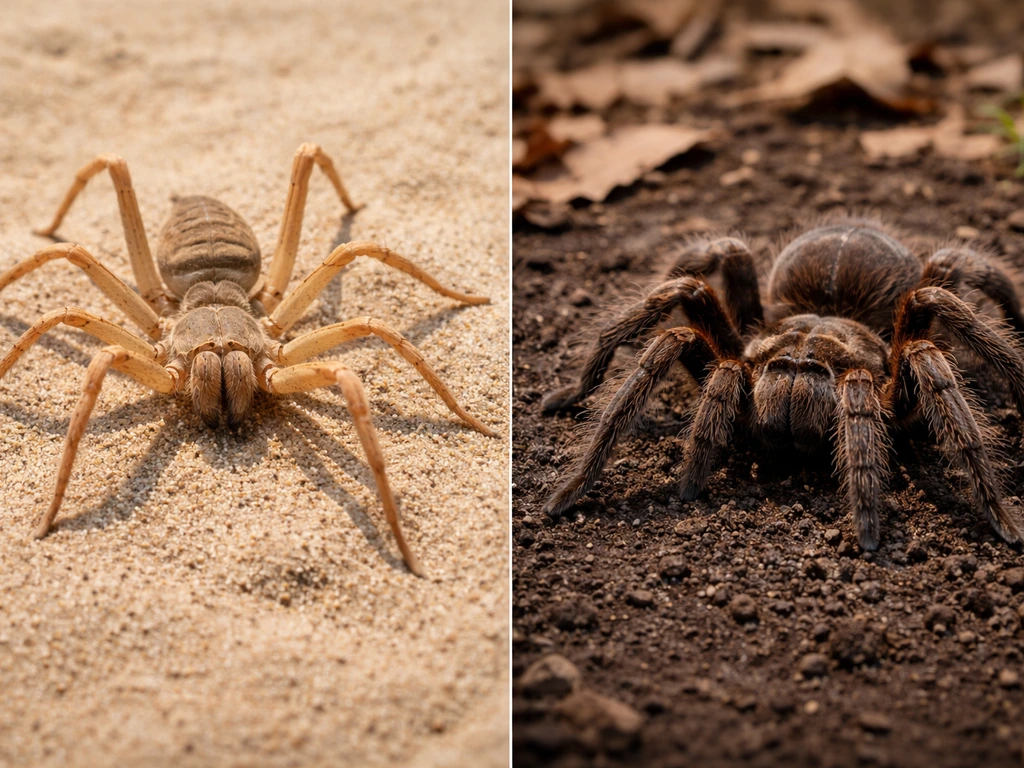
Camel Spider vs Bird Eating Spider: How to Tell Them Apart
Tell camel spider vs bird-eating spider apart fast using traits, habitat, hunting habits, and backyard bird risk.
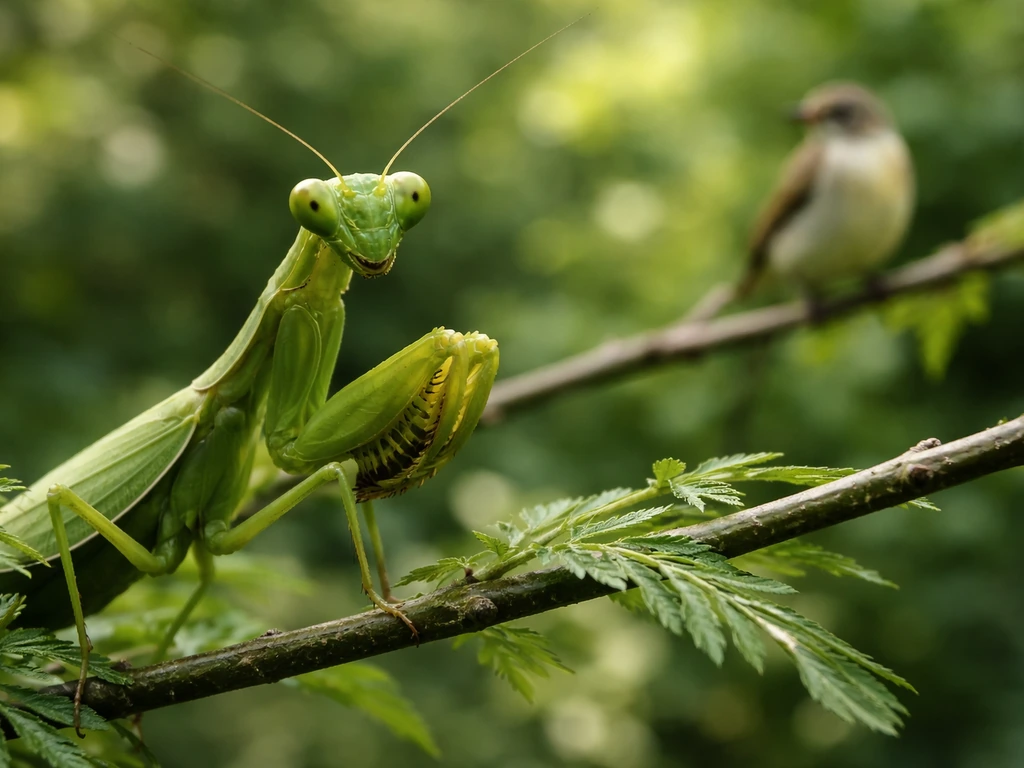
Can a Praying Mantis Eat a Bird? What Happens in the Wild
Can a praying mantis kill a bird? Learn how mantises hunt and why most backyard birds are safe at feeders.
How Big Is the Bird Eating Spider? Size Range and Safety
Bird-eating tarantulas size range, body length and leg span, plus safety tips for yards and small birds.