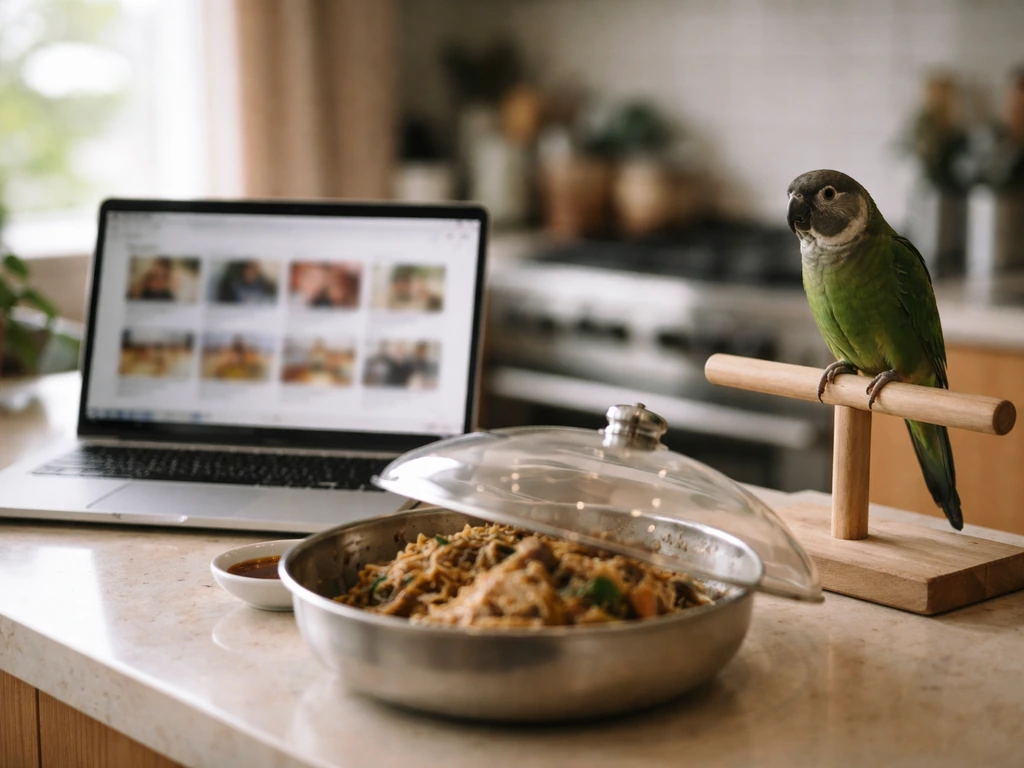
If a bird pecked, picked up, or dropped on your food, the safest default is to throw it out. People also ask whether celebrities like Ozzy Osbourne ate a bird, but the same food-safety rules about anything bird-touched still apply. That goes for your food and for anything sitting in a feeder that has been fouled by droppings, soaked by rain, or left out long enough to start spoiling. In most cases the risk is low but real, and the cost of discarding a handful of seed or a piece of fruit is basically zero compared to a potential bout of Salmonella. There are a few situations where a quick rinse and visual check are enough, but those situations are narrower than most people assume.
Eat No Food a Bird Has Touched: Safe Decision Guide
Maya Bennett
11 Jul 2026
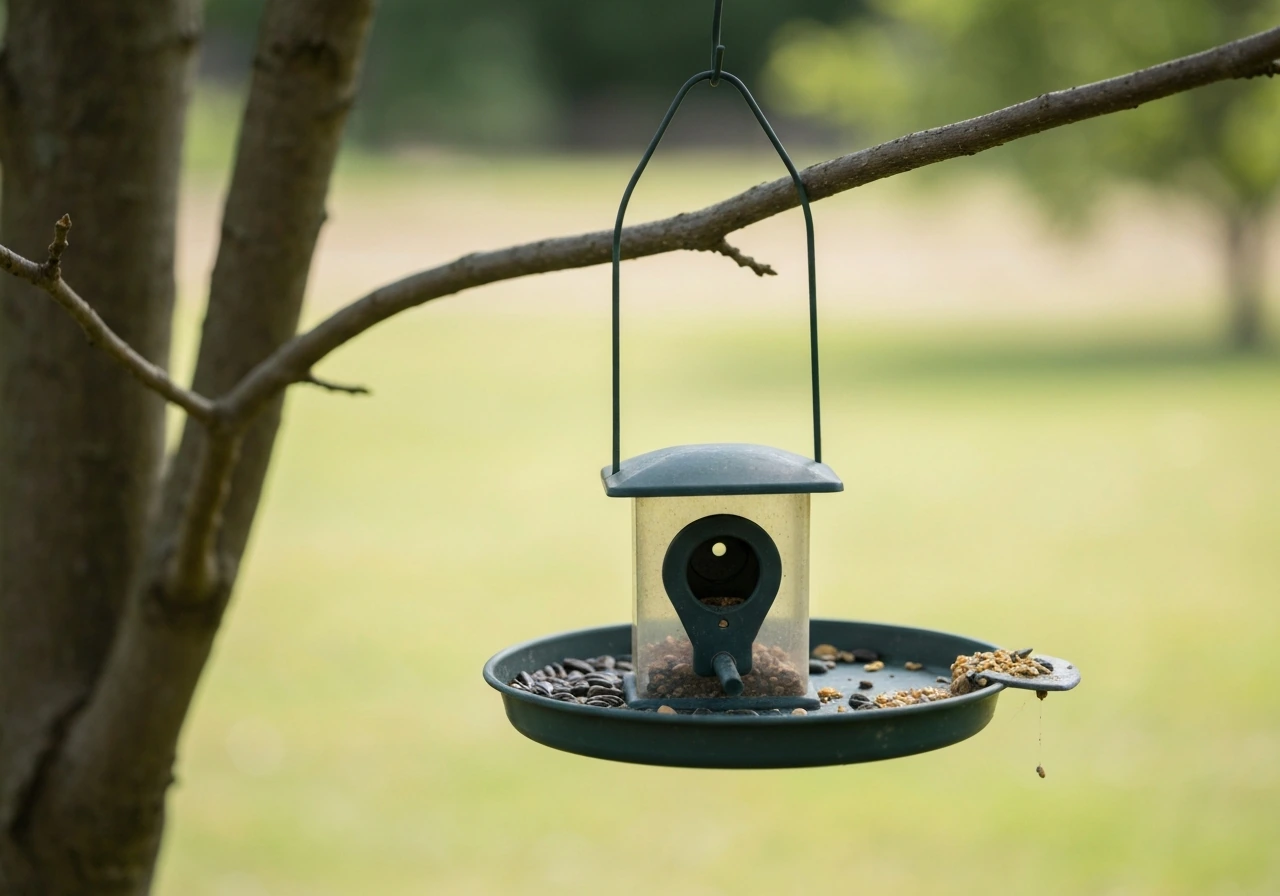
What 'a bird has touched' actually means
This phrase covers a pretty wide range of events, and the risk level is very different depending on which one you are dealing with. Broadly, there are three scenarios worth separating out.
- Beak contact: A bird picks up a seed, piece of fruit, or other food with its beak. This is the most common feeder interaction and transfers saliva, bacteria, and whatever the bird had on its beak from its last meal or perch.
- Foot contact: A bird walks across food, a tray, or a flat feeder surface. Feet track in fecal material and soil from wherever the bird just landed, which can include contaminated ground under the feeder.
- Droppings: A bird defecates directly onto food, into a feeder tray, or onto produce growing in the garden. This is the highest-risk category. Droppings can carry Salmonella, Campylobacter, and in rare cases avian influenza virus.
The CDC specifically advises washing hands after touching birds, their droppings, or items in their environment, and warns that touching your mouth or food after handling contaminated surfaces is a key pathway for illness. Avian influenza transmission, while still rare in a backyard context, can occur through contact with infected saliva, mucus, and feces. So even beak contact carries some theoretical risk, even if the practical risk from a single healthy-looking wild songbird is low.
There is also a separate but related question that comes up in the same search territory: whether fruit pecked by birds in the garden, like a tomato or apple, is safe to eat. That falls into a slightly different category from feeder food, and the handling guidance for pecked garden produce is worth its own look alongside what is covered here.
The actual safety risk: contamination vs. spoilage
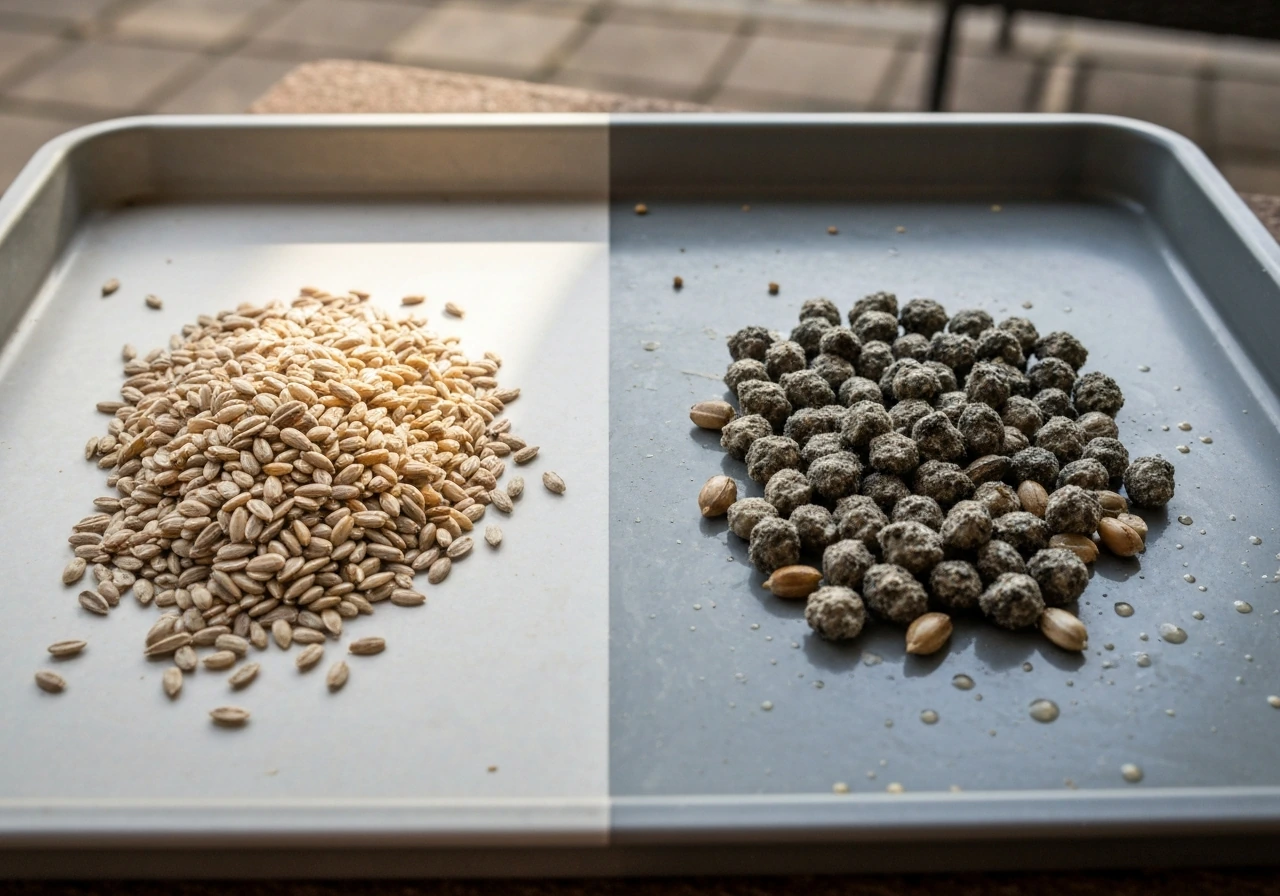
These are two separate problems that often happen together, and it helps to understand both.
Microbial contamination
Contamination is the direct transfer of pathogens from a bird to your food. Salmonella is the main concern at backyard feeders. A 2020-2021 CDC-tracked outbreak linked human Salmonella Typhimurium infections to wild songbirds and contaminated feeder surfaces. The bacteria spreads via fecal matter, foot contact on soiled perches, and birds pressing their heads into seed ports. Penn State Extension specifically notes that sick birds visiting feeders can spread disease through foot contact with contaminated perches, which means even food that looks clean can be a vehicle.
Spoilage over time
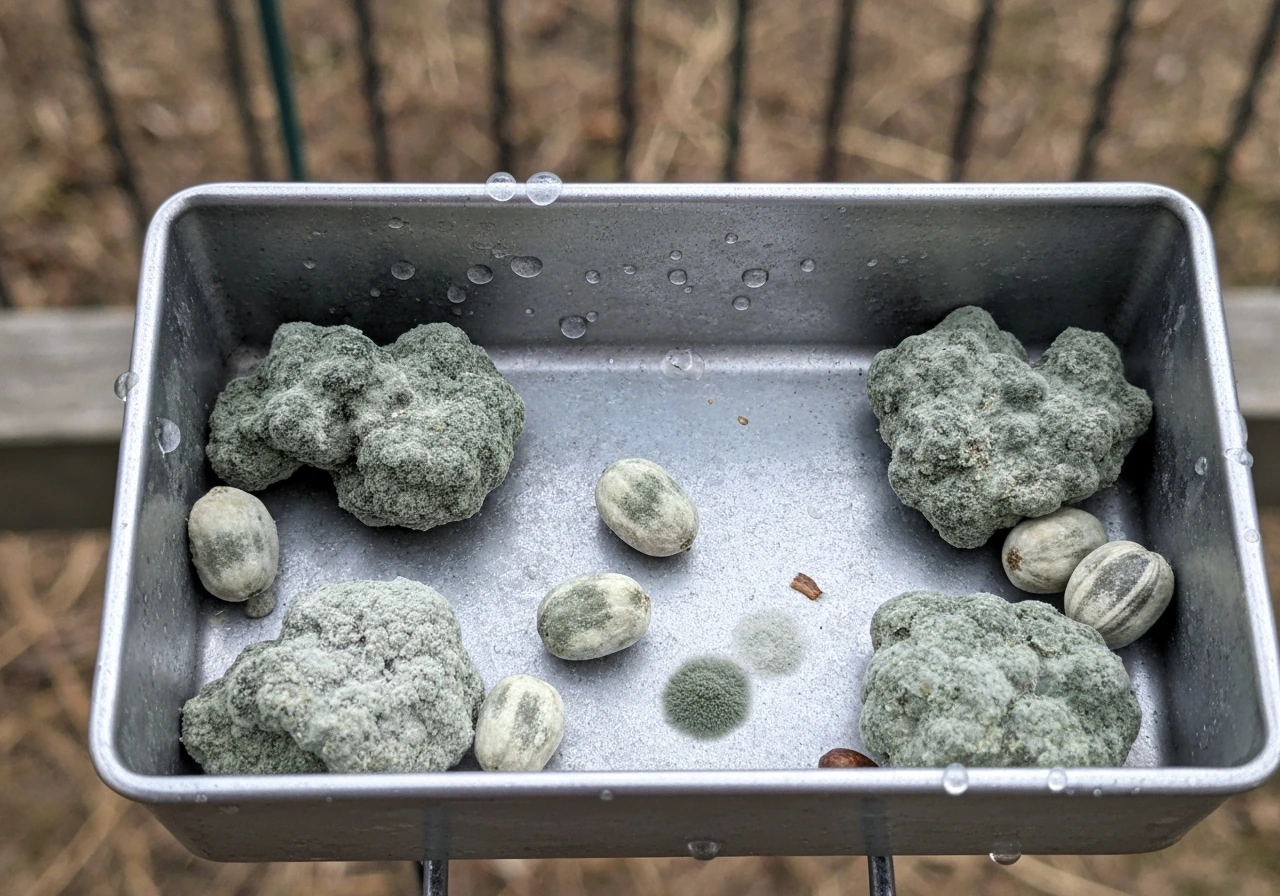
Spoilage is what happens when moist, organic material sits out long enough for bacteria, mold, and fungi to multiply. Wet seed is the classic example. Once seed gets damp, it can start molding within a day or two depending on temperature. All About Birds explicitly states that moldy or decomposing seeds can make birds sick, not just people. Peanuts and corn are especially problematic because they can harbor dangerous bacteria as they break down. Suet left in warm weather turns rancid. Fruit left on a tray ferments. If you are wondering, “is it safe to eat bird pecked fruit,” the same contamination versus spoilage distinction applies. The key variable is time plus moisture. The longer bird-touched food sits, especially in humid or warm conditions, the more the spoilage risk compounds whatever contamination risk was already present.
What to do right now: discard, rinse, or re-offer
Here is a practical decision framework you can apply immediately.
- Discard immediately if there are visible droppings on the food, if the food is wet or clumped, if there is any visible mold or discoloration, if you are unsure how long it has been sitting out, or if the food is anything moist (suet, fruit, bread, cooked rice, mealworms).
- Rinse only if the food is intact, firm produce (like a whole fruit or vegetable from the garden) that received minor beak contact with no droppings involved. Wash thoroughly under running water, remove the pecked area entirely, and do not rinse as a shortcut if droppings are visible.
- Re-offer in a clean feeder only if the food is dry seed or a dry food that shows no mold, no clumping, no droppings, and was only briefly and lightly contacted by a bird in good health. Even then, fill in small quantities so it gets consumed quickly.
- Wash your hands every time, regardless of which decision you make. Use soap and water after handling bird feeders, bird food, or anything a bird has been near.
When in doubt, throw it out. This is not overcaution. The CDC treats bird droppings found in a pool the same way it treats human fecal contamination. That framing tells you how seriously public health authorities take bird fecal material even in incidental, outdoor contexts.
Special cases: seed, suet, fruit, bread, rice, and common myths
| Food Type | Main Risk | Discard Threshold | Key Notes |
|---|---|---|---|
| Dry seed (sunflower, millet, safflower) | Salmonella via droppings/feet; mold if wet | Any moisture, clumping, or mold | Best feeder food overall; still needs regular rotation |
| Suet/animal fat | Rancidity; bacterial growth in heat | Any warmth above about 50°F for extended time; any softening or smell | Switch to no-melt suet in summer; never re-offer soft/used suet |
| Peanuts and corn | Bacteria, mold (aflatoxin risk) | Any moisture, cracking of shells, discoloration | High spoilage risk; keep dry and rotate frequently |
| Fresh or dried fruit | Fermentation; Salmonella from droppings | Any droppings contact; any fermented smell or visible mold | Remove uneaten fruit within a day in warm weather |
| Bread | Mold; no nutritional value; fermentation | Always discard leftovers; do not re-offer | Bread offers birds almost no nutrition and spoils fast; avoid offering it |
| Cooked rice or other cooked grains | Bacterial growth (cooked starches are high-risk) | Always discard after any bird contact or outdoor exposure | Cooked food does not belong in outdoor feeders |
| Mealworms (live or dried) | Bacterial growth if moist; spoilage | Discard any that are wet, dead, or have been sitting out more than a day | Dried mealworms are lower risk than live ones left in warm conditions |
Busting the bread and rice myths
Two foods that come up constantly in feeder discussions are bread and cooked rice. People often ask whether they are safe to offer birds, and a secondary question is whether food containing those ingredients that a bird has touched is safe for humans. If you have ever wondered about “good eats a bird in the pan,” the key takeaway is that bird contact can make food unsafe bird has touched. The short answer on both counts is no. Bread molds fast outdoors, offers almost nothing nutritionally for birds, and is a spoilage magnet in any damp weather. Cooked rice and cooked grains are even more problematic because cooked starches are a well-established high-risk food category for bacterial growth. Neither belongs in an outdoor feeder, and if a bird has contacted either one, discard the rest.
What about bird flu at the feeder?
There is a persistent belief that avian influenza is not a realistic risk from wild songbirds at backyard feeders, and for most healthy birds that is broadly true in normal conditions. However, the CDC does note that avian influenza A viruses can be present in the saliva, mucus, and feces of infected birds, and it advises against touching surfaces or materials contaminated with those fluids from suspected or confirmed infected birds. If you see sick or dead birds near your feeder, stop offering food temporarily, clean the feeder thoroughly, and avoid handling any of that material directly.
Feeder hygiene: cleaning, drying, rotation, and storage
Keeping feeders clean is what actually prevents the situation from arising in the first place. If you are already dealing with contaminated or spoiled food, cleaning the feeder before refilling is not optional. The Iowa DNR recommends cleaning bird feeders and waterers with a 10% bleach solution about once each month and making sure the feeder is dry before refilling with seed.
How often to clean
- Every two weeks as a baseline, according to Cornell Lab's All About Birds guidance.
- Once a week or more during heavy use, wet weather, warm temperatures, or any outbreak of sick birds in your area.
- Immediately if you find wet or moldy seed, visible droppings in the tray, or a dead bird near the feeder.
How to clean and disinfect
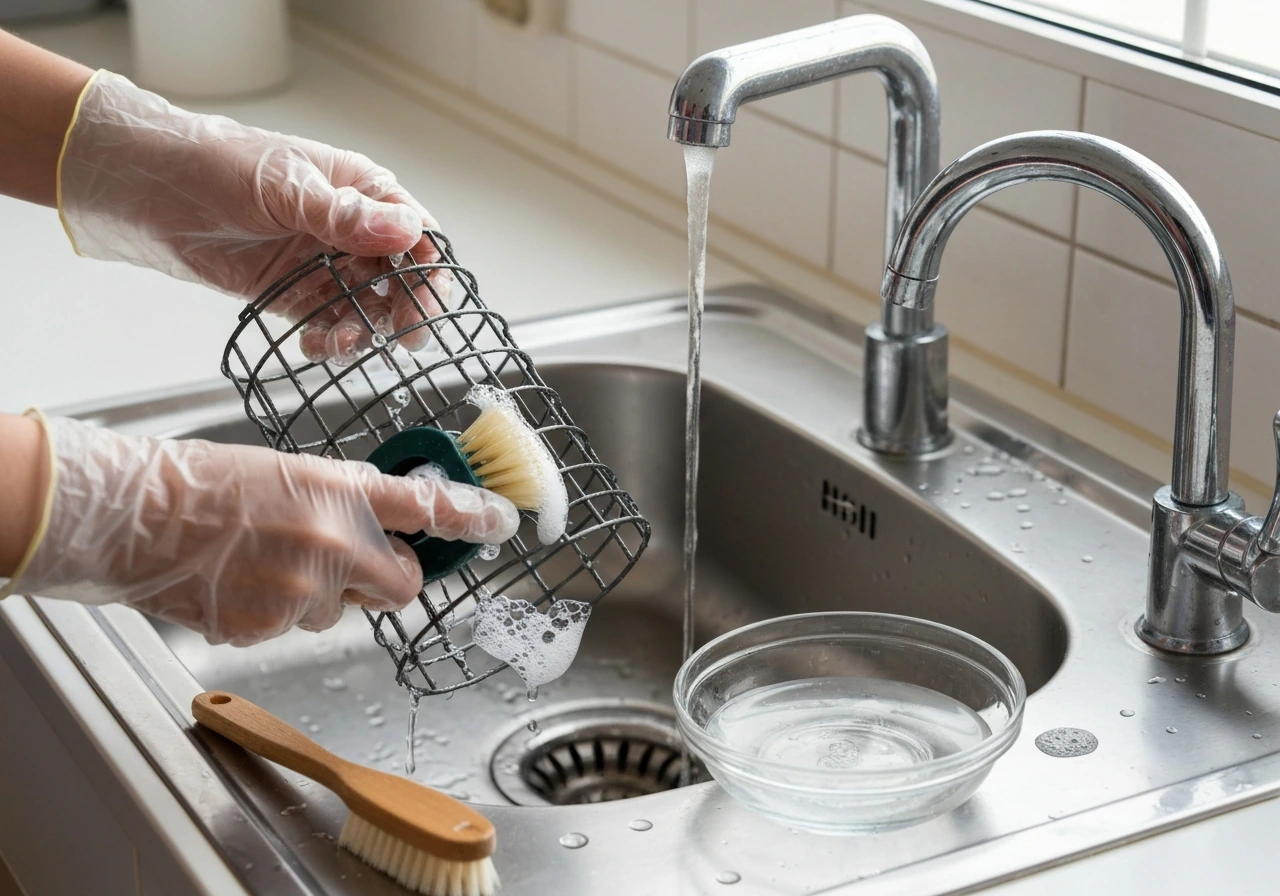
- Empty the feeder completely. Discard all remaining seed, especially if it is wet or has been sitting more than a few days.
- Scrub all surfaces with hot soapy water to remove debris, hulls, and droppings. A bottle brush or old toothbrush helps with tube feeders.
- Disinfect by soaking all feeder parts in a solution of 1 part bleach to 9 parts water for 15 minutes. Both UNH Extension and Audubon recommend this ratio and soak time.
- Rinse thoroughly with clean water until no bleach smell remains.
- Allow to dry completely before refilling. Moisture in the feeder is the single fastest way to restart the mold cycle.
Seed storage and rotation
Store seed in a sealed, airtight container away from moisture and direct sun. Metal or hard plastic containers with tight lids are better than open bags. Only fill feeders with as much seed as local birds will eat within a day or two, as UNH Extension advises. That single habit eliminates most spoilage problems at the source. If you find moldy seed in a storage container, discard all of it and clean the container with the same bleach solution used for the feeder before storing fresh seed.
Managing the ground under feeders
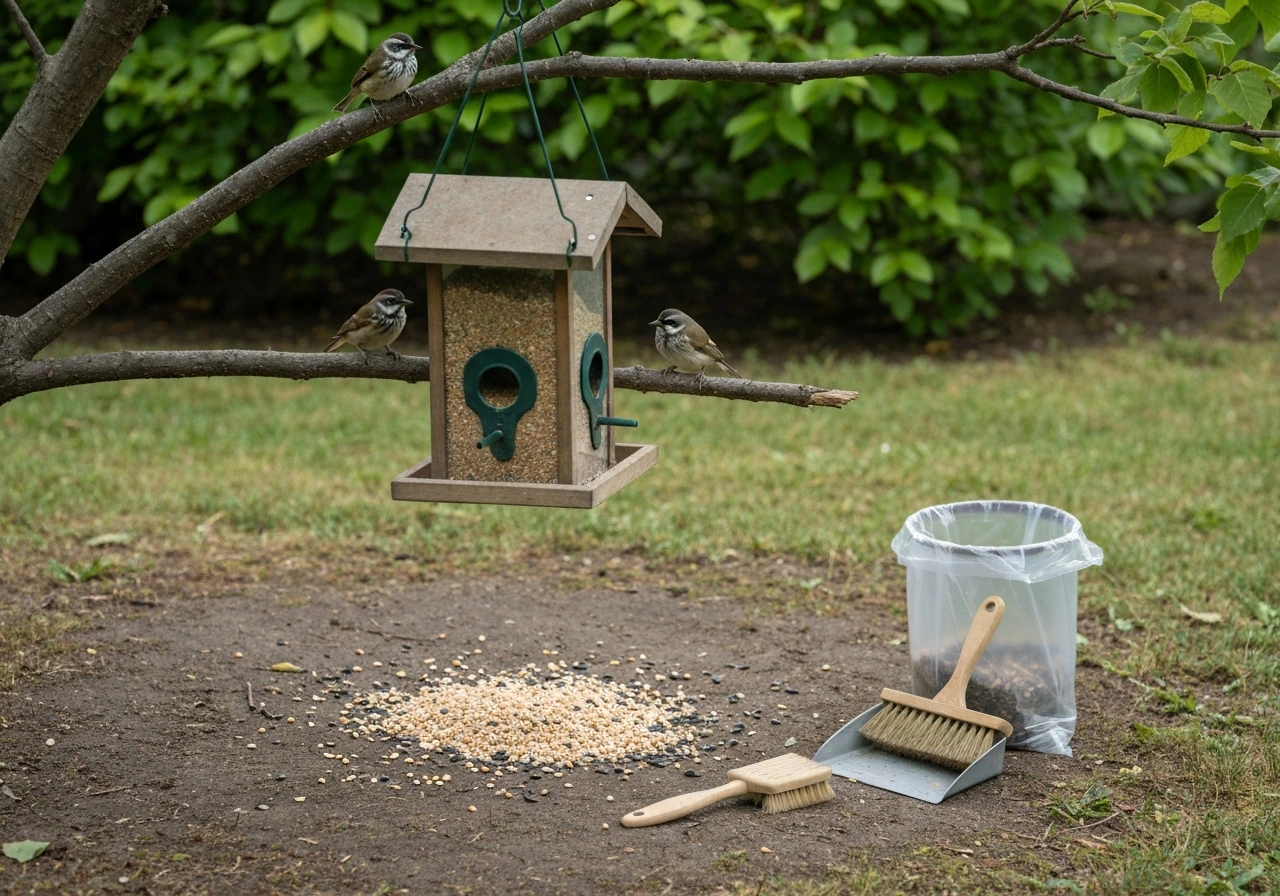
Spilled seed, shells, and droppings accumulate under feeders fast. The U.S. Fish and Wildlife Service recommends sweeping or raking this debris up regularly to prevent mold and bacteria from building up at ground level. If you are feeding ground-feeding birds intentionally, Penn State Extension advises removing droppings and old debris from the feeding area at least weekly. Wet, decomposing seed on the ground is a Salmonella reservoir that birds walk through and then carry back to the feeder.
Protecting pets, kids, and other wildlife
The contamination risks at bird feeders do not stop with humans. Dogs and cats that root around under feeders, children who play near bird feeding stations, and wildlife like squirrels and ground-feeding birds are all exposed to the same pathogens accumulating in spilled seed and droppings.
Pets
Dogs in particular tend to eat spilled seed and droppings under feeders, which is a direct Salmonella ingestion risk. If your dog is frequently around a feeding station, raking up spilled seed daily is worth the effort. Keep cats away from feeders not just for the birds' safety but because cats that handle dead or sick birds near feeders and then groom themselves face their own exposure risk. The CDC's general guidance on animals and hygiene applies here: wash your hands after handling pets that have been in contact with bird feeding areas, and watch for signs of illness in pets that spend time under feeders. Some viral claims about whether Nick Avocado ate a bird usually ignore the actual food-safety and hygiene guidance around bird droppings and contaminated surfaces.
Children
Kids are the highest-risk household group because hand-to-mouth behavior is common and hand-washing compliance is low. Treat bird feeders and the area around them the same way you would treat any animal enclosure: hands get washed before eating, and children should not handle feeder components, seed, or bird droppings without supervision and immediate follow-up hand-washing. For example, if you are asking whether did Nikocado Avocado eat his bird, the same kind of food safety and hygiene concerns apply when handling anything birds have touched bird feeders. The CDC explicitly recommends washing hands after touching bird food, feeders, and birdbaths.
Wildlife and other birds
Moldy or spoiled seed in feeders does not just sit there inertly. It actively sickens birds. All About Birds notes that moldy seeds accumulating on feeder trays can make birds ill. If you are putting out food that is not fresh, not dry, or not appropriate for wild birds (like bread or cooked foods), you are not helping the birds. That same idea applies to tomatoes, which are not a suitable or safe food for most birds to eat like bread or cooked foods. You are potentially spreading disease among them. Stick to fresh dry seed, quality suet in appropriate temperatures, and species-appropriate foods, and clean up anything that does not get eaten promptly.
Your quick-action checklist
- Discard any food a bird has directly fouled with droppings, no exceptions.
- Discard any wet, clumped, or moldy feeder food, including seed, suet, fruit, or mealworms.
- For firm, intact garden produce with minor beak contact and no droppings, wash thoroughly and cut away the pecked area.
- Never re-offer cooked food, bread, or anything that has been sitting out in warm or wet conditions.
- Wash your hands with soap and water after every interaction with feeders, bird food, or the ground beneath feeders.
- Clean your feeder with a 1: 9 bleach-to-water solution every one to two weeks, more often in wet or warm weather.
- Let the feeder dry completely before refilling.
- Only fill feeders with one to two days' worth of seed at a time.
- Rake up spilled seed and debris under feeders at least weekly.
- Keep pets and children away from feeder debris and wash hands after any contact.
FAQ
I rinsed the bird-touched food. Is that enough, or should I still discard it?
If you already touched the bird-touched food, the most important step is washing your hands thoroughly before you touch your mouth, face, or other kitchen items. For extra safety, avoid rinsing food that might be contaminated and then “reusing” it elsewhere, because hand contact often transfers germs to utensils, counters, and sink surfaces.
What if the bird only pecked it once and didn’t eat it fully?
If the bird picked at it briefly, your decision depends more on whether moisture and time let bacteria or mold grow than on the brief beak contact. For anything that sat out, especially wet fruit, wet seed, or anything in a feeder tray where droppings can collect, discard it rather than trying to salvage portions.
Does bird contamination spread to kitchen counters, utensils, or other non-feeder food?
Yes, you can accidentally transfer risk to other food. Treat feeder crumbs, spilled seed, and tray drips like contaminated material, wipe and disinfect nearby counters where you worked, and keep bird-touched items away from cutting boards and utensils used for human meals.
How should I clean a feeder after I throw out bird-touched food?
For a feeder, “clean” should mean removing both visible debris and the slimy residue that holds microbes. After discarding contaminated food, wash the feeder with hot soapy water, then use a disinfecting solution you prepared for that purpose, let it contact surfaces for the recommended dwell time, and rinse well before refilling.
Is “it smells fine” a reliable indicator that bird-touched food is safe?
If your bird-touched food is still dry and was only briefly exposed, the contamination risk is lower, but spoilage risk can still rise quickly outdoors. Use a strict rule: if it has been outdoors long enough to become damp, sticky, or smelly, discard it rather than relying on smell alone.
Can I cut off the pecked area and eat the rest of a tomato or bread?
Don’t offer humans any “salvaged” feeder leftovers, even if you remove the touched piece, because pathogens and mold spores can be present on surrounding surfaces. For birds, also avoid re-serving old seed that has been partially eaten and sat.
What about cooked leftovers or casseroles that a bird touched outdoors?
Cooked food is generally a higher spoilage and growth-risk category when it sits out, so even if the bird only touched it, the safe move is disposal. If something cooked has been left out long enough to cool and sit in warmth or humidity, assume it is not safe for humans.
Is it safe to use seed again if a bird may have touched it in storage?
Airtight storage helps only for materials that are fully dry and uncontaminated when sealed. If you suspect bird contact or droppings, discard that stored seed or thoroughly clean the container and replace with fresh seed, because contaminated residue inside the container can recontaminate future refills.
Should I top off the feeder when some seed looks contaminated or wet?
If a bird is behaving normally but you notice droppings or repeated pecking at a station, refresh the food supply by removing everything in the tray, cleaning, and refilling with dry, fresh seed rather than topping off. Topping off mixes clean seed with potentially contaminated, damp material.
What should I do if I notice sick or dead birds around my feeder?
If you see sick or dead birds near the feeder, pause feeding, then clean and disinfect the feeder and area before restarting. Also avoid handling carcasses or fluids with bare hands, and keep children and pets away from the feeding zone until it’s cleaned.
Next Article
Did Nikocado Avocado Eat His Bird? Truth Check Steps
Steps to verify the rumor did Nikocado Avocado eat his bird and guidance on bird welfare, diet, and reporting.