Yes, a cat can get sick from eating a bird, though how sick depends on what the bird was carrying. To learn more about what happens when a cat gets access to a bird, see our full guide on whether do cats eat bird. The realistic risks include bacterial infections like Salmonella and Campylobacter, parasites like Toxoplasma gondii, external parasites like mites from feathers, and in areas with active outbreaks, avian influenza A(H5N1). Most cats that eat a backyard bird will be fine, but some will develop GI symptoms within 12 to 72 hours, and a small number can get seriously ill depending on the pathogen involved. Knowing what to watch for and when to call the vet makes a real difference in catching problems early.
Can a Cat Get Sick From Eating a Bird? What to Do Now

Maya Bennett
7 May 2026
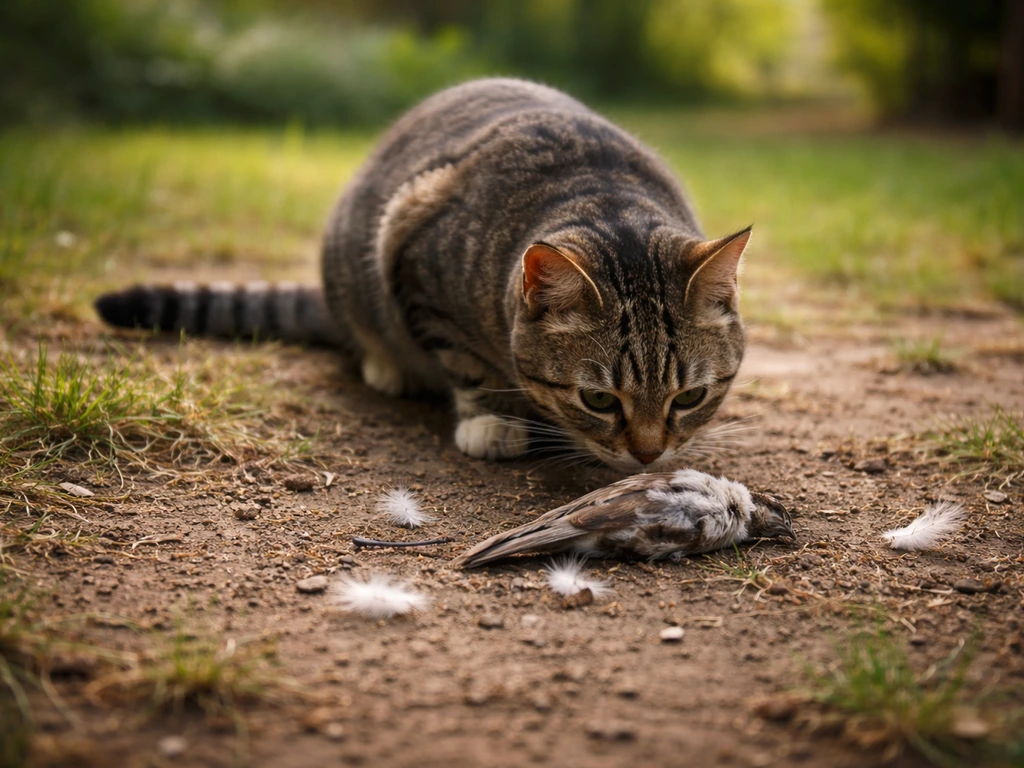
How cats actually get sick: the real pathways
There are four main ways a cat gets sick after a bird encounter, and it helps to know which ones are most likely in your specific situation.
Bacteria from raw bird tissue
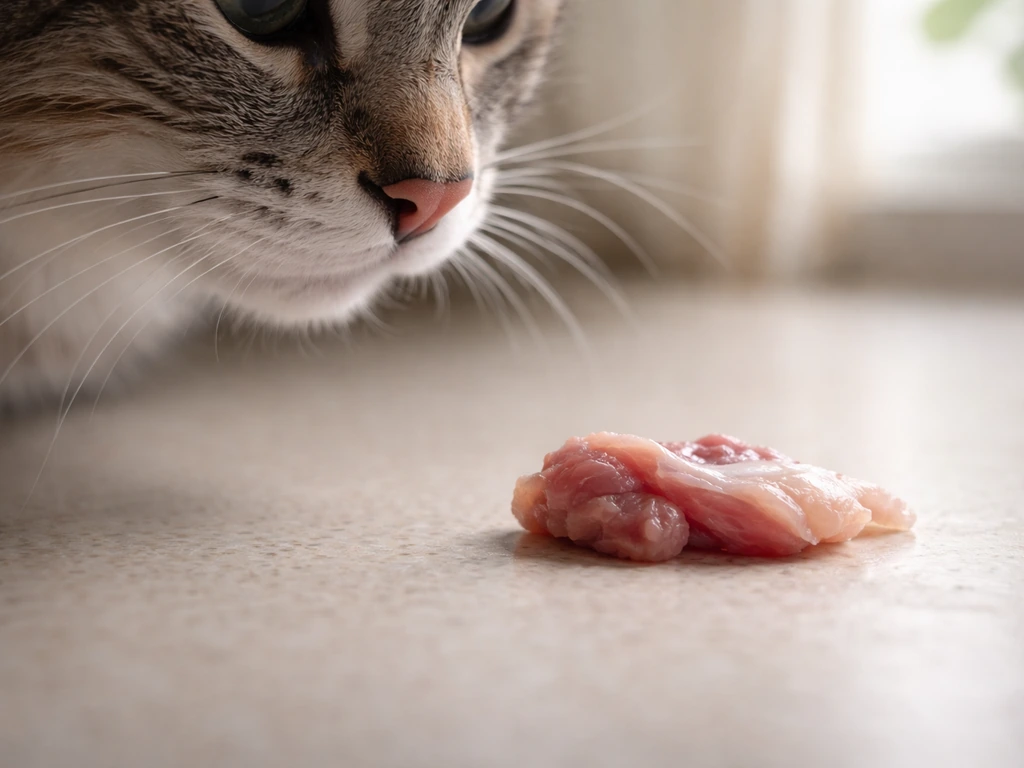
Wild birds frequently carry Salmonella, Campylobacter, and other bacteria in their gut and on their feathers. When a cat eats raw bird tissue, those bacteria can cause gastrointestinal illness. Campylobacter-associated disease in cats can mean diarrhea (sometimes bloody), reduced appetite, abdominal pain, and occasional vomiting lasting several days. Salmonella follows a similar pattern. These are the most common real-world outcomes, especially if your cat ate a bird that was already dead or visibly unwell.
Parasites, especially Toxoplasma
Birds are intermediate hosts for Toxoplasma gondii, and cats acquire the infection by eating infected bird tissue. This is one of the most well-documented risks. The tricky part is that many cats infected with Toxoplasma show no clinical signs at all, yet they still shed oocysts in their feces, creating a risk to other animals and people in the household. When symptoms do appear in cats, they tend to be nonspecific: lethargy, fever, and sometimes respiratory or neurological signs. Bird-borne coccidia from the genus Eimeria can also be ingested, though these tend to be more host-specific.
Avian influenza (H5N1)
This one gets serious attention right now because H5N1 is actively circulating in wild bird populations. Cats have become infected after eating infected birds or wild animals, and some of those cases have been severe or fatal. The CDC has confirmed that cats can develop neurological signs including paralysis and seizures, in addition to respiratory illness. If you live near water where waterfowl congregate, or if your cat ate a bird that appeared sick or was found dead, H5N1 exposure is worth taking seriously rather than dismissing.
Bite wounds and secondary infection
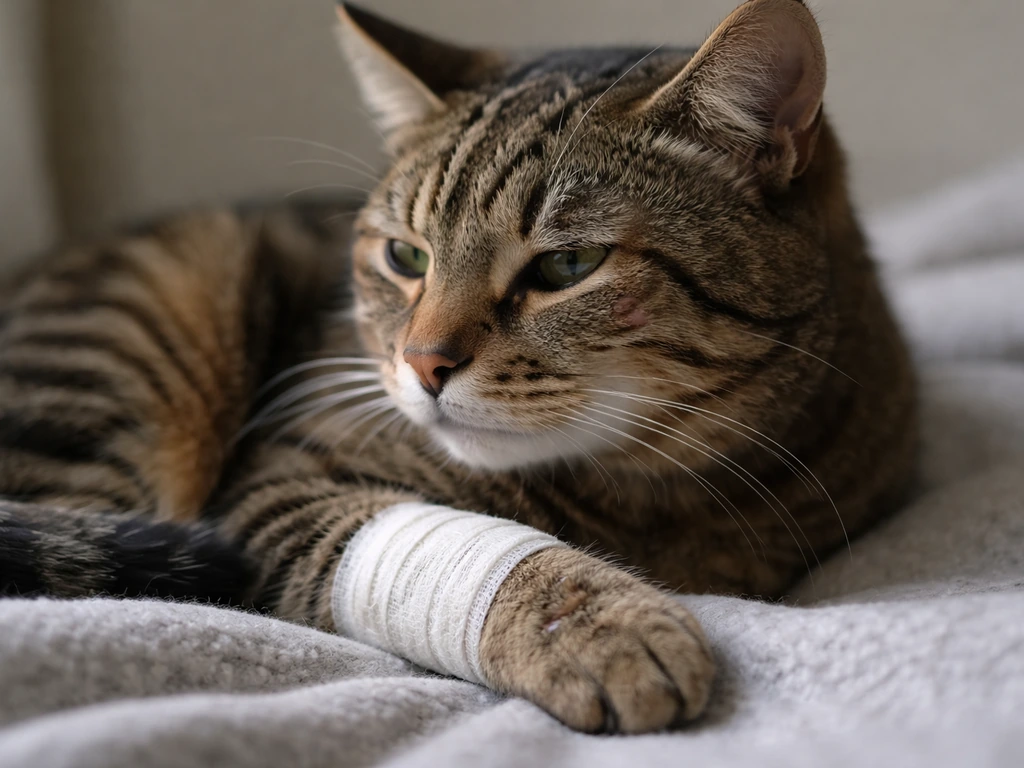
This one often gets overlooked. When a cat catches and kills a bird, the cat is doing the biting, but bird beaks and claws can also scratch or puncture the cat. Bite and puncture wounds in cats are prone to infection because the wounds close quickly on the surface while bacteria get trapped underneath. If your cat has any visible scratches or puncture marks after the encounter, those need monitoring even if the cat seems otherwise fine.
Feathers and contact risks vs. eating the whole bird
Here's a useful distinction that comes up a lot: does touching or playing with feathers carry the same risk as actually eating the bird? Not quite, but feather contact is not zero-risk either. Feathers can carry bacteria, dried droppings, and mites. Cheyletiella mites (the ones that cause 'walking dandruff' in cats) can spread via contact with infested animals or contaminated material. Avian mites from birds can also transfer to cats and cause skin irritation and pruritus. PetMD explains that cheyletiellosis, often called “walking dandruff,” is a contagious mite-related skin condition in cats avian mites (walking dandruff). On top of that, the CDC specifically flags feathers, droppings, and bird-related dust as potential vectors for avian pathogens, which is why their guidance for households with backyard flocks involves careful handling and cleanup of feathers, not just the birds themselves.
So the honest answer is: feather contact alone is unlikely to cause serious illness, but it is not completely risk-free. If your cat played with feathers for a few minutes and then moved on, that is far lower risk than a cat that spent time eating or chewing on a whole bird carcass. The topic of whether cats eat feathers at all, and what risks that introduces, is worth understanding separately since swallowed feathers can also cause physical GI issues beyond just pathogen exposure.
Symptoms to watch for and how fast they show up
Timing matters. Different pathogens have different incubation windows, so knowing when to expect symptoms helps you avoid either panicking too early or waiting too long.
| Risk / Pathogen | Typical Symptoms in Cats | When Symptoms May Appear |
|---|---|---|
| Salmonella / Campylobacter | Vomiting, diarrhea (possibly bloody), lethargy, reduced appetite, abdominal pain | 12 to 72 hours after exposure |
| Toxoplasma gondii | Often none; sometimes fever, lethargy, respiratory or neurological signs | Days to weeks; often subclinical |
| Avian influenza H5N1 | Respiratory distress, fever, neurological signs (paralysis, seizures), severe lethargy | 2 to 5 days after exposure |
| Mite infestation (Cheyletiella, avian mites) | Scratching, skin irritation, visible flaking or dandruff, dermatitis | Days to a few weeks |
| Wound infection (from bite/scratch) | Swelling, heat, discharge at wound site, fever, lethargy | 24 to 72 hours after injury |
Watch your cat closely for the first three days after any bird exposure. GI symptoms are the most common outcome and they usually appear within that window. Neurological symptoms or any signs of respiratory distress should be treated as urgent, not a 'wait and see' situation.
What to do right now: first steps at home
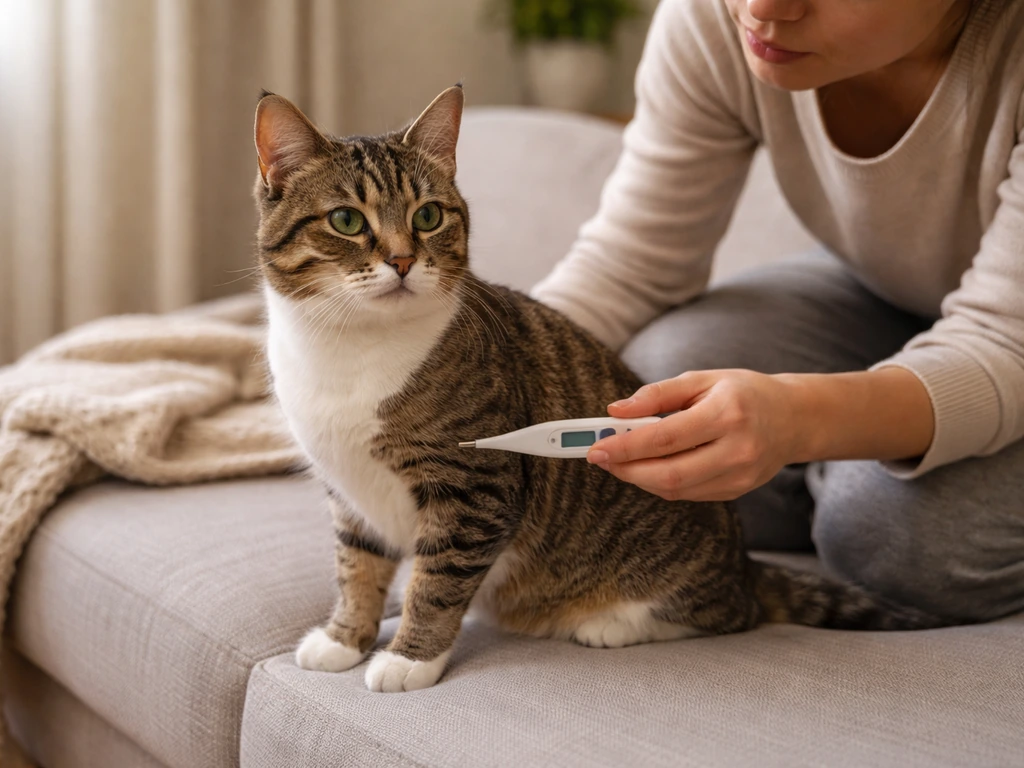
If your cat just killed or ate a bird, here is the practical order of operations. If you are also wondering will my cat eat my bird, the same bird-handling and cleanup steps can reduce how much exposure your cat gets.
- Remove your cat from the area calmly. Do not let them continue eating the carcass or playing with remaining feathers.
- Do not induce vomiting. Unless a vet specifically tells you to, inducing vomiting in cats after ingesting biological material is not recommended and can cause additional harm.
- Pick up the bird carcass using disposable gloves or a plastic bag turned inside out. Seal it and dispose of it in an outdoor bin. Do not leave it where your cat (or other animals) can return to it.
- Collect any scattered feathers the same way. Do not shake them or sweep them dry indoors, as this can disperse pathogens into the air.
- Clean the area where the bird was found. Use soap and water first to remove visible debris, then disinfect with an EPA-registered disinfectant effective against influenza A viruses. This applies especially to surfaces your cat walked on afterward.
- Wash your own hands thoroughly with soap and water after handling anything from the scene.
- Check your cat carefully for any visible wounds, scratches, or puncture marks. Part the fur gently around the face, neck, and paws.
- Start monitoring your cat's behavior, appetite, litter box output, and energy level. Note the time of exposure so you have a clear timeline if you need to call the vet.
If your cat ate only part of the bird and you are not sure how much, treat it the same as if they ate the whole thing. But if your cat ate a whole bird, the same bacteria and parasites can be involved, so the exposure risk is still meaningful ate only part of the bird. Partial ingestion is enough for bacterial or parasitic exposure.
When to call the vet: the red flags that cannot wait
Some symptoms mean call now, not tomorrow morning. Cornell's veterinary guidance is clear: do not wait once you suspect a meaningful exposure and symptoms are present. If you are wondering do cats eat bird eggs, the same overall exposure concerns apply when a cat gets to eggs or contaminated nest material. Here are the specific thresholds to use.
Call or go to an emergency clinic immediately if you see
- Any neurological signs: stumbling, seizures, muscle tremors, paralysis, or sudden behavior changes
- Labored or rapid breathing, open-mouth breathing, or any respiratory distress
- Complete refusal to eat or drink for more than 24 hours
- Severe or bloody diarrhea that is not improving
- High fever (your cat feels hot to the touch, especially on the ears and paws, or is shivering and lethargic)
- Any wound that is swelling, warm, discharging, or showing signs of abscess formation
- Collapse or extreme weakness
Call the vet within 24 hours if you notice
- Mild to moderate vomiting or diarrhea that started after the bird exposure
- Reduced appetite or unusual lethargy that lasts more than a few hours
- Persistent scratching, skin flaking, or new skin irritation (possible mite exposure)
- The bird your cat ate was visibly sick, already dead, or found near a water source where waterfowl gather
- You are in an area with a known H5N1 outbreak in wild birds
When you call, tell the vet exactly what happened: what your cat ate, how much, whether the bird appeared sick or was already dead, and what symptoms you have noticed and when they started. This helps them triage correctly. If your vet is not available, use an emergency animal clinic or contact the ASPCA Animal Poison Control Center (888-426-4435) as a bridge resource.
Reducing bird and cat encounters in your yard
If you run a backyard feeder, you are already managing the intersection of birds and cats, whether you think about it that way or not. Feeders concentrate birds in predictable spots, which makes them attractive hunting grounds for cats. There are practical steps to reduce both the hunting risk to birds and the exposure risk to your cat.
Feeder placement and yard setup
- Mount feeders at least 5 to 6 feet off the ground on a pole with a baffle, away from fences, trees, or structures cats can launch from
- Keep ground-feeding areas clear or avoid them entirely if you have outdoor cats, since ground feeders are the easiest hunting target
- Tufts Wildlife Clinic notes that birds feed where they feel safe from predators, so feeder placement that reduces cat access also gets better bird use
- Clear leaf piles and dense low shrubs near feeders where cats can hide and ambush
Managing your cat's outdoor time
- Keep cats indoors during peak bird feeding times, typically early morning and late afternoon
- If your cat goes outdoors, supervised time or a catio enclosure eliminates hunting risk entirely
- A breakaway collar with a bell significantly reduces hunting success in cats that go outside
- If you know a neighbor's cat is hunting at your feeders, talk with them or use motion-activated deterrents
Feeder hygiene as a disease-reduction tool
A dirty feeder does not just affect birds. Droppings, spoiled seed, and dead birds found near feeders are all potential contamination sources for curious cats. The Ornithological Council recommends removing heavy debris and droppings first, then disinfecting feeders with a dilute bleach solution (roughly 1 part bleach to 9 parts water), rinsing thoroughly, and allowing to dry completely before refilling. Do this at least once a month, more often during wet weather or when you notice sick birds visiting. Store seed in sealed containers off the ground to prevent mold and rodent contamination, since moldy seed and rodent-frequented areas introduce their own pathogen risks to any cat that investigates.
If you find a dead bird near your feeder, treat it the same way as a carcass your cat killed: gloves, sealed bag, outdoor bin. Do not let your cat near it before you remove it, and clean the area afterward. During periods of known H5N1 activity in your region, the CDC recommends temporarily taking down feeders entirely if sick or dead birds are being found nearby, to reduce bird congregation and transmission risk. This protects both the wild birds and any pets in your yard.
FAQ
What if I only saw my cat nibble or lick the bird, not swallow it?
Yes. If your cat ate part of a bird or licked blood or fluids from a carcass, bacteria and parasites still have a route into the body. If you are unsure how much was eaten, treat it as a meaningful exposure and monitor for symptoms in the first 12 to 72 hours.
How risky is it if my cat only played with or sniffed the bird, but I do not think it ate it?
Chewing on the bird (or swallowing pieces) raises risk much more than brief sniffing or a quick feather touch. Still, if your cat spent time with the carcass, dragged it around, or had droppings or contaminated dust on its mouth, you should monitor the same way as for ingestion.
Can I make my cat vomit or give something at home if it ate a bird?
You should avoid trying to make your cat vomit or give human medications unless your vet instructs you. Many GI irritants and antibiotics used in people can be harmful to cats. If you are calling the vet, share the bird exposure details and any symptoms rather than treating at home.
My cat has scratches or a small bite mark after catching a bird, what should I do?
If there is a puncture wound, deep scratch, or any bleeding, contact a vet promptly. Even if the cat seems calm, punctures can become infected under the skin quickly. Rinsing with saline can help with surface contamination, but it does not replace medical evaluation.
What specific symptoms mean I should call the vet right away after a bird encounter?
Call the vet immediately if you see trouble breathing, repeated seizures, obvious weakness or trouble walking, or persistent vomiting that prevents keeping water down. For GI signs, call the same day if diarrhea is bloody, the cat is lethargic, or symptoms last beyond about 24 hours.
If my cat seems totally fine, can it still have an infection like toxoplasmosis?
Yes, but you should not rely on it. Many cats with Toxoplasma infection have no clear illness, yet they can still shed oocysts later. If your cat seems unwell, testing may help, but even if it looks fine, you should still follow vet advice and hygiene steps.
How long should I monitor my cat after it ate a bird, and when does the danger window pass?
For most bird-related bacteria and parasites, watching for symptoms during the first 3 days is most important. If your cat had neurological or respiratory signs, do not wait out a schedule, contact a vet immediately. For longer-lasting lethargy, appetite loss, or diarrhea, follow up even if it started later than expected.
If there is H5N1 in my region, does that change what I should do after my cat eats a bird?
If H5N1 is a concern in your area (bird die-offs, sick birds, or known local activity), treat an exposure as urgent if your cat develops respiratory signs or neurologic changes. Keep the cat indoors, avoid handling contaminated feathers or carcasses bare-handed, and get vet guidance quickly so they can decide whether testing or isolation is appropriate.
What cleanup steps actually reduce the chance of spreading germs to me or other pets?
You can reduce risk by preventing access to feeders and carcasses while cleaning up, wearing gloves when handling droppings or feathers, and washing hands thoroughly afterward. Use separate tools or disinfect the surfaces you touch, since contaminated dust and dried droppings can spread.
Does this risk apply to indoor cats too, or only cats that actively eat birds outside?
Indoor cats are not risk-free if they hunt or if they bring in contaminated feathers or dust. If your cat contacts bird droppings near windowsills, garages, or patios, monitor for GI upset and avoid letting it lick feathers or dust off its fur.
Next Articles
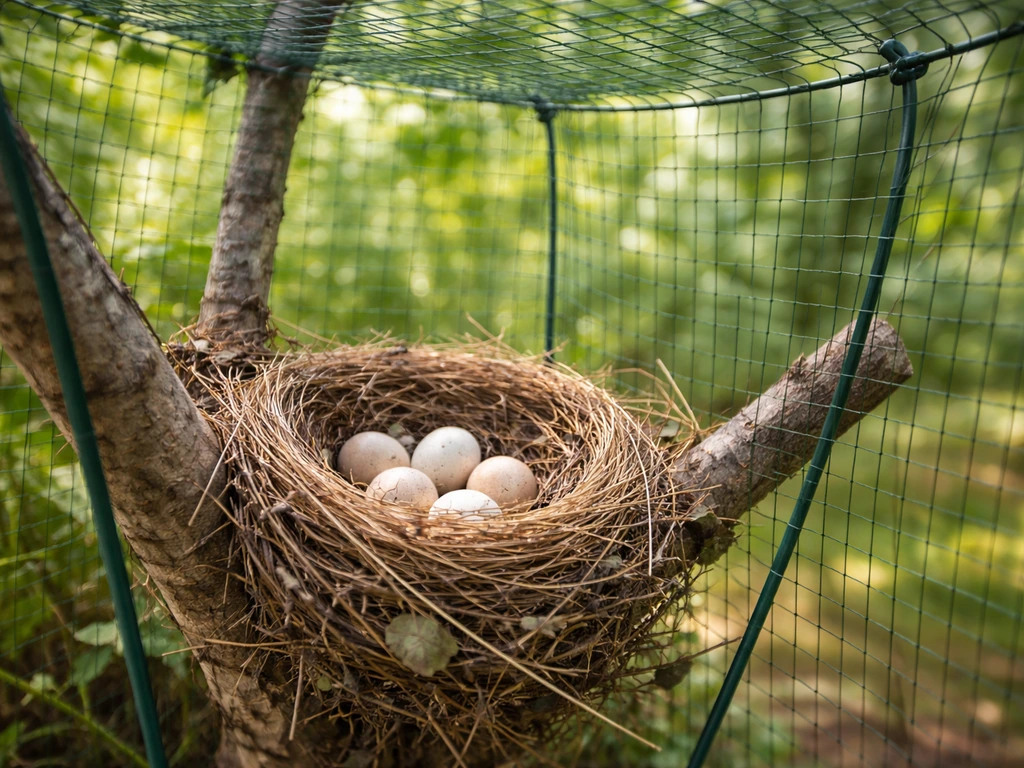
Do Cats Eat Bird Eggs? What to Know and How to Prevent
Do cats eat bird eggs? Learn when it happens and how to protect nests and feeders with practical cat-proof steps.
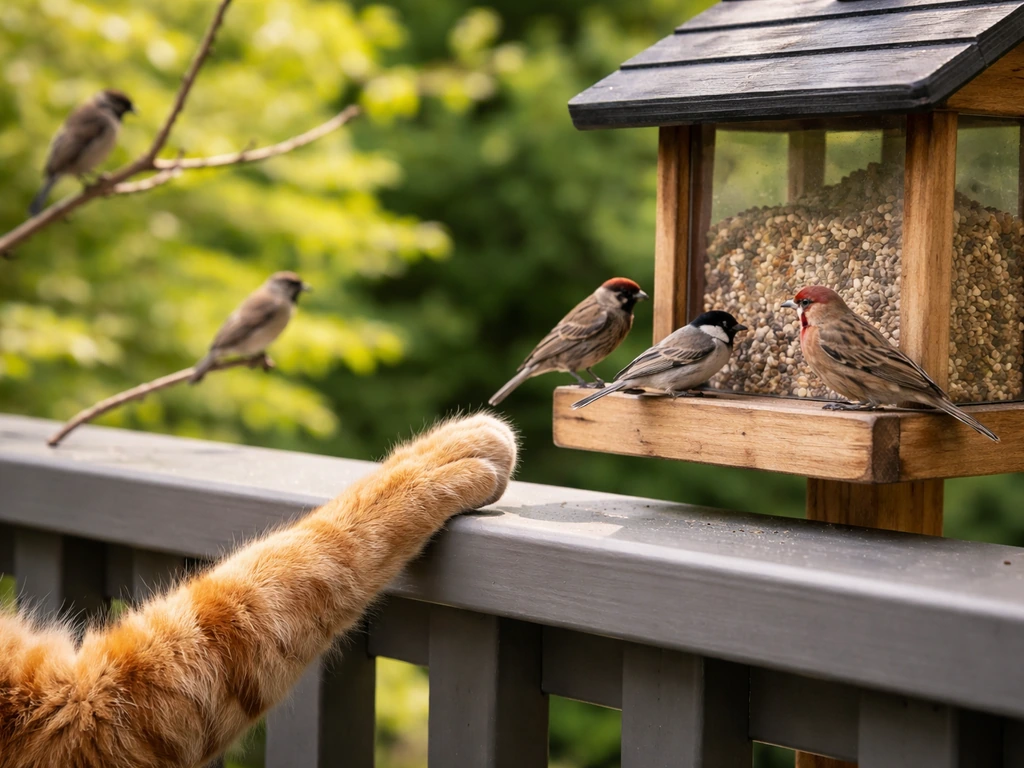
Do Cats Eat Birds? Can Cats Eat Bird Seed or Food?
Will cats eat birds or bird seed? Learn risks, myths, and safe steps to protect wildlife and pets.
What Bird of Prey Eats Pigeons: Common Raptors & ID Tips
Which raptors eat pigeons: peregrine, Cooper’s, goshawk, merlin, red-tailed, kestrels, owls; ID tips, risks and how to保护