You can eat the ripe flesh of bird cherry fruit without it being outright poisonous, but honestly, most people who try it immediately regret it. The fruit is intensely bitter and astringent, and every authoritative source from Oregon State University to the Wildlife Trusts describes it as fit for birds, not people. The bigger safety concern is the pit and seed kernel inside, the leaves, and the bark, all of which contain cyanogenic glycosides that can release hydrogen cyanide when the tissue is crushed or damaged. So the short practical answer is: the flesh won't kill you, but it's not worth eating, and the pit you absolutely must not chew or crack open.
Can You Eat Bird Cherry Safely? Risks and Preparation

Maya Bennett
6 Jun 2026
What 'bird cherry' actually means (fruit, tree, and other parts)
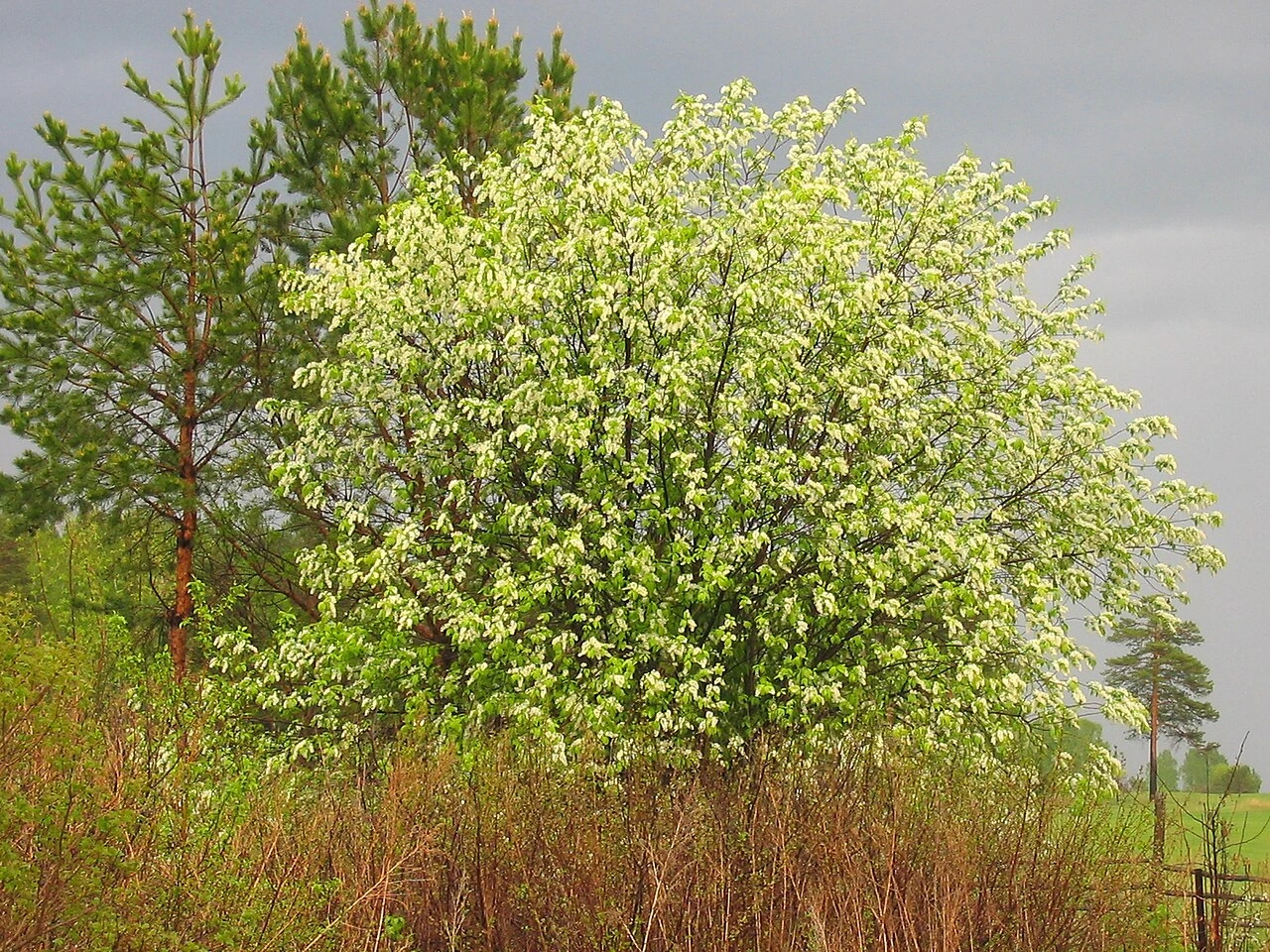
When most people search 'bird cherry,' they're usually talking about Prunus padus, a native European tree also called hackberry or Mayday tree. It produces clusters of small, glossy black drupes roughly 6 to 8 mm across, each containing a single oval stone (the pit). The fruit hangs in racemes along the branches and ripens to a deep black by late summer. In North America the term sometimes gets applied to black cherry (Prunus serotina), which is a close relative with very similar fruit appearance and an almost identical safety profile. A black cherry identification handout also describes black cherry fruit as “very small, nearly black, one-seeded, and fleshy” and notes bark lenticels as a useful lookalike feature versus bird cherry.
The tree also has leaves, bark, and flowers, all of which someone might encounter when foraging or handling a branch. It matters which part you're talking about because the risk profile is different for each one. When most readers ask 'can you eat bird cherry,' they mean the ripe fruit. If you mean the common Prunus padus bird cherry fruit, the practical answer is that it is not a pleasant or really edible option for humans. But questions about leaves, bark, or seeds deserve separate answers because those parts carry a meaningfully higher cyanide risk.
Is the fruit actually edible for humans?
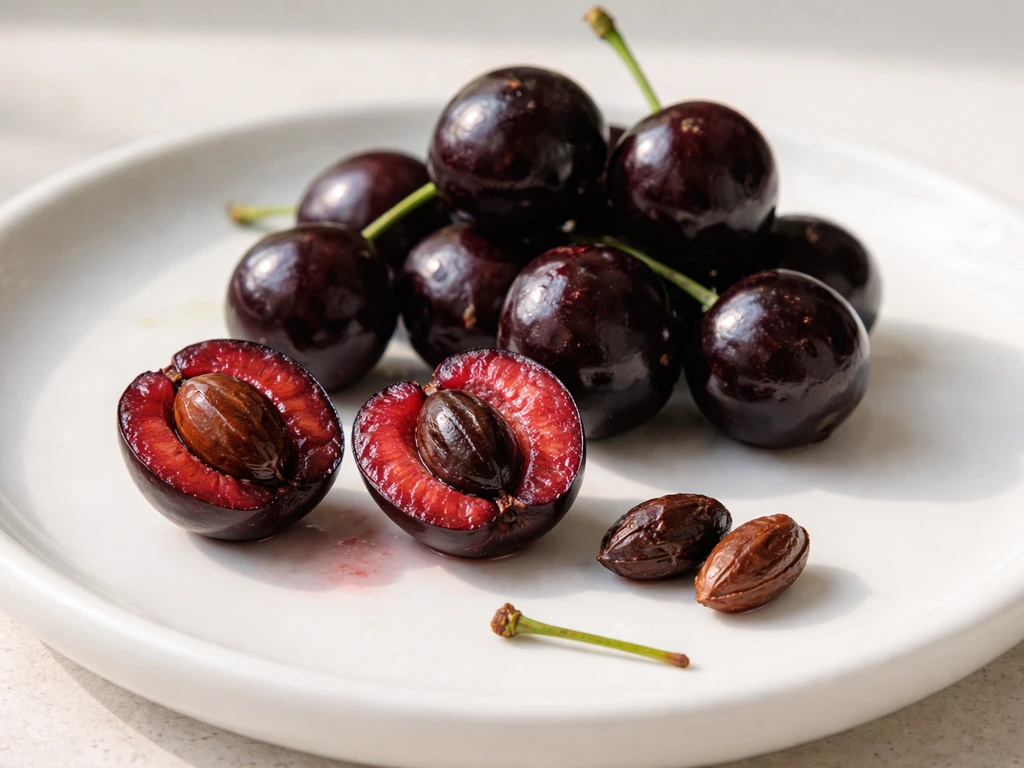
Technically, the flesh of ripe bird cherry fruit is not acutely toxic. But 'not toxic' and 'edible' aren't the same thing here. OSU describes it as 'too bitter for humans,' Purdue's Arboretum Explorer calls it 'too astringent for humans,' and the Wildlife Trusts simply says 'black and bitter.' Anyone who has bitten into one will confirm this: the flesh is mouth-puckeringly astringent in a way that makes it nearly impossible to enjoy. It's not a case of 'eat a lot and you'll get sick'; it's more that your body immediately rejects the flavor before you'd consume enough to cause a problem from the flesh alone.
That said, if you do eat a small amount of the ripe flesh and spit out the pit, you are very unlikely to come to harm. There is no good reason to assume bird saliva makes bird cherry safer for people, and you should avoid ingesting any part of the plant bird saliva edible. The cyanogenic glycosides in the flesh itself are present at low concentrations compared to what's in the seed kernel. The real danger, covered in detail below, kicks in when the pit is chewed, cracked, or processed.
Before you eat anything you've foraged, confirm the ID. Ripe Prunus padus fruit is small (6 to 8 mm), glossy black, and grows in elongated clusters called racemes. The bark has distinctive horizontal lenticels (small raised pores you can see as pale lines across the bark). If the fruit is in a loose cluster rather than a raceme, or is larger than about 8 mm, double-check your identification before proceeding.
The real risk: cyanide in the pits, seeds, leaves, and bark
Prunus padus contains cyanogenic glycosides, primarily prunasin and related compounds. These are stored in plant tissue in a stable form, but when the tissue is damaged (think: crushing, chewing, or enzymatic breakdown during digestion), beta-glucosidase enzymes come into contact with the glycosides and trigger a reaction that releases hydrogen cyanide. This mechanism is well established in peer-reviewed literature on plant toxins. The key point is that the danger isn't passive: you have to physically damage the tissue for the cyanide to be released in significant amounts.
The seed kernel inside the pit is the highest-risk part. Chewing or cracking open the pit and eating the kernel is where real cyanide exposure happens. The FDA has issued explicit warnings about amygdalin-containing kernels from stone fruits, noting that acute cyanide toxicity can be fatal and causes symptoms including difficulty breathing, cyanosis (bluish skin), weakness, and lightheadedness. Poison Control centers regularly field calls about cherry pit ingestions, and their standard guidance is to contact poison services immediately if someone chews or swallows multiple pits.
Leaves and bark carry a similar enzymatic risk. West Glamorgan Flora specifically notes that crushing bird cherry leaves releases hydrogen cyanide via hydrolysis of the cyanogenic glycosides. This means making a tea, infusion, or any preparation from the leaves or bark is genuinely dangerous and should not be attempted. The Alaska DNR has documented that Prunus padus can cause cyanide poisoning in moose in rare circumstances, which shows this isn't just theoretical. Don't use leaves or bark as food, flavoring, or herbal ingredients under any circumstances.
| Plant Part | Cyanide Risk Level | Safe to Eat or Use? |
|---|---|---|
| Ripe fruit flesh | Low (very bitter, astringent) | Technically not toxic in small amounts, but practically not worth eating |
| Pit (whole, unbroken) | Low if swallowed intact | Avoid eating; if accidentally swallowed whole without chewing, risk is low but contact Poison Control |
| Pit kernel (cracked/chewed) | High | Never eat; can release hydrogen cyanide |
| Leaves | High when crushed | Never use in food, tea, or infusions |
| Bark | High when processed | Never use in food, tea, or infusions |
| Flowers | Low to moderate | Not recommended; avoid to be safe |
Preparation rules that reduce risk
- Eat only the fleshy outer part of ripe fruit, if you choose to eat any at all.
- Never bite into, crack, or chew the pit. Spit it out whole.
- Do not crush, blend, or process the fruit in ways that would break open pits (for example, running whole fruit through a blender or grinding them for jam without first removing the stones).
- Never make teas, decoctions, or infusions from the leaves or bark.
- Wash any fruit thoroughly before handling, particularly if it has come from trees near roads or treated areas.
Can birds eat bird cherry safely?
Yes, and this is where the name actually comes from. Birds like blackbirds, song thrushes, and other small passerines actively seek out bird cherry fruit and have been doing so long enough that the tree evolved to rely on them for seed dispersal. The Woodland Trust, Wildlife Trusts, and BBC Gardeners' World all describe Prunus padus primarily as a wildlife tree valued for providing birds with food. Birds swallow the whole fruit and pass the pit intact through their digestive system, which is exactly the right way to handle it from a cyanide perspective: they don't chew the pit open, so the enzymatic reaction that releases HCN doesn't get triggered in a meaningful way.
If you have a bird cherry tree in your garden, you don't need to do anything special. Let the fruit ripen and fall naturally, and birds will find it. You don't need to offer bird cherry at a feeder, and I'd actually advise against it. Feeder fruit can spoil quickly, and moldy or fermented fruit can make birds sick. Project FeederWatch specifically warns that leftover food that becomes moldy is a hazard for visiting birds. A living tree is a far better and safer way to offer bird cherry to wildlife than cutting fruit and putting it in a dish.
If you do want to put fresh, ripe bird cherry fruit out for birds, use a flat tray feeder, offer only what they'll eat in a day or two, and remove anything that's going soft or showing mold. Never offer anything that's been frozen and thawed multiple times, and don't offer fruit that's fallen and been sitting on wet ground for days.
When you should definitely avoid it or call for help
There are specific situations where the default 'low risk if you avoid the pit' framing goes out the window and you need to act more carefully or seek help immediately.
- A child has chewed or swallowed a pit or multiple pits: call Poison Control (1-800-222-1222 in the US) or use webPOISONCONTROL.org right away, even if symptoms haven't started.
- A pet (especially a dog or cat) has eaten fruit including pits, or has chewed on leaves or bark: contact your vet or the ASPCA Animal Poison Control Center (888-426-4435) immediately. Dogs are curious chewers and are at real risk from crushed pits.
- You're not confident in your plant ID: Prunus serotina (black cherry) looks very similar and has the same cyanide risk profile. If you can't confidently confirm lenticels on the bark, the raceme flower/fruit cluster pattern, and the small dark fruit size, don't eat anything.
- The fruit looks moldy, fermented, or has been sitting in standing water: contaminated fruit poses bacterial and mycotoxin risks independent of the cyanide question. Discard it.
- You have a known allergy to stone fruits (peaches, plums, cherries): bird cherry is in the same Prunus family and cross-reactivity is possible.
- Someone has made a tea or decoction from the leaves or bark and consumed it: this is a medical emergency. Call emergency services and Poison Control simultaneously.
It's also worth noting that questions about whether bird cherry berries and related plants are poisonous generally, or whether other bird-associated plants like bird vetch are safe, come up frequently. If you’re also wondering whether bird vetch is edible, it helps to treat it as a separate plant with its own toxicity and preparation risks. The cyanide risk from Prunus padus is specific to the glycosides in the pit kernel, leaves, and bark, not a general berry-toxicity issue. If you're foraging more broadly, treat each plant species as a separate ID and safety question.
What to do right now: ID, handle, store, and decide
How to identify bird cherry before you touch it
- Fruit: small (6 to 8 mm), round, glossy black drupes when ripe, arranged in hanging racemes (elongated clusters, not loose bunches).
- Bark: grey-brown with horizontal lenticels; has a distinctive bitter almond smell when scratched, which itself is a sign of cyanogenic compounds.
- Leaves: oval, finely toothed, alternate on the stem, with a slightly wrinkled surface.
- Season: fruit typically ripens July to September in the UK and northern Europe; slightly earlier in warmer regions.
- Size: usually a small to medium tree or large shrub, 5 to 15 meters tall in mature specimens.
How to handle and store the fruit if you collect it
- Pick only fully ripe, unbruised fruit directly from the tree.
- Wash thoroughly in clean water.
- If storing, refrigerate and use within 2 to 3 days. Prunus padus fruit softens and deteriorates quickly.
- If you're offering it to birds, put it out fresh and remove any uneaten fruit after 24 to 48 hours.
- Never freeze and re-thaw multiple times before offering to birds, as the texture breakdown accelerates spoilage.
Your decision checklist for today
- Confirmed ID as Prunus padus? If not, stop and look it up before proceeding.
- Thinking about eating the flesh? It's safe in small amounts but very bitter. Spit out the pit every time.
- Any pits chewed or swallowed by a person? Call Poison Control now.
- Any leaves, bark, or seed kernels consumed? Treat as an emergency.
- Offering to garden birds? A living tree is ideal. Fresh, ripe fruit on a clean tray feeder works too. Remove anything spoiled promptly.
- Pet in the garden with access to fallen fruit? Check for pit chewing and call your vet if in doubt.
- Not confident about any of the above? Do nothing with the fruit and walk away. Bird cherry is not a foraging priority and the risk-to-reward ratio for human consumption is very low.
FAQ
If the pit accidentally gets swallowed, is it always dangerous?
Swallowing a pit whole is very different from chewing it. The cyanide risk comes from damaging the kernel, so whole-pit ingestion is usually lower risk, but it can still be serious if multiple pits were crushed in the mouth. If you cannot be sure whether a kernel was chewed, contact Poison Control or a local poison service for guidance right away, especially for children.
Can I make jam, syrup, or wine from bird cherry fruit?
Do not use bird cherry for any cooking or fermentation if the pits or kernels might be crushed or extracted. Many home recipes involve mashing or pressing fruit, which can crack pits and release the enzyme-cyanide reaction. For people who want to avoid risk entirely, the safer choice is not to process the fruit at all.
What about swallowing a small piece of ripe flesh and not chewing much?
A tiny amount of ripe flesh is unlikely to cause acute harm, but it is still very bitter and astringent, and it does not make the pit safe. Avoid grinding or chewing the pit, and do not “test” by eating multiple fruits. If symptoms occur, treat it like an exposure event and get advice from poison services.
Is it safe to eat bird cherry fruit after freezing, drying, or baking?
Freezing, drying, or baking does not reliably neutralize cyanogenic glycosides, and crushing during preparation can still activate the cyanide-release mechanism. Baking or simmering can also involve pressing or processing that damages pits. If pits are present and any cracking or crushing might occur, assume it is not safe for human consumption.
Can I spit out the pit later, after biting through the fruit?
Biting through the fruit is exactly what you want to avoid if the pit gets cracked or partially chewed. If you bite and the pit is clearly broken in any way, spit and rinse, then do not continue eating. Again, whole pits are the key difference from cracked kernels.
Are bird cherry leaves or bark safe as tea, seasoning, or a tincture?
No. Leaves and bark carry a higher cyanide risk because crushing or extracting them activates the enzyme reaction. Avoid any tea, infusion, or herbal preparation made from leaves, bark, flowers, or stems.
How can I tell Prunus padus from black cherry if I’m foraging nearby?
In practice, rely on multiple traits, not fruit color alone. Look at the fruit clustering, racemes versus looser clusters, and the overall tree features like bark pattern and presence of those small dark drupes in elongated racemes. If you cannot confirm the ID to a high confidence level, do not eat any part.
What symptoms should make me treat this as a cyanide poisoning emergency?
Watch for trouble breathing, bluish skin or lips, sudden weakness, dizziness, lightheadedness, or rapid worsening after any possible kernel chewing. If these occur, seek emergency care immediately and also contact poison services while help is on the way.
Can birds get sick from bird cherry fruit, and how do I avoid it?
Birds can get sick from spoiled fruit, especially if it sits wet long enough to ferment or mold. If you offer fruit, remove leftovers promptly and avoid fruit that has been on wet ground for days or has repeated thaw-refreeze cycles.
Is there any situation where it’s truly safe for humans to eat bird cherry?
For humans, there is no dependable “safe” edible use of Prunus padus that involves eating the fruit or preparing it as food, because the main hazard is the pit kernel and processing can accidentally crack pits. If your goal is consumption rather than wildlife feeding, the safest decision is not to eat it.