Many berries commonly called 'bird berries' are poisonous to humans, and some can cause serious harm even in small amounts. The tricky part is that 'bird berries' isn't one single plant. It's a loose nickname people use for dozens of different shrubs and trees planted to attract birds, plus wild look-alikes that grow nearby. Some of those plants are genuinely toxic to people. Others are just mildly irritating. A small handful are fine for humans too. Until you know exactly which species you're dealing with, treat any unidentified berry as a potential hazard and don't eat it.
Are Bird Berries Poisonous to Humans? What to Do Now

Maya Bennett
9 Jun 2026
What people usually mean by 'bird berries'
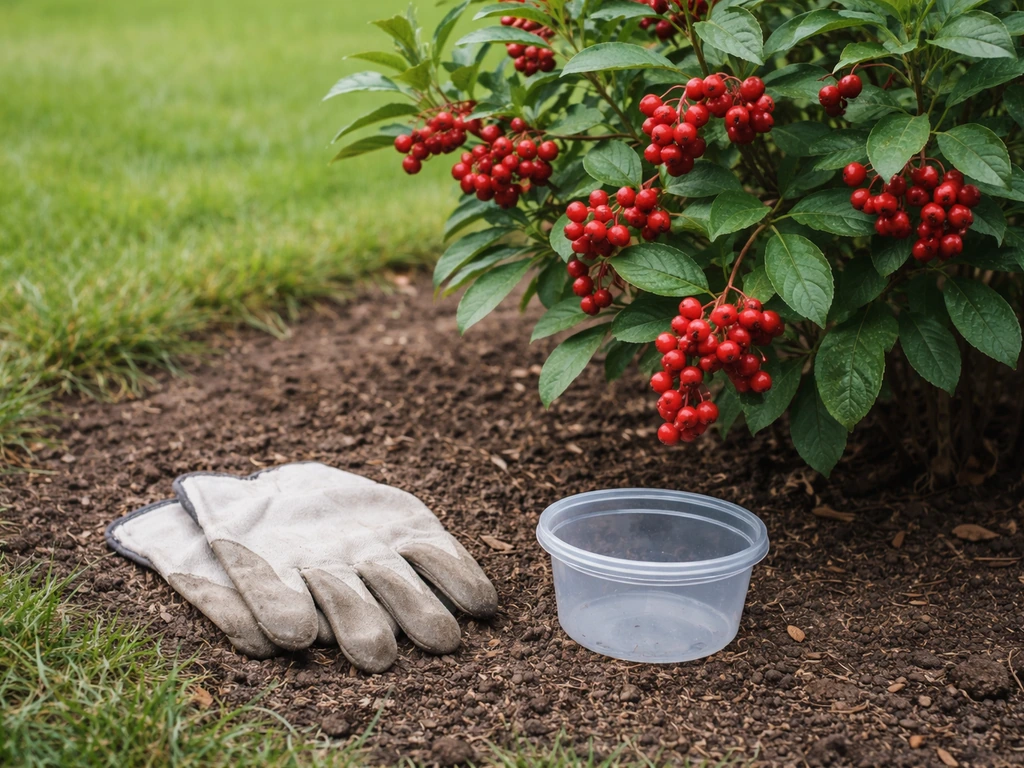
When backyard birders say 'bird berries,' they're typically talking about the small, fleshy fruits on shrubs or trees deliberately planted to attract wildlife. The most common candidates include elderberry (Sambucus species), pokeweed (Phytolacca americana), holly (Ilex species), winterberry, beautyberry, serviceberry, Virginia creeper, bittersweet nightshade, and dogwood. Wild birds flock to all of these. The problem for humans is that toxicity varies wildly from one species to the next, and several of these plants have convincing look-alikes that are even more dangerous. is bird vetch poisonous Poison Control Center.
Here's a quick rundown of the most commonly encountered 'bird berry' plants and where they fall on the risk scale for humans:
| Plant | Berry Color | Toxic to Humans? | Key Risk |
|---|---|---|---|
| Pokeweed (Phytolacca americana) | Deep purple-black | Yes, all parts | Vomiting, low blood pressure, seizures possible |
| Holly (Ilex species) | Red or black | Yes | Nausea, vomiting, diarrhea; dangerous to kids |
| Bittersweet nightshade (Solanum dulcamara) | Red when ripe | Yes | Contains solanine; GI distress, confusion |
| Elderberry (Sambucus species) | Dark purple (ripe) | Cooked: generally safe; raw: irritating | Raw berries, leaves, and stems contain cyanogenic glycosides |
| Virginia creeper (Parthenocissus quinquefolia) | Blue-black | Yes | Insoluble calcium oxalate crystals; intense mouth burning |
| Serviceberry (Amelanchier species) | Dark blue-purple | No (edible) | Very low risk; often confused with toxic look-alikes |
| Beautyberry (Callicarpa species) | Bright purple | Low toxicity | Mildly astringent; not considered seriously toxic |
| Dogwood (Cornus species) | Red or white | Mildly toxic | Stomach upset if eaten in quantity |
If you're unsure which plant you're dealing with, the safest approach is a positive ID before anyone handles the berries heavily, and definitely before anyone tastes them. A plant ID app (like iNaturalist or PlantNet) combined with a local field guide gives you a solid starting point, but if there's any doubt, lean toward Poison Control rather than guessing.
Why birds can eat berries that hurt humans
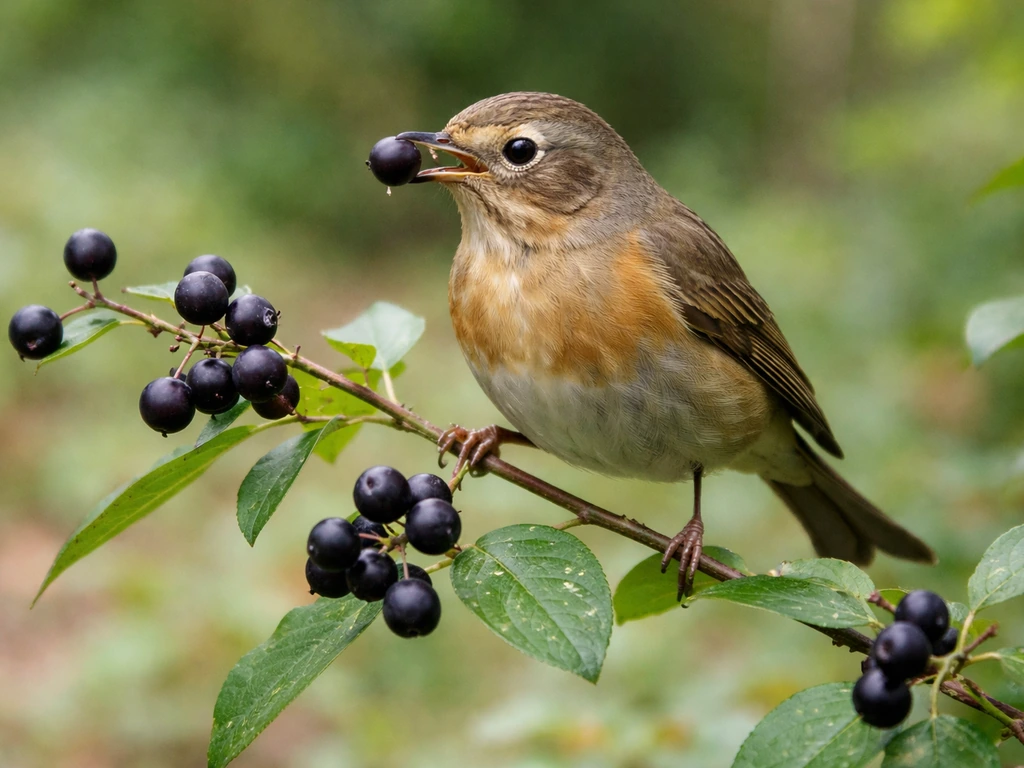
This is the most important principle to understand: a bird eating a berry tells you almost nothing about whether that berry is safe for you. Bird saliva on the fruit is not a reliable indicator that the berry is edible for people, so still treat unknown berries as potential hazards a bird eating a berry tells you almost nothing. Birds have genuinely different digestive biology. Many species have a higher tolerance for compounds like solanine, cyanogenic glycosides, and oxalates. Some toxic compounds pass through a bird's gut quickly without being absorbed the way they would be in a human digestive system. Birds also often eat the fruit pulp and pass the seed intact, avoiding the most toxic parts. And their body weight is a fraction of a child's, let alone an adult's, which changes dose calculations entirely.
Beyond biology, there's also the question of preparation. Elderberries are a good example. Ripe, cooked elderberries are used in syrups, jams, and supplements. But raw elderberries, along with the plant's leaves and stems, contain cyanogenic glycosides that can cause nausea and vomiting. Birds eat raw elderberries without issue. Humans who snack on raw elderberries off the shrub can end up sick. Same berry, very different outcome based on processing and species differences.
The main factors that affect how dangerous a berry is for you
- Species: the most critical factor. Pokeweed is seriously toxic; serviceberry is edible. Identification is everything.
- Quantity eaten: most berry toxicity is dose-dependent. One holly berry may cause mild stomach upset in an adult but is more dangerous for a small child.
- Plant part: roots, leaves, and seeds are often more concentrated in toxins than the fruit pulp itself.
- Ripeness: some berries (like bittersweet nightshade) are more toxic when unripe and green.
- Raw vs. cooked: cooking breaks down certain toxins (notably cyanogenic glycosides in elderberry).
- Age and body weight of the person: children are far more vulnerable to the same dose than adults.
What to do right now if someone eats a berry
Don't wait to see if symptoms develop before taking action. The earlier you call for guidance, the better the outcome. Here's exactly what to do: If someone eats a poisonous berry or an unknown berry, Poison Control advises using webPOISONCONTROL or calling your poison center right away to determine whether treatment is necessary use webPOISONCONTROL or call your poison center right away.
- Stay calm and don't induce vomiting unless specifically told to by a medical professional. Vomiting some toxic substances can make things worse.
- Try to identify the plant. Take a clear photo of the berries, leaves, and stem. Collect a small sample if you safely can.
- Note how many berries were eaten, when it happened, and who ate them (age, weight if a child).
- Call US Poison Control immediately at 1-800-222-1222, or use the online tool at poison.org. This line is free, available 24/7, and can tell you whether you need emergency care or can manage at home.
- If the person has difficulty breathing, is losing consciousness, or is having seizures, call 911 first, then Poison Control.
- Do not rely on internet searches or 'wait and see' if a child or pet is involved.
Poison Control will ask you about symptoms, the plant, and the amount ingested. That's why gathering information quickly matters. Common symptoms of berry poisoning to watch for include nausea, vomiting, diarrhea, excessive drooling or mouth burning, skin redness (from contact), dizziness, or in more serious cases, changes in heart rate or mental status. Pokeweed in particular, which is a very common bird-attracting plant, can cause serious GI symptoms and in large amounts affects the cardiovascular and nervous system. The CHOP Poison Control Center notes that pokeweed (ink berries) is poisonous and that eating it can cause serious GI symptoms, so families should call Poison Control at 1-800-222-1222 if ingestion is suspected Pokeweed in particular.
Safer handling around feeders and gardens
Prevention is where most of the real work happens. If you're planting shrubs to attract birds or managing an existing garden, a few habits go a long way toward reducing risk for your household.
Know what you're planting before you plant it
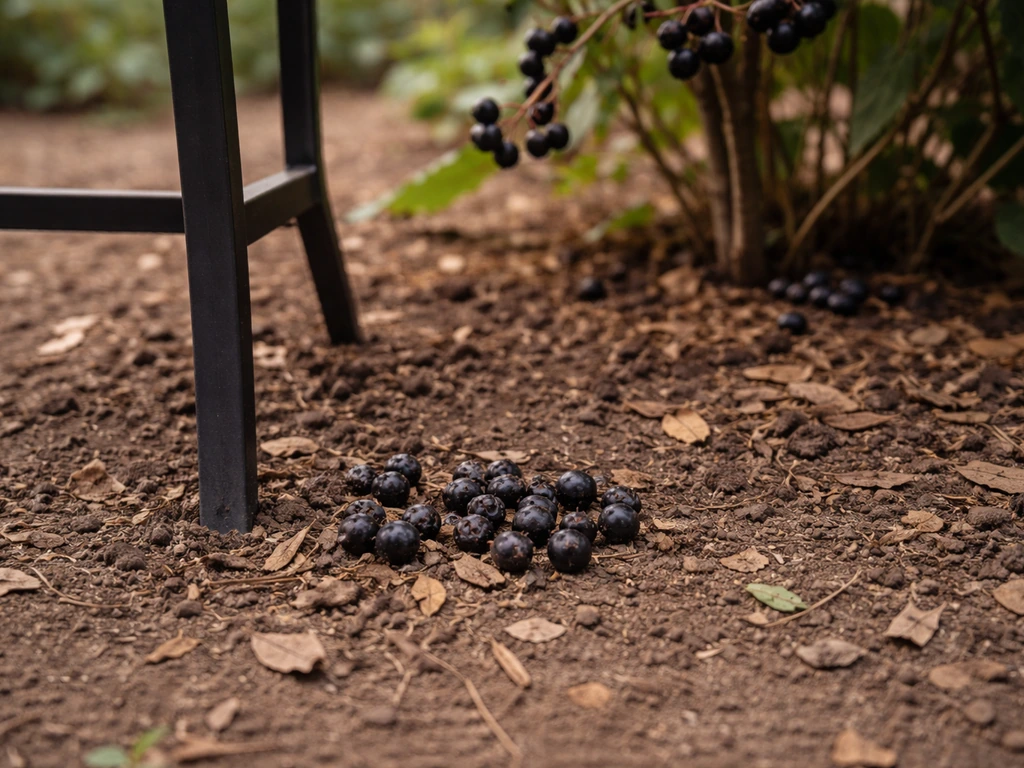
Before you add any berry-producing shrub to a bird garden, look up its toxicity for humans and pets. Nursery labels aren't always clear. A plant sold as 'wildlife-friendly' may still be toxic to your dog or toddler. Stick to documented safe options where possible, or place higher-risk plants like holly and pokeweed in areas well away from play spaces and pet areas. If you're unsure about an existing plant in your yard, use a plant ID app and cross-reference with a reliable toxicity database before the next berry season.
Clean up dropped berries regularly
Birds drop berries constantly. Under active feeding shrubs or near feeders where birds bring food, berries accumulate on the ground quickly. Dropped berries are a primary risk for dogs and small children who explore at ground level. Rake or sweep them up regularly, especially during peak fruiting season. This also helps prevent fermented berries from accumulating, which can make birds themselves disoriented or ill if they eat too many.
Store and handle carefully
If you harvest berries from your garden for any reason, keep them stored in clearly labeled containers away from food. Wash your hands after handling any berry-producing plant, especially pokeweed, which has toxins in its sap. Don't let children handle berries from unknown plants, even for play. The colorful ones, like pokeweed's glossy purple berries or holly's bright red fruits, are specifically the ones that attract curious kids.
Myth-busting: birds eating berries doesn't mean you can
This is one of the most persistent and dangerous assumptions in backyard nature education. People see robins or cedar waxwings stripping a shrub bare and assume the berries must be safe to eat. They're not necessarily safe for you, and here's why the reasoning breaks down every time.
- Birds metabolize many toxins differently. What causes liver damage in a mammal may pass harmlessly through a bird's digestive tract.
- Birds rarely eat enough of a single berry type to hit a toxic threshold the way a child who sits down and eats a handful might.
- Many birds deliberately avoid the seeds or skin where the highest toxin concentration sits. Humans eating whole berries don't get that benefit.
- Some bird species are genuinely more resistant to specific compounds. Cedar waxwings can eat fermented berries that would make other animals very sick.
- Birds don't get sick in silence. Disoriented, lethargic, or dead birds under a fruiting shrub is a red flag, not a safety signal.
- The same plant can vary in toxin concentration based on soil, season, and part of the plant. A bird eating ripe fruit in fall isn't the same risk profile as a person chewing on a stem or unripe berries in summer.
The bottom line: observe what birds eat as a starting point for identification, not as a food safety test. If you're genuinely curious about which berries in your yard are edible for humans, cross-reference with a proper foraging guide written for people, not a wildlife feeding guide. If you are wondering whether a specific bird vetch is edible, confirm the plant species first and only rely on human safety sources. If you are wondering can you eat bird cherry, treat it the same way as other unidentified “bird berry” look-alikes and verify the exact plant before consuming it.
Special situations: kids, dogs, cats, and backyard wildlife
Children
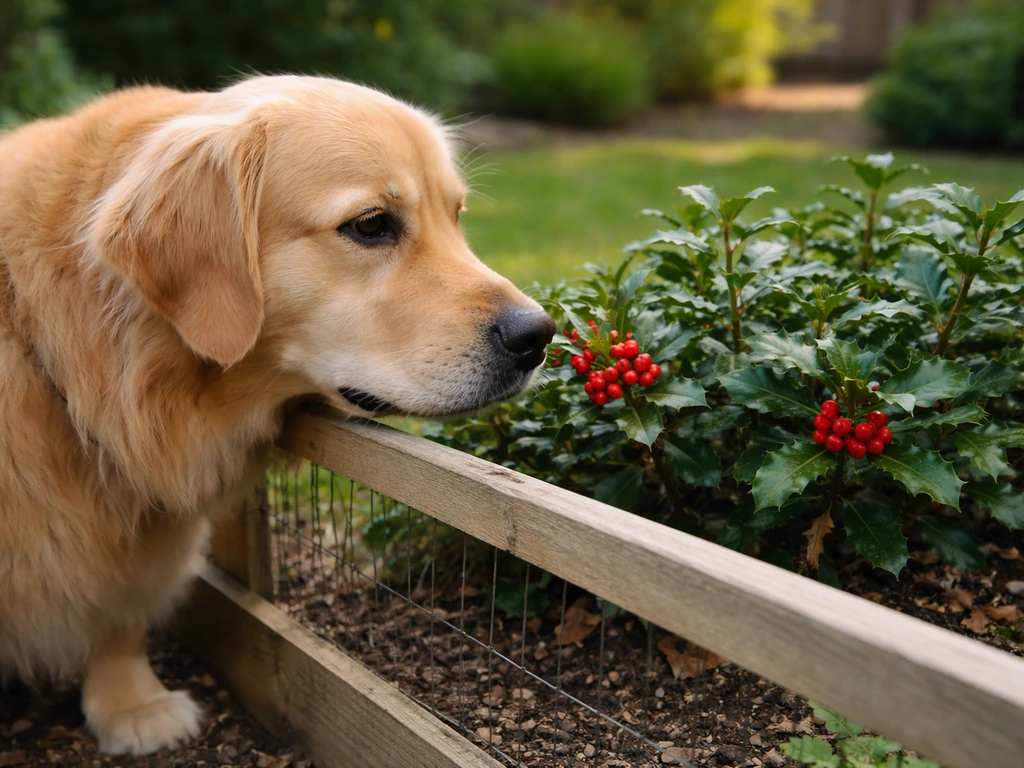
Young children are the highest-risk group by a significant margin. A dose of holly berries that causes mild stomach upset in an adult can require emergency care in a toddler. Bright-colored berries are visually irresistible to small kids, and they often pick and eat them faster than adults notice. The Children's Hospital of Philadelphia Poison Control Center specifically flags pokeweed as a serious risk for children. If you have young kids and a bird-attracting garden, prioritize planting lower-risk species in accessible areas, maintain regular ground cleanup, and make sure everyone in the household knows which plants are off-limits.
Dogs
Dogs are ground-level scavengers and will eat dropped berries with enthusiasm. Holly, pokeweed, bittersweet nightshade, and Virginia creeper are all potentially toxic to dogs. Signs of berry poisoning in dogs include vomiting, diarrhea, excessive drooling, lethargy, and in severe cases, tremors or difficulty breathing. If you suspect your dog has eaten any unknown berries, contact your vet or the ASPCA Animal Poison Control Center (888-426-4435, note there may be a consultation fee). Don't wait for symptoms to worsen.
Cats
Cats are less likely than dogs to eat berries outright, but outdoor cats may chew on plants or ingest berry toxins through grooming after brushing against shrubs. Holly and nightshade are both toxic to cats. If you have outdoor cats that roam a bird garden, the same cleanup and planting precautions apply.
Backyard wildlife
Wild mammals like squirrels, raccoons, and deer also interact with bird-attracting plants. Most have adapted tolerances for regional native berries. However, if you're adding non-native berry-producing plants to your garden, it's worth checking whether they're safe for local wildlife too, not just birds. Fermented berries that accumulate under heavily visited shrubs can also intoxicate birds and small mammals if eaten in quantity, which is another reason regular cleanup matters beyond just child and pet safety. The same principle that applies to spoiled or inappropriate bird feed at a feeder applies here: what's fine in small amounts can become a problem when it piles up.
If you're interested in related plant safety questions, the edibility and toxicity of bird cherry is a close cousin topic worth exploring, as is the question of whether bird vetch poses any risk to humans or animals in a garden setting. Those plants show up in similar contexts and carry their own distinct risk profiles.
FAQ
If birds eat the berries, does that mean they are safe for humans?
Sometimes birds eat berries without apparent illness, so it can still be unsafe for you. Bird saliva and digestion do not prove the fruit is edible for humans, and some toxic compounds are concentrated in parts of the plant (like leaves, stems, or unripe fruit) that birds may avoid or process differently. The practical takeaway is, do not taste “because birds ate it.”
What should I do immediately if someone ate an unidentified “bird berry”?
Do not wait for symptoms. If ingestion happened and the berries are unidentified, call Poison Control (or emergency services if symptoms are severe). Be ready to provide the plant description, where it was growing, an estimated amount, the person’s age and weight, and whether the berries were cooked or raw.
Can cooking or processing make toxic “bird berries” safe?
Yes, preparation changes risk. For example, elderberries can be used when ripe and cooked, but raw berries, and the leaves or stems, can contain cyanogenic compounds that can make humans sick even when the cooked product is used as a food ingredient.
How accurate are plant ID apps for figuring out whether “bird berries” are poisonous to humans?
Use plant identification plus a human-focused toxicity source, but expect limits from apps. Photos can misidentify look-alikes, and some species differ by regional variety. If the ID is uncertain or the plant is clearly a high-risk type (like pokeweed or holly), treat it as unsafe and contact Poison Control for guidance rather than relying on a guess.
What should I do if “bird berries” or plant sap got on skin or in the eyes?
If berries contact skin, rinse with running water promptly and avoid rubbing. If there is burning, redness, blistering, or eye exposure, seek medical guidance. For sap-heavy plants like pokeweed, wash hands thoroughly and prevent children from touching their eyes after handling.
Is it risky just to pick up dropped berries from the ground, or mainly if someone eats them?
If you are cleaning up dropped berries, wear gloves if you have sensitive skin and wash hands after. Focus on ground-level cleanup, especially near feeders and areas where children or dogs play. Fermenting berries can add risk because they are more likely to be eaten when they accumulate.
Are “bird berries” poisonous to dogs and cats, too?
Yes, keep pets separate from berry plants that are not confirmed safe for animals. Even when a berry is low-risk for adult humans, dogs may be more sensitive, and doses can be very different due to body size. If you suspect ingestion of any unknown berries, contact your veterinarian or animal poison resources immediately rather than waiting for symptoms.
Why are berry ingestion cases more dangerous for toddlers than adults?
Young children are the highest-risk group because they consume small amounts quickly. A dose that might cause mild stomach upset in an adult can trigger urgent symptoms in a toddler, especially with berries known for strong GI effects. Secure play areas, remove fallen fruit often, and teach that bright berries are not food.
If symptoms haven’t started yet, should I still contact Poison Control?
If there is a suspected ingestion but the person is asymptomatic, you still should not assume it is fine. Some symptoms can be delayed, and the guidance depends on the exact plant and amount. Call Poison Control, and do not try “home remedies” like inducing vomiting unless a clinician instructs you to.
What details should I have ready when reporting berry ingestion to Poison Control?
When calling for help, do not rely on the nickname “bird berries.” Describe the plant features (leaf shape, growth habit, berry color, and whether berries are in clusters), the location (yard, park, species if known), and the approximate number of berries. If possible, take a clear photo and bring a sample of the plant only if instructed by responders.
Next Articles
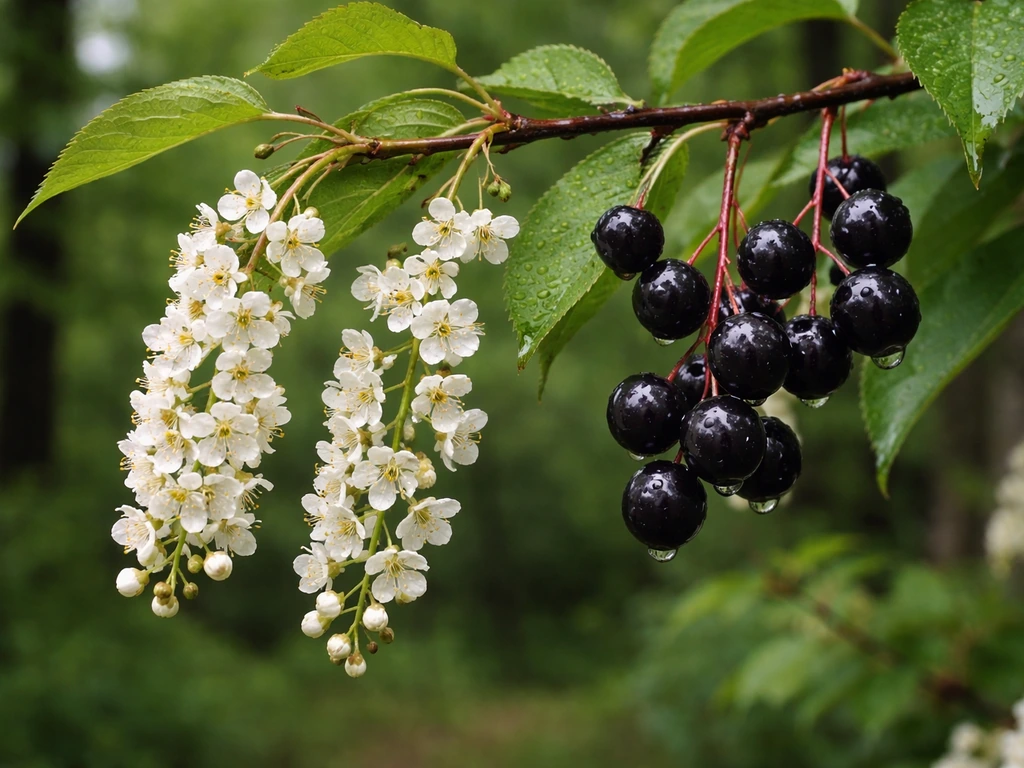
Is Bird Cherry Edible? Safety, Identification, and Use Tips
Learn if bird cherry fruit is edible, how to identify it safely, and what to avoid for pets and foragers.
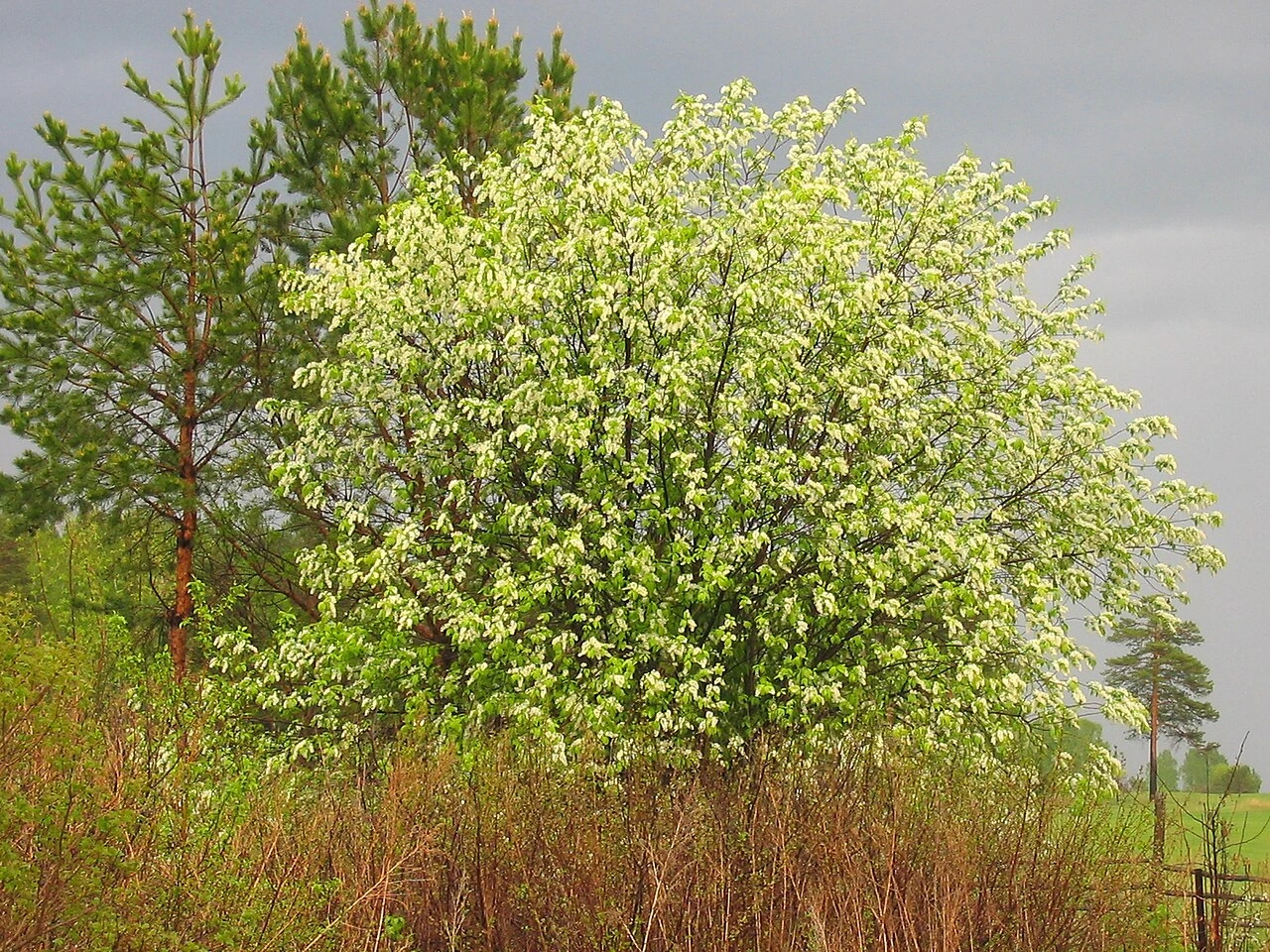
Can You Eat Bird Cherry Safely? Risks and Preparation
Learn if you can safely eat bird cherry fruit, what parts to avoid, and how to offer it to birds.
What Bird of Prey Eats Pigeons: Common Raptors & ID Tips
Which raptors eat pigeons: peregrine, Cooper’s, goshawk, merlin, red-tailed, kestrels, owls; ID tips, risks and how to保护