Bird cherry fruit (Prunus padus) is technically edible for humans in the sense that the ripe flesh won't poison you outright, but it's so intensely bitter and astringent that most people find it unpleasant to eat raw. The pits, leaves, and bark are a different story: they contain cyanogenic glycosides that can release hydrogen cyanide if crushed or chewed. Bottom line: the ripe pulp can be used in jams, jellies, or flavored drinks with proper preparation, but you should never eat the pits, and the plant deserves careful handling around kids and pets. If you are wondering can you eat bird cherry, stick to the ripe pulp and avoid the pits, leaves, and bark.
Is Bird Cherry Edible? Safety, Identification, and Use Tips

Maya Bennett
7 Jun 2026
Identify the right plant before you eat anything
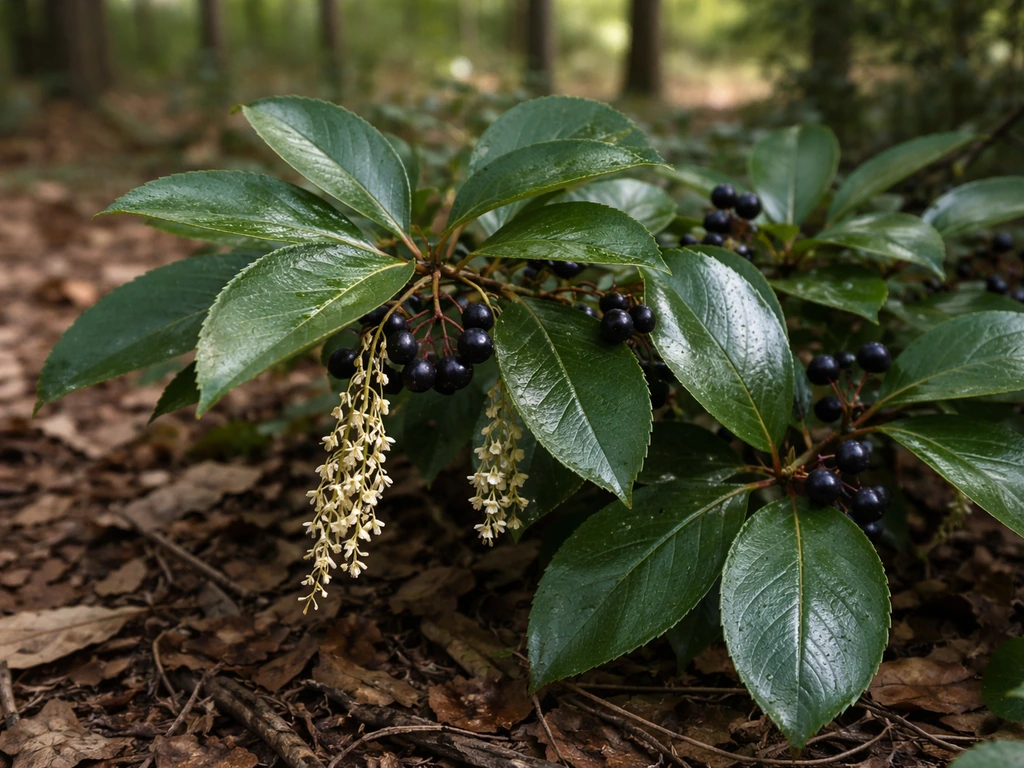
Getting the ID right matters here because several Prunus species look similar at a glance, and some have more serious safety profiles than others. Bird cherry (Prunus padus) has some distinct traits that separate it from common lookalikes once you know what to look for.
| Feature | Bird Cherry (Prunus padus) | Chokecherry (Prunus virginiana) | Cherry Laurel (Prunus laurocerasus) |
|---|---|---|---|
| Leaf shape | Alternate, obovate to elliptic, 6–13 cm, fine sharp teeth, grayish underside | Alternate, oblong to oval, finely serrated, lenticelled bark | Leathery, glossy, large oval leaves, evergreen |
| Flowers | White, loose pendulous racemes 10–15 cm | White, loose cylindrical terminal racemes 8–15 cm, appear after leaves | White racemes, similar to bird cherry |
| Fruit | Glossy black drupe, ~6–8 mm, wrinkled oval stone | Dark red to purple drupe, ~8 mm, matures late summer | Small black/dark purple drupe |
| Edibility of flesh | Edible but very bitter; processable | Edible with care; used in jelly/syrup | Flesh has very small amounts of toxins; generally avoided |
| Pit/seed toxicity | Yes, cyanogenic glycosides present | Yes, prunasin present | Yes, amygdalin/prunasin in seeds and leaves |
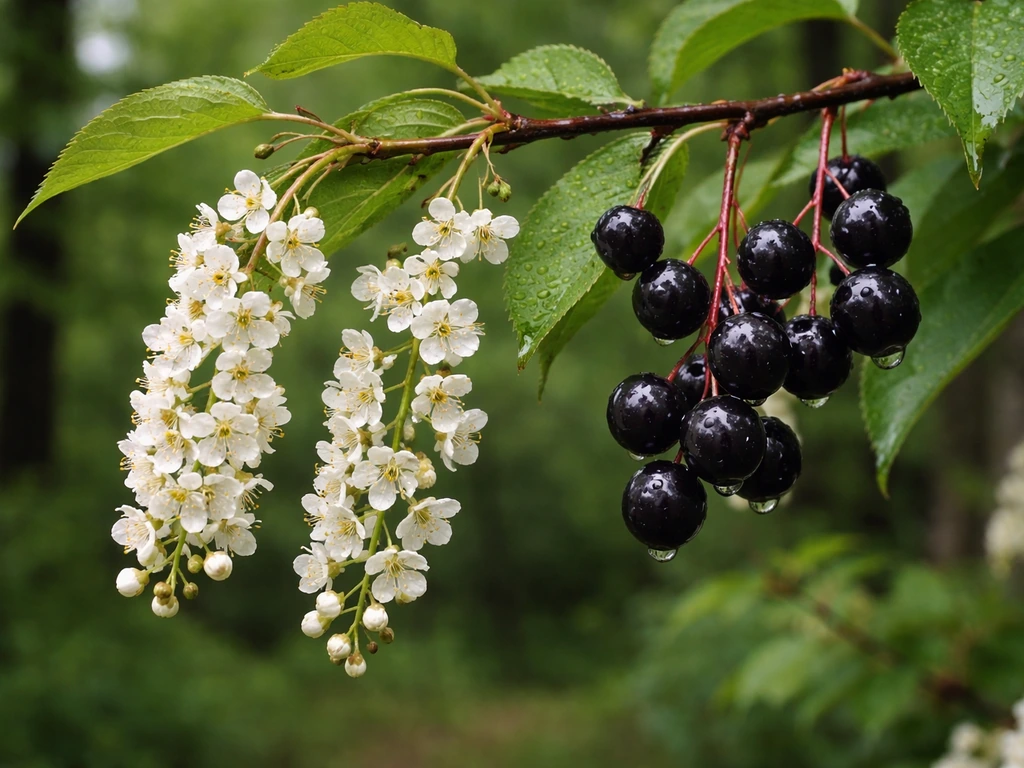
The key visual markers for true bird cherry are the pendulous flower racemes (they droop or arch downward, not stand upright), the grayish underside of the leaf, and the very small glossy black fruit with a visibly wrinkled stone inside. Cherry laurel is probably the most common misidentification risk in garden settings. Its leaves are large, leathery, and evergreen, which makes it fairly easy to separate from bird cherry once you compare them side by side. If you're not confident in your ID, don't taste anything until you are.
The safety picture: pits, leaves, bark, and dose
The ripe outer pulp of bird cherry is the only part that gets a cautious pass. Research on Prunus species generally confirms that the fleshy part of ripe berries is not considered toxic on its own. IVIS notes that the ripe pulp of Prunus berries is not toxic, while many Prunus parts can contain cyanogenic glycosides such as amygdalin and prunasin ripe berries is not considered toxic on its own. The danger lives in the other parts of the plant.
Pits: the main hazard
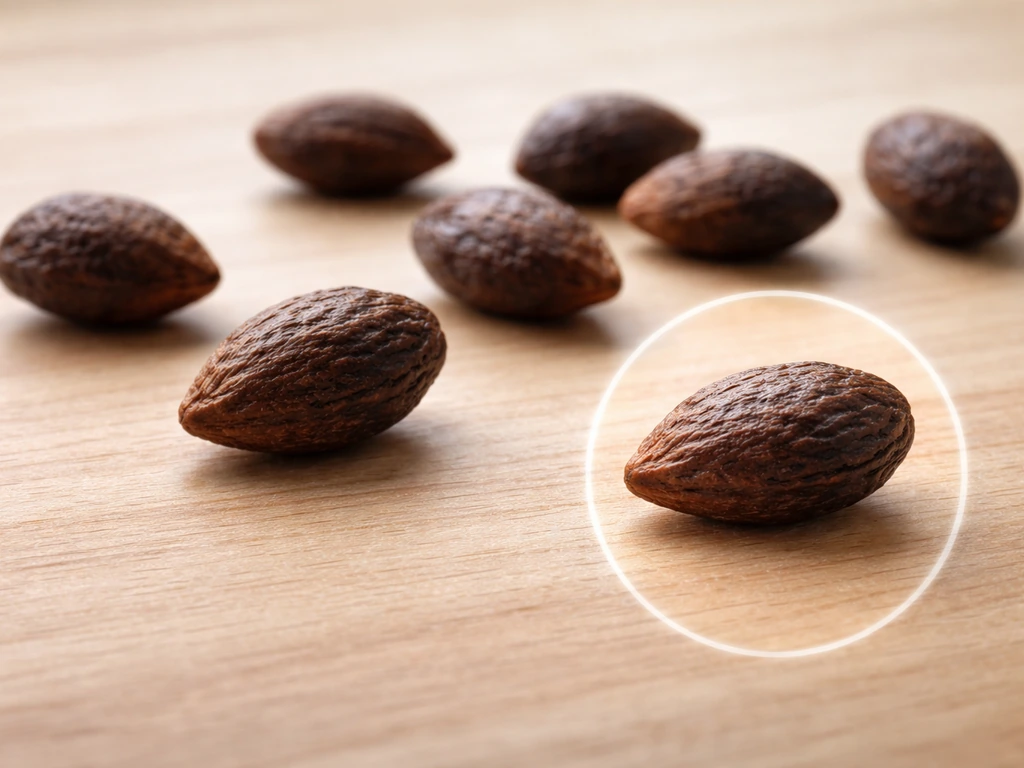
Bird cherry pits contain cyanogenic glycosides, primarily prunasin and amygdalin. These compounds aren't dangerous sitting in an intact pit, but when you crush or chew a pit, enzymes convert them into hydrogen cyanide. The USDA Plant Guide notes prussic acid risk tied to the stone pits of chokecherry, emphasizing that the hazard relates to the pits and seeds rather than the ripe outer flesh blank" rel="noopener noreferrer">prussic-acid risk tied to the stone pits. The US Forest Service has quantified this for related species: just half a gram of prunasin can produce around 46 mg of hydrogen cyanide, and daily doses of 50 mg HCN per kilogram of body weight are considered dangerous. A few crushed pits won't kill a healthy adult, but it's genuinely not worth the risk, especially for a child or a small pet. Swallow a pit whole and it passes through intact without much harm. Crunch it open and the chemistry changes fast.
Leaves and bark
The leaves and bark also contain cyanogenic glycosides, which is why animals browsing heavily on chokecherry or bird cherry foliage can get into serious trouble. For humans foraging the fruit, the leaves and bark aren't something you'd typically eat, but it's worth knowing that wilted or damaged leaves are considered more dangerous because the cell damage speeds up cyanide release. Don't use leaves to garnish or infuse dishes with, and avoid burning bird cherry wood in a closed space.
How to prepare bird cherry if you want to try it
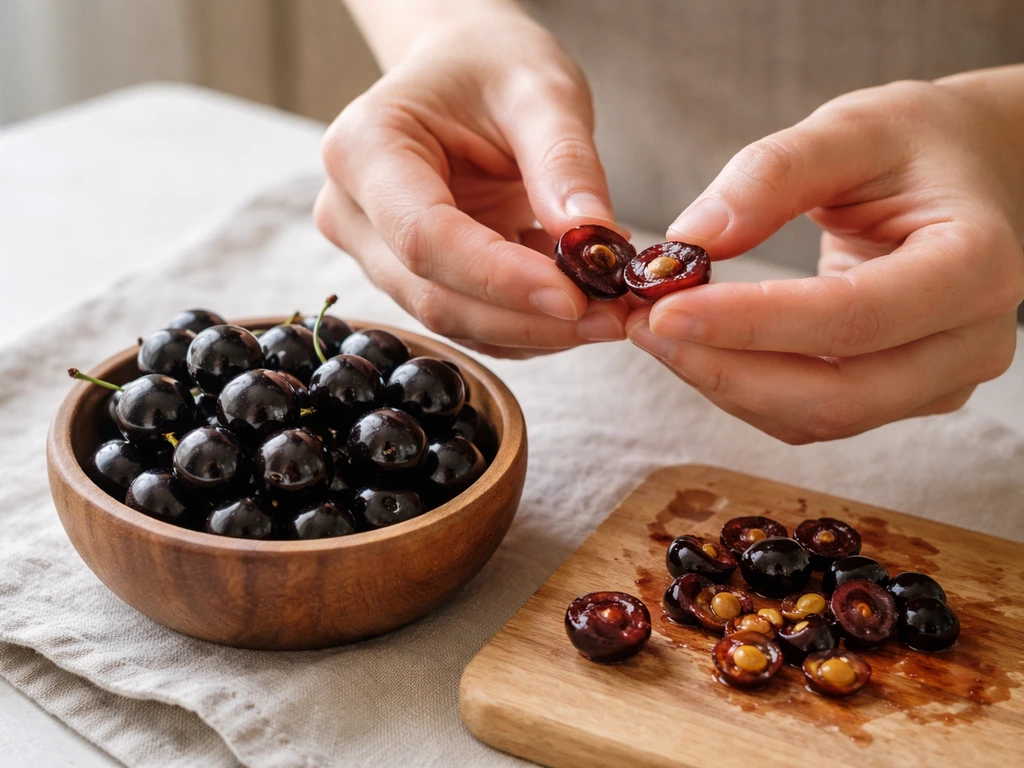
If you've confirmed your ID and you want to actually use the fruit, here's what works and what to skip.
- Pick only fully ripe fruit: glossy black, slightly soft to the touch. Unripe fruit is both more bitter and more likely to contain higher glycoside concentrations.
- Remove the pits before any processing. Strain the pulp through a sieve or food mill before cooking. Never crush pits during this process.
- Cook the pulp into jams, jellies, or syrups. Heat helps reduce bitterness and breaks down some of the astringency. Sugar balances the flavor well in small-batch preserves.
- Use bird cherry as a flavoring ingredient in alcoholic drinks (a traditional use in parts of Europe) rather than as a primary food source.
- Wash fruit thoroughly before processing, especially if the tree grows near a road or in an area that may have pesticide exposure.
What to avoid: eating the fruit raw in large amounts, chewing or crushing pits under any circumstances, eating leaves or bark, and assuming that cooking alone makes the pits safe (it doesn't, reliably enough to risk it). Drying and heating can reduce cyanogenic content in some Prunus preparations, but for bird cherry specifically the bitterness alone makes raw consumption impractical, so stick with processed forms and always pit the fruit first.
When bird cherry is genuinely unsafe
Kids
Children are at much higher risk from cyanogenic compounds simply because of their smaller body weight. The dose-to-body-weight ratio means a small child who chews on a few pits faces a proportionally larger cyanide load than an adult would. Keep bird cherry fruit out of reach of small children, and if a child has chewed or swallowed pits, don't wait for symptoms. Call Poison Control immediately at 1-800-222-1222 in the U.S., or use the webPOISONCONTROL tool online. Cyanide poisoning can move quickly.
Dogs and pets
This is a real risk in backyard settings. Dogs especially will eat fallen fruit, and the pits of cherry species are listed as toxic to dogs by the Pet Poison Helpline. If you are wondering whether bird cherries are poisonous, the biggest concern is the pits and how they can release cyanide when crushed or chewed bird cherry pits. The Merck Veterinary Manual describes cyanide poisoning signs in animals as vomiting, diarrhea, almond-scented breath, rapid breathing, low blood pressure, seizures, and in serious cases, coma or death. If your dog has eaten bird cherry pits, contact your vet or an animal poison control line right away. Don't wait to see if symptoms develop. The flesh alone is less concerning, but whole fruit with pits is a genuine hazard.
Allergies and sensitivities
Anyone with a known Prunus allergy (peaches, plums, cherries, almonds) should be cautious. Bird cherry is in the same family and cross-reactivity is possible. If you're trying the fruit for the first time, start with a very small amount of the processed pulp and wait before eating more.
Contaminated or roadside fruit
Fruit from trees growing alongside busy roads, near agricultural land, or in areas with spray programs can carry pesticide residues or heavy metal contamination. The EPA notes that pesticide residues don't automatically make a food unsafe, but residue levels on unwashed, unprocessed wild fruit from high-exposure sites are unpredictable. If you're not sure about the history of a particular tree's location, it's better to skip it or at minimum wash the fruit very well and process rather than eat raw.
Feeding wildlife responsibly around bird cherry
Here's where the plant really shines, and it's honestly the most practical use of bird cherry for most backyard birders. The Wildlife Trusts describe bird cherry as genuinely good for wildlife: birds and small mammals eat the fruit readily, and the blossoms provide nectar and pollen for insects. The bitterness that makes it unpleasant for us is no barrier for thrushes, waxwings, and other fruit-eating birds.
If you're thinking about planting bird cherry to support local wildlife, that's a solid choice. But if you're managing a feeder area where dogs or children have access to the ground beneath the tree, think about the fallen fruit and pit risk. Raking up dropped fruit regularly, or fencing off the area under a fruiting bird cherry, goes a long way toward reducing accidental exposure.
On the question of supplemental feeding: offering fruit at feeders is popular, but bird cherry pits are not something you should add to a bird feeder mix. The flesh is fine for birds (they're well-adapted to handle these compounds), but the pits, while birds process them differently than mammals do, aren't a deliberate supplement you need to provide. Stick to offering the pulp if you're using bird cherry fruit in your feeder setup, or just let the tree do its own work naturally.
Storage, spoilage, and handling hygiene
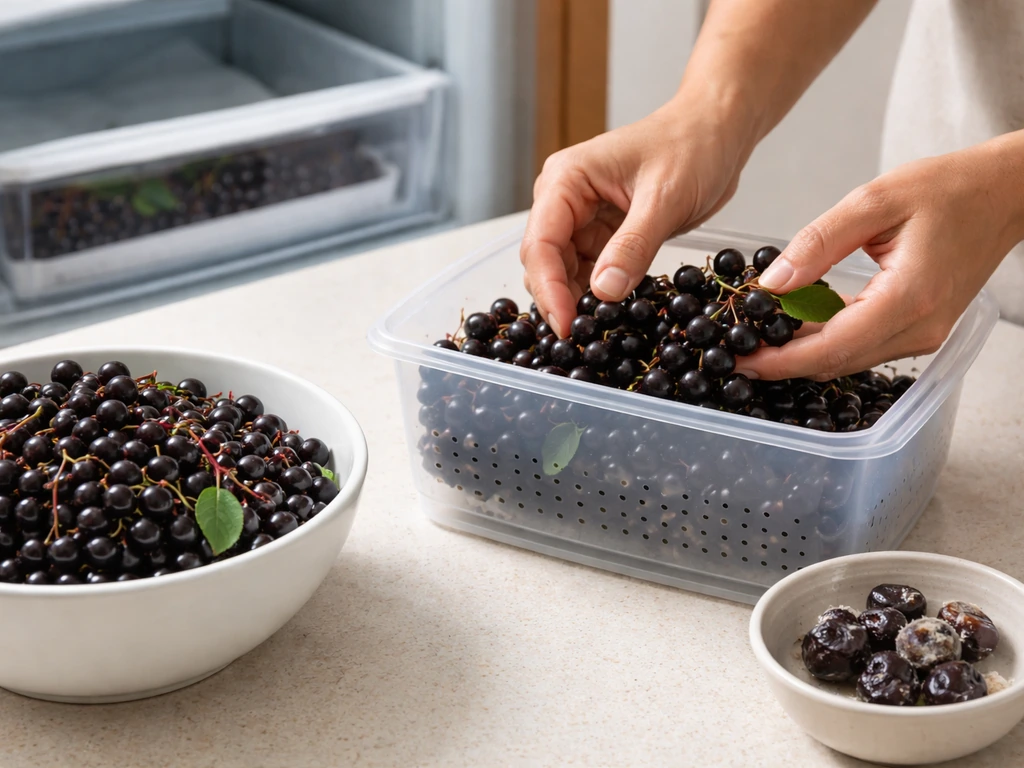
Fresh bird cherry fruit is small and delicate and it spoils fast, within a few days at room temperature. For any preparation intended for human consumption, refrigerate harvested fruit and use it within two to three days, or freeze whole berries (pitted, if you plan to eat them) for longer storage.
Spoiled fruit is worth a specific mention here. Fermented or rotting bird cherry fruit on the ground beneath a tree can attract wasps and other stinging insects, and in large quantities the fermentation can intoxicate birds that eat it. If you have a bird cherry in your yard and you're managing a feeding area nearby, clean up fallen fruit regularly. Moldy or visibly decomposing fruit should go in the bin, not the compost if pets have access to the compost area, since the pits remain present and potentially hazardous even in rotting fruit.
Handling hygiene is straightforward but worth stating: wash your hands after handling bird cherry leaves, bark, or large quantities of fruit and pits. The glycoside content in the leaves especially means that extended contact (say, stripping a lot of leaves or crushing material) can theoretically result in skin absorption in very high exposures. Casual fruit picking is fine, but processing large batches is best done with gloves and in a ventilated space.
Your next steps: confirm, proceed carefully, or skip it
If you want to forage bird cherry fruit, here's a practical checklist to work through before eating anything:
- Confirm species ID using the visual traits above: pendulous white racemes, glossy black 6–8 mm fruit, alternate leaves with grayish undersides. When in doubt, consult a local plant identification resource or take a sample to a knowledgeable botanist.
- Check the location: avoid fruit from roadside or spray-zone trees.
- Pick only fully ripe, undamaged fruit.
- Remove all pits before any consumption or preparation. Use a sieve or food mill. Never crush pits.
- Start with a small amount of cooked/processed pulp if you're new to the fruit.
- Keep fruit, pits, and any processing waste away from dogs, cats, and small children.
- If any person or pet has chewed or swallowed pits: call 1-800-222-1222 (US Poison Control) or contact your vet right away.
If you're not interested in foraging and just want to know whether the bird cherry tree in your yard is a risk: low risk for adults who don't eat the pits, moderate risk for dogs and young children with unsupervised access to fallen fruit. The best use of bird cherry in a backyard setting is as a wildlife plant, not a human food source. If you are trying to assess whether bird vetch is poisonous, treat it as a separate plant and verify it carefully before eating anything bird cherry in a backyard setting is as a wildlife plant. Whether bird vetch is edible depends on correct identification and preparation, because some species contain natural toxins bird vetch edible. Bird saliva is not considered a safe substitute for edible plant parts, so avoid eating it. It feeds birds and insects beautifully and asks almost nothing in return, which is a better deal than fighting with its bitterness in the kitchen. If you're also curious about related safety questions (like whether other berry-producing plants common in bird gardens are poisonous to humans or pets), those topics are worth exploring alongside this one.
FAQ
Is bird cherry edible if you swallow whole berries without chewing the seeds?
The pulp is the only part that’s generally treated as a cautious yes, but whole berries can still contain pits. If you do not chew, the pits are less likely to release cyanide, however some pits may get crushed in your mouth or during chewing. For safety, pit the fruit before any human use.
Can I juice bird cherry and drink it, even if some pits end up in the pulp?
Juicing increases the chance that pits get ground or crushed, which changes the cyanogenic risk. If you’re making juice, strain and remove any crushed stone pieces. Use pitted, processed fruit rather than simply blending everything together.
Does cooking bird cherry make the pits safe to eat?
Cooking can reduce some cyanogenic compounds in certain Prunus preparations, but it does not reliably make pits risk-free. The practical rule is the same: pits should never be eaten by humans, and “cooked” is not a substitute for pitting.
What if I accidentally ate a small amount of bird cherry pits?
Because cyanide-related symptoms can start quickly, treat it as a safety issue rather than “wait and see.” For a child or if you are unsure how many pits were involved, call Poison Control right away. In the US, the number is 1-800-222-1222.
How can I tell bird cherry from cherry laurel if I’m not confident in my ID?
Don’t rely on “looks similar” impressions. Focus on bird cherry’s drooping flower racemes and the grayish underside of the leaves, plus the small glossy black fruit with a wrinkled stone. If you cannot confirm these traits, skip tasting entirely.
Are bird cherry leaves or bark safe in tea, syrups, or herbal infusions?
Avoid using leaves or bark for food or drinks. Wilted or damaged leaves can be more hazardous because damage can speed up cyanide release. Use only the properly processed ripe pulp.
Is bird cherry safe for birds at feeders, and should I include the pits?
Birds can eat the flesh, and a tree’s natural drop is part of the wildlife benefit. For feeders and mixes, do not add pits deliberately. Provide pulp only, since pits are the mammal safety concern and can create unnecessary risk around pets.
How long can harvested bird cherry fruit sit out before it should be discarded?
It spoils quickly. For human-intended preparations, refrigerate promptly and use within about two to three days, or freeze for longer storage. If it smells fermented, looks moldy, or appears visibly decomposed, discard it.
Is bird cherry fruit safe if the tree is near roads or treated areas?
Pesticide residues or heavy metals are possible in high-exposure locations, and residue levels are hard to predict for wild fruit. If you cannot confirm the site history, it’s safer to skip that tree. If you use fruit, wash well and process rather than eat raw.
Can bird cherry trigger an allergy in people who react to other cherries or almonds?
People with known Prunus family allergies should be cautious, since cross-reactivity is possible. When trying it for the first time, start with a very small amount of processed pulp and stop if you notice any reaction.
Are there times when even the pulp is a bad idea, like with moldy or fermented fruit?
Yes. Rotten or fermented fruit can attract wasps and can intoxicate birds in large quantities. For people, do not eat moldy or decomposing fruit, and don’t use it for processing if it is clearly spoiled.
What’s the safest way to harvest and process bird cherry at home?
Harvest whole clusters, keep pits out of your processing area as much as possible, and pit the fruit before cooking into jams, jellies, or drinks. Wear gloves if you’re handling large batches, wash hands afterward, and keep children and pets away from dropped fruit.