Birds can technically peck at cheese and swallow it, but that does not make it safe. For most wild birds and pet birds alike, cheese is a poor choice and can cause real digestive harm. A small nibble of plain, hard cheese is unlikely to kill a healthy adult bird, but intentional, repeated feeding is a different story, especially for parrots and other psittacines where dairy ingestion has been linked to fatal outcomes. The short version: skip the cheese, offer something better, and if a bird already ate some, watch it closely for 24 to 48 hours.
Can Bird Eat Cheese? What’s Safe, Risks, and Better Foods

Maya Bennett
23 Jun 2026
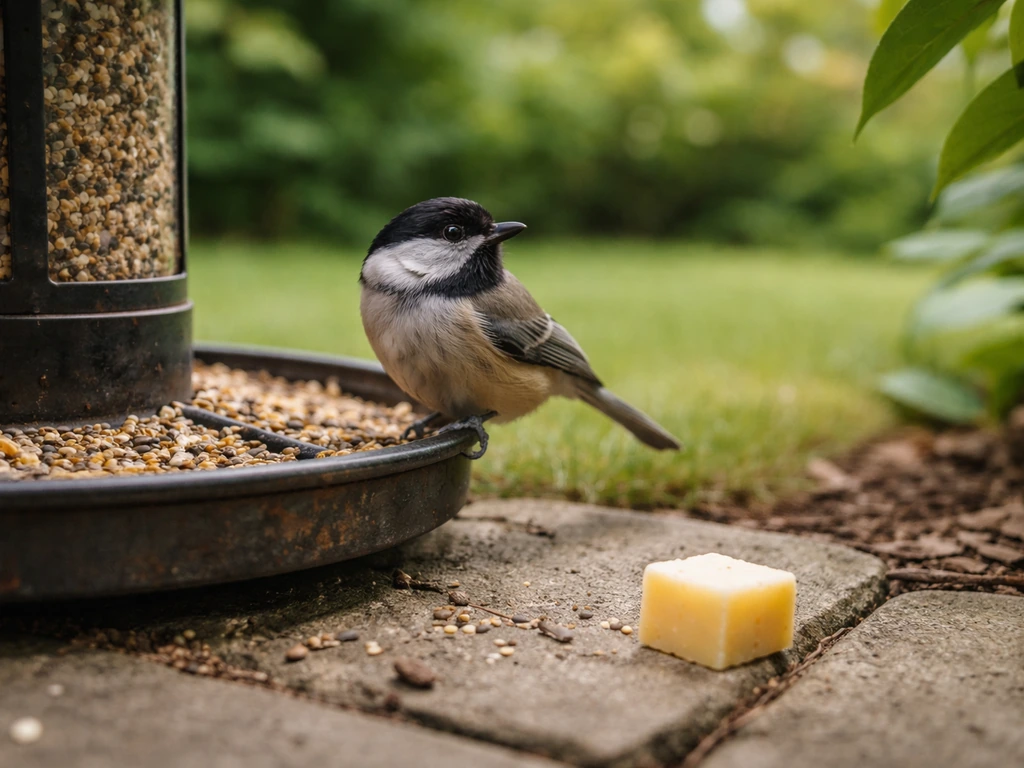
Yes or No: Is Cheese Safe for Wild Birds and Pet Birds?
For wild birds at your feeder: no, you should not intentionally offer cheese. It provides no meaningful nutritional benefit that a bird cannot get from better, safer foods, and the risks outweigh any convenience. For pet birds, including parrots, cockatiels, and canaries: also no, at least not as a routine food. Veterinary nutrition guidance is consistent here: birds cannot properly digest lactose, and dairy products including soft cheese and cottage cheese should not be given to pet birds. Hard cheeses in very small, occasional amounts land in a gray area for some companion birds, but the safer default is to leave cheese off the menu entirely.
Why Cheese Is Risky for Birds
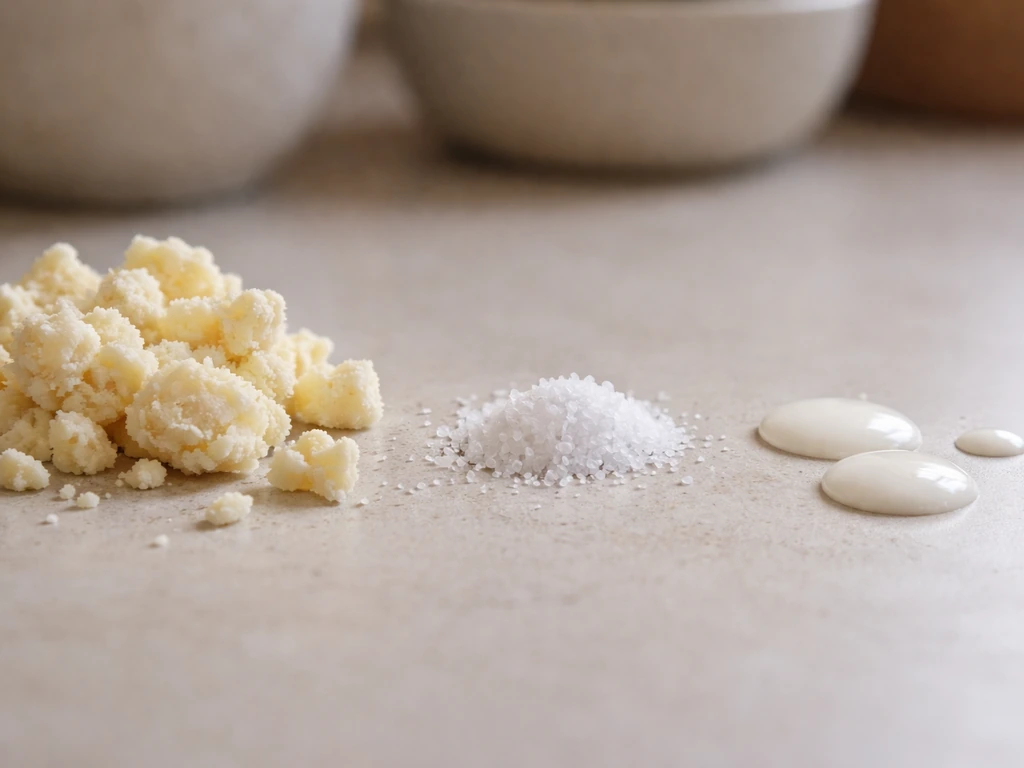
The core problem is lactose. Birds do not produce meaningful amounts of lactase, the enzyme mammals use to break down the sugar found in dairy. When a bird ingests lactose, it passes undigested into the gut and can cause diarrhea, bloating, and digestive distress. This is not a minor inconvenience for a small songbird; dehydration from loose droppings can become dangerous quickly.
Beyond lactose, there are three more things to worry about with cheese specifically: salt, fat content, and additives. Even a modest piece of cheddar carries sodium levels that are wildly disproportionate for a bird weighing less than 30 grams. High fat without the right nutritional context contributes little useful energy for most species and can stress the liver over time. Processed cheeses, flavored varieties, and anything with herbs, garlic, or onion powder add another layer of toxicity risk, since alliums are genuinely dangerous to birds.
Portion size matters too. An accidental peck at a dropped cracker with cheese residue on it is very different from someone deliberately tossing chunks of brie to ducks or crumbling feta over a feeder tray. The dose is part of what determines the danger, but the safest rule is to not offer it in any deliberate portion at all.
Soft vs. Hard Cheese: Does the Type Change the Risk?
Hard cheeses like aged cheddar or parmesan have lower lactose content than soft cheeses like brie, cottage cheese, cream cheese, or ricotta. This is why some veterinary sources say a tiny amount of hard cheese can be offered occasionally to a companion bird as a treat. But lower lactose is not the same as no lactose, and the salt and fat issues remain regardless of how firm the cheese is.
Processed cheese slices and spreadable products are the worst choice because they combine lactose with high sodium, emulsifiers, and other additives. If you are ever going to make an exception for a companion bird, plain hard cheese in a fragment no larger than a pea, very rarely, is the least risky version of that exception.
Which Birds Are More Vulnerable and Which Might Tolerate It Better
Not all birds react the same way. Psittacines (parrots, cockatiels, macaws, lovebirds) are particularly sensitive to dairy, and the consequences there can be severe. Veterinary reports have documented fatal outcomes in parrots following cheese ingestion, with the risk scaling with amount, type, and frequency. The BIRD Clinic specifically warns that cheese ingestion in psittacine birds can result in reported fatal outcomes, with risk depending on the type, amount, and frequency of dairy exposure. These birds should never be fed cheese.
Among wild backyard birds, corvids (crows, jays, magpies) and starlings are the most likely to actually eat cheese if it is available because they are bold, opportunistic omnivores with broader dietary flexibility. House sparrows and pigeons will also take it readily. That willingness to eat something does not mean it is good for them. Waterfowl like ducks and geese are sometimes offered cheese by well-meaning people at parks, but these birds have no more ability to handle dairy than any other species, and they already face problems from being fed too much human food.
Strict seed eaters and insectivores, including most finches, warblers, and woodpeckers, are less likely to approach cheese on their own, but that does not make them safer candidates for it. Their digestive systems are even less equipped to handle high-fat, high-salt dairy than omnivores are.
| Bird Group | Likely to Eat Cheese? | Risk Level | Notes |
|---|---|---|---|
| Parrots and psittacines | Yes, if offered | High | Dairy ingestion linked to fatal outcomes; avoid completely |
| Corvids (crows, jays) | Yes, readily | Moderate to high | Opportunistic eaters; still not appropriate to offer |
| Starlings and sparrows | Yes | Moderate | Will eat almost anything; salt and lactose still a concern |
| Ducks and geese | Yes, when hand-fed | Moderate to high | Already overburdened by human food at parks |
| Finches and canaries | Rarely | High if ingested | Digestive systems not suited to high-fat, salty foods |
| Woodpeckers | Occasionally | Moderate | Prefer suet; cheese fat without suet benefits |
What to Offer at Your Feeder Instead
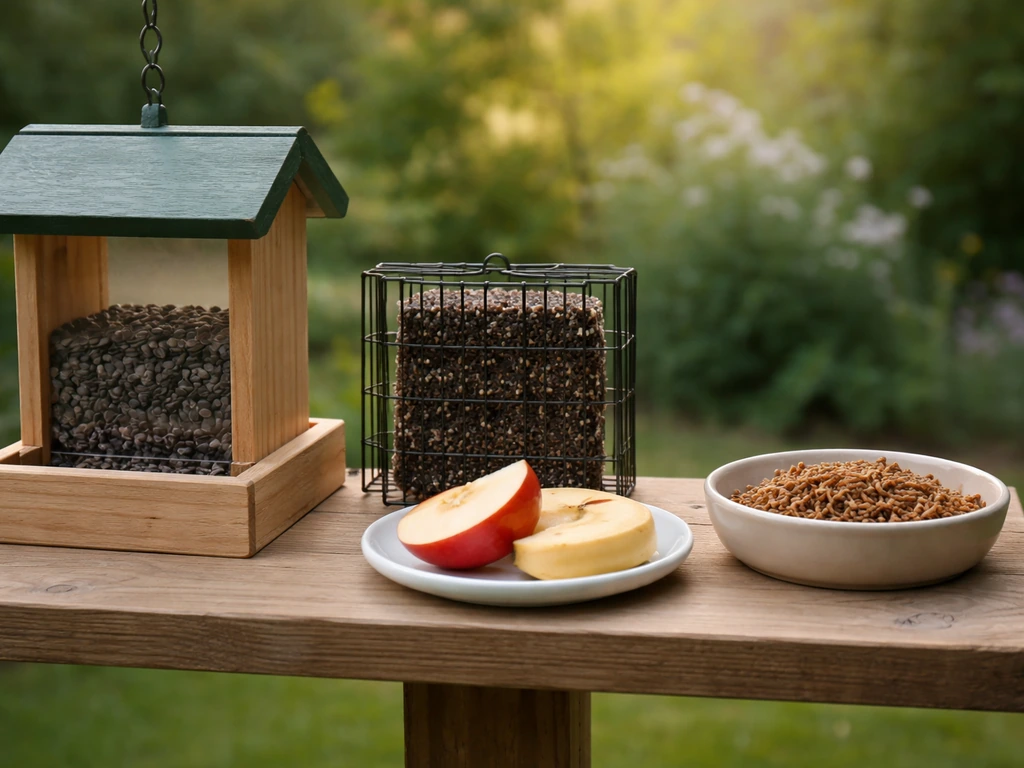
The good news is that birds do not need human food at all. The foods that actually benefit them are things like quality seeds, suet, fresh fruit, and in some cases mealworms. Bananas are fruit, so they are generally safer than dairy, but you should still offer only small amounts as a treat fresh fruit. These deliver real nutrition without the digestive risks that come with dairy, bread, or heavily processed snacks. Just like you would not replace cheese with bread (which has its own issues for birds), you want to aim for purpose-made or minimally processed whole foods.
- Black oil sunflower seeds: high in fat and protein, attractive to a wide range of species including finches, chickadees, nuthatches, and cardinals
- Suet cakes (plain or with seeds): a much better high-fat energy source than cheese, especially through winter months
- Nyjer (thistle) seed: excellent for goldfinches and other small finches
- Fresh or dried mealworms: high-protein option loved by bluebirds, robins, and wrens
- Unsalted, plain peanuts or peanut butter (without xylitol): popular with jays, woodpeckers, and chickadees
- Fresh fruit like halved grapes, banana slices, or watermelon chunks: good for orioles, mockingbirds, and thrushes
- Plain cooked or raw oats (not instant flavored packets): acceptable as a supplemental treat for some species
Fruit options like grapes, banana, and watermelon come up often as safer human-food alternatives for both wild and pet birds, and they share the same principle: the closer to something a bird would encounter in nature, the better. Many people wonder, "can bird eat grapes," but it is best to serve fruit safely and in appropriate portions. Processed, salted, or high-lactose foods sit at the opposite end of that spectrum.
How to Feed Safely: Feeder Rules and Spoilage Prevention
Even the right foods can become the wrong foods if they are handled or stored poorly. Moldy bread, rancid suet, and damp seed are documented risks at backyard feeders. Cheese would spoil even faster than bread in warm conditions, which is another reason to keep it away from feeders entirely. Here is how to keep your feeding setup clean and low-risk.
- Only put out as much food as birds will consume in one to two days, especially in warm weather
- Remove any uneaten soft or moist foods (fruit, cooked grains, fresh anything) within 24 hours
- Clean feeders with a 10 percent bleach solution every one to two weeks, rinse thoroughly, and let dry completely before refilling
- Store seed and suet in sealed, airtight containers away from heat and moisture to prevent mold and rancidity
- Do not pile seed on the ground where it can get wet and harbor bacteria; use a tray or platform feeder with drainage
- Check suet cakes in summer: they can go rancid quickly in heat above 90°F (32°C), so switch to heat-tolerant suet formulas or reduce summer suet feeding
- Never offer anything that smells off, looks fuzzy, or has visible mold, regardless of what it is
The USDA discourages feeding wildlife in general, and part of that concern is exactly this: human foods create health risks for animals that are not equipped to handle them, and poorly managed feeding stations can spread disease among bird populations. If you do feed birds, doing it right means committing to the upkeep, not just the fun part of watching them eat.
A Bird Already Ate Cheese: What to Do Now
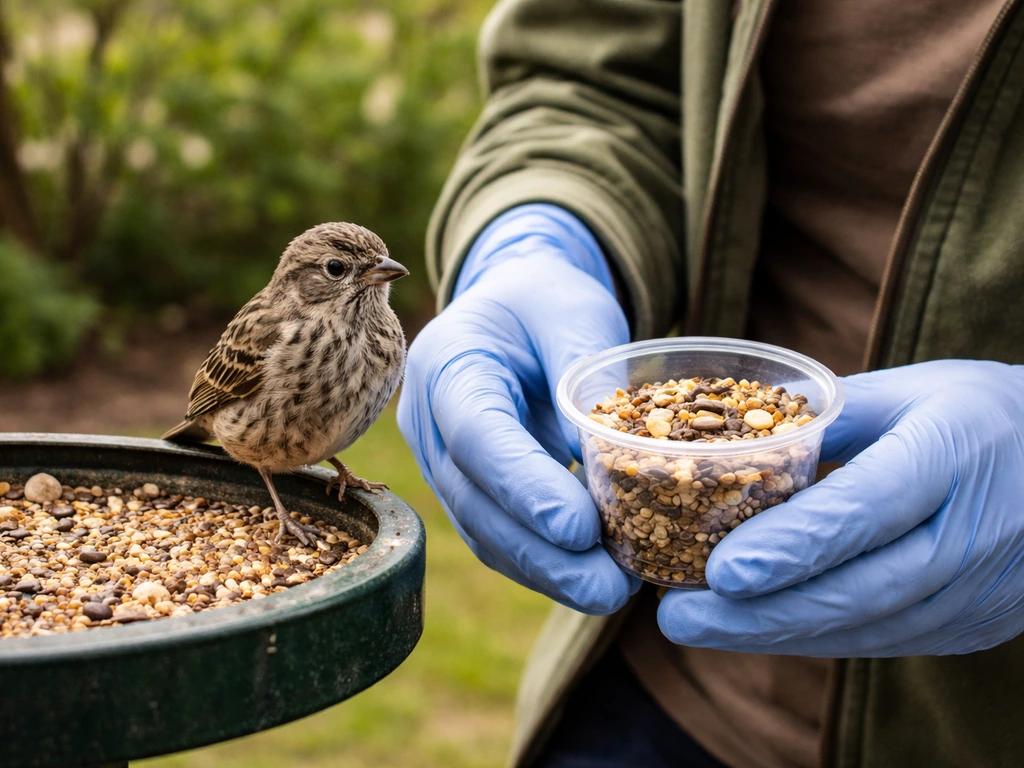
If you saw a wild bird eat a small piece of cheese at your feeder or off the ground, there is no emergency intervention available and probably no need for one. A single small exposure in an otherwise healthy adult wild bird is unlikely to be fatal. Stop offering cheese, clean up any remaining pieces, and monitor the bird for signs of distress if it is a regular visitor you can identify. If you are wondering about other foods like watermelon, the safer approach is still to offer only small portions and avoid anything that causes stomach upset.
For a pet bird that ate cheese, the stakes are higher and the monitoring needs to be more deliberate. Watch for these warning signs in the 24 to 48 hours after ingestion:
- Lethargy or unusual stillness
- Loss of appetite or refusal to eat normal food
- Loose, watery, or discolored droppings
- Fluffed feathers combined with reduced activity (a classic sign of illness in birds)
- Difficulty breathing or labored breathing
- Vomiting or regurgitation not associated with normal social bonding behavior
If your pet bird shows any of these symptoms, contact an avian veterinarian the same day. Do not wait to see if it resolves on its own. Birds are prey animals that hide illness instinctively, which means by the time symptoms are obvious, the situation is often more serious than it looks. This is especially true for parrots, where dairy ingestion has documented potential for severe outcomes.
The Myth That Birds Need Human Food
A lot of people offer birds things like cheese, bread, crackers, or cereal because it feels like sharing something nutritious or filling. The reality is that birds evolved over millions of years without any of those foods, and their digestive systems are simply not built to process dairy, refined grains, or heavily salted products. Cheese is not more nutritious for a bird than sunflower seeds; it is less nutritious and more harmful. Bread has its own well-documented problems, offering mostly empty calories with no useful micronutrients. The instinct to share human food with birds is kind, but the kindest thing you can actually do is put out species-appropriate foods and keep the human snacks in the kitchen.
The Simple Decision Rule
Before you offer any human food to a bird, ask yourself one question: does this food exist in some form in that bird's natural diet? Seeds, insects, fruit, and nectar pass that test. Cheese, bread, crackers, and processed snacks do not. If the answer is no, put it back and grab the sunflower seeds instead. Your birds will do better for it, and you will have a cleaner, safer feeder setup that does not create digestive emergencies or attract pests.
FAQ
If a bird ate cheese once, should I induce vomiting or give anything to “counteract” it?
No. There is no safe home antidote for lactose intolerance in birds, inducing vomiting can cause aspiration, and giving milk or other dairy can worsen the gut issue. The practical step is to stop offering cheese, remove leftovers, and monitor closely for 24 to 48 hours for diarrhea, puffed-up posture, lethargy, or reduced droppings. Contact an avian vet promptly if symptoms appear.
What symptoms are most concerning in pet birds after cheese ingestion?
Look for changes in droppings (loose, watery, or markedly reduced feces), abnormal breathing, extreme sleepiness, fluffed feathers that persist, inability to perch comfortably, and any refusal to eat or drink. Because birds hide illness, even one concerning sign is a reason to call an avian veterinarian the same day, especially for parrots.
Does hard cheese like parmesan cause less trouble than soft cheese?
Hard cheese usually has less lactose than soft varieties, but it still contains some lactose plus salt and fat, which can still trigger diarrhea or digestive upset. Hard cheese also varies by brand and aging method, so the safest approach is still to treat cheese as off-limits for routine feeding, with only the smallest, rare “treat” considered for very tolerant companion birds (and never for parrots).
Is it safer to offer cheese to wild birds on a different schedule, like once a week?
Frequency does not remove the core risks. Lactose, salt, and fat add up over repeated exposure, and processed or salted cheese has additional hazards like additives. If you want to add variety at feeders, choose foods that match the species’ natural diet, such as seeds, suet, or fruit in small amounts, and keep human foods like cheese out of the mix.
What about birds at a picnic, can they eat cheese off the ground?
Accidental pecks are still not recommended. Cheese residue can pick up salt, fat, and contaminants from hands, paper, or other foods, and warm weather can speed spoilage. If you can, remove the food and crumbs promptly and keep birds focused on your proper feeder foods.
Are some bird species more likely to eat cheese, and does that mean they handle it better?
Species that are bold opportunists, like corvids and starlings, may eat cheese readily, but willingness does not equal suitability. Even if a bird tolerates a tiny amount once, the salt and fat issues remain, and repeated feeding increases the chance of gut problems. Parrots and other psittacines should never be offered cheese.
Could cheese cause more than digestive upset, like kidney problems?
Cheese is not a kidney-friendly choice because birds handle high sodium and concentrated fat poorly. While the immediate concern is gastrointestinal distress, repeated or larger exposures can contribute to stress on internal organs over time. If you suspect more than a small nibble, it is safer to consult an avian vet rather than “wait and see.”
What foods are better substitutes if I want to feed a “treat” instead of cheese?
Choose species-appropriate, minimally processed options. For many birds, small amounts of fresh fruit (like banana or watermelon) can be a safer treat than dairy, and mealworms or suet can work for insectivores or specific feeders. Keep treats small and do not replace their staple diet (seed, pellets, or appropriate natural foods).
I use a backyard feeder, how can I prevent risks from spoiled dairy or cheese near the station?
Remove cheese and any cheese crumbs right away, especially in warm weather, because spoilage and bacteria growth increase rapidly. Also clean surfaces regularly, since moldy or damp remnants can contribute to disease spread among birds. Ensure fresh water is available and avoid letting birds forage through contaminated food around the feeder.
Is cheese ever okay for emergency situations, like if a bird seems hungry?
Do not use cheese as a quick rescue food. If you find a bird in distress, the right next step is to use appropriate species feeding advice for that bird type or contact a local wildlife rehabilitator. In the meantime, minimize handling and keep the bird warm and calm while you get guidance, rather than offering dairy.