Technically, cuckoo meat is edible in the sense that it is not inherently poisonous to humans, but in almost every country where cuckoos live, eating one is illegal, carries real health risks, and is considered deeply unethical given ongoing population declines. For the vast majority of backyard birders, pet owners, and nature educators in the US, UK, EU, Australia, and New Zealand, the honest answer is: no, you should not eat a cuckoo bird, and doing so without a permit would expose you to serious legal penalties.
Can You Eat Cuckoo Bird? Edibility, Risks, Laws, Handling & Safety

Maya Bennett
19 Jul 2026
Which cuckoo species are we actually talking about?
The family Cuculidae contains around 150 species worldwide, but the ones most backyard birders and nature educators are likely to encounter depend entirely on where they live. Here is a quick regional breakdown of the species that matter most for this conversation.
| Region | Common Species | IUCN Status | Notes |
|---|---|---|---|
| Europe / Asia | Common Cuckoo (Cuculus canorus), Oriental Cuckoo, Lesser Cuckoo, Indian Cuckoo | Least Concern (declining in parts of Europe) | Strong brood-parasite; familiar two-note call |
| North America | Yellow-billed Cuckoo (Coccyzus americanus), Black-billed Cuckoo (C. erythropthalmus), Greater Roadrunner (Geococcyx californianus) | Least Concern (western Yellow-billed populations monitored closely) | All protected under the MBTA |
| Australasia | Channel-billed Cuckoo (Scythrops novaehollandiae), various koel and bronze-cuckoo species | Varies by species | Protected under EPBC Act and state laws |
| Africa / Central & South America | Chrysococcyx spp., Clamator spp., Coccyzus spp., various coucals | Varies widely | Regional permits and national wildlife laws apply |
The Common Cuckoo is the species most readers in the UK and Europe will encounter. In North America, the Yellow-billed Cuckoo is the one most likely to pass through a backyard or woodland edge. The Greater Roadrunner, while technically a cuckoo, has its own distinct profile as an opportunistic predator of insects, reptiles, and small vertebrates. All of these species sit within legal protection frameworks that make casual possession, let alone consumption, a criminal matter.
Visual ID and diet notes to avoid misidentification
Misidentifying a bird before handling or consuming it is one of the most common and most dangerous errors in wild-bird encounters. Cuckoos are regularly confused with several other species, and a wrong ID can mean accidentally handling a protected bird you did not intend to, or worse, consuming something entirely different with its own risk profile.
Key ID features for common species
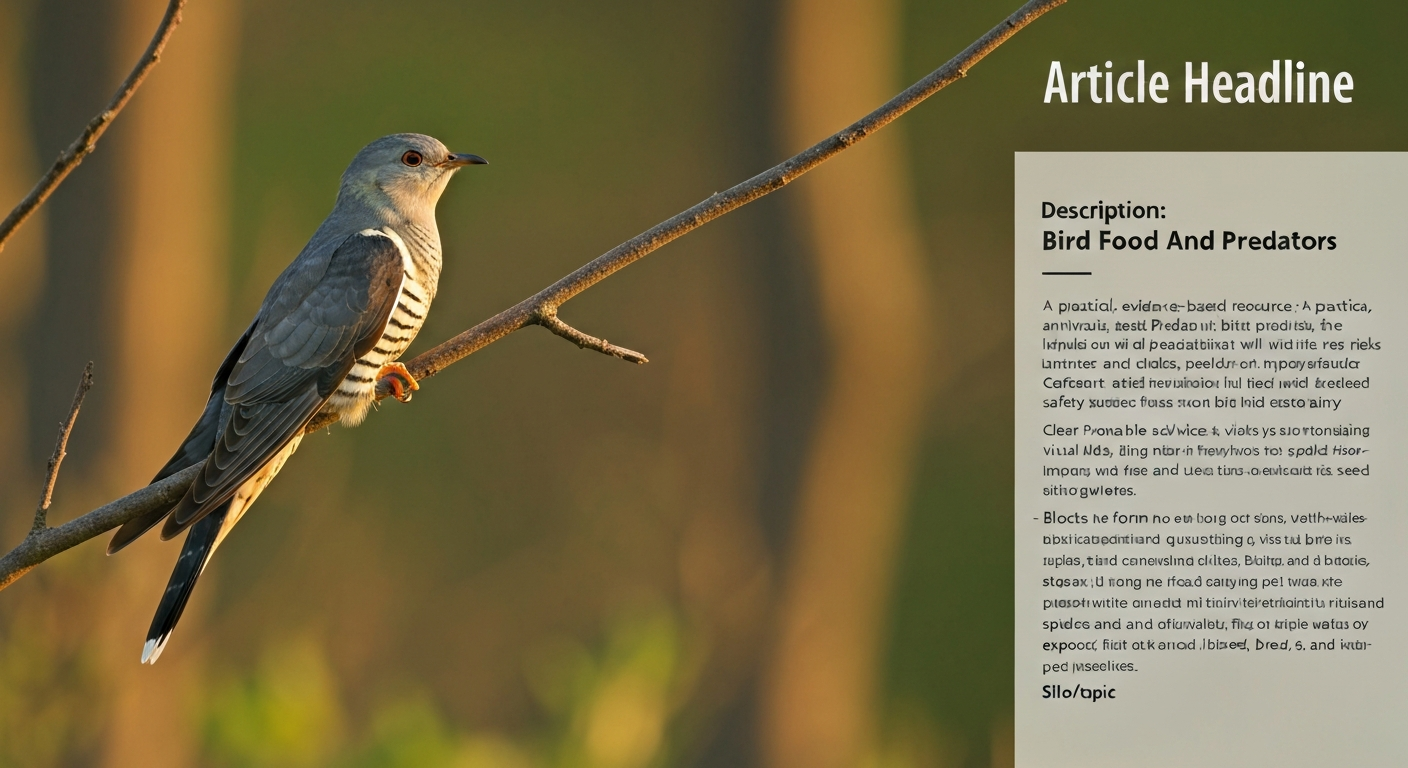
- Common Cuckoo (Cuculus canorus): slim, hawk-like silhouette; grey above, barred white-and-grey below in males; long graduated tail; small downcurved bill; pointed wings in flight; distinctive two-note descending call; often confused with Sparrowhawk at distance due to barred underparts
- Yellow-billed Cuckoo (Coccyzus americanus): warm brown above, clean white below; yellow lower mandible; large white spots on underside of long black tail; rufous flash in primary wing feathers in flight; secretive, often heard before seen
- Black-billed Cuckoo (C. erythropthalmus): similar to Yellow-billed but all-dark bill, narrow red eye-ring, smaller tail spots; easily confused with its yellow-billed cousin
- Greater Roadrunner (Geococcyx californianus): large, streaky brown with a bushy crest; long tail held upright; runs rather than flies; southwestern US and Mexico
- Channel-billed Cuckoo (Scythrops novaehollandiae): enormous pale bill, pale grey body, reddish bare facial skin; unmistakable in Australia and New Guinea
- Common lookalikes to watch for: Song Thrush and Mistle Thrush (UK); Common Grackle (North America, similar tail length); Currawongs (Australia); some buteonine hawks at distance
The BTO BirdFacts resource and Cornell Lab's All About Birds and Merlin app are the most practical free tools for confirming ID in the field. Merlin's photo and sound ID function is particularly useful because cuckoo vocalizations are often the first clue to a bird's presence before you ever see it. If you are uncertain about an ID, do not approach, handle, or disturb the bird, and log your sighting to eBird for documentation.
Diet notes worth knowing
Common and Yellow-billed cuckoos are predominantly insectivorous, specializing in hairy or toxic caterpillars that most other birds refuse to eat. This diet is important for two reasons: it tells you something about the bird's ecological role (valuable biocontrol for pest outbreaks), and it has implications for the chemical residues that may accumulate in cuckoo tissue, which I cover in the health-risks section below.
Legal and conservation checklist by region
Before anything else, understand that legality is the primary filter here. The following table summarizes the key laws that apply. Note that this is a reference guide, not legal advice. Consult your regional wildlife authority before taking any action involving a wild bird.
| Region | Governing Law | What Is Prohibited | Permits / Exceptions |
|---|---|---|---|
| United States | Migratory Bird Treaty Act (MBTA), 50 CFR Part 21 | Taking, possessing, selling, transporting, or exporting migratory birds or their parts, nests, or eggs without authorization | Special-purpose permits via USFWS; educational/rehabilitation permits available; penalties include fines and imprisonment |
| Canada | Migratory Birds Convention Act (MBCA) and Migratory Birds Regulations 2022 | Taking, possessing, or exporting eggs or nests without permits | Environment and Climate Change Canada issues permits; unauthorized possession is a criminal offence |
| European Union | Birds Directive 2009/147/EC | Deliberate killing, capture, disturbance; destruction or taking of eggs and nests of all wild bird species | Member States implement national penalties; derogations are narrow and strictly regulated |
| United Kingdom | Wildlife and Countryside Act 1981 (as amended) | Possession, sale, or purposeful taking of wild birds or eggs unless authorized | Natural England issues licences (e.g., GL12) for narrow cases such as abandoned/failed eggs only |
| Australia | EPBC Act 1999 plus state/territory wildlife laws | Taking, possessing, trading, or using protected native birds or their eggs without permits | Commonwealth and state-level permits required; penalties enforced at both levels |
| New Zealand | Wildlife Act 1953 | Robbing, disturbing, or destroying nests; possessing protected birds or eggs without lawful authority | Department of Conservation (DOC) administers permits; many native species are absolutely protected |
For US readers specifically, every cuckoo species encountered in North America (Yellow-billed, Black-billed, and even Greater Roadrunner) is covered by the MBTA. The western population of the Yellow-billed Cuckoo has received additional conservation scrutiny. See the Yellow‑billed Cuckoo species factsheet, BirdLife Data Zone (IUCN/BirdLife status and trend) for current IUCN/BirdLife status and regional trend details Yellow‑billed Cuckoo species factsheet — BirdLife Data Zone (IUCN/BirdLife status and trend). In the UK, the Common Cuckoo's population has declined by more than 65 percent since the 1980s according to BTO monitoring data, which makes any human disturbance an especially sensitive issue. There is no legal grey area in any of these regions that would permit casual collection or consumption.
Health and food-safety risks: parasites, toxins, and zoonoses
Even if you were somehow in a legal jurisdiction where consuming a cuckoo was permitted, the health risks are substantial enough to give serious pause. Wild passerines and brood-parasitic cuckoos in particular carry a cluster of risks that are worth understanding whether you encounter a live bird, a carcass, or a clutch of eggs.
Parasites
Wild birds routinely carry ectoparasites (mites, lice, ticks) and endoparasites (intestinal helminths, blood-borne protozoa). Cuckoos that feed on caterpillars can also harbor parasitic loads from invertebrate prey. Handling a bird or its nest without protection transfers mites and ticks directly to skin and clothing. Ticks on migratory birds have been documented carrying Borrelia (Lyme disease), Rickettsia, and other bacterial pathogens across migration routes, making even brief contact a meaningful exposure risk.
Toxin accumulation from diet
Because cuckoos specialize in hairy and chemically defended caterpillars, including species that sequester plant toxins, there is a genuine question about bioaccumulation of those compounds in cuckoo tissue. While no well-documented case of human poisoning from cuckoo meat specifically has been published in accessible literature, the principle is well established for other insectivorous birds: dietary toxin loads can transfer to muscle tissue. This is not theoretical caution, it is the same biochemical mechanism responsible for the toxicity documented in other insect-feeding bird species in different families.
Zoonotic disease
- Avian influenza (HPAI): migratory birds including cuckoos can carry and transmit influenza A strains; direct handling of carcasses poses inhalation and contact exposure risk
- Salmonella and Campylobacter: common in wild bird gut flora; present in droppings and on feathers; contamination of hands, surfaces, and food preparation areas is a real risk
- Chlamydophila psittaci (psittacosis/ornithosis): documented across many wild bird families; respiratory infection in humans from inhaling dried droppings or feather dust
- Newcastle disease: reportable avian viral disease present in wild birds globally; rare human conjunctivitis cases documented in poultry workers with direct exposure
- West Nile Virus and other arboviruses: wild birds are reservoir hosts; relevant primarily as a vector/handling risk rather than a dietary one
Safe handling of carcasses and eggs: step-by-step precautions
If you find a dead cuckoo, a nest, or a cuckoo egg in your yard or a natural area, the safest default position is to leave it alone and report it. If you have a legitimate reason to handle it (you are a licensed rehabilitator, a researcher with permits, or you need to move it out of a pathway where a pet or child might contact it), follow these steps.
- Put on nitrile gloves before touching anything; double-glove if the carcass is fresh or wet
- Add an N95 or FFP2 respirator mask if the bird is dead, as dried droppings and feather dust are a psittacosis and influenza risk
- Do not touch your face, phone, or any food surface while gloved
- Place the carcass or egg in a sealed plastic bag; double-bag it
- Remove gloves by peeling them inside-out and seal them in the same bag
- Wash hands thoroughly with soap and water for at least 20 seconds immediately after
- If you have permits and need to store the carcass for reporting, refrigerate it at 4°C or below; do not freeze without consulting your wildlife authority first
- Contact your regional wildlife authority or a licensed wildlife rehabilitator before deciding on next steps (see reporting section below)
- Do not consume the carcass regardless of how fresh it appears
- If a pet has mouthed or ingested any part of the bird, contact your veterinarian promptly
Cuckoo eggs found in a host nest present a different situation. In the UK, only a Natural England licence (GL12) permits removal of abandoned or unsuccessful wild bird eggs, and it does not permit egg collection for personal use. In the US, possessing any migratory bird egg, including a cuckoo egg in a host nest, without a USFWS permit is a federal offence. Leave eggs where they are unless instructed otherwise by a licensed authority.
Culinary considerations: only where legal and ethical
In the interest of completeness, and acknowledging that there are a small number of jurisdictions without explicit wild-bird protections or with traditional harvest rights that may apply to certain indigenous communities, here is what preparation would theoretically require from a food-safety standpoint. This section is not an endorsement or instruction to hunt cuckoos.
Cuckoos are small, lean birds with limited muscle mass. Any preparation would require thorough cooking to an internal temperature of at least 74°C (165°F) to address bacterial pathogens. Given the dietary toxin concerns described above, the liver and visceral organs should be avoided entirely. The insectivorous diet also means the meat may carry a strongly bitter or gamey flavour from caterpillar-derived compounds, and older birds would be particularly affected. For context, birds of similar size and insectivorous diet are not considered desirable table birds by any culinary tradition I am aware of.
Far safer and more ethical protein alternatives for wild foragers include legally harvested game birds such as grouse, pheasant, and woodcock (where seasons and licensing apply), commercially farmed poultry, or sustainably sourced game from licensed processors. None of these carry the legal exposure, disease risk, or ecological cost of taking a protected migratory bird.
Myth-busting: kiwis, peacocks, killdeer eggs, and kiwi fruit
Questions about eating unusual or non-standard birds come up frequently among backyard birders and nature educators, and cuckoos sit in a cluster of related questions worth addressing briefly and honestly.
Can you eat a kiwi bird?
No, not legally or ethically. Kiwis (Apteryx spp.) are absolutely protected under New Zealand's Wildlife Act 1953, are a national icon with critically small populations, and are the subject of intensive conservation programs. Eating one is not a realistic or defensible option. The article covering this question in detail is a companion piece worth reading if you are curious about how New Zealand's protection framework compares to the MBTA.
Can you eat a peacock?
Peacocks (Indian Peafowl, Pavo cristatus) occupy a different legal position. Farmed peafowl can be eaten in many countries and have been a traditional food source historically. Wild peacocks in India are protected under the Wildlife Protection Act 1972 and cannot be legally hunted. If you are curious about the culinary and legal specifics, the peacock bird eating question is covered separately and is worth comparing to the cuckoo's blanket protection status.
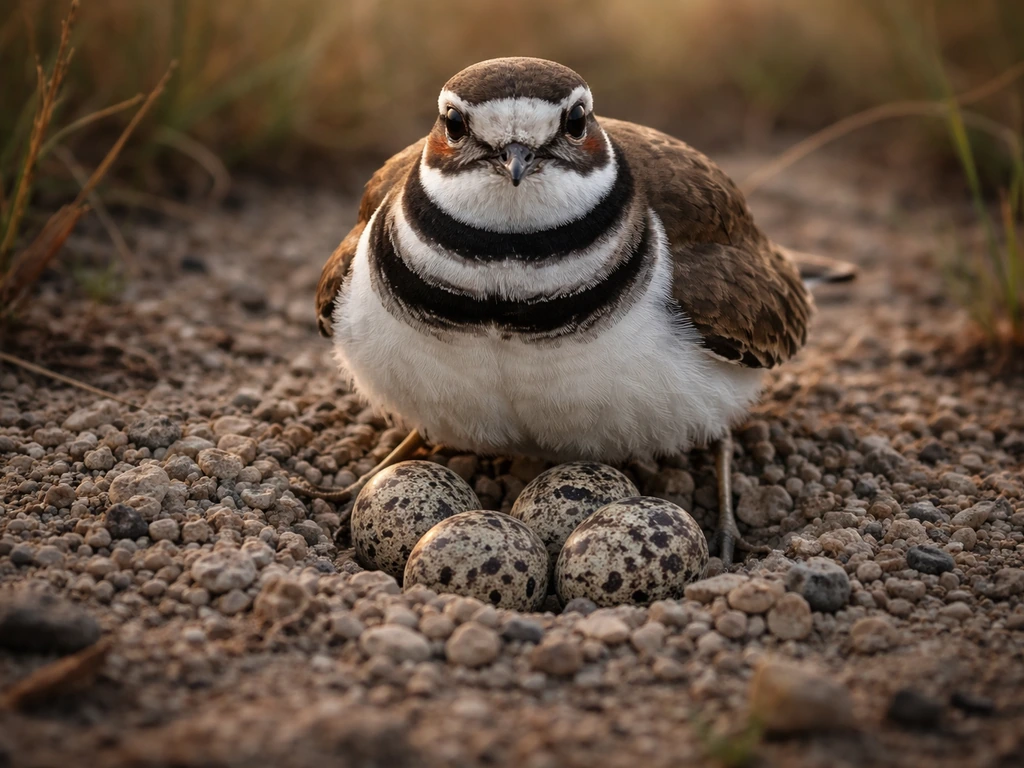
Can you eat killdeer bird eggs?
Killdeer (Charadrius vociferus) are protected under the MBTA in the US and equivalent laws in Canada, making possession or collection of their eggs without a permit illegal. The eggs are also small and laid directly on the ground, making contamination with soil-borne pathogens a consistent concern. The killdeer egg question has its own dedicated coverage, but the short answer mirrors the cuckoo: do not collect or eat them.
Does a kiwi bird eat kiwi fruit?
This one gets asked more than you might expect, especially in classroom settings. Kiwi birds are actually obligate omnivores that probe the forest floor for earthworms, insects, and fallen fruit, but kiwi fruit (Actinidia deliciosa) is not a natural part of their diet in the wild. For a focused answer, see the companion piece titled "Can a kiwi bird eat a kiwi fruit" which explains diet specifics and naming history. The fruit is named after the bird because of its brown, fuzzy exterior, not any dietary connection. A full breakdown of kiwi bird diet and the kiwi fruit naming history is available in that companion article.
Backyard feeder and property safety steps
Cuckoos are not feeder birds in the traditional sense. They do not come to seed feeders or suet cages. However, understanding what draws cuckoos to a property and how to manage your yard safely matters for backyard birders and anyone concerned about wildlife contact.
- Cuckoos are attracted to areas with high caterpillar density (oak woodland edges, weedy gardens with Lepidoptera larvae); maintaining a tidy but wildlife-friendly garden does not specifically exclude them
- Brood-parasitic cuckoos target host-species nests (Reed Warblers, Dunnocks, Meadow Pipits in the UK; Yellow Warblers, Chipping Sparrows in North America); if you have active nest boxes, monitor them from a distance with binoculars rather than hands-on inspection during breeding season
- Never place wild bird food on the ground in ways that attract large concentrations of birds; ground feeding increases disease transmission between species and creates pathogen-rich surfaces near pets and children
- Store all bird seed in sealed, rodent-proof containers; spoiled seed harbors Aspergillus mold and Salmonella that can affect wild birds that then die near your property, creating carcass-contact risks
- Keep pet food indoors; outdoor pet bowls attract opportunistic wildlife including corvids and raptors that can bring parasites and pathogens onto your property
- If you operate a nest box program for educational use, use gloves when monitoring boxes and wash hands after any contact with nest material
- Do not attempt to hand-raise a cuckoo chick found outside a nest; contact a licensed wildlife rehabilitator immediately
Reporting, response, and who to contact
Knowing who to call is half the battle. If you find a sick, injured, or dead cuckoo, or a suspected cuckoo egg in a host nest, here is the right chain of contacts depending on your location.
| Situation | Who to Contact | Why |
|---|---|---|
| Live sick or injured bird | Licensed wildlife rehabilitator (search your national rehabilitator directory) | Handling requires a permit; rehabilitators have PPE, expertise, and legal authority |
| Dead cuckoo carcass, especially if multiple birds found | USDA Wildlife Services (US), APHA (UK), state/territory environment department (Australia/NZ) | Mass mortality events may indicate HPAI or other notifiable disease; public health implications |
| Suspected cuckoo egg in a nest box or garden nest | Leave in place; report sighting to eBird, BTO BirdTrack, or equivalent | Disturbance is illegal; reporting contributes to population monitoring |
| Pet has contacted or ingested wild bird material | Your veterinarian, and notify your wildlife authority if the bird was protected | Salmonella, Newcastle disease, and avian influenza are transmissible to some domestic animals |
| You have been bitten, scratched, or have feather-dust exposure | Your GP or urgent care, and your local public health agency | Psittacosis and tick-borne infections require prompt medical evaluation |
Conservation, ethics, and teaching alternatives
The Common Cuckoo has lost more than 65 percent of its UK population since the 1980s, and declines are documented across much of Europe. The reasons are not fully understood but likely include loss of insect prey, changes in host-species populations, and pressures on African wintering grounds. For nature educators, this context transforms a question about eating cuckoos into a genuinely rich teaching opportunity about trophic ecology, brood parasitism as an evolutionary strategy, the MBTA and international treaty law, and population monitoring methods like BTO satellite tagging. All of these are far more engaging for students and community groups than the narrow culinary question.
For backyard birders, the ethical position is straightforward: cuckoos are declining, legally protected everywhere they are likely to be encountered, and their presence in your area is worth documenting and celebrating rather than disturbing. Contributing cuckoo sightings to eBird or BTO BirdTrack costs nothing and directly supports the population-trend data that conservation managers rely on.
Quick decision checklist: what to do right now
If you have just found a cuckoo on your property and are not sure what to do, work through this checklist in order.
- Do not touch the bird or any eggs with bare hands
- Keep pets and children away from the area immediately
- Observe from a distance of at least 5 to 10 metres and note the bird's condition (alive and mobile, alive but lethargic, dead, egg only)
- If the bird is alive and appears healthy, leave it alone; it likely does not need intervention
- If the bird is alive but visibly sick or injured, call a licensed wildlife rehabilitator before approaching
- If the bird is dead, put on nitrile gloves and a mask before handling; double-bag the carcass; wash hands thoroughly; report to your regional wildlife or public health authority
- If you have only found an egg, do not remove it; log the sighting and nest location to eBird, BTO BirdTrack, or your national bird-monitoring scheme
- If a pet has made contact with the bird, call your vet and describe the exposure in detail
- If you have experienced direct skin or respiratory contact with droppings or feathers, wash exposed skin and contact your GP or urgent care
- Under no circumstances attempt to possess, sell, or consume any part of the bird without explicit written permit authorization from the relevant wildlife authority
FAQ
Short conclusion: Can you eat a cuckoo bird or its eggs?
Generally no — in most places it is illegal, usually unsafe, and ethically problematic. Many cuckoo species are protected by national and international laws (e.g., MBTA in the U.S., MBCA in Canada, EU Birds Directive, Wildlife Act in New Zealand, EPBC in Australia). Even where legal exceptions exist, wild birds and eggs can carry parasites, pathogens, or toxins and often have poor culinary desirability. Prioritize legal and conservation rules, and choose low‑risk, permitted alternatives (store‑bought poultry or legally harvested game with proper permits). Sources: U.S. Migratory Bird Treaty Act (50 C.F.R. Pt. 21), Canada MBCA, EU Birds Directive, national wildlife laws (GOV.UK, EPBC, DOC).
How do I visually identify a cuckoo to avoid misidentification?
Use multiple ID cues: overall size and silhouette, bill shape (often straight to slightly downcurved in Cuculus vs stout in other genera), long graduated tail with distinct barring or white tips (species dependent), flight style (direct with shallow wingbeats vs thrushlike), behavior (perched stealthily, brood‑parasite habits in Cuculus), habitat, and especially vocalizations. Compare photos/audio using trusted tools (Merlin Bird ID, All About Birds, Macaulay Library/eBird, BirdLife/HBW). Watch for lookalikes (thrushes, grackles, currawongs, long‑tailed passerines, or small hawks) and consult regional guides (BTO/RSPB in the UK; Cornell Lab in North America). Sources: Merlin (Cornell), All About Birds, Macaulay Library, BTO/RSPB, BirdLife/HBW.
Which cuckoo species am I most likely to encounter in my region?
Typical regional examples: Europe/Asia — Common/Oriental/Lesser/Indian cuckoos (Cuculus and allied genera); North America — Yellow‑billed and Black‑billed Cuckoos (Coccyzus spp.) plus the Greater Roadrunner in the SW; Australasia — Channel‑billed Cuckoo and koels; Africa and the Americas — various Chrysococcyx, Clamator, Coccyzus and coucals. Always confirm with local field guides and eBird species lists for your locality. Sources: All About Birds, eBird/Macaulay Library, BirdLife/HBW.
Are cuckoos legally protected where I live?
Often yes. In the U.S., most native cuckoos are protected under the Migratory Bird Treaty Act (MBTA); in Canada the MBCA protects migratory species and eggs; EU member states implement the Birds Directive; UK law (Wildlife and Countryside Act 1981) forbids possession/taking of wild birds or eggs except under licence; Australia and New Zealand have national and state/territory protections (EPBC Act, Wildlife Act). Always check your national and local wildlife agency for species‑specific status and permitted activities before any handling or collection. Sources: 50 C.F.R. Part 21; Government of Canada; EU Birds Directive; GOV.UK; EPBC Act; NZ DOC.
What conservation factors should influence my decision?
Check species conservation status and population trends (IUCN/BirdLife/HBW). Even species listed as Least Concern can have regional declines or protected populations; taking individuals or eggs can harm local populations and is often unlawful. Favor non‑intervention, monitoring, and reporting live or dead birds to wildlife authorities or licensed researchers rather than removal. Sources: BirdLife species accounts, IUCN Red List.
What health risks exist from handling cuckoo carcasses or eggs?
Risks include zoonotic pathogens (e.g., Salmonella, Campylobacter, other bacteria), external/internal parasites (mites, ticks, helminths), and environmental contaminants (pesticide residues) depending on location. Wild bird tissues can carry pathogens transmissible to humans and pets. Always assume carcasses/eggs pose biological risk and handle accordingly. Sources: public health guidance on wildlife handling and zoonoses (CDC-style recommendations; extrapolated from known wild bird disease risks).
Next Articles
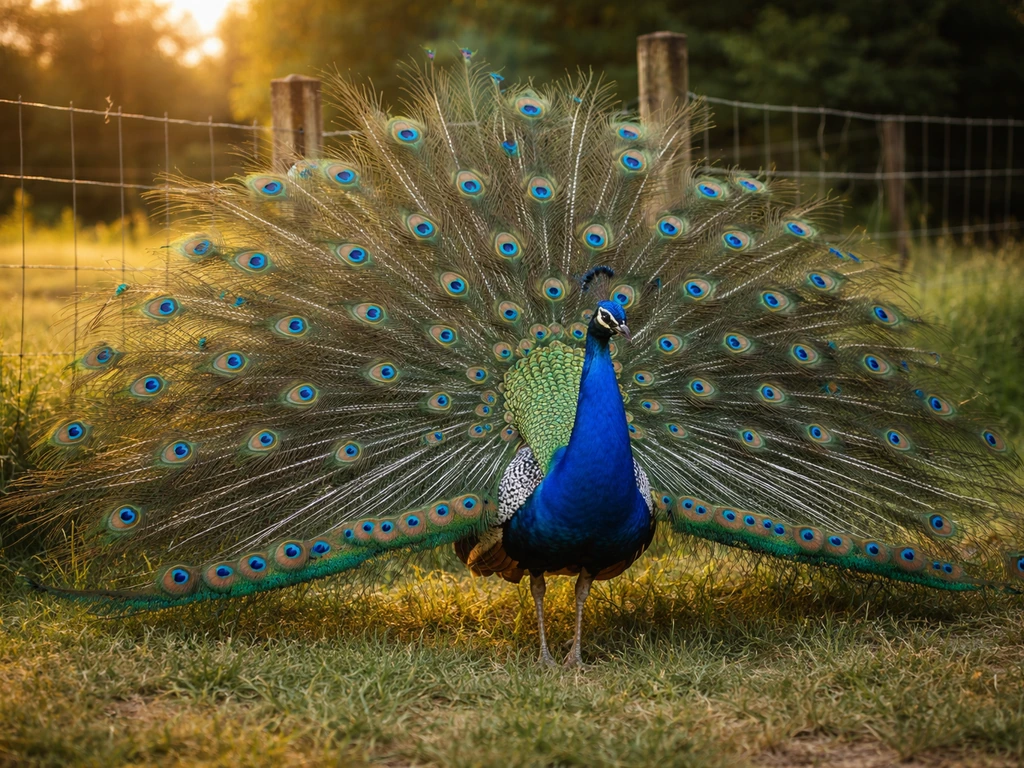
Can You Eat a Peacock Bird? Safety, Legal Rules, Risks
Can you eat peacock meat? Includes safety risks, proper handling, legal rules, and safer alternatives for peafowl.
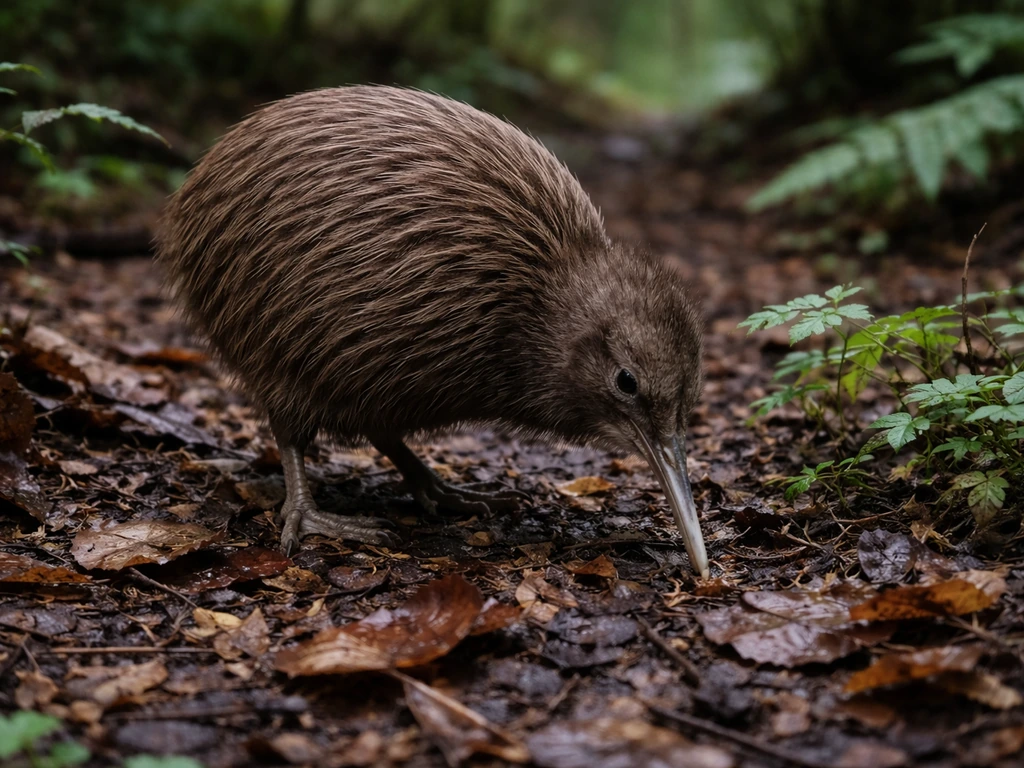
Can a Kiwi Bird Eat a Kiwi Fruit? Safe Feeding Guide
Yes, but rarely. Learn if a kiwi bird can eat kiwi fruit, safe prep, portions, and better fruit-free alternatives.
Can You Eat Killdeer Bird Eggs? Risks, Legality, Next Steps
Can you eat killdeer eggs? Learn health risks, legality, and what to do if you find a nest instead.