No, guinea pigs should not eat bird food or bird seed. This is not a 'probably fine in small amounts' situation, bird seed is genuinely the wrong food for a guinea pig's digestive system, and some common bird food ingredients can cause real harm. If your guinea pig already got into some, keep reading, because I'll walk you through exactly what to watch for and when to call a vet.
Can Guinea Pigs Eat Bird Food or Bird Seed Safely?

Maya Bennett
22 Mar 2026
The short answer: bird food is not safe for guinea pigs
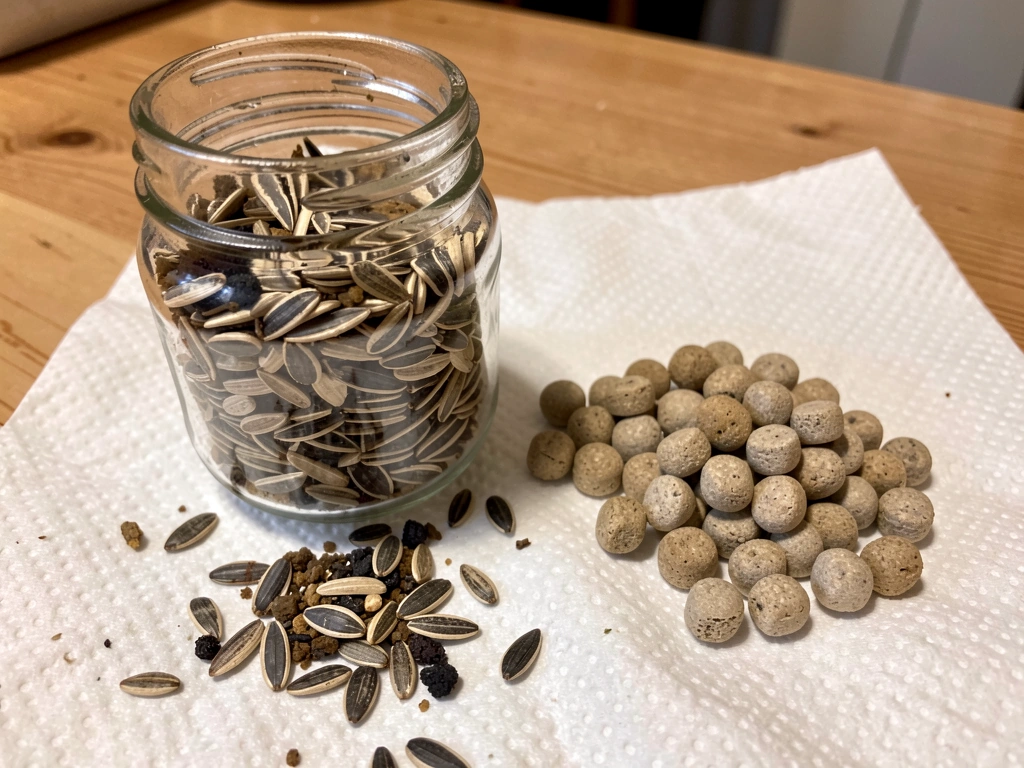
Bird seed is designed around the nutritional needs of birds, not small herbivorous mammals. Do squirrels eat bird eggs too, but this is a different situation from feeding your guinea pig the wrong food. The ingredient profiles are completely different. Birds can handle high-fat seeds like sunflower seeds, safflower, and nyjer without much trouble. Guinea pigs cannot. Their digestive systems are built for high-fiber, low-fat plant material, predominantly grass hay, and the fat content and seed composition in bird food is simply incompatible with that.
The other issue is what bird food does not contain: vitamin C. Guinea pigs cannot produce their own vitamin C and must get it from their diet every single day. Bird food provides none of it. A guinea pig relying on bird seed even partially would be at risk of scurvy over time, which causes joint pain, lethargy, and eventually serious illness.
UC Davis veterinary guidance is very clear on this point: when selecting pellets for guinea pigs, the recommendation is plain pellets only, specifically avoiding any feed that contains nuts, seeds, or dried fruit. Bird seed is essentially the opposite of that recommendation, it is almost entirely seeds, often mixed with nuts and sometimes dried fruit or honey-based additives.
Why bird food can hurt your guinea pig
High fat content and digestive disruption
Guinea pig guts are not set up to process significant fat. A diet that suddenly includes high-fat seeds can disrupt the microbial balance in their digestive tract, causing loose stools, bloating, or in more serious cases, GI stasis, a condition where gut motility slows down dangerously. Although this guide focuses on bird seed, chipmunks also have similar dietary behavior, so it's best to avoid assuming they won't eat bird eggs. GI stasis in guinea pigs is a medical emergency. Signs include a decrease in droppings and refusal to eat, and it requires immediate veterinary attention, not a wait-and-see approach.
Choking risks and seed shells
Many bird seeds come with hard shells, sunflower seeds being the most common example. Guinea pigs are not equipped to crack and safely eat those shells the way birds are. Attempting to eat them creates a choking risk and can also cause internal irritation or injury if sharp shell fragments are swallowed.
Additives, flavorings, and coatings
A lot of commercial bird food contains extras that are flat-out dangerous for guinea pigs: honey or sugar coatings, artificial flavors, preservatives, and sometimes even added salt. Suet-based bird food blocks often contain animal fat. None of these have any place in a guinea pig's diet, and some can cause acute toxicity reactions depending on the amount ingested.
Fiber deficiency risk
Guinea pig rescue and care guidelines consistently highlight that insufficient dietary fiber is one of the leading causes of painful and dangerous digestive problems in guinea pigs. Bird seed has essentially no usable fiber for a guinea pig's digestive system. A pigeon eating sunflower seeds is thriving; a guinea pig trying to survive on them would be in serious trouble within days.
What to feed your guinea pig instead
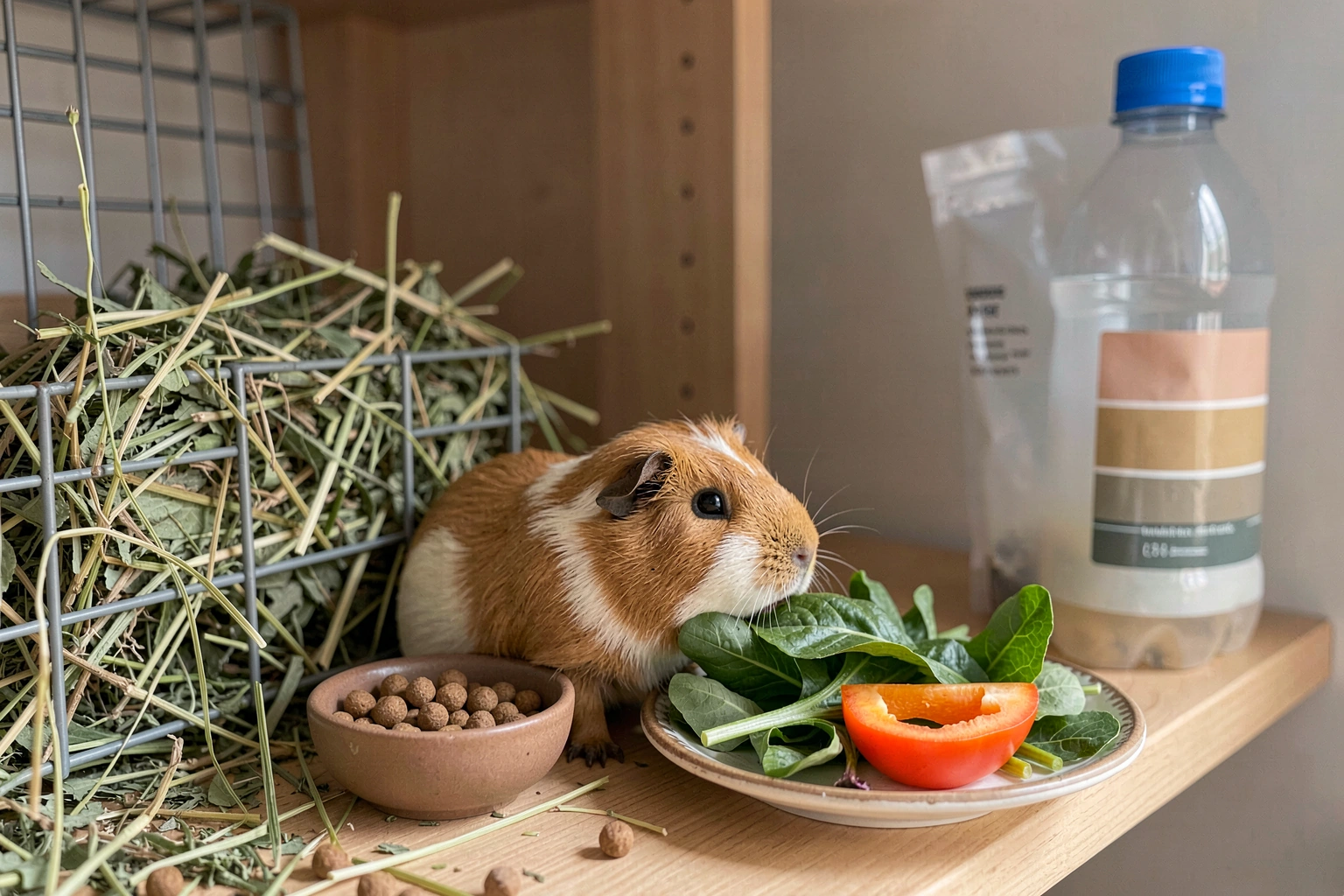
A proper guinea pig diet is not complicated, but it does have a specific structure. Get this right and your guinea pig will have a healthy gut, good teeth wear, and the vitamin C they need to stay well.
| Food type | Amount | Notes |
|---|---|---|
| Timothy hay (or other grass hay) | Unlimited, always available | The foundation of the diet; critical for digestion and dental health |
| Guinea pig pellets (plain, fortified with vitamin C) | Around 1/8 cup per day per adult guinea pig | Plain only — no seeds, nuts, dried fruit, or colorful bits mixed in |
| Fresh leafy greens and vegetables | About 1 cup per day | Romaine lettuce, bell pepper, cucumber, parsley — bell pepper is especially high in vitamin C |
| Fresh water | Unlimited, changed daily | Use a bottle or heavy bowl that cannot be tipped |
When choosing pellets, look for two things: a guaranteed analysis showing the feed is fortified with vitamin C, and an ingredient list that contains no seeds or nuts. Texas Rustlers Small Animal Rescue specifically flags this, if the bag has seeds or nuts in it, it is not appropriate for guinea pigs regardless of what the label says. The colorful, seed-and-pellet mixes you often see in pet stores are marketed to look appealing but are actually worse for guinea pigs than plain pellets, because guinea pigs will selectively eat the seeds and leave the fortified pellets behind.
PDSA guidance echoes this: the best guinea pig diet keeps things simple, unlimited hay, a small daily amount of proper guinea pig pellets, and a variety of fresh foods. Fresh bell pepper is one of the best daily vitamin C sources you can offer. Leafy greens like romaine and parsley round things out well. Avoid iceberg lettuce (mostly water, low nutrition) and starchy vegetables like corn or peas in large amounts.
Your guinea pig already ate some bird seed, here's what to do
If it was a small, one-time amount
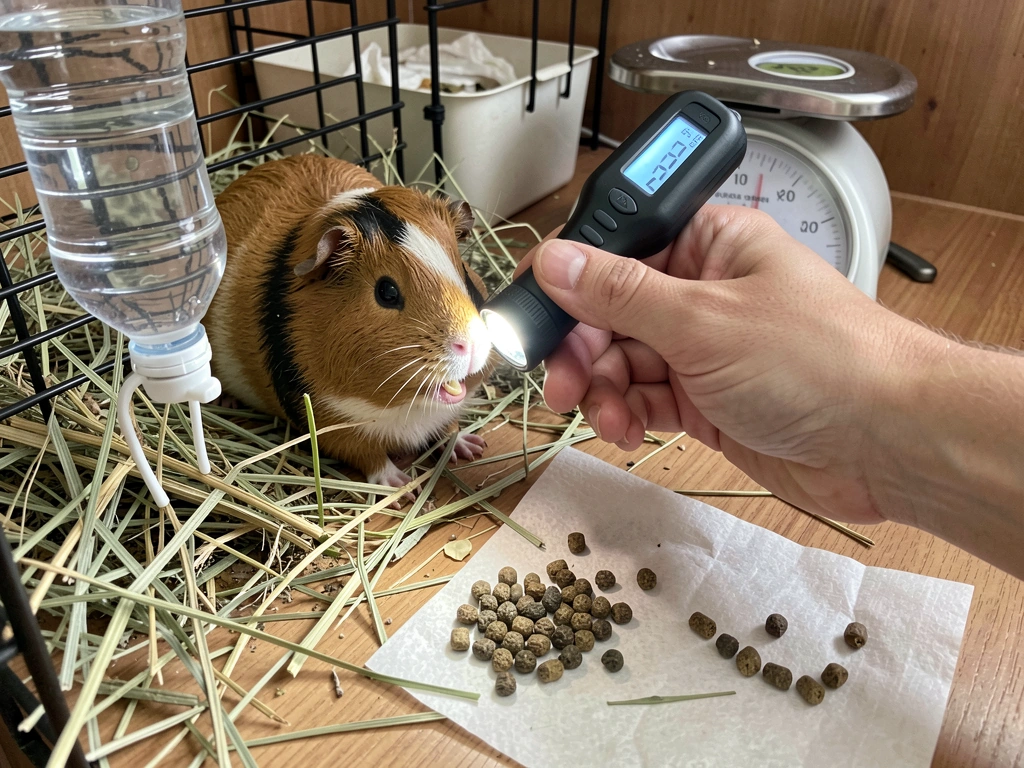
If your guinea pig got into a small amount of plain bird seed (no honey coating, no additives, no suet), the most likely outcome is that they'll be fine. Monitor them closely for the next 24 to 48 hours. Keep hay and fresh water available at all times. If they're eating, drinking, and producing normal droppings, that's a good sign.
Symptoms that mean you need to call a vet now
Do not wait if you notice any of the following. Guinea pig health can deteriorate quickly, and 'wait and see' is not a safe strategy when these signs appear:
- Refusal to eat or drink for more than a few hours
- No droppings, or droppings that are much smaller or less frequent than normal
- Bloated or hard-feeling abdomen
- Lethargy, hunched posture, or reluctance to move
- Labored breathing or wheezing
- Drooling or pawing at the mouth (possible choking or irritation)
- Diarrhea or very soft, unformed stools
UC Davis veterinary guidance specifically lists 'not eating' as an emergency-level concern for small mammals. If your guinea pig is refusing food, that is not something to monitor at home, it is a reason to contact a vet the same day. UC Davis also recommends calling the exotics care team before you show up, so they can help you assess the urgency over the phone and prepare for your arrival if a visit is needed. Look for an exotic animal vet in your area, since not all general practice vets are experienced with guinea pigs.
When you call, be ready to describe what your guinea pig ate, approximately how much, how long ago, and what symptoms you're currently seeing. That information helps the vet triage the situation quickly.
Choosing the right feed and keeping bird food away
How to pick the right guinea pig pellets
Read the label carefully. A good guinea pig pellet should list grass or hay as a primary ingredient, be fortified with vitamin C (ascorbic acid), and contain no seeds, nuts, or dried fruit. The bag should look boring, uniform brown or green pellets, nothing colorful mixed in. If it looks like a bird seed mix with some pellets thrown in, put it back. That product is designed to look appealing to buyers, not to be nutritionally appropriate for guinea pigs.
Storage tips to prevent mix-ups
If you have both guinea pigs and pet birds (or you feed wild birds in your yard), the potential for a mix-up is real. Do squirrels eat bird seeds too, and could that be a risk for your pet guinea pig if they get into the leftovers? Do squirrels eat bird eggs <a data-article-id="4DB5C787-F2B8-4086-B721-177502160CFD">Do squirrels eat bird seeds too, and could that be a risk for your pet guinea pig if they get into the leftovers?
Do squirrels eat bird eggs as well, and that can be a useful comparison point for anyone asking do rats eat bird eggs. The same logic applies when you ask do rats eat bird eggs, since household scavengers can get into whatever is left within reach. . If you are wondering about other small animals, you may also be asking whether chipmunks eat bird eggs.
Here's how to keep things separate and your guinea pig safe:
- Store guinea pig feed and bird feed in clearly labeled, separate containers — different colors or shapes help, especially if multiple household members are involved in feeding
- Keep bird feeders and bird seed bags in a completely different area from where you keep guinea pig supplies
- Never use the same scoop or cup for both without washing it thoroughly in between
- If you have a backyard feeder, make sure your guinea pig's outdoor enclosure or run cannot be accessed by spilled seed from the feeder
- Check the floor around bird feeders regularly — spilled seed can attract other animals too, which is worth knowing if you're curious about what else visits your yard
- Store all pet food in sealed, airtight containers to maintain freshness and prevent contamination
Keeping hay fresh and accessible
Since hay is the cornerstone of your guinea pig's diet, it should always be available, not rationed. Buy hay in larger quantities (it's much cheaper that way) and store it in a breathable bag or cardboard box in a dry, cool location. Avoid plastic storage bags for long-term hay storage, since they trap moisture and cause mold. A hay rack inside the enclosure keeps it off the floor and reduces waste. Your guinea pig should be chewing hay essentially all day long, if they're not, that's worth paying attention to.
Getting the diet right is honestly the single most impactful thing you can do for a guinea pig's long-term health. Stick to unlimited hay, plain vitamin C-fortified pellets, and a daily variety of fresh vegetables, keep bird food well out of reach, and you'll have a much healthier, happier pig.
FAQ
If my guinea pig ate a few bird seed pieces, do I need to stop the bird food permanently or just monitor them?
Stop or secure the bird food right away. Even if a small amount does not cause immediate problems, guinea pigs may keep nibbling over hours, and the vitamin C gap and higher fat from seeds can add up. Monitor for 24 to 48 hours, but treat continued access as a separate risk.
What symptoms after eating bird food should be treated as urgent?
Contact an exotics vet the same day if you see refusal to eat, fewer or smaller droppings, bloating, hunched posture, lethargy, or reduced normal chewing and hay intake. These can point to gut slowdown, which can worsen quickly in guinea pigs.
Does vitamin C-fortified pellets make it safer if they also ate bird seed?
It can help prevent scurvy going forward, but it does not correct the seed-related issues like excess fat, low usable fiber, and potential GI disruption. If they are not eating normally, you should still seek vet guidance even if they have access to good pellets.
Is plain sunflower seed better than mixed bird seed for guinea pigs?
No. Sunflower seeds are still high-fat seeds designed for birds, and they can drive GI upset in guinea pigs. Also watch for hard shells, which create choking or internal injury risk if fragments are swallowed.
My guinea pig sometimes steals from the bird feeder without eating the whole shell. Is that still a problem?
Yes. Even small chews of seeds or shell fragments can irritate the mouth and throat, and accidental swallowing of fragments can be risky. In addition, partial seed intake still removes the daily vitamin C requirement if bird food replaces hay and pellets.
Can guinea pigs eat bird food if it does not contain nuts or dried fruit?
Avoid it anyway. The bigger issues are seed-heavy composition (not the right fiber and fat balance) and lack of vitamin C fortification. Even “simple” seed blends are still built for birds’ nutrition, not guinea pigs’ digestive needs.
What should I do immediately after I discover the bird seed incident?
Remove the bird food, place unlimited hay and fresh water immediately, and check whether droppings, appetite, and normal chewing continue over the next 24 to 48 hours. If they are not eating, do not try to correct it with extra foods, call an exotics vet the same day.
Do I have to change my guinea pig’s diet after a one-time bird seed exposure if they seem fine?
Return to the normal safe diet (unlimited hay, vitamin C-fortified plain pellets, and appropriate fresh vegetables). There is no need to “punish” with extra treats, but do watch for GI changes for a day or two and keep bird food secured in the future.
Could bird seed cause tooth problems in guinea pigs?
Potentially. If seed intake reduces hay chewing, it can affect normal tooth wear over time. For short exposures, this is less likely, but if you notice decreased chewing or appetite, it is a sign to address the underlying GI issue.
If they ate bird food with honey, sugar, or suet, is the response different?
Yes, those additives increase the concern for acute reactions and upset beyond the seed and vitamin C issues. If suet or sweetened foods were involved, call the vet sooner rather than waiting for the 24-hour mark, especially if you see any reduction in eating or droppings.
How can I prevent mix-ups when I keep both guinea pigs and pet birds?
Use separate storage and separate feeding stations. Keep bird feed in a lidded container stored high or in a room the guinea pigs cannot access. Also, avoid letting hay and pellets sit near bird feeders where seeds can fall and be picked up.
Is wild bird seed in the yard also unsafe for guinea pigs?
Treat it as unsafe. Wild seed mixes still tend to be seed-heavy, often with sunflower and other high-fat items, and may include unknown additives. If your guinea pig can reach it, block access and focus on the standard hay, vitamin C-fortified pellets, and fresh veggies diet.
Next Article
What Bird of Prey Eats Pigeons: Common Raptors & ID Tips
Which raptors eat pigeons: peregrine, Cooper’s, goshawk, merlin, red-tailed, kestrels, owls; ID tips, risks and how to保护