No, snakes do not eat bird seed. They are strict carnivores and have zero interest in seeds, grains, or any plant matter whatsoever. If you are seeing a snake at or near your bird feeder, the seed itself is not what drew it there. What drew it there is the chain reaction that bird feeders start: seed falls to the ground, rodents move in to eat it, and snakes follow the rodents. Understanding that chain is the key to solving the problem.
Do Snakes Eat Bird Seed? What to Do If One Shows Up

Maya Bennett
22 Mar 2026
Do snakes actually eat bird seed
Common backyard species like garter snakes eat earthworms, amphibians, slugs, bird eggs or nestlings. Rat snakes and other larger species focus heavily on mice, rats, and bird eggs or nestlings. The U.S. Fish and Wildlife Service even describes a species like the giant garter snake as feeding primarily on aquatic prey such as small fish, tadpoles, and frogs. Across all species, seeds and plant matter do not appear on the menu.
So if your snake is not eating the seed, you can stop worrying about protecting the seed itself and start thinking about what the seed is attracting. That shift in thinking changes everything about how you fix the problem.
What snakes are actually hunting around your feeder
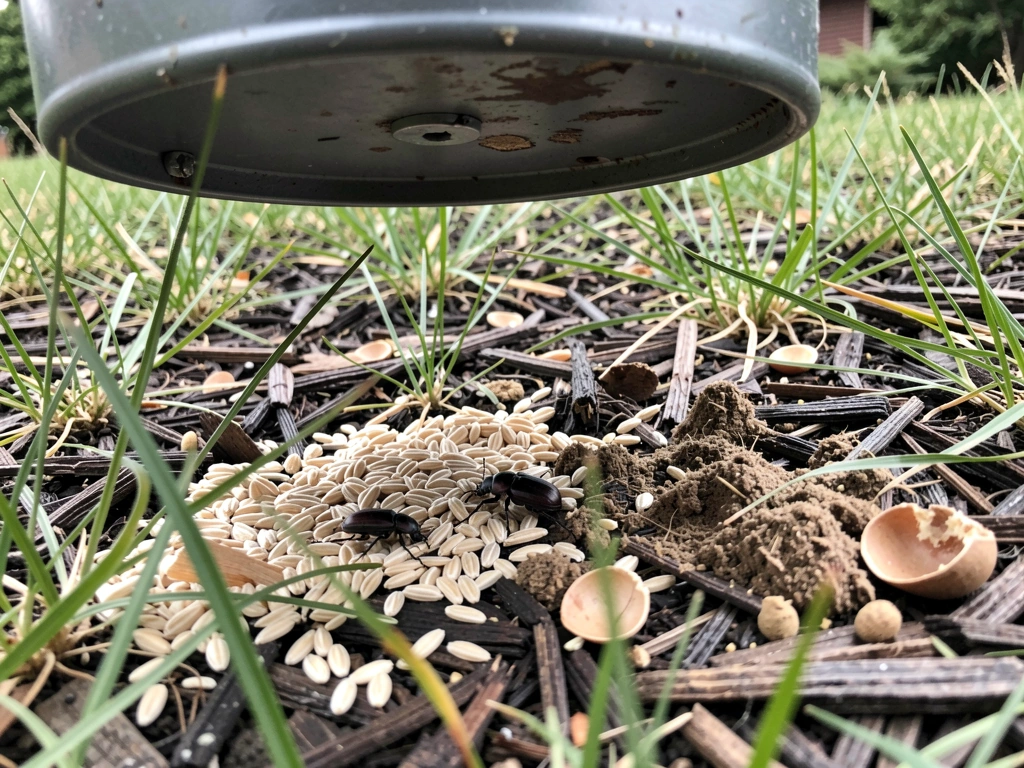
Bird feeders are remarkably good at creating a buffet for animals you never intended to feed. Seed falls to the ground, accumulates in the grass and mulch beneath the feeder, and draws in exactly the kind of small prey that snakes spend their lives chasing. Here is what snakes are realistically hunting in that zone:
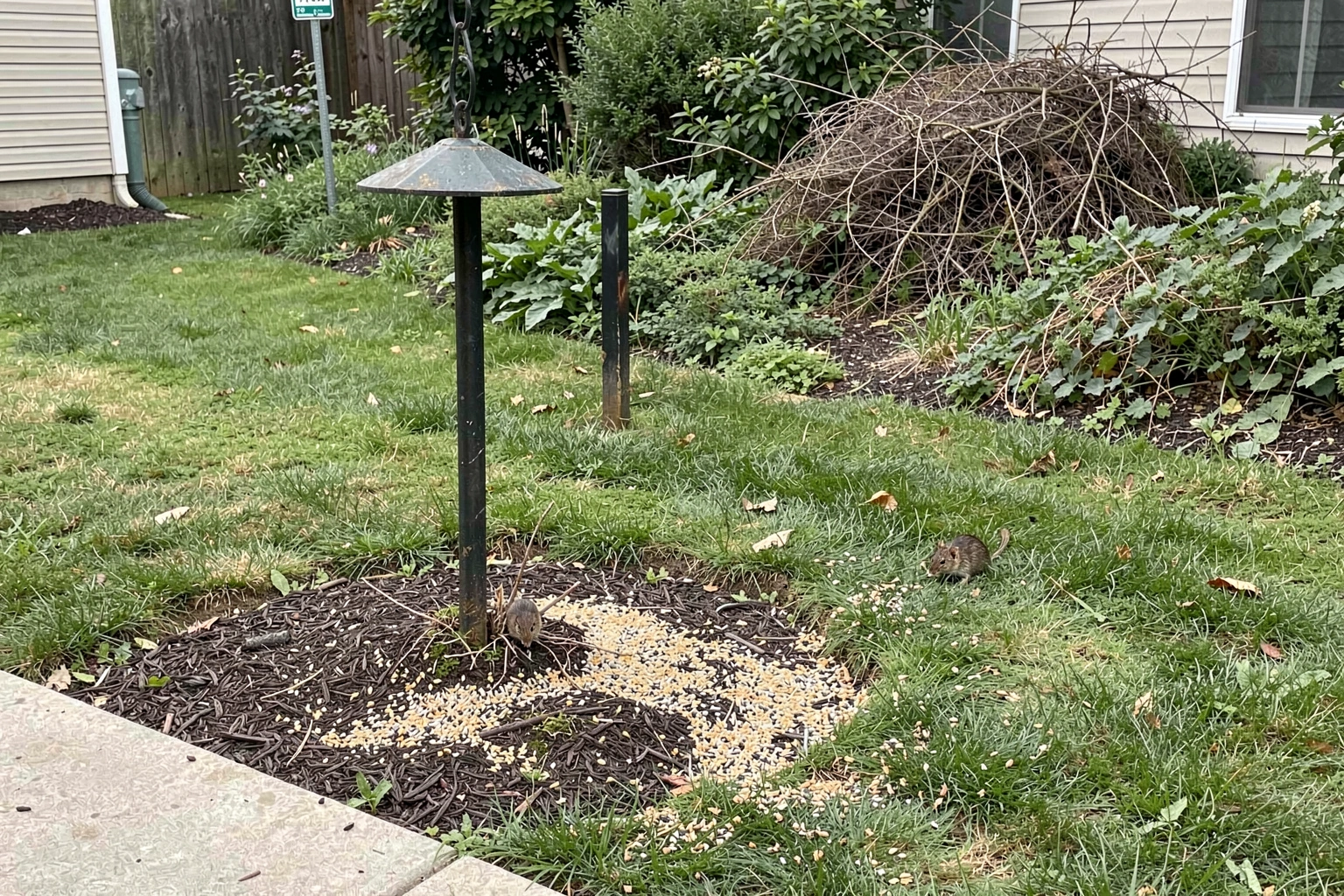
- Mice and rats: Spilled birdseed is a documented driver of elevated rodent populations around homes and feeders. Washington's Department of Fish and Wildlife, MassWildlife, and the Internet Center for Wildlife Damage Management all flag this directly. A resident mouse population is the single biggest reason snakes take up residence near a feeder.
- Insects: Seed piles and compost-like debris under feeders attract beetles, crickets, and other insects, which are a primary food source for smaller snake species and juveniles.
- Injured or grounded birds: A bird that crashes into a window, gets clipped by a predator, or simply lands to feed on the ground becomes a realistic target for a larger snake. Snakes are opportunists.
- Bird eggs and nestlings: If you have nesting boxes or shrubs near your feeder, a snake may be exploring that area for eggs rather than for the seed.
- Frogs, toads, and earthworms: Moist, mulchy conditions under a feeder and in garden beds nearby are prime hunting habitat for these species, which are diet staples for garter snakes in particular.
Why snakes keep showing up in yards with bird feeders
A yard with a bird feeder offers snakes two things they need: food and cover. The food is indirect (rodents, insects, the occasional bird) but it is reliable, and snakes learn where reliable food is. The cover comes from the habitat features that tend to cluster around feeders: dense ground-level plantings, mulch beds, woodpiles, rock borders, and tall grass at the edges of a lawn. Washington's Department of Fish and Wildlife is direct about this: reducing shelter like tall grass, rock piles, and woodpiles limits hiding places for both snakes and their rodent prey.
Timing matters too. If you are seeing snakes in spring, you are likely watching them emerge from winter dormancy and actively hunting after months without food. Late summer activity often corresponds with young-of-the-year snakes dispersing. If they show up consistently in the same spot day after day, there is almost certainly an active rodent population or reliable insect source within a few meters of where you keep seeing them.
It is also worth knowing that bird feeding activity itself has been studied in urban ecology research, and camera-trap studies consistently document rodents and other non-target wildlife visiting feeder areas. The feeder does not attract the snake. The feeder attracts the mouse. The mouse attracts the snake. Remove any link in that chain reaction and you break the cycle.
What to do right now if you see a snake at your feeder
First and most importantly: do not try to pick it up, pin it, or chase it away with a stick. That is how the vast majority of snake bites happen. Georgia DNR's guidance is clear: keep your distance and do not provoke the snake. Most snakes will move on within minutes once they realize there is no accessible prey and they feel observed.
- Back away and give the snake at least 6 feet of space. Note what it looks like (size, color, head shape, markings) from that distance so you can identify it later if needed.
- Bring children and pets inside immediately. Do not let a dog or cat investigate the snake unsupervised.
- Do not try to relocate the snake yourself. Moving a snake is stressful for the animal and risky for you.
- Watch from a window if you want to see when it leaves. Most snakes are not looking to hang around once they realize you are there.
- Once the snake has moved on, go out and check the area for what it might have been hunting: look for rodent droppings, insect activity, seed buildup on the ground, or nearby shelter like a brush pile.
How to remove the attractants that are pulling snakes in
This is the section that actually solves your problem long-term. Deterrents help, but if you leave the attractants in place, you are fighting an uphill battle. Focus on these areas:
Clean up fallen seed
Spilled seed is the root cause. The Internet Center for Wildlife Damage Management recommends fitting your feeder with a catch tray or basin so seed does not fall to the ground in the first place. If you already have seed buildup below your feeder, rake it up and bag it. Do this regularly, not just once. The Houston Humane Society includes cleaning up spilled seed as a direct pet and wildlife safety step, and it is genuinely effective at reducing the rodent activity that draws snakes.
Switch to no-waste seed blends
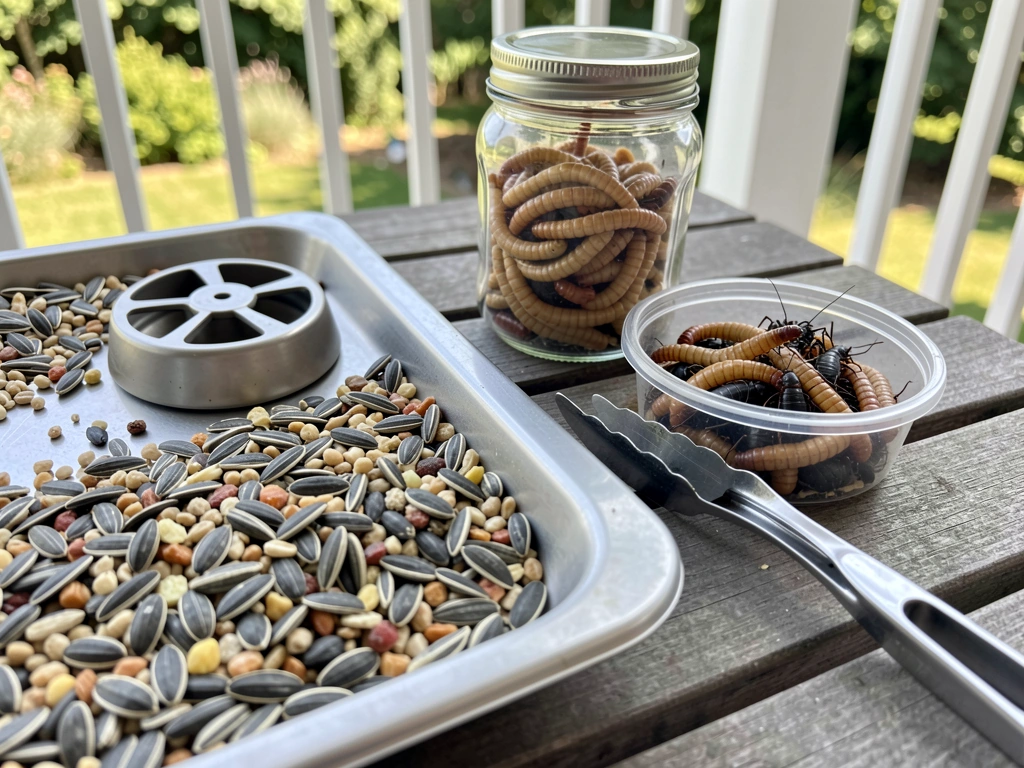
Mixes with a lot of millet, milo, or filler grains produce heavy ground spillage because birds toss what they do not want. Switching to no-waste blends (hulled sunflower chips, pure nyjer, shelled peanuts) dramatically reduces the amount of material hitting the ground. Less ground debris means fewer rodents means fewer snakes.
Move the feeder and use baffles
Washington's Department of Fish and Wildlife specifically recommends using baffles on feeder poles to reduce rodent access. Position your feeder on a smooth metal pole at least 5 feet off the ground, with a cone-shaped baffle below the feeder and away from branches and structures that allow climbing. This does not stop seed from falling but it prevents rodents from climbing directly to the feeder itself.
Reduce shelter for snakes and their prey
Mow grass regularly, especially within 10 to 15 feet of your feeder. Clear woodpiles, brush piles, and rock stacks away from the feeder area or move them to the far edge of your yard if you want to keep them. These habitat features serve double duty as rodent habitat and snake hiding spots. Eliminating them does both jobs at once.
Manage the ground-level environment
Dense ground cover, thick mulch, and overgrown garden beds adjacent to your feeder all provide the kind of cover that mice and snakes need to feel safe. Trimming back these areas and raking mulch away from the base of the feeder zone removes both shelter and the moisture that attracts insects and worms.
Deterrents and prevention going forward
Once you have cleaned up the attractants, a few structural changes will help keep snakes from finding your yard worth visiting again.
| Prevention Method | What It Does | Effectiveness |
|---|---|---|
| Catch tray on feeder | Stops seed from reaching the ground | High — directly cuts rodent food source |
| Smooth pole + cone baffle | Blocks rodent climbing access to feeder | High — reduces rodent feeding at source |
| No-waste seed blends | Reduces ground spillage from birds tossing filler seed | High — less debris, fewer rodents |
| Regular mowing within 15 ft of feeder | Removes snake and rodent cover | Moderate to high — disrupts habitat |
| Remove brush/woodpile/rock piles near feeder | Eliminates hiding and shelter spots | Moderate to high |
| Rodent-proof compost bins | Removes secondary food source near yard | Moderate |
| Cedar mulch instead of wood chip mulch | Slightly less attractive to insects and rodents | Low to moderate |
| Commercial snake repellent granules | Scent-based deterrent around perimeter | Low — limited evidence of consistent effectiveness |
On the topic of commercial snake repellents: most herpetologists and wildlife agencies are skeptical about their effectiveness. They may cause a snake to detour temporarily, but if the prey source is still there, the snake will find another route in. Habitat modification and attractant removal will always outperform repellents.
If you want to take things a step further, consider temporarily suspending bird feeding for two to four weeks during peak activity. This breaks the rodent population cycle in your immediate yard area and gives the local prey base a chance to disperse. You can resume feeding once you have the feeder setup properly modified with a catch tray and baffle system.
When to call wildlife control and basic safety rules
Most snakes you encounter in a backyard setting are non-venomous and will cause you no harm if you leave them alone. That said, there are situations where calling a professional wildlife removal service is the right call.
- You cannot identify the snake and it is not moving on after a reasonable amount of time (30 to 60 minutes).
- The snake has triangular head shape, a rattle, or pit organs visible between the eye and nostril, which may indicate a venomous species.
- The snake is inside your home, garage, or outbuilding.
- The snake is in an area where children or pets have regular unsupervised access.
- You are seeing the same snake (or snakes) repeatedly despite having cleaned up attractants.
The City of San Diego's wildlife guidance is worth repeating here: residents are not expected to handle snakes themselves, and calling a licensed wildlife removal provider is the appropriate step when a snake needs to be physically relocated. Do not try to catch, pin, or kill a snake. Even non-venomous snakes bite when cornered, and in many states native snakes are protected under wildlife law.
For children and pets, the rule is simple: if you see a snake and you are not sure what it is, treat it as potentially venomous until someone who knows tells you otherwise. Keep dogs on leash in the yard if you have had repeated sightings. Train children to back away slowly and come get an adult rather than approaching or throwing things at a snake.
Troubleshooting if snakes keep coming back
If you have made the habitat changes and cleaned up the seed but are still seeing snakes regularly, work through this checklist before calling it a lost cause:
- Check for active rodent sign: droppings, gnaw marks, burrowing near the feeder base, or runs in the grass. If rodents are still active, the attractant is still there.
- Look for standing water or moist areas nearby. Birdbaths, leaky hoses, and low spots collect water and attract frogs, worms, and insects, all of which are snake food.
- Check nesting boxes and dense shrubs for eggs or nestlings. If a snake found a meal there once, it will check again.
- Note the time of day you are seeing the snake. Consistent morning sightings often mean the snake is thermoregulating on a warm surface near the feeder (a patio, stepping stones, or dark mulch). Adjust where those warm surfaces are or add shade.
- Look for entry points into crawl spaces, sheds, or gaps in fencing adjacent to the feeder zone. If snakes have shelter access to a structure, they may be denning rather than just passing through.
- If the problem is seasonal and tied to spring emergence, consider temporarily removing the feeder entirely for four to six weeks in March and April to disrupt the pattern.
It is also worth keeping in mind that not every snake visit is a problem you need to fix. Garter snakes, in particular, are effective garden allies that eat slugs, grubs, and pest insects. If the snake is small, non-venomous, and moving through rather than setting up residence, leaving it alone is a completely reasonable option. The goal is to make your yard less of a reliable hunting ground, not to make it snake-proof forever, which is not realistically achievable anyway.
FAQ
If I stop feeding birds, will the snake go away immediately?
Usually the change is not instant. Even after you pause feeding, spilled seed in the yard and the nearby rodent food supply can keep prey active for a few weeks. Plan to pause feeding for 2 to 4 weeks only if you also remove existing seed buildup and reduce cover near the feeder.
Do snakes ever eat sunflower seeds or peanuts that fall under bird feeders?
Snakes are carnivores, they do not digest seeds or shell-rich foods. You might notice them near a feeder because rodents and insects are using the same area, not because the snake is “after” the seed.
How can I tell whether the feeder is drawing rodents, not just birds?
Look for signs like seed shells and tracks on the ground, droppings near the feeder base, or frequent nighttime activity around the seed pile. If you see repeated mouse activity and the snake appears at predictable times, it is the prey cycle that is driving the snake’s visits.
What if my feeder has a seed catch tray, but I still see snakes around it?
A catch tray helps, but gaps and overflow can still spill seed during windy days or heavy feeding. Check for seed collecting behind the tray, under the pole, or in surrounding mulch. Also confirm there is no easy climbing route from nearby branches, fences, or plantings to the pole area.
Are baffles and pole height enough, or do I also need to manage the ground?
Both matter. A baffle and smooth pole limit rodent access to the feeder, but rodents can still feed on seed already in grass and mulch. Rake up and bag spilled seed regularly, and keep mowing tight near the feeder so there is less rodent shelter.
Can I use a snake repellent spray around the feeder?
Many commercial repellents provide at best temporary deterrence, and they can fail if the prey and hiding cover remain. The more reliable approach is removing the attractants (spilled seed, rodent activity) and reducing cover, so the snake no longer finds the area worth hunting.
Is it safe to relocate a non-venomous snake myself?
In most cases it is not worth the risk. Even non-venomous snakes bite when stressed, and handling can be unsafe for children, pets, and you. If removal or relocation is needed, use a licensed wildlife provider, especially if you are unsure of species or local protections.
What should I do immediately if I see a snake near the bird feeder?
Back away and keep pets and children indoors or secured. Do not corner the snake, do not use sticks or attempt to pick it up. Give it an escape path by maintaining distance, then focus on the attractant chain afterward (seed, prey, and cover).
Will trimming grass and removing woodpiles also reduce insects that birds rely on?
It can, but you can target the area that matters most. Focus on thinning dense ground cover, removing brush near the feeder zone, and trimming within roughly 10 to 15 feet of the feeder, rather than clearing the entire yard. This reduces rodent hiding spots while keeping bird habitat elsewhere.
What if the snake keeps returning even after I clean seed and install a baffle?
That often means another attractant is still present. Re-check for hidden seed sources (under nearby planters, dropped fruit from trees, or other pet food), review nearby cover that remains undisturbed, and look for persistent rodent activity. If the sightings continue, a wildlife professional can help identify the local prey source.
Next Articles
What Eats a Small Bird: Predators, Clues, and Fixes
Learn which predators eat small birds, how to spot clues, confirm culprits, and take quick steps to protect backyard bir
Do Chipmunks Eat Bird Eggs? How to Tell and Protect Nests
Do chipmunks eat bird eggs? Learn how to confirm the predator and protect nests with safe, effective deterrents.
Do Rats Eat Bird Eggs? How to Confirm and Prevent It
Learn if rats eat bird eggs, how to confirm damage fast, and practical steps to prevent nest access safely.