Several backyard birds eat Japanese beetles, but the heavy hitters are American robins, European starlings, common grackles, and red-winged blackbirds for adults, and crows, starlings, robins, and skunks (not a bird, but worth knowing) for the grubs underground. If you want a quick-start answer: robins and starlings are the birds you're most likely to see actively hunting beetles in your yard, and you can attract more of them with a mix of open lawn, native plantings, and a clean birdbath. That said, birds alone won't wipe out a heavy infestation. University of Maryland Extension is blunt about this: bird feeding on adult Japanese beetles is generally not sufficient to prevent plant injury when beetle numbers are high. Use birds as one piece of the puzzle, not your whole plan.
What Bird Eats Japanese Beetles? Likely Species and Next Steps

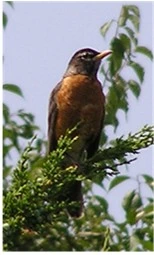
Birds most likely to eat Japanese beetles
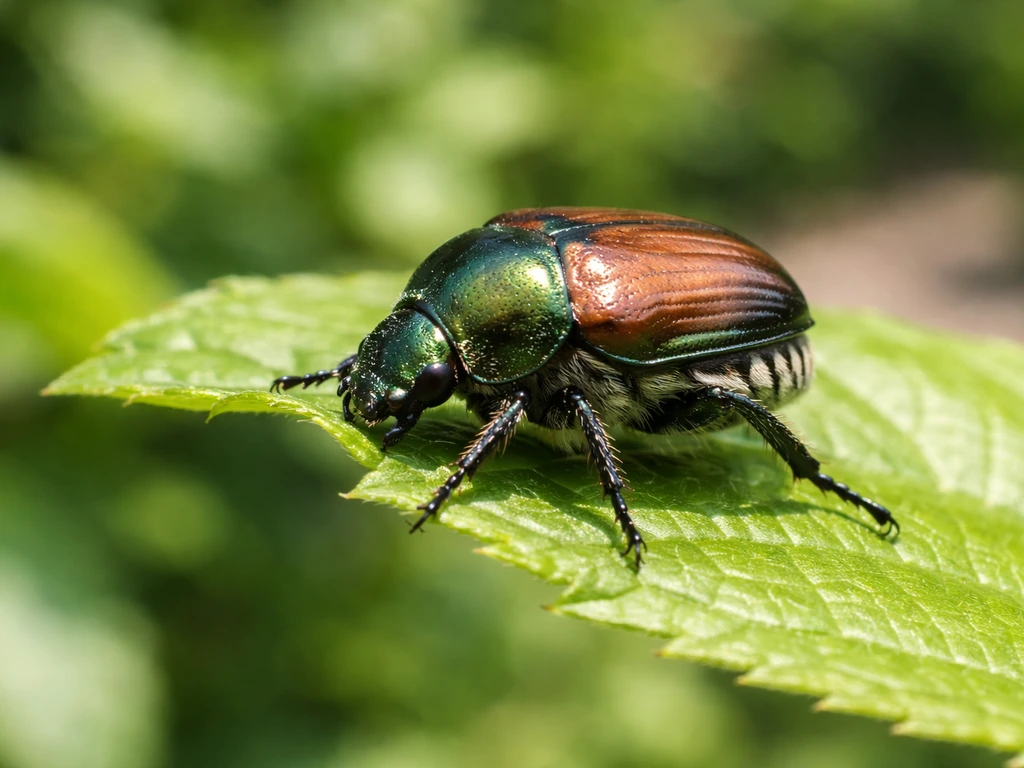
Japanese beetles have two life stages that birds can exploit: the adult beetle (active above ground from late June through early August) and the white grub (living in the soil for most of the year). Different birds target different stages, so it helps to think about them separately.
Adult beetle predators
Adult beetles are diurnal, meaning they're out and active during the day, which makes them visible targets for birds that hunt by sight. They also aggregate in groups on preferred plants like roses, linden trees, and grapes, so when a bird finds one, it often finds dozens. Colorado State University Extension describes how adult Japanese beetles feed on leaves by skeletonizing the tissue between veins, and notes they prefer favored plants such as rose blossoms adult Japanese beetles feed on leaves by “skeletonizing” interveinal tissue removal and prefer favored plants such as rose blossoms. That density is exactly what makes certain bird species likely to exploit them.
| Bird Species | Likelihood of Eating Adults | Notes |
|---|---|---|
| American Robin | High (likely) | Forages on lawns and shrubs; documented heavy insect consumption in summer; will pick beetles off foliage |
| European Starling | High (likely) | Known coleopteran (beetle) feeders; forages in flocks and can consume large numbers quickly |
| Common Grackle | High (likely) | Omnivorous and opportunistic; readily takes large surface insects including beetles |
| Red-winged Blackbird | Moderate (occasional) | Insectivorous in summer; will take adults when foraging near vegetation |
| Gray Catbird | Moderate (occasional) | Forages in shrubs; takes insects from foliage, including beetles on infested plants |
| House Sparrow | Low (occasional) | Primarily a seed eater but will take soft insects; less reliable for beetle control |
| Northern Mockingbird | Moderate (occasional) | Insect forager in summer; observed taking beetles from plant surfaces |
Grub predators (underground stage)
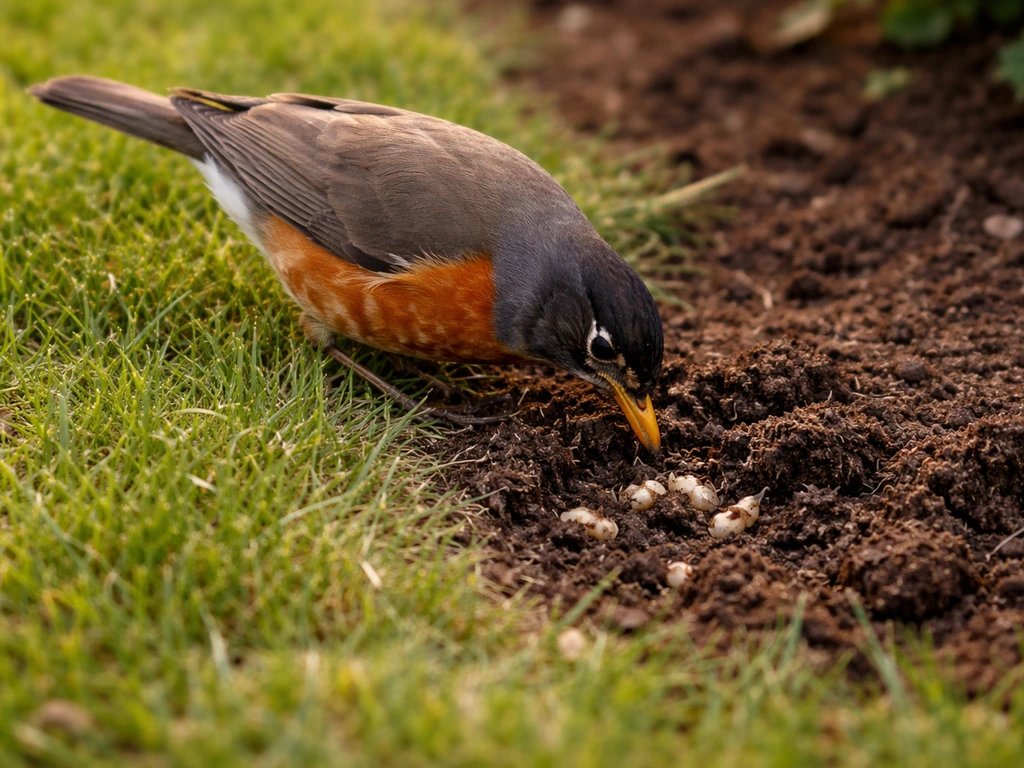
White grubs live in the top few inches of soil from late summer through spring. Birds that probe or dig in turf are the ones you want. American robins will pull grubs from shallow soil the same way they pull earthworms. Crows are effective grub hunters and will use their bills to open up turf. European starlings are documented consumers of beetle larvae specifically, including coleopteran grubs. Common grackles also dig into lawns. You may notice divots and small holes in your lawn where birds have been probing, and that's actually a reliable sign of grub activity underneath.
How to confirm it's birds doing the work (and not something else)
Japanese beetles attract more than birds. Ground beetles, parasitic wasps, tachinid flies, and even some lizards prey on them too. Knowing what you're actually seeing matters, especially if you're trying to encourage a specific predator.
- Bird feeding on adults: Look for birds perched directly on heavily infested plants (roses, linden, grapes) and picking insects off leaves. Robins and starlings do this in short bouts, often early morning. You'll see the bird land, peck repeatedly, and fly off with or without a beetle.
- Bird feeding on grubs: Watch for birds probing soil with their bills, especially in lawn areas that are browning or pulling away from the soil (a sign of grub damage below). Crows and grackles leave shallow, neat holes. Skunks and raccoons leave larger, ragged torn-up patches, which helps you tell them apart.
- Wasp predation: Look for solitary wasps hovering low over foliage or carrying a paralyzed beetle. This happens quickly and you may find beetles with their legs folded under them near wasp burrows.
- Ground beetles: These predators work at night and underground, so you generally won't see them in action. If you're finding damaged adult beetles on the ground with no obvious culprit, ground beetles or other nocturnal predators are likely involved.
- Skeletonized leaves: The lacy, vein-only pattern on leaves is caused by the beetles themselves, not by bird activity. Birds reduce beetles but don't produce leaf damage.
One strong confirming sign of bird activity: watch the behavior in the morning. Japanese beetles are most active in warm, sunny midday conditions, but birds often get ahead of them in the early hours. If you see robins or starlings systematically working over a section of infested shrubs before 9 a.m., that's bird predation on beetles, full stop.
What actually attracts beetle-eating birds to your yard
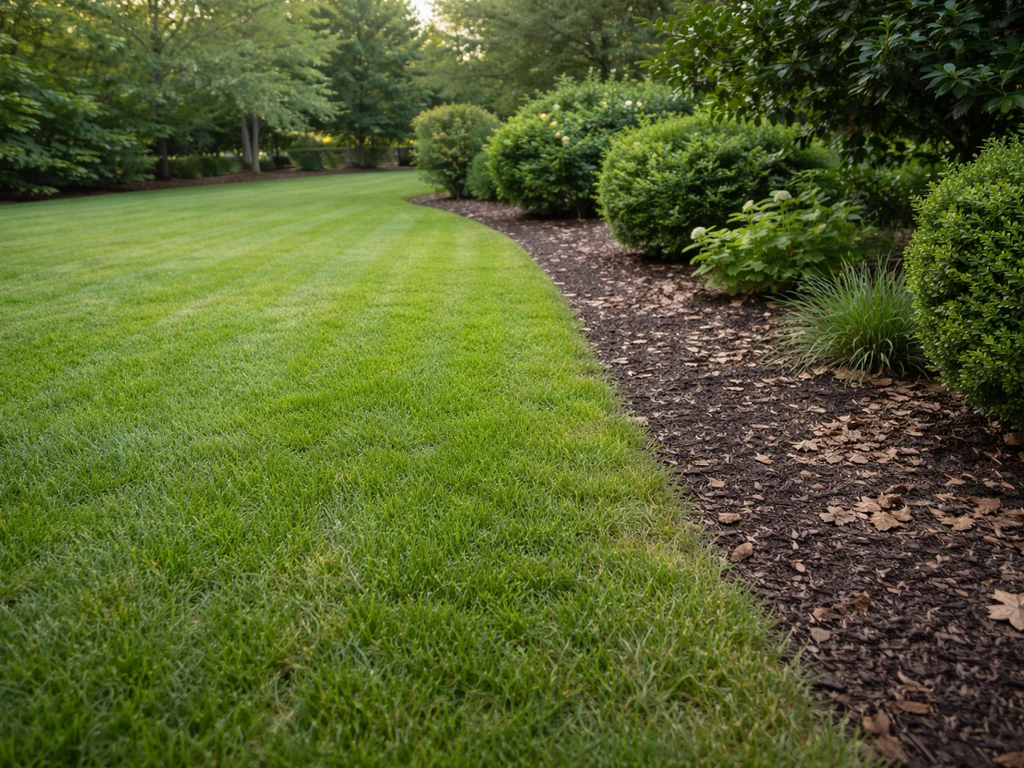
Birds won't show up just because beetles are there. They need the right habitat conditions to feel safe enough to forage. Here's what actually moves the needle.
Open lawn and edge habitat
Robins, starlings, grackles, and blackbirds are all open-ground foragers. A mowed lawn adjacent to shrubs or garden beds gives them the visibility and access they need. Thick mulch or dense ground cover makes it harder for them to hunt, so if your beetle-infested area is heavily mulched, birds will have a harder time accessing grubs and may not bother.
Native plants
This might sound counterintuitive, but planting natives actually helps even though Japanese beetles feed on over 300 host plant species. Native plants support the broader insect food web that keeps insectivorous birds around all season. Birds that come for native caterpillars and other insects (topics worth exploring if you're interested in which birds eat caterpillars or flies) will naturally encounter beetles too. Some of the same insectivorous birds that hunt beetles also eat flies, so your habitat choices can help with both eat flies with a mix of open lawn, native plantings, and a clean birdbath. Plants like native sumac, elderberry, and serviceberry also produce berries that keep birds in the yard longer, increasing the time they spend foraging nearby.
Water sources
A clean, moving birdbath is one of the single most effective ways to draw insect-eating birds into your yard. Drippers and misters are especially attractive to robins, catbirds, and mockingbirds. Keep the bath shallow (no more than 2 to 3 inches at the deepest point), change the water every 2 to 3 days, and place it within 10 feet of shrubs so birds can retreat quickly if startled. This is also where feeder hygiene matters: a dirty birdbath can spread disease, so scrub it with a 10% bleach solution and rinse thoroughly at least once a month.
Perching and cover structure
Birds need perches to scan from and nearby cover to escape to. If your yard is all open lawn with no trees or tall shrubs, foraging birds feel exposed and won't linger. A mix of tall canopy trees, mid-height shrubs, and open ground is the ideal structure. Even a few fence posts near infested beds give birds a place to land and watch before dropping down to hunt.
Feeder tactics that help without creating new problems
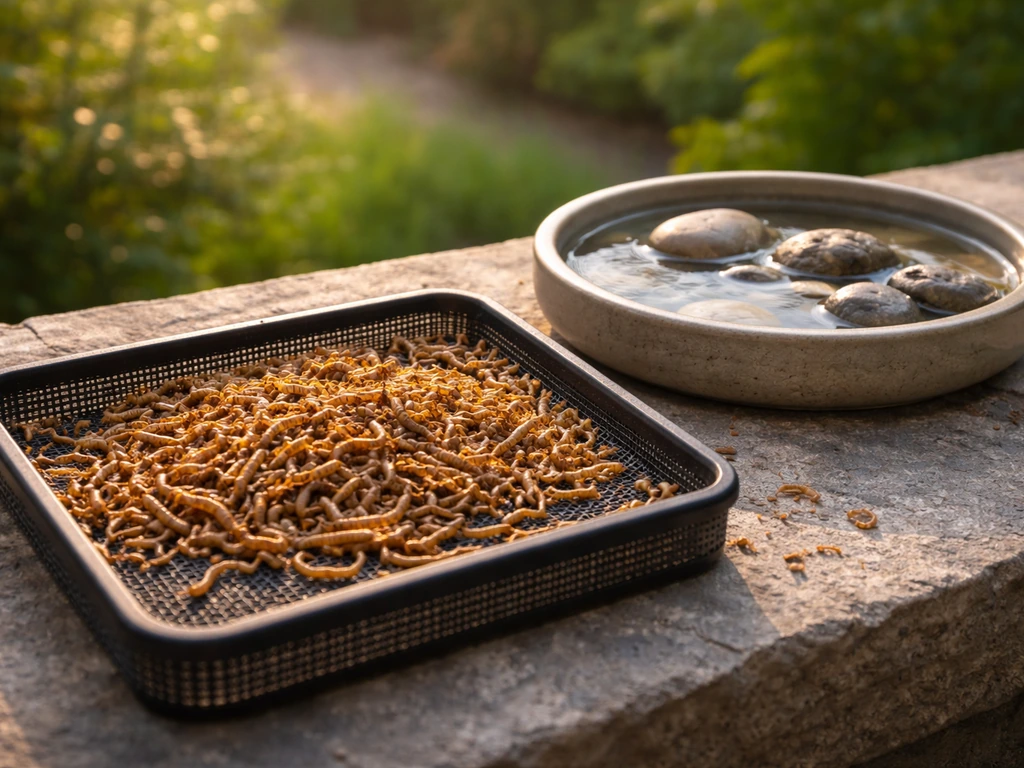
Here's where a lot of people go wrong: they put out feeders hoping to attract more insect-eating birds, but seed feeders primarily attract seed eaters like house sparrows, house finches, and doves, which are not your beetle hunters. What bird eats dragonflies? If you are wondering about other butterfly predation, a few birds will eat butterflies, but the exact species varies by region and season. Many species of insect-eating birds, such as swallows, will also eat dragonflies. If beetle control is the goal, feeders are not your most important tool. That said, feeders can still play a supporting role if you use them carefully.
- Offer mealworms: Live or dried mealworms in a shallow tray feeder attract robins, bluebirds, catbirds, and mockingbirds, all of which are insect-focused species that will also forage for beetles nearby. This is one of the few feeder additions that directly targets the right birds.
- Skip the beetle traps at feeders: Japanese beetle traps use sex pheromones and floral lures. University of Minnesota Extension notes these traps may attract more beetles than they catch. Putting traps near a feeder area just concentrates beetles around your birds and plants, which is the opposite of what you want.
- Keep seed feeders clean and dry: Moldy seed is a disease risk to birds. Penn State Extension specifically warns against using moldy seed and recommends regular feeder cleaning. Use a bleach solution (1 part bleach to 9 parts water), rinse well, and let feeders dry completely before refilling. Rake up spilled seed and hulls below the feeder at least weekly.
- Store seed properly: Keep seed in a sealed, rodent-proof container in a cool, dry place. Damp or improperly stored seed can develop mold quickly in summer heat, and moldy seed can sicken birds.
- Watch for feeder crowding and pet exposure: A busy feeder can attract crows and grackles, which are useful beetle predators, but also concentrate bird droppings near areas where pets or children play. Place feeders away from pet areas, and follow CDC guidance to wash hands after handling feeders, seed, or birdbaths.
Timing is everything: when birds are most likely to hunt beetles
Japanese beetles have a tight seasonal window. Adults emerge in late June or early July and feed for about six to eight weeks, which means the adult beetle season runs roughly from late June through mid-August depending on your region. In northern states like North Dakota and Minnesota, adults may not appear until early July and are largely gone by early August. This is the window where bird predation on adults is possible.
Grub timing is different. Eggs hatch in mid to late summer, and the young grubs are in the top inch or two of soil from late July through September before they burrow deeper to overwinter. This late-summer window (roughly August through September) is when birds can most effectively dig for grubs, because the grubs are small, shallow, and accessible. University of Maine Extension notes that grub management is most effective when grubs are small and near the surface, and the same principle applies to bird predation.
| Time Period | Beetle Life Stage | Best Bird Predators | What to Watch For |
|---|---|---|---|
| Late June to mid-July | Adult emergence begins | Robins, starlings, grackles | Birds foraging on shrubs and roses; beetles clustering on foliage |
| Mid-July to mid-August | Peak adult feeding season | Robins, starlings, grackles, blackbirds | Morning bird activity on infested plants; lawn probing begins |
| Late July to September | Egg hatch; young grubs near surface | Crows, robins, starlings, grackles | Divots and probe holes in lawn; possible turf pulling away from soil |
| October through May | Grubs overwintering deep in soil | Limited bird access | Most bird predation ends; grubs too deep to reach |
The practical takeaway: your window to leverage bird predation on adults is short, roughly 6 to 8 weeks in summer. Set up your habitat improvements (water, perches, native plants) before late June so birds are already comfortable in your yard when adults emerge.
Troubleshooting: when birds aren't showing up or aren't making a dent
If you've done everything right and still have a beetle problem, you're not alone. Here are the most common reasons bird predation falls short and what you can do about each one.
- Your yard lacks the right habitat. If there's no open lawn near infested plants, no nearby tree cover, and no water source, birds won't hang around long enough to make a difference. Add a dripper birdbath and make sure there's some open ground near infested shrubs.
- The beetle population is simply too high. University of Maryland Extension is explicit: birds can't keep up with a heavy infestation. If your roses are being stripped daily, birds are a supplement, not a solution. Consider targeted organic controls like neem oil or spinosad for adults and milky spore or beneficial nematodes for grubs.
- You're in a new or expanding beetle zone. If Japanese beetles are newly established in your area, local bird populations may not yet have learned to target them as a food source. Birds do learn over time, but it can take a season or two.
- Feeder dependence is reducing foraging motivation. If you're providing abundant easy seed, some birds may simply not bother hunting insects. Reducing seed in midsummer and offering mealworms instead can redirect foraging behavior toward insects.
- Beetle activity peaks midday when birds are less active. Beetles are most active in warm, sunny weather around midday, but birds often forage heaviest in early morning and late afternoon. There's a timing mismatch. Hand-picking beetles in midday (drop them into soapy water) and leaving them where birds can find dead beetles can help bridge the gap.
- Other predators are already competing. Ground beetles, parasitic wasps, and tachinid flies also prey on Japanese beetles. If these populations are healthy in your yard, bird predation may look lower simply because other predators got there first. This is actually a good sign, it means your yard's natural pest-control system is working.
Low-risk next steps and safety for backyard birders and pets
Attracting more wild birds to control beetles is a low-risk strategy overall, but there are a few things worth being careful about, especially if you have pets or kids in the yard.
- Wash hands after every feeder or birdbath interaction. CDC guidance for anyone handling bird feeders, food, or baths emphasizes this as the basic step to prevent disease transmission from wildlife.
- Keep pets away from areas with heavy bird activity, especially under feeders. Droppings accumulate quickly and can carry pathogens. Iowa DNR recommends cleaning feeders and waterers with a bleach solution about once a month and letting everything dry before refilling.
- Don't let seed sit in wet or hot feeders. Moldy seed is the most common disease vector at backyard feeders. In summer heat, wet seed can go bad in 24 hours. Fill feeders in smaller amounts and check them daily.
- Avoid using chemical pesticides on beetle-infested plants if you want birds to forage there. Systemic insecticides in particular can harm or kill birds that eat treated insects. If you must spray, do it in the evening when beetles and birds are less active, and avoid broad-spectrum products near foraging areas.
- Skip the pheromone beetle traps near your feeder or birdbath areas. As noted above, they tend to pull in more beetles than they catch and can concentrate beetles near areas where birds, pets, and people spend time.
- If you're in an area with active avian influenza concerns, be extra vigilant about feeder hygiene and watch for sick or dead birds near your setup. Report dead wild birds to your state wildlife agency.
The realistic goal with birds and Japanese beetles is meaningful reduction, not elimination. Set up good habitat now, keep your water source clean, offer mealworms to attract the right species, and let birds do what they can during the 6-to-8-week adult window and again in late summer when grubs are shallow. Pair that with one or two targeted organic controls for the worst-hit plants, and you'll have a yard that's genuinely better off by the end of the season.
FAQ
If birds are around, will they automatically eat Japanese beetles and solve my problem?
Often, yes, but the key is whether you are seeing probing in turf (grubs) or active picking from leaves (adults). If beetles are only present on plants and you never notice divots, small holes, or short bursts of yard probing, birds may not be targeting the lifecycle stage that matters most in your yard.
When should I watch my yard to tell whether birds are actually eating Japanese beetles?
Different birds prioritize different times. Because Japanese beetles are most active around warm midday, the most useful sign is birds systematically working a section before about 9 a.m. If bird activity ramps up only after midday, it may be less effective for adult beetle reduction.
What kind of feeder actually helps attract birds that eat Japanese beetles?
Feeders are usually not the best lure for beetle hunting, especially seed feeders. If you want to support insect-eating species, avoid heavy seed traffic and focus on mealworms or other insect-based offerings, placed near cover so the birds feel safe and can transition from feeder to beetle hunting.
Can I rely on birds alone for heavy Japanese beetle infestations?
No, and that’s why combining tactics matters. Birds can provide meaningful reduction, but when Japanese beetles are abundant, expect plant injury unless you also use targeted controls for your worst-hit plants during the adult window.
How do mulch depth and ground cover affect whether birds will hunt grubs or adults?
Yes, you can attract the right birds by adjusting yard structure. Add visual access with mowed lawn near shrubs or beds, then restore some huntable ground (avoid fully thick mulch over infested areas). If the problem is mostly grubs, ensure birds can probe the top few inches rather than being blocked by deep, continuous mulch.
Will native ground cover prevent birds from digging up Japanese beetle grubs?
Partly. If you have thick, continuous ground cover, birds may still eat adults on plants, but grub hunting is less likely because probing access to shallow soil is reduced. A practical approach is to keep cover for beneficial habitat elsewhere, but provide a small hunt-friendly zone near the most damaged turf.
If Japanese beetles eat so many plants, do natives still help?
It can be a normal tradeoff. Native plants support a broader insect food web, but during a beetle surge you may still need to protect your most valuable host plants. Consider concentrating your beetle-attracting efforts away from prized specimens and using targeted interventions on those high-value plants.
When should I make habitat changes to maximize bird predation on Japanese beetles?
Birds do not always stay the moment you see the first beetles. Set up water, perches, and open sightlines before late June so birds are already comfortable when adults emerge, then keep conditions consistent through the 6 to 8 week adult window.
What is the practical difference between targeting adult beetles versus grubs with birds?
Yes, but only in a limited way. Since adult beetles are out above ground for a short period, bird predation tends to be most helpful during late June through mid-August (region-dependent). For long-term reduction, grub-stage access matters in late summer when grubs are small and near the surface.
How often should I clean a birdbath to safely attract birds during a Japanese beetle season?
Potentially, but the biggest risk is disease spread from dirty water. Change the water every 2 to 3 days, keep the bath shallow, and scrub with a 10% bleach solution and rinse thoroughly at least once a month, especially after heavy use.
Where should I place a birdbath so it helps with Japanese beetle control, not just bird watching?
Place the bath within about 10 feet of shrubs and ensure birds can escape quickly. If the area is too exposed, birds may pass through without lingering, reducing the time they spend foraging for beetles nearby.
Why do birds ignore my yard even though I have beetles and water?
Yes, especially if pet access and disturbance are common. Birds may avoid foraging if they feel unsafe, so keep bath and perches in a low-disturbance area, and manage timing when pets are out (for example, keep pets indoors during peak morning bird activity).