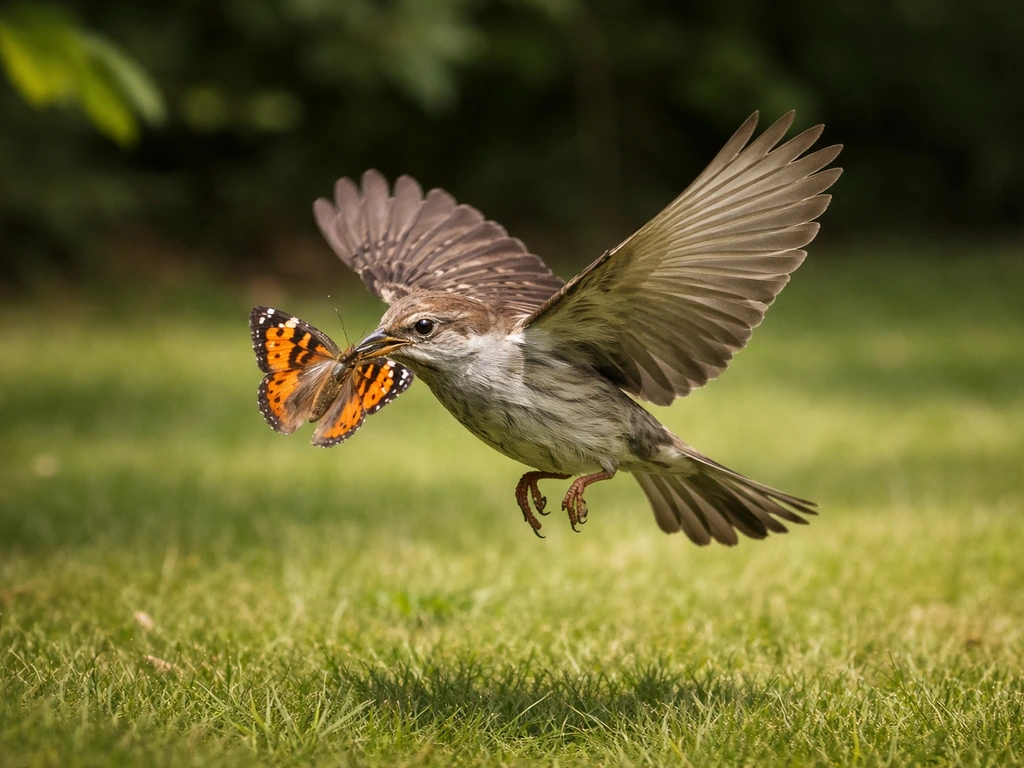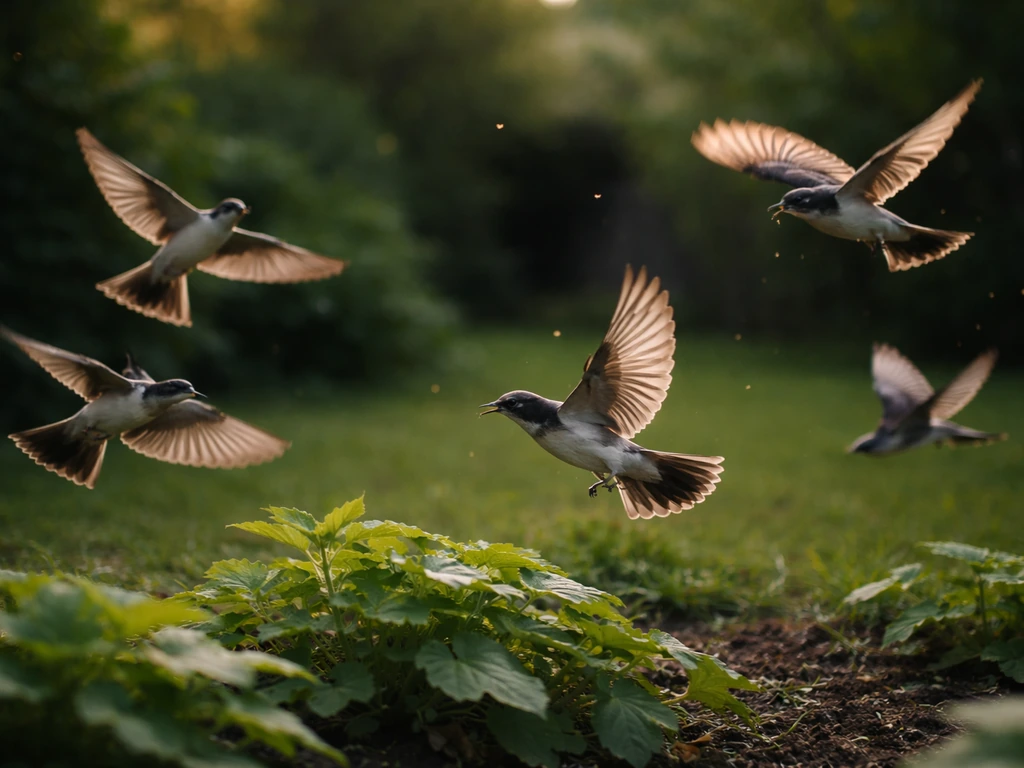
Several bird species eat dragonflies regularly, and the most common culprits you'll spot near a backyard pond or open field are tree swallows, eastern kingbirds, and American kestrels. Swallows and swifts catch them mid-air with impressive speed, flycatchers hawk them from perches, and kestrels snatch them off the ground or in low flight. Swallows and swifts catch dragonflies mid-air, so if you're also wondering what bird eats japanese beetles, the best match is to look at insect-eating hunters and their hunting style rather than just the insect itself. If you watched something snag a dragonfly near water this morning, one of those three is almost certainly what you saw. If you are asking what bird eats caterpillars specifically, that can be a different set of common insect-hunting species.
What Bird Eats Dragonflies? Identify Likely Culprits Fast

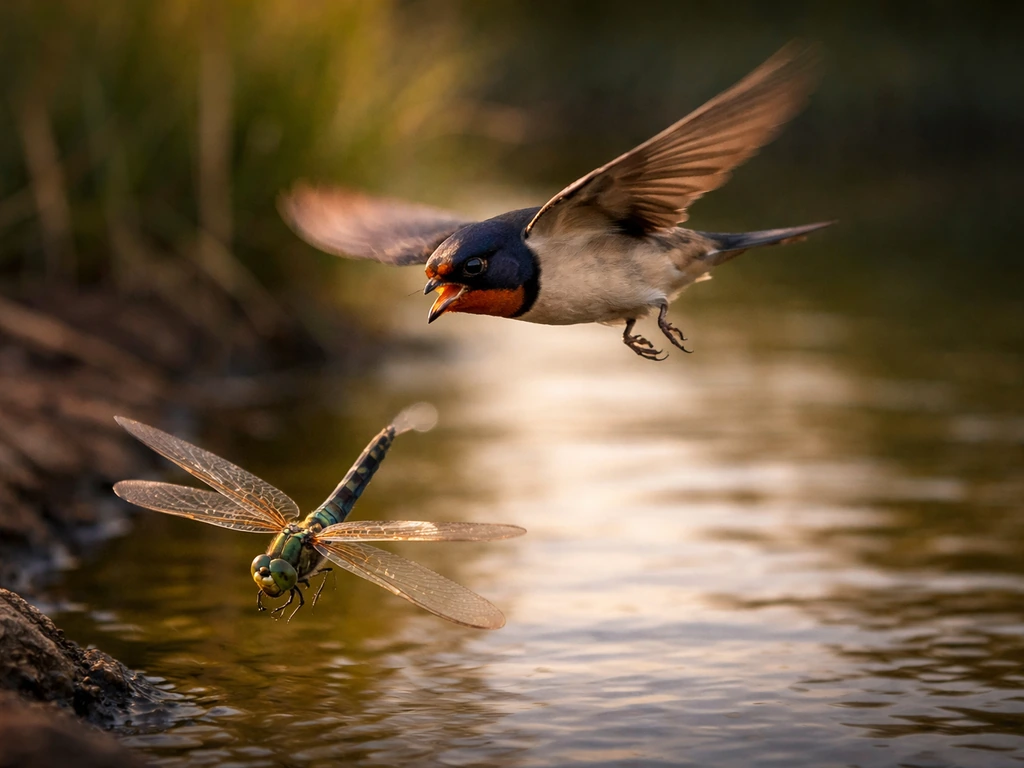
Bird species that eat dragonflies (the usual suspects near your yard)
Dragonflies are large, fast, and highly visible insects, which makes them a worthwhile meal for birds skilled enough to catch them. The birds that pull this off most consistently are aerial specialists or sit-and-wait hunters with excellent eyesight and quick reflexes. Here are the species you're most likely to encounter:
| Bird | Hunting Style | Typical Habitat | Dragonfly-Eating Frequency |
|---|---|---|---|
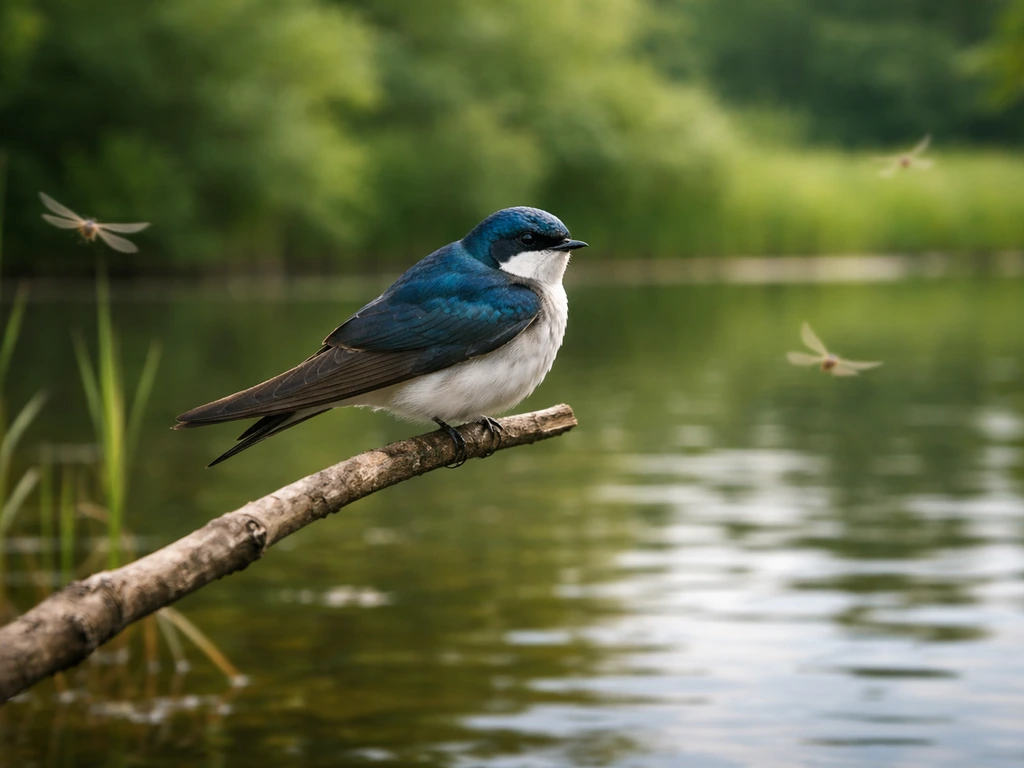
| Tree Swallow | Aerial hawking (continuous flight) | Near ponds, lakes, marshes, meadows | Very common — dragonflies are a staple prey item |
| Eastern Kingbird | Perch hawking (launches from branch) | Open fields, woodland edges, water edges | Common in summer (May through September) |
| American Kestrel | Perch hunting, hovering | Open country, farmland, suburbs | Occasional — large insects including dragonflies |
| Barn Swallow | Aerial hawking (continuous flight) | Open areas near water or farmland | Common alongside other flying insects |
| Chimney Swift | Aerial hawking (non-stop flight) | Urban and suburban open sky | Common when dragonflies fly at height |
| Purple Martin | Aerial hawking (soaring and diving) | Near open water with nest boxes | Common — known to take large dragonflies |
Tree swallows deserve special mention. Cornell Lab of Ornithology documents them eating dragonflies and damselflies specifically, and the U.S. Fish and Wildlife Service describes them as active, repeated hunters that are almost constantly on the move after flying insects near water. If you have a pond or live within a quarter mile of one, tree swallows are your most likely candidate. American kestrels are worth watching too, the Audubon Field Guide confirms dragonflies are part of their diet, and USGS has documented 'sparrow hawks' (the old name for kestrels) feeding on dragonflies directly.
How to tell a real dragonfly predator from an accidental sighting
Not every bird swooping near a pond is hunting dragonflies. Robins, starlings, and sparrows may fly over the same area without any interest in aerial prey. The key is to watch the flight pattern and behavior, not just the location.
Visual ID cues for genuine dragonfly hunters
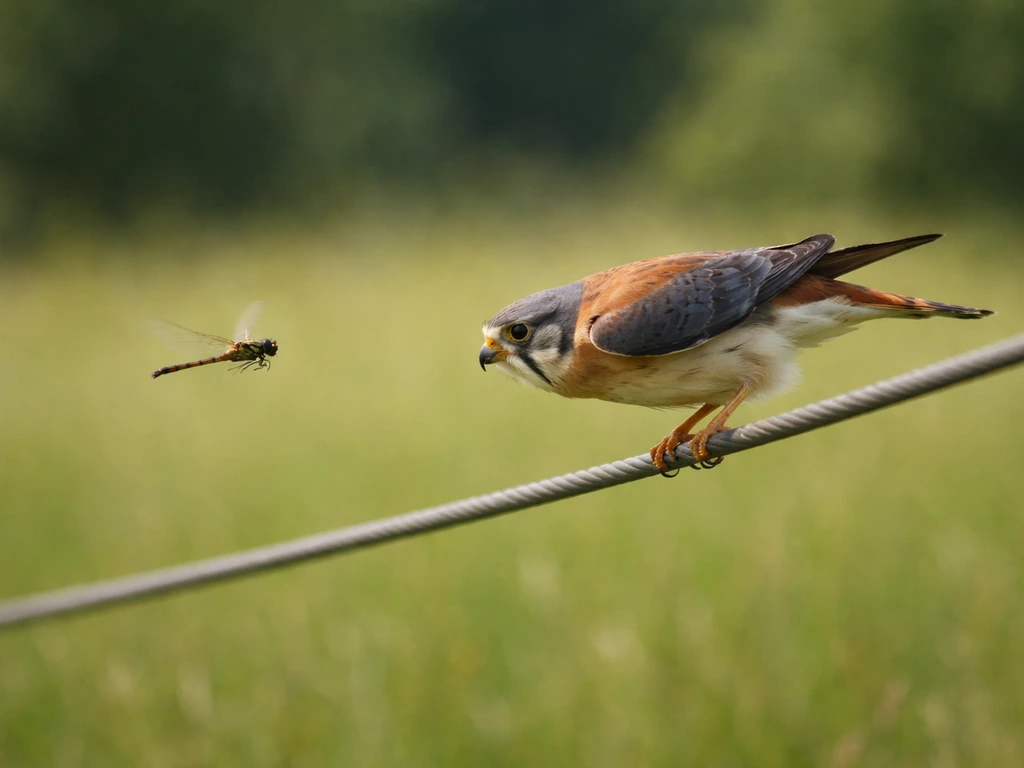
- Aerial hawking: the bird makes sharp, precise turns in flight while chasing a moving target, not just cruising or dipping
- Perch-to-prey launches: the bird sits on a wire or branch, watches, then darts out and returns (classic flycatcher or kingbird behavior)
- Hovering with stiff wingbeats: American kestrels hover almost motionless before diving, with a distinctive fluttery hover unlike any other backyard raptor
- Repeated low passes over water at the same time of day: swallows make multiple passes, not random one-offs
- The bird pauses mid-air or tilts sharply to intercept something: this is targeting behavior, not casual flight
- You can actually see the dragonfly in the bird's bill or being swallowed on a perch after a chase
By contrast, if a bird is flying in a straight line, foraging on the ground, or pecking at bark, it is not hunting dragonflies. Dragonfly predation is visually dramatic, there's a chase involved. Once you know what to look for, it's pretty unmistakable.
What dragonflies are doing when birds catch them
Timing your observations around dragonfly behavior makes a huge difference. Dragonflies are ectotherms, meaning they need warmth to get active. On a clear summer morning, most dragonflies won't start flying until the air temperature climbs, typically not before 9 or 10 a.m. Peak dragonfly activity runs from late morning through early afternoon on warm, sunny days. That's also when you'll see the most aerial hunting by swallows, martins, and swifts.
Dragonflies patrol specific territories near water, perch on emergent vegetation or sunny fence posts, and return to the same spots repeatedly. Birds learn these patterns. Eastern kingbirds, in particular, will position themselves overlooking a dragonfly's regular perch or patrol route and wait. Overcast, cool, or windy days suppress dragonfly flight significantly, which means less hunting activity from the birds too. The best observation windows are warm, calm, sunny mornings from late June through August.
Dragonflies near water are also most vulnerable during mating and egg-laying, when they're focused on the water surface and less alert. Birds appear to exploit this. If you're near a pond on a calm July morning and see a kingbird or kestrel making repeated passes over the shoreline, this is almost certainly what's happening.
Feeder and habitat factors that attract dragonfly-hunting birds (without causing problems)
The birds that eat dragonflies are almost entirely insectivores, they are not coming to seed feeders. Trying to lure tree swallows or purple martins with sunflower seeds will get you nowhere. What actually works is adjusting your outdoor habitat to support the conditions these birds need.
What genuinely helps attract dragonfly-hunting birds
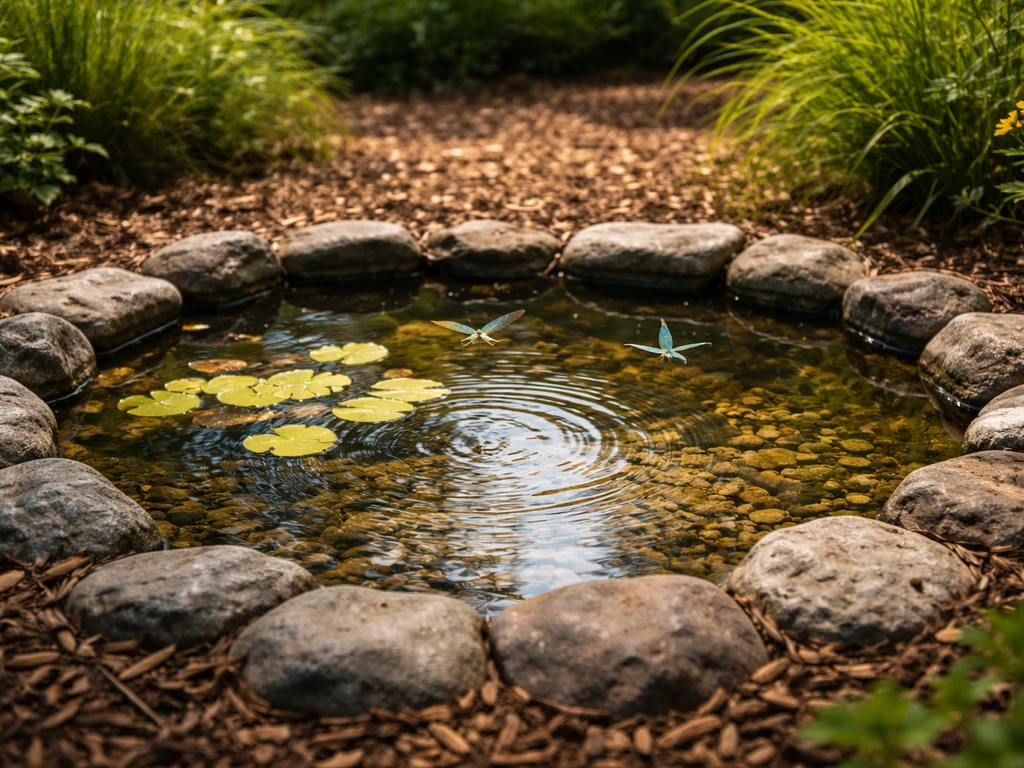
- Add or maintain a small water feature: even a shallow garden pond (2 to 3 feet deep, 6 to 10 feet across) produces the flying insect density that tree swallows and martins depend on
- Install nest boxes for tree swallows or purple martins: mount swallow boxes on a post 5 to 6 feet high near open water; martin houses should be 15 to 20 feet high in open areas
- Plant native vegetation around water edges: native rushes, sedges, and wildflowers attract the aquatic insects (including dragonfly larvae) that make a water body productive
- Provide open perching spots: a bare branch, wire, or wooden post overlooking open space gives kingbirds and kestrels the launch point they need
- Reduce pesticide use in your yard: insecticides kill the flying insect populations these birds depend on, including the dragonflies themselves
If you already have a feeder setup for seed-eating birds, that's fine to keep, just understand it won't directly draw dragonfly predators. Hummingbird feeders and suet are also irrelevant here. The draw for aerial insect hunters is habitat, not food you provide directly.
How to observe dragonfly-bird interactions safely today
You don't need special equipment or a permit to watch this. Here's a practical approach you can start with right now:
- Find water nearby: check Google Maps for the nearest pond, retention basin, lake edge, or slow-moving stream within a 10-minute drive
- Arrive between 9 a.m. and 1 p.m. on a warm, sunny, calm day — this is your best window for both dragonfly and bird activity
- Bring binoculars if you have them (8x42 is ideal) and position yourself quietly at the water's edge without disturbing vegetation
- Watch for aerial chasing behavior rather than scanning for specific bird colors — movement is the giveaway
- Keep a safe distance from nesting boxes or active nests — approaching too close can cause adults to abandon chicks
- Take photos or video if you want a later ID confirmation; a smartphone at 2x or 3x zoom is often enough
- Do not disturb dragonflies or attempt to handle them as 'bait' or to attract birds — it's unnecessary and can injure both
If you have pets, especially cats, keep them indoors or on a leash near water and active bird nesting areas. Free-roaming cats are one of the leading human-caused threats to songbirds including swallows, and if you're trying to attract insectivores, having a cat patrol the area will undo your efforts quickly.
Risks and safety considerations if you're feeding birds nearby
Even though dragonfly-eating birds don't visit seed feeders, many backyards run feeders alongside natural habitat features. That combination can create a few real risks worth knowing about.
Spoiled feed and feeder hygiene
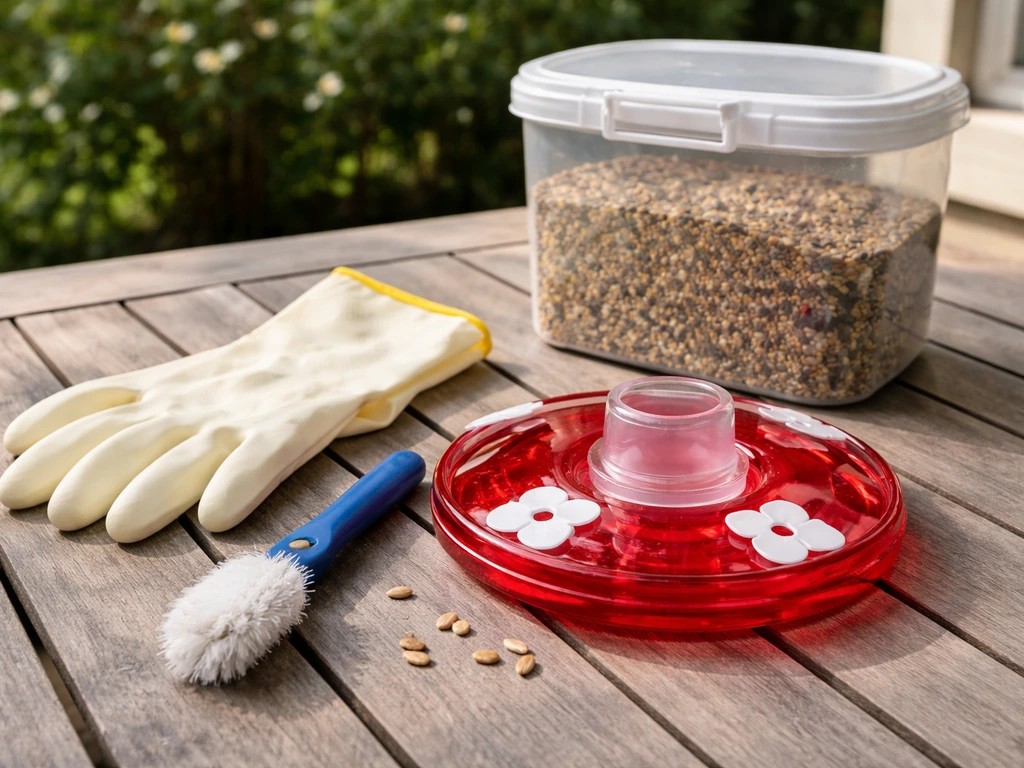
Wet or old seed grows mold quickly, especially in summer heat. Aflatoxin from moldy seed is genuinely toxic to birds and can sicken pets that access the area under feeders. Clean feeders every one to two weeks with a 10 percent bleach solution, rinse thoroughly, and let them dry completely before refilling. Discard any seed that smells musty, clumps together, or shows visible mold. In summer, smaller seed quantities refreshed every few days is safer than filling feeders to capacity.
Seed storage
Store seed in a sealed, hard-sided metal or thick plastic container, not the paper bag it came in. Bags left in a shed or garage attract rodents, which then attract raptors like kestrels and hawks to your yard at ground level, which can be a hazard for small pets. Keep storage containers off the ground and away from moisture. Seed stored in a cool, dry place lasts about a month before nutritional value drops noticeably.
Attracting the wrong predators
Dense feeder activity can attract Cooper's hawks and sharp-shinned hawks, which prey on smaller songbirds. If you're also trying to attract small insectivores near water, those same hawks may cause problems. Spreading feeders out, placing them near dense shrub cover for escape routes, and temporarily stopping feeding if a hawk is actively ambushing your feeders are all reasonable steps. This is a real tension for anyone running both feeders and habitat features at the same time. USGS documents a case of a sparrow hawk feeding on dragonflies, showing that raptors can take dragonflies as occasional prey.
Myths worth clearing up
A few common misconceptions come up repeatedly when people start thinking about birds, dragonflies, and insect-eating behavior.
Myth: Dragonflies are too fast for birds to catch
Dragonflies are fast, but tree swallows, swifts, and purple martins are among the most agile fliers in North America. Swallows can hit 35 miles per hour in level flight and turn sharply enough to intercept insects mid-course. Dragonflies are regular, not exceptional, prey for these birds, not a rare capture.
Myth: You can attract dragonfly-eating birds with food from your feeder
Sunflower seeds, suet, millet, and peanuts do nothing for swallows, swifts, martins, kingbirds, or kestrels. These species are obligate or near-obligate insectivores. Habitat, open water, native plants, and appropriate nesting structures, is the only practical way to bring them in.
Myth: Only birds near water eat dragonflies
Water is where dragonflies are most concentrated, but American kestrels hunt dragonflies over dry open fields too. If a dragonfly is in the air, it's potential prey anywhere in its range. Kestrels in suburban and rural areas well away from ponds have been documented eating large insects including dragonflies, a reminder that you don't need waterfront property to see this happen.
Myth: Dragonflies eat birds, or at least pose a risk to small birds
This occasionally circulates online. Dragonflies do eat smaller insects (including mosquitoes, gnats, and even smaller dragonflies), but they pose zero threat to birds of any size. The predation runs entirely in one direction.
Myth: Bread or kitchen scraps near a pond will attract insect-hunting birds
Bread near water attracts ducks, geese, and rats, not swallows or kingbirds. Worse, bread near ponds degrades water quality, which suppresses the aquatic insect populations that dragonfly larvae and adult hunting birds depend on. Avoid putting any human food near water features if your goal is supporting wildlife.
If you've been curious about other insects in the bird diet picture, the same aerial hunters that take dragonflies also routinely eat flies, caterpillars when opportunity arises, and beetles including Japanese beetles. The ecology overlaps considerably, and improving habitat for one group often benefits all of them.
Quick reference checklist for today
- Identify the nearest water body within a short drive
- Plan your visit for a warm, sunny morning between 9 a.m. and 1 p.m.
- Watch for aerial chasing, perch-launches, and hovering flight — not just presence near water
- Check whether you have open perching spots (bare branches, posts, wires) that kingbirds or kestrels might use
- If you want to encourage nesting, put up a tree swallow box on a post near open water before the end of June
- Clean any active feeders now if it's been more than two weeks
- Store seed in a sealed container away from moisture
- Keep pets supervised or indoors near active bird areas
- Skip the bread and kitchen scraps near any water feature
FAQ
How can I tell if a bird is actually eating a dragonfly, versus just flying over the pond?
Watch for a repeat pattern, the bird slows or hovers near the same spot, then makes a short, direct pursuit and returns to a perch or patrol line. Birds that are just passing typically keep a steady course and do not turn back to the same areas.
Which is more likely near water, a swallow or a kingbird?
Tree swallows are especially likely within about a quarter mile of ponds because they hunt almost constantly over warm water-adjacent airspace. Eastern kingbirds also take dragonflies, but they more often wait from an exposed perch overlooking regular dragonfly routes, then make brief swoops.
Do American kestrels only hunt at ground level or over ponds?
No. Kestrels can snatch prey either off the ground or in low flight, and they can hunt dragonflies in open dry areas too. If you see a kestrel quartering the air low and repeatedly changing direction, it may be tracking dragonflies even away from shoreline.
What time of day should I check to increase my chances of seeing dragonfly hunting?
Aim for warm, calm, sunny late mornings through early afternoon when dragonflies are flying actively. On cooler or windy days, even skilled insect hunters will have less success because dragonfly flight drops.
Why do I see dragonflies but not birds hunting them on some days?
Overcast, cool, or windy conditions suppress dragonfly activity, which reduces hunting opportunities. Also, if dragonflies are spending more time hovering near water than patrolling perches, sit-and-wait hunters may be less noticeable.
Can I attract these birds with birdseed or suet?
Not reliably. Tree swallows, kingbirds, and kestrels are primarily insect-focused, so seed and suet will not bring them in the way native plants and open-water habitat do. You can still run seed feeders for other birds, but expect it to attract a different mix than dragonfly hunters.
Do dragonflies get eaten only by the three birds mentioned?
Those are the most common backyard sightings, but other aerial insect hunters can take dragonflies opportunistically, especially during warm weather and along regular dragonfly patrol routes. If your bird is highly agile in mid-air and makes quick captures, it may be feeding even if it is not the typical “default” species.
Are dragonfly-eating birds safe to have around, especially with pets like cats?
Keep cats indoors or leashed near water and nesting areas, because cats can negate the benefit of attracting insectivores. Dragonfly predators do not meaningfully reduce cat risk, and protecting nesting habitat matters more for songbirds.
I feed birds, should I worry about moldy seed if my goal is supporting insectivores?
Yes. Old seed can grow mold that is harmful to birds and can also sicken pets that access it. Clean feeders on a tight schedule, discard musty or clumped seed, and store seed in a sealed container away from moisture and rodents.
Do bird feeders increase the chance of hawks hunting my yard, including kestrels?
They can. Dense feeder activity can draw Cooper’s hawks and sharp-shinned hawks, which prey on smaller birds, and it can also increase raptor presence. If you notice a hawk ambushing, spread feeders out and pause feeding temporarily until the behavior stops.
Should I place feeders right beside my pond or water feature?
Be cautious. While the goal is insect habitat, concentrating feeders near water can attract predators and increase stress on smaller birds. Use a balanced setup with escape cover nearby, and avoid adding human food like bread that degrades water quality.