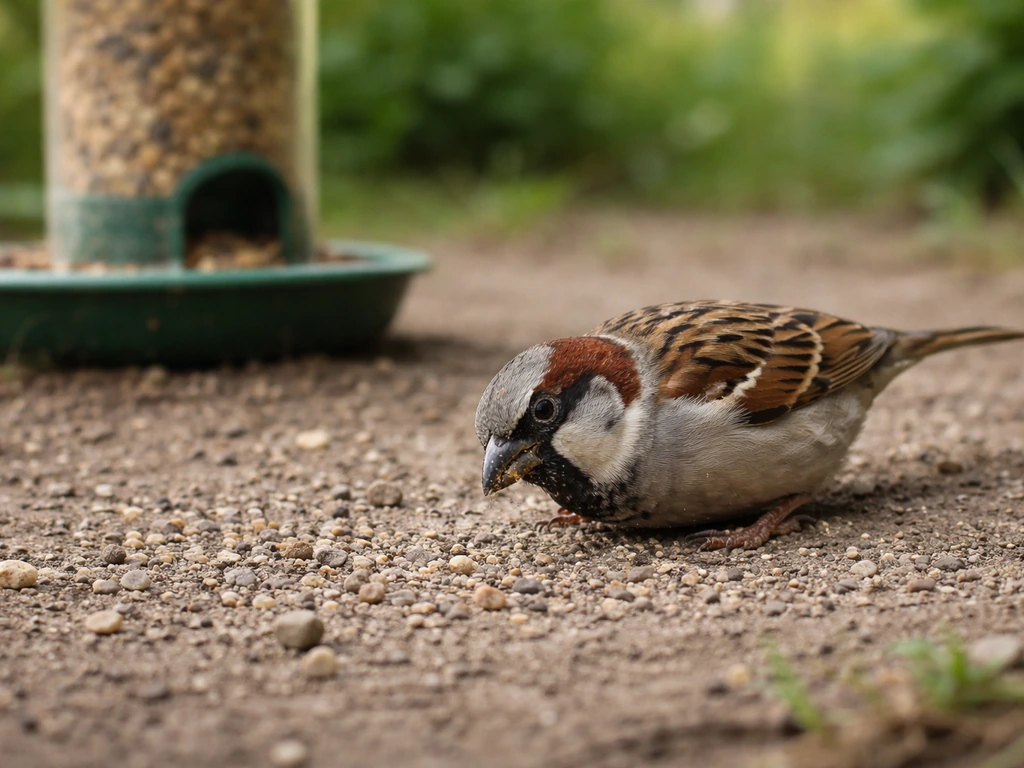
Yes, birds can choke on food, but true airway obstruction is only one piece of the picture. What most backyard birders and pet owners see at the feeder or in their home is actually a range of problems, from a piece of food genuinely lodged in the throat or crop, to disease-caused blockages deep in the esophagus, to respiratory illness that just looks like choking. Knowing the difference matters a lot, because the right response depends entirely on what is actually happening.
Can a Bird Choke on Food? Signs, What to Do, Prevention

Maya Bennett
9 Jul 2026
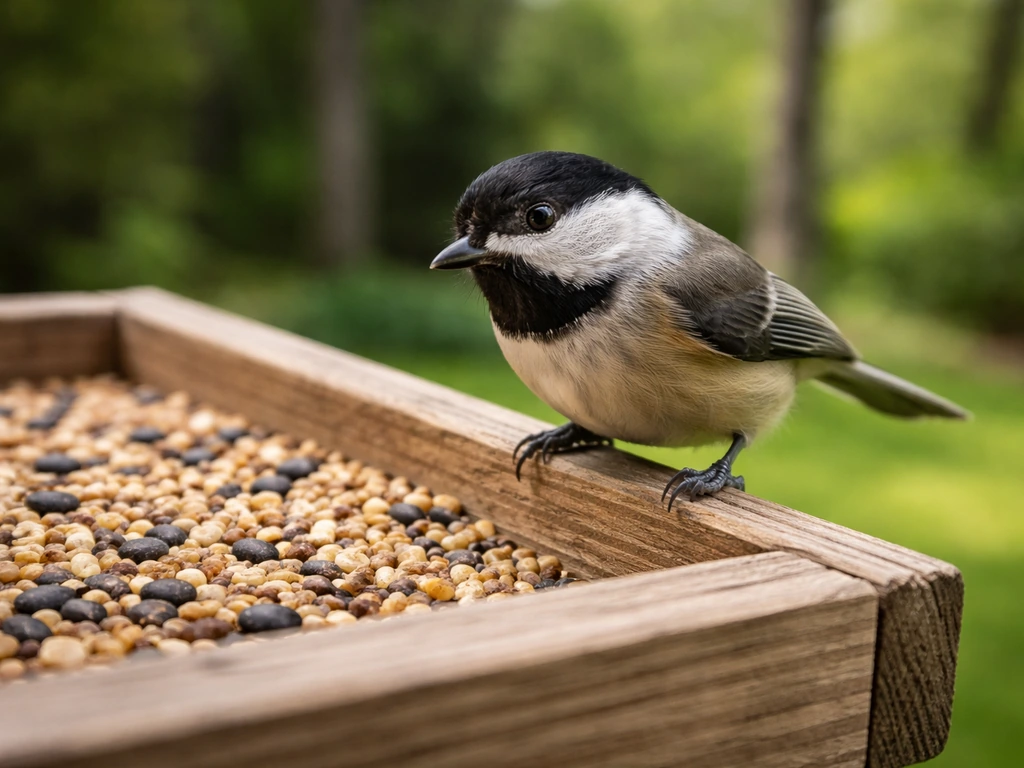
What "choking" actually means for a bird
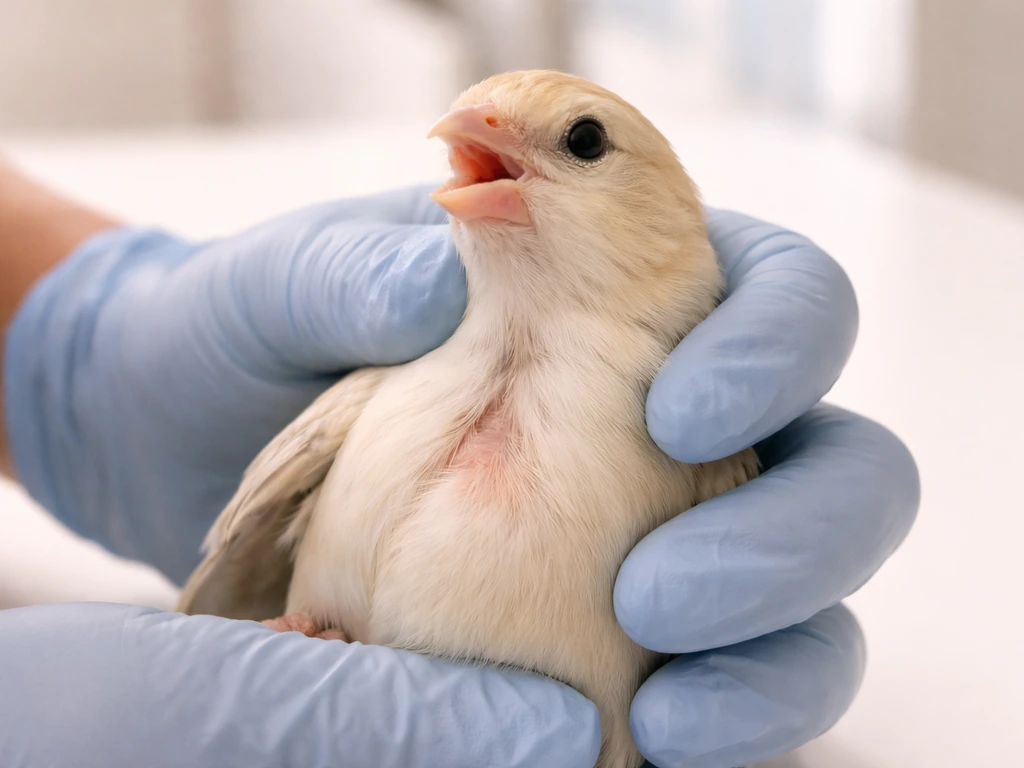
When we say a bird is choking, we usually picture something stuck in the windpipe, blocking airflow. That does happen. A tracheal foreign body in a bird produces exactly the signs you would expect: open-mouth breathing, neck stretching, coughing or gagging motions, and real respiratory distress. Clinical descriptions from avian emergency vets list dyspnea, open-mouth breathing, neck extension, and coughing as the hallmark signs of tracheal obstruction.
But birds also have a crop, an esophagus, and a proventriculus, and a blockage anywhere along that food path can create distress that looks almost identical. A piece of food too large to pass, an impacted crop, or a disease-caused mass in the throat can all leave a bird gulping repeatedly, holding its beak open, or refusing to eat. These are not airway emergencies in the strict sense, but they are still genuine medical problems that need attention.
There is a third category that trips people up: respiratory disease. Conditions like avian mycoplasmosis cause open-mouth breathing, labored breathing, repeated swallowing, and discharge from the nose or mouth. Trichomoniasis causes necrotic lesions inside the mouth and esophagus that can physically block swallowing or even breathing. Both of these look exactly like a bird struggling with food. The signs overlap heavily with true choking, which is why a bird showing any of these signs at your feeder may need very different help than you expect.
Common scenarios where birds end up with food blockages
At outdoor feeders, the most common setup for a problem is food that is too large, too sticky, or spoiled. Whole peanuts in the shell, large chunks of bread, dry pellets that have not been moistened, and suet mixed with stringy material are all regular culprits. A bird that is competing aggressively at a crowded feeder will often swallow faster than it should, taking a piece that is right at the edge of what it can manage.
Moldy or rancid food creates a different problem. Spoiled suet, clumped wet seed, or food that has sat in a hot feeder for days can cause crop stasis and gut trouble. This is not choking in the airway sense, but a bird with an impacted or infected crop will show similar outward signs: lethargy, puffed feathers, gulping, and loss of interest in food.
For pet birds and hand-raised baby birds, force-feeding is the main risk. Dropping food or fluid into a bird's mouth is one of the fastest ways to cause aspiration, where liquid enters the trachea. The guidance from wildlife rehabilitators is blunt: never squirt water or fluids into a bird's mouth, never force-feed a baby bird, and stop offering food once a bird stops actively begging. CAWildlife911 advises never to squirt water or fluids into a bird’s mouth and emphasizes correct identification before attempting emergency feeding never squirt water or fluids into a bird's mouth. Aspiration pneumonia from well-meaning feeding attempts is a real and serious outcome.
Trichomoniasis deserves a specific mention here. This parasite infects the upper digestive tract, causing ulcers and progressively larger necrotic masses inside the mouth and esophagus. In young birds especially, those masses can become large enough to fully block the esophagus or press on the trachea. A bird at your feeder that keeps returning, gulping, stretching its neck, or has visible material in or around its mouth may be dealing with trichomoniasis rather than a piece of stuck food. Some birds can also appear to choke on gravel-like material, which may point to specific feeder or species-related behaviors rather than a simple swallowed seed trichomoniasis.
Which species and food types carry the highest risk
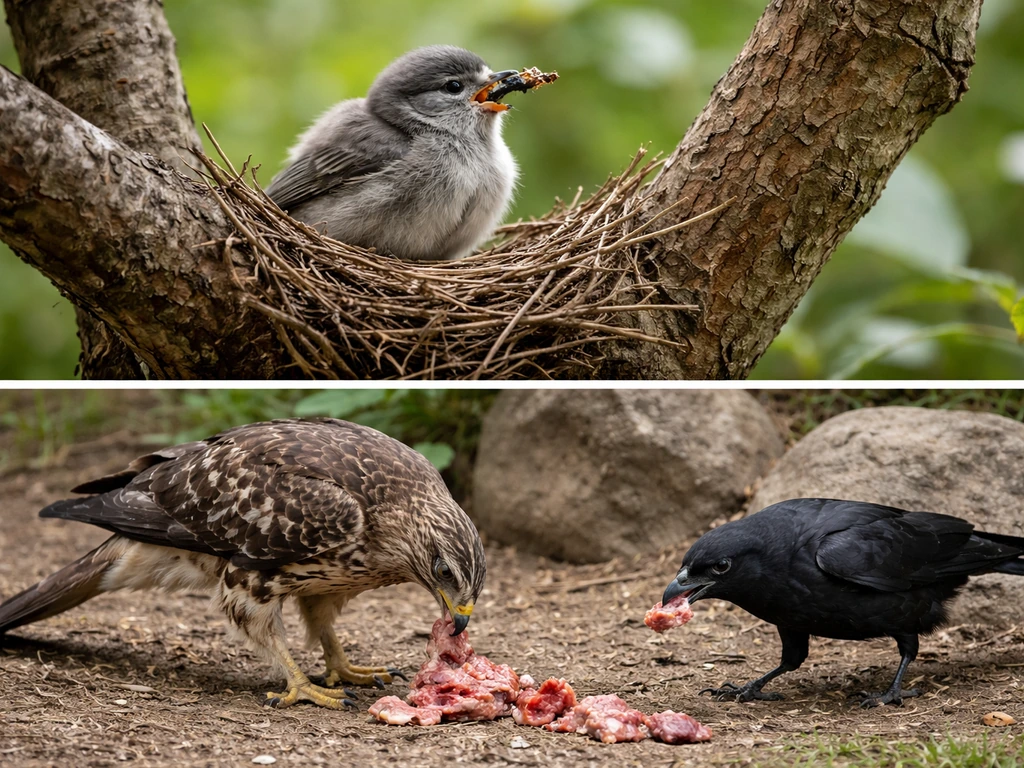
Not all birds are equally vulnerable. Young birds of any species are at higher risk because they are still learning how to handle food efficiently, their throat muscles are less practiced, and their immune systems are less robust against diseases like trichomoniasis. Mourning doves, which feed by swallowing whole seeds rapidly without cracking them, are particularly susceptible to both choking and trichomoniasis at feeders where birds crowd together. Stone-eating birds like nuthatches are known for ingesting small rocks and iron-rich particles, which can complicate choking risk which bird eats stones and pieces of iron.
Raptors and corvids that eat bones, whole prey items, or large chunks are anatomically built for it, but even they can run into trouble with unusually large or awkward pieces. House finches and goldfinches fed from tube feeders are at elevated risk for mycoplasmosis transmission because eye secretions contaminate feeder ports, and the resulting respiratory symptoms can look like the bird is struggling to breathe or swallow.
On the food side, the highest-risk items at typical backyard feeders are large whole nuts offered without cracking, dense bread balls that compact in the throat, dry pelleted food that swells rapidly with moisture, and long fibrous suet or nesting material mixed into suet cakes. A bird may swallow gravel or small stones because it can help grind food in the gizzard and can also happen when birds pick up small stones while foraging. Mealworms are generally low risk when fresh, but dried mealworms that have been sitting out and rehydrated unevenly can present problems for smaller birds.
| Food Type | Risk Level | Main Concern |
|---|---|---|
| Whole unshelled peanuts | High | Too large for small birds to manage safely |
| Dense bread chunks | High | Compacts in throat, poor nutrition, no benefit |
| Dry expanded pellets (pet birds) | Medium-High | Swells quickly; needs moisture or size reduction |
| Suet cakes with long fibers | Medium | Fibrous strands can catch in throat |
| Shelled sunflower chips | Low | Appropriately sized for most feeder birds |
| Fresh mealworms | Low | Soft and easy to swallow |
| Uncooked rice | Very Low | Debunked myth; birds handle it fine |
| Cracked corn | Low | Well tolerated by most ground-feeding species |
What to do right now if you see a bird in distress
If a bird at your feeder is open-mouth breathing, stretching its neck repeatedly, coughing, or appears to have something caught, your first move is to stop and watch for a moment. Many birds will work a piece of food through on their own with a few strong gulping motions. If the bird resolves it within 30 to 60 seconds and flies off normally, you can note the food type and adjust your feeder setup.
If the bird is still in distress after a minute, is unable to fly, is lying on its side, or is showing labored breathing with visible tail-bobbing, that is a different situation. At that point the right move is to contain the bird gently, not to intervene with the airway or try to remove food with your fingers. Place it in a dark, ventilated box to reduce stress, keep it warm, and contact a licensed wildlife rehabilitator or avian vet immediately.
- Watch for 30 to 60 seconds before intervening: many birds self-resolve
- Remove other birds from the area if possible to reduce stress on the bird in distress
- If the bird is grounded or cannot fly, contain it gently in a dark, ventilated box with air holes
- Do not put water or food into the bird's mouth: this is the single most dangerous DIY intervention
- Keep the box warm (around 85 to 90 degrees F for small birds) but not hot
- Contact a wildlife rehabilitator or avian vet as quickly as possible
- Note what the bird was eating and any visible material in or around the mouth: this helps the vet
For pet birds showing choking signs indoors, the same rule applies: do not try to clear the airway with fingers or instruments unless you have hands-on avian first aid training. Call your avian vet immediately. Avian triage guidelines flag open-beak breathing, tail bobbing, coughing, and nasal or oral discharge as signs requiring same-day emergency evaluation.
Preventing the problem: feeder, food, and feeding choices that actually reduce risk
Choose the right food sizes and types
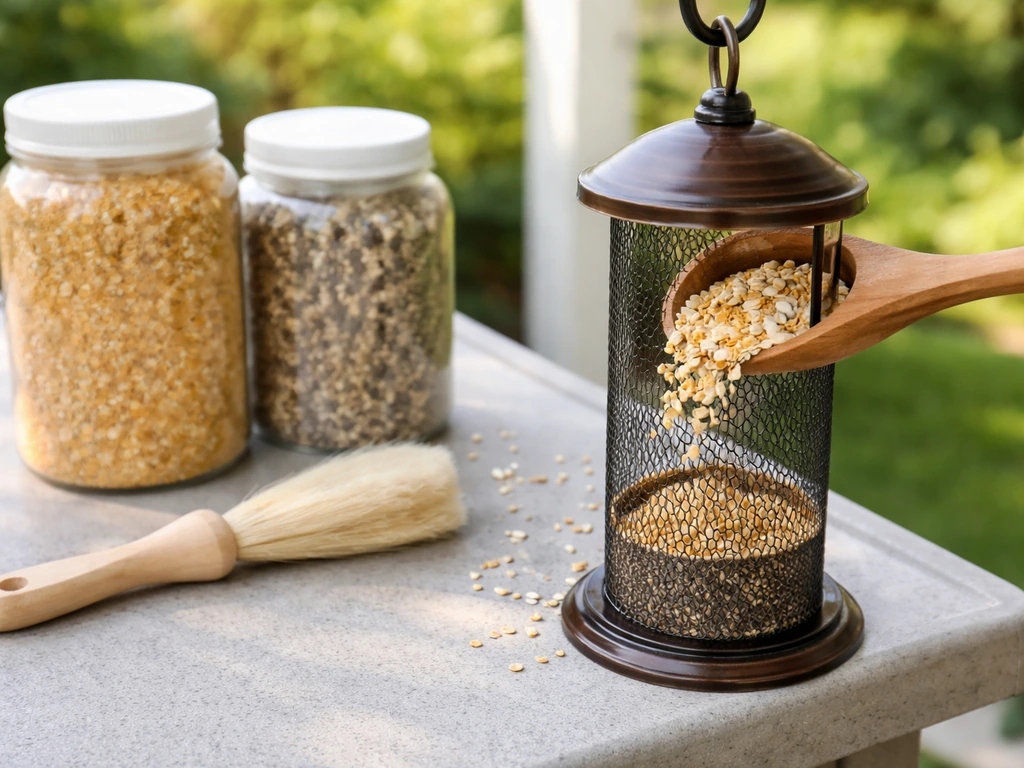
Shelled sunflower chips, nyjer seed, and finely cracked corn are among the safest options for small feeder birds. If you offer peanuts, use a peanut feeder that requires birds to pull small pieces rather than grabbing a whole nut. Avoid offering large unbroken peanuts or walnuts in open tray feeders where birds can grab chunks too big for them. Suet cakes are generally fine, but choose varieties without long fibers, nesting hair, or stringy fruit pieces that can catch.
Keep food fresh and feeders clean
Spoiled food is a bigger risk than most people realize. Suet can go rancid within days in summer heat, and wet seed clumps into a dense mass that is genuinely difficult for birds to swallow safely. Keep seed moving through the feeder so it does not sit for more than a few days. Store your stockpile in a cool, dry place in sealed containers, and throw out anything that smells off, looks moldy, or has clumped. Scrub feeders with a 10 percent bleach solution every one to two weeks, rinse thoroughly, and let them dry completely before refilling.
Ground feeding areas need regular rotation. Move the feeding spot every few days and rake up old seed, husks, and droppings. This directly reduces trichomoniasis transmission because the parasite survives in wet debris and shared saliva on food. If you see multiple birds at your feeder showing signs of throat or swallowing trouble, stop feeding entirely for at least a week. Missouri DNR recommends this during suspected trichomoniasis outbreaks specifically to slow disease spread through the local flock.
Feeder design and placement
Crowding at feeders drives competitive swallowing. Space multiple feeders at least 10 to 15 feet apart so birds are not rushing to grab food. Tube feeders are excellent for seed delivery but concentrate birds at close quarters, which raises mycoplasmosis risk: eye secretions contaminate the ports and pass to the next bird. Clean tube feeder ports especially carefully. Tray and platform feeders reduce crowding stress but need more frequent cleaning because food sits exposed.
When to call a wildlife rehabilitator or avian vet
Some signs are clear emergencies and should not be treated as a watch-and-wait situation. Call for professional help immediately if you see any of the following.
- Open-mouth breathing that persists beyond a minute or two
- Visible labored breathing with the tail bobbing up and down with each breath
- A bird unable to stand, lying on its side, or unresponsive
- Discharge from the nose or mouth
- Visible lesions, swelling, or abnormal material inside or around the beak
- A bird that has been regurgitating repeatedly
- Any bird that is semi-conscious or cold to the touch
For pet birds, the bar for calling should be lower than for wild birds. An avian vet can perform imaging, endoscopy, and crop examination to identify exactly where a blockage is and what is causing it. Wild birds in the situations above need a licensed wildlife rehabilitator rather than a vet, unless you already have an avian vet who handles wild species. You can find rehabilitators through your state wildlife agency or the National Wildlife Rehabilitators Association directory.
It is also worth understanding that some of what looks like choking at your feeder is actually disease, and that disease can spread rapidly to your entire local bird population. Trichomoniasis and avian mycoplasmosis both spread through shared food and contaminated feeder surfaces. If multiple birds are showing signs, the most protective thing you can do for local wildlife is to take your feeders down for at least a week, clean them thoroughly, and report unusual die-offs to your state wildlife agency.
Myths vs. reality about common bird foods and choking risks
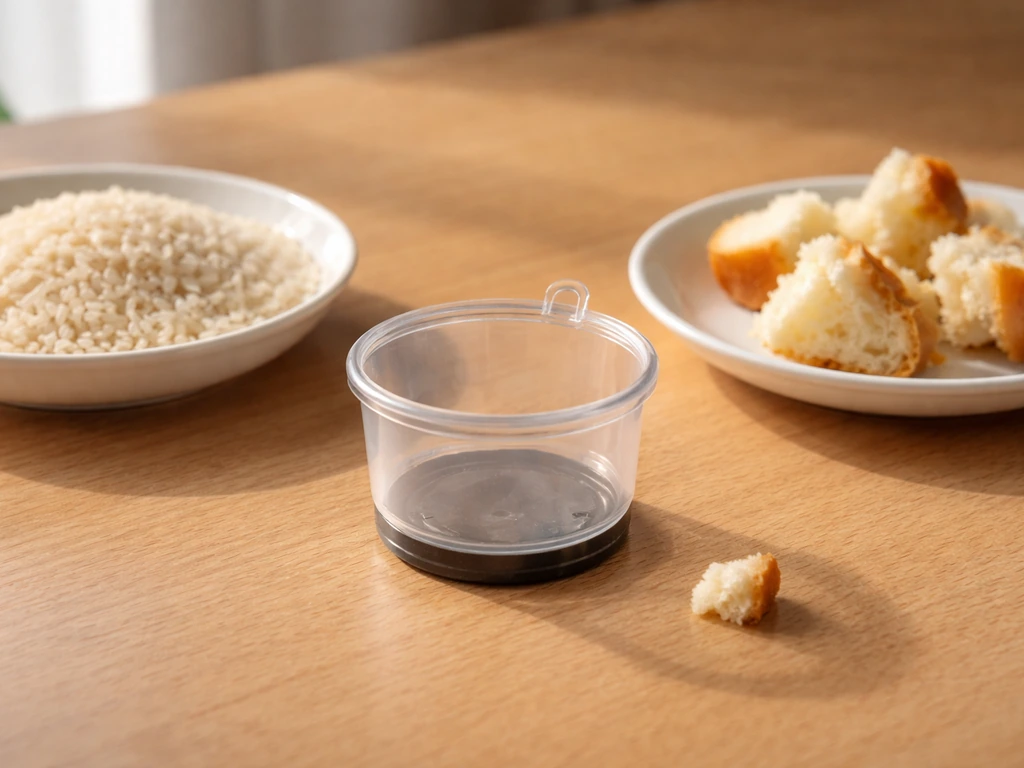
The most persistent myth in bird feeding is that uncooked rice will swell inside a bird's stomach and cause harm. Multiple direct tests, including feeding trials documented by the Canadian Wildlife Federation and covered by PBS, have shown this simply does not happen. Birds have been eating rice in the wild for millennia. Rice at a wedding or in your feeder is not a choking risk or an explosion hazard. Many bird species actively seek out rice.
Bread is a different story, but not for the reason most people think. Bread will not physically choke a bird in any way that plain seed would not. The real problem is nutritional: bread offers almost no useful calories, vitamins, or minerals. Regular bread feeding can lead to malnutrition, especially in young birds that fill up on empty carbohydrates and miss the protein and fat they actually need. So skip the bread, not because it will cause choking, but because it provides essentially zero benefit and can crowd out better food.
Another common misunderstanding is that a bird stretching its neck and gulping is always choking on food. As covered above, trichomoniasis, mycoplasmosis, and other conditions produce identical-looking symptoms. A bird doing this at your feeder in the company of others that look sick is almost certainly dealing with a disease, not a piece of sunflower seed. The intervention for that scenario is feeder removal and cleaning, not trying to help the individual bird eat differently.
Finally, people often assume that if a bird swallows something whole (a large insect, a small bone fragment, a pebble) it must be in trouble. In reality, many birds are built specifically for that. Birds that eat bones, whole prey, or stones are using their muscular gizzard to process hard materials. Swallowing grit and small stones is a deliberate, healthy digestive behavior for many species, particularly seed eaters and ground feeders that rely on mechanical grinding to break down tough material. Unusual swallowing is only a problem when the item is genuinely too large, too fibrous, or when disease is interfering with normal function.
FAQ
If I see a bird gulping or stretching its neck, how long should I watch before getting help?
Use a short window only for clear airway-adjacent situations. If the bird’s breathing eases and it can fly normally within about 30 to 60 seconds, it may have worked the item through. If it is still struggling after a minute, cannot fly, or shows labored breathing, treat it as an emergency and contact a wildlife rehabilitator or avian vet rather than trying to intervene.
Can I open the beak and remove a stuck piece of food from a wild bird?
Avoid finger-in-mouth attempts. Birds can be injured, and you can worsen swelling or cause aspiration. The safer approach is to gently contain the bird (dark, ventilated box, warmth) and get professional help. Only people with avian first-aid training should attempt any airway clearing.
What should I do immediately at my feeder if multiple birds show the same “choking-like” signs?
Stop feeding for at least a week, remove and clean feeders thoroughly, and check nearby water sources. Multiple cases strongly suggests contagious disease rather than a single bad food item, and feeder removal reduces shared saliva and contaminated surface transmission.
Does rinsing or replacing one type of seed fix the problem if birds are choking?
Not usually. If several birds show symptoms, replacing one feeder item may not address the underlying cause, especially disease spread from contaminated ports or wet debris. Focus on stopping feeding long enough to break transmission, then switch to safer, easy-to-clean foods and feeder designs.
Are all birds that eat quickly more likely to choke?
Fast swallowing increases risk for airway and crop issues, especially in crowded setups. Even species that normally handle whole seeds can struggle when food pieces are on the large edge of what they can manage. Spacing feeders 10 to 15 feet apart and choosing feeding methods that prevent grabbing whole chunks can reduce events.
Is it ever safe to offer peanuts or nuts if I use the right feeder?
Yes, but choose the prep carefully. Use peanut feeders that require birds to pull small pieces rather than grabbing a whole nut, and avoid open trays where birds can seize large chunks. Large unbroken peanuts or walnuts are the main issue because pieces can be too big or too dense to pass safely.
Can aspiration happen from normal feeding, like feeding wet food or using a spray bottle?
Aspiration risk rises when liquid or food is forced into the mouth, such as with spray feeding or any attempt to “help” a bird swallow. For backyard feeding, the safer approach is to offer appropriate dry or properly prepared foods, not to introduce water or fluids directly into a bird’s beak.
If a bird seems to have something in its mouth, could it be trichomoniasis rather than a lodged food piece?
Yes. Trichomoniasis can cause ulcers and progressively growing necrotic masses that interfere with swallowing, and visible material around the mouth or repeated gulping with persistent signs can point to infection. If symptoms persist despite normal feeder adjustments and especially if multiple birds are affected, prioritize feeder removal and professional guidance.
How do I tell the difference between crop trouble and true airway obstruction at the feeder?
True airway obstruction is more associated with obvious respiratory distress like open-mouth breathing and repeated neck extension plus coughing. Crop or esophagus problems more often present as gulping without major breathing collapse, refusal to eat, or lethargy. Because symptoms overlap with disease, persistent cases still need professional help.
Should I keep feeders up during a suspected outbreak of mycoplasmosis or trichomoniasis?
No, take them down. Leaving feeders operating during multi-bird illness can amplify transmission via shared food, contaminated surfaces, and wet debris. Remove feeders for at least a week, clean thoroughly, then resume with improved hygiene and safer feeder layouts.
Is “rice” safe to feed if someone in my area thinks it can choke birds?
Cooked or uncooked rice is not considered a physical choking hazard for birds in the way people fear. The bigger concern for feeding is ecological and nutritional, like crowding birds into suboptimal diets, and hygiene, like preventing spoiled clumps.
A bird swallowed a small stone or gravel and flew off normally, is that a sign something is wrong?
Usually no. Many birds intentionally ingest grit or small stones to help the gizzard grind tough items. It becomes concerning only if the swallowing is prolonged with distress, if there is persistent mouth discharge, or if several birds show similar symptoms that suggests contamination or disease.
Next Article
Why Might a Bird Swallow Gravel or Small Stones? When It’s Normal
Learn why birds eat gravel for digestion, which backyard species do it, warning signs of impaction, and safe next steps.