For almost all practical purposes, bird saliva is not something you should deliberately eat or allow into your mouth. It can carry bacteria, viruses, and other pathogens capable of causing human illness. The one genuine exception is the dried nest secretion of edible-nest swiftlets (Aerodramus and Collocalia species), which is harvested, processed, and regulated as a food product most recognizable as the main ingredient in bird's nest soup. Outside that very specific context, accidental contact with bird saliva at a feeder, from a pet bird's beak, or during wildlife handling warrants prompt handwashing and, in some situations, medical advice.
Is Bird Saliva Edible? Safety, Risks, and Handling Tips

Maya Bennett
6 Aug 2026
What bird saliva and other bird secretions actually are
Birds produce several types of secretions, and it helps to know which is which before deciding how worried to be about any given exposure. Saliva is produced by salivary glands in the buccal cavity and is used mainly to lubricate food during swallowing. Most songbirds, raptors, and parrots produce relatively little of it compared to mammals. Preen oil comes from the uropygial (preen) gland near the tail and is used for feather maintenance; it has antimicrobial properties but is not a food substance. Crop milk is a protein- and fat-rich slurry regurgitated by pigeons, doves, and flamingos to feed their chicks; it is produced by the crop lining, not a true gland, and is quite different nutritionally from mammalian milk. Mucous secretions line the respiratory and digestive tracts and are part of the bird's immune defense. These last two, along with saliva, are the secretions most relevant to disease transmission, because they can carry viable pathogens and are the fluids most likely to make contact with human hands, skin, or mouth around feeders or pet birds.
The exception that proves the rule: edible-nest swiftlet saliva
Edible-nest swiftlets, particularly Aerodramus fuciphagus, build their nests almost entirely from strands of saliva secreted by enlarged salivary glands during breeding season. The male bird weaves these strands into a small cup shape attached to cave walls or purpose-built nest houses, and the saliva hardens into a brittle, translucent structure. When dissolved in water, it forms a gelatinous texture that has been used in Southeast Asian cooking for centuries, most famously in bird's nest soup. The nests themselves contain proteins (roughly 50 to 60 percent by dry weight), small amounts of carbohydrate, minerals including calcium and iron, and sialic acid, a compound with some studied bioactive properties. The product you see sold in shops is this dried nest material, not fresh saliva, and processing plays a major role in making it safe to consume.
How edible bird's nests go from cave to kitchen safely
Harvesting and processing edible bird's nests is a regulated industry, particularly in Indonesia, Malaysia, and Thailand, which together account for the vast majority of global supply. Nests are collected from swiftlet caves or farmed nest houses after the chicks have fledged, to reduce impact on breeding populations. Raw nests contain feathers, dirt, and debris that are removed by soaking and hand-cleaning before the product is dried and graded. The food-safety concerns that apply here include nitrite contamination (a documented issue in some farmed nests, addressed by regulatory maximum limits in importing countries), microbial contamination from the cave or farming environment, and adulteration with added starch or other substances.
From a regulatory standpoint, edible bird's nest is treated as a high-value food product subject to import controls. The European Union, the United States (via FDA), and many Asian markets require exporters to demonstrate compliance with hygiene standards before allowing imports. China's General Administration of Customs (GACC) maintains a list of approved production facilities from registered countries, and products must pass testing for heavy metals, nitrites, and microbial limits. The key practical point for consumers: buy from reputable, certified suppliers, not informal markets where processing standards are unknown, and prepare the product thoroughly by dissolving in hot water as traditional recipes specify.
Health risks from bird saliva and secretions
When we talk about bird saliva outside the swiftlet exception, the disease risk picture is the most important thing to understand. Multiple zoonotic pathogens are shed in bird oral and nasal secretions, and the routes of human exposure matter a lot.
Pathogens most relevant to human exposure
| Pathogen | Type | Shed in bird saliva/oral secretions? | Main risk to humans | Who's most at risk |
|---|---|---|---|---|
| Avian influenza A (HPAI/LPAI) | Virus | Yes, also in feces and nasal mucus | Respiratory illness, can be severe | Poultry workers, those handling sick/dead birds, close bird contact |
| Chlamydia psittaci (psittacosis) | Bacterium | Yes, in respiratory secretions and droppings | Flu-like illness, pneumonia | Parrot and poultry owners, pet-shop workers, vets |
| Salmonella spp. | Bacterium | Primarily in feces, environmental contamination at feeders | Gastroenteritis | Backyard birders, children near feeders, pet owners |
| Campylobacter spp. | Bacterium | Present in many wild birds; fecal-oral route dominant | Gastroenteritis | Primarily via poultry/food contact; direct wild-bird spillover less documented |
| Newcastle disease virus (APMV-1) | Virus | Yes, in oral/respiratory secretions | Transient conjunctivitis, rare severe neurological illness | Poultry workers, laboratory staff, bird handlers |
| Mycoplasma gallisepticum | Bacterium | Shed on feeder surfaces via oral secretions | Primarily a bird disease; limited human pathogenicity | Birds at feeders primarily; indirect human concern via spread between birds |
Avian influenza is the pathogen that draws the most public-health attention. For current guidance on routes of transmission and the role of wild and domestic birds in spreading avian influenza, see How is avian influenza spread? | U.S. Geological Survey (USGS). CDC and WHO guidance both specifically warn against touching surfaces contaminated with bird saliva or mucus during active outbreaks, and the recommendation is to wash hands immediately after any bird contact. Psittacosis is a real risk for parrot owners: Chlamydia psittaci is shed in respiratory secretions, and beak-to-mouth contact is a documented transmission route, not just airborne dust. The multistate Salmonella Typhimurium outbreak in 2020 and 2021 that was linked to wild songbirds and their feeders is a strong reminder that you don't need to be a poultry farmer to encounter zoonotic risk; handling a feeder, picking up a dead bird, or letting a child touch a birdbath can be enough if hygiene steps aren't followed.
Allergens: bird-egg syndrome and sensitization
There's a less-discussed but real allergic risk associated with repeated exposure to bird proteins, including those found in secretions. Bird-egg syndrome involves IgE sensitization to avian serum proteins, particularly alpha-livetin (Gal d 5), and sensitization typically happens via inhalation of feather dust or dried secretions rather than deliberate ingestion. However, once sensitized, eating bird-derived proteins (including eggs from the same species) can trigger allergic reactions ranging from urticaria to anaphylaxis. People with heavy bird exposure at home or in occupational settings, and who notice respiratory symptoms around birds, should be evaluated by an allergist before consuming any novel bird-derived food product.
Why birds can handle things humans can't
Birds regularly eat things that would make people very ill: putrefying carrion, bitter seeds, insects that produce defensive toxins, berries with high tannin or alkaloid loads, and food contaminated with their own fecal bacteria. There are several biological reasons for this. Birds' digestive tracts are shorter and faster-moving than mammals', reducing the window for pathogens to colonize. Gastric pH in many raptors and vultures is extremely low (around pH 1 to 1.5), which kills many bacteria that would survive in a human stomach. Birds also carry many bacterial strains, including Salmonella, asymptomatically as commensal organisms, meaning they are adapted hosts that don't develop disease even while shedding the pathogen. Avian respiratory and immune systems interact differently with viruses like influenza A; birds can harbor strains that are highly pathogenic in humans while showing few symptoms themselves. None of this means birds are not clean or healthy creatures; it means their biology is adapted to an ecological niche that involves very different dietary exposures than humans face.
This digestive divergence is also why you'll see birds at your feeder tolerating slightly stale or moldy seed that would cause problems for pets or small children who picked up and ate the same material. It's a good practical reminder that 'the bird seems fine eating it' is not a reliable signal that something is safe for other animals or people. The sibling question of whether plants birds eat are safe for humans follows the same logic; birds that eat certain berries or seeds are not giving a safety endorsement for human consumption. A common example people ask about is whether bird cherries are poisonous to humans; see are bird cherries poisonous for more detail. For guidance on particular plants that birds eat and their safety for humans and pets, see is bird vetch poisonous. If you're wondering whether particular plants birds eat are safe for people, see our guide on whether bird vetch is edible is bird vetch edible. If you're asking about a specific plant, for example, searching 'is bird cherry edible', check plant-specific foraging or toxicology resources rather than assuming a berry is safe just because birds eat it. For a specific example about whether berries birds eat are safe for people, see our guide titled "Can you eat bird cherry". If you want specifics about edible versus toxic fruits, see our short guide titled "are bird berries poisonous to humans" for practical examples and safety tips.
Practical hygiene steps to reduce your risk right now
Whether you're managing a backyard feeder, keeping a pet parrot, or working with wild birds in an educational context, the hygiene steps below are straightforward and cover the main exposure routes. None of them require special equipment. They do require consistency, which is where most people fall short.
- Wash hands with soap and water for at least 20 seconds immediately after handling any feeder, birdbath, cage equipment, or wild bird. Don't touch your face, mouth, or eyes before washing.
- Wear disposable gloves when cleaning feeders, birdbaths, or cages, and when handling sick, injured, or dead birds. Dispose of gloves before going indoors.
- Keep children and pets away from the area directly under feeders, where droppings, dropped seed, and contaminated debris accumulate. Designate a 'no-play zone' around feeder poles.
- During active avian influenza outbreaks in your region, follow CDC and your state or national health authority guidance, which may include temporarily removing feeders to discourage bird congregation.
- Never allow pet birds to have beak-to-mouth contact with you, and avoid kissing birds on or near the beak regardless of how healthy they appear.
- If bird saliva or secretions enter your mouth, eyes, or an open wound, rinse immediately with clean running water for several minutes. If this happens during a known avian influenza outbreak, or if you develop fever, respiratory symptoms, or eye inflammation within 10 days, contact a healthcare provider and mention the exposure.
- Store bird food in sealed, rodent-proof containers away from areas where birds directly perch or defecate. Rodents attracted by seed can introduce additional pathogens (including Salmonella) independently of the birds.
Feeder maintenance and seed storage: a cleaning schedule that works
Feeders are genuinely one of the higher-risk contact surfaces in a backyard birding setup. blank" rel="noopener noreferrer">Platform feeders pose the greatest contamination risk because birds stand in the seed and defecate directly onto the food. Tube and hopper feeders are somewhat better, but they still accumulate moist, clumped seed and bacterial biofilm at ports and perches. The Cornell Lab of Ornithology and the Ornithological Council both recommend a dilute bleach solution, specifically one part household bleach to nine parts water, as the cleaning agent, with thorough rinsing and complete drying before refilling.
Recommended cleaning schedule
| Feeder or item | Minimum cleaning frequency | Increase to weekly when... | Method |
|---|---|---|---|
| Tube/hopper feeder | Every 2 weeks | Wet or humid weather, active disease outbreak nearby, visible mold or clumping | Disassemble, scrub with soap and water, soak 10 min in 1:9 bleach solution, rinse well, air dry fully |
| Platform/tray feeder | Weekly | Any wet conditions or if droppings visible on seed | Remove old seed and debris, scrub all surfaces, soak in 1:9 bleach solution, rinse, dry before refilling |
| Birdbath | Every 2 to 3 days in summer | Algae visible, water appears cloudy or has debris | Empty, scrub with stiff brush, rinse, refill with fresh water; bleach soak monthly |
| Seed storage container | Monthly | Any moisture, insect infestation, or off smell detected | Empty completely, wipe with dilute bleach solution, dry fully before refilling |
| Suet cage | Every 2 weeks or when suet runs out | Hot weather (above 80°F / 27°C) when suet can become rancid | Scrub with soap and water, rinse, dry; avoid suet in very hot weather altogether |
One thing research on Mycoplasma gallisepticum transmission makes clear is that cleaning feeders reduces surface-mediated transmission, but it won't eliminate risk if sick birds are continuously reintroducing pathogens. If you notice multiple birds at your feeders with eye discharge, fluffed feathers, or lethargy, the most protective step is to take down feeders entirely for two to three weeks, not just clean them. This disperses the congregation and breaks the transmission chain.
Seed and food storage rules
- Use airtight, hard-sided containers (metal or thick polypropylene) rather than original paper or thin plastic bags, which rodents and moisture can penetrate.
- Store seed in a cool, dry location. Heat and humidity accelerate mold growth, particularly aspergillus molds, which produce aflatoxins harmful to birds and humans.
- Check seed before every fill. Clumped, discolored, or musty-smelling seed should be discarded, not offered.
- Never add new seed on top of old seed in a tube feeder without emptying and cleaning first. Old seed at the bottom becomes a microbial reservoir.
- Discard suet that has gone rancid (smells sour or oily-off) rather than offering it because you paid for it. Rancid fat can cause digestive problems in birds.
- Rotate stock: buy seed in quantities you'll use within four to six weeks in warm weather, or within three months in cool storage, to keep it fresh.
Quick-reference: what to do after unexpected bird-saliva exposure
If a pet bird bites you or makes beak-to-mouth contact, a wild bird pecks your face, or you accidentally get feeder water (which may contain bird saliva and fecal matter) in your mouth, here is the immediate action sequence: rinse the affected area, mouth, eyes, or skin with clean running water for at least several minutes; wash hands and any skin surface with soap and water; note the date, the bird species if known, and the nature of the exposure. In most everyday situations involving a healthy pet bird or brief feeder contact, this is sufficient and no further medical intervention is needed. However, contact a healthcare provider promptly if you develop fever, respiratory symptoms, or conjunctivitis within 10 days, especially if you live in an area with reported avian influenza activity, or if the bird appeared sick. Mention the bird exposure explicitly because clinicians may not think to ask.
FAQ
Bottom line: is bird saliva safe for humans to eat or swallow accidentally?
Generally no—bird saliva is not considered a safe food for humans. Accidental small exposures (e.g., a bird pecking at your lip or a tiny amount of contact) are unlikely to cause illness in healthy people if you wash promptly, but bird oral/respiratory secretions can carry zoonotic pathogens (avian influenza, Chlamydia psittaci/psittacosis, Salmonella and others) and allergens. The single major, well-established exception is the processed saliva-based nests of certain swiftlet species (edible “bird’s nests” used in bird’s‑nest soup), which are harvested and processed for human consumption under food-safety controls. (Sources: CDC, WHO/FAO/WOAH, USDA APHIS.)
Why isn’t bird saliva treated as food like human saliva or animal milks?
Bird saliva is a respiratory/oral secretion, not a food product regulated for safety. It can contain pathogens that birds shed in oral/nasal secretions and can pick up environmental contaminants from beaks, feathers, or food. Unlike regulated food products, most wild bird secretions are not processed, inspected, or pasteurized, so risk depends on species, health of the bird, environment and handling. (Sources: USDA APHIS, WHO, CDC.)
What are the main health risks from contact with or ingesting bird saliva?
Key risks include: zoonotic infections (avian influenza viruses in oral/nasal secretions; Chlamydia psittaci in respiratory secretions), bacterial infections (Salmonella, Campylobacter, Mycoplasma in some species or contaminated surfaces), and allergic reactions in sensitized people. Risk is higher with contact to sick or dead birds, during avian‑influenza outbreaks, or when feeders/baths are contaminated. (Sources: CDC, WHO, Emerging Infectious Diseases, systematic reviews.)
How likely is infection from a brief accidental exposure (e.g., a bird pecking your mouth or spitting on you)?
For most brief, casual exposures to healthy wild or backyard birds the absolute risk to an otherwise healthy person is low, especially if you promptly wash the area. However, during known outbreaks of avian flu or if the bird is sick, the risk increases and public‑health guidance advises avoiding contact and seeking medical advice if symptomatic. Certain pathogens (psittacosis, avian influenza) can infect humans via respiratory secretions, so context matters. (Sources: CDC, WHO.)
What species-specific exceptions should people know about?
Edible‑nest swiftlets (genus Aerodramus/Collocalia) are a known culinary exception: their salivary nests are harvested, cleaned, and processed for human consumption and are regulated as food products in countries where they are produced and sold. Pet birds (parrots, cockatiels) can carry Chlamydia psittaci and pose greater risk for psittacosis; poultry and waterfowl are important reservoirs for avian influenza. Wild passerines can be associated with Salmonella outbreaks around feeders. Species and context determine risk. (Sources: scientific literature, CDC, WHO.)
How are edible bird’s nests (swiftlet nests) made safe to eat?
Commercial edible nests are harvested from caves or purpose-built houses, cleaned to remove feathers and impurities, and processed under food‑safety systems (washing, sometimes heat treatment, and inspection). Regulatory frameworks and export standards apply in producing countries to reduce microbial contamination. Consumers should buy from reputable suppliers that follow food‑safety and labeling standards. (Sources: food-safety guidance and industry practice summaries.)},{
Next Articles
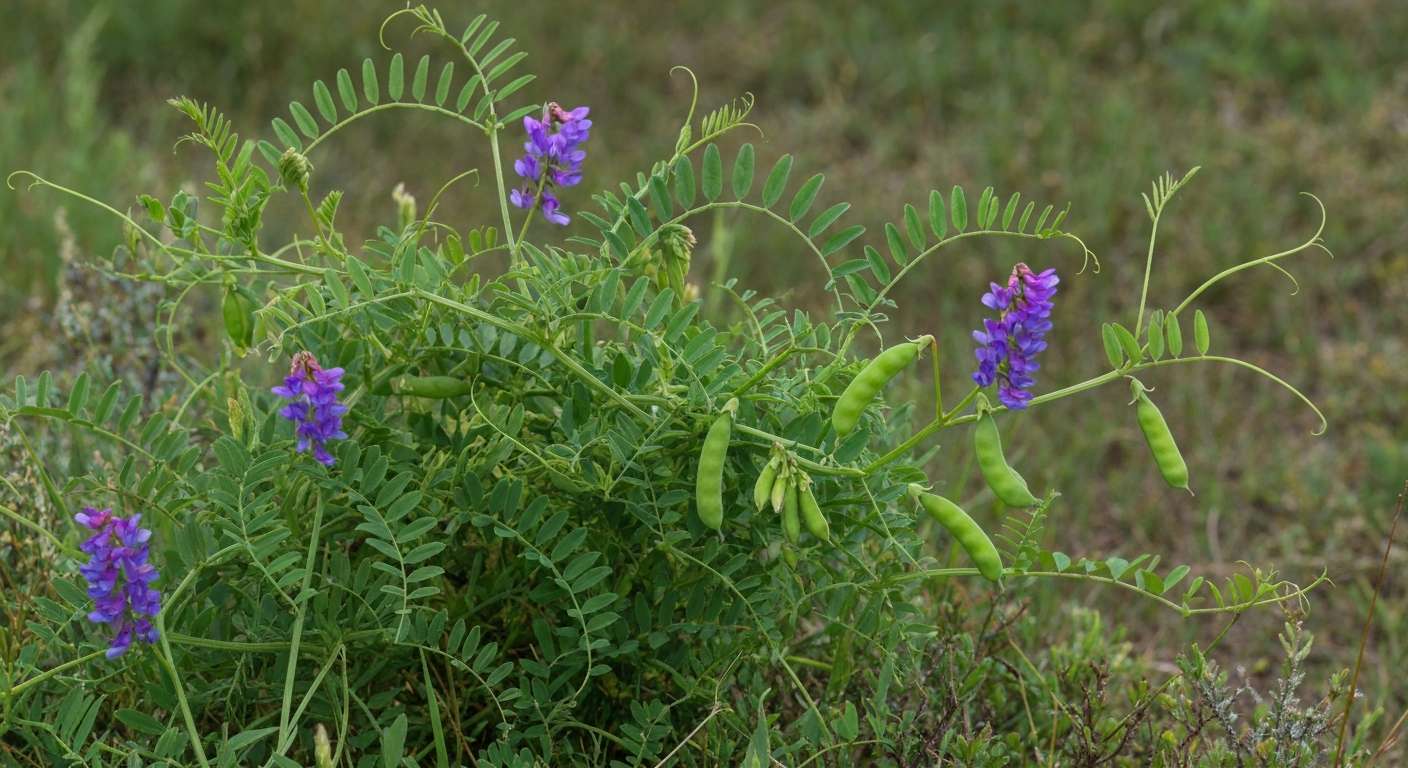
Is Bird Vetch Edible? Safety, Toxicity, and Feeder Tips
Can bird vetch harm people, pets or birds? ID, toxicity risks, symptoms, first aid, and safe yard/feed practices.
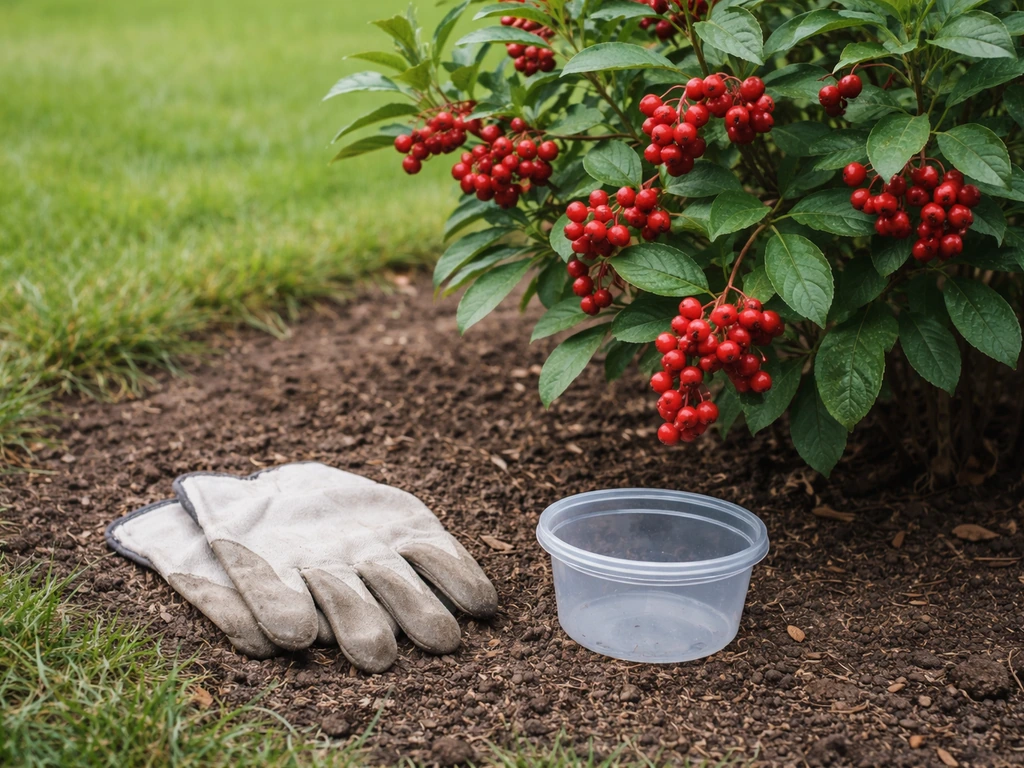
Are Bird Berries Poisonous to Humans? What to Do Now
How to tell if bird berries are toxic, what to do after tasting, and safer backyard and pet prevention tips.
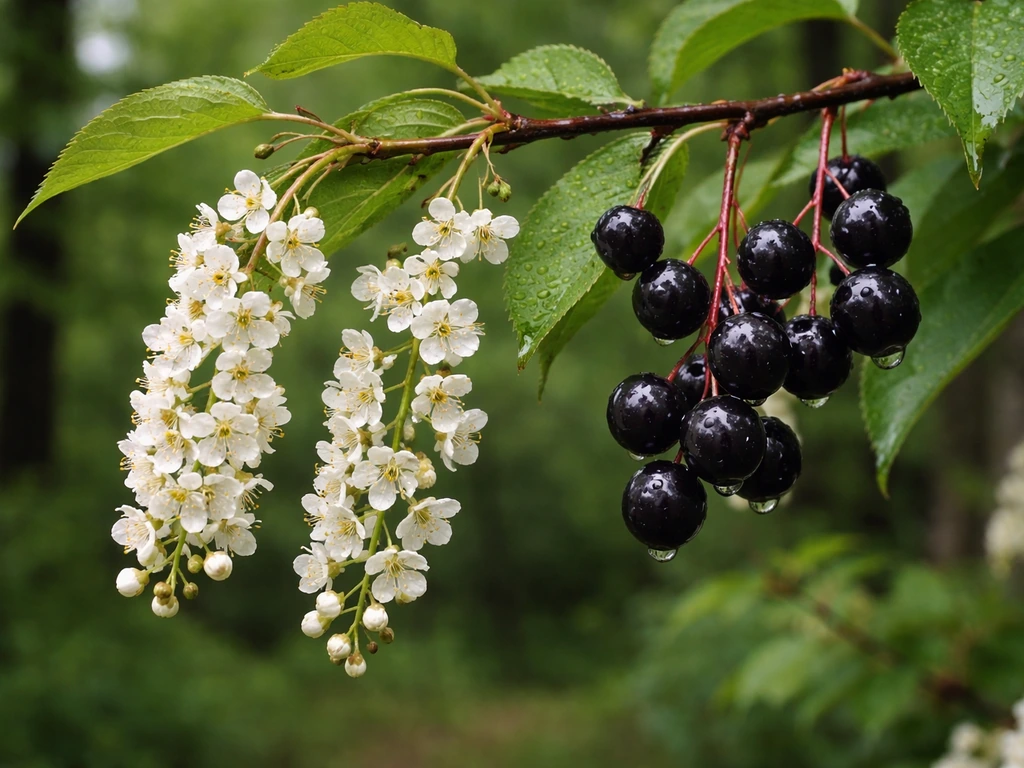
Is Bird Cherry Edible? Safety, Identification, and Use Tips
Learn if bird cherry fruit is edible, how to identify it safely, and what to avoid for pets and foragers.