Yes, birds can eat watermelon, and most backyard birds and pet birds will happily take a piece if you offer it. If you're wondering about other foods too, you may also be asking, can bird eat cheese? The flesh is safe, hydrating, and genuinely enjoyed by a wide range of species. The main things to watch are the seeds (remove them for pet birds), portion size (small pieces, not a bowlful), and how quickly you pull it before it spoils in warm weather. Watermelon is a treat, not a meal replacement, and it needs a little care in how you serve it. Here's exactly how to do it right.
Can Bird Eat Watermelon? Safety and How to Feed It

Maya Bennett
26 Jun 2026
Is watermelon actually safe for birds?
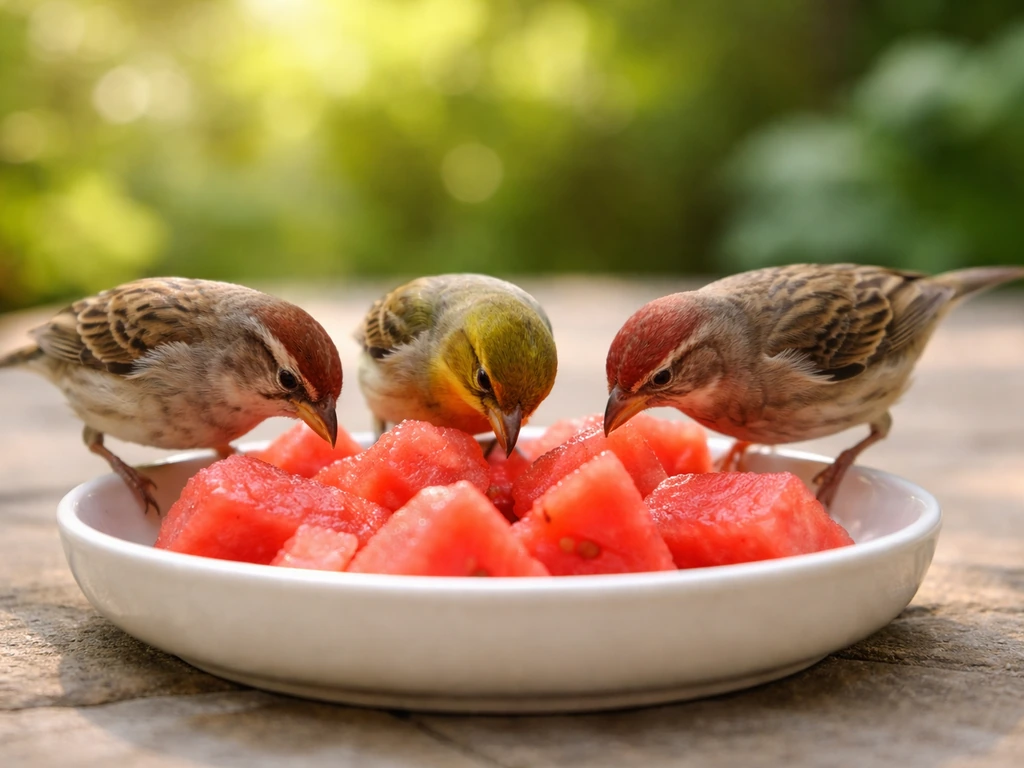
Watermelon flesh is not toxic to birds. It contains no compounds that are inherently harmful to avian physiology, and wildlife rehabilitation workers have noted that birds like ravens actively seek it out. The flesh is about 92% water, which means it's more of a hydrating snack than a nutrient-dense food. The sugar content is real though. Watermelon is a high-glycemic fruit, meaning it gets digested quickly and can cause noticeable blood sugar swings, especially in smaller pet birds. That's not a reason to avoid it entirely, but it is a reason to keep portions small and infrequent. Think of it the way you'd think of a sweet treat for yourself: totally fine occasionally, not something to base a diet around.
The bigger practical risks aren't from the fruit itself. They come from leaving it out too long, offering too much at once, and not cleaning up what doesn't get eaten. Fruit left in a feeder or on a platform for more than a couple of hours on a hot day can start to ferment and grow mold. That's where the real danger is, and it applies to watermelon the same way it applies to any wet food you put out.
Which birds will actually eat it
Wild backyard birds
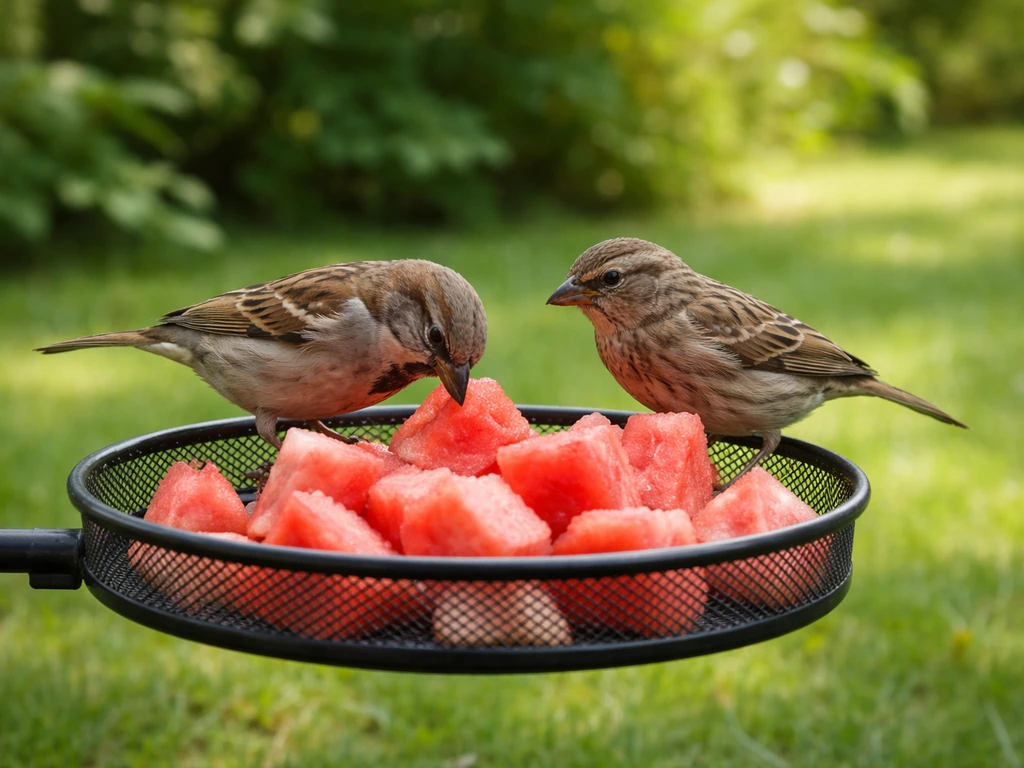
A good number of common backyard species will investigate and eat watermelon flesh if you set it out. Fruit-eating birds are the most enthusiastic, but you'll often be surprised by who shows up. The birds most likely to eat it include American robins, orioles, mockingbirds, catbirds, thrashers, and house finches. Woodpeckers will sometimes peck at it too, especially if you set a chunk out on a platform feeder. Corvids like crows and ravens are also known to eat watermelon readily. Seed-focused birds like sparrows and chickadees are less interested but may nibble the flesh, especially if it's very ripe and aromatic.
Wild birds are opportunistic, so offering watermelon in summer when natural fruit is ripening makes the most sense. It fits naturally into what they're already foraging for, and the high water content can be genuinely useful during a heat wave when water sources are limited.
Pet birds
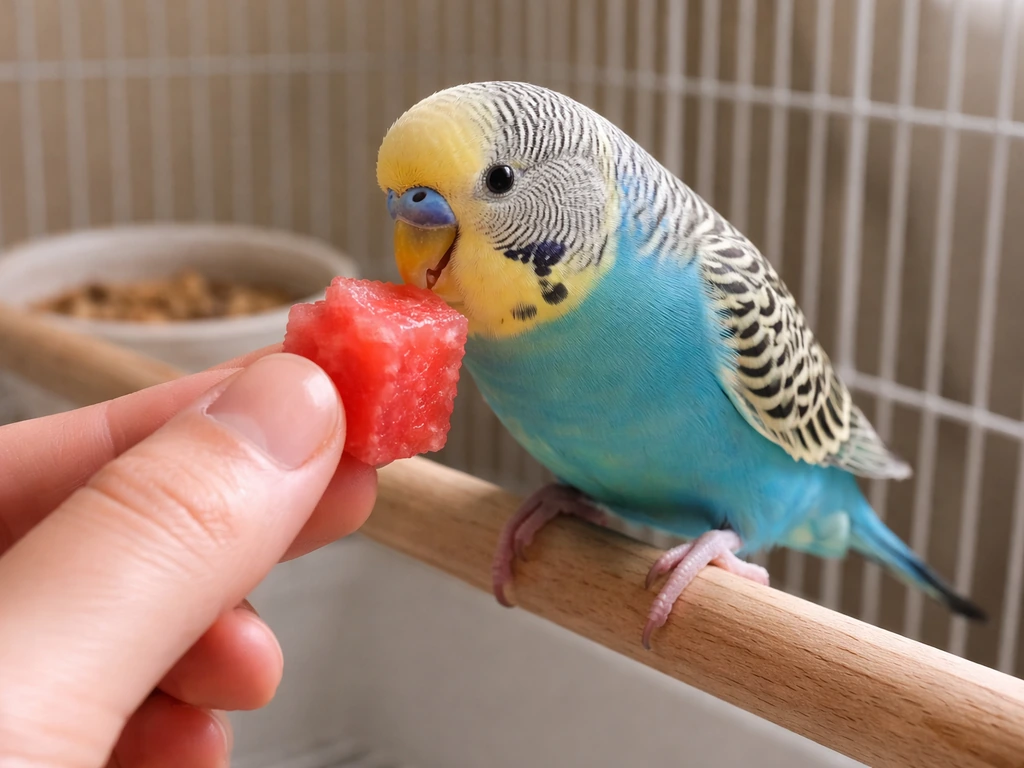
Most pet bird species will eat watermelon, including parrots, cockatiels, budgerigars, lovebirds, and conures. For pet birds, it's important to treat it strictly as a supplemental treat within a structured diet. For larger parrots, fruit should make up roughly 5 to 10 percent of the total diet, with the base being high-quality pellets at around 80 percent and vegetables filling most of the rest. For smaller birds like cockatiels and budgies, the ratios shift slightly, with pellets at 40 to 50 percent, a seed mix at 30 to 40 percent, vegetables at 10 to 15 percent, and fresh fruit at just 5 to 10 percent. Watermelon fits into that fruit allocation, but it shouldn't crowd out lower-sugar vegetables or the pellet base. A safe food list for cockatiels specifically includes watermelon as acceptable, but notes the seeds should not be offered.
Seeds, rinds, and what parts to skip
The red or yellow flesh is the part to offer. The rind is technically not toxic, but it's very tough, fibrous, and hard for birds to eat. There's no meaningful nutritional reason to offer it, so just skip it. The white inner part of the rind is softer and less problematic, but there's still no real benefit to including it.
The seeds are where you need to be more careful depending on your situation. For wild birds, watermelon seeds are not considered toxic and larger birds can handle them fine. For pet birds, especially smaller species like cockatiels and budgies, the recommendation is to remove the seeds before serving. This is partly a precaution against choking risk in small birds and partly because the seeds contain trace amounts of compounds that are better avoided when you're feeding small, consistent portions over time. For the easiest approach, just use seedless watermelon or scoop the seeds out before serving. It takes about 30 seconds and removes any uncertainty.
How to serve watermelon safely
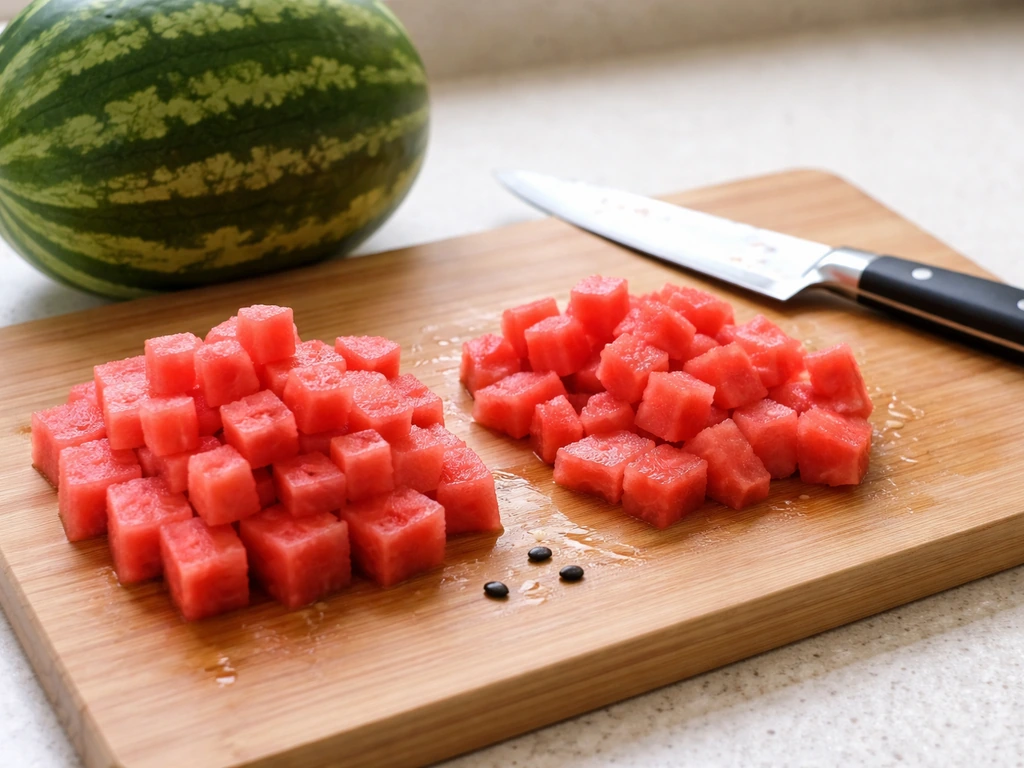
Cutting and prep
Cut the flesh into small, manageable pieces. For pet birds, dice the flesh into cubes no larger than about half an inch, removing seeds as you go. For wild birds at a platform feeder, you can leave a larger chunk or half-slice with the rind as a base (so it doesn't slide around), but cut the flesh into a grid pattern so birds can easily peck pieces off without struggling. Fresh is always better than frozen, but if you're thawing watermelon from frozen, make sure it's fully thawed and at room temperature before offering it. Cold fruit can be unappealing to birds and may cause digestive discomfort.
Where to place it
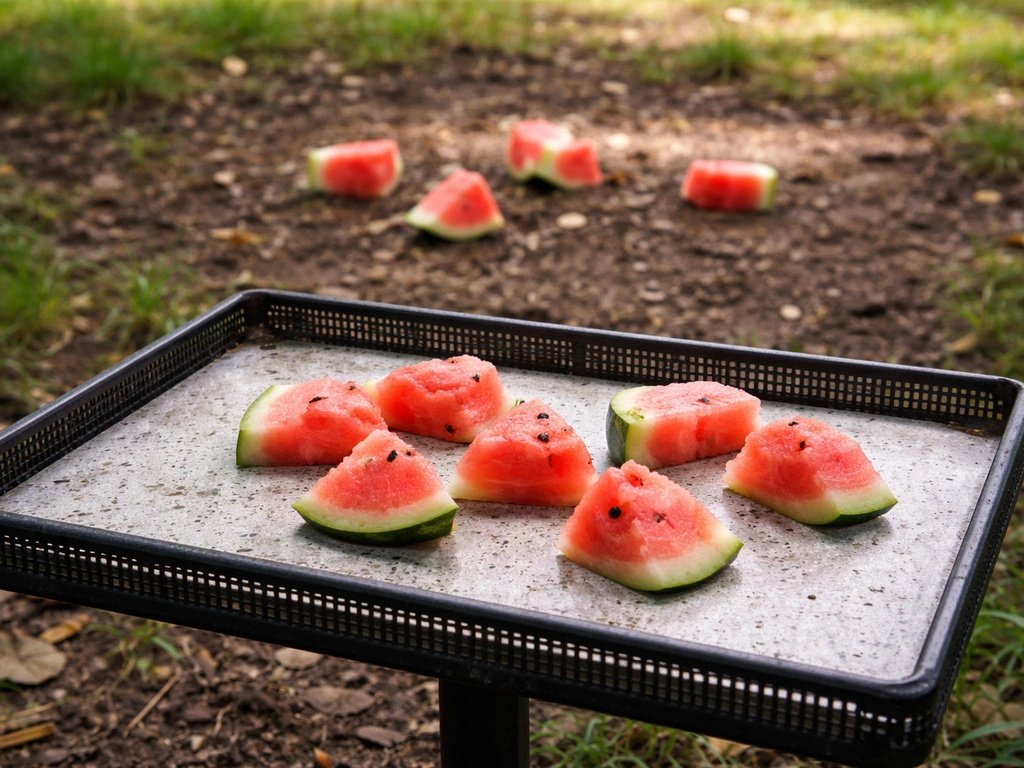
For wild birds, use a dedicated platform feeder or a clean flat surface that you can wipe down easily. Avoid placing fruit directly on the ground if you can, as it attracts insects, slugs, and potentially larger pests like raccoons or squirrels. Keep the feeding station elevated and in a spot where you can monitor it and clean it up after each feeding. Don't put watermelon in a standard seed feeder. The juice will soak into the seed, accelerate mold growth, and make the whole feeder a mess to clean. For pet birds, use a separate treat dish that you can remove, wash, and dry, rather than putting the fruit in their main food bowl.
Portion sizing at a glance
| Bird type | Serving size | Frequency |
|---|---|---|
| Large parrot (macaw, cockatoo) | 2–3 small cubes (~1 inch) | 2–3 times per week at most |
| Medium parrot (conure, caique) | 1–2 small cubes (~½ inch) | 2–3 times per week at most |
| Small pet bird (cockatiel, budgie, lovebird) | 1 small cube (~½ inch), seeds removed | Once or twice per week |
| Wild backyard birds (platform feeder) | A few small wedges or a quartered slice | Once or twice per week in summer |
How often to feed it and when to pull back
Watermelon should be an occasional treat, not a daily staple. Its high water content means that if birds eat a lot of it, you'll notice very watery droppings. That's a normal physiological response to high-moisture food and isn't immediately dangerous in small amounts, but consistent loose droppings can indicate too much fruit in the diet overall. If you notice this with your pet bird, cut back on the watermelon and any other high-water or high-sugar fruits for a few days.
For wild birds, the practical limit is mostly about spoilage rather than overfeeding. Wild birds self-regulate well and won't gorge themselves to the point of harm on a small portion. Offer a small amount every few days during summer rather than every day, and always remove uneaten fruit after about an hour or two in warm weather (over 75°F), or after two to three hours in cooler conditions.
For pet birds specifically, watch for any changes in behavior, appetite for their normal pellet diet, or stool consistency. If a bird starts refusing pellets in favor of fruit, that's a sign the treats are displacing the balanced diet. In that case, stop offering fruit for a week or two and consult an avian vet if the preference persists. Watermelon is not nutritionally complete, and birds that fill up on it will miss out on the protein, vitamins, and minerals they actually need.
Spoilage, pests, and keeping things clean
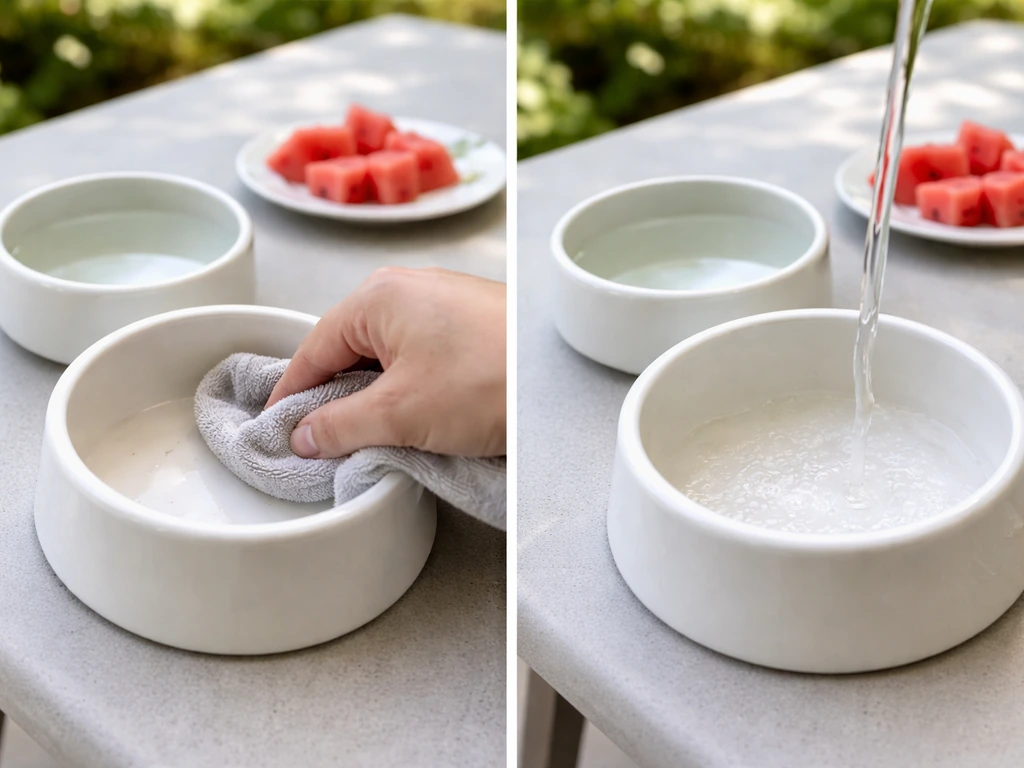
This is the part that trips most people up. Watermelon spoils fast outdoors, faster than most people expect. In summer heat, cut fruit can start to ferment within an hour or two, and mold can form on wet surfaces within a day. Mold and bacteria, including salmonella, can grow in wet, warm conditions and pose a genuine health risk to birds and potentially to pets and people who handle contaminated feeders. This is true of any wet food left in a feeder, and watermelon is particularly juicy.
The practical rule is simple: offer a small amount, watch it, and remove it promptly. Don't walk away and assume the birds will finish it. If it's still sitting there after a couple of hours on a warm day, toss it. Then clean the surface it was on before the next feeding. Use hot soapy water or a diluted bleach solution (one part bleach to nine parts water) to wipe down the feeder surface, rinse thoroughly, and let it dry.
Watermelon juice also attracts insects, particularly wasps and ants, which can crowd out birds and become a nuisance. If you're seeing a lot of insect activity around the feeder, try placing the fruit on a surface with a small moat of water around its base, or simply reduce the portion size so it gets eaten before insects find it. Raccoons, opossums, and squirrels are also attracted to the smell of ripe fruit, so take in any uneaten watermelon at dusk if you feed in the afternoon.
A quick feeder hygiene checklist
- Remove uneaten watermelon within 1 to 2 hours in warm weather (above 75°F) or within 2 to 3 hours in cooler conditions
- Clean the fruit dish or feeder surface after every use with hot soapy water, rinse well, and let it dry fully
- Never place watermelon in or near a seed feeder where juice can contaminate dry seed
- Discard any watermelon that looks slimy, discolored, or smells fermented before offering it
- Use a dedicated fruit dish that's separate from your bird's main food bowl
- Check the feeding area for ants or wasps before placing fruit, and monitor for new pest activity
- If you find sick birds near your feeding station, remove all food and clean thoroughly before resuming feeding
How watermelon compares to other common fruit treats
Watermelon sits in a similar category to grapes and bananas as a bird-safe treat that needs portion control due to sugar content. It's safer than bread, which has no nutritional value for birds and can cause serious digestive and developmental problems. It's also safer than cheese for most bird types. Among fruits, watermelon has a higher glycemic impact than grapes or bananas on a volume basis, mainly because of how rapidly the simple sugars absorb. That doesn't make it worse than the others as an occasional treat, but it does reinforce the idea that variety is better than leaning on any single fruit too heavily. Rotating between a small piece of watermelon one day, a slice of banana another, or a couple of grapes another time is a much better approach than offering the same fruit repeatedly.
What to do right now
If you want to try offering watermelon today, here's the simplest safe approach. Take a small wedge of seedless watermelon (or remove the seeds from a regular slice), cut the flesh into half-inch cubes, and place two or three pieces on a clean platform feeder or in a small dish. You might be wondering about other fruits too, like banana, and whether a can bird eat banana safely seedless watermelon. Set a timer for 90 minutes. When it goes off, check what's left and remove it. Wash the dish with hot soapy water and let it dry. That's it. If birds ate it enthusiastically, you can offer the same amount again in a few days. If it sat untouched, the birds in your area may not be fruit-eaters, and that's completely normal. Don't leave it hoping they'll come back to it later.
For pet bird owners, start with a single small cube alongside the normal pellet meal, not as a replacement for it. Watch the droppings over the next 24 hours. If they're noticeably watery, skip the fruit for a few days. If everything looks normal, you can work watermelon in as an occasional treat within the fruit portion of your bird's diet plan. blank" rel="noopener noreferrer">When in doubt about portions or health reactions, an avian veterinarian is always the right person to ask, especially for birds with existing health conditions or on specialized diets. It might also help to know whether grapes are safe for birds before offering other fruits safe fruits for birds.
FAQ
Can birds eat frozen watermelon that I thaw?
Yes, but only offer it in small, room-temperature portions (and never as a meal). Thawed fruit tends to be softer and releases more juice, so it spoils faster and can worsen watery droppings. If you thaw in the fridge, let it sit until it’s not cold before serving, and remove leftovers on the same schedule as fresh fruit.
Can I put watermelon in my regular bird seed feeder?
Do not use watermelon in a seed feeder. The juice soaks into the seeds, speeds up mold growth, and makes the whole feeder harder to clean safely. For wild birds, use a dedicated platform feeder or a clean dish that you can remove, scrub, and dry after each feeding.
What if the bird has watery droppings after eating watermelon?
A good rule is to stop once droppings become consistently loose or watery for more than a day or two. If you see this, remove watermelon and other high-water fruits for several days, then restart with a smaller amount (about 1 to 2 small cubes per feeding for a pet bird, or a tiny wedge for wild birds) to see how your bird responds.
Is the watermelon rind safe to feed?
It’s safer to skip the rind entirely for nutritional and practical reasons, even though it is not inherently toxic. The rind is tough and fibrous, and birds may struggle to eat it, increasing mess and uneaten material that can spoil. Offer only the red or yellow flesh.
Can a diabetic or overweight pet bird have watermelon?
For pet birds, yes, most can have seedless watermelon, but portion control still matters because sugar and moisture can displace more balanced foods. If your bird is on a medically restricted diet (diabetes, liver issues, or obesity), ask an avian vet before offering, since high-glycemic fruit may not be appropriate.
My birds ignore watermelon, should I keep leaving it out?
If a bird refuses watermelon, that usually just means it is not interested in fruit. Remove it rather than leaving it out longer, since it will ferment. You can try again later with a smaller piece, slightly riper fruit, or a different fruit to gauge what local birds actually prefer.
How do I keep insects from taking over the feeder when I offer watermelon?
If you notice ants, wasps, or other insects gathering quickly, reduce the portion size and shorten the time it stays out. You can also raise the feeder, use a clean platform that you can wipe daily, and make sure any uneaten fruit is removed on schedule so the insects are not feeding off fermenting juice.
Can I give watermelon every day to my pet bird?
Yes, but treat it like a chewable treat, not a constant option. For pet birds, give only a few small cubes alongside the normal diet and avoid offering watermelon repeatedly within the same day. If your bird starts dropping pellets or begging only for fruit, pause treats and recheck their staple intake.