Yes, deer do eat bird eggs, and they will eat nestlings too. It's rare compared to what squirrels, raccoons, or snakes do on a daily basis in your yard, but it happens and there's solid field research to back it up. A USGS study documented white-tailed deer consuming songbird nestlings at night, clearing a nest in as little as 5 to 19 seconds and leaving almost no visible evidence behind. So if eggs or chicks have vanished from a ground-level or low nest and you can't find shells, deer are a real possibility, not just a weird theory.
Do Deer Eat Bird Eggs? Signs and Protection Tips

Maya Bennett
7 Jul 2026
When deer might go for eggs (and when they usually won't)
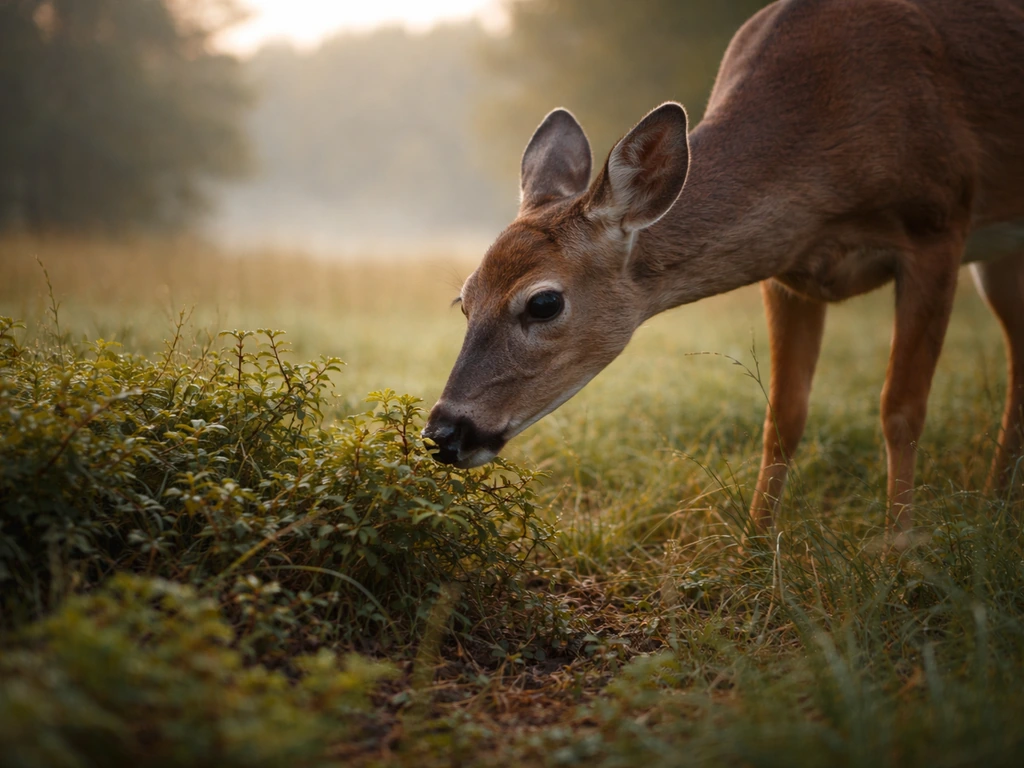
Deer are browsers at heart. The Washington Department of Fish and Wildlife describes their primary diet as the growing tips of trees and shrubs, supplemented by forbs, grasses, and mast crops like acorns. Under normal conditions, a deer cruising through your yard is looking for plants, not protein. But deer diets shift with the seasons and with nutritional pressure. Research on white-tailed deer nutrient constraints shows they actively seek out higher-protein foods when native browse is nutritionally inadequate, which tends to happen in late spring and early summer. That's exactly when most songbirds are nesting.
The Mississippi Department of Wildlife, Fisheries, and Parks notes that deer managers use supplemental high-protein food plots specifically because deer face protein deficits during browse-scarce periods. When a deer encounters a nest full of protein-rich eggs or nestlings during that same nutritional window, opportunistic consumption makes biological sense even if it looks shocking to us. Deer are also more likely to stumble across nests at night, when they do much of their foraging, which is why the USGS observations happened after dark and left so little sign.
That said, deer are not egg-hunters. A comprehensive review notes that cervids, especially white-tailed deer, have been observed removing nestlings and eggs from songbird nests, often in relation to nest predation dynamics and deer presence or exclosures deer are not egg-hunters. They don't stalk nests or systematically search undergrowth the way a raccoon does. The most realistic scenario is incidental discovery: a deer moving through tall grass or low shrubs puts its nose down, finds a nest, and eats the contents before moving on. Ground-nesting birds like killdeer, meadowlarks, and towhees, or birds with very low cup nests in shrubs, carry the highest risk. Elevated nests in trees are essentially outside a deer's threat zone.
Most common egg predators and how deer differs
Deer are genuinely unusual egg predators. The animals doing real, consistent damage to eggs and nestlings in most backyards are raccoons, opossums, blue jays, crows, squirrels, chipmunks, domestic cats, rat snakes, and foxes. Understanding how deer differ from this group helps you narrow down what's actually happening at your nest.
| Predator | Method | Evidence left | Active time | Nest height targeted |
|---|---|---|---|---|
| Raccoon | Reaches into nest, crushes eggs | Shell fragments scattered, crushed pieces, nest disturbed | Mostly night | Ground to mid-shrub, sometimes climbs |
| Opossum | Similar reach-in method | Shell fragments, nest torn up | Night | Ground and low shrub |
| Fox | Grabs nest contents whole | Little shell, nest may be dragged | Dawn/dusk/night | Ground nests |
| Domestic cat | Paws into nest, removes eggs/chicks | Scattered shells, claw marks in nest material | Day and night | Ground to low shrub |
| Blue jay / Crow | Pecks holes in eggs, lifts chicks | Punctured shells left in or near nest | Daytime | All heights |
| Squirrel / Chipmunk | Carries eggs off whole | Empty nest, rarely shell fragments near site | Daytime | Ground to canopy |
| Rat snake | Swallows eggs whole | No shells, eggs simply gone, nest undisturbed | Day and night | All heights, climbs |
| White-tailed deer | Consumes contents whole, nose into nest | No shells, no disturbance, nest may appear intact | Night | Ground and very low shrub only |
The deer's signature, if you can call it that, is the clean disappearance. No crushed shells, no scattered nest material, no claw marks. The nest looks undisturbed but is simply empty. Snakes share that profile, so if you rule out a snake, deer move up the suspect list, especially if you have visible deer traffic in your yard or neighborhood.
How to tell who raided the nest or broke the eggs
Before you assume the worst or go after the wrong culprit, spend five minutes doing a quick crime scene check. The physical evidence almost always points toward the real predator.
What to look for on the ground
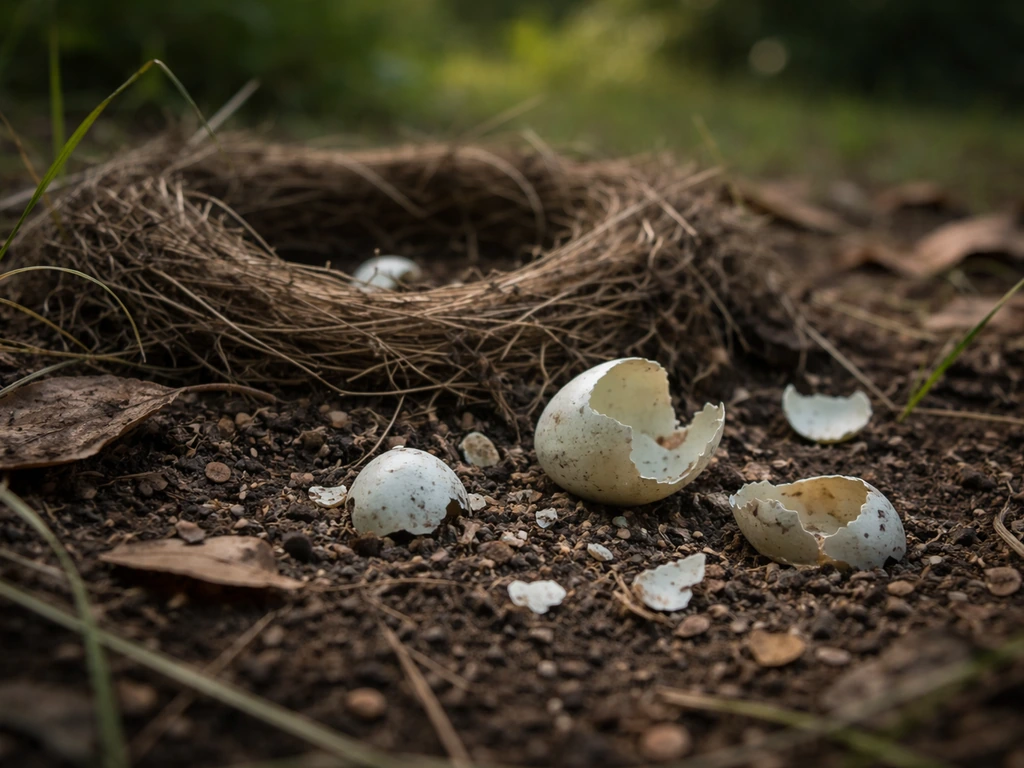
- Crushed or punctured shell fragments at or near the nest: birds (jays, crows) or medium mammals (raccoons, opossums)
- Clean empty nest with no shell at all: snake or deer (both swallow or consume whole without leaving debris)
- Nest pulled apart or turned over: raccoon, opossum, or cat
- Eggs missing but nest intact and no disturbance: snake is more likely than deer for elevated nests; deer for very low or ground nests
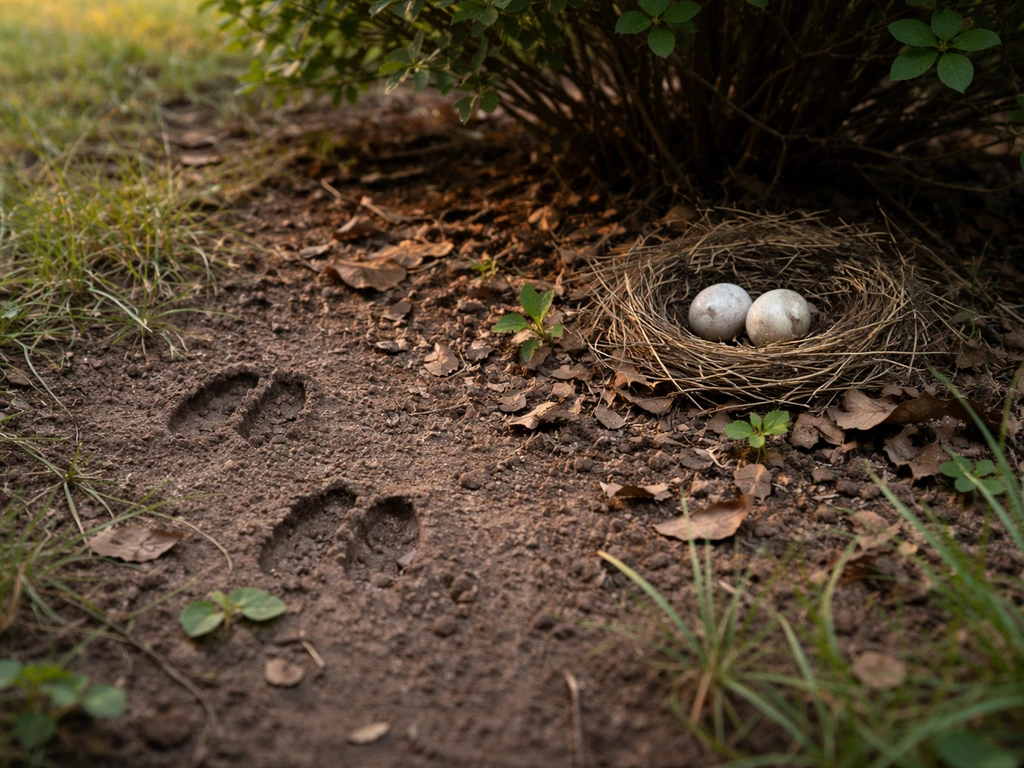
- Hoofprints in soft soil within a few feet of a ground nest: strong evidence of deer involvement
- Scat nearby: raccoon scat is tubular and often contains seeds/berries; fox scat is twisted at the tip; deer pellets are round and clustered
- Feathers scattered widely: cat or raptor (not deer or snake)
- Slime or scale marks on nest material or nearby branches: snake
A quick elimination checklist
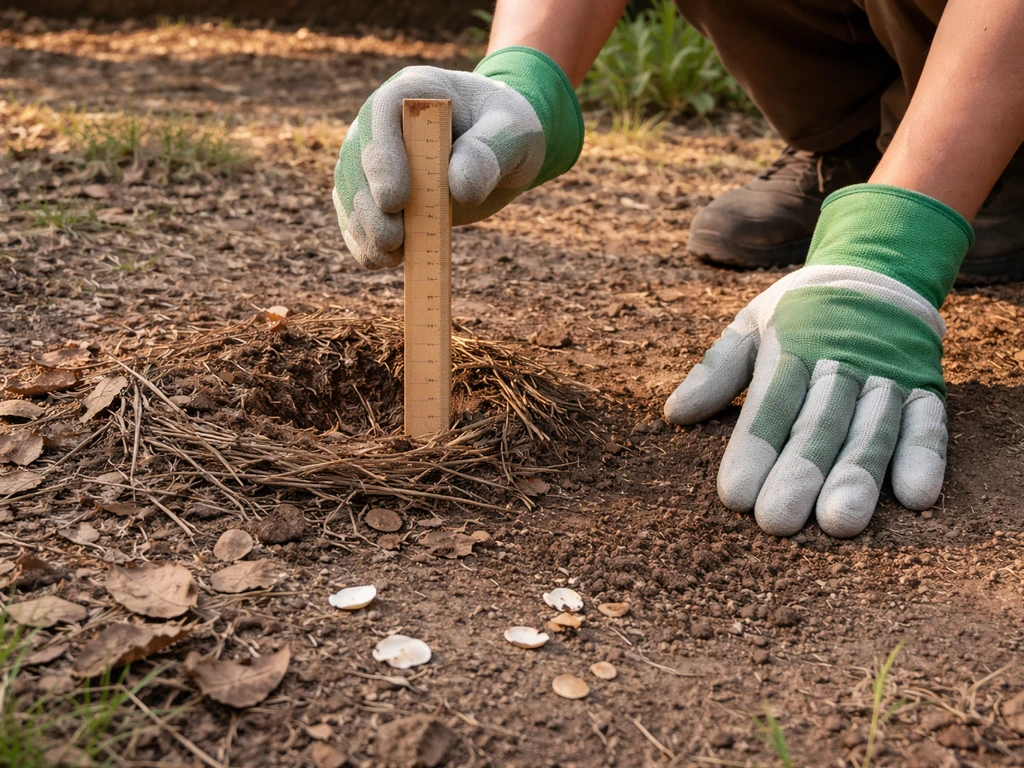
- Check the nest height: if it's above 5 feet, deer is almost certainly not the culprit
- Look for shell debris within 3 feet of the nest in every direction
- Check soft soil or mud around the nest base for track impressions
- Look at the nest structure itself: is it intact or torn up?
- Set a trail camera overnight if you have one (even a cheap motion-triggered model will catch a deer visit clearly)
- Note the time of loss if possible: daytime loss points away from deer
Protection plan for nests and vulnerable ground feeders
Once you've identified the likely predator (or narrowed it down), here's what you can actually do today. The good news is that most of these steps work against several predators at once, so even if you're not 100 percent sure whether it's deer, raccoons, or foxes, the same actions cover your bases.
For active nests you want to protect right now
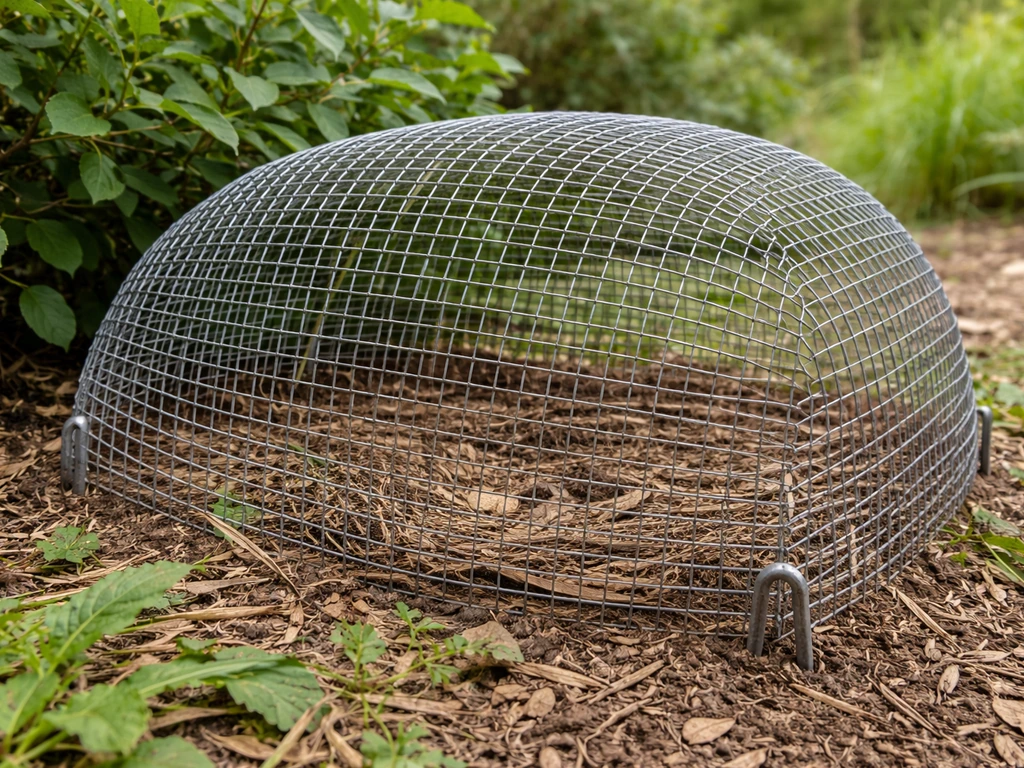
- Place a simple wire exclusion cage around a ground or low-shrub nest: use 2-inch hardware cloth bent into a dome about 12 inches high, staked at the edges. Parent birds can get through; deer muzzles and raccoon paws cannot.
- Keep the area immediately around the nest clear of food scraps, fallen fruit, and seed spills from nearby feeders. Attractants draw more mammal activity to the zone.
- If the nest is in a shrub you can access, tie a ring of thorny pruned branches (rose, hawthorn) loosely around the shrub's perimeter. Deer avoid putting their face into thorny material.
- Don't disturb the nest yourself. Human scent and movement near a nest stresses the parents and can cause abandonment, which is a bigger threat than most predators.
- If a nest is in an open lawn area and deer are confirmed in your yard, temporary orange construction fencing staked in a loose perimeter 6 to 8 feet out from the nest location can redirect deer foot traffic without harming them.
Longer-term habitat adjustments
- Encourage ground-nesting birds toward areas with denser, thornier native groundcover where deer and other mammals are less likely to probe
- Plant native shrubs with structural complexity (multi-stemmed, thorny, or dense) that provide nest sites harder for large mammals to access
- Reduce mowing and foot traffic in nesting areas from May through July to avoid exposing nests
Deer at bird feeders: deterrence and safer feeding practices
Deer raiding bird feeders is a much more common complaint than deer eating eggs, and it's worth addressing directly because a feeder full of spilled seed on the ground changes the whole dynamic of your yard. Deer that learn your yard as a food source will visit more frequently, especially at night, and that increased presence near nesting habitat does raise indirect risk to low nests.
The most practical deterrence step is height. A tube feeder or platform feeder hung at least 6 feet off the ground eliminates deer access entirely. Deer can reach roughly 6 feet when they stretch, so go higher when possible, ideally 7 feet on a smooth pole with a baffle. Squirrel baffles that guard against climbing also prevent deer from pushing a pole around, which they'll do if a feeder is within reach.
- Use a no-mess seed blend or hulled seeds to reduce ground spillage: shells and hulls on the ground are what draws deer and other mammals in at night
- Bring platform feeders and ground feeders in at dusk during peak deer activity (late spring through fall)
- Apply deer repellent spray (commercial formulas containing putrescent egg solids or capsaicin) to posts, surrounding vegetation, and the feeder base. Reapply after rain.
- Motion-activated lights or sprinklers near the feeder area discourage nocturnal deer visits without harming the animals
- Remove fallen apples, berries, or other fruit from under fruit trees near feeders; those are a bigger draw for deer than seed
Feeder and seed safety to reduce attracting the wrong visitors
Spoiled or poorly stored seed is one of the most underrated problems in backyard birding, and it's relevant to this situation in a specific way: rotting seed, moldy suet, and spilled hulls on the ground create a scent plume that draws in mammals including deer, raccoons, opossums, and mice. Mice can also show up around bird feeders, and you may wonder whether they eat bird food including deer, raccoons, opossums, and mice. Any of those visitors moving through your yard at night is a potential threat to low nests. This is a case where good feeder hygiene directly protects nesting birds.
- Store seed in sealed metal or hard plastic containers, never open bags. Open bags in garages or sheds attract rodents, which in turn attract foxes and other predators.
- Clean feeders with a 10 percent bleach solution every two weeks during warm months. Wet, moldy seed sitting in a feeder is a health risk to birds and a scent attractant to mammals.
- Rake or sweep ground below feeders every two to three days. Don't let a pile accumulate overnight.
- Use seed that matches the birds you want to attract. Generic wild bird mixes often contain milo and millet that most desirable birds won't eat, leaving it to pile up on the ground for mammals.
- Check suet cakes weekly in summer. Suet goes rancid quickly above 80°F and the smell draws everything from flies to bears, depending on your region.
This same logic applies to mice and other small mammals that are regulars around unsecured feeders. If you're also noticing other wildlife near your feeders you didn't expect, like skunks, chipmunks, or opossums, poor seed storage and ground spillage are almost always the root cause. Fixing the feeder hygiene problem often reduces the mammal pressure on nesting birds nearby without any additional steps.
Next steps and when to call for help
Here's a practical action sequence based on what you've found. Work through it in order and you'll have a clear picture of what happened and what to do next.
- Assess the scene using the evidence checklist above: shell fragments, nest condition, tracks, and nest height
- If deer tracks are present near a ground nest or the eggs vanished cleanly from a very low nest overnight, treat deer as a likely contributor and install a wire dome exclusion today
- If shell fragments are present or the nest is torn apart, shift focus to raccoons, opossums, or cats and add a pole baffle plus a predator guard if the nest is in a birdhouse
- Set a motion-triggered trail camera or a basic wireless security camera pointed at the nest or feeder area for two nights to confirm the predator
- Regardless of culprit, clean up ground spillage, move feeders up to 7 feet or bring them in at night, and store seed in sealed containers starting today
- If a nest with eggs or chicks has been fully disturbed and you find an injured or abandoned nestling on the ground, do not raise it yourself: contact your state wildlife agency or a licensed wildlife rehabilitator. A quick web search for your state's wildlife rehabilitator directory or calling your local animal control office will get you a referral within minutes.
- If deer are regularly present and causing repeated problems (feeder destruction, frequent yard visits near nesting areas), contact your state's Department of Fish and Wildlife for guidance on legal deterrence options in your area. Some states have specific rules about repellents, exclusion fencing, and relocation.
The bottom line: deer eating bird eggs is real and documented, but it's far less common than predation by raccoons, snakes, cats, or corvids. If you're seeing clean nest loss at ground level with no shell debris and deer tracks in the area, take it seriously and exclude them with a simple wire barrier. If the evidence doesn't point to deer, focus on the much more likely suspects and use the same general deterrence approach. Either way, the feeder hygiene and seed storage steps help protect nesting birds no matter which mammal is visiting your yard.
FAQ
If I find a nest with no shell pieces, could that still be a deer? How can I tell versus a snake?
Often, yes. Deer movement can be “quiet,” you may see the nest look undisturbed but empty, and you might notice deer sign nearby (browsing on shrubs, tracks in soft soil). Deer also tend to forage at night, so the timing can match, but confirm with a quick look for other culprits that leave similar clean-outs, especially snakes.
How is a deer “clean-out” different from raccoons or squirrels in a backyard? What evidence should I look for?
Squirrels and raccoons usually leave more clues, like torn nest lining, scattered fragments, or repeated visits to multiple nests. Deer are more likely to cause a fast, one-off removal after incidental discovery, so you are more likely to see a single empty nest rather than a trail of disturbed nests in the same area.
Is deer egg predation more likely during certain months or times of day?
There are a couple of key timing clues. Ground-level nesting is riskier for mammals, and deer protein-seeking often peaks in late spring and early summer, which overlaps with nesting season. Also, deer activity is more likely at night, so if the nest disappears overnight during that period, deer become a more plausible suspect.
If deer visit my yard at night, does that automatically mean they are eating eggs too?
Deer can be a factor even if they are not the only predator. If feeders bring deer (and other mammals) into the yard more often, low nests nearby face higher incidental exposure. Still, most egg and chick losses typically come from other predators, so treat deer prevention as one part of a broader nest-protection plan.
Are deer able to reach bird nests in trees, or is it mostly ground and low shrubs?
Not usually. If the nest is in a tree canopy or well above typical browse height, deer access is limited. That said, deer could still reach some low shrub nests if the structure is close to the ground or branches hang low, so the best test is whether a deer could physically reach the nest from the ground without jumping.
What is the most reliable way to stop deer from accessing a specific ground nest area?
Exclude them with a physical barrier, not just visual deterrents. A lightweight wire barrier that blocks access to the ground-level nest area, secured so deer cannot push it aside, is more reliable than motion sprinklers or noise, which animals can ignore quickly at night. Use this only where it will not trap or injure the birds.
If I suspect deer but I also have other predators around, how do I avoid fixing the wrong problem?
Yes, and it is a common mistake to over-focus on a single cause. If you also have raccoon, fox, or cat activity around your yard, deer exclusion alone may not solve the problem. Use evidence-based narrowing first (clean disappearance, timing, and nearby sign), then apply the deterrents that target the most likely predator group.
What landscaping or yard changes can reduce the chance deer stumble on low nests?
You can reduce the odds of “incidental discovery” by keeping vegetation and cover from creating easy travel lanes to ground nests, especially near hedges and tall grass. Trimming dense ground cover near nesting spots can reduce the chance that a deer's nose goes to the exact location where eggs are laid, but do it in a way that does not remove the birds' nesting cover entirely.
Why does feeder seed quality affect nest survival, even if my birds are not nesting near the feeder?
Feeder hygiene matters because spoiled seed and spilled hulls create scent cues that attract multiple mammals active at night. If you remove ground spillage and store seed securely, you often see fewer nocturnal visitors, which lowers incidental risk to nearby ground nests, regardless of whether deer, raccoons, or other mammals are involved.
Next Articles
Do Skunks Eat Bird Eggs? How to Tell and Prevent It
Learn if skunks eat bird eggs, how to spot egg predation, and prevent it with safe yard and nest protection tips.
Do Chipmunks Raid Bird Nests? Signs, Proof, and Fixes
Evidence-based signs to confirm if chipmunks raid nests, distinguish other predators, and stop damage with safer feeding
Do Pigs Eat Bird Eggs? What to Know and How to Protect Birds
Do pigs eat bird eggs? Learn when they may scavenge nests and how to protect birds in farms or shared yards.