Yes, pigs will eat bird eggs given the chance. This applies to both domestic pigs that have roamed into a nesting area and feral hogs foraging across fields or woodland edges. Pigs are opportunistic omnivores, and a nest full of eggs is exactly the kind of high-protein, easy-to-access food they will not pass up. The key distinction is that pigs are not actively hunting eggs the way a fox or crow might. They stumble across nests while rooting and foraging, and when they do, the eggs are gone. That opportunistic behavior is actually what makes pigs surprisingly effective as nest predators, especially for ground-nesting birds.
Do Pigs Eat Bird Eggs? What to Know and How to Protect Birds

Maya Bennett
30 May 2026
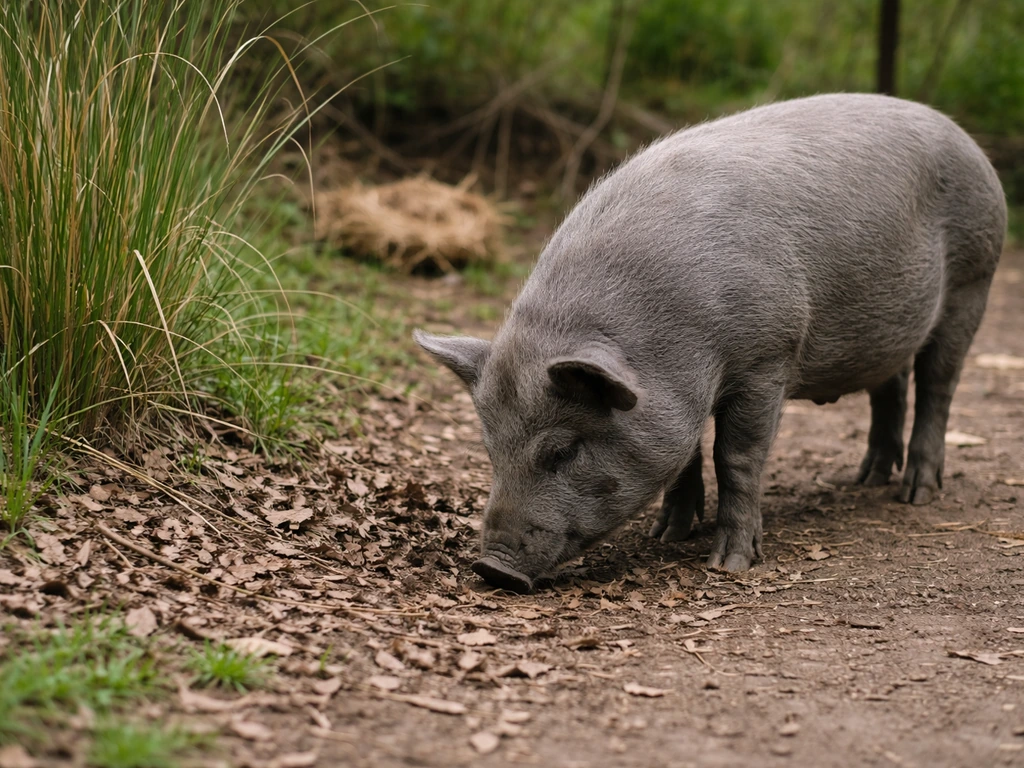
When pigs actually eat eggs: scavenging vs. targeted hunting
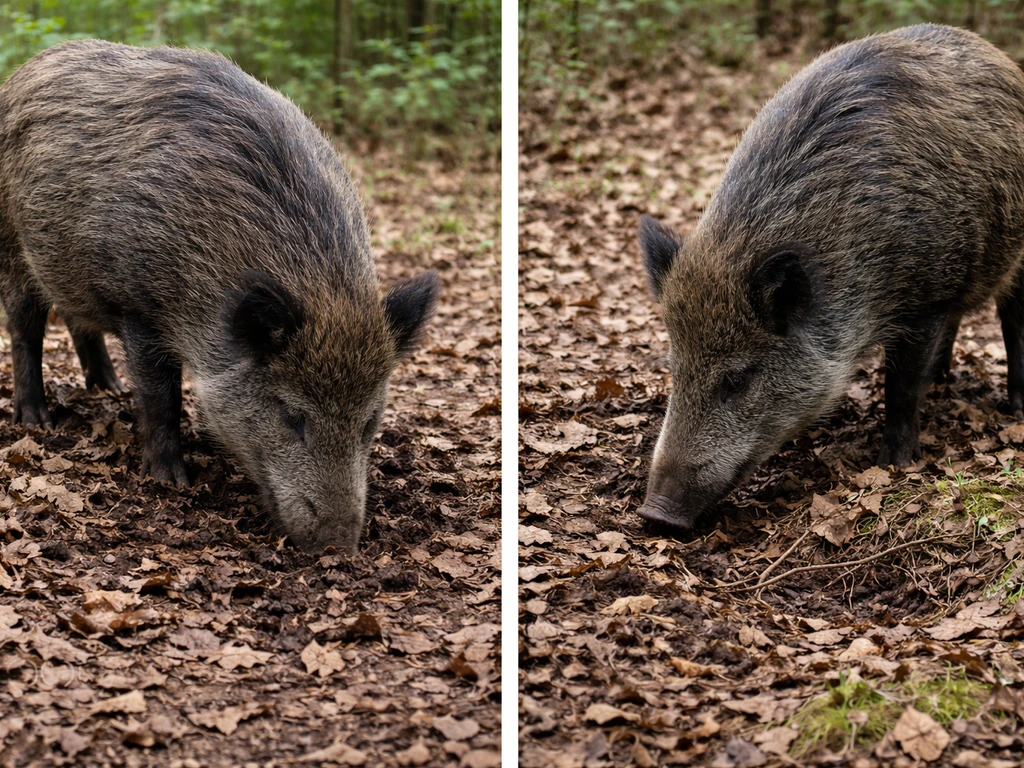
Pigs do not stalk birds or seek out nests the way a dedicated predator does. What they do instead is root through ground cover, leaf litter, and soil constantly as they move around. If a nest happens to be in that path, the pig encounters it, recognizes it as food, and eats it. That is scavenging and opportunistic foraging, not hunting. The result for the bird is the same either way.
Research makes this distinction clear and also shows how serious the impact can be. A study published in Scientific Reports identified invasive wild pigs as primary nest predators for wild turkeys, directly linking feral pig foraging to reproductive losses in ground-nesting bird populations. Separate research documented feral swine as nest predators for Northern bobwhite, reducing reproduction in areas where pig activity was high. Australian environmental authorities also list egg and chick consumption as confirmed diet items for feral pigs. So while a pig is not planning a raid on a bird nest, the end result of its rooting behavior is functionally the same as a dedicated nest predator.
Domestic pigs can do the same thing if they have access to areas where birds are nesting or laying. A peer-reviewed case report documents predation behavior by a herd of domestic pigs, confirming that domestication does not remove this opportunistic animal-protein seeking. If your chickens free range near your pig enclosure, or if a pig gets loose near ground-nesting wild birds, egg loss is a real possibility.
What pigs actually eat most of the time
To set realistic expectations: eggs are not a daily pig food. The bulk of a feral or free-roaming pig's diet is plant matter. University extension food-habits research describes feral hogs as omnivorous and opportunistic, with foraging focused on roots, tubers, fruits, seeds, and mast crops like acorns. Small animals, invertebrates, and carrion fill in the gaps when plant food is scarce or when animal protein happens to be easy to grab. Eggs fall into that last category perfectly: high nutritional value, zero chase required.
[Virginia Tech extension notes that in suburban areas, feral swine will also access pet food left outdoors and edible waste from compost piles](https://www. pubs. ext. vt.
edu/content/pubsextvt_edu/en/CNRE/cnre-146/cnre-146. html). That detail matters because it explains why pig foraging behavior intensifies near homes and homesteads: once they learn that human-associated areas contain easy food, they come back. A pig that finds spilled bird seed under a feeder one night may return and root around more aggressively the next.
Mice will also eat spilled bird seed around feeders, so cleaning up quickly helps reduce both pest activity and nest pressure. That kind of escalating foraging near bird habitat is what eventually puts nests and eggs at risk, even if eggs were not what drew the pig in originally.
How to keep pigs away from nesting birds and eggs
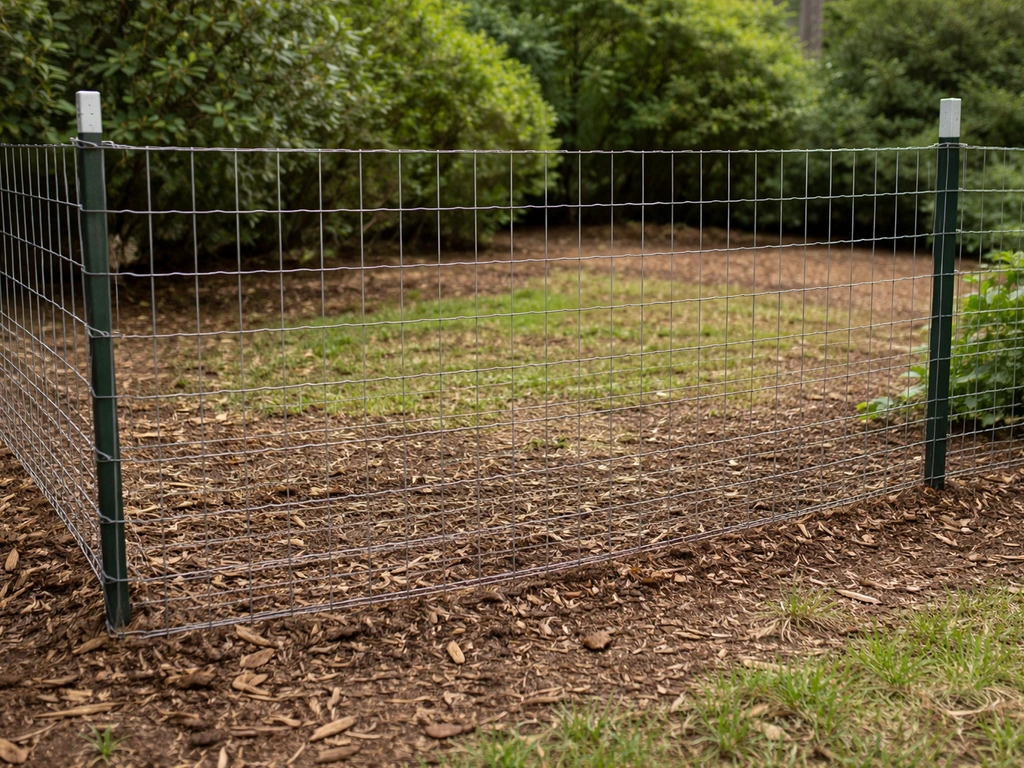
If you are dealing with domestic pigs on your property or feral swine in your area, physical exclusion is the most reliable solution. Pigs are strong, persistent rooters, so the fencing needs to be robust. Here are the specifications that extension services and wildlife management agencies recommend.
- Use welded wire or heavy-gauge hog wire with a mesh size of about 2x4 inches to prevent rooting under or pushing through.
- Fence height should be a minimum of 48 inches, with 60 inches being the safer target for larger animals.
- Electric fencing with multiple strands, including a low strand close to the ground, is effective for feral hogs that have not encountered it before.
- Bury or tension the bottom of wire fencing to prevent rooting and lifting from the ground up.
- Protect ground-nesting areas specifically by enclosing known nesting habitat if domestic pigs are nearby.
- Check fence integrity regularly, especially after heavy rain or animal activity.
For chicken keepers and homesteaders, separating pig and poultry areas with proper fencing is non-negotiable if eggs matter to you. A pig that gets into a chicken coop or nesting box area will eat eggs, and possibly chicks. For wild bird protection on rural or semi-rural land, encouraging ground-nesting birds to establish in fenced zones away from pig ranging areas is worth the effort.
Backyard bird safety: reducing the broader risk picture
If your concern is more about backyard feeders and general bird safety rather than a direct pig-access problem, the risk profile shifts. Pigs are unlikely to be a serious issue in a typical suburban backyard, but the habits that attract one unwanted animal often attract others. Spilled seed, open compost, and dirty feeders are magnets for a range of wildlife and can also create disease risks for birds themselves.
Cornell Lab's All About Birds recommends cleaning feeders about every two weeks, and more often during wet weather or heavy use, while also clearing spilled seed from the ground below feeders regularly. That spilled seed, left to accumulate, is what draws in ground foragers including the rodents and opportunistic wildlife that are the more likely suburban nest threats. Chipmunks raiding nests, mice frequenting feeder areas, and skunks working through ground-level habitat are all in this same category of opportunistic ground foragers.
Penn State Extension adds that reducing seed debris and moisture buildup lowers mold and disease risk at feeding stations, which is important for the birds themselves. Audubon recommends a dilute bleach solution for cleaning feeders and baths, following National Wildlife Health Center guidance. These are simple steps that protect birds from disease while also making your yard less attractive to foraging animals of all kinds.
- Clean feeders every 1 to 2 weeks with a dilute bleach solution and rinse thoroughly before refilling.
- Rake up spilled seed below feeders every few days, especially during wet weather.
- Do not leave pet food outdoors overnight where foraging wildlife can access it.
- Secure compost bins with lids or wire mesh to reduce food scent attracting wildlife.
- If you keep backyard poultry, collect eggs daily and secure nesting boxes at night.
- Wash hands after handling feeders, bird baths, or backyard poultry environments.
Myths, misidentification, and real contamination risks
One common misconception worth addressing directly: pigs are not the most likely culprit if you are finding damaged or missing eggs in a backyard or garden setting. In most suburban and semi-rural environments, the more probable egg predators are corvids like crows and jays, snakes, raccoons, squirrels, and opossums. Feral hogs are a legitimate threat in rural and agricultural areas, particularly in the southeastern United States and parts of the west where feral swine populations are established, but they are not a universal backyard threat.
Another myth: that pigs naturally seek out bird eggs as a primary food source. Another myth: that pigs naturally seek out bird eggs as a primary food source do skunks eat bird eggs. They do not. Egg predation by pigs is incidental to rooting behavior. If you eliminate pig access to nesting areas and do not create food attractants near bird habitat, the risk drops sharply. The pig is not obsessed with your bird eggs. It is just eating whatever it roots up.
The contamination angle is real and worth taking seriously. The CDC has documented Salmonella outbreaks linked to both backyard poultry and wild songbirds at feeders, and warns that people can become ill after touching feeders, baths, or pets exposed to wild birds without washing hands afterward. If pigs are accessing areas where birds congregate, that cross-exposure risk increases. Pigs can carry and spread pathogens through rooting and fecal contamination of soil, which can then affect bird habitat, water sources, and even your vegetable garden. Keeping pigs physically separated from bird areas is not just about the eggs.
Your next steps based on your situation
| Your situation | Most likely risk | What to do today |
|---|---|---|
| Rural property with domestic pigs nearby nesting birds | Direct egg predation from rooting near nests | Install 48-60 inch welded wire or electric fencing around nesting areas; separate pig and poultry zones immediately |
| Rural or semi-rural area with confirmed feral hog activity | Ground-nesting bird nest destruction and egg loss | Install multi-strand electric or heavy wire exclusion fencing; contact local wildlife management for trapping options |
| Suburban backyard with feeders and missing eggs | Corvids, raccoons, squirrels, or snakes more likely than pigs | Identify actual predator by tracks or camera; clean up spilled seed; secure nesting boxes nightly |
| Backyard poultry keeper concerned about egg loss | Pigs only if enclosure is compromised; disease risk from poor hygiene | Audit fencing integrity; collect eggs daily; clean coop regularly; wash hands after handling birds or eggs |
| Nature educator or birder tracking nest success rates | Multiple predator types including opportunistic wildlife | Use nest cameras; document predator species accurately; implement habitat exclusion for documented threats |
The bottom line is straightforward: pigs will eat bird eggs when given access, but that access is the variable you can control. Fix the fence, clean up food attractants, and separate pig ranging areas from bird nesting zones. Do those three things and the risk to your birds drops to near zero regardless of whether the pig is domestic or feral.
FAQ
Do pigs eat bird eggs seasonally, or only at certain times of day?
Yes, but the risk depends on access timing. If nests are on the ground and pigs are actively ranging during the nesting season, eggs can be lost quickly. If pigs are kept out during those specific hours or days (for example, nighttime exclusion from nesting fields), egg losses usually drop even if pigs are present nearby.
Can pigs damage nests and eat eggs without fully getting into the nesting area?
Pigs can take eggs even if they never reach the nest bowl. If they root through leaf litter or soil right next to the nest, they may uncover and eat eggs that are partly buried. That means clearing understory or reducing ground cover near nesting sites can help, even before you improve fencing.
How can I tell if missing eggs were caused by pigs versus crows, raccoons, or snakes?
Often, no. Evidence can look similar, but pigs typically leave deeper soil disturbance from rooting and wider tracks, while climbing nest predators leave different signs (for example, drag marks, broken twigs, or smaller entry points). Taking quick photos and measuring the nest site after you discover losses can help you distinguish rooting damage from other predators.
Will an electric fence stop pigs from reaching ground nests?
If you use electric fencing, it must be designed for pigs, not just deer. Pigs root low to the ground and can press into barriers, so you usually need proper height, spacing, and grounding, plus regular checks for vegetation contact that can short the system. A fence that works for a smaller animal may fail once pigs learn a weak spot.
What household items can unintentionally increase pig interest near bird habitat?
Yes. Compost piles with food scraps, spilled feed, and unsecured trash can pull pigs toward human areas. If pigs start visiting because of compost or pet food, they may then explore nearby bird habitat more often, increasing nest pressure. Removing attractants reduces how long pigs linger and how often they root near nests.
Can I protect ground-nesting birds with temporary barriers or seasonal closures?
You can, especially for ground-nesting birds. Use temporary, bird-safe exclusion zones during the highest risk period, then remove or relocate low shelters that give pigs cover to approach. Make sure any small barriers do not trap birds or block normal escape routes.
If I clean up spilled bird seed, does that eliminate the pig egg risk?
Seed cleanup helps more than many people expect, but it is not a standalone solution where pigs can access nesting areas. In pig-access zones, prioritize removing ground-level attractants first (spilled seed, droppings, compost spills), then combine it with physical separation so pigs cannot reach the nest directly.
What’s the best strategy, remove attractants or focus only on fencing?
Reducing foraging incentives near nests is helpful, but it is not enough if pigs can reach the nesting site. The best outcome comes from two layers: keep pigs out (fencing or barriers) and also limit food sources that encourage repeated visits. Repeated foraging visits are what turn an incidental encounter into consistent egg loss.
Will scare tactics or repellents keep pigs away from bird nests?
Do not rely on deterrents alone. Loud noises, scents, or occasional chasing often stop pigs for a short time but do not remove the motivation to root for food. If pigs have already discovered an easy resource, they typically return once the disturbance fades.
Is there a disease or hygiene risk if pigs root near bird feeders?
If pigs are interacting with your feeding areas, focus on hygiene immediately. Wear gloves when handling feeder areas, clean with bird-safe methods, and avoid letting pets or livestock access the same contaminated ground. Because pig rooting can spread fecal material through soil, you may want to keep birds and pets away from pig-roamed areas until the area is settled and cleaned.
I’m not sure which predator is responsible, what should I track to figure it out?
If you are seeing missing eggs but you also see high numbers of other ground foragers, pigs may be one of several contributors. Create a simple “predator diary” for 2 to 4 weeks, noting weather, feeder activity, and which animals appear at the site. This helps you decide whether to address pig access specifically or to focus on other common backyard predators.
Next Articles
Do Mice Eat Bird Food and Eggs? Signs and Prevention Tips
Do mice eat bird food or eggs? Learn signs and step-by-step prevention to protect feeders and nests.
What Bird of Prey Eats Pigeons: Common Raptors & ID Tips
Which raptors eat pigeons: peregrine, Cooper’s, goshawk, merlin, red-tailed, kestrels, owls; ID tips, risks and how to保护
Which Bird Eats Mice? How to Identify Mouse Predators
Identify which birds eat mice using hunting cues, time of day, calls, and perch habits, plus safe yard steps.