If a bird eats chocolate, it has been exposed to two toxic compounds called theobromine and caffeine, both methylxanthines that birds cannot metabolize safely. Even a small amount can trigger gastrointestinal distress, and larger exposures can cause rapid heart rate, tremors, seizures, and in serious cases death. The urgency depends on how much was eaten, what type of chocolate it was, and how big the bird is. For a pet bird, call an avian vet or the ASPCA Animal Poison Control Center (888-426-4435) right away. For a wild bird you watched eat chocolate at a feeder, remove the source immediately and monitor closely for symptoms.
What Happens If a Bird Eats Chocolate and What to Do

Maya Bennett
17 Jun 2026
Why chocolate is so risky for birds

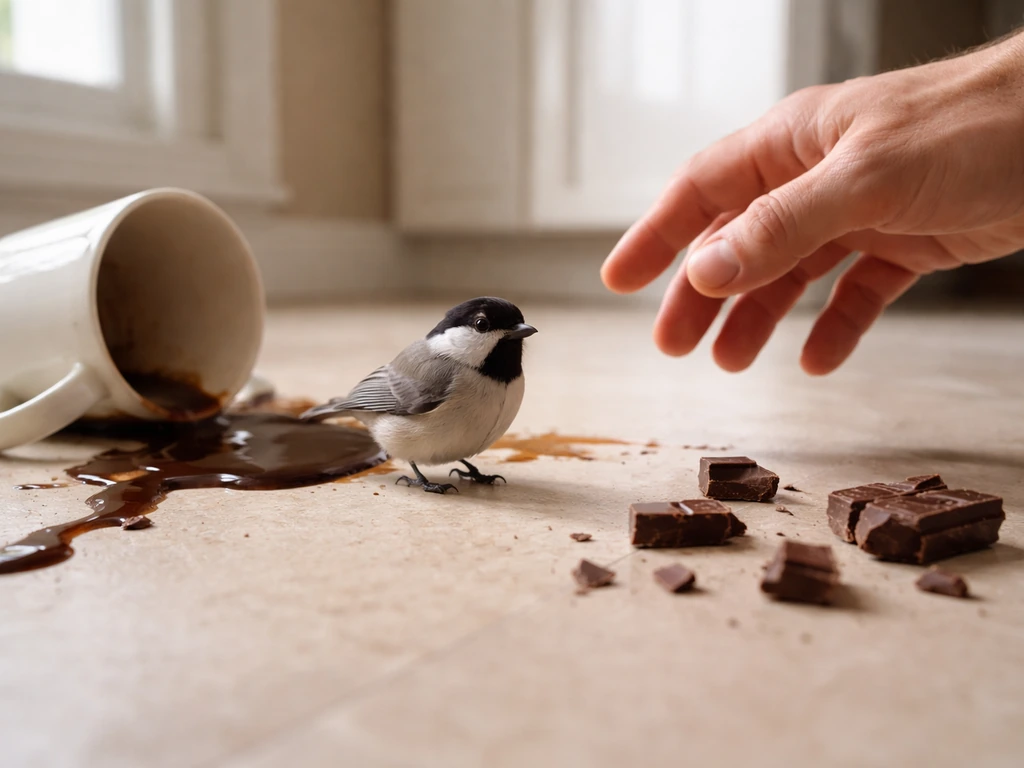
Chocolate contains two closely related stimulant compounds, theobromine and caffeine, both belonging to a class called methylxanthines. Theobromine is the main offender. Birds process these compounds far more slowly than humans do, so the compounds accumulate in their system and reach toxic concentrations much faster than you might expect. Theobromine acts on the heart, kidneys, and central nervous system. Caffeine compounds the problem by adding its own cardiovascular and neurological stimulation on top of that.
The Merck Veterinary Manual identifies theobromine (3,7-dimethylxanthine) and caffeine (1,3,7-trimethylxanthine) as the primary toxic principles in chocolate. The ASPCA Animal Poison Control Center reinforces this, noting that the exact amounts of these compounds vary by product and brand, which is why the type of chocolate matters so much when assessing risk. This is not a situation where a tiny nibble is automatically harmless. For a small bird like a finch or a parakeet, even a crumb of dark chocolate represents a meaningful dose.
What you might see right after ingestion
Symptoms can appear within one to four hours of ingestion, though in small birds with fast metabolisms they can show up even sooner. The first signs are usually gastrointestinal: vomiting (or regurgitation in birds), diarrhea, and obvious digestive upset. From there, things can escalate depending on the dose. The cardiovascular system takes a hit next, producing a visibly elevated heart rate and in some cases high blood pressure. Neurological signs follow in more serious exposures.
According to the Pet Poison Helpline, methylxanthine overdose in birds and other animals produces a consistent pattern of GI distress, cardiovascular effects like elevated heart rate, and neurological signs including hyperactivity, tremors, and seizures.
Pet Poison Helpline likewise summarizes methylxanthine overdose effects as gastrointestinal distress (vomiting or diarrhea), cardiovascular effects (elevated heart rate and high blood pressure), and neurologic signs such as hyperactivity, tremor, and seizure methylxanthine overdose in birds produces a consistent pattern of GI distress, cardiovascular effects, and neurological signs. The Merck Veterinary Manual adds hyperthermia (dangerous overheating) to that list, and notes that death from severe chocolate toxicosis typically results from cardiac arrhythmias, hyperthermia, or respiratory failure.
That escalation from stomach upset to cardiac crisis can happen quickly in small animals.
Red-flag symptoms that mean get help now
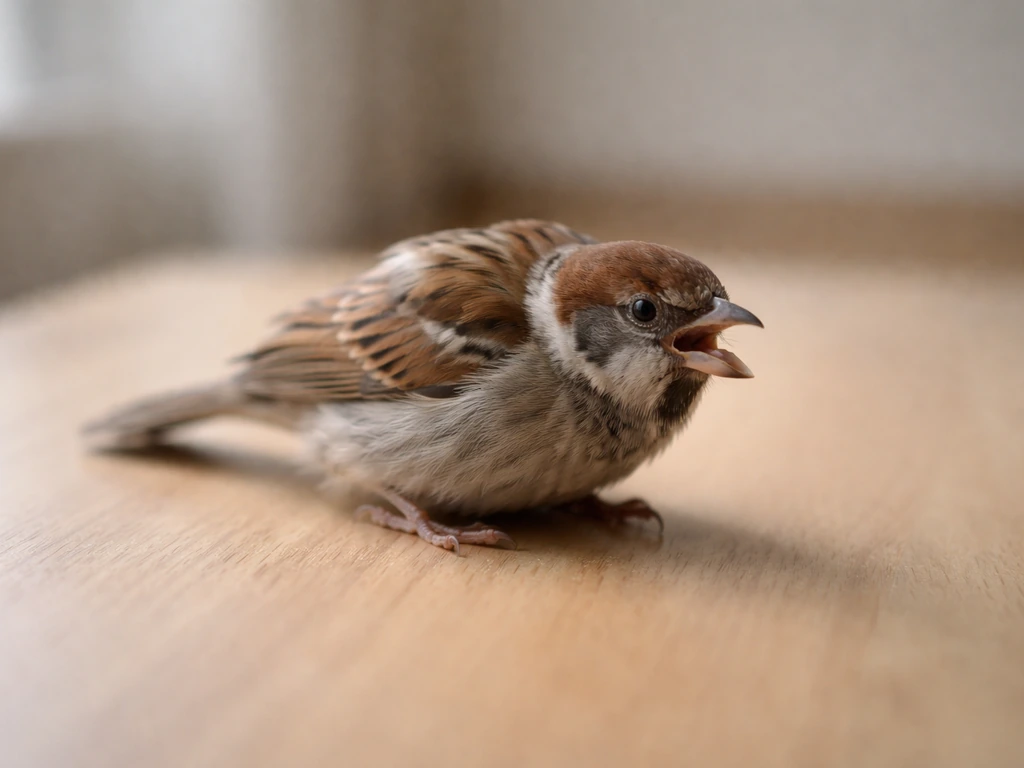
- Trembling, shaking, or full muscle tremors
- Seizures or loss of balance/coordination
- Rapid, irregular, or labored breathing
- Extreme lethargy or sudden collapse
- Open-mouth breathing or panting (birds do not pant normally)
- Persistent vomiting or diarrhea that does not stop after 30 minutes
- Visible agitation, frantic behavior, or inability to perch
What to do right now: first aid and when to call for help
The most important first step is removing access to the chocolate immediately. If there is any remaining chocolate within reach of the bird, take it away now. Do not try to induce vomiting in a bird. Birds have a very different digestive anatomy from dogs and cats, and forcing vomiting can cause aspiration and additional harm. If your cat is involved, do not assume the bird will be safe just because it is already outside the cage aspiration and additional harm. Do not offer milk, water with sugar, or any home remedy you may have read about. These do not neutralize methylxanthines and some can make things worse.
- Remove all chocolate from the bird's environment immediately.
- Do not attempt to induce vomiting.
- Keep the bird calm and warm, minimizing stress and handling.
- Note the type of chocolate (dark, milk, baking), the approximate amount eaten, and the time of ingestion.
- Call an avian vet or the ASPCA Animal Poison Control Center at 888-426-4435 right away if you have a pet bird.
- For a wild bird, call a local wildlife rehabilitator or your state wildlife agency.
- If the bird is already showing red-flag symptoms listed above, treat it as an emergency and get to a vet without delay.
When you call the vet or poison control, have the information ready: what type of chocolate (dark, milk, white, baking cocoa), roughly how much was consumed, the bird's species and estimated weight if you know it, and when the exposure happened. If a bird eats a poisonous plant, remove the plant from the area if you can do so safely, and contact a vet or animal poison hotline right away poisonous plant exposure in birds.
That timeline matters because treatment options narrow after a few hours. A vet may recommend activated charcoal to slow absorption, IV fluids to support the kidneys, or medications to manage heart rhythm. None of that can happen at home, which is why the call comes first.
How much chocolate is actually dangerous
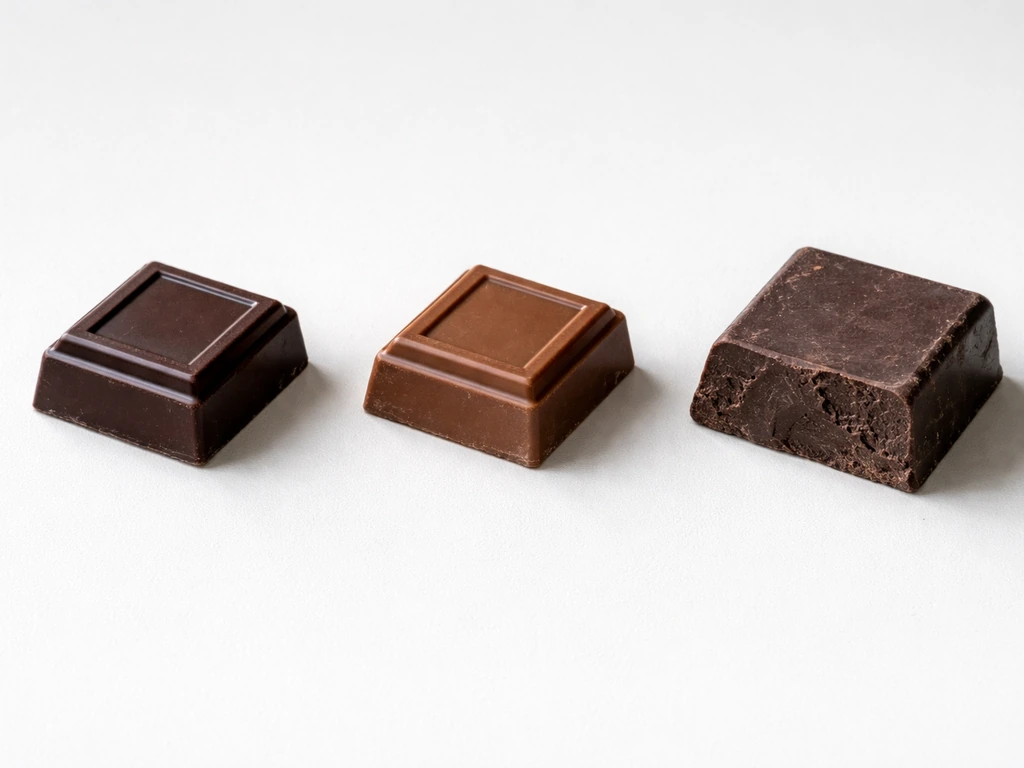
There is no universal safe threshold for birds, but several factors shift the risk significantly. The most important is the type of chocolate. Baking chocolate and dark chocolate contain dramatically higher concentrations of theobromine than milk chocolate or white chocolate. A bird that gets into a square of baking chocolate is in a much more serious situation than one that nibbled a bit of milk chocolate coating, though neither is safe.
| Chocolate Type | Theobromine Content (approx.) | Risk Level for Birds |
|---|---|---|
| Baking/unsweetened chocolate | 400-450 mg per oz | Extremely high |
| Dark chocolate (70%+ cacao) | 150-300 mg per oz | Very high |
| Semi-sweet chocolate chips | 100-150 mg per oz | High |
| Milk chocolate | 40-60 mg per oz | Moderate to high |
| White chocolate | Trace amounts | Lower, but still not safe |
Bird size and species matter just as much as the type of chocolate. A large macaw weighing 900 grams can tolerate a higher absolute dose before reaching a dangerous blood concentration compared to a budgie weighing 30 grams or a small wild songbird weighing 20 grams. But do not let that scale make you complacent about larger birds. Enough dark chocolate can poison a large parrot too. Timing also matters. The faster you act after exposure, the more treatment options are available and the better the outcome tends to be.
Wild birds, feeder birds, and pet birds: different scenarios, same toxicity
Wild and feeder birds
Wild birds at feeders are unlikely to seek out chocolate intentionally, but they will eat chocolate chips, cocoa mulch, chocolate cake crumbs, or other scraps left outdoors. People sometimes place leftover baked goods or snack foods near feeders thinking they are being generous. Any food containing chocolate is a hazard in that context. If you witness a wild bird eating chocolate, your options are limited: you cannot easily catch most wild birds, and inducing vomiting is not possible. Remove the food source immediately, keep the area clear, and watch the bird from a distance. If it shows distress, contact a licensed wildlife rehabilitator. Many states have hotlines, and the National Wildlife Rehabilitators Association can help you locate one nearby.
Pet birds
Pet bird owners have a real advantage in a chocolate exposure situation: you know your bird, you likely know its weight, and you have direct access to veterinary care. The same toxic mechanism applies, but you can act faster and with more information. Parrots, cockatiels, canaries, finches, and other cage birds are all vulnerable. The toxicity does not discriminate by species in terms of the underlying mechanism, though smaller birds reach dangerous concentrations sooner. If your pet bird got into chocolate, treat it as an emergency call to your avian vet regardless of how much was eaten. Do not wait to see if symptoms develop. By the time symptoms appear, the window for the easiest interventions may have already closed.
Accidental exposure happens more often than people expect. Chocolate left on a table, a piece of brownie dropped on the floor, or a bird that sneaks a bite from an unattended mug of hot cocoa are all real scenarios. If you have a free-flying pet bird, keep chocolate and chocolate-containing foods completely out of any room where the bird has access.
Keeping chocolate away from feeders and birds
Prevention is straightforward once you know what to watch for. The main rule for feeders is simple: only offer foods specifically intended for birds. Stick to commercial seed mixes, suet cakes formulated for birds, dried fruits without added sugar or preservatives, and plain unsalted nuts. Never place table scraps, baked goods, candy, or chocolate near feeders, even if the food does not look obviously harmful.
Watch for cocoa shell mulch in gardens near feeding areas. This landscaping product is made from cocoa bean husks and contains theobromine. It is popular for its smell and texture, but if birds forage in mulched beds near your yard, it presents a genuine risk. Opt for cedar or pine bark mulch in areas where birds feed or forage.
Safer treat alternatives for birds
- Fresh or dried berries (blueberries, cranberries, raisins in small amounts)
- Sliced apple or pear (remove seeds, which contain trace cyanogenic compounds)
- Plain cooked rice or plain oats (no salt, no sugar, no flavoring)
- Mealworms, live or dried, for insectivorous species
- Unsalted, unflavored sunflower seeds or peanuts in the shell
- Commercial suet cakes formulated specifically for wild birds
For pet bird owners, the treat list above applies, plus species-specific pellets recommended by your avian vet. If you are ever unsure whether a food is safe, the rule is to verify before offering, not after. The same cautious logic applies to Alka-Seltzer, which is another common household item that poses a risk to birds through a different mechanism. The pattern is the same: human foods and medicines are not automatically safe for birds just because they are safe for us Alka-Seltzer. The pattern is the same: human foods and medicines are not automatically safe for birds just because they are safe for us.
After the exposure: monitoring, recovery, and preventing it from happening again
If your bird was seen by a vet and treated, follow the discharge instructions exactly. Common aftercare involves rest, warmth, hydration, and sometimes a brief course of supportive medications. Keep the bird in a calm, quiet environment away from stress and noise. Monitor eating, drinking, and droppings closely for at least 48 to 72 hours after exposure. If you are dealing with plastic ingestion, the main concern is that it can irritate the digestive tract and potentially cause blockage what happens if a bird eats plastic. A return to normal droppings and feeding behavior is a good sign. Any recurrence of symptoms means going back to the vet without waiting.
For wild birds you were monitoring from a distance, continued observation over 24 hours is the best you can do if the bird is not catchable. If the bird disappears from your yard, that is not necessarily a bad sign. Many birds will move away to a quiet spot when they feel unwell. If you find a bird down or in clear distress, your local wildlife rehabilitator is the right call.
To prevent re-exposure, do a full audit of your home and yard after any incident. Check for chocolate or cocoa-containing products stored at bird height, accessible countertops, open pantries, or areas where free-flying pets roam. At feeders, brief everyone in the household or neighborhood on what not to place near bird feeding stations. A printed list of safe versus unsafe bird foods taped near your feeder storage area is a simple, practical reminder that can prevent the next incident before it starts.
Quick monitoring checklist for the 72 hours after exposure
- Is the bird eating and drinking at close to its normal rate?
- Are droppings normal in color and consistency?
- Is the bird alert and responsive when you approach?
- Is the bird perching and moving without stumbling or trembling?
- Is breathing slow, quiet, and through a closed beak?
- Has any vomiting, regurgitation, or diarrhea resolved?
- If any of these are abnormal, call your vet or wildlife rehabilitator immediately
FAQ
Is white or milk chocolate safer for birds than dark or baking chocolate?
Milk chocolate and white chocolate still contain methylxanthines, but theobromine levels are much lower than in dark or baking chocolate. The risk is not zero, especially for small birds, but dark and baking products should be treated as the highest danger categories and handled as urgent.
My bird ate a tiny amount of chocolate. Can I wait to see if symptoms appear?
No, even if the bird looks fine at first. Symptoms usually start within 1 to 4 hours, but small birds may show signs sooner, and serious effects can develop after initial GI upset. If there was real access to chocolate, call a vet or poison control instead of waiting for symptoms.
What home remedy can I use to neutralize chocolate toxicity?
Do not try to “counteract” chocolate at home. Plain water, sugar water, and milk do not neutralize theobromine or caffeine, and some home remedies may worsen things or delay proper treatment. Focus on removing access and contacting an avian vet or poison hotline.
Should I give my pet bird something to eat or drink, or force vomiting?
If you are working with a pet bird, do not induce vomiting, and do not offer food or drink unless advised by the vet. Handling a sick bird repeatedly can increase stress and make monitoring harder, so keep it warm, quiet, and transport-ready while you wait for veterinary guidance.
If the chocolate bite happened a while ago, is it still worth calling?
Timing affects treatment, but “how long ago” also affects what information you should provide. If it was longer than a few hours, still call, because clinicians may adjust recommendations based on the delay and the bird’s current symptoms.
Will activated charcoal help, and can I give it myself?
Activated charcoal is sometimes recommended by clinicians to reduce absorption, but dosing and timing must be guided by a professional, especially in birds where aspiration risk and correct technique matter. If a vet recommends it, they will provide instructions, otherwise do not attempt it at home.
If my bird only shows stomach upset, does that mean it’s not dangerous?
If you see GI signs only, such as loose droppings or regurgitation, that does not rule out later heart or neurologic problems. Continue to monitor after the initial symptoms and follow up with veterinary or poison control instructions for the full observation window.
What should I do if a wild bird at my feeder eats chocolate and won’t be caught?
In most cases, the best you can do is prevent further exposure, keep the bird under observation, and contact a wildlife rehabilitator if the bird is distressed. You typically cannot rely on inducing vomiting or catching the bird, and delaying help can reduce the chance of recovery.
Is cocoa mulch or cocoa-based garden products risky for birds too?
Yes, cocoa-based landscaping and products can be hazardous even without “chocolate candy” being present. Treat cocoa mulch and cocoa bean husk products as chocolate risk, especially when birds are foraging nearby.
What details should I gather before calling the vet or poison control?
Document the details while they are fresh: product type (baking, dark, milk, white), approximate amount (chip count, square size, crumbs), when it happened, and the bird’s species and weight. If possible, take a quick photo of the remaining packaging or food so the vet can estimate methylxanthine potency more accurately.
If my cat or dog had chocolate too, do I still need to treat the bird as its own emergency?
Even if the bird shares a cage or is near a pet that got chocolate, assume each animal should be assessed independently. The article focus is birds, but the safe action is to prevent cross-exposure, keep the bird isolated from remaining chocolate sources, and get bird-specific guidance.
Next Articles
What Happens If a Cat Eats a Bird and What to Do Now
If a cat eats a bird, learn immediate risks and what to do today for the cat, the bird, and safe cleanup.
What Happens If a Bird Eats Alka-Seltzer and What to Do
Learn what happens if a bird eats Alka-Seltzer, symptoms to watch, safe first aid, and when to get urgent help.
Can a Bird Eat Chocolate? What to Do and Safer Alternatives
Can bird eat chocolate? Chocolate is toxic from caffeine and theobromine. Get quick first steps, warnings, and safe alte