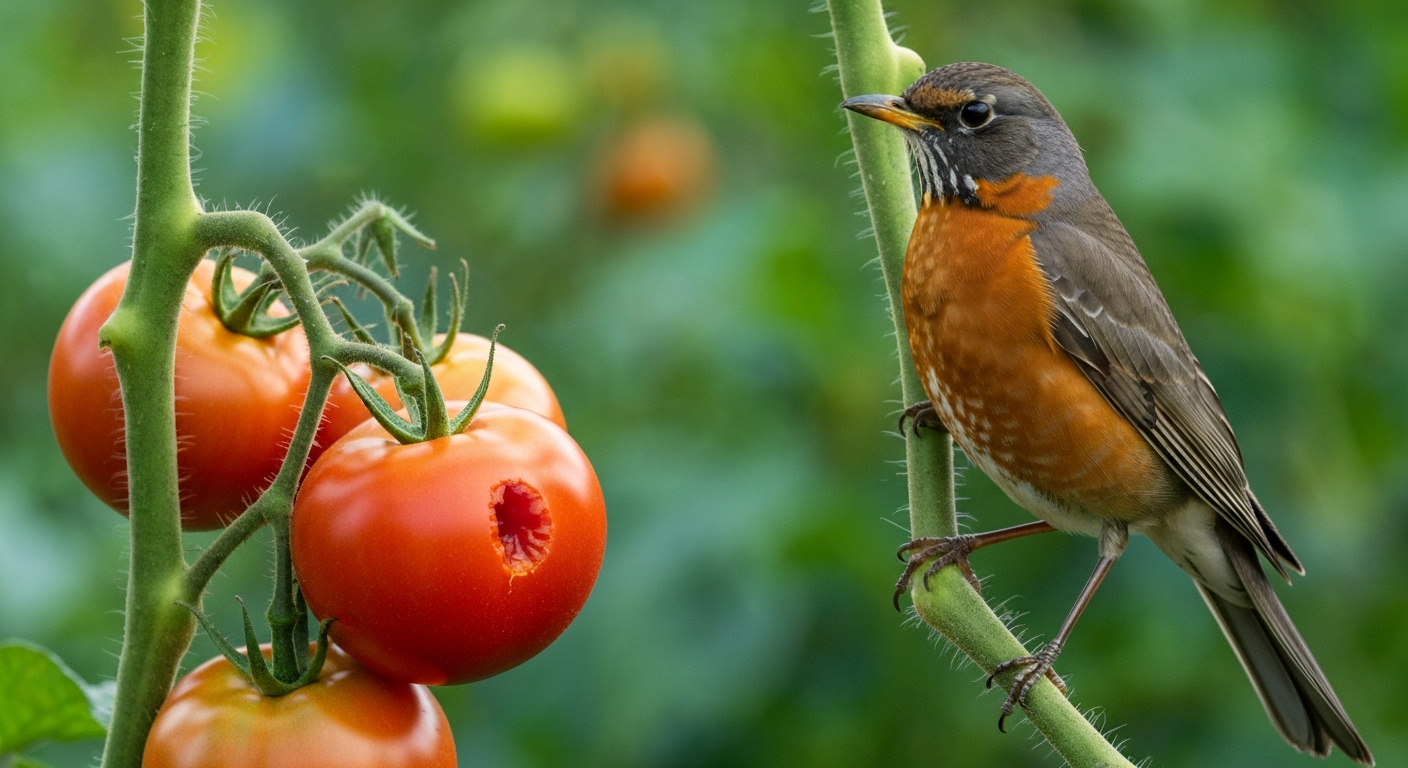
If you searched 'good eats a bird in the pan,' you are probably not looking for a cooking show episode. Investigation of handling practices for fresh produce and the efficacy of commercially available produce washes on removal of pathogens and natural microflora on whole cantaloupe surfaces, ScienceDirect notes that Household treatments tested experimentally (dilute vinegar/acetic acid, commercial 'produce washes') can give modest extra reductions versus water for some pathogens on some produce (often ~0.5–2 log reductions in controlled studies) but are not reliably sterilizing and can produce cross‑contamination if wash water is reused blank" rel="noopener noreferrer">Investigation of handling practices for fresh produce and the efficacy of commercially available produce washes on removal of pathogens and natural microflora on whole cantaloupe surfaces — ScienceDirect. Effectiveness of Washing Procedures in Reducing Salmonella enterica and Listeria monocytogenes on a Raw Leafy Green Vegetable, PMC (experimental study) notes that Efficacy studies on household and small‑scale postharvest decontamination show plain running water and gentle rubbing remove many soil/organic residues and some bacteria; adding an approved sanitizer (industry: low‑ppm chlorine/peracetic acid) in re‑circulated wash systems provides additional log‑reductions, but no consumer washing method reliably guarantees complete elimination of pathogens on contaminated produce blank" rel="noopener noreferrer">Effectiveness of Washing Procedures in Reducing Salmonella enterica and Listeria monocytogenes on a Raw Leafy Green Vegetable — PMC (experimental study). Most people landing on this phrase are really asking one of a handful of urgent, practical questions: Is it safe to eat fruit or vegetables that a wild bird pecked? How do birds spread contamination? How do you clean produce a bird touched? And sometimes, after seeing a viral clip, people want to know about celebrity stories involving birds being eaten. This article covers all of that, grounded in actual food-safety research, so you can make a fast, low-risk call whether you are standing in your garden holding a pecked tomato or trying to protect your feeder setup from wildlife.
Good Eats 'a Bird in the Pan': Can You Eat Food Birds Pecked

What 'good eats a bird in the pan' actually means and what this covers
The phrase is ambiguous by nature, and that ambiguity is the whole point of this article. 'Good eats a bird in the pan' pulls together questions about food safety, bird behavior, backyard wildlife, and occasionally viral internet moments. I will walk you through the practical decision most readers actually face: a bird landed on your tomatoes, pecked your strawberries, or rummaged through your feeder, and now you need to know what to do. Along the way I will also cover feeder hygiene, pet and wildlife risks from spoiled feed, myth-busting on common beliefs (the rice, bread, and spider questions), and how to evaluate outrageous claims you see online.
Quick decision flow: should you eat food a bird touched?
Run through these questions in order. Stop as soon as you hit a 'discard' instruction. For a step-by-step answer, see the quick decision flow on 'should you eat food that a bird has pecked'.
- Is there visible feces (droppings) directly on or in the food? Yes: discard. No: continue.
- Is the item punctured, cracked, or has a deep peck wound going into the flesh? Yes: if the wound is small (under about 1 cm), cut away at least 1 inch of surrounding tissue, then wash the remainder under running water. If the wound is large or goes to the core, discard. No: continue.
- Is the person eating this immunocompromised, pregnant, elderly, or a young child? Yes: lean toward discarding or cooking the item. No: continue.
- Is the surface damage only a minor surface scratch with no broken skin and no feces contact? Yes: wash thoroughly under running potable water while rubbing with clean hands or a produce brush, dry with a clean towel, and proceed.
- Has the item been sitting at room temperature for more than 2 hours since the bird contact (or more than 1 hour if ambient temp is above 90°F/32°C)? Yes: discard. No: refrigerate promptly at 40°F (4°C) or below.
That five-step flow covers roughly 90 percent of the situations I hear about. The core rule is: feces or deep wounds mean discard; surface contact with intact skin means wash and use promptly.
How birds actually transfer contamination
Wild birds carry enteric pathogens, including Salmonella species, Campylobacter, and Shiga toxin-producing E. coli (STEC), in their digestive tracts and shed them in feces. Feces can land directly on produce or on soil that produce contacts, and it can be tracked by bird feet from one surface to another. Wet fecal material transfers more readily than dry. Research from agricultural lands in California confirmed wild birds living near commercial produce fields routinely carry these pathogens, and a 2008 outbreak in Alaska traced Campylobacter infections from raw garden peas directly to wild bird (sandhill crane) feces using genetic typing. So the threat is real, but it is proportional: a bird hopping across your feeder table is a different risk level from a heron roosting directly over your salad greens.
The routes of transfer are feces to surface, feet to surface, and (less commonly) feathers brushing a wound. The factor that changes risk most dramatically is whether the produce surface is intact. Pathogens like Salmonella survive longer on bruised or wet fruit, and they can shelter in stem-scar niches, cracks, and peck punctures where washing cannot reliably reach them. That is why a peck wound is treated differently from a mere surface pass.
Who is most at risk
For most healthy adults, eating produce that had minor surface contact with a bird is a low but non-zero risk. The calculus changes significantly for certain groups. Immunocompromised individuals (people on chemotherapy, organ transplant recipients, those with HIV/AIDS), pregnant people, adults over 65, and children under 5 face more severe outcomes from Salmonella, Campylobacter, and STEC infections. For these groups, I recommend cooking any produce that had bird contact rather than eating it raw, or simply discarding it. The small cost of a tomato is not worth a hospital stay. If you prepare food in a professional food-service context, FDA produce safety guidance requires you to remove visibly feces-contaminated produce from the harvest and maintain no-harvest buffer zones around animal intrusion sites.
Inspecting pecked fruit and produce
Before you wash anything, inspect it carefully in good light. Here is my practical checklist. For a focused quick answer about a pecked tomato, see Can I eat a tomato that a bird has pecked for step-by-step inspection and handling guidance.
- Look for visible droppings: white, black, or greenish-white streaks or spots on or near the item. Even dry droppings indicate recent bird activity.
- Check the wound size and depth: use a fingernail to gauge depth. A shallow surface scratch is different from a full peck that breaks through the skin into wet flesh.
- Look at the stem scar and blossom end on tomatoes and similar fruit: these are natural niches where pathogens concentrate. If the bird worked at the stem end, be more cautious.
- Check for bruising around the wound: discolored, soft, or sunken flesh around a peck mark means the damage extends beyond what is visible.
- Look for secondary pests: a bird peck often lets insects, slugs, or wasps in. If you see insect activity inside the wound, the item has likely been compromised further.
- Smell the item: off or fermented odor near the wound means spoilage has already begun; discard.
- Check for mold at or around any wound: any visible mold growth is a hard stop; discard the entire item.
Cleaning and sanitizing pecked produce: step-by-step
If the item passes your visual inspection and the damage is minor, here is how to handle it properly. The FDA and USDA are both explicit: do not use soap, dish detergent, or household bleach on produce. These are not approved for food contact in that context and can leave residues or cause their own harm.
- Wash your hands with soap and water for at least 20 seconds before handling the produce.
- Trim away the damaged area first, cutting at least 1 inch (2.5 cm) around and below the peck wound to remove the contamination niche and any visibly compromised tissue. Use a clean knife on a clean cutting board.
- Hold the trimmed item under cool to lukewarm running potable tap water (not a bowl or basin, since standing water can recontaminate).
- Rub the surface firmly with clean hands or a dedicated produce brush for at least 30 seconds, paying attention to surface textures, crevices, and the stem area.
- Optionally, for firm-skinned produce (not leafy greens or berries), a brief soak in a dilute vinegar solution (1 part white vinegar to 3 parts water for 1 to 2 minutes) followed by a rinse provides a modest additional reduction of surface bacteria in experimental studies, typically 0.5 to 2 log reductions, though this is not a guarantee of safety.
- Dry immediately with a clean paper towel or fresh cloth. Drying removes residual moisture that pathogens need to persist.
- Use or refrigerate immediately. Do not let washed, cut produce sit at room temperature.
Storage time and temperature: the rules that protect you
Cut or prepared produce is classified as a temperature-controlled-for-safety (TCS) food under the FDA Food Code, meaning it requires refrigeration at or below 41°F (5°C) once prepared. In a home context I round that to 40°F (4°C), which is where most home refrigerators should be set. The 2-hour rule is the key household guideline: cut fruit and vegetables (or any produce that had bird contact) should not sit at room temperature for more than 2 hours total. If the ambient temperature is above 90°F (32°C), that window drops to 1 hour. These time limits are not conservative estimates I am inventing; they are the standard used by food-service inspectors and public-health agencies because bacterial doubling times in the 'danger zone' (40 to 140°F / 4 to 60°C) can be as short as 20 minutes for some pathogens. Once you have cut away the damaged portion and washed the remainder, refrigerate it promptly, and use it within 1 to 2 days.
When to discard: hard-stop rules
Some situations are not judgment calls. Discard immediately and without hesitation if you see any of the following.
- Visible droppings or fecal smear on or in the flesh (not just on the outer skin you plan to peel, but directly on or inside the fruit).
- Any visible mold, including small spots: mold on soft produce like tomatoes or berries extends well beyond what is visible, and some molds produce mycotoxins that are not removed by trimming.
- Deep peck wounds that reach the seed cavity or core of the fruit.
- Soft, sunken, or water-soaked flesh extending away from the wound site, indicating bacterial rot has begun.
- Fermented, sour, or 'off' smell near the wound.
- Evidence of insects, larvae, or slugs inside the wound.
- Produce that sat outside at room temperature for more than 2 hours (1 hour above 90°F) after bird contact.
- Any produce item where you are not confident about the extent of fecal contact, and the person eating is high-risk.
Quick visual ID: the birds (and animals) most likely visiting your produce and feeders
Knowing who is responsible for the damage helps you gauge both frequency and risk. Some species are prolific produce feeders; others are more occasional visitors. Here is a quick reference for the most common fruit-eating birds and feeder opportunists in North America.
| Species | Typical damage | Risk level note | Notes for ID |
|---|---|---|---|
| American Robin | Shallow surface pecks on ripe tomatoes, strawberries, cherries | Low-moderate: common Salmonella carrier in studies | Orange-red breast, dark back; often feeds on ground near garden beds |
| Cedar Waxwing | Group feeding, rapid consumption of berries and soft fruit | Moderate: flock feeding means more fecal deposit | Sleek gray-brown, yellow tail tip, red wing spots, crest; travels in flocks |
| European Starling | Aggressive deep pecks into tomatoes, grapes, figs; causes significant damage | Moderate-high: high pathogen carriage documented in agricultural studies | Glossy black with iridescent sheen (summer), speckled (winter); yellow bill in breeding season |
| Baltimore/Bullock's Oriole | Pierces ripe fruit for juice; small clean holes | Low-moderate | Bright orange and black (male); look for elongated bill puncture marks |
| Blue Jay / Steller's Jay | Pecks at soft ripe fruit; also raids other birds' nests | Low-moderate | Blue crest and wings; raucous call; tends to take large bites |
| House Sparrow | Surface pecks on grain, small fruit, seedlings | Low-moderate: documented Salmonella shedder | Small brown-streaked; male has black bib; often in groups at feeders |
| Squirrel (Eastern Gray / Fox) | Deep gouges in tomatoes, corn, squash; also raids feeders aggressively | Moderate: can carry Salmonella; biting/scratching risk to handlers | Obvious; gray or reddish, bushy tail |
| Raccoon | Large irregular damage; often removes whole fruit; digs in soil | High: known carrier of multiple zoonotic pathogens including raccoon roundworm | Ringed tail, black mask; typically nocturnal damage |
The damage pattern itself often tells you who visited. Starlings leave deep, ragged gouges. Robins and waxwings leave shallow, round peck marks. Orioles leave surprisingly small, clean puncture holes. Raccoons leave chaotic, large-scale destruction, often with muddy prints nearby.
Protecting tomatoes and crops: practical, nonlethal deterrents
Most bird species that eat garden produce are protected under the Migratory Bird Treaty Act in the United States, meaning you cannot legally harm, trap, or kill them without a federal permit. That makes nonlethal deterrents not just the ethical choice but the legal one. The good news is that several of these actually work.
- Bird netting: the most reliably effective physical barrier. Use 3/4-inch mesh or smaller draped directly over or supported above plants on a frame. Check it daily so birds and other wildlife do not become entangled.
- Row covers (floating fabric): protect smaller plants and low-growing crops like strawberries while still allowing air circulation.
- Harvest early: pick tomatoes at the 'breaker' stage (when they just start to blush red) and ripen them indoors. A tomato ripening on your counter has no bird interest; one that stays on the vine until fully red is a target.
- Reflective deterrents: holographic tape, old CDs, or reflective spinners hung near the crop create moving light patterns that disturb birds. Effectiveness decreases as birds habituate, so move them regularly.
- Decoy predators: plastic owls or hawk silhouettes work briefly but require frequent repositioning to remain effective.
- Water-activated sprinklers (motion-sensor): these provide a genuine startle response and work well on squirrels and raccoons too.
- Remove or relocate bird feeders during peak fruiting: if you have a feeder within 20 feet of your tomatoes, you are essentially running a dining advertisement. Move the feeder to the far end of the yard.
- Provide an alternative: a separate patch of bird-friendly berries (serviceberry, mulberry) can redirect fruit-eating birds away from your vegetable garden.
Feeder and seed-storage hygiene: what actually matters
A dirty feeder is not just unattractive; it is a genuine disease-transmission hub. Birds with salmonellosis and aspergillosis cluster at feeders, and wet, moldy seed can cause mass songbird die-offs, which I have personally seen reported by wildlife rehabilitators every late winter. The cleaning schedule is not optional.
- Clean tube and hopper feeders every 1 to 2 weeks with hot water and a 10% bleach solution (1 part household bleach to 9 parts water). Rinse thoroughly and allow to dry completely before refilling. Moisture in a feeder turns seed moldy within days.
- Clean platform feeders every 3 to 4 days or whenever wet hulls or droppings accumulate, whichever comes first.
- Clean hummingbird feeders every 2 days in warm weather (above 70°F/21°C) or every 4 to 5 days in cool conditions. Nectar ferments quickly, and fermented nectar can cause yeast infections in hummingbirds.
- Rake or remove seed debris and droppings from the ground under feeders weekly. Ground-feeding birds like sparrows and doves are especially vulnerable to Salmonella cycling through contaminated ground litter.
- Rotate feeder placement seasonally to avoid creating a permanent contaminated zone in one patch of soil.
- Store seed in a sealed, rigid container (metal or heavy plastic with a tight lid) in a cool, dry place. An airtight container prevents moisture intrusion, which is the primary cause of aflatoxin-producing mold (Aspergillus species) in stored seed.
- Do not top off a feeder with new seed over old seed. Empty, clean, and refill.
- Discard any seed that smells musty, clumps together, or shows visible mold. Never put it in a feeder.
Risks to pets and wildlife from spoiled or inappropriate feed
Dogs and cats that eat dropped seed, dead birds near feeders, or spilled feed can develop gastrointestinal illness from Salmonella or from mycotoxins in moldy grain. Dogs in particular are drawn to seed piles under feeders. The symptoms of Salmonella in dogs include lethargy, vomiting, diarrhea (sometimes bloody), and fever, typically appearing 6 to 72 hours after exposure. If your dog or cat ate seed under a feeder or mouthed a sick or dead bird, call your veterinarian promptly, especially if symptoms appear. The ASPCA Animal Poison Control Center (888-426-4435) is also a resource for urgent questions about mycotoxin ingestion (aflatoxin in moldy corn, for example).
Wild birds themselves are harmed by inappropriate feed. Bread, crackers, and processed human foods offer empty calories and can cause a developmental condition called 'angel wing' in waterfowl, where wings grow deformed from nutritional imbalance. Moldy bread is worse: Aspergillus mold causes a fatal respiratory disease (aspergillosis) in many bird species, and ducks and geese are particularly susceptible. Feeding white rice (cooked or uncooked) is not harmful to birds, despite the popular myth, but it offers no nutritional value compared to appropriate seed mixes. Uncooked rice simply rehydrates in the bird's crop; it does not expand to lethal proportions.
Myth-busting: rice, bread, spiders, and the 'never eat food a bird touched' rule
A few claims circulate endlessly in backyard birding communities and deserve a clear answer. The popular guideline 'never eat food a bird has touched' is a common shorthand, but you can usually make a safer, lower-waste decision by inspecting, washing, and following the risk-based steps in this article.
| Claim | What the evidence actually says | Verdict |
|---|---|---|
| Throwing rice at weddings (or feeding rice to birds) kills birds by expanding in their stomach | No scientific basis. Rice absorbs water at roughly the same rate as other grains. Ornithological and wildlife veterinary sources consistently debunk this. Birds eat wild rice in wetlands year-round. | False |
| You should never eat any food a bird has touched | Overly broad. Surface contact with intact-skinned produce, followed by proper washing, does not guarantee contamination. Risk depends on fecal contact, wound depth, produce type, and the person's health status. | Partly false; context matters |
| Bread is fine to feed ducks and wild birds as a treat | Bread is low in nutrition and can cause angel wing in waterfowl with regular feeding. Moldy bread introduces Aspergillus. Occasional small amounts to healthy adult ducks are probably not acutely harmful, but it is a poor habit. | Mostly false; avoid it |
| Spiders on bird feeders are harmful to birds | Birds eat spiders intentionally; spiders are a significant protein source, especially for nestlings. A spider on or near a feeder is not a threat to birds. | False |
| Commercial produce washes are more effective than plain water | In controlled studies, produce washes give modest additional reductions (0.5 to 2 log) over water alone on some produce types, but they do not guarantee sterility and can cause cross-contamination if wash water is reused. FDA does not endorse them as necessary. | Mostly false; water and friction are the core tools |
| You can use dish soap to wash produce that a bird touched | FDA and USDA explicitly advise against using soap or detergent on produce. Soap residues can absorb into the surface of produce and cause their own health issues. | False; do not do this |
Evaluating viral and celebrity claims: the Ozzy/Nikocado standard
Occasionally a celebrity or influencer story about eating a bird (or eating food contaminated by a bird) goes viral, and people want to know if it is real, safe, or dangerous. If you searched 'Did Nikocado Avocado eat his bird', read the celebrity-evaluation section for how to separate spectacle from real food-safety risk. For a recent viral example and follow-up coverage, see the piece titled "Did Nick Avocado eat his bird?". The evaluation framework I use is simple: separate the spectacle from the food-safety question. Whether the story involves a rock musician biting the head off a bat on stage in 1982, or a content creator on a current platform making outrageous claims about their pet, the relevant safety questions are the same as they are for your garden tomato: was there fecal or blood contact with a food surface, how was it handled, and who is the person at risk? For background on the famous Ozzy Osbourne incident and whether he ate a bird (he bit a bat), see the FAQ Did Ozzy Osbourne eat a bird Did Ozzy Osbourne eat a bird?.
For wild birds specifically: any raw bird carcass can carry Salmonella, Campylobacter, and in some geographies, avian influenza. Handling a dead wild bird and then touching your face or food is a genuine transmission pathway. The CDC recommends wearing gloves when handling dead birds and washing hands with soap and water afterward. Whether a given viral story is real or staged, the practical takeaway is: raw contact with wild bird tissue carries documented risks, and no dramatic framing changes that biology.
Your action checklist and printable decision flow
Print or screenshot this section and keep it in your kitchen or garden shed for quick reference.
- INSPECT first in good light: look for feces, peck depth, bruising, mold, insects, or off smell.
- DISCARD immediately if: visible feces on flesh, mold present, deep wound to core, off smell, insect activity inside wound, or item sat at room temperature over 2 hours after bird contact.
- TRIM if: minor peck with no feces, no mold, no deep penetration. Cut at least 1 inch around and below the wound with a clean knife.
- WASH under running potable water for at least 30 seconds with friction. Do not use soap, detergent, or household bleach.
- OPTIONAL SANITIZE: firm-skinned produce only; soak 1 to 2 minutes in 1:3 vinegar-water solution, then rinse under running water.
- DRY with a clean paper towel immediately after washing.
- REFRIGERATE within 2 hours of bird contact (1 hour if ambient temp above 90°F/32°C); hold at 40°F (4°C) or below.
- USE within 1 to 2 days for cut or trimmed produce.
- COOK the item if a high-risk person is eating it.
- HIGH-RISK GROUP RULE: when in doubt, cook it or throw it out.
- CLEAN YOUR FEEDER every 1 to 2 weeks with hot water and 10% bleach solution; let it dry fully before refilling.
- STORE SEED in a sealed rigid container in a cool dry place; discard any musty, clumping, or visibly moldy seed.
Where to get further help
For produce safety questions specific to your region and crop type, your state or provincial cooperative extension service is the best first call. They maintain free, research-based guides on produce safety for home gardeners and small-scale producers, including updates aligned with the FDA Produce Safety Rule. The Produce Safety Alliance (linked through Cornell University) publishes grower training materials that translate directly to home-garden practice. For food safety emergencies or illness after eating contaminated produce, contact your local public health department or the FDA's food safety line (1-888-SAFEFOOD in the US). For sick or injured wild birds near your feeder, your state wildlife agency maintains lists of licensed wildlife rehabilitators; the National Wildlife Rehabilitators Association (nwrawildlife.org) also has a finder tool. If your pet has ingested moldy seed or a dead bird and is showing symptoms, call your veterinarian or the ASPCA Animal Poison Control Center at 888-426-4435 (a fee may apply). For questions about avian influenza risk from backyard birds and feeders, the USDA Animal and Plant Health Inspection Service (APHIS) maintains current guidance at aphis.usda.gov.
FAQ
Is it safe to eat fruit or other food a wild bird has touched or pecked?
It depends. Birds can carry enteric pathogens (Salmonella, Campylobacter, some E. coli) in feces and on feathers/feet. If there's visible feces on the item, discard it. Intact fruit with only a superficial peck or tiny blemish can often be salvaged by cutting away a generous margin around the damage, washing under running potable water, and cooking if possible. For vulnerable people (young children, elderly, pregnant people, immunocompromised), be more conservative and discard questionable items.
What immediate inspection checklist should I use when I find a bird‑touched tomato or other produce?
Inspect visually and by touch: 1) Any visible feces, droppings, or green/black smears — discard. 2) Open wounds, peck holes, cracking, deep punctures, or soft/fermented areas — discard or remove and discard the damaged portion plus an extra margin. 3) Surface dirt or dry peck marks with intact skin — can be washed and used. 4) Smell test: sour/fermented/off odor — discard. 5) If produce has been sitting at room temperature for many hours after contamination or is cut/ready‑to‑eat, discard if it’s perishable.
Step‑by‑step: How should I clean whole fruit a bird pecked but didn’t visibly soil with feces?
1) Rinse under running potable water while gently rubbing the surface for at least 10–20 seconds. 2) For tomatoes/sturdy fruit, use a clean produce brush for textured surfaces. 3) Dry with a clean paper towel or cloth. 4) If there are shallow peck marks, cut them out with a margin of healthy flesh (about ½ inch/1–2 cm) before eating raw. 5) When feasible, cook the fruit (sauces, roasting) to reduce risk further. Do not use soap, detergent, or household bleach on produce for consumption.
Are home produce washes, vinegar rinses, or bleach solutions effective against pathogens from birds?
No home method guarantees complete elimination. Plain running water with rubbing removes much soil and some microbes. Household vinegar or commercial 'produce washes' can give modest extra reductions in some studies but are not sterilizing. Household bleach solutions are not recommended for washing food (risk of chemical residues). For commercial/packing operations, low‑ppm sanitizers in controlled systems are used; these aren’t practical or recommended for routine home use.
When should I discard instead of trying to salvage produce a bird touched?
Discard if: 1) There is visible bird feces on the item. 2) The fruit has deep peck holes, cracks, punctures, bruising, or soft/fermented areas. 3) The item was cut/opened after contamination and left at room temperature beyond safe time limits (see next Q). 4) The produce smells off or shows mold. 5) The consumer is high‑risk and uncertainty exists. When in doubt, discard—food safety guidance errs on the side of caution.
What time/temperature rules apply to cut or ready‑to‑eat produce after a bird touched it?
Treat cut or ready‑to‑eat produce as perishable (TCS food). Keep at ≤40–41°F (≈4–5°C). If left unrefrigerated at room temperature, follow standard rules: discard if it has been out for more than 2 hours (1 hour if ambient temperature ≥90°F/32°C). If contamination is suspected and the item was left at room temperature, discard.
What Bird Eats Tomatoes: ID, Damage, Safety & Prevention
Which birds eat tomatoes? ID common species, spot peck damage, food-safety steps, and humane prevention tips.